
Reviewed · MIKUMI NATIONAL PARK SAFARIS
10 Days Mikumi Ruaha Selous Experience
Ruaha is the heart of this trip, a huge, lightly visited park where elephants gather near the Great Ruaha River and rare animals such as sable, roan antelope, kudu, and wild dogs may appear. You also get three parks rather than one, with Mikumi serving as both a wildlife stop and a practical link between Ruaha and Selous.
I like the private vehicle, which gives your group more control over game-drive timing and stops. I also like the mix of classic drives and optional Selous activities, including a walking safari or boat cruise at extra cost.
The main drawback is the amount of time spent on the road. This is a Southern Tanzania safari, not a quick park-hopping holiday, and some days are described as roughly five-hour activities without always making clear how much is driving and how much is game viewing.
Key points to know before booking
- Ruaha gets the most attention: You have an afternoon drive on arrival, then two full days of morning and afternoon drives.
- Mikumi is both wildlife stop and connector: Its open Mkata Floodplain can offer quick sightings, but the stay is brief.
- Selous is less predictable: Dense vegetation can make animals harder to spot, yet the reserve offers strong birding and optional boat or walking trips.
- Private means flexible: Only your group participates, with transport by private vehicle and a driver-guide.
- The price includes the basics: Accommodation, meals listed in the plan, park access, bottled water, airport transfers, and guiding are covered.
- Plan for physical stamina: The operator asks for a moderate fitness level, and the long road transfers call for patience.
Why Ruaha gives this safari its character
If your idea of a good safari includes space, quiet roads, and animals found through patience rather than a crowded convoy, Ruaha is the strongest reason to choose this route. At about 10,300 square kilometres, it is vast enough to feel wild, and the southern circuit generally sees fewer vehicles than Tanzania’s better-known northern parks.
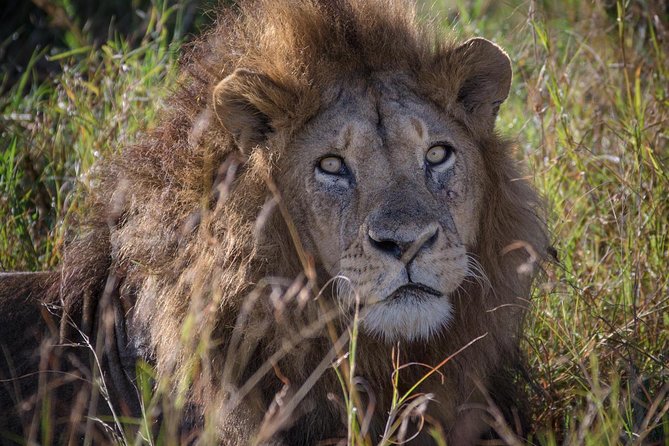
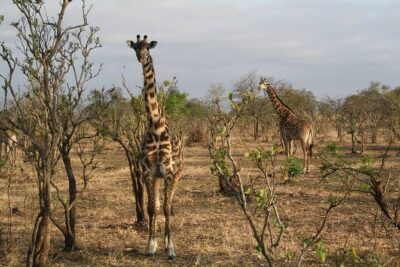
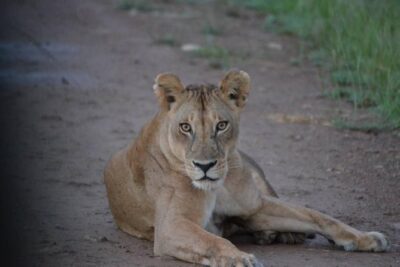
The Great Ruaha River is the park’s main source of life. It draws hippos and crocodiles, while surrounding woodland and open areas support elephants, lions, leopards, cheetahs, giraffes, zebras, elands, impalas, jackals, and bat-eared foxes.
Ruaha is also interesting because it sits between eastern and southern African ecological zones. That gives you a chance to see animals less associated with northern Tanzania, including greater kudu, sable antelope, and roan antelope. Endangered African wild dogs are another important possibility, though no safari can promise a sighting.
The itinerary gives Ruaha three nights, more than any other park. That is good planning. You need time in a large park because wildlife is not arranged for easy viewing, and the first drive may be spent learning the roads and habitats rather than collecting a long list of animals.
Other Mikumi days from Dar es Salaam:
- MIKUMI NATIONAL PARK – 3 Days
★ 4.5 · 63 reviews - 2 nights 3 days safari to mikumi national park
★ 5.0 · 62 reviews - 2 Days 1 Night Mikumi National Park from Dar es salaam
★ 5.0 · 60 reviews
Days 1 and 2: Dar es Salaam to the open plains of Mikumi
Your first day is deliberately simple. You arrive in Dar es Salaam, meet a representative, and transfer to the city centre for the night. The listed transfer takes about three hours and includes admission, though the schedule does not give a detailed sightseeing program.
That overnight stop matters because the next morning begins with a road journey to Mikumi. After breakfast, you leave with a packed lunch and drive for about five hours before an afternoon game drive. Mikumi is Tanzania’s fourth-largest national park and one of the easiest parks to reach from Dar es Salaam.
The centrepiece is the Mkata Floodplain, an open area often compared with the better-known Serengeti plains. Open country can make animals easier to see, particularly when herds are spread across the grassland. The park is also described as offering almost guaranteed wildlife sightings, but treat that as a strong possibility rather than a promise.
You return to the lodge late in the afternoon. This is not a full Mikumi safari. It is a useful first encounter and a sensible stopping point on the way inland, but you should not book this journey expecting several uninterrupted days here.
Days 3 to 5: Three days in Ruaha National Park
Day 3 takes you onward to Ruaha, with an afternoon game drive after arrival. The schedule again lists about five hours, so ask the operator how the driving time is divided on your travel date. Long transfers can reduce your first afternoon in the park, especially if road conditions or delays affect the schedule.
Days 4 and 5 are the best-paced part of the trip. After breakfast, you have morning and afternoon drives, with all meals at the lodge. Two full days give you a better chance to see changing animal behaviour, compare different parts of the park, and wait quietly when a sighting calls for patience.
The guide can make a major difference here. Gosheni guides associated with similar safaris include Francis, Albert, and Calvin. Francis has been praised for knowing where to wait and how long to hold position when wildlife is nearby. Albert is noted for explaining wildlife, local culture, and the area’s past, while Calvin has been praised for professional guiding and attentive service. Your assigned guide may be someone else, so treat these names as examples rather than a guarantee.
Ruaha is not only about big cats. You may find elephants along the river, kudu in woodland, crocodiles and hippos near water, and smaller animals such as bat-eared foxes and jackals. The mix of open floodplain, river edges, and miombo woodland gives the drives useful variety.
The tradeoff is that a large, lightly visited park can require more searching. You may have a quieter, more personal drive, but not every hour will bring a dramatic sighting. I see that as part of Ruaha’s appeal, provided you are comfortable with a slower safari rhythm.
Day 6: Returning through Mikumi
After breakfast, you drive back toward Mikumi, with a game drive en route. The practical reason is clear: Mikumi helps connect Ruaha with Selous, and the two areas form part of a wider southern wildlife system.
This day is less about settling into one park and more about changing regions. You may see wildlife during the drive, but the itinerary does not promise the same full morning and afternoon pattern provided in Ruaha. Expect another substantial travel day, and keep your camera ready without assuming every road section is a formal game drive.
An overnight near Mikumi breaks up the journey to Selous. That is more comfortable than trying to cover the entire distance in one push, though it means the ten-day schedule includes several transfer-heavy days.
Other southern-circuit days from Dar es Salaam:
- 3 Days Selous (Nyerere National Park)
★ 5.0 · 43 reviews - 3 Days Safari – Selous Game Reserve
★ 5.0 · 21 reviews - 3 Days Nyerere NP [Selous GR] Game, Walking and Boat
★ 5.0 · 19 reviews - 5 Days Safari to Selous & Mikumi
★ 5.0 · 15 reviews
Day 7: Into Selous through remote villages and Matemwe Gate
After breakfast, you head toward Selous through Matemwe Gate. Beyond Morogoro, the route leaves the paved road and follows the Uluguru Mountains through remote villages.
This is one of the more revealing parts of the trip because the safari is not only about park gates and animals. You see a changing part of Tanzania, from urban Dar es Salaam to farmland, mountain country, village roads, and protected bush.
Your arrival time determines the shape of the day. You might take a short game drive, or you might rest at the lodge and prepare for two full safari days. That uncertainty is worth noting. If you want every day packed with activity, this may feel loose. If you appreciate a buffer after a long transfer, the flexible plan works well.
Selous is huge and can feel less immediately rewarding than an open plain. The northern part is open for photographic safaris, but dense vegetation can hide animals and birds. You need to accept that the reserve may reward patience rather than deliver constant sightings.
Days 8 and 9: Wildlife and optional water activities in Selous
The two full days in Selous give you time to explore the northern part of the reserve by vehicle. The reserve is described as Africa’s largest wildlife conservation area, and together with nearby Mikumi and Udzungwa National Parks, it forms a protected area said to be about the size of Switzerland.
That scale is impressive, but it also explains why the experience can feel less predictable. The vegetation may block your view, and animals can be spread over a large area. You might see the usual African bush species, but the itinerary wisely highlights birdlife too, with as many as 400 species recorded.
If you enjoy birds, this section may be a better match than you first expect. Carry patience and keep looking beyond the obvious large mammals. A dense thicket that seems empty to you may hold movement, calls, or smaller wildlife.
Optional activities can be arranged at extra cost. A wilderness walk changes your pace and lets you pay closer attention to tracks, plants, insects, and sounds. A boat cruise offers a different view of river wildlife and birdlife. The supplied plan does not state the prices, departure times, or exact duration, so ask for those details before you commit.
Two full days in Selous also give you room to choose. You can focus on vehicle-based photography, add a water outing, or keep part of the schedule quiet at the lodge. Confirm which options are available in your travel period and whether park rules or water levels affect them.
Day 10: Returning to Dar es Salaam
After breakfast, you leave through Mtemere Gate and drive toward the Indian Ocean. The plan says you reach Dar es Salaam around midday, then transfer to the airport or hotel according to your own arrangement.
Do not book a tightly timed onward flight without checking the operator’s expected arrival time. Road travel can take longer than the estimate, and the final transfer is not the place to create an avoidable rush.
The tour includes airport pickup and drop-off, but the final day says the airport or hotel transfer is at your arrangement. Clarify exactly what is covered for your arrival and departure points, particularly if your hotel is outside the city centre.
What the $4,538.47 price really covers
At $4,538.47 per person, this is a major trip expense. The value depends on how much you want done privately and how much you value access to a less crowded southern route.
The price includes accommodation except on the last day, meals according to the schedule, park admission, bottled water, private transport, a driver-guide, airport pickup and drop-off, and the listed lunches, breakfasts, and dinners. Since only your group participates, you are not sharing the vehicle with strangers or following another group’s preferred schedule.
That private format is especially useful on game drives. If one person wants to wait longer at a sighting, or your group wants to leave earlier, you have a better chance of shaping the day around your own interests. The exact degree of flexibility still depends on park rules and your guide.
Alcohol is not included, though it can be purchased. Optional walking and boat activities in Selous cost extra. The published information also mentions a flight from Kilimanjaro to Serengeti North among exclusions, even though this itinerary begins in Dar es Salaam and focuses on southern Tanzania. Ask the operator to confirm that this note applies to your booking rather than to another itinerary.
Compared with a basic shared safari, the price reflects private transport, multiple park areas, long-distance logistics, and included meals and lodging. It is harder to justify if your main goal is the cheapest possible wildlife trip or if you dislike long road transfers.
How demanding are the roads and daily schedule?
The operator recommends a moderate physical fitness level. You do not need an athletic background based on the information provided, but you should be comfortable with long vehicle journeys, uneven roads, early starts, and several consecutive days of outdoor activity.
The schedule repeatedly lists five-hour activities, but those entries do not always distinguish driving from game viewing. Ask for realistic transfer times between Dar es Salaam, Mikumi, Ruaha, and Selous, and ask how much time you should expect inside each park.
The good news is that accommodation, food, and bottled water are included. You should still share dietary requirements when booking, since the operator asks for them in advance.
Children must be accompanied by an adult. The tour is private, so your group can discuss pacing before departure. That is helpful for families, but the long transfers may still test young children’s patience.
Who will enjoy this southern circuit most?
I would choose this safari if you want a private route with a clear focus on Ruaha and Selous rather than a standard northern circuit. It suits people who like quieter parks, long wildlife searches, birdwatching, and the possibility of unusual species such as sable, roan antelope, kudu, and wild dogs.
It also suits repeat safari-goers who have already seen the Serengeti or Ngorongoro and want a different part of Tanzania. The southern route has a more exploratory feel, but you must accept that sightings can be less predictable.
I would think twice if you have only a short time in Tanzania, dislike road travel, or want guaranteed open views of animals. For a first safari with limited days, the long transfers may feel costly in time as well as money.
The strongest guide experience comes from someone who can combine animal spotting with clear explanations. Francis, Albert, and Calvin are names connected with strong guiding on Gosheni trips, but no individual guide is promised here. Request the guide’s name and language before departure if that matters to you.
Booking details worth confirming
Confirmation is provided at booking, and cancellation terms allow a full refund if you cancel at least six full days before the start time. A cancellation two to six full days ahead brings a 50 percent refund, while cancelling less than two full days ahead brings no refund.
The experience requires a minimum number of participants. If that minimum is not reached, you are offered another date or experience, or a full refund.
Before paying, I would confirm four practical points: the exact accommodation at each stop, the split between driving and game viewing on the five-hour days, the guide assigned to your group, and the cost and availability of Selous walking or boat activities.
Should you book the 10-day Mikumi, Ruaha, and Selous safari?
Book it if Ruaha is your priority, you want a private vehicle, and you have the time and patience for long southern Tanzania road transfers. The three-park route offers more variety than staying in one reserve, while the two full days in Selous leave room for vehicle safaris and optional activities.
Skip it if you want a short, easy trip with constant animal sightings and little time on the road. The best version of this safari is not a rushed checklist. It is a patient journey through a less visited part of Tanzania, with Ruaha’s elephants and unusual antelopes as the main prize and Selous offering a quieter, more uncertain finish.
FAQ
Where does the safari begin and end?
It begins in Dar es Salaam with airport pickup or a transfer to the city centre. The final day returns to Dar es Salaam, with transfer to an airport or hotel according to your arrangement.
How long does the safari last?
The experience lasts approximately 10 days.
Which parks and reserves are included?
The route includes Mikumi National Park, Ruaha National Park, and Selous Game Reserve.
Is this a private tour?
Yes. Only your group participates, and transport is provided by private vehicle.
Are meals included?
Yes. Meals are provided according to the itinerary, including breakfast, lunch, and dinner on the listed days. Bottled water is also included.
Is accommodation included?
Accommodation is included for the safari except on the last day.
Are airport transfers included?
Airport pickup and drop-off are included. Confirm the exact final transfer arrangement, since the last day says the airport or hotel transfer is at your own arrangement.
Can I arrange a walking safari or boat cruise in Selous?
Yes. Walking in the wilderness and a boat cruise can be arranged in Selous at an extra cost. The available times and prices should be confirmed before booking.
More southern park safaris from Dar es Salaam
- Mikumi National Park & Udzungwa Water Falls 3 Days Group Tour
★ 4.5 · 19 reviews - 8 Days Safari to Mikumi, Ruaha & Udzungwa Mountains
★ 5.0 · 14 reviews - 6 Days Safari to Udzungwa Mountain NP, Ruaha NP and Mikumi NP
★ 5.0 · 10 reviews - 5-Day Mikumi & Ruaha Tanzania Wildlife Lodge Safari
★ 5.0 · 10 reviews
Just added in Dar es Salaam
- Zanzibar: 3 Days to Mikumi and Chizua Waterfalls★ 3.5 · 5 reviews
- 2 Day Wildlife Experience and Masai Culture Mikumi Park★ 5.0 · 5 reviews
- Sunrise Beach Walk with Picnic Breakfast Activity★ 5.0 · 3 reviews
- 5 Days Selous/Nyerere & Mikumi NP Game drive, Maasai and Walking★ 5.0 · 13 reviews
- 3 Days Safari to Nyerere National Park (Selous Game Reserve)★ 5.0 · 8 reviews
- Explore Dar es Salaam: Full-Day Private City Tour★ 5.0 · 18 reviews
- Mikumi Np Mid Range Tour 3 Days★ 5.0 · 3 reviews
- Saadani National Park Day Tour★ 5.0 · 3 reviews
Mikumi National Park Safaris, compared.
Mikumi Safari Day Trip with Flights and Meal
Read our review →
Mikumi Safari Tour: Day Trip Return Flight From Zanzibar
Read our review →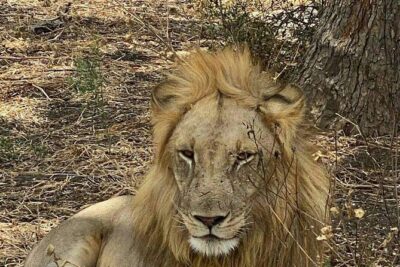
2 Days 1 Night Mikumi National Park from Dar es salaam
Read our review →
2 Day Safari To Mikumi National Park + transfers from Dar Es Salam
Read our review →
Private Full-Day Trip to Mikumi National Park from Dar es Salaam
Read our review →Browse the lists this tour appears in