
Reviewed · MIKUMI NATIONAL PARK SAFARIS
10 days Safari to Nyerere NP, Ruaha NP, Udzungwa NP and Mikumi NP + Isimila Site
The best thing about this safari is its range. In ten days, you move from the Rufiji River’s hippos and crocodiles to Ruaha’s baobabs, Udzungwa’s rainforest and waterfalls, and Mikumi’s open floodplain. It is a genuine southern Tanzania circuit, not a single-park wildlife outing.
I like the boat safari on the Rufiji and the chance to walk with an armed ranger in the Selous area. I also like the mix of wildlife, archaeology, mountain forest, farming country, and village life. The main drawback is the pace: several driving days last 10 to 15 hours, so this is best for you if road travel feels like part of the adventure rather than dead time.
Key points to know before booking
- Four very different parks: Nyerere, Ruaha, Udzungwa, and Mikumi each offer a distinct setting and style of activity.
- A boat safari comes first: Expect close views of hippos, crocodiles, waterbirds, and animals drinking along the Rufiji River.
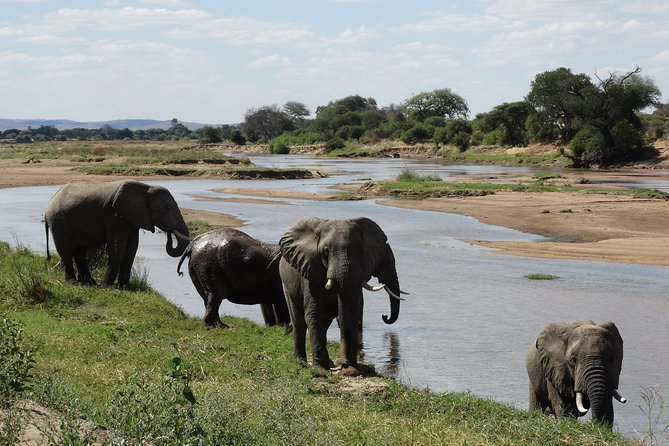
- Ruaha gets two full game-drive days: This is the strongest wildlife stretch of the trip, with elephants, lions, antelopes, baobabs, and rocky kopjes.
- Udzungwa requires real walking: The route reaches about 1,600 meters and includes Sanje Waterfall, forest trails, and possible monkey sightings.
- Isimila adds archaeology: A guide leads you from the small museum into a red-earth canyon filled with Stone Age tool sites and unusual rock towers.
- The $2,898 price includes the basics: Lodging, park fees, meals listed in the program, bottled water, transport, and a driver-guide are included, but drinks and alcohol cost extra.
Why this southern Tanzania route is different
Many safari itineraries focus on one famous northern circuit. This one takes you south and west from Dar es Salaam, linking wildlife parks with places that are easy to miss on a standard safari.
You will pass broad areas of sisal, rice, and sugarcane cultivation. The route also climbs toward the Uluguru Mountains, crosses river country, and reaches the Iringa area before turning toward the eastern parks. Those long transfers are tiring, but they give you a better sense of Tanzania beyond the park gates.
The program describes Nyerere National Park as Selous Game Reserve. The name can be confusing, so check the current park name and exact route with African Pangolin Safaris before departure. Either way, the experience begins in the Rufiji river system and the large protected area traditionally associated with Selous.
The tour is listed at $2,898 per person. That is a substantial price, but the package covers ten days, nine nights, park fees, a private or small-group format, transport from Dar es Salaam, meals, and several different activities. The value depends heavily on the final group size and accommodation category. Ask whether your departure is fully private and which lodge or camp is confirmed at each stop.
Other park itineraries that start in Dar es Salaam:
- 2 nights 3 days safari to mikumi national park
★ 5.0 · 62 reviews - 3 Days Safari to Mikumi NP – Accommodation Inside the Park
★ 5.0 · 40 reviews - 2 Days and 1 Night Mikumi Safari Private Tour
★ 5.0 · 32 reviews
Day 1: Rufiji River boat safari
The first morning starts at 7:00 a.m. from Dar es Salaam. The drive toward Nyerere takes about five to six hours, with a hot lunch stop in Kibiti. You then reach the river for an afternoon boat safari.
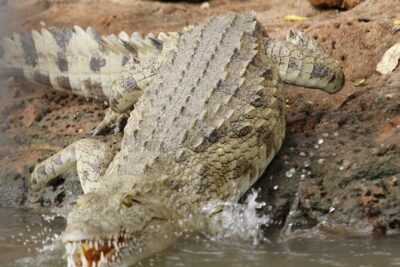
This is an excellent opening activity because it changes your viewpoint. From a boat, you watch hippos surface and grunt close to the hull, crocodiles slide into the water, and birds gather along the banks. Elephants, waterbuck, and other animals may come within a few meters of the boat as they approach the river.
The river outing is not simply a warm-up. It shows you how wildlife uses water and gives you photographs that are difficult to get from a vehicle. Keep your camera ready, but also pay attention to the birdlife and the behavior of the hippos. Their apparent stillness can be misleading.
Your first night is scheduled at Mloka Safari Lodge or Africa Safari Camp. Since both are listed as possible accommodations, confirm the exact property before you pay the final balance or plan your packing.
Day 2: A full day in Nyerere
You spend the second day on a full game drive in a four-wheel-drive vehicle. Nyerere is described as covering about 50,000 square kilometers, so this is a large, wild setting rather than a compact park where every road feels busy.
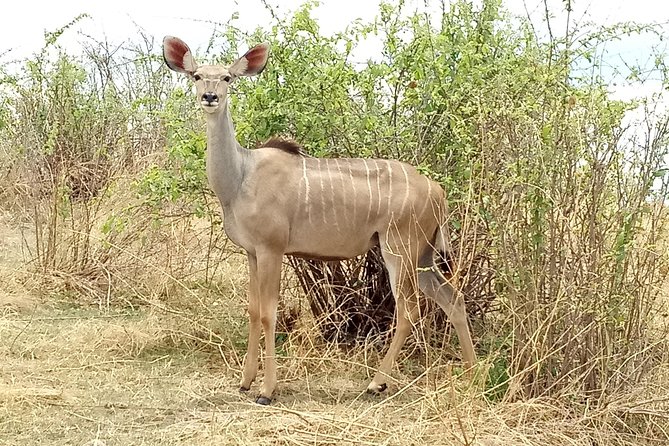
The species list includes elephants, lions, African wild dogs, buffalo, bushbuck, impala, eland, baboons, zebra, wildebeest, and greater kudu. No safari can promise a particular sighting, but the full day gives your guide time to explore different sections and follow useful conditions.
The key benefit is flexibility. A short game drive can leave you with only a quick look at the main roads. Here, you have a longer block of time for photography and for watching animal behavior. The tradeoff is that open country and long distances can mean quiet stretches between sightings.
You return to Mloka Safari Lodge or Africa Safari Camp for the night. Pack lightly for the vehicle, keep water close, and protect your camera gear from dust.
Day 3: Walking with a ranger and onward to Morogoro
Day three begins early with tea or coffee, followed by a two to two-and-a-half-hour wilderness walk. An armed ranger accompanies you, and the experience focuses on details that disappear from a vehicle: tracks, droppings, small creatures, and signs of animal movement.
This is one of the most worthwhile parts of the route if you enjoy learning how to read the bush. You may not cover great distances, but you gain a closer sense of the ground beneath your feet. Follow the ranger’s instructions carefully, wear practical walking shoes, and choose clothing suited to hot weather and uneven paths.
After breakfast, you leave for Morogoro, with a game drive en route. The journey passes rivers, local villages, farms, and the Uluguru Mountains. It can take much of the day, and the program describes it as tiring. That warning matters. You should not expect a relaxed transfer, but the combination of mountain views and rural scenery makes it one of the more memorable road sections.
The night is at Arc Hotel in Morogoro. This is a transit stop, so treat it as a chance to rest rather than as another major sightseeing base.
Other safaris people book out of Dar es Salaam:
- 3 Days Safari – Selous Game Reserve
★ 5.0 · 21 reviews - 2 Days Mikumi National Park Safari From Dar es salaam or Zanzibar
★ 5.0 · 21 reviews - 2 Days – Mikumi safari depart from Zanzibar or Dar es salaam
★ 5.0 · 21 reviews - 1 Day Safari to Mikumi National Park
★ 5.0 · 20 reviews
Day 4: Through Iringa to Ruaha
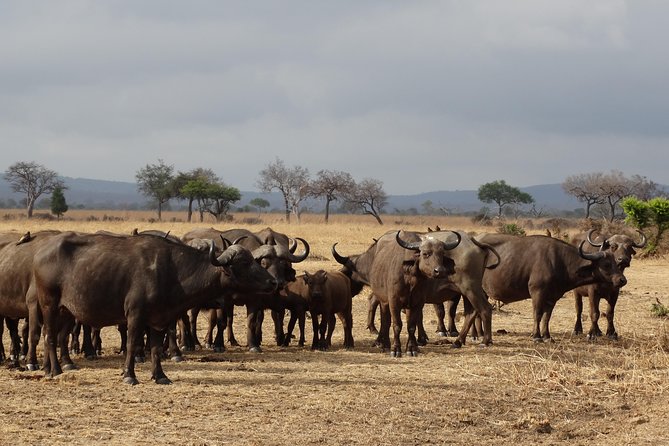
After breakfast, the route continues toward Ruaha National Park, with lunch and a short town tour in Iringa. You spend the night at Ruaha Hilltop Lodge outside the national park.
This is another long transfer, listed at about 14 hours. That timing makes the day demanding, particularly after the previous day’s walking and road travel. Still, Iringa breaks up the journey and gives you a brief look at an important town in the southern highlands.
Staying outside the park may keep the itinerary practical, but it means you have a drive to reach the game-viewing areas each day. Ask the operator how long the morning transfer normally takes from the lodge to the park gate. That small detail can affect how much time you have on the road inside Ruaha.
Days 5 and 6: Ruaha’s rivers, baobabs, and predators
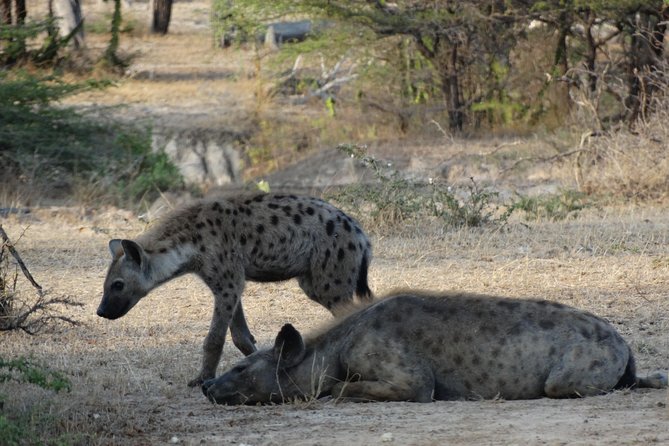
Ruaha receives two full game-drive days, and that is a strong choice. After breakfast on day five, you set out with a packed lunch and follow roads near the Great Ruaha River and its seasonal tributaries.
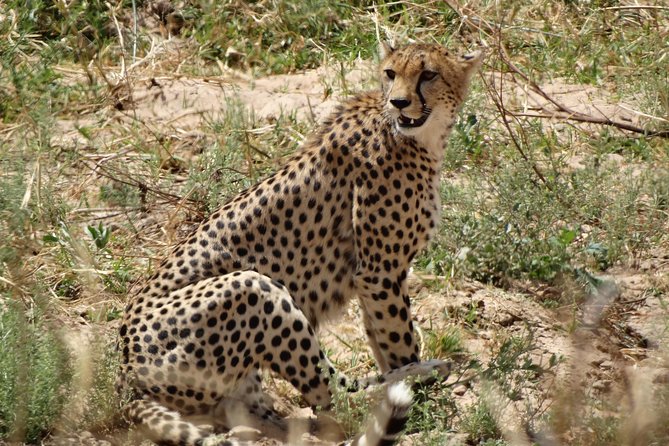
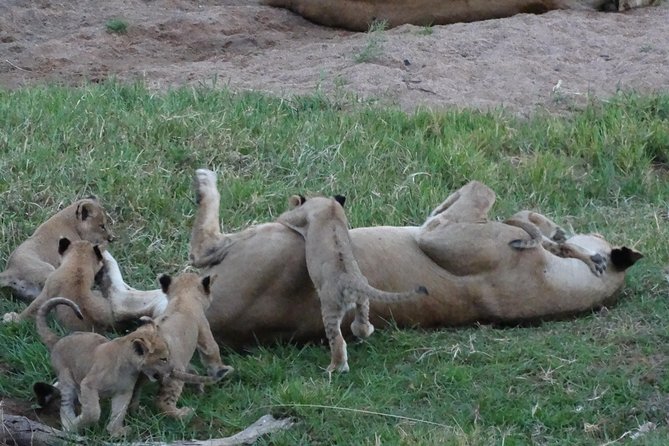
During the dry season, impala, waterbuck, and other antelopes gather near remaining water. That concentration can also attract predators. The program highlights large lion prides and cheetahs in open grassland, along with the possibility of elephants and other southern Tanzanian species.
Day six begins with an early breakfast and another full game drive. You explore areas marked by rocky kopjes and old baobab trees, return to the cottage for a hot lunch, and continue until sunset.
I like the rhythm of these two days. You are not rushing through Ruaha after a single morning. You have time to watch how the park changes between river corridors, rocky ground, and open grassland. The practical compromise is the accommodation outside the park, plus the long drives in and out. If wildlife is your main reason for booking, these are the days that justify the route.
Ruaha is also a good place to ask your guide, such as Mansoor when he is assigned to your group, to explain animal behavior and plant life as you go. The strongest praise associated with this company centers on guides who interact with the group, identify animals well, and explain the surrounding environment rather than simply pointing at sightings.
Day 7: Isimila’s Stone Age canyon
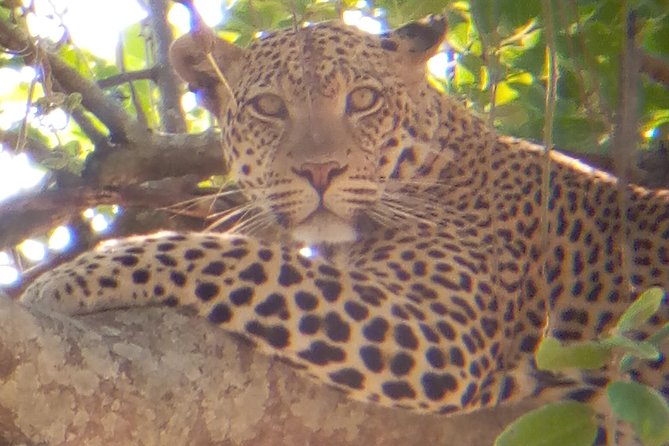
After breakfast, you drive via Iringa to Isimila Stone Age Site. The visit takes about three hours and begins at a small museum, where a local guide explains the site’s formation and shows fossils and tools.
You then follow a steep footpath into the canyon. The guide points out the beds where tools were found and explains the formation of the tall rock towers. The red earth, unusual formations, and birdlife make this more than a quick museum stop.
Wear shoes with a firm grip. The steep path may be manageable for many people, but it is not the same as walking across a flat exhibition hall. The site also adds welcome variety after several days focused on animals. It gives you a physical connection to early human activity and to the geology of the Iringa region.
After Isimila, you continue to Udzungwa Mountain National Park for dinner and overnight accommodation. The program lists a long overall travel day, so expect limited free time after arrival.
Day 8: Udzungwa forest and Sanje Waterfall
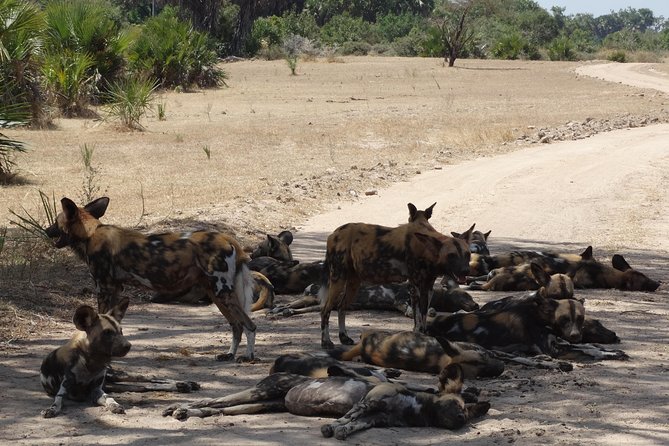
Udzungwa is the most physically active section of the tour. After breakfast and park formalities, your driver takes you to the trailhead. You then walk through mountain forest, carry a picnic lunch, and continue toward Sanje Waterfall, which drops about 170 meters.
You may have a chance to swim in one of the plunge pools. The route can reach about 1,600 meters above sea level and offers views over the Kilombero Valley. The park is also known for six monkey species, including the endemic Sanje crested mangabey and Iringa red colobus monkey.
This is a superb change of pace after the vehicle-heavy safari days, but you should take the walking seriously. The itinerary lists about eight hours for the park activity. Bring suitable footwear, swimwear if you want to use the pool, sun protection, and clothing that remains comfortable when wet or muddy.
After the hike, you drive to Mikumi Bastian Camp or Mikumi Safari Lodge for dinner and overnight. The combination of a full mountain walk and another transfer makes day eight one of the hardest days physically.
Day 9: Mikumi and the Mkata Floodplain
After breakfast and checkout, the journey to Mikumi National Park takes about two hours. You then begin a game drive through the park, especially around the open Mkata Floodplain.
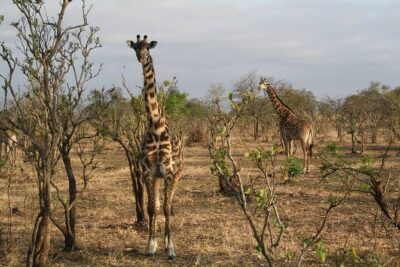
Mikumi offers a different wildlife setting from Ruaha. The listed species include lions, eland, hartebeest, buffalo, wildebeest, giraffe, zebra, and elephants. Wild dogs may also pass through, and more than 300 bird species have been recorded in the park.
The open horizons can make it easier to scan for large animals, while the floodplain provides a clear sense of how water shapes animal movement. As always, sightings depend on conditions and luck. You should see this day as a final wildlife outing, not as a guarantee of every animal on the list.
Because Mikumi lies closer to Dar es Salaam than Ruaha or Nyerere, it works well near the end of the route. The drive is shorter, and the park gives you one more chance to spend time in the vehicle before returning to the city.
Day 10: A Maasai boma and return to Dar es Salaam
The final morning includes a visit to a Maasai boma. You learn about daily life and the history of the community before beginning the return drive to Dar es Salaam.
This cultural stop can add meaning to the safari, provided you approach it with respect and listen carefully. It is best to ask your guide about the format of the visit, what is appropriate to photograph, and whether purchases or donations are expected. The information provided does not specify those arrangements, so do not assume that every boma visit follows the same pattern.
The drive back to Dar es Salaam includes a hot lunch stop in Morogoro and takes about six hours. You are dropped at a location of your choice in the city. After ten days, the final transfer will feel long, but the flexible drop-off is useful if you have a hotel, airport connection, or onward plan.
What the $2,898 price really covers
At $2,898 per person, this is not a budget road trip. It is also not just a series of park tickets. The price includes accommodation, national park fees, bottled water, a driver-guide, hotel pickup and drop-off, lunches, dinners, breakfasts, and the listed excursions.
You receive nine breakfasts and nine dinners, plus ten lunches. Alcohol, drinks beyond bottled water, and anything not listed are extra. Ask about meal arrangements if you have dietary needs. Vegetarian meals are available when requested in advance.
The value is strongest if you want one booking to handle a complicated southern route. You would otherwise need to coordinate long transfers, park permissions, lodges, a walking safari, a boat excursion, and several guides or activity providers.
The value is weaker if you want luxury lodging, short transfer days, or a slow pace. Accommodation is described as standard in the available information, and several properties are listed as alternatives. Confirm the exact lodges, vehicle arrangement, and group size before booking.
Who should book this safari
I would choose this trip if you want variety over comfort. It suits you if a boat safari, a ranger-led walk, two days in Ruaha, a mountain hike, archaeology, and a Maasai cultural visit all sound worthwhile.
It also suits repeat safari visitors who want a route beyond the most familiar northern parks. The southern circuit offers a broader mix of scenery and activity, though you pay for that variety with long road days.
I would hesitate if you dislike early starts, rough or tiring transfers, steep walking, or changing accommodation. Families should also check the child arrangements carefully. A child rate applies only when sharing with two paying adults, and children must be accompanied by an adult.
The strongest guide fit appears to be someone like Mansoor, who is described as attentive, communicative, good at finding animals, and able to explain plants, wildlife, and local culture. Since a specific guide cannot be guaranteed, request that information before confirming if it matters to you.
Final verdict: book it for range, not relaxation
Book this safari if you want to see a less familiar side of Tanzania and you are willing to spend long hours on the road to reach it. The combination of Rufiji wildlife, Ruaha game drives, Isimila archaeology, Udzungwa hiking, Mikumi’s floodplain, and the Maasai boma gives you far more than a standard game-drive package.
Skip it if your priority is a polished luxury stay with minimal movement. Before paying, confirm the current Nyerere and Selous naming, exact accommodation, guide assignment, vehicle format, and whether the trip will be private or small-group. With those details clear, the route offers strong value for an active visitor who wants Tanzania’s southern circuit in one ambitious trip.
FAQ
Where does the safari start and finish?
The safari starts with pickup in Dar es Salaam at 7:00 a.m. On the final day, you return to Dar es Salaam and are dropped at a location of your choice.
How long does the experience last?
The tour lasts approximately ten days and includes nine nights of accommodation.
Is the tour private or shared?
The experience is described as a private tour or small-group tour. Confirm the exact arrangement for your departure with African Pangolin Safaris.
What meals are included?
The package includes ten lunches, nine dinners, and nine breakfasts. Drinks other than bottled water and alcoholic beverages are not included.
Is a passport required?
Yes. A current valid passport is required on the day of travel. Passport name, number, expiry date, and country are required for all participants at booking.
Can vegetarian meals be arranged?
Yes. A vegetarian option is available, but you should provide dietary requirements when booking.
What happens if bad weather cancels the tour?
The experience operates in all weather conditions, but if it is canceled because of poor weather, you will be offered a different date or a full refund. You can also cancel for a full refund up to 24 hours before the start time.
More Nyerere and Selous safaris from Dar es Salaam
- 3 Days Selous (Nyerere National Park)
★ 5.0 · 43 reviews - 3 Days Nyerere NP [Selous GR] Game, Walking and Boat
★ 5.0 · 19 reviews - 5 Days Safari to Selous & Mikumi
★ 5.0 · 15 reviews - 5 Days Selous/Nyerere & Mikumi NP Game drive, Maasai and Walking
★ 5.0 · 13 reviews
More Mikumi safaris from Dar es Salaam
- MIKUMI NATIONAL PARK – 3 Days
★ 4.5 · 63 reviews - 2 Days 1 Night Mikumi National Park from Dar es salaam
★ 5.0 · 60 reviews - Private Full-Day Trip to Mikumi National Park from Dar es Salaam
★ 5.0 · 54 reviews - Private 3 Days 2 Nights Mikumi Adventures
★ 5.0 · 47 reviews
Just added in Dar es Salaam
- Zanzibar: 3 Days to Mikumi and Chizua Waterfalls★ 3.5 · 5 reviews
- 2 Day Wildlife Experience and Masai Culture Mikumi Park★ 5.0 · 5 reviews
- Sunrise Beach Walk with Picnic Breakfast Activity★ 5.0 · 3 reviews
- 5 Days Selous/Nyerere & Mikumi NP Game drive, Maasai and Walking★ 5.0 · 13 reviews
- 3 Days Safari to Nyerere National Park (Selous Game Reserve)★ 5.0 · 8 reviews
- Explore Dar es Salaam: Full-Day Private City Tour★ 5.0 · 18 reviews
- Saadani National Park Day Tour★ 5.0 · 3 reviews
- 3 Days Explore Selous Game Reserve + Boat safari + bushman walking★ 5.0 · 5 reviews
Mikumi National Park Safaris, compared.
Mikumi Safari Day Trip with Flights and Meal
Read our review →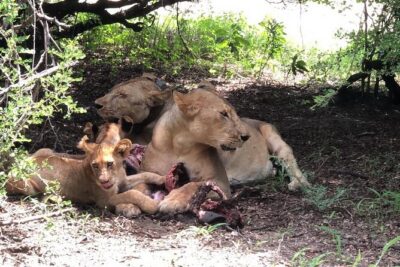
Mikumi Safari Tour: Day Trip Return Flight From Zanzibar
Read our review →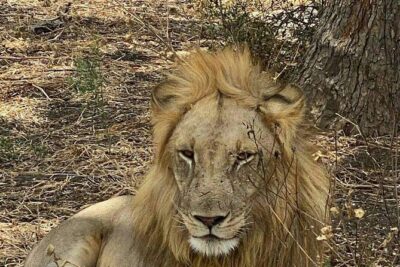
2 Days 1 Night Mikumi National Park from Dar es salaam
Read our review →
2 Day Safari To Mikumi National Park + transfers from Dar Es Salam
Read our review →
Private Full-Day Trip to Mikumi National Park from Dar es Salaam
Read our review →Browse the lists this tour appears in