
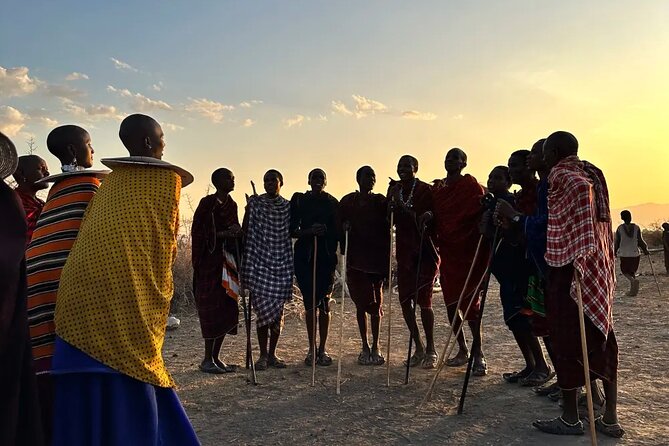
Reviewed · MAASAI VILLAGE TOURS
2 Day Massai Village Experience (all-incl.)
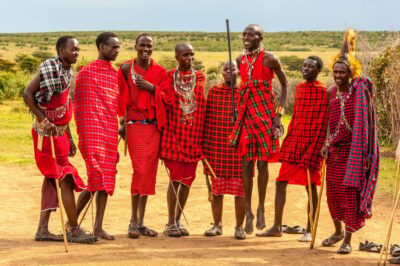
A night in a Maasai hut is the heart of this two-day experience near Lake Manyara. You spend time with the Oltukai community, meet Kipe Laizer, a Maasai warrior and wildlife conservationist, and take part in ordinary village activities rather than watching a staged show from a distance.
I like the direct contact with local life, especially the chance to milk cows, herd goats, make crafts, and share tea and dinner in Kipe’s mother’s hut. I also like the clear social purpose: Kipe Adventure gives 20 percent of its profit to vulnerable children and orphans in Oltukai.
The main consideration is comfort. This is a real village stay, not a lodge with village-themed décor. You need moderate physical fitness, and leaving the village during your visit costs $20 for transport to the main road.
Key points before you book
- One night in a traditional Maasai hut: Expect a simple stay that puts local customs and daily routines ahead of hotel comforts.
- Kipe Laizer leads the experience: He is a Tanzanian Maasai warrior and conservationist from the Lake Manyara region.
- Practical village activities: You may milk cows, herd goats, make Maasai crafts, and spend time with local families.
- A choice on day two: Visit a local school or go to a waterhole, depending on the program and conditions.
- Meals and conservation fee included: Dinner, breakfast, private transportation, and the conservation fee are covered in the $468.65 price.
- Small group limit: The experience accepts a maximum of 15 people, which matters in a community setting.
What the two days are really about
This is not a standard safari add-on. The focus is on time, conversation, and participation in Maasai life near Lake Manyara. Wildlife and the African savannah are part of the setting, but the main subject is the community itself.
Kipe Laizer gives the visit a personal center. He is connected to Oltukai and works in wildlife conservation, so the experience links village life with the wider concerns of the Lake Manyara region. That connection matters because you are not simply paying for a cultural performance. Your stay helps fund clean water, food, and education for children in the village.
The social contribution is easy to understand. Twenty percent of Kipe Adventure’s profit goes to vulnerable children and orphans in Oltukai. I would still treat the donation as one part of the value, not the only reason to book. You should choose this experience because you want genuine time with a local community, then see the social benefit as a meaningful bonus.
The group limit of 15 is another positive. A large coach group would work against the spirit of the visit. With fewer people, you have a better chance to speak with your hosts, ask questions, and take part without turning every activity into a crowd scene.
Other village visits from Tanzania:
- Zanzibar: Sea Turtle Swim at Salam Cave in Kizimkazi Village
★ 4.2 · 368 reviews - 5 Days Camping Tarangire, Serengeti & Ngorongoro crater & Visiting Maasai
★ 5.0 · 229 reviews - Zanzibar: Quad Bike Adventure Tour to a Local Village
★ 4.9 · 166 reviews
Meeting at Makuyuni on the road to Karatu
The listed starting point is the TotalEnergies Makuyuni Service Station at the junction to Karatu on Dodoma Road. This is an important detail when planning your route through northern Tanzania. The activity begins and ends at this meeting point, so you need to arrange your day around getting there.
Pickup is offered, but the supplied meeting information identifies the service station as the start point. Confirm the pickup details at booking, especially if you are staying somewhere else in the Lake Manyara area. The activity operates daily, and the stated hours run from midnight to 11:30 p.m., but those broad hours should not be read as an all-night program. Your actual departure time needs to be confirmed.
Private transportation is included. That helps keep the price from feeling like a simple village admission fee, since getting to the community is part of the experience. If you want to leave the Maasai village during your stay, transport to the main road costs an additional $20.
Day one near Lake Manyara
The first day gives you about 12 hours in and around the Oltukai Maasai Village. The setting near Lake Manyara adds a strong sense of place. You can see the African savannah, learn about local conservation efforts, and understand how community life fits beside one of Tanzania’s best-known safari areas.
Your activities can include milking cows and herding goats. These are useful choices because they show the work behind daily life rather than only presenting clothing, dancing, or crafts for display. If you have never handled these tasks, expect them to be hands-on and somewhat physical. That is one reason the moderate fitness requirement matters.
You can also help make traditional Maasai crafts. This offers a slower activity and a chance to talk while working. The value is not just the finished object. You get a clearer sense of the time, skill, and cultural meaning attached to local craft traditions.
The experience also gives you time to interact with residents and learn about customs, beliefs, and practices. The word authentic is often used too easily in tourism, but here the overnight stay and ordinary village tasks give it some weight. You are not simply passing through for an hour. You have enough time to adjust to the pace of the place.
A previous family visit included a nine-year-old child, and the family shared tea and dinner in Kipe’s mother’s hut. That detail is useful for parents considering the trip. It suggests that a child can take part, but you should still judge your own child’s comfort with a basic overnight stay, unfamiliar routines, and village activities.
Dinner and the traditional hut
Dinner and breakfast are included. The evening meal is more than a line item in the price because eating with local people is one of the clearest ways to move from observer to participant. Sharing tea and dinner in a family hut can create a more relaxed setting for conversation than a formal tour stop.
Your overnight accommodation is a traditional Maasai hut. The provided information does not describe bedding, bathroom arrangements, electricity, or other facilities, so you should ask Small World Social Travel what to expect before paying. Do not assume lodge-level comfort or the same privacy you would have in a hotel.
That uncertainty is not necessarily a flaw. It is simply the central trade-off of this experience. If you want a polished room, predictable plumbing, and a full range of amenities, book a lodge near Lake Manyara instead. If you want to understand how a Maasai household receives visitors and are comfortable with simple conditions, the hut is likely to be the most memorable part.
The tone of the visit appears to be welcoming and family-focused. Kipe has been described as receiving visitors into his family as if they already belonged there, while still providing a sense of comfort and safety. I would interpret that as a warm hosting style, not a promise that every part of village life will feel familiar.
A few more things to do in Tanzania worth a look
- 2 Day Serengeti Safari Experience from Mwanza
★ 5.0 · 198 reviews - 2 Days Tarangire and Ngorongoro Group Camping Safari
★ 5.0 · 146 reviews - 2 Days 1 Night Mikumi National Park from Dar es salaam
★ 5.0 · 60 reviews - 2 Day Safari To Mikumi National Park + transfers from Dar Es Salam
★ 5.0 · 56 reviews
Day two: sunrise, school, or waterhole
The second day begins with sunrise views over Lake Manyara. The timing gives you a quiet start before the day’s activities. The description presents the morning as a chance to appreciate the setting and the daily rhythm of the community, rather than rushing straight into a checklist of sights.
You may then spend time at a local school. This can be a powerful part of the visit, especially for families and anyone interested in education in rural Tanzania. The aim is shared time with children, along with learning and conversation. Keep your expectations sensible: the available details do not promise a formal lesson, organized volunteer work, or a set school project.
The alternative is a visit to a waterhole. Water access is a practical issue, so this option helps show how important a local water source is to people, livestock, and the wider community. It also connects with the conservation side of Kipe’s work. You can see how daily survival, animal care, and environmental concerns overlap.
The school and waterhole choices give day two more meaning than another round of sightseeing. One focuses on children and education. The other highlights resources and adaptation in a dry region. Ask which option will operate on your date, since the description presents them as alternatives rather than two guaranteed stops.
The conservation and community value
Kipe Adventure gives 20 percent of its profit to support vulnerable children and orphans in Oltukai. The stated needs include clean water, food, and education. This makes the price easier to assess because some of your payment supports a local purpose beyond the visit itself.
The conservation fee is also included, so you do not need to budget a separate charge for that. The link between community support and conservation is important around Lake Manyara. Local people are not separate from the natural setting. Their work, resources, livestock, and economic choices all affect how the region is cared for.
Still, you should avoid treating a social-impact tour as a substitute for responsible behavior. Ask permission before taking photographs, listen carefully to your hosts, and follow instructions during village activities. The most respectful approach is to stay curious without treating people’s homes or routines as props.
Is $468.65 good value?
At $468.65 per person, this is not a cheap overnight excursion. The price includes dinner, breakfast, private transportation, and the conservation fee, along with the hosted village experience and overnight stay. Twenty percent of profit also supports children and orphans in Oltukai.
For comparison, think about what you are buying. This is not mainly a bed for one night or a short cultural stop. You are paying for time with a local community, transport, meals, activities, hosting, and a direct social contribution. If those elements matter to you, the price has a clear purpose.
The value is weaker if you only want a quick introduction to Maasai culture. A shorter visit would cost less time and likely less money, while still giving you photographs and a few explanations. The two-day format makes sense for people who want slower contact and are willing to accept basic conditions.
The conservation fee being included is a practical advantage. You do not have to calculate another mandatory cost at the end. The extra $20 transport charge is the main budget detail to remember if you plan to leave the village during the stay.
Who will enjoy this most?
I would recommend this experience to you if you want cultural contact to be a major part of your Tanzania trip. It suits people who enjoy conversation, simple accommodation, and activities that require participation rather than passive sightseeing.
Families may find it worthwhile, particularly if children are comfortable with new surroundings. The experience has been suitable for a parent traveling with a nine-year-old, but that does not remove the need to prepare your child for a traditional hut and a full day in a rural community.
It also suits visitors who care about where tourism money goes. The donation to Oltukai’s vulnerable children and orphans gives the trip a clear local benefit. People interested in conservation will appreciate Kipe’s role as both Maasai warrior and wildlife conservationist.
I would hesitate to recommend it to you if you need guaranteed hotel facilities, a tightly timed schedule, or a fully private family program. The group can reach 15 people, and some details, including the exact overnight facilities and the day-two option, are not specified.
Booking details and practical planning
Confirmation is normally sent when you book. If you book within four days of departure, confirmation may take up to 48 hours and depends on availability. Since the experience averages about 15 days of advance booking, planning ahead is sensible.
The cancellation deadline is three full days before the start time for a full refund. Cancellations or changes made inside that window are not refunded or accepted. The activity also requires a minimum number of people. If that minimum is not met and the experience is canceled, you will be offered another date or experience, or a full refund.
The activity accepts mobile tickets, which is useful at the meeting point. Bring the booking details on your phone, but confirm your pickup arrangement and start time before departure. Also ask about hut facilities, bathroom access, and what personal items are suitable for the overnight stay, since those details are not provided.
Should you book the Oltukai Maasai Village stay?
Book this two-day experience if you want a personal, community-based addition to a Lake Manyara trip and are comfortable trading hotel polish for a traditional hut and direct contact with local life. The strongest reasons to go are Kipe Laizer’s connection to the community, the practical village activities, the school or waterhole visit, and the support for children and orphans in Oltukai.
Skip it if your priority is a safari-only schedule or a comfortable lodge. At $468.65, the value depends on wanting the people and community work to be the main event. For the right kind of visitor, the overnight stay offers something a quick cultural stop cannot: time to slow down, share a meal, and see daily life on its own terms.
FAQ
Where does the experience begin and end?
It begins and ends at the TotalEnergies Makuyuni Service Station at the junction to Karatu on Dodoma Road in Makuyuni, Tanzania.
How long does the Maasai village experience last?
The experience lasts about two days. Each listed day allows approximately 12 hours of activities.
What meals are included?
Dinner and breakfast are included in the price.
Is transportation included?
Private transportation is included. If you want to leave the Maasai village during your visit, transport to the main road costs an additional $20.
What fitness level is required?
A moderate physical fitness level is recommended.
How many people can join the experience?
The maximum group size is 15 people.
Just added in Tanzania
- ZANZIBAR: Jozani Forest, butterfly center & Reptile park★ 4.7 · 3 reviews
- Zanzibar: Horseback Riding and Turtle Swimming Tour★ 3.3 · 4 reviews
- Zanzibar jetski Adventure Tour★ 4.9 · 6 reviews
- Zanzibar: Jozani Chwaka Bay National Park and Spice Farm …★ 4.6 · 5 reviews
- Zanzibar: Horse Riding and Kayaking with Video and Photos★ 4.9 · 10 reviews
- Zanzibar hidden: Starfish, Blue Lagoon, &The Rock Restaurant★ 5.0 · 3 reviews
- Zanzibar: Horseback Riding and Turtle Aquarium Visit★ 4.3 · 4 reviews
- Zanzibar: Half-Day Spice Farm Tour,the flavours of Zanzibar★ 4.7 · 3 reviews
Maasai Village Tours, compared.
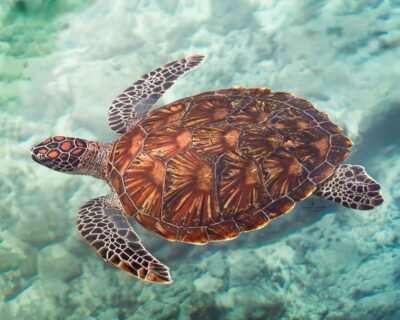
Sea Turtle Swim at Salam Cave in Kizimkazi Village
Read our review →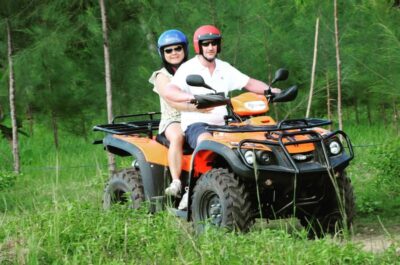
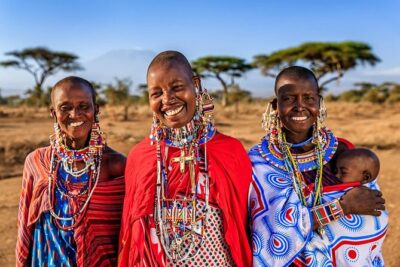
Maasai village visit, Materuni waterfalls & coffee experience
Read our review →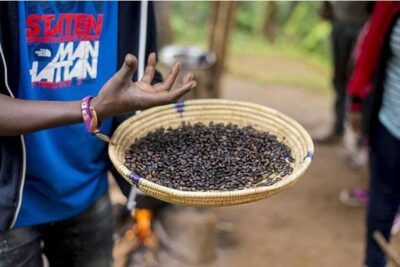
Materuni Waterfalls, Visiting Chagga Village, CoffeeTour Kikuletwa Hotsprings
Read our review →
5 Days Camping Tarangire, Serengeti & Ngorongoro crater & Visiting Maasai
Read our review →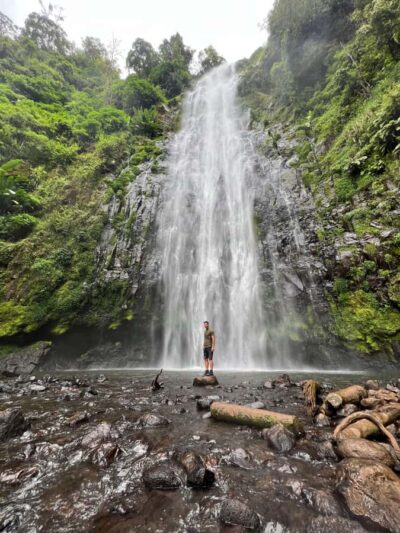
Browse the lists this tour appears in