
Reviewed · NGORONGORO CRATER TOURS
4-Day Tarangire Serengeti, Ngorongoro & Maasai Guided group tour
The big draw here is the range: in only four days, you visit Tarangire, Serengeti, and Ngorongoro Crater, three of northern Tanzania’s most famous wildlife areas. You get a full day in Tarangire, nearly two days around the Serengeti, and a full crater tour before returning to Arusha.
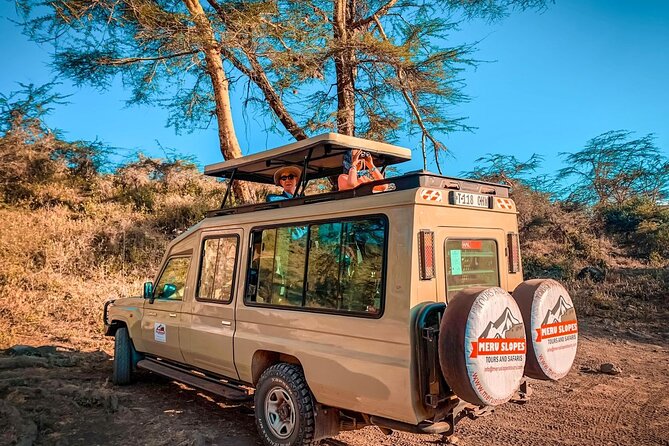
I like the practical all-in format, with airport pickup, meals, camping, a professional guide, and Wi-Fi in the safari vehicle included. I also like the human touch reported by past participants, especially the guides and cooks. Mohamed, Andrew, Jacob, Abdul, and Julius are among the guides praised for careful driving, animal spotting, humor, and clear explanations, while cooks such as Moshi, Rashid, and Yojan are repeatedly singled out for excellent camp meals.
The trade-off is a busy schedule with long drives and simple camping. A group limit of 18 can mean less personal space in the vehicle, and the trip gives you a quick taste of several parks rather than a slow, deeply focused safari in one area.
Key points to know before booking
- Three major safari areas in four days: Tarangire, Serengeti, and Ngorongoro Crater all appear on the route.
- Two different camping settings: You spend one night near Tarangire and another at Simba campsite on the crater rim, with a night at Seronera inside the Serengeti.
- Full meals are included: The price covers three breakfasts, three dinners, and four lunches.
- Sunrise and sunset are part of the appeal: The plan includes a Serengeti evening drive and early views from the Ngorongoro rim.
- Shared safari format: The vehicle can carry up to 18 people, so this suits those who value price over a private itinerary.
- Guides make a major difference: Names associated with strong departures include Mohamed, Andrew, Jacob, Abdul, Julius, Douglas, and Lobulu.
A lot of Tanzania in just four days
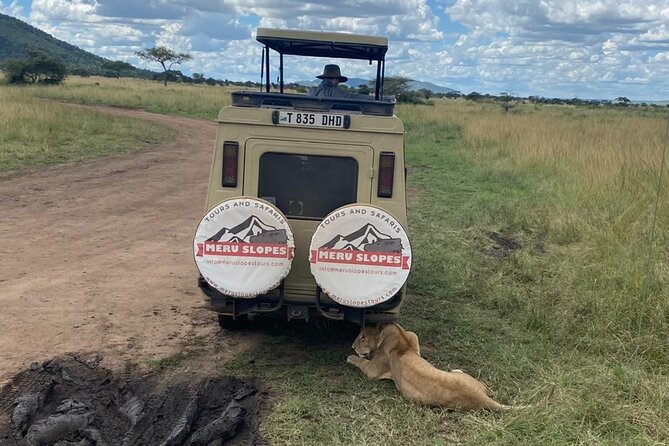
This is a classic northern Tanzania circuit, built for someone who wants the major names without spending a full week on safari. You move from Tarangire’s elephant country to the open plains of the Serengeti, then finish in the wildlife-rich bowl of Ngorongoro Crater.
That route works well because each place feels different. Tarangire has dry-country scenery and large baobabs. The Serengeti opens out into seemingly endless grassland. Ngorongoro compresses a large number of animals into a dramatic volcanic basin.
You should expect early starts, long stretches on the road, dusty tracks, and several hours seated in a safari vehicle. That is part of the bargain. The reward is variety, with a good chance of seeing large herds and major predators in a short period.
The tour starts at 7:00 a.m. from Kilimanjaro Airport, with pickup offered. The published starting point is the airport, while the tour is associated with Moshi, so confirm the exact pickup arrangement if you are staying elsewhere.
Other trips down into the crater from Moshi:
- Safari Serengeti And Ngorongoro
★ 5.0 · 288 reviews - 5 Days Camping Tarangire, Serengeti & Ngorongoro crater & Visiting Maasai
★ 5.0 · 58 reviews - 4 Days Group Joining Camping Safari to Tarangire Serengeti Ngorongoro Crater
★ 5.0 · 50 reviews
Day 1: Tarangire and the world of elephants
The first full day takes you from Arusha toward Tarangire National Park. After breakfast, you spend the day on a game drive with a picnic lunch before heading to Sun Bright campsite for dinner and the night.
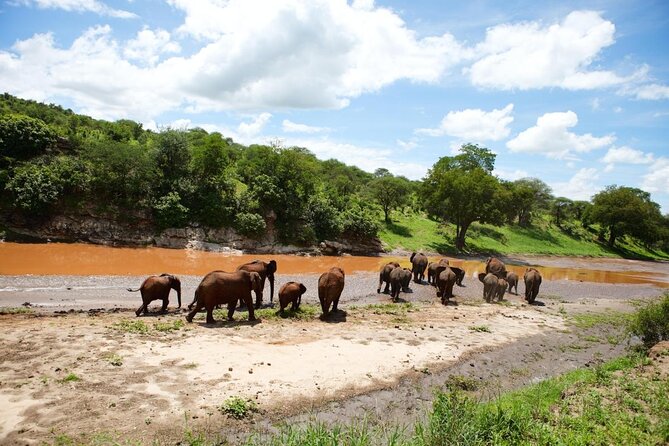
Tarangire is a strong opening act. During the dry season, animals gather around the Tarangire River and remaining water sources. The park is especially known for elephants, and the description of herds numbering as many as 300 gives you an idea of the scale you might see.
Look for zebra, wildebeest, buffalo, impala, gazelle, hartebeest, and eland. Lions and other predators follow these herds, so the park offers more than large herbivores. Tarangire is also one of the better places in Tanzania to look for dry-country species such as fringe-eared oryx and the long-necked gerenuk.
I like the fact that this is a full day rather than a brief stop on the way to another park. You have time to search for animals, pause for photographs, and let the park reveal itself at a slower pace.
The drawback is that the first day can feel long. A full game drive after an early start, followed by camp life, requires energy. The camping is part of the experience, but it is not the right fit if you need hotel-style comfort every night.
Day 2: From the highlands to the Serengeti
Day two is mainly a transfer toward the Serengeti, but it is not simply a highway ride. The route passes through fertile highland country where wheat, coffee, and corn are grown by the Iraqw people.
You also pass through the Ngorongoro Conservation Area and get a view of the Ngorongoro Caldera before continuing west. This is one of the most scenic transitions on the trip: cultivated highlands give way to open country, then to the broad plains associated with the Serengeti.
The Serengeti means endless plain in the Maa language of the Maasai. That name makes sense once the grassland stretches out in front of you. The park contains more than open plains, with swamps, lakes, savanna, and other habitats supporting a wide range of animals.
The schedule lists about eight hours for this day and says you reach the Serengeti by late afternoon or evening. That means much of the day involves driving, with wildlife viewing folded into the route rather than a leisurely park day from dawn to dusk.
The reward comes later with an evening game drive in central Serengeti. The plan includes sunset viewing before dinner and an overnight stay at Seronera campsite inside the park. Being inside the Serengeti matters: you are already in the park for the next morning rather than starting with another long approach drive.
The Serengeti is also the place associated with the great wildebeest migration. The herds move in response to rain, grass, and water, so no short safari can promise a particular location or crossing. You may see large groups of wildebeest, zebra, and other grazing animals, along with predators that track them across the plains.
Day 3: Morning wildlife and a night on the crater rim
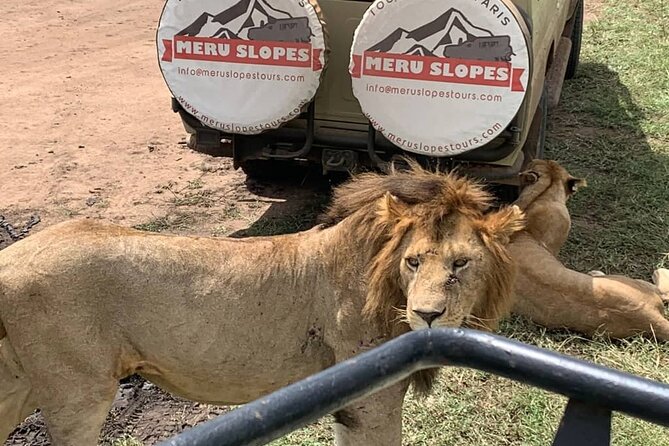
After an early coffee, you head out for a game drive in the Serengeti. This is one of the most valuable wildlife windows of the trip. Lions, elephants, buffalo, rhinos, and leopards are all possible, but sightings are never guaranteed and depend on timing, animal movement, and your guide’s ability to read the area.
The open, unfenced setting allows animals to move between connected conservation areas. That gives the Serengeti a sense of scale that is hard to get in a short visit. You are not simply driving between fixed attractions. You are searching.
Later, the route turns toward Ngorongoro Conservation Area. The first glimpse of the crater from the rim is one of the trip’s strongest visual moments. From above, you can see the enclosed basin, grassland, water, and animal habitat spread below.
You spend the night at Simba campsite near the crater edge. The orange light at sunset and the early morning view are major reasons to accept a night of basic camping here. The setting gives you a direct connection to the crater, although you should prepare for a simple camp rather than a private lodge.
This day combines excellent wildlife viewing with another long transfer. If you prefer a relaxed pace, the schedule may feel rushed. If your priority is seeing the headline parks within a limited holiday, the compact routing makes sense.
Other Serengeti itineraries out of Moshi:
- 4 Day Private Tour Throughout Tarangire, Serengeti and Ngorongoro
★ 5.0 · 42 reviews - 7 Days Safari. Serengeti, Tarangire, Lake Manyara & Ngorongoro Crater.
★ 5.0 · 34 reviews - Safari in Tanzania 5 days: Manyara, Ngorongoro, Serengeti
★ 5.0 · 29 reviews - 5-Day Lake Manyara, Serengeti, Ngorongoro Crater and Tarangire
★ 5.0 · 28 reviews
Day 4: Down into Ngorongoro Crater
Early risers get the best reward on the final morning: sunrise over the crater rim. After breakfast, you drive down the steep track into the crater for a full game drive before returning to Arusha.
Ngorongoro Crater is about 610 meters deep and covers roughly 260 square kilometers. Its enclosed shape supports a dense concentration of wildlife, with an estimated 25,000 animals. That does not guarantee every major species, but it creates some of Tanzania’s most reliable general game viewing.
On the crater floor, you might see wildebeest, zebra, gazelles, elephants, buffalo, lions, and other species in relatively close proximity. The setting is also a major part of the appeal. The crater walls rise around the grassland, giving the drive a distinct feeling that differs from the open Serengeti.
The crater tour is listed at about eight hours, including the return to Arusha. You should expect a full final day, not a short morning outing followed by an easy transfer. If you have a same-day flight, check the timing carefully before booking.
The final day is also where the itinerary delivers its strongest concentration of scenery and wildlife. You get the crater at first light, a substantial game drive, and the return journey in one stretch. It is efficient, but tiring.
Camping, food, and what the price covers
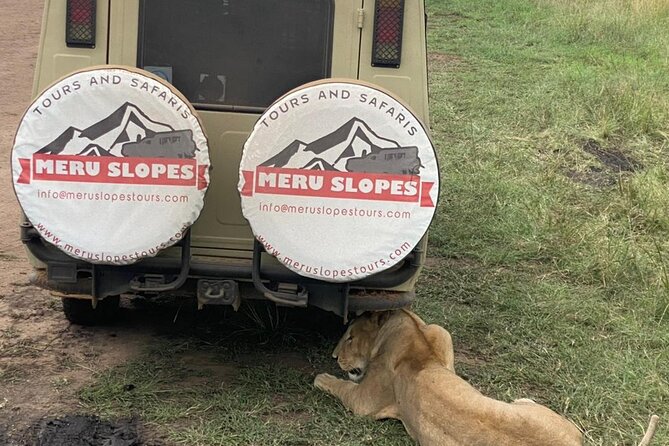
At $1,030 per person, this safari is priced as a practical shared expedition rather than a luxury trip. The value comes from combining several expensive park visits with transportation, park access arrangements, camping, meals, a guide, and airport or departure handling.
Included meals are three breakfasts, three dinners, and four lunches. That is important on a route where you spend much of the day away from towns. The camp cook is not a minor detail here. Moshi, Rashid, and Yojan are specifically associated with hearty, well-prepared meals, and some departures describe the food as a highlight.
The tour also includes free Wi-Fi inside the safari vehicle for the entire safari. Treat that as a useful extra, not the main reason to book. Signal quality can vary, and the real point of the vehicle is getting you across difficult tracks and into the parks.
Tips are not included. Set aside money for the guide, cook, and other service staff, and ask the operator for current tipping guidance before you go.
The camping arrangement deserves clear attention. You stay at Sun Bright campsite after Tarangire, Seronera campsite inside the Serengeti, and Simba campsite near the crater edge. This gives you closer access to the parks and keeps the cost down, but you need to be comfortable with tent-based accommodation.
How the shared vehicle changes the experience
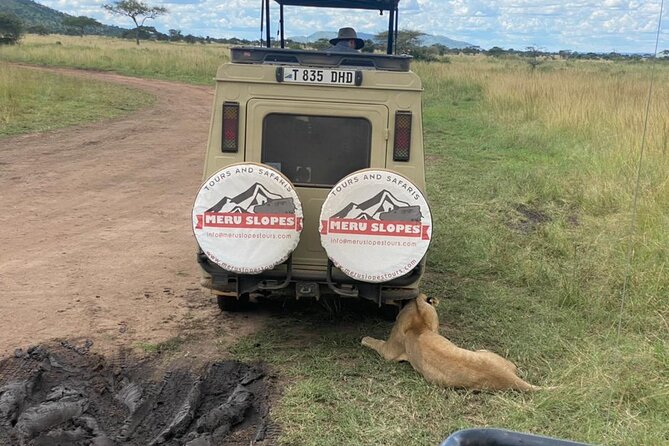
The maximum group size is 18 people. That can make the safari more affordable, but the number matters when you are spending long hours in a vehicle.
A larger group may mean more opinions about where to stop, more people sharing viewing space, and less flexibility than you would have on a private safari. On the other hand, a shared group can be sociable and keeps the per-person cost lower.
The guide becomes especially important in this format. Strong departures have been associated with guides including Lobulu, Julius, Andrew, Jacob, Abdul, Douglas, Mohamed, and Florian. The qualities praised across these departures are careful driving, animal-spotting skill, patience with questions, humor, and a good sense of timing.
One useful detail is that guides have been credited with stopping for photographs, explaining animal behavior, and positioning the vehicle ahead of other vehicles when possible. Those choices can shape your day more than the printed route does.
You cannot select one of these guides based on the information provided, so ask who is assigned to your departure if that matters to you. The tour is sold as a group experience, and the guide may vary.
The Maasai element needs a careful reading
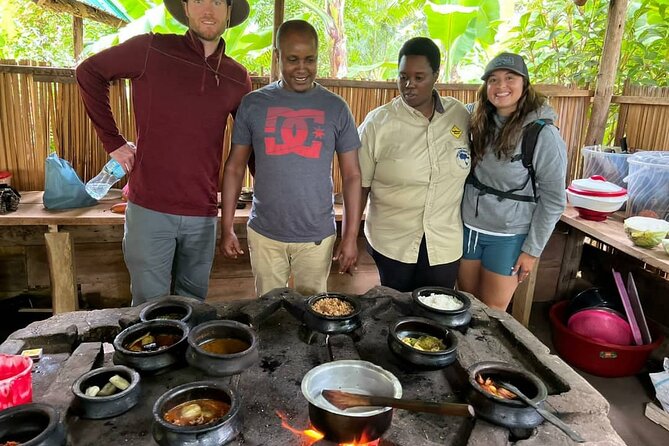
The tour title includes Maasai, and the route passes through areas connected with Maasai culture. The supplied schedule, however, does not give a separate Maasai village visit, cultural performance, or guided meeting.
One past departure mentions experiencing local culture, but you should not assume a dedicated Maasai activity is part of the four days unless the operator confirms it. If cultural contact is central to your plans, ask specifically what is included, where it takes place, and whether there is an extra charge.
The route itself still gives you useful context. You pass through the Ngorongoro Conservation Area and travel through country where farming and pastoral traditions share space with wildlife protection. The experience is mainly a wildlife safari, with cultural elements dependent on the final arrangements.
Who should book this safari?
I would recommend it to you if your first Tanzania safari needs to fit into four days and you want the main northern circuit. It works especially well for first-time visitors who want Tarangire elephants, Serengeti plains, and Ngorongoro wildlife without arranging separate transport and meals.
It is also a sensible choice if you want a clear budget. The $1,030 price includes the core services that can quickly add up on safari, and the meals receive unusually strong attention in the departure details.
This is less suitable if you want luxury lodging, a private vehicle, long rest periods, or deep time in one park. It is also not ideal for a very tight flight schedule on the last day, since the crater tour and return to Arusha make for a full day.
The best preparation is simple: bring patience for long drives, clothing for cool mornings and warmer afternoons, and realistic expectations about wildlife. The Big Five are possible, and several departures report seeing all five, but no ethical safari can guarantee a checklist.
Should you book the four-day route?
Book it if your priority is variety and value. The route covers three major destinations, includes a full Tarangire day, nearly two Serengeti days, a crater tour, camping, meals, airport pickup, and a professional guide.
Think twice if you want a quiet, private safari or a clearly defined Maasai cultural visit. In that case, ask for a private option or confirm the cultural program before paying.
For many first-time visitors, this is a strong introduction to northern Tanzania. It is busy, dusty, and sometimes tiring, but it gives you a genuine shot at the region’s most famous wildlife settings in a short window.
FAQ
Where does the safari start?
The listed meeting point is Kilimanjaro Airport in Tanzania, with a start time of 7:00 a.m. Pickup is offered.
How many people can join the group?
The activity has a maximum group size of 18 people.
Which parks and conservation areas are included?
The route includes Tarangire National Park, Serengeti National Park, Ngorongoro Conservation Area, and Ngorongoro Crater.
How many meals are included?
The price includes three breakfasts, three dinners, and four lunches.
Is accommodation included?
Yes. The itinerary includes camping at Sun Bright campsite, Seronera campsite, and Simba campsite near the Ngorongoro Crater.
Are tips included?
No. Tips are not included in the tour price.
More Maasai village tours from Moshi
- Kilimanjaro: Village Walk, Coffee Tour, Waterfall, and Lunch
★ 4.5 · 56 reviews - Maasai village visit and Chemka hot-springs with hot lunch.
★ 5.0 · 33 reviews - Materuni Village Tour | Materuni waterfalls | materuni coffee tour
★ 5.0 · 18 reviews - Maasai village visit and chemka hot-springs with hot lunch
★ 4.7 · 13 reviews
More Tarangire safaris from Moshi
- 3-Day Ngorongoro Crater Manyara and Tarangire Safari from Arusha
★ 5.0 · 49 reviews - 6 Days: Classic Camping( Tarangire, Manyara, Serengeti And Ngorongoro).
★ 5.0 · 26 reviews - 5 Days Private Tarangire, Serengeti, Ngorongoro, Manyara Safaris
★ 5.0 · 17 reviews - 4 Days Tanzania Private Safari | Serengeti , Ngorongoro & Tarangire Safari
★ 5.0 · 16 reviews
Just added in Moshi
- Wildlife Extravaganza: Manyara, Tarangire & Ngorongoro in 3 Days★ 5.0 · 3 reviews
- West Kilimanjaro cycling Adventures★ 4.5 · 8 reviews
- machame route★ 5.0 · 16 reviews
- Mt Kilimanjaro 6 days Marangu route hike★ 5.0 · 3 reviews
- Kilimanjaro Climb • Machame Route ~ 10 Day★ 5.0 · 6 reviews
- Kilimanjaro Climbing Umbwe Route★ 5.0 · 3 reviews
- 3 Days Private E-Bike Tour in West Kilimanjaro★ 5.0 · 3 reviews
- Private Cycle to Kilimanjaro Bike Park Safari★ 5.0 · 6 reviews
Ngorongoro Crater Tours, compared.
3 Days Serengeti & Ngorongoro Group Camping Safari
Read our review →
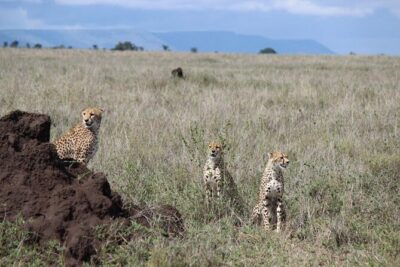
4-Day Safari from Arusha: Tarangire, Serengeti and Ngorongoro
Read our review →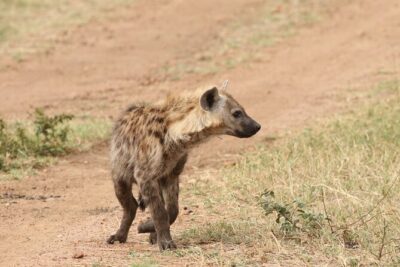
2 Days Tarangire and Ngorongoro Group Camping Safari
Read our review →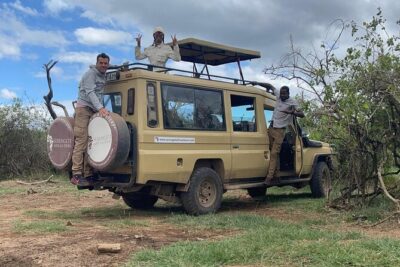
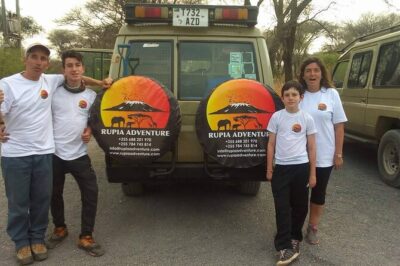
3 Days Private Safari – manyara, Ngorongoro & Tarangire
Read our review →
5 Days Tanzania Group Joining Safari, Tarangire/Serengeti/Ngorongoro Crater
Read our review →
4 Days Tarangire, Serengeti and Ngorongoro Mid-Range Group Safari
Read our review →Browse the lists this tour appears in