
Reviewed · NGORONGORO CRATER TOURS
7 Days Rhino Ngorongoro Crater Safari Tour
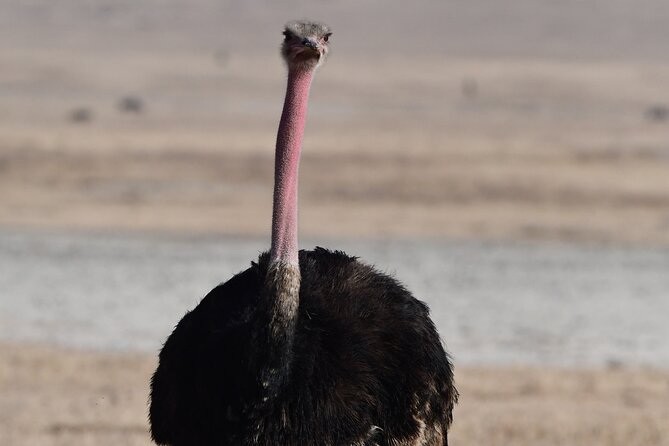
The big draw here is variety. In seven days, you move from Tarangire’s baobab-dotted plains to the Serengeti’s great open grasslands, then down into Ngorongoro Crater, where black rhino may graze among thousands of other animals. You finish at Lake Manyara, a smaller park with forest, hippos, elephants, and possible tree-climbing lions.
I like the maximum group size of six, which gives you a better chance of seeing from both sides of the vehicle without feeling packed in. I also like the route itself: it covers four famous parks instead of putting all your hopes on one place. The tradeoff is a lot of road time, especially on the Serengeti transfer, and the price does not include flights, insurance, or tips.
Key points to know before booking
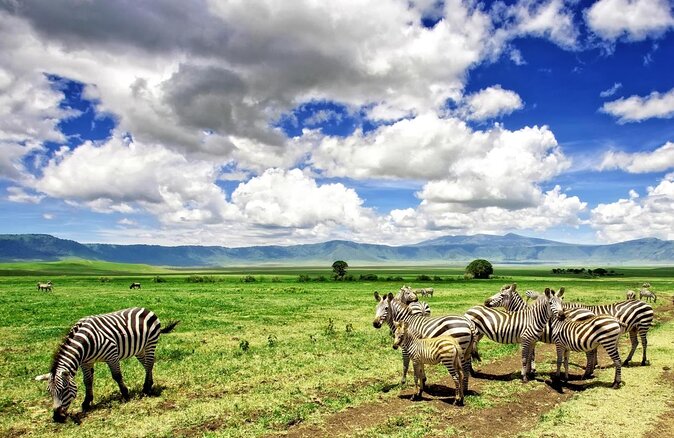
- Four major parks in seven days: Tarangire, Serengeti, Ngorongoro Crater, and Lake Manyara each offer a different setting and animal mix.
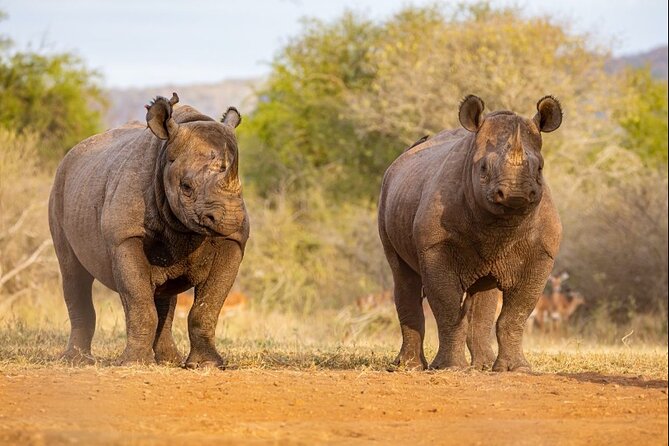
- Rhino country: Ngorongoro is one of Tanzania’s better places to look for black rhino, though no sighting can be promised.
- Small safari vehicle group: The tour accepts no more than six travelers, a useful limit on long game-drive days.
- Two nights in the Serengeti: You get a full day for wildlife viewing, rather than only crossing the park on the way somewhere else.
- Flexible cultural and archaeological stop: On the Serengeti transfer, you can choose a Maasai village visit or Olduvai Gorge.
- Practical meal and lodging package: Park fees, guide, airport transfers, hotels, camps, and most meals are included, but international and domestic flights are not.
What the $3,200 price covers
At $3,200 per person, this is not a budget safari. Still, the price needs to be judged against what is bundled into a seven-day northern Tanzania circuit.
You receive airport pickup, a professional English-speaking driver-guide, park fees and taxes, 24-hour office support during the safari, accommodation, and meals listed for the route. You also have a small group capped at six people. Those inclusions remove several costs that can quickly add up on an independent trip.
The route covers four parks, and the parks are not interchangeable. Tarangire gives you baobabs and large elephant country. Serengeti offers the best chance of seeing wide plains, predators, and large herds. Ngorongoro places a remarkable concentration of wildlife inside one compact crater. Lake Manyara adds forest and birdlife to the mix.
I would still ask for a current, written breakdown of the accommodation before paying. The plan names Springlands Hotel, Highview Hotel, and several possible wild camps, including Ikoma Wildcamp, Serengeti Wildcamp, or Serengeti Wildebeest Camp. The exact property can affect comfort, setting, and driving time.
Flights are not included. Neither are travel or health insurance, gratuities, laundry, phone charges, postage, or personal purchases. The meal count lists seven dinners, seven lunches, and six breakfasts. That appears to cover the safari nights and travel days, but you should confirm which meal is provided on your arrival and departure days.
Other park itineraries that start in Moshi:
- Safari Serengeti And Ngorongoro
★ 5.0 · 288 reviews - Big Five Safari In Tanzania
★ 5.0 · 99 reviews - Unforgettable Tanzania Safari And Zanzibar Beach
★ 5.0 · 97 reviews
Day 1: A gentle start at Springlands Hotel
Your arrival point is Kilimanjaro Airport, with pickup scheduled from 7:00 a.m. A driver meets you with a sign showing your name and takes you to Springlands Hotel in the Arusha area.
This first day is less about wildlife and more about getting settled. You have a meal, time around the hotel garden, and access to a swimming pool, bar, and restaurant. A safari coordinator gives you a briefing before the main route begins.
That briefing matters. Safari days can involve long drives, rougher park roads, early starts, and changing meal times. Use it to confirm your guide, vehicle, lodging, daily departure times, and what is included at each stop.
The listed first day lasts about seven hours, but that does not mean seven hours of sightseeing. Airport arrival, transfer, check-in, food, and the briefing make up much of the day. If your flight arrives late, contact the operator in advance.
Day 2: Tarangire’s river, elephants, and baobabs
You leave in the morning for Tarangire National Park. The Tarangire River is the park’s key feature because it remains a water source during the dry season. Animals gather near it, making this a strong opening game-drive day.
Tarangire is also visually distinctive. You pass grassy plains, swamp areas, hills, and huge baobab trees. The mixed setting gives you more than a standard open-grass safari, and it supports a broad range of birds and mammals.
Look for elephants, giraffes, zebras, wildebeest, and many bird species. The tour description also points to hippos and other common safari animals across the wider route. Sightings depend on season, water, and the work of your guide, so treat the animal list as a possibility rather than a guarantee.
You spend the night at Highview Hotel or a similar property. Lunch, dinner, and breakfast are listed. Since this is your first full park day, pace yourself. A full day in a safari vehicle can be tiring, even when the wildlife is excellent.
Day 3: The long road into the Serengeti
After breakfast, you head toward Serengeti National Park. The name comes from the Maasai language and refers to the area’s endless plains, an apt description once the road opens into broad grassland.
This is one of the longer transfer days, but it is not simply dead time. The plan includes a game drive along the way and gives you a choice of an optional Maasai village visit or Olduvai Gorge.
The Maasai visit offers a chance to learn about local culture and take part in some traditional activities. Olduvai Gorge, described as the Cradle of Humanity, has a museum focused on human origins in East Africa. These stops suit different interests, so decide what matters more to you before the day begins.
There is a practical catch: adding a cultural or archaeological stop can reduce the time available for wildlife viewing or make an already long day feel longer. Ask your guide how the timing works before choosing.
You sleep at a wild camp in or near the Serengeti area. Possible names include Ikoma Wildcamp, Serengeti Wildcamp, and Serengeti Wildebeest Camp. Lunch, dinner, and breakfast are included for the overnight plan. Wild camping here means a more direct connection to the park setting, but you should confirm the exact camp and facilities before departure if comfort is important to you.
Other safaris people book out of Moshi:
- 8-Day Essence of Tanzania Safari – Luxury
★ 5.0 · 72 reviews - Great Migration Safari In Tanzania
★ 5.0 · 71 reviews - 6 Days 5 Night Safari
★ 5.0 · 57 reviews - 7-Day Magical Tanzania Safari -Premium High End Package
★ 5.0 · 53 reviews
Day 4: A full Serengeti game-drive day
Day four is the heart of the safari. You have a full day in the Serengeti, rather than only a short drive through it.
The park changes as you move through it. In the south, you may find open grass plains. Central areas include scattered acacia trees and rocky kopjes. The north is hillier and more wooded, while the west includes woodland and dark clay plains.
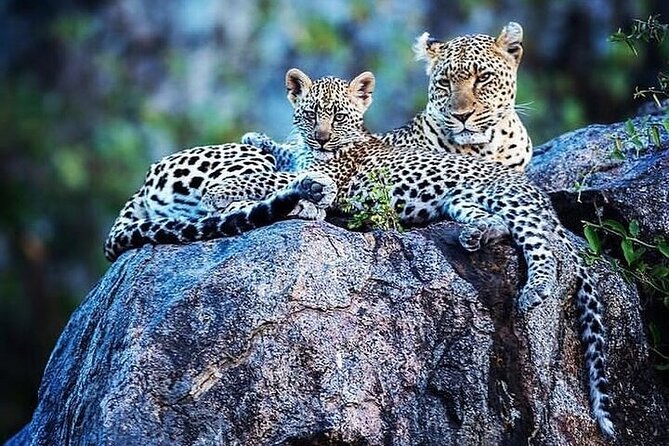
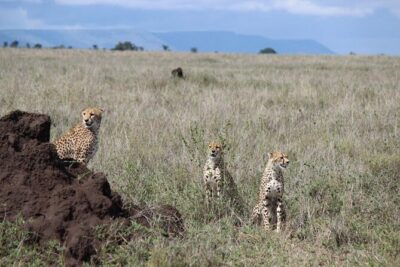
That variety explains why two game drives in the Serengeti rarely feel identical. Wildebeest, zebra, and antelope are the main grazing animals, while lions and cheetahs may be found near the herds or around the kopjes. The Great Wildebeest Migration is a major draw, but its location changes by season. Do not book this trip expecting a guaranteed river crossing or a specific migration scene.
A full day also gives your guide more time to respond to conditions. If animals are scarce in one area, the vehicle can spend more time searching elsewhere. The quality of that experience depends heavily on the guide’s judgment and patience. One guide named in the positive feedback is Moses, who was singled out for his driving and guiding during a seven-day safari.
You return to the same general camp area for another night. Two Serengeti nights make this route stronger than a quick in-and-out visit, but the drive from the northern circuit still takes time. Bring a camera with spare batteries and keep expectations realistic about road comfort.
Day 5: Down into Ngorongoro Crater
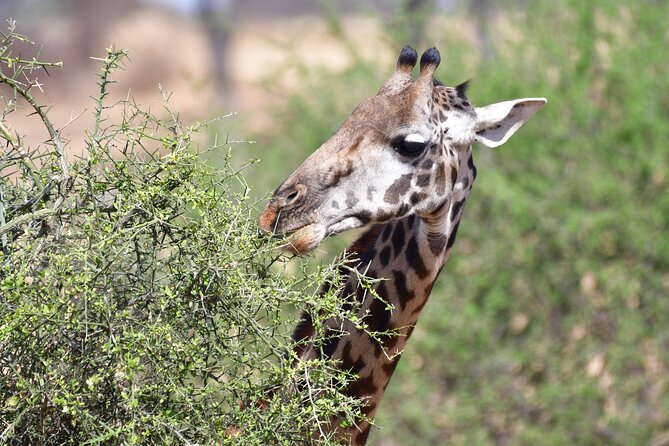
The route continues with a morning game drive toward Ngorongoro Crater. You then descend roughly 600 meters to the crater floor, which measures about 16 kilometers across and covers around 265 square kilometers.
The crater is special because its enclosed setting brings many animals into one broad viewing area. You may see lions, cheetahs, eland, zebra, gazelles, and large herds of other grazing animals. The open grassland also offers one of the better chances on this route to look for Tanzania’s remaining black rhino.
That last point is important. The title of this safari puts the rhino at the center, but a sighting is never certain. You may see a rhino at a distance, or you may spend the game drive looking without success. Your guide can help locate likely areas, but wildlife remains wild.
Makat Soda Lake adds birds to the crater experience, including flamingos when conditions are suitable. The scenery is a major part of the day, with the crater walls framing the animals below.
After the crater visit, you go to Highview Hotel or a similar property. This day packs a lot into one schedule. The descent, game drive, ascent or onward drive, and overnight transfer can leave you tired, but Ngorongoro is the part of the route most likely to feel concentrated and dramatic.
Day 6: Forest and lake country at Manyara
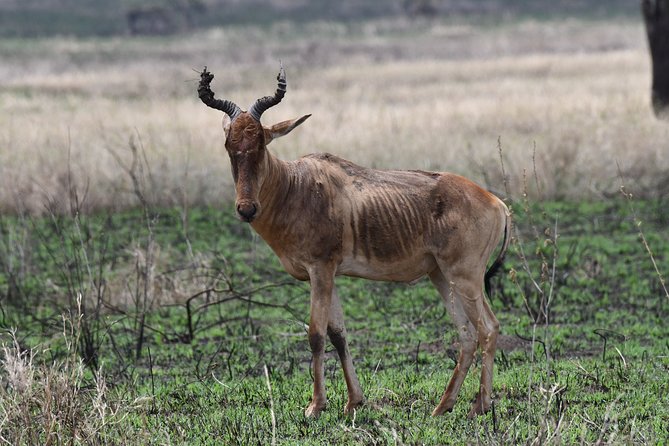
Lake Manyara National Park gives you a different setting from the Serengeti and Ngorongoro. It lies below the steep Rift Valley escarpment and includes groundwater forest, acacia woodland, grassland, swamp, and the lake itself.
That mixture supports a wide range of wildlife in a relatively compact area. You may see buffalo, impala, giraffe, bushbuck, waterbuck, hippos, and elephants. The park is also known for tree-climbing lions, although the name should not be read as a promise that lions will be resting in the branches during your visit.
The forest brings a different feel to the game drive. Blue monkeys, vervet monkeys, and active olive baboon troops may appear among the trees. Birdwatchers have plenty to watch around the lake and wet areas.
You spend the last safari night at Springlands Hotel. After several nights in wild camps and safari lodges, returning to a hotel with a pool, garden, bar, and restaurant may feel welcome. The drawback is that Lake Manyara comes late in the trip, after several demanding driving days. If you are tired, make an effort to stay alert. The park’s smaller scale and different habitats are worth your attention.
Day 7: A simple airport finish
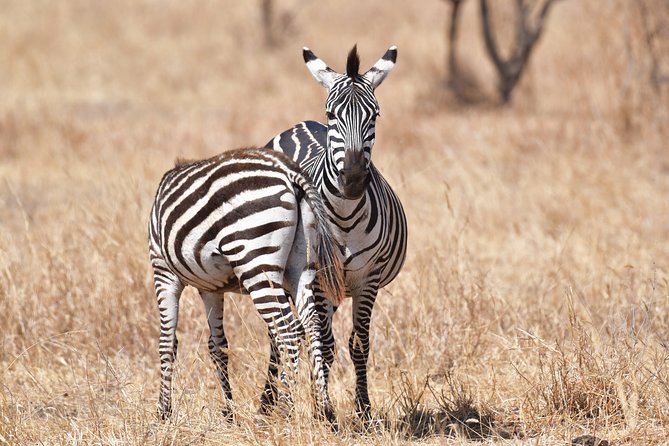
The final morning is listed as leisure time before your transfer to Kilimanjaro Airport. If your flight leaves in the morning, an extra night in Arusha must be added and arranged with the operator.
This is a useful point to settle before booking. The base plan does not automatically include an extra night for a late or next-day flight. Confirm your departure time and airport transfer plan so you are not trying to fit a long transfer into a narrow window.
The tour ends with the airport transfer. No internal or international flight is included, so you arrange your own onward ticket.
How the small group changes the safari
A maximum of six people is one of the strongest practical features. Safari vehicles are shared spaces, and a smaller group gives you more room for cameras, easier communication with the guide, and a better chance of getting a clear view from the vehicle.
The group size also affects the mood. You spend long stretches with the same people, often in silence while watching animals. Six is still large enough that interests can differ. One person may want to wait for a lion, while another wants to leave for birds or a distant herd. Talk with the guide early about how the group will handle those choices.
The driver-guide is central to the experience. The company promises an English-speaking professional guide and 24-hour support from its Moshi office. Moses is the only guide specifically named in the information provided, so do not assume he will lead your departure. You can request him, but availability is not stated.
Who should book this safari?
This route suits you if you want a first Tanzania safari with the famous northern circuit in one trip. It works well for couples, families, and small groups who value a structured plan, airport pickup, a dedicated guide, and the chance to visit four different parks.
It is also a good fit if rhino is high on your wish list, provided you understand that Ngorongoro offers a chance rather than a guarantee. The route is strong for general wildlife too, with possible elephants, giraffes, zebra, wildebeest, hippos, lions, cheetahs, monkeys, and many birds.
I would think twice if you dislike long vehicle transfers, basic camp accommodation, or fixed group schedules. The Serengeti journey takes time, and the seven-day plan is active. If you want slow mornings, luxury lodging every night, or several days in one park, a private and longer safari may suit you better.
Cancellation is free if you cancel at least 24 hours before the start time. Cancellations or changes within 24 hours are not refunded, and the local time cutoff applies.
Should you book the 7 Days Rhino Ngorongoro Crater Safari?
I would book it if you want a well-rounded northern Tanzania route and value having transport, park fees, meals, lodging, and an English-speaking guide arranged together. The small group and two Serengeti nights add real value, while Ngorongoro gives the itinerary its best rhino opportunity.
Before paying $3,200, confirm the exact hotels and wild camp, the meal schedule, the vehicle arrangement, and whether a Maasai village or Olduvai Gorge visit carries an extra charge. If you are comfortable with long drives and variable wildlife sightings, this is a strong introduction to Tanzania’s major safari parks. If you want a slower, more private, or more luxurious trip, choose a longer custom plan instead.
FAQ
Where does the safari start?
The safari starts at Kilimanjaro Airport in Tanzania, with a stated start time of 7:00 a.m. Airport pickup is included.
How long is the experience?
The safari lasts approximately seven days and ends with a transfer to Kilimanjaro Airport.
How large is the group?
The tour has a maximum of six travelers.
Which national parks are included?
The route includes Tarangire National Park, Serengeti National Park, Ngorongoro Crater, and Lake Manyara National Park.
Is a black rhino sighting guaranteed?
No. Ngorongoro Crater is a place where you may see black rhino, but wildlife sightings cannot be guaranteed.
Are flights included?
No. International and internal flights are not included in the tour price.
What meals are included?
The inclusions list seven dinners, seven lunches, and six breakfasts.
What is not included besides flights?
Travel and health insurance, tips for the guide, hotel staff and porters, laundry, telephone and postage costs, and personal items are not included.
More Ngorongoro trips from Moshi
- 5 Days Camping Tarangire, Serengeti & Ngorongoro crater & Visiting Maasai
★ 5.0 · 58 reviews - 4 Days Group Joining Camping Safari to Tarangire Serengeti Ngorongoro Crater
★ 5.0 · 50 reviews - 3-Day Ngorongoro Crater Manyara and Tarangire Safari from Arusha
★ 5.0 · 49 reviews - 4 Day Private Tour Throughout Tarangire, Serengeti and Ngorongoro
★ 5.0 · 42 reviews
Just added in Moshi
- Wildlife Extravaganza: Manyara, Tarangire & Ngorongoro in 3 Days★ 5.0 · 3 reviews
- West Kilimanjaro cycling Adventures★ 4.5 · 8 reviews
- machame route★ 5.0 · 16 reviews
- Kilimanjaro Climbing Umbwe Route★ 5.0 · 3 reviews
- Mt Kilimanjaro 6 days Marangu route hike★ 5.0 · 3 reviews
- Kilimanjaro Climb • Machame Route ~ 10 Day★ 5.0 · 6 reviews
- 3 Days Private E-Bike Tour in West Kilimanjaro★ 5.0 · 3 reviews
- Private Cycle to Kilimanjaro Bike Park Safari★ 5.0 · 6 reviews
Ngorongoro Crater Tours, compared.
3 Days Serengeti & Ngorongoro Group Camping Safari
Read our review →
4-Day Safari from Arusha: Tarangire, Serengeti and Ngorongoro
Read our review →
2 Days Tarangire and Ngorongoro Group Camping Safari
Read our review →
3 Days Private Safari – manyara, Ngorongoro & Tarangire
Read our review →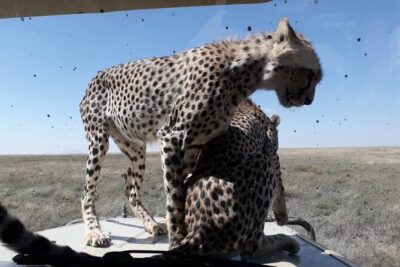
5 Days Tanzania Group Joining Safari, Tarangire/Serengeti/Ngorongoro Crater
Read our review →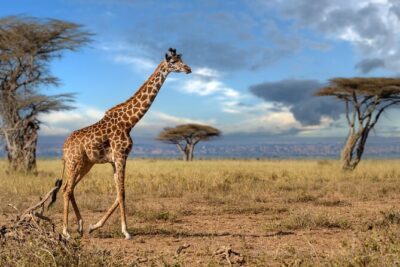
4 Days Tarangire, Serengeti and Ngorongoro Mid-Range Group Safari
Read our review →Browse the lists this tour appears in