
Reviewed · MAASAI VILLAGE TOURS
Maasai Boma Cultural Tour
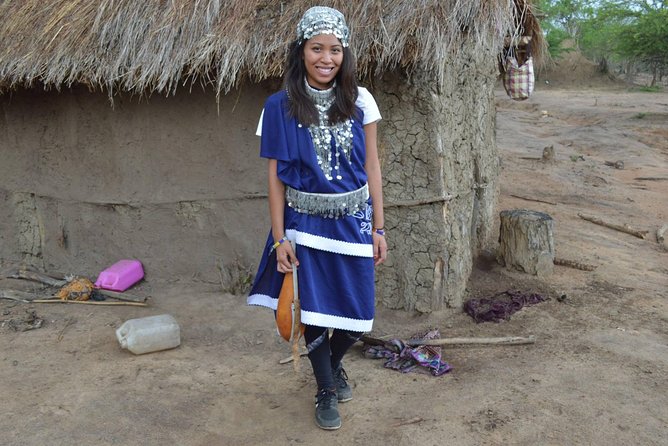
At a Maasai boma near Mikumi, you get more than a staged dance stop. The visit brings you into a family setting where you can ask about homes, food, medicine, and daily work, with Melami, a Maasai guide who lives in the village, helping explain Southern Maasai life.
I like two things right away: the village development fund is included in the $30.77 price, and hotel pickup removes a transport chore. The short two-hour format also works well if you are fitting this visit between a safari or another Morogoro-area activity.
The main consideration is the limited time. Two hours gives you a useful introduction, not a full study of Maasai culture, and a group of up to 25 can feel less personal than the private visits some people receive.
Key points at a glance
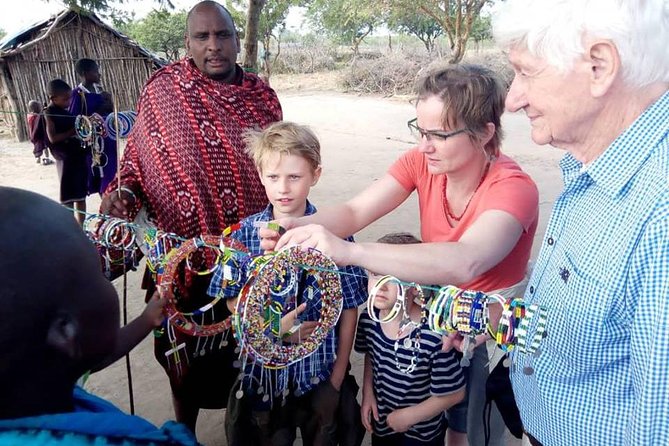
- Meet Maasai life at a real family boma: Learn how a household is organized and how daily life works indoors and out.
- Hear from Melami: This Maasai guide lives in the village and can connect cultural details with everyday experience.
- Your ticket supports local people: The price includes a village development fund contribution.
- A practical two-hour visit: It fits busy schedules and can work alongside other activities in the Morogoro Region.
- Pickup is offered: You do not need to arrange your own transfer to the meeting point if pickup suits your booking.
- Expect participation, not just watching: Questions, dancing, and jumping are part of the friendly cultural exchange.
What this Maasai boma visit is really about
The word boma refers here to a Maasai family setting, not simply a museum or performance space. The purpose of the visit is to introduce you to Southern Maasai culture through the people who live there.
You learn about the language, the community’s history, household life, food, medicine, and healing methods. The tour also explains the age-set system and the division of labor connected with it. Those subjects matter because they show how the community is organized, rather than reducing Maasai culture to clothing and dancing.
You are welcomed into a setting where questions are encouraged. That makes the experience more useful than a short photo stop. You can ask how homes are used, how tasks are shared, and how traditional health practices fit into daily life.
Still, keep your expectations sensible. This is an introduction lasting about two hours. It can give you a clear first look, but it cannot cover every part of Maasai history, social structure, or modern life.
More of the history on foot in Morogoro:
- Zanzibar: Stone Town Historical Cultural Walking Guided Tour
★ 4.5 · 179 reviews - Arusha Guided Walking City Tour, Culture, Lifestyle & History
★ 5.0 · 150 reviews - Stone Town Historical Walking Tour
★ 5.0 · 143 reviews
Entering the village with Melami
Melami is identified as a Maasai guide who lives in the village. That detail matters. A guide with a direct connection to the community can explain the visit from personal experience instead of offering only broad facts.
The tour is designed to take you through several parts of village life. You can expect an explanation of the local language, the history of the Southern Maasai, and the way a family boma functions. You will also hear about indoor living arrangements and the practical work required to support a household.
The setting gives those topics a physical reference. Rather than hearing a long talk about homes, you can look at the space itself. Instead of treating medicine as an abstract subject, you can ask about food, healing, and traditional remedies in the context of everyday life.
A useful approach is to arrive with a few questions ready. Ask how age sets influence work, how responsibilities are divided, and which parts of village life remain important today. The available information does not promise a fixed question-and-answer session, but the tour is built around learning directly from the community.
The home, food, and medicine portion
The strongest part of this visit may be its attention to ordinary life. Cultural tours often focus on ceremonies, but this one includes homes, food, medicine, and healing methods.
You can expect to learn how Maasai families use indoor space and how daily responsibilities are divided. Food is included as a subject, though the tour details do not promise a meal or tasting. That distinction is worth keeping in mind before you book.
The same applies to medicine. You will learn about traditional healing methods, but there is no stated promise of a treatment, demonstration, or medical consultation. Think of this as cultural education, not health advice.
These subjects help you see the Maasai as a living community rather than a symbol on a postcard. They also give you natural openings for respectful questions. Ask first before photographing people, homes, or objects, and listen closely when a custom is explained.
Age sets and the division of labor
The tour specifically covers age-set divisions and the work connected with them. This is one of the more useful details in the program because it explains how responsibilities fit into the wider community.
You will learn that Maasai social organization includes age-based groupings. The description does not provide a full breakdown of every age set or its duties, so the exact explanation will come from the guide during your visit.
That limitation is not a problem if you see the tour as a starting point. Two hours lets you understand that work and social roles are organized, then gives you a chance to ask for examples. If this subject interests you, make it one of your main questions for Melami.
The cultural value here is simple: you are not only seeing what people do, you are learning how the community understands responsibility. That adds useful context to the rest of the visit.
Other village visits from Morogoro:
- 3 Days 2 Nights Amazing Masai Tour & Mikumi National Park
★ 5.0 · 3 reviews - Zanzibar: Sea Turtle Swim at Salam Cave in Kizimkazi Village
★ 4.2 · 368 reviews - 5 Days Camping Tarangire, Serengeti & Ngorongoro crater & Visiting Maasai
★ 5.0 · 229 reviews - Zanzibar: Quad Bike Adventure Tour to a Local Village
★ 4.9 · 166 reviews
Dancing, jumping, and the human exchange
Dancing and jumping are part of the experience. They bring energy to the visit and give you a chance to participate rather than stand at the edge with a camera.
The activity is described as welcoming, with the Maasai willing to let you feel part of the family for the visit. That does not mean you should assume the experience is entirely private or informal. The maximum group size is 25, and the exact mood depends on the number of people booked that day.
Some past bookings have been private or nearly private, while others may include a larger group. If you value quiet conversation, ask about the expected group size when arranging your visit. A smaller group may allow more time for questions, while a larger one can make the dancing more lively but less personal.
The best attitude is respectful participation. Join in when invited, enjoy the movement, and remember that the cultural exchange is more important than getting the perfect photograph.
Why the two-hour length can work well
Two hours is short enough to fit into a busy Tanzania schedule. You do not need to give up a full day, and the visit can sit neatly beside other plans in the Morogoro Region.
That makes it especially useful if you are combining wildlife activities with cultural visits. The tour takes place near Mikumi according to the provider’s response to a past booking, while the experience is listed in the Morogoro Region. Confirm the exact pickup point and timing when you book, since the supplied details do not give a precise address.
The short format is also a good match for people who want an introduction rather than a long cultural program. You can learn the main themes, meet the community, and decide which parts of Maasai life you want to study further.
The tradeoff is depth. There may not be enough time for extended discussion of every subject, and a larger group could reduce the time available for individual questions. If you want a full-day cultural experience, this visit may feel brief.
Pickup, timing, and group size
Hotel pickup is offered, so you may not need to arrange separate transport. The practical value depends on where you are staying and whether your booking includes pickup from your particular hotel. Confirm that detail before setting your day around it.
The listed opening hours run from 12:00 AM to 11:30 PM daily, from July 23, 2019 through June 18, 2026. Those are broad operating hours rather than a guarantee that every departure runs at every time, so confirm your start time at booking.
The group limit is 25 people. That is a medium-sized maximum, not a promise that every departure will be full. The difference matters. With only two people, you may have much more room for direct questions. With a larger party, the guide may need to keep explanations moving.
Confirmation is received at the time of booking. The meeting point is near public transportation, though pickup is available. Most people can take part, and no special participation restriction is stated.
Is $30.77 a fair price?
At $30.77 per person, the value comes from three parts: the guide-led cultural explanation, the village visit, and the included contribution to the village development fund.
That fund is an important part of the price. You are not paying only for transport and an activity. Part of the fee is intended to benefit local people through village development. The supplied details do not specify the fund’s individual projects, so you should not assume it pays for a particular school, clinic, road, or other facility.
Pickup adds practical value, especially if you are staying nearby and would otherwise need to arrange a taxi. The two-hour duration keeps the cost manageable for someone who wants a focused cultural stop rather than a full-day program.
The price may feel less attractive if you are looking only for entertainment. The visit is built around learning and conversation, with dancing and jumping included as part of the exchange. You are paying for access to local cultural knowledge and community support, not a large-scale show.
Who should book this experience
I would recommend this tour to you if you want a short, direct introduction to Southern Maasai culture and prefer meeting people in a community setting. It suits families, couples, and individuals who have limited time but still want more than a wildlife-only trip.
It is also a good fit if you care about where your tourism money goes. The village development contribution is included, which makes the financial side clear at the time of booking.
You should think twice if you need a guaranteed private tour, a long academic presentation, or a meal and medicine demonstration. None of those is promised. The group may reach 25 people, and the program is only about two hours.
Bring curiosity and a respectful attitude. Ask questions, take part when invited, and give the guide time to explain matters in his own way. That approach will help you get more from a compact visit.
Booking and cancellation details
Free cancellation is available if you cancel at least 24 hours before the experience start time. Canceling less than 24 hours ahead does not qualify for a refund, and changes made inside that 24-hour window are not accepted.
The cutoff uses local time. Since pickup and start details can affect the rest of your day, confirm them when you receive your booking confirmation rather than waiting until the last minute.
Should you book the Maasai Boma Cultural Tour?
Book it if you want an affordable, compact cultural visit with a direct connection to a Maasai village. The included development fund, optional pickup, and focus on homes, food, medicine, age sets, and daily work give the experience more substance than a quick performance.
I would be especially keen to book if Melami is guiding the visit and the group is small. His connection to the village can make the explanations feel personal, while a smaller party gives you more time to ask questions.
Skip it if you are looking for a long cultural course or a guaranteed private encounter. For most people with a spare two hours near Mikumi or elsewhere in the Morogoro Region, this is a practical way to meet the Southern Maasai respectfully and support the community at the same time.
FAQ
Where does the Maasai Boma Cultural Tour take place?
The tour takes place in the Morogoro Region of Tanzania, at a Maasai boma near Mikumi.
How long does the tour last?
The experience lasts approximately two hours.
How much does the tour cost?
The listed price is $30.77 per person.
Is hotel pickup available?
Yes. Hotel pickup is offered, so you do not need to arrange all transport independently.
How many people can join the tour?
The maximum group size is 25 people.
What will I learn about?
You will learn about Southern Maasai language, history, homes, food, medicine, healing methods, age-set divisions, division of labor, and daily life.
Is the village development contribution included?
Yes. All fees, including the village development fund contribution, are included in the tour price.
Can most people participate?
Yes. The activity information says most people can participate.
What is the cancellation policy?
You can cancel for a full refund up to 24 hours before the experience start time. Cancellations or changes made less than 24 hours before the start are not accepted for a refund.
Just added in Morogoro
- Zanzibar: Fly to Nyerere National Park – 2-Day Safari★ 5.0 · 6 reviews
- Uluguru mountain overnight 2 nights 3 days★ 5.0 · 9 reviews
- 2 Days Morogoro- Selous Game Reserve(Nyerere national park)★ 4.5 · 8 reviews
- Uluguru Mountains Hiking To The Peak 2 Days 1 Night Camping★ 5.0 · 4 reviews
- Mikumi National Park in a Day – A Day Tour from Morogoro★ 5.0 · 21 reviews
- Day trip Hiking to Uluguru Mountains-Choma Waterfalls★ 5.0 · 19 reviews
- Day Trip To Lupanga Peak★ 5.0 · 3 reviews
- Day trip tour to Choma Waterfalls★ 5.0 · 14 reviews
Maasai Village Tours, compared.

Sea Turtle Swim at Salam Cave in Kizimkazi Village
Read our review →
Maasai village visit, Materuni waterfalls & coffee experience
Read our review →
Materuni Waterfalls, Visiting Chagga Village, CoffeeTour Kikuletwa Hotsprings
Read our review →
5 Days Camping Tarangire, Serengeti & Ngorongoro crater & Visiting Maasai
Read our review →
Browse the lists this tour appears in