
Reviewed · SERENGETI SAFARIS
4 days Tanzania group safari to Serengeti, Crater and Tarangire
Tarangire’s elephant herds and baobab trees are only the opening act. This four-day camping safari moves through three of northern Tanzania’s finest wildlife areas, ending with a sunrise descent into Ngorongoro Crater, one of the best places in the region to look for rhinos.
I like the small group limit of six, which gives you a better chance of seeing from both sides of the vehicle and asking plenty of questions. I also like the practical setup: hotel pickup in Arusha, three meals each day, and camping close to the parks. The main drawback is the pace. Long drives, early starts, basic campsites, and four busy days require stamina.
Key points to know before booking
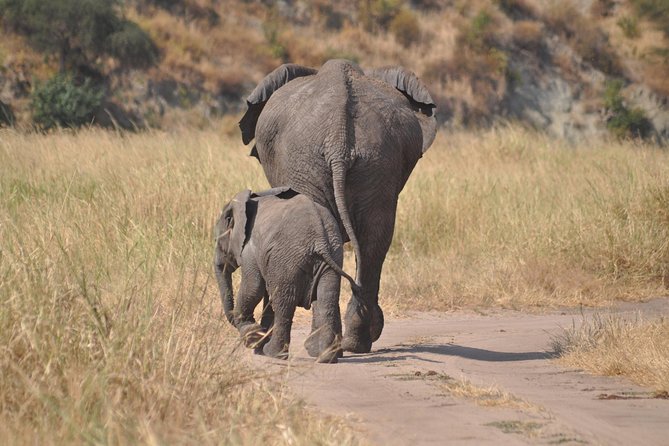
- Tarangire begins the safari with elephants, baobabs, and birdlife during a full game drive.
- Serengeti gives you two wildlife sessions, including an evening drive and an early morning outing.
- Ngorongoro Crater is the grand finale, with a strong chance of seeing hippos, flamingos, and rhinos.
- Groups are limited to six people, making the vehicle feel more personal than a large coach-style safari.
- Camping keeps the price at $950 per person, with breakfast, lunch, and dinner included.
- Guide quality is central to the experience, with Philbert, Ayubu, and Faraja praised for animal spotting, patience, and clear explanations.
Why this four-day route works
This itinerary packs three major parks into a short trip from Arusha. You get the huge elephant country of Tarangire, the open plains and predator sightings of Serengeti, and the compact wildlife bowl of Ngorongoro Crater.
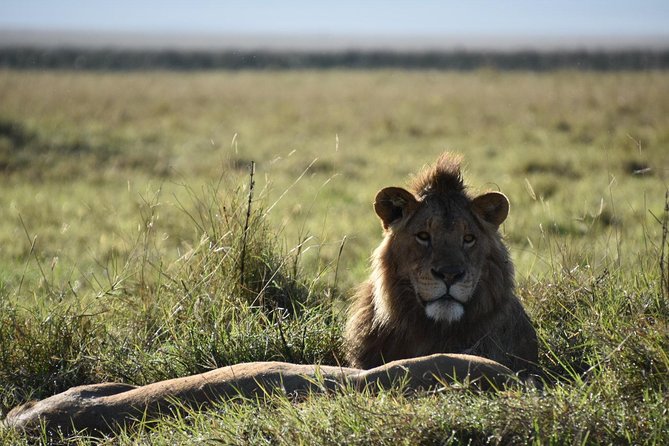
The route also gives each park a different role. Tarangire is not simply a warm-up. Its baobabs create a distinctive setting, and the park is especially good for elephants and birds. Serengeti supplies the wide-open drama and the best chance of watching lions over several game drives. Ngorongoro then brings the animals closer together in a smaller area.
At $950 per person, the price offers solid value if it includes the advertised park visits, vehicle, guide, camping arrangements, meals, and Arusha pickup and return. The published inclusions clearly cover four lunches, three breakfasts, and three dinners. Since camping equipment and the exact accommodation arrangements are not fully detailed, I would confirm what tents, sleeping gear, campsite fees, and transfers are covered before paying.
The group size matters here. A maximum of six people is small enough for a more relaxed vehicle, although the actual group can be smaller or larger than your ideal number up to that limit. A private safari is not promised, so ask if you want exclusive use of the vehicle.
Other safaris people book out of Tanzania:
- Serengeti Balloon Safari and authentic bush breakfast
★ 5.0 · 2,480 reviews - Balloon Safari & Bush Breakfast in Serengeti – Miracle Experience
★ 5.0 · 1,646 reviews - From Zanzibar: Mikumi Safari Day Trip with Flights and Meal
★ 4.7 · 1,470 reviews
Day one: Tarangire’s elephants and baobabs
Pickup begins in Arusha at about 8 a.m., after breakfast. The drive to Tarangire National Park takes roughly two hours, putting you at the gate around 10 a.m. From there, the game drive starts rather than waiting for a separate park activity.
You have about six hours in the park, enough time for a substantial first look at Tanzania’s wildlife. Tarangire is especially known for its elephant concentration, and the giant baobab trees give the park a look you will not get in the Serengeti. If you enjoy birdwatching, this is also an important day, since the park supports many bird species.
The animal list can include monkeys, zebras, giraffes, lions, leopards, and cheetahs. No safari can promise a particular sighting, but the variety makes Tarangire a smart first stop. You are likely to spend much of the day switching between broad views and careful searches near water or vegetation.
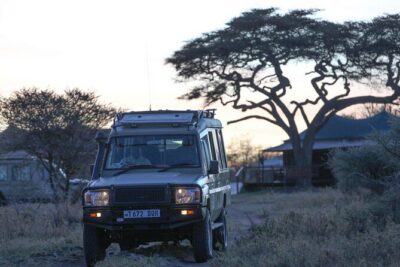
The night is scheduled at Twiga campsite outside the park. That location keeps the first day manageable, but it also means this is camping rather than a lodge-based safari. You should expect a simpler evening and should pack with outdoor conditions in mind. The attraction is being close to the safari route, not hotel comfort.
Day two: the long run to Serengeti
After breakfast, you leave at around 8 a.m. for Serengeti National Park. The stated drive to the gate is about three hours, with arrival around 1 p.m. for lunch and a short break before the afternoon game drive.
The route is part of the experience. You pass through towns and villages, see changing scenery, and stop at the Ngorongoro gate area. The stop may offer a chance to see baboons and hear about the crater’s background. A viewpoint near Ngorongoro is also included in the day’s route.
At Serengeti Gate, lunch and a short walk break up the drive. After about an hour, you begin a half-day game drive, continuing until roughly 6 p.m. That timing is useful because it gives you a first look at the park before reaching the campsite.
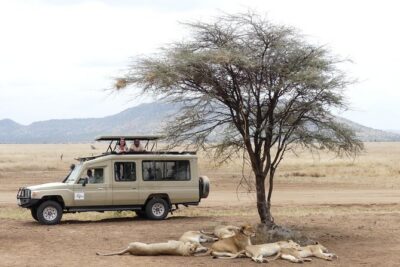
Serengeti is famous for its open plains, large lion groups, and high concentration of large mammals. Depending on the season, you may also encounter parts of the great migration. The timing of the migration changes, so do not book this trip expecting a fixed parade of animals in one exact spot.
The scenery is a major part of the day. Serengeti Kopjes, the rounded rock formations associated with The Lion King, break up the plains and often make excellent animal-watching points. More than 500 bird species are found in the park, so keep your eyes open even when the larger animals are out of sight.
This is the day most likely to feel tiring. The drive is long, then you add a half-day game drive and a campsite arrival around 6 p.m. The payoff is that you reach one of Africa’s most famous wildlife areas without spending a night in a town.
Day three: sunrise in Serengeti
The schedule for day three begins early, around 6 a.m., for a sunrise game drive. This is one of the strongest parts of the trip. Morning light changes the plains quickly, and an early departure gives you a quieter, cooler period for animal watching.
The planned first game drive lasts about two hours. You then return to the lodge or camp area for breakfast and to collect your luggage before heading out again. A second game drive follows as you gradually travel toward the Ngorongoro area.
This split day gives you more Serengeti time than a simple transit route. You have a morning wildlife session, breakfast, another drive, and a gradual move toward the next park. The tradeoff is another early start and another long day in the vehicle.
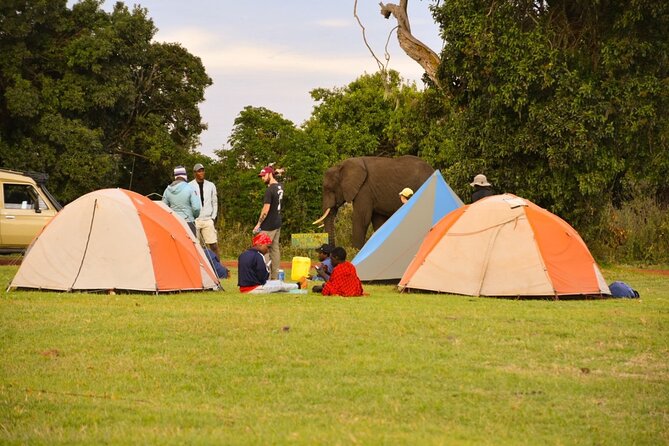
The itinerary describes a night at Simba public campsite near Ngorongoro. Public campsites are generally chosen for location and price rather than privacy, so this suits you if you value time in the parks over hotel facilities. The supplied information also refers to extra accommodation being available at additional cost, so ask about an upgrade if you do not want a full camping setup.
The guide can make a major difference on this day. Philbert is specifically associated with patient guiding, strong animal spotting, and explanations in English. German-language guiding has also been mentioned in connection with him. Ayubu and Faraja are other guide names connected with this safari, though your booking should confirm who will lead your departure.
Other Serengeti itineraries out of Tanzania:
- 3 Days Serengeti & Ngorongoro Group Camping Safari
★ 5.0 · 574 reviews - 5-Day Highlights mid-Range Crater, Serengeti, Tarangire
★ 5.0 · 296 reviews - Safari Serengeti And Ngorongoro
★ 5.0 · 288 reviews - 3-Day Classic Serengeti Safari
★ 5.0 · 263 reviews
Day four: down into Ngorongoro Crater
The final morning starts around 6 a.m. with the drive to Ngorongoro Crater. The half-day game drive runs until about 11 a.m., followed by a return to camp for brunch, packing, and transfer to Arusha.
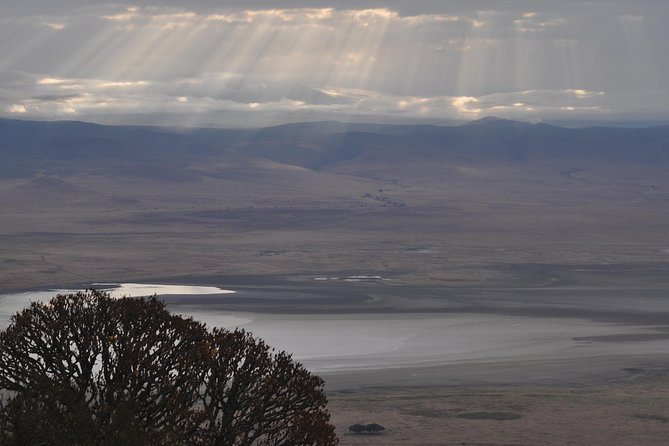
The crater is the trip’s most concentrated wildlife setting. It is the world’s largest unfilled, intact, inactive volcanic caldera, and its enclosed geography can bring many animals into view during a single outing. The crater floor is also regarded as one of the better places in Tanzania to look for rhinos.
A stop near the lake gives you time to watch hippos. Flamingos are another well-known sight here, although bird numbers and exact sightings change with conditions. The crater is a UNESCO World Heritage Site and is often called the eighth wonder of the world, but its real value is more practical: it gives you a strong final chance to see a broad range of animals before heading back to Arusha.
The morning schedule is efficient but not leisurely. You need to leave the crater, return for brunch, pack, and make the transfer back to town. If you have an evening flight or another fixed appointment, confirm the expected arrival time with the operator before booking.
Camping, food, and daily comfort
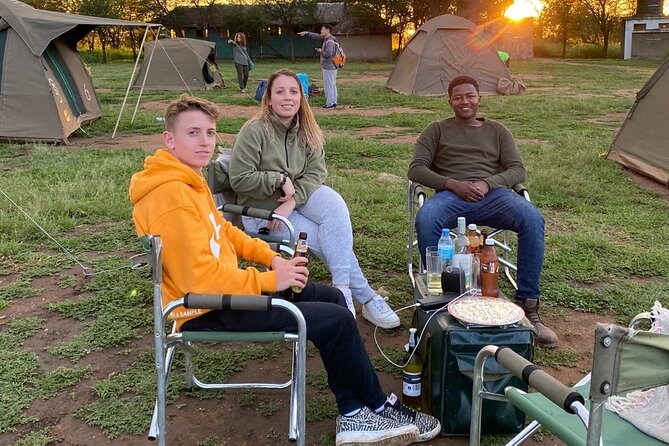
Camping is the heart of this trip, not a minor detail. The plan places you at Twiga campsite after Tarangire and Simba public campsite near Ngorongoro, while the Serengeti night is also described as a camp stay. You will hear the sounds of the African night rather than retreating to a city hotel, but you should accept simpler facilities.
Three breakfasts, four lunches, and three dinners are included. Food receives particularly strong praise, with reports of fresh, varied meals prepared by the safari cook. That is valuable on a route with early starts and long drives, since you will not need to arrange meals at each stop.
The published schedule has a small inconsistency: day three begins with Serengeti activities even though its heading refers to Ngorongoro Crater. Read the day as a final Serengeti morning followed by travel toward the crater, with the crater game drive taking place on day four.
Bring soft luggage rather than bulky hard cases if possible, plus a warm layer for early mornings. The supplied details do not specify the exact tent style, bedding, shower arrangements, or toilet facilities, so ask those questions before departure.
Guides and the small-group setup
A safari guide is not just a driver. The guide decides where to pause, explains animal behavior, answers questions, and helps you make sense of a scene that can look empty until someone points out a distant lion or a hidden bird.
Philbert is named repeatedly in connection with this experience, with particular praise for patience, professionalism, and spotting the Big Five. Ayubu is also singled out as a favorite guide, while Faraja is mentioned as part of a successful camping team. Names are not a guarantee that one particular guide will lead your trip, so confirm availability if that matters to you.
The six-person maximum is a strong feature. With fewer people, you have a better chance of getting a window-side view and less competition when the vehicle stops. Still, the safari remains a shared experience unless you arrange otherwise. If someone in the group wants long photography stops while another wants to keep moving, the guide has to balance both needs.
Who will enjoy this safari most
This trip suits you if you want the classic northern Tanzania circuit without paying for high-end lodges. It is also a good fit for first-time safari visitors who want several major parks in one compact route.
You should be comfortable with:
- Early starts, including departures around 6 a.m.
- Long drives between parks
- Camping and public campsite facilities
- Several hours in a safari vehicle
- A schedule that changes with wildlife sightings and road conditions
The route works well for couples, friends, and small mixed groups. It also suits anyone who wants meals and transport organized rather than arranging each piece independently.
It may not suit you if you need luxury accommodation, a slow pace, or guaranteed private use of the vehicle. Four days is enough to see a great deal, but it is not enough to linger everywhere.
Price, booking questions, and cancellation
At $950 per person, this is a sensible midrange camping price for a three-park route if the main safari costs are covered. The value comes from the combination of park access, guide services, game drives, campsite nights, meals, pickup, and the return transfer to Arusha.
Before booking, ask for a written list of included items. Confirm the exact campsites, tent and bedding arrangements, park fees, vehicle use, and whether the return transfer finishes in Arusha or another location. International and domestic flights, health insurance, and the Tanzanian entry visa are not included.
Pickup is offered from a hotel, lodge, or hostel in Arusha, and the meeting point is Arusha, Tanzania. Confirmation is provided when you book, and the operator accepts free cancellation up to 24 hours before the local start time. Changes or cancellations inside that 24-hour window are not accepted for a refund.
Should you book it?
Book this safari if your priority is wildlife variety and strong park coverage at a camping price. Tarangire’s elephants, Serengeti’s predators, and Ngorongoro’s crater wildlife give you three very different days, while the small group limit keeps the experience more personal.
I would book it with two conditions: confirm the camping details and accept the demanding schedule. If you want comfort and slow mornings, choose a longer lodge safari. If you want a focused first safari, good meals, experienced guides such as Philbert or Ayubu, and a real night near the parks, this four-day route is a practical choice.
FAQ
How long is the safari?
The safari lasts approximately four days, beginning and ending in Arusha.
Which national parks are included?
The route visits Tarangire National Park, Serengeti National Park, and Ngorongoro Crater.
What time does pickup begin?
Day one pickup begins at about 8 a.m. from a hotel, lodge, or hostel in Arusha. Later days begin around 8 a.m. or 6 a.m., depending on the game-drive schedule.
How many people can join the group?
The maximum group size is six people.
Are meals included?
Yes. The package includes four lunches, three breakfasts, and three dinners.
Is accommodation included?
The experience is described as a camping safari, with stays at Twiga campsite outside Tarangire and Simba public campsite near Ngorongoro. Extra accommodation can be arranged at an additional cost.
Are flights, insurance, and the Tanzania visa included?
No. Domestic and international flights, health insurance, and the Tanzania entry visa are not included.
Can I cancel for a full refund?
Yes, if you cancel at least 24 hours before the experience start time. Cancellations or changes made less than 24 hours before the local start time are not accepted for a refund.
More Tarangire safaris from Tanzania
- Private 6-Day Tarangire Manyara Crater and Serengeti with Mid-Range Lodges
★ 5.0 · 238 reviews - 5 Days Camping Tarangire, Serengeti & Ngorongoro crater & Visiting Maasai
★ 5.0 · 229 reviews - 4 Days Join Group tour Tarangire Serengeti and Ngorongoro crater
★ 5.0 · 219 reviews - 4-Day Safari from Arusha: Tarangire, Serengeti and Ngorongoro
★ 5.0 · 173 reviews
Just added in Tanzania
- ZANZIBAR: Jozani Forest, butterfly center & Reptile park★ 4.7 · 3 reviews
- Zanzibar: Horseback Riding and Turtle Swimming Tour★ 3.3 · 4 reviews
- Zanzibar jetski Adventure Tour★ 4.9 · 6 reviews
- Zanzibar: Jozani Chwaka Bay National Park and Spice Farm …★ 4.6 · 5 reviews
- Zanzibar: Horseback Riding and Turtle Aquarium Visit★ 4.3 · 4 reviews
- Zanzibar: Horse Riding and Kayaking with Video and Photos★ 4.9 · 10 reviews
- Zanzibar hidden: Starfish, Blue Lagoon, &The Rock Restaurant★ 5.0 · 3 reviews
- Zanzibar: Half-Day Spice Farm Tour,the flavours of Zanzibar★ 4.7 · 3 reviews
Serengeti Safaris, compared.
Serengeti Balloon Safari and authentic bush breakfast
Read our review →
3 Days Serengeti & Ngorongoro Group Camping Safari
Read our review →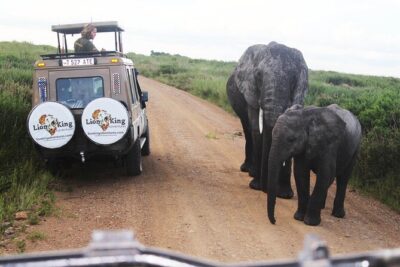
5-Day Highlights mid-Range Crater, Serengeti, Tarangire
Read our review →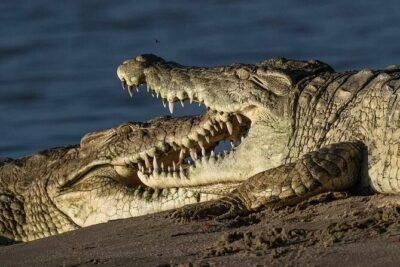
Private 6-Day Tarangire Manyara Crater and Serengeti with Mid-Range Lodges
Read our review →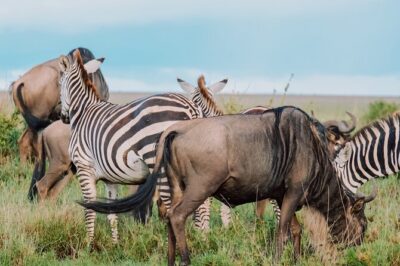
10-Day Serengeti Wildebeest Migration Safari from Arusha
Read our review →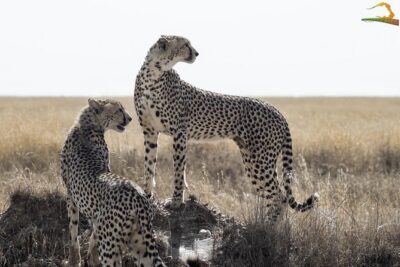
2 Day Serengeti Safari Experience from Mwanza
Read our review →Browse the lists this tour appears in