
Reviewed · MATERUNI WATERFALLS & COFFEE TOURS
Arusha: Coffee Plantation Tour with Tasting and Hands-On …
A coffee bean can travel a surprisingly long road before it reaches your breakfast cup. Here, you follow that road on foot and by hand, from fresh coffee cherries on the plant to pulping, drying, roasting, and tasting. I like the practical format, and I like that local farmers explain the work rather than leaving you with a polished but distant plantation visit.
The coffee tasting gives the tour a clear finish, with different roast profiles and freshly brewed cups to compare. I also like the chance to hear about farm life and sustainable growing directly from the people doing the work. The main drawback is transport: it is not included, so you need to arrange your own way from the Clock Tower to the farm unless you book the available pickup option.
Key points to know before you book
- From cherry to cup: Pick, process, dry, roast, and taste coffee instead of simply watching a demonstration.
- Local guides: Maximilian and Oliver are named in the experience feedback, with English-language guiding and a strong focus on clear explanations.
- A proper tasting: Compare different roast profiles and learn how to notice changes in aroma and flavor.
- Optional nature time: Add a walk through nearby hills and waterfalls if you want more than a farm visit.
- Central meeting point: Meet at Arusha’s Clock Tower, then arrange transport onward to the plantation.
- Good half-day value: At $60 per person, the price includes the guide, hands-on work, tasting, refreshments, and snacks, but not farm transport.
Why this Arusha coffee tour is more than a tasting
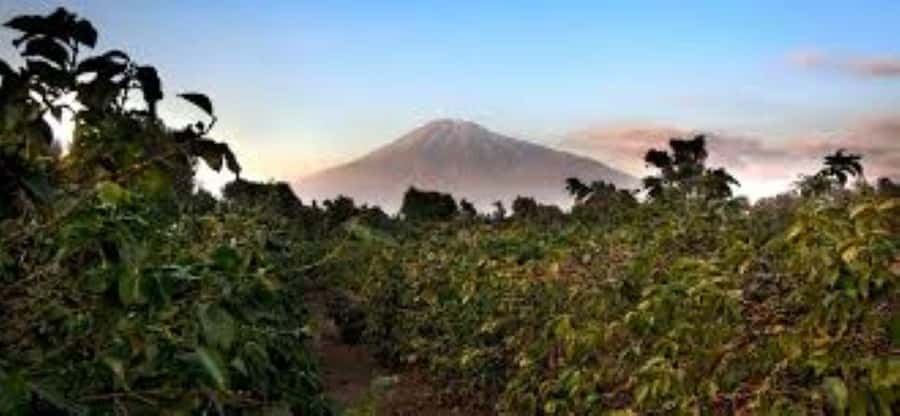
This experience works because it puts the interesting part of coffee before the cup. You see coffee as an agricultural product first, not just a café drink. The tour takes place around Arusha, where green fields, coffee trees, hills, and waterfalls give the visit a pleasant outdoor setting.
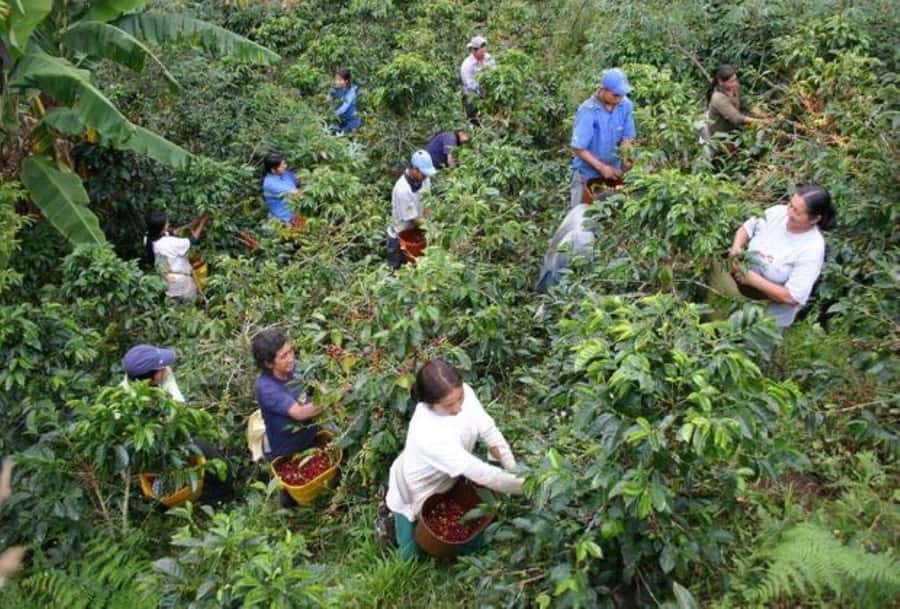
I especially like the hands-on approach. You are not simply shown a machine or handed a sample. Local farmers guide you through picking coffee cherries and the stages that follow. That gives you a better sense of the time and labor behind a bag of Arabica beans.
The 3.5-hour schedule is long enough to cover the process without taking over your whole day. It suits a free morning or afternoon in Arusha, especially if you are fitting it between other plans. The stated duration can run from three to four hours, so leave a little breathing room around it rather than scheduling a tight transfer immediately afterward.
Other waterfall and coffee days from Tanzania:
- Materuni Waterfalls, coffee tour & Kikuletwa Hot Springs
★ 5.0 · 643 reviews - Materuni Waterfalls & Chemka Hotsprings Day Trip
★ 5.0 · 214 reviews - Materuni waterfalls coffee tour & Chemka hot springs Day trip
★ 5.0 · 131 reviews
Meeting at Arusha’s Clock Tower
The official meeting point is the Clock Tower in central Arusha, a useful landmark that is easy to find from many city hotels. Look for the guide holding a sign with the tour name near the base of the tower.
This arrangement keeps the starting point simple, but it also makes the transport detail important. The coffee plantation is not at the meeting point, and transportation to and from the farm is not included in the basic price. From the Clock Tower, the guide helps arrange transport to the plantation.
A pickup option is available for those who choose it, with details supplied in the booking confirmation. Check exactly what you have selected before setting out. If you are driving, the Clock Tower has nearby parking, according to the provided meeting information.
I would arrive a little early. That gives you time to find the guide, confirm the transport plan, and avoid turning the first part of a relaxed coffee outing into a scramble.
Walking among the coffee trees
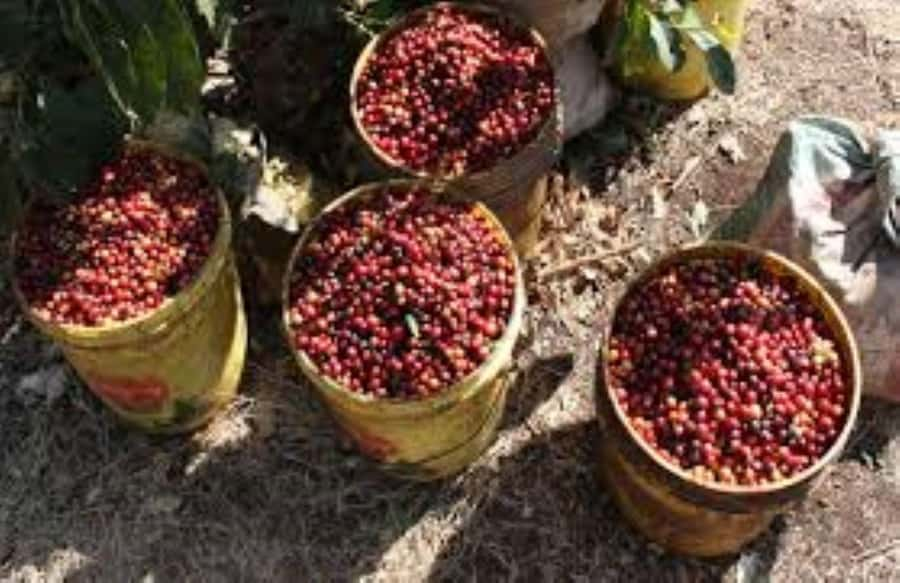
The farm visit begins with a walk through the plantation. This is where the tour gains its sense of place. Coffee is not produced in an anonymous factory here. You see the trees, the surrounding fields, and the setting in which the crop is grown.
The guide explains cultivation and harvesting, along with the background of Tanzanian coffee. The information is aimed at curious visitors rather than professional coffee buyers, so you can expect a practical introduction to how the crop is grown and handled.
The walking is part of the experience, not just a way to move between stops. Wear sturdy, comfortable shoes and clothing suitable for a farm. Paths may be uneven, and the optional hike adds more walking. A hat, sunscreen, and water are sensible choices, particularly if you are visiting during a sunny part of the day.
The plantation portion should appeal to you if you enjoy seeing how a local product is made. If you mainly want a quick tasting in a comfortable café, this may feel more active than expected.
Picking and processing the coffee cherries
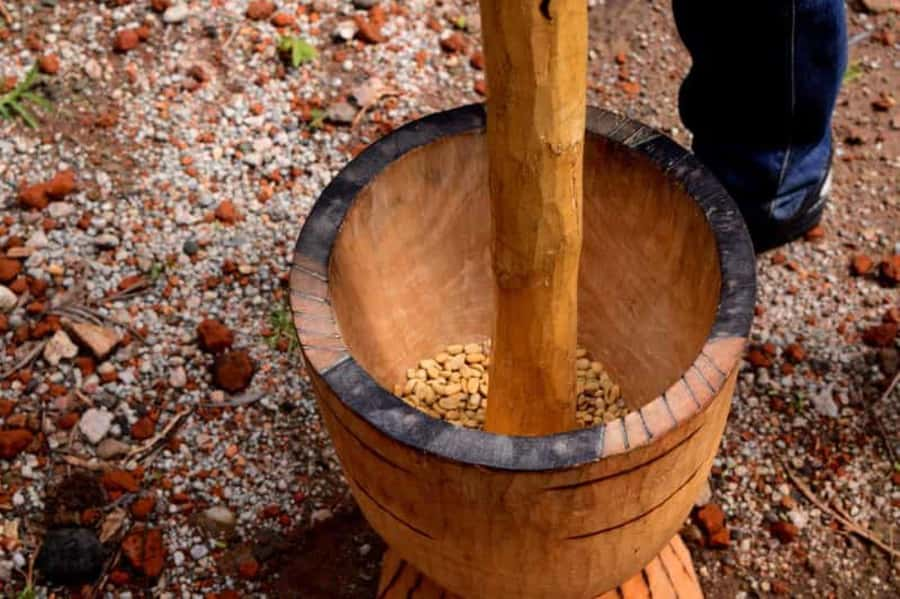
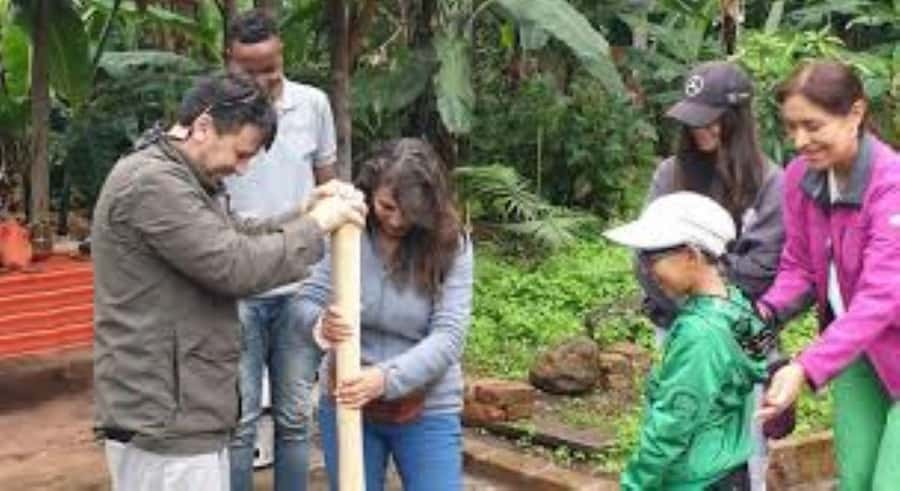
The central feature is the chance to take part in coffee processing. Under the direction of local farmers, you learn about picking fresh cherries, pulping them, drying the beans, and preparing them for roasting.
That sequence matters. Many coffee tastings skip over the agricultural work and begin with roasted beans in a cup. Here, each step helps explain why coffee flavor depends on more than the roast alone. The quality of the crop, the handling of the cherries, and the drying process all form part of the final result.
You should expect a demonstration combined with participation. The supplied details do not promise that you will perform every task for an extended period, so think of this as a guided hands-on introduction rather than a full day as a farm worker.
I like this part because it gives the tour its strongest local connection. You hear about sustainable farming practices and life on the plantation from local people, rather than receiving only general information from a guide who has no connection to coffee production.
The activity may not suit everyone. People with back problems should not book, and the tour is not suitable for wheelchair users. Babies under one year are also excluded. Farm paths and processing areas are not described as accessible, so anyone with mobility concerns should ask the provider before booking.
A few more things to do in Tanzania worth a look
- Materuni Waterfall, Coffee Tour and Picnic Hot Lunch
★ 5.0 · 128 reviews - Maasai village visit, Materuni waterfalls & coffee experience
★ 4.5 · 95 reviews - Materuni Waterfalls & Coffee Tour from Moshi
★ 5.0 · 92 reviews - Arusha or Moshi : Hot Spring, Waterfall & Coffee Farm Tour
★ 4.8 · 80 reviews
Roasting, aromas, and the tasting table
After the beans have been explained and processed, the focus shifts to roasting and brewing. This is the point where the work on the farm becomes something you can smell and taste.
The tasting includes different roast profiles, giving you a chance to compare the effects of roasting rather than treating all coffee as the same. You learn to notice changes in aroma and flavor while sampling freshly brewed coffee.
You do not need special coffee vocabulary to enjoy this. Pay attention to simple differences: one cup may smell stronger, another may taste lighter, and a different roast may bring out a fuller or sharper character. The guide helps you connect those impressions to the roast.
The experience includes refreshments and snacks, which is useful on a walking tour. Still, I would not treat the snacks as a full meal. If you are booking around lunch, plan accordingly unless the provider confirms otherwise.
The final tasting also gives the tour a memorable ending. One of the strongest details in the feedback is the sense that the full process made the coffee easier to appreciate. After seeing the cherry and handling the beans, your next cup of Tanzanian Arabica has a little more context behind it.
The people who guide the experience
The provider is Arusha Town Tour, and the activity is conducted in English by a live local guide. The names Maximilian and Oliver appear in the experience feedback, with Maximilian described as especially upbeat and pleasant, and Oliver associated with an interesting explanation of the coffee process.
You may not have both men on your particular departure, so do not book on the assumption that a named guide is guaranteed. Still, their involvement gives you a useful sense of the style to expect: friendly, personal guiding with plenty of explanation and participation.
The strongest praise centers on the staff, hospitality, and amount learned. That matches the structure of the tour, which depends on conversation with both the guide and local farmers. This is not an audio-guided walk where you move through the farm at your own pace.
If you like asking questions, this format should suit you. You can ask about farming, processing, roasting, sustainable methods, or daily life on the plantation. If you prefer a quiet, self-directed visit, the guided format may feel more controlled.
Adding hills and waterfalls to the coffee visit
The optional scenic hike takes you beyond the coffee trees toward surrounding hills and waterfalls. It is a useful add-on if you want the day to include more nature, though the supplied details do not give the route length, waterfall name, difficulty, or additional cost.
Because of that, ask for the practical details before committing. Find out how much extra time the hike takes and whether it changes the transport schedule. You should also wear shoes with a firm grip if you plan to join.
The hike is not essential to the coffee experience. The plantation walk, processing activities, and tasting make up the main tour. But if you have an open afternoon and enjoy scenic walking, the extra route could give the visit a better sense of the area around Arusha.
People with back problems should skip this activity, and wheelchair users may find both the farm and hike unsuitable. The tour provider specifically recommends sturdy shoes for farm visits and optional hikes.
Is $60 per person fair value?
At $60 per person, the tour is not the cheapest way to drink coffee in Arusha. It offers better value if you want a guided activity that combines farming, local contact, practical work, tasting, snacks, and an outdoor walk.
The important qualification is transport. The base price does not include getting to and from the coffee farm. If you need a pickup or separate vehicle arrangement, your final cost may be higher. Confirm that detail before comparing this with other half-day tours.
For the right person, the price makes sense because the experience covers several elements in one outing. You get more than a plantation photo stop and more than a tasting flight. You also receive context about cultivation, harvesting, processing, roasting, and sustainable farm practices.
I would consider it good value for coffee enthusiasts, food-focused visitors, and anyone with a free half-day in Arusha. It is less compelling if coffee is not a major interest or if you are trying to keep every expense low after paying for safari activities.
The free cancellation policy also gives you some flexibility. You can cancel up to 24 hours before the activity for a full refund, and the reserve-now, pay-later option means you do not have to pay at the time of booking. Check the booking terms for your selected date and transport choice.
Who should book this farm visit?
You should consider booking if you want a slower, more personal activity between major sightseeing plans. It gives you time to walk, ask questions, handle coffee, and sit down for a tasting rather than rushing from one viewpoint to the next.
It is particularly well suited to:
- Coffee drinkers who want to understand how beans reach the cup
- Visitors interested in Tanzanian farming and local traditions
- People who enjoy light walking and hands-on demonstrations
- Couples, friends, or solo visitors looking for a half-day activity
- Nature lovers who may want to add the hills-and-waterfalls walk
You should think twice if you have significant back problems, need wheelchair access, or dislike outdoor farm conditions. You should also allow extra time if your next plan depends on exact transport timing.
Bring comfortable shoes, a hat, sunscreen, water, and a camera. Smoking is not allowed during the activity.
My verdict on the Arusha coffee plantation tour
Book this tour if you want coffee with a sense of place. The strongest part is the progression from tree to cup, supported by local farmers and an English-speaking guide. Maximilian and Oliver are associated with especially warm and informative guiding, though individual guide assignments can vary.
The main point to settle before booking is transport. The Clock Tower meeting point is convenient, but the farm transfer is not included in the standard package. Once that is clear, the $60 price is reasonable for a three-and-a-half-hour visit with hands-on processing, tasting, snacks, and the option of a scenic hike.
I would choose it for a free morning or afternoon in Arusha, especially before or after a longer safari itinerary. You leave with more than a cup of coffee. You understand the work behind it, and that makes the next brew taste a little more interesting.
FAQ
How long does the coffee plantation tour last?
The tour lasts about 3.5 hours, with the overall duration described as approximately three to four hours.
Where does the tour meet?
The meeting point is at the Clock Tower in central Arusha. Look for the guide holding a sign with the tour name near the base of the tower.
Is transportation to the coffee farm included?
No. Transportation to and from the coffee farm is not included in the basic activity. The guide helps arrange transportation from the Clock Tower, and a pickup option is available for those who select it.
What language is the tour conducted in?
The live guided tour is conducted in English.
What does the tour include?
It includes a local guided tour, hands-on coffee processing, a coffee tasting session, refreshments, and snacks.
Can I join a hike during the experience?
Yes. You can opt to explore the surrounding hills and waterfalls on a scenic hike. The available information does not specify the route length or any extra fee, so confirm those details when booking.
What should I bring?
Bring comfortable or sturdy shoes, a hat, sunscreen, water, and a camera. Smoking is not allowed.
Just added in Tanzania
- ZANZIBAR: Jozani Forest, butterfly center & Reptile park★ 4.7 · 3 reviews
- Zanzibar jetski Adventure Tour★ 4.9 · 6 reviews
- Zanzibar: Jozani Chwaka Bay National Park and Spice Farm …★ 4.6 · 5 reviews
- Zanzibar: Horseback Riding and Turtle Swimming Tour★ 3.3 · 4 reviews
- Zanzibar: Horse Riding and Kayaking with Video and Photos★ 4.9 · 10 reviews
- Zanzibar hidden: Starfish, Blue Lagoon, &The Rock Restaurant★ 5.0 · 3 reviews
- Zanzibar: Horseback Riding and Turtle Aquarium Visit★ 4.3 · 4 reviews
- Zanzibar: Half-Day Spice Farm Tour,the flavours of Zanzibar★ 4.7 · 3 reviews
Materuni Waterfalls & Coffee Tours, compared.
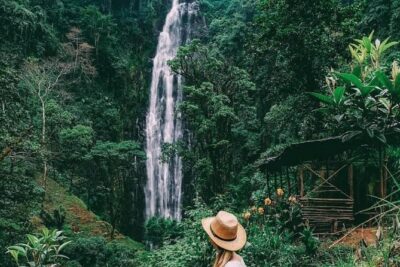
Materuni Waterfalls, coffee tour & Kikuletwa Hot Springs
Read our review →
Materuni Waterfalls & Chemka Hotsprings Day Trip
Read our review →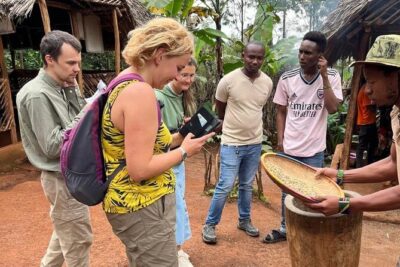
Materuni waterfalls coffee tour & Chemka hot springs Day trip
Read our review →
Materuni Waterfall, Coffee Tour and Picnic Hot Lunch
Read our review →
Maasai village visit, Materuni waterfalls & coffee experience
Read our review →
Arusha or Moshi : Hot Spring, Waterfall & Coffee Farm Tour
Read our review →
Materuni Waterfalls, Coffee, and Hotsprings Tour
Read our review →Browse the lists this tour appears in