
Reviewed · HISTORICAL TOURS
Arusha; Walking City Tour History, Culture & Lifestyle
Arusha is more than a safari starting point. This walking tour takes you past old German buildings, government offices, markets, museums, and ordinary streets where daily life unfolds. I like the way it connects big historical landmarks with small local details, such as fruit stalls, street food, Swahili phrases, and friendly conversations.
I also like the flexibility. Guides including Israel, Daudi, Innocent, John, and Jackson have adjusted the pace and focus for families, solo visitors, and people with only half a day. The main drawback is the amount of walking, plus the fact that museum admission, food, drinks, and purchases cost extra.
Key points at a glance
- A city tour with real variety: Combine the Natural History Museum, Tanzanite Experience, markets, government district, and African art in one outing.
- A guide makes the difference: Israel, Daudi, Innocent, John, and Jackson are named in the feedback, with particular praise for their warmth, local knowledge, and flexibility.
- The Central Food Market is a highlight: Expect colorful produce, spices, food smells, and a close look at Arusha’s everyday trade.
- You walk, rather than watch from a vehicle: The route gives you time to notice street life and practice a little Swahili.
- Budget around the advertised $28: Add $6 for the Natural History Museum, plus anything you spend on food, drinks, art, crafts, or Tanzanite.
- Best for active visitors: Comfortable shoes, water, sun protection, and a moderate level of fitness matter here.
Why Arusha deserves a walking tour
Many people arrive in Arusha for Kilimanjaro or a safari and leave without seeing much of the city itself. That is a shame. Arusha is a working regional center, a place where international diplomacy, Tanzanian commerce, art, religion, food, and ordinary errands meet in a fairly compact area.
A walking tour gives you a better sense of that mix than a quick drive between hotels and safari offices. You can stop at a market stall, look closely at produce, hear local languages, and see how residents use the city’s public spaces. You are not just checking off monuments. You are learning how Arusha functions.
The advertised duration is 4 to 8 hours, while the main city portion is about 4.5 hours. That wide range matters. A short version can cover the principal sights, while a longer day may include more conversation, food stops, shopping time, or help with practical errands. One guide even helped a visitor with a SIM card, a useful reminder that the tour can be more personal than a fixed sightseeing loop.
Other guided walks in Tanzania:
- Stone Town Private Walking Tour
★ 5.0 · 371 reviews - Zanzibar: 3 Hours Private Stone Town walking Tour with Guide
★ 4.6 · 301 reviews - Zanzibar: Stone Town Historical Cultural Walking Guided Tour
★ 4.5 · 179 reviews
Starting at the Natural History Museum
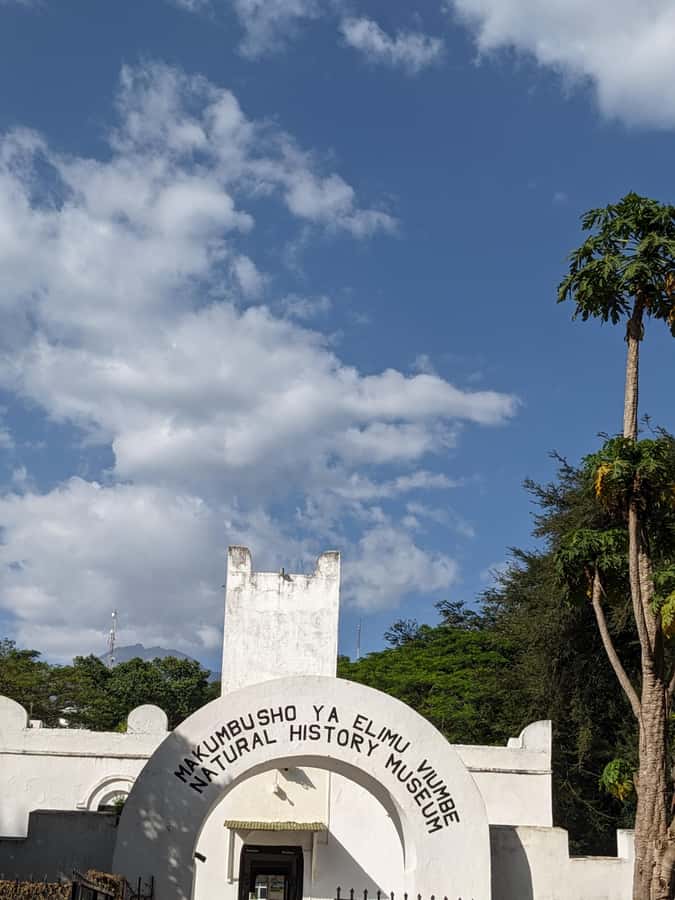
The Natural History Museum is housed in a colonial-era German fortress, giving the first stop a strong sense of place. The building itself introduces you to the era when German colonial rule shaped this part of Tanzania. Inside, exhibits cover human evolution, local wildlife, and the area’s past.
I like beginning here because it gives context before you head into the streets. The museum helps connect Tanzania’s people, animals, and archaeology, while your guide can explain what you are looking at in a way that a quick solo visit may not.
Admission is not included. The stated price is $6 per adult, so add that to your budget. The museum is also an indoor stop, which makes it useful during the hotter part of the day, though the tour still involves plenty of outdoor walking afterward.
Arusha’s civic center and major landmarks
From the museum, the route continues through the government district. You pass the East African Community Headquarters, Mount Meru Hospital, and the Arusha International Conference Centre, usually called the AICC.
These buildings help explain Arusha’s role beyond tourism. The city is linked to regional cooperation and diplomacy, and the AICC is an important meeting place for East African affairs. You may not spend long inside these sites, but seeing them on foot gives your guide a chance to explain how Arusha fits into the wider region.
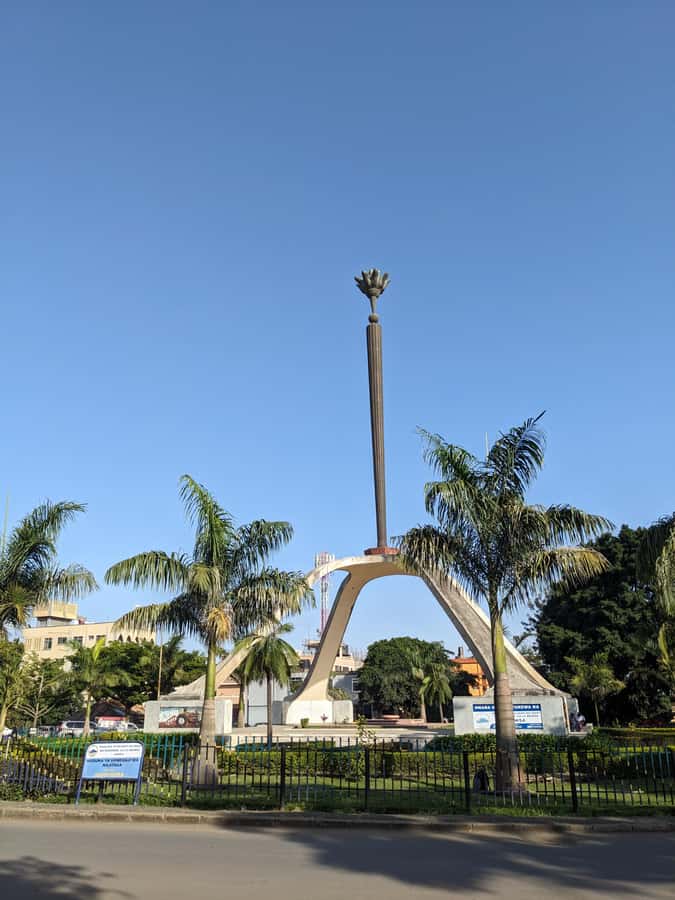
The route also includes the Torch of Freedom, a landmark singled out as especially worthwhile. It connects the city to Tanzania’s national story and the country’s post-independence identity. This is where a good guide adds real value. You can look at a monument on your own, but you need context to understand why it matters.
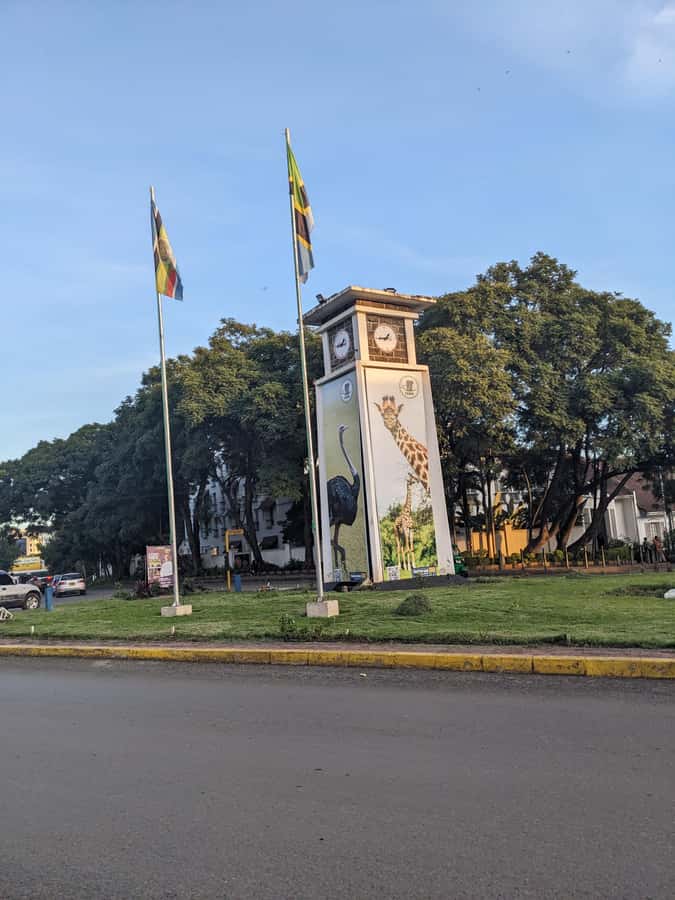
At the Arusha Clock Tower, you encounter one of the city’s best-known symbols. It is commonly described as marking the midpoint between Cairo and Cape Town. The stop is brief, but it makes a useful orientation point in the center of town and gives you a chance to watch city life moving around you.
Tanzanite, shopping, and a useful word of caution
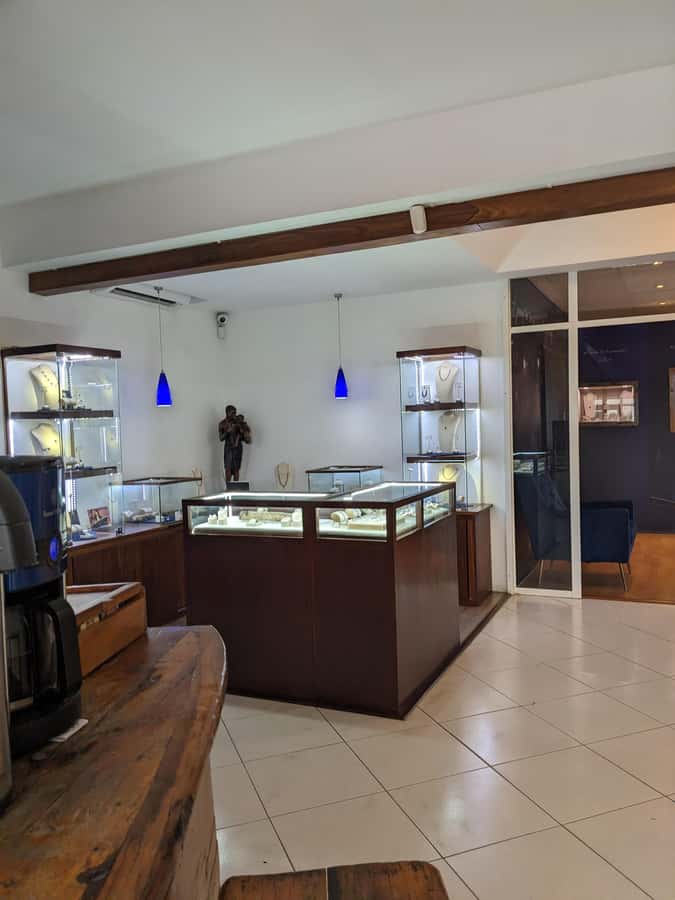
The Tanzanite Experience Museum explains the story of Tanzania’s famous blue gemstone. You learn about the stone’s origin, history, and appeal, then have the option to shop.
This stop is helpful even if you have no plan to buy. Tanzanite is closely tied to Tanzania’s identity and economy, and understanding the stone before you see jewelry for sale helps you make a more informed choice. If you are interested in buying, ask questions about the stone, the setting, documentation, and price. Keep your budget and comfort level in mind.
Shopping is part of the tour, not a compulsory purchase. One visitor noted that brief gift-shop stops were not their main interest, though they did provide a chance to find souvenirs. I would make your preference clear to the guide early. If you want more time in markets and less time in shops, say so. The guides are described as flexible, and the route can be shaped around your interests.
The tour can also hold items for you while you continue walking if you decide to buy souvenirs. That is practical, but remember that purchases are personal expenses and are not part of the $28 tour price.
More of the history on foot in Tanzania:
- Arusha Guided Walking City Tour, Culture, Lifestyle & History
★ 5.0 · 150 reviews - Stone Town Historical Walking Tour
★ 5.0 · 143 reviews - Stone Town’s Hidden History: Private Guided Walking Tour
★ 4.6 · 94 reviews - Private Historic Stone Town Tour
★ 5.0 · 79 reviews
Maasai Market and the art of choosing souvenirs
The Maasai Market is one of the liveliest parts of the outing. You find traditional crafts, jewelry, textiles, and other souvenirs in a setting where bargaining and browsing are part of the experience.
This stop works best if you treat it as a cultural visit first and a shopping stop second. Look at how objects are made, ask about materials, and take your time before buying. A guide can help with local customs and may make the exchange easier, but you should still decide for yourself what you want to pay.
If you are hoping for a quiet museum visit, this market may feel busy and sales-focused. If you enjoy browsing, comparing designs, and taking home something connected to Tanzania, it can be a good part of the day. Keep your valuables secure and carry cash for small purchases, as cash is specifically recommended for the tour.
The Central Food Market is the best window into daily life
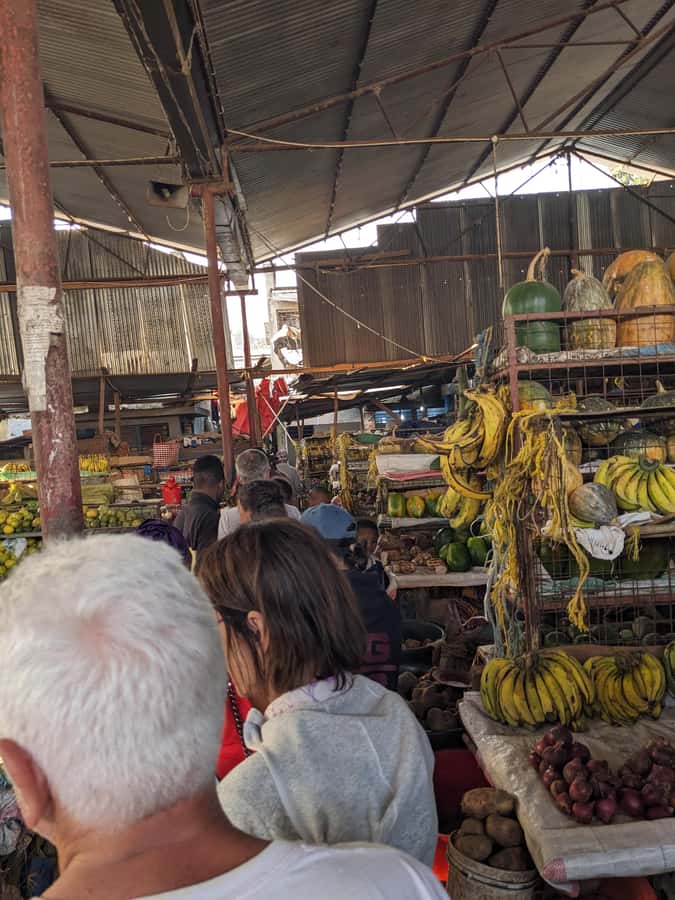
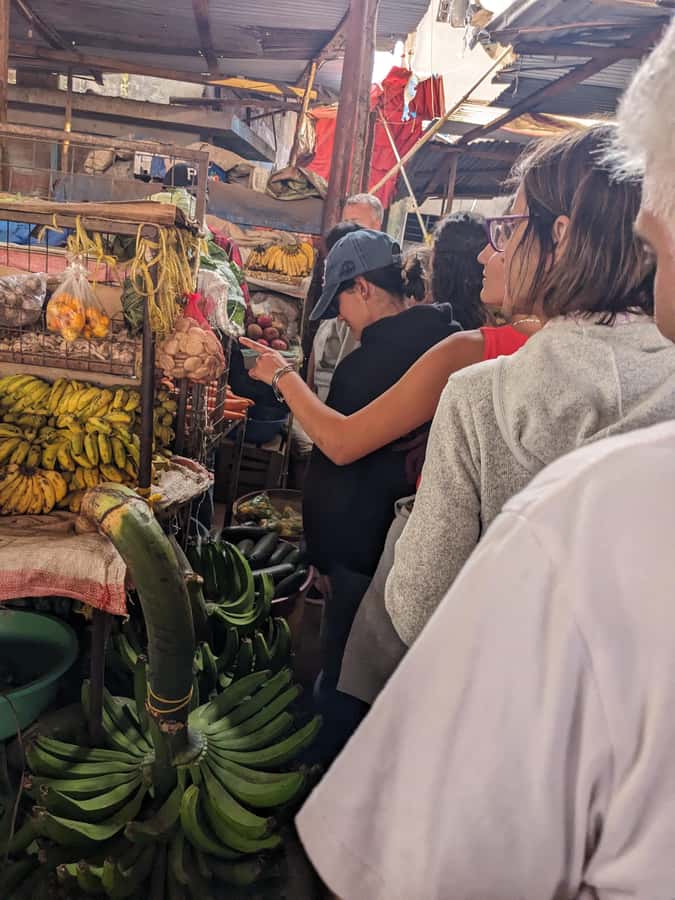
The Central Food Market is where the tour feels most connected to ordinary Arusha. You see produce, spices, and food being sold as part of the city’s normal routine. The colors and smells do much of the storytelling.
A guide can explain unfamiliar fruits and ingredients, help you understand how the market works, and point out foods you might otherwise pass without noticing. Several people especially valued this section, and one guide took the time to find a local place for an authentic meal after the group said they wanted to try local food.
Food is not included, so bring money if you want lunch, a snack, or a drink. You can also simply observe if you are cautious about trying unfamiliar foods. The important point is that the market gives you contact with Arusha’s working life, not a staged cultural performance.
The market can be crowded, noisy, and warm. Wear sensible shoes, drink water, and keep your belongings close. That is not a reason to skip it. It is simply part of being in a real city market.
African art and the Cultural Heritage Centre
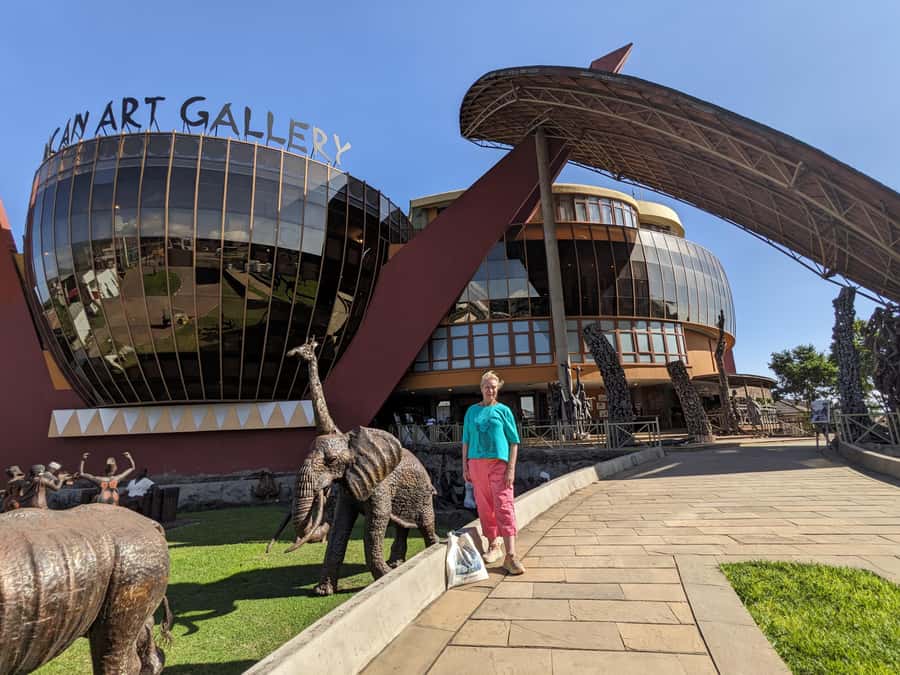
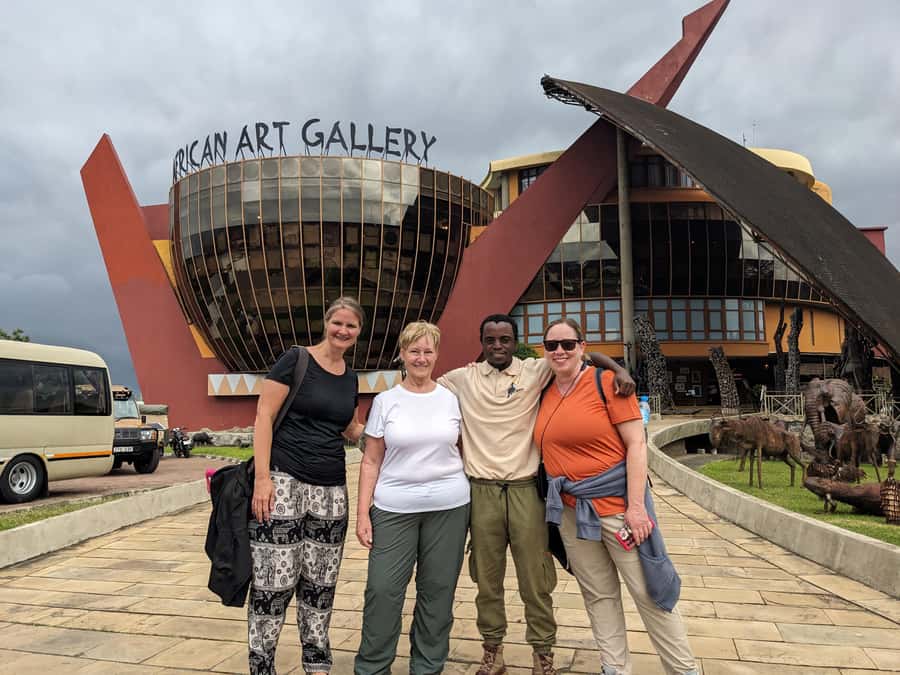
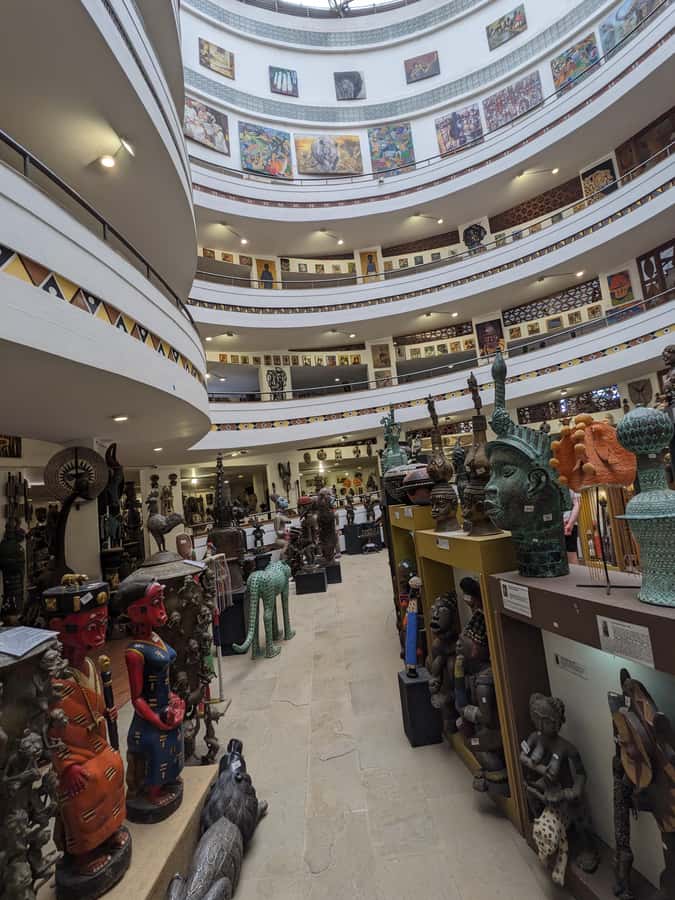
The route ends with the African Art Gallery and Cultural Heritage Centre. This stop brings together a large collection of African art, and one visitor found the amount of Tanzanian and African art almost overwhelming.
That is fair warning. You may want to allow time to look carefully, but do not expect to absorb everything in one quick pass. The collection adds an artistic layer to the museum and market visits. Instead of seeing only objects for sale, you can consider how African artists present identity, history, belief, and daily life.
This is also another possible shopping point, depending on your interests. Art can be a meaningful souvenir, but it can also raise the total cost of the day. Take photographs only where permitted, and ask about shipping or carrying requirements if you are considering a larger piece.
What the guides add to the day
The strongest feature of this experience is the guide. Names appearing in the feedback include Israel, Daudi, Innocent, John, Jackson, and others. Their styles may differ, but the consistent strengths are friendliness, patience, local knowledge, and a willingness to answer questions.
Israel is praised for explaining Tanzanian history, wildlife, politics, economics, food, and everyday life. Daudi is described as warm, funny, and especially good at making the tour feel relaxed. Innocent has shaped routes around personal interests, while John has helped visitors feel comfortable walking around town and meeting local people.
For families, flexibility matters. One family with small children found Israel accommodating and willing to adjust the experience. Solo visitors also have reason to feel comfortable: a solo woman specifically described feeling safe throughout the day.
The guide can also help outside the formal sightseeing list. That might mean explaining a SIM card, helping with local food, translating a simple exchange, or suggesting where to eat. Do not assume every extra favor is guaranteed, but it is reasonable to tell your guide what would make the day more useful.
Timing, walking, and what to bring
The tour lasts 4 to 8 hours, with a listed city program of about 4.5 hours. Plan for a half day at minimum, and leave extra time if you want a longer conversation, meal, or shopping stop.
Pickup and drop-off are included for hotels near the city center. The information gives two distance limits, describing included service within roughly 3 to 4 kilometers and an additional charge for hotels farther away, especially beyond 5 kilometers. Confirm your hotel location and any pickup fee after booking.
This is a walking tour with a moderate amount of walking. It is not suitable for wheelchair users, people with mobility impairments, or pregnant women according to the provided conditions. Comfortable shoes are essential. Add a hat, sunscreen, water, a camera, and cash.
Arusha’s weather can make an ordinary walk feel longer, so do not underestimate water and sun protection. You can also dress in light, respectful clothing suitable for museums, markets, and public streets.
Is $28 a fair price?
At $28 per person, the tour offers good value if you want a guided introduction to several sides of Arusha. The price covers the walking guide, central pickup and drop-off, the Tanzanite Experience, the Central Food Market, the African art visit, and the Maasai Market.
The Natural History Museum fee is extra at $6 per adult. Food, drinks, purchases, accommodation, and private transport are also excluded. In practice, the final cost depends on how much you eat and shop.
I would compare this with the cost of arranging separate taxis, museum visits, and local advice. The tour earns its price through the connections between stops. You get a guide who can explain the city, help you move through markets, and adjust the day rather than simply pointing out buildings.
The value is lower if you dislike walking, shopping areas, or informal markets. It is also less suitable if you want a strict, fast schedule. The tour’s appeal is its human pace and conversation.
Who should book this Arusha walk?
I would choose this tour near the beginning of an Arusha stay. It helps you get your bearings before a safari and gives you a better understanding of the city where many journeys begin. It also works well on your final day, especially if you have returned from safari and want a calm cultural finish.
It suits solo visitors who want company, families who value a flexible guide, and first-time visitors who want more than hotel-to-airport impressions. It is also useful for anyone curious about Tanzanian food, art, markets, and national history.
You should think twice if long walks are difficult, if you need wheelchair access, or if you want every expense included in one price. Shoppers should set clear boundaries around gift stores and Tanzanite, while food lovers should bring cash for an optional local meal.
FAQ
How long does the Arusha Walking City Tour last?
The activity is listed as lasting 4 to 8 hours. The main city visit is described as approximately 4.5 hours, though the actual length can depend on the selected option and how much time you spend at markets, museums, food stops, or shops.
What is included in the tour price?
The price includes a walking city tour, a local English-speaking guide, pickup and drop-off for qualifying hotels near the city center, the Tanzanite Experience Museum, the Central Food Market, the Cultural Heritage and African Art Gallery, and the Maasai Market.
Is the Natural History Museum entrance included?
No. Admission to the Natural History Museum is listed separately at $6 per adult.
Is hotel pickup included?
Pickup and drop-off are included for hotels near the city center. An extra charge may apply for hotels farther away. The provided information refers to included service within roughly 3 to 4 kilometers and additional charges beyond that, including locations more than 5 kilometers from the center.
What language is the tour offered in?
The live tour guide service is offered in English.
What should I bring?
Bring comfortable walking shoes, a sun hat, sunscreen, water, a camera, and cash. You may need cash for food, drinks, museum admission, and souvenirs.
Is the tour suitable for people with limited mobility?
No. The activity is not suitable for pregnant women, people with mobility impairments, or wheelchair users.
Should you book it?
Book this tour if you want to understand Arusha as a living city rather than just a launch point for safari. The strongest reasons are the Central Food Market, the guide’s personal explanations, and the mix of museums, civic landmarks, art, and street life.
I would book it early in your visit and tell the guide what matters most to you. Ask for more food and local interaction if that is your priority, or more history and art if you prefer museums. At $28, with the Natural History Museum fee and personal spending added, it is a sensible buy for an active visitor who wants a friendly, flexible introduction to Arusha.
Just added in Tanzania
- 7-Day Private Tanzania Safari with Sunset Walking on the Crater Rim and Maasai★ 5.0 · 40 reviews
- Saadani Day Trip★ 5.0 · 13 reviews
- 8 Days Safari to Mikumi, Ruaha & Udzungwa Mountains★ 5.0 · 14 reviews
- Mikumi National Park & Udzungwa Water Falls 3 Days Group Tour★ 4.5 · 19 reviews
- Full-Day Private Safari at Mikumi National Park with Lunch★ 5.0 · 29 reviews
- Kilimanjaro Airport Private Transfer from/to Moshi★ 5.0 · 14 reviews
- Nyssa Luxury Balloon in Safaris and Serengeti★ 5.0 · 69 reviews
- Gombe National Park Chimpanzee Trekking★ 5.0 · 12 reviews
Historical Tours, compared.
Stone Town Historical Cultural Walking Guided Tour
Read our review →
Arusha Guided Walking City Tour, Culture, Lifestyle & History
Read our review →
Stone Town’s Hidden History: Private Guided Walking Tour
Read our review →
The Best/Top Rated Cultural City Tour in Dar es Salaam
Read our review →
Mamas of Zanzibar – A Unique Cultural & Culinary Experience
Read our review →
Stone Town Guided Tour: Culture, Slave Market & Spice Market
Read our review →Browse the lists this tour appears in