
Reviewed · JOZANI FOREST TOURS
Zanzibar: Jozani forest tour & Spice farm tour with lunch
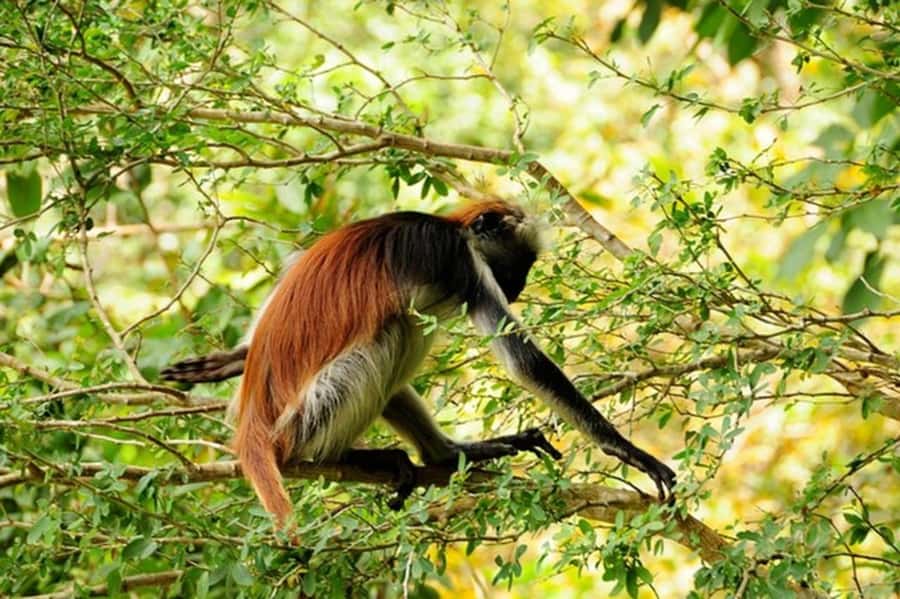
Zanzibar’s best land-based day out combines two very different sights: the fragrant spice farms and the wildlife of Jozani Forest. You move from village paths and farm plots to a forest where red colobus monkeys, blue monkeys, birds, butterflies, and tiny creatures share the trees.
I like the personal scale of the private group, plus the fact that transport, entry fees, lunch, fruit, and hotel pickup are included. I also like the human side of the farm visit, where you meet rural farmers and see spices explained as food, medicine, and working crops. The main caution is that the spice farm includes several chances to buy souvenirs, and the Jozani guiding can feel rushed if your guide recites facts too quickly.
Key points at a glance
- Two major Zanzibar sights in six hours: Combine the spice farms and Jozani Forest without arranging separate transport.
- Red colobus and blue monkeys: Jozani offers close views of Zanzibar’s famous red colobus, with blue monkeys also possible.
- Lunch is part of the experience: Expect spiced rice, known locally as pilau, along with tropical fruit such as bananas, mangoes, oranges, and papaya.
- A private English-speaking tour: Pickup and drop-off are available from hotels in Stone Town, Nungwi, Paje, Jambiani, Matemwe, and other listed areas.
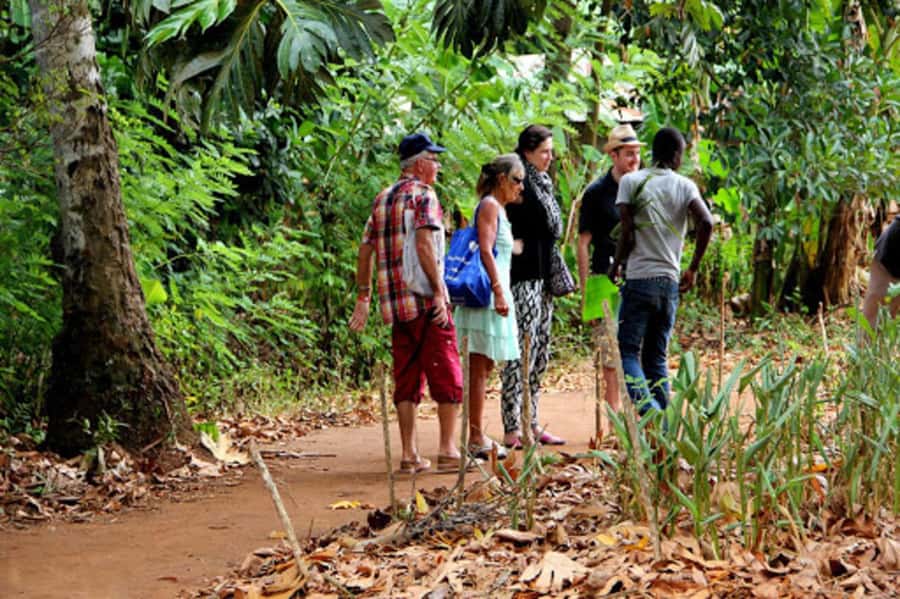
- More than a spice lecture: You walk through villages, meet farmers, smell and taste plants, and hear how spices are used in cooking and traditional remedies.
- Mangroves add a second habitat: The Jozani visit includes mangrove forest, where you can look for fish between roots and crabs on the mud.
Why this Zanzibar combination works
I like this tour because it gives you two sides of Unguja in one outing. The spice farm is social, hands-on, and closely tied to daily life. Jozani is quieter and more focused on animals, trees, and wetland plants. You get variety without spending the day at sea or moving between unrelated attractions.
The timing is listed as six hours, with about three hours at the spice farm, 30 minutes of driving to Jozani, and about two and a half hours in the forest. That makes this a useful choice if your Zanzibar schedule is tight. It is not a slow, all-day nature expedition, but it gives you enough time to walk, ask questions, eat, take photos, and see the main sights.
The private format matters. You are not tied to the pace of a large bus group, and you can ask about a spice, fruit, farming method, or animal when the question occurs to you. Guides named Ramadan, Iddi, and Isaac have been singled out for friendly explanations and good conversation, while Mohamed is praised for his driving and for making palm-leaf crowns and necklaces at the farm.
Other spice farm visits from Zanzibar:
- Zanzibar: Stone Town, Spice Tour, Prison Island with Lunch
★ 4.4 · 1,219 reviews - Zanzibar: Prison Island, Stone Town, & Spice Farm Tour
★ 4.5 · 579 reviews - Zanzibar: Stone Town, Spice tour & Prison Island with Lunch
★ 4.6 · 453 reviews
Starting with villages and spice plots
Your day begins with hotel pickup. The listed pickup areas cover much of Zanzibar, including Stone Town, Nungwi, Kendwa, Kiwengwa, Matemwe, Paje, Jambiani, Bwejuu, Uroa, Pwani Mchangani, Michamvi, and several nearby areas. You are asked to wait in the hotel lobby or at reception ten minutes before departure.
The first drive can take about an hour, depending on your pickup point. That is not wasted time. A good driver can help you understand what you are seeing along the road, and Isaac has been praised for explaining daily life and answering questions during the journey. If you are staying far from the farm, remember that the six-hour duration includes road time.
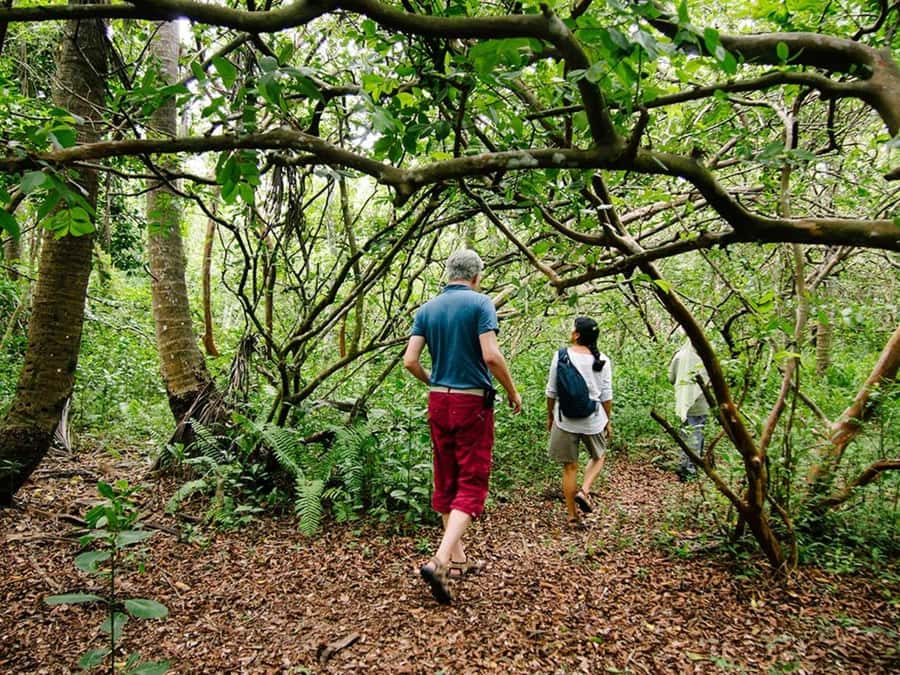
At the spice farm, you walk through village areas and cultivated plots rather than simply viewing rows of plants from a vehicle. Your guide explains how spices and herbs are grown, harvested, and prepared. The visit can include familiar cooking ingredients as well as plants used in local remedies and perfumes.
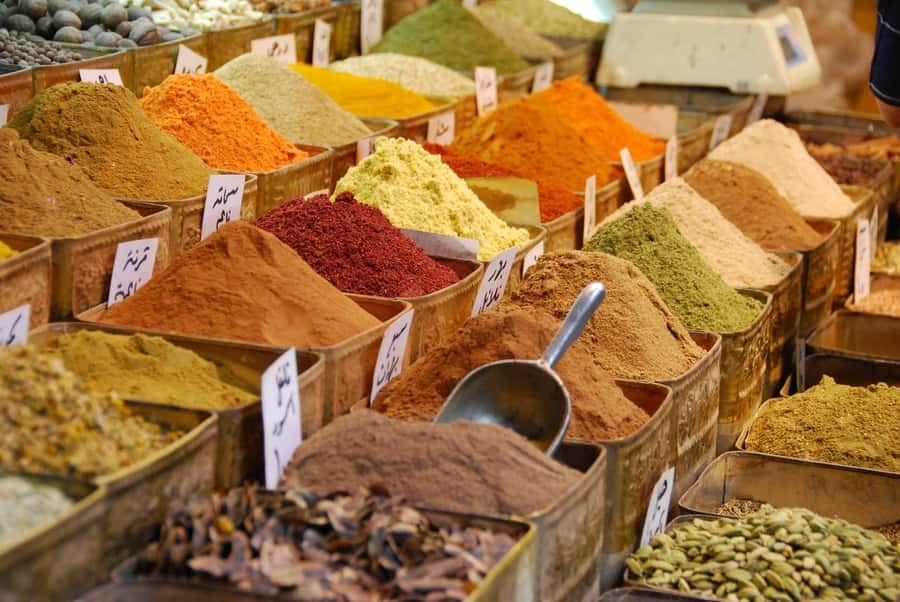
You may smell and taste the products as you go. This is where the tour becomes more useful than a standard garden visit. Cloves, herbs, fruits, and scented plants are connected to the food you will eat later, to soaps and perfumes sold locally, and to household uses. The lesson is practical, not just botanical.
The farm also gives you contact with rural farmers and African farming methods. That is valuable because Zanzibar’s famous spice trade is not only a souvenir theme. It is part of working village life, and the walk helps connect the polished spice displays with the people who grow and handle the crops.
Lunch with pilau and tropical fruit
Lunch is served during the spice-farm portion. The main dish is spiced rice, or pilau, followed by tropical fruit such as bananas, mangoes, oranges, and papaya. Several visitors have particularly enjoyed the food, and one memorable detail is eating the local meal while seated on the floor.
I would treat lunch as part of the cultural visit rather than as a restaurant stop. You taste the flavors you have just been discussing, and the setting keeps the meal tied to the farm. It also gives you a welcome pause before the forest walk.
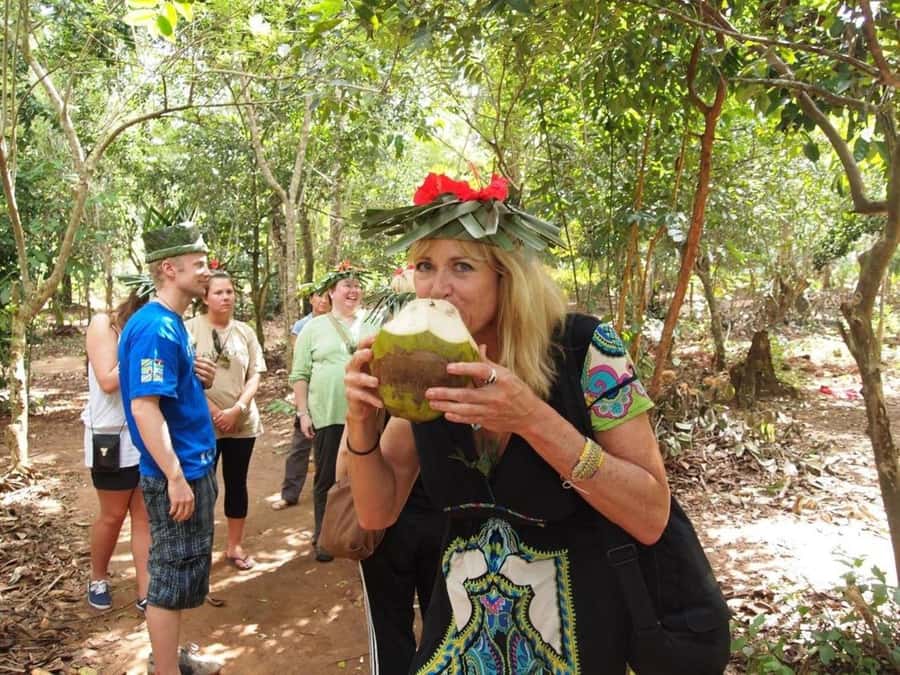
The fruit tasting adds another small but worthwhile touch. Zanzibar’s produce is not presented as an abstract list. You get to see, taste, and compare it during the tour. If food and local agriculture matter to you, this part may be the strongest reason to choose this combination.
Buying spices, soaps, and perfumes
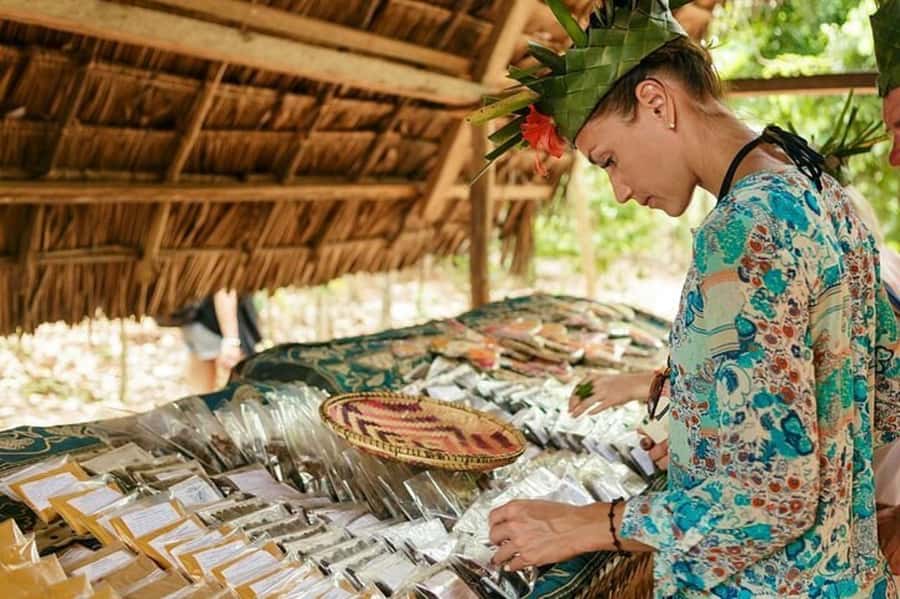
The farm includes shopping opportunities. You can buy spices, soaps, and perfumes, and you may see naturally scented products made from the plants discussed on the walk. This can be a pleasant way to take home something light and genuinely connected to Zanzibar.
Still, keep your expectations clear. The sales stops can feel too frequent, and some souvenir prices may seem high. I suggest enjoying the explanations first and deciding later what you actually want to buy. You are not required to turn the visit into a shopping trip, and the farm experience has more value when you pay attention to the growing, harvesting, and cooking information.
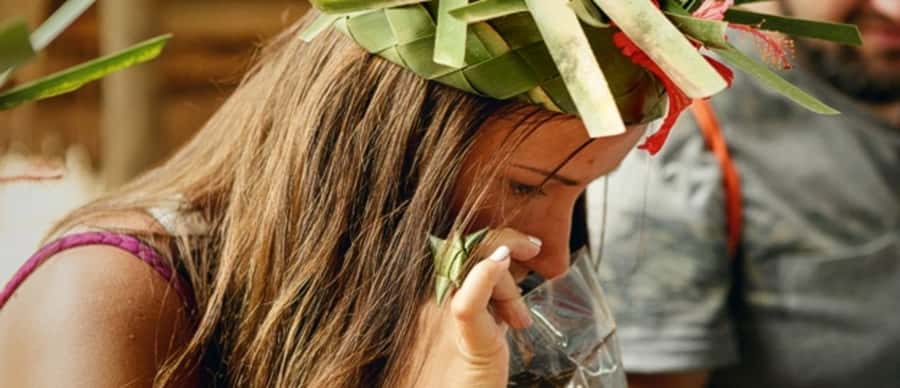
The palm-leaf work is another charming detail. Mohamed has made crowns and necklaces from leaves for visitors, adding a simple creative activity to the spice tour. It is the sort of small moment that can make the outing feel less scripted.
Other forest and colobus walks from Zanzibar:
- Zanzibar: Jozani Forest & Sea Tortoises Sanctuary Tour
★ 4.6 · 204 reviews - Dolphin tour, Jozani Forest, Jambiani Kuza Cave, Paje Beach &The Rock restaurent
★ 4.5 · 164 reviews - Zanzibar full day Jozani forest + Spice farm and stone town
★ 4.7 · 90 reviews - Zanzibar: Jozani nature walk and wildlife tour
★ 4.5 · 89 reviews
Entering Jozani Forest for monkeys
After the farm, the vehicle ride to Jozani Forest takes about 30 minutes. The forest section lasts around two and a half hours and includes guided walking, photo stops, sightseeing, and the chance to look for wildlife.
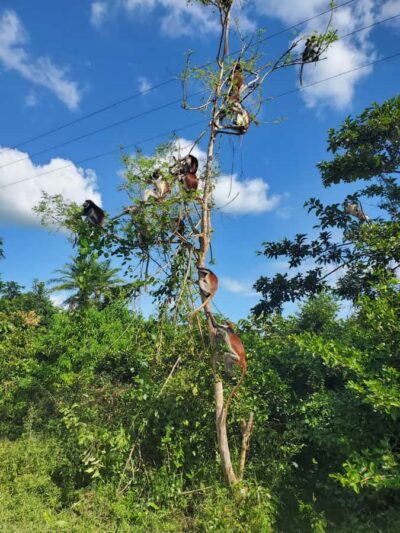
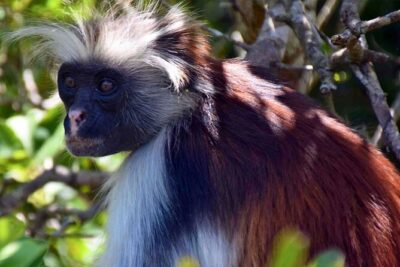
The red colobus monkey is the main attraction. These animals are closely associated with Zanzibar, and you can often get excellent photographs. Blue monkeys have also been seen during this experience. The animals may be close to the parking area rather than far inside the forest, so you might not need a long search to find them.
That easy access is good news if you want strong photos without a demanding walk. It also means the forest experience is not designed as a remote wildlife trek. You are visiting a managed public park with a clear route and well-known animal-viewing points.
Bring patience and keep your camera ready. Monkeys move, climb, and change position quickly. You should follow the guide’s instructions around them and avoid treating the animals as props. The appeal is seeing them in their forest setting, not getting a staged encounter.
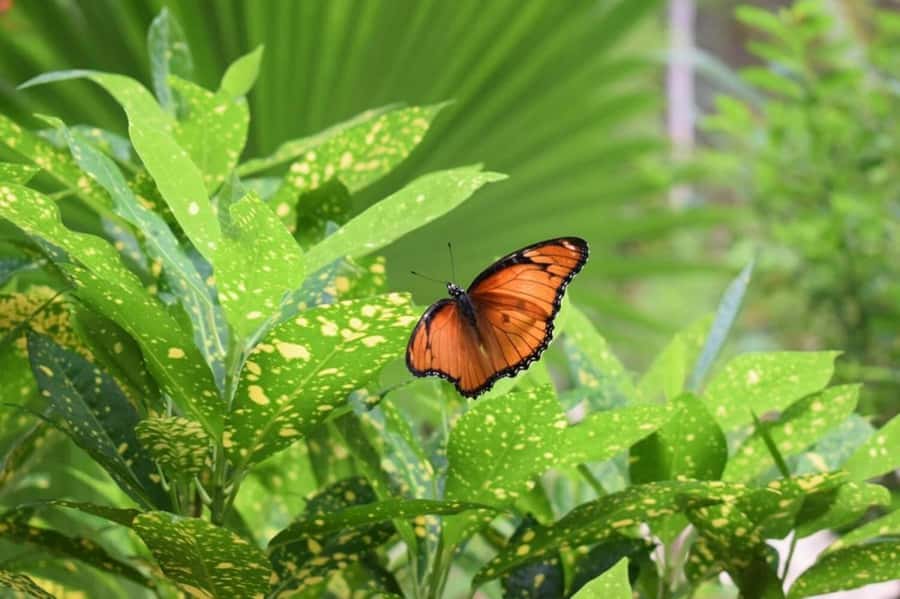
The walking route also introduces birds, butterflies, small frogs, and elephant shrews. You may not see every creature on every visit, but the range of life gives the forest more depth than a single monkey stop. If you enjoy small details, slow down and look at the plants and ground as well as the branches.
Mangroves, fish, and medical plants
The Jozani portion includes medical plants and a mangrove forest. This change in habitat gives the visit a second focus. Instead of watching monkeys in the trees, you look into tangled roots and muddy edges for tropical fish and crabs.
The mangroves are worth your time because they show a part of coastal Zanzibar that is easy to miss if you spend your holiday only on beaches. Fish can flick between the roots, while crabs move across the mud. The scene is low-key, so do not expect a dramatic animal show. The pleasure comes from noticing how much life is packed into a wet, root-filled place.
The plant explanations can vary with the guide. A strong guide such as Ramadan may stop to explain clearly and answer questions. At times, the forest guide may speak too quickly or deliver a memorized string of facts. If that happens, ask direct questions and request a slower explanation. The private format makes it easier to shape the pace.
Transport, timing, and private-group value
The price is $110 per person. That includes a local guide, private transport from your hotel and back, entrance tickets, lunch, and fruit. For you, the value depends mainly on location and group size.
If you are traveling alone or as a couple, the price is not the cheapest way to see Jozani and a spice farm. Yet you are paying for a combined outing, hotel transport, two admissions, a private group, and a meal. You also avoid the work of arranging separate transfers between the two stops.
For a family or small private party, the value improves. You get a dedicated vehicle and can ask questions without competing with a large group. The private arrangement also helps when one person wants more time for photographs or another wants to keep moving.
The schedule is efficient, but not loose. A hotel pickup from Nungwi or another distant area may involve a longer drive than a pickup in Stone Town or the south. If you want a slow, leisurely day at each place, book separate visits. If you want the two main inland attractions in one organized trip, six hours is a sensible fit.
Free cancellation is available up to 24 hours before the activity for a full refund, and you can reserve now and pay later. The tour is conducted in English, and pickup and drop-off are included from the listed hotel areas.
Who will enjoy this tour most
I would recommend this outing to you if you want a broad introduction to Zanzibar beyond the beach. It suits first-time visitors, families, couples, food lovers, amateur photographers, and anyone interested in plants or local farming.
It is also a good match if you want a private experience but do not need a specialized wildlife safari. The monkeys are the star, but the day is just as much about spices, fruit, lunch, village life, and mangroves.
You may want another plan if shopping interruptions frustrate you, if you need a very slow walking pace, or if your priority is a long forest hike. The spice farm includes sales opportunities, and parts of the Jozani explanation may feel brief or rehearsed. The tour is best understood as a varied cultural and nature sampler, not a wilderness expedition.
Should you book it?
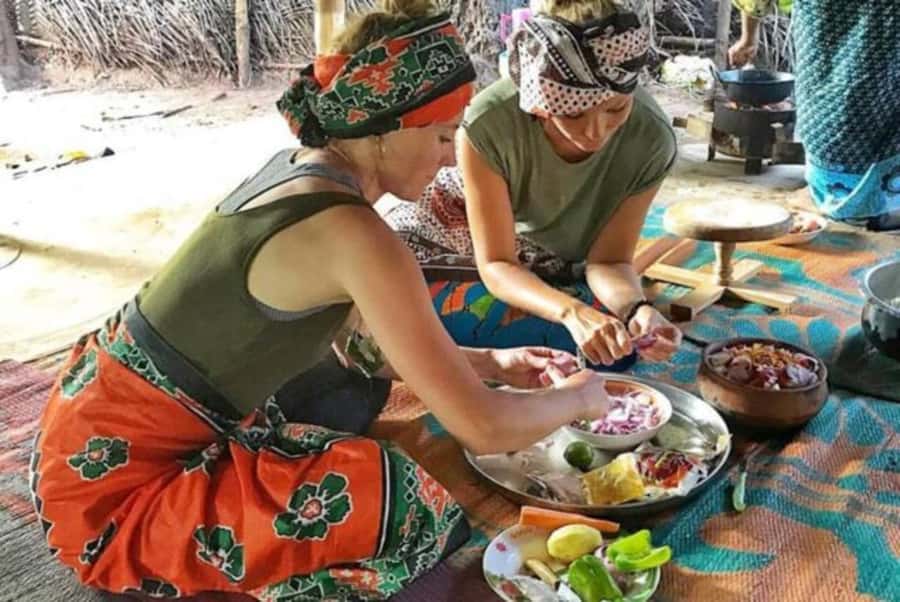
Book this experience if you want to connect Zanzibar’s food, farming, wildlife, and coastal ecology in one manageable day. The strongest parts are the spice-farm teaching, the pilau lunch and fruit tasting, the friendly personal service from guides such as Ramadan, Iddi, Mohamed, and Isaac, and the chance to see red colobus monkeys at close range.
Before booking, decide how much you value private transport and a flexible guide. At $110 per person, the tour makes good sense when you want convenience and a full package. Go in ready to politely skip extra shopping, ask questions when a forest explanation moves too fast, and leave room for small surprises such as palm-leaf crafts, tiny frogs, or crabs in the mangroves.
FAQ
How long does the Zanzibar spice farm and Jozani Forest tour last?
The activity lasts six hours. The listed schedule includes about three hours at the private spice farm, a 30-minute drive to Jozani Forest, and about two and a half hours in the forest.
Is hotel pickup and drop-off included?
Yes. Transport from your hotel to the tour and back is included. Pickup and drop-off are available in listed areas including Stone Town, Nungwi, Kendwa, Kiwengwa, Matemwe, Paje, Jambiani, Bwejuu, Uroa, Pwani Mchangani, and Michamvi.
What food is included?
Lunch includes spiced rice, known as pilau, and tropical fruit. Fruit may include bananas, mangoes, oranges, and papaya.
Which animals can I see at Jozani Forest?
The main animal is the red colobus monkey. You may also see blue monkeys, birds, butterflies, bush babies, small frogs, elephant shrews, fish in the mangroves, and crabs.
Is the tour private?
Yes. The activity is offered as a private group tour with a live English-speaking guide.
Can I cancel the booking?
You can cancel up to 24 hours in advance for a full refund. The activity also allows you to reserve now and pay later.
Just added in Zanzibar
- Jet Ski Experience from Kendwa Beach★ 5.0 · 21 reviews
- Zanzibar: Parasailing Experience with Instructor★ 4.2 · 17 reviews
- 2h-Quad Zanzibar: Explore the heart of zanzibar by Quad★ 4.8 · 22 reviews
- From Zanzibar: 3-Day Selous Safari Trip with Flights★ 4.4 · 22 reviews
- Stone Town: Sunset Dhow Cruise Experience★ 4.0 · 22 reviews
- Stonetown Historical Walking Tour & Traditional Lunch★ 4.8 · 22 reviews
- Zanzibar : Secret Beach, Kuza Cave and Jozani with transfer★ 4.2 · 27 reviews
- From Zanzibar: Prison Island With Nakupenda Tour★ 4.4 · 23 reviews
Jozani Forest Tours, compared.
Dolphin tour, Jozani Forest, Jambiani Kuza Cave, Paje Beach &The Rock restaurent
Read our review →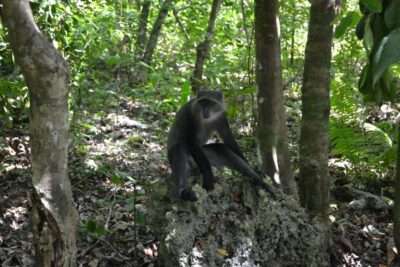
Zanzibar full day Jozani forest + Spice farm and stone town
Read our review →
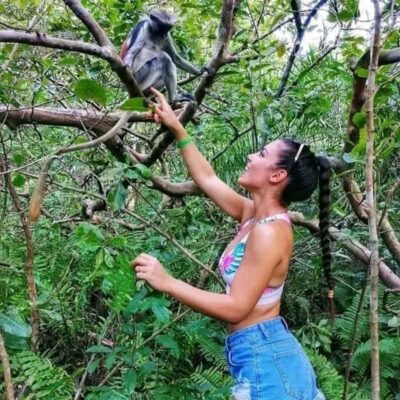
Red Colobus Monkeys in Jozani Forest Guided Tour
Read our review →
Jozani Forest, Salaam Cave & The Rock Restaurant
Read our review →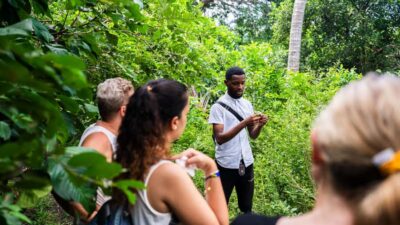
Prison Island, Tortoise, Jozani Forest Guided Tour
Read our review →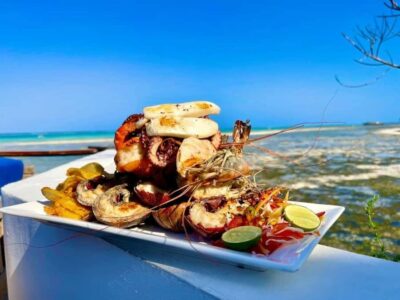
The Rock, Paje Beach, Jozani Forest, Salaam Cave
Read our review →Browse the lists this tour appears in