
Reviewed · HISTORICAL TOURS
Zanzibar Tumbatu Island Cultural Experience
Tumbatu Island gives you a side of Zanzibar that most beach holidays never reach. You travel by small boat from Mkokoni, then walk through working village areas where fishermen repair nets, craftsmen build cargo dhows, and local life carries on at its own pace. The old Shiraz ruins and the spiritual healer add depth to what could otherwise be just a pleasant island trip.
I like two things here. First, the private format means your guide can explain details such as fishing traps, tides, and the moon rather than rushing a fixed group along. Second, lunch is included, with rice, curry, seafood, and fruit, so you are not left arranging food during a long day away from Zanzibar Town.
The main consideration is that this is an active, weather-dependent outing. You will ride in a small boat, walk through village areas, and need a moderate level of fitness. The setting is authentic, but it is not polished for tourism, and some children may ask for money.
Key points to know before booking
- A 30-minute small-boat ride reaches Tumbatu Island: Your day begins at Mkokoni harbor and fishing village before crossing to the island.
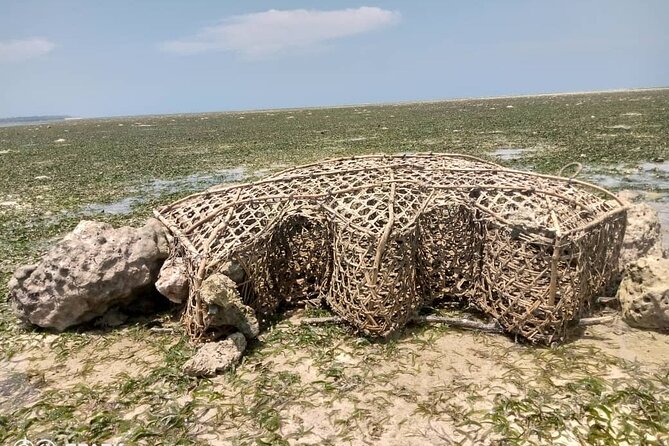
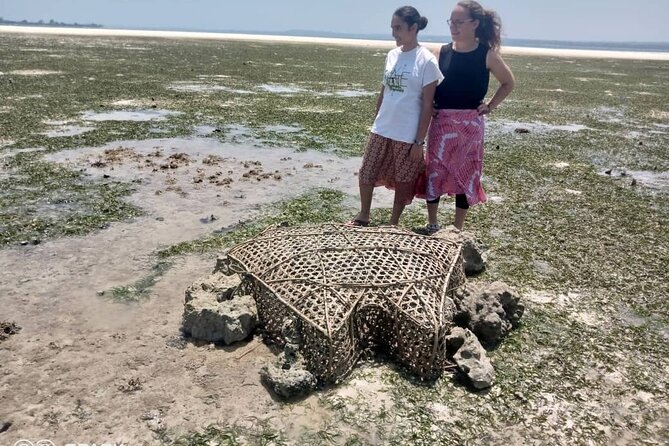
- Fishing is explained in its working setting: You stop at a lagoon to see local traps and learn how tides and moon phases affect fishing.
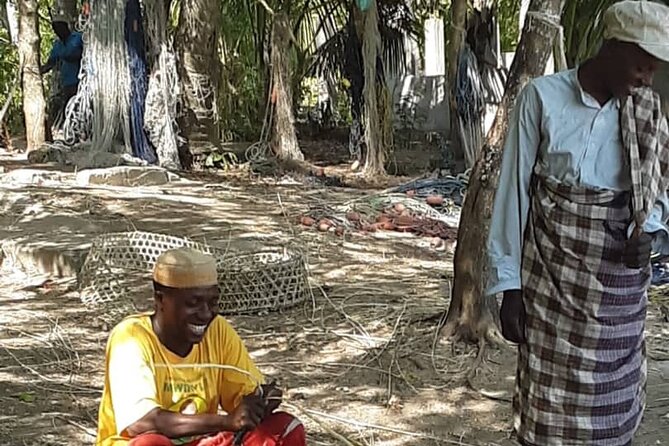
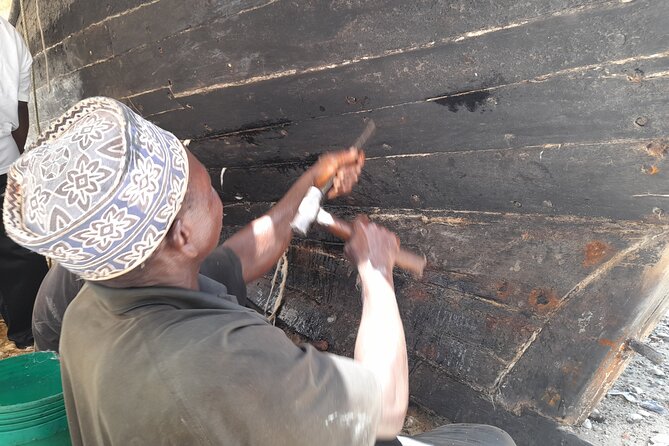
- Dhow building is part of daily life: You can meet craftsmen working on cargo dhows and fishermen repairing nets.
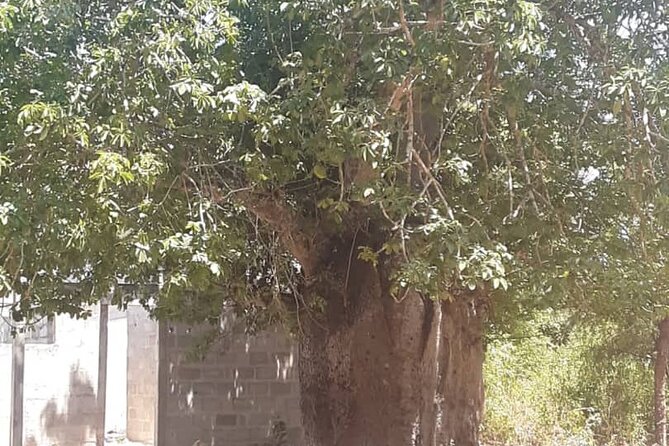
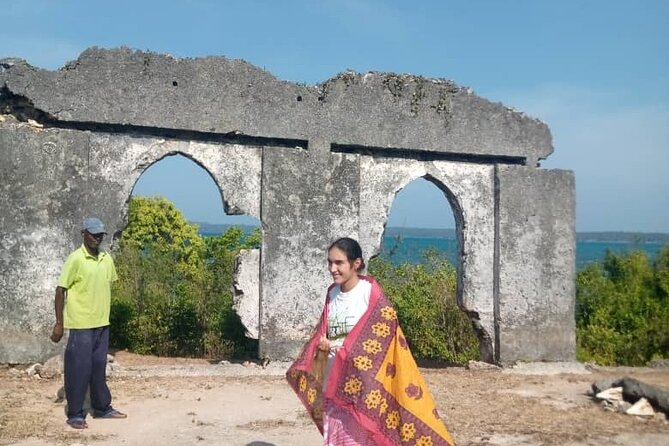
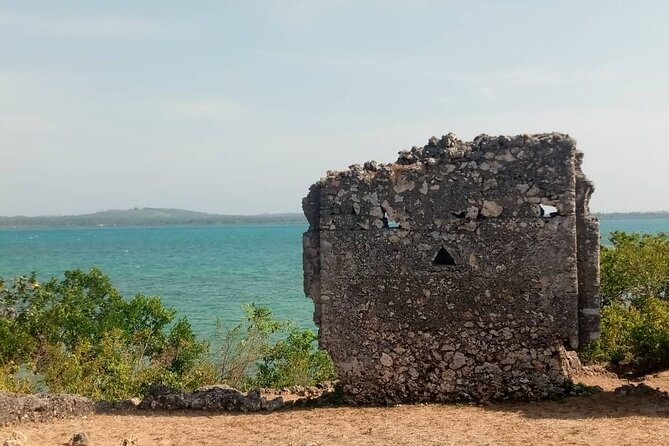
- The island has more than beaches: Shiraz ruins date to before the 12th century, while old baobab trees once served as a school or classroom.
- A spiritual healer adds a cultural conversation: This is a chance to hear about local traditional practice, not a staged performance.
- The price covers the full day’s basics: At $200 per person, the tour includes hotel pickup, an air-conditioned vehicle, boat transport, lunch, fees, taxes, and a private guide.
Setting out from Mkokoni at 9:00 am
The outing starts at 9:00 am from Mkokoni local dhow harbor and fishing village. The stated meeting point is Tembo House Hotel on Shangani Street in Zanzibar, and pickup is offered, so confirm the exact collection plan when you book.
Mkokoni is part of the experience, not just a place to board. You make a short visit around the harbor and fishing village before the boat leaves. This helps you understand the work that supports the crossing: local boats, fish, cargo, and the practical business of getting people and goods around the islands.
I like this beginning because it puts the tour in a working setting right away. You are not starting at a visitor center with a prepared display. You are starting where boats and fishing activities are part of ordinary life.
The vehicle included in the price is air-conditioned, which matters in Zanzibar’s heat. Still, the boat portion is the key transport of the day, and the experience requires good weather. If conditions are poor, the operator offers another date or a full refund.
More of the history on foot in Zanzibar:
- Zanzibar: Stone Town Historical Cultural Walking Guided Tour
★ 4.5 · 179 reviews - Stone Town Historical Walking Tour
★ 5.0 · 143 reviews - Stone Town’s Hidden History: Private Guided Walking Tour
★ 4.6 · 94 reviews
The 30-minute crossing to Tumbatu
The journey to Tumbatu takes about 30 minutes by small boat. That is long enough to make the crossing feel like a real change of place, but short enough that it does not dominate the day.
You should expect a straightforward local boat ride rather than a luxury cruise. The information provided does not specify seating, shade, or onboard facilities, so ask about those details if they matter to you. A practical approach is to bring sun protection and be ready for movement underfoot, though the tour information does not list a formal packing requirement.
The boat arrives at the lagoon, where the guide explains fishing methods used by local people. You learn about fishing traps and how the lagoon supports daily work. One particularly useful detail from the experience is the attention to tides and the moon. A good guide can turn these from abstract facts into the reason people fish at particular times.
This part suits you if you want context rather than a quick photo stop. The value is in understanding how the island works. If your main goal is swimming or a quiet beach day, this tour may feel too focused on community life and work.
Seeing the fish and furniture market
The tour includes a visit to a local fish and furniture market. These are useful stops because they show two sides of island commerce: food from the sea and practical goods made for homes or daily use.
The market will not be presented as a carefully arranged cultural exhibit. You may find a simple, colorful village setting with people going about their business. The experience information does not promise a set list of stalls or a formal shopping period, so think of this as an observation stop rather than a retail excursion.
The fish market connects directly with the fishing lesson at the lagoon. You see how the catch fits into the local economy instead of treating fishing as a scenic backdrop. The furniture market adds another layer, showing that island life depends on more than the sea.
Use ordinary courtesy here. Ask before photographing people or their work, and listen to your guide if local customs require a different approach. The goal is to meet people respectfully, not to treat the village as a stage.
Meeting dhow builders and fishermen
Tumbatu’s harbor area brings you close to dhow crafters and fishermen repairing nets. Traditional dhows are an important part of coastal East African life, and seeing the boats under construction gives you a better sense of the skill behind them.
This stop is valuable because boat building is usually discussed as heritage, while here it appears as practical work. You can see the relationship between the harbor, fishing, cargo movement, and the people who maintain the boats.
The tour description does not state that you will build anything or board a dhow under construction. Expect to observe, listen, and ask questions through your guide. The private format should help if you want to spend more time on a particular craft or ask about how the boats are used.
You may also see fishermen repairing nets. That simple task helps connect the earlier fishing explanation with the physical work required after a day at sea. It is the kind of detail I value because it makes the visit feel grounded and specific.
Same base, a different kind of day out:
- From Zanzibar: Mikumi Safari Day Trip with Flights and Meal
★ 4.7 · 1,470 reviews - Zanzibar: Quad Bike Adventure departing from Kendwa or Nungwi
★ 4.9 · 1,233 reviews - Zanzibar: Stone Town, Spice Tour, Prison Island with Lunch
★ 4.4 · 1,219 reviews - From Zanzibar: Day Selous Game Reserve Safari with Flights
★ 4.7 · 1,025 reviews
Old baobabs and the former school
The route continues to old baobab trees that once served as a school or classroom. This is one of the more unusual details in the outing. The trees are not just natural scenery. They are linked to how education took place in the community.
The stop offers a pause from the harbor and markets. It also gives you a reminder that island history survives in ordinary places, including trees and village spaces. You may find the story more memorable than a formal museum display because the setting remains part of the community.
The information provided does not identify the exact age of these trees or explain how long classes were held there. Your guide may provide more local detail on the day. Ask questions if this part interests you, since the private tour gives you room to follow up.
Shiraz ruins dating before the 12th century

The Shiraz ruins are the main historical stop. They date to before the 12th century, giving Tumbatu a past that reaches well beyond the modern tourist era.
You will want to keep expectations realistic. The information does not describe a restored complex, museum, signs, or a large archaeological site. The appeal is the chance to see remains in their island setting and hear how your guide places them in Zanzibar’s wider past.
This is where the tour moves beyond daily village life. Fishing, boat building, and markets show how people live now. The ruins give you a sense of earlier settlement and long connections across the Indian Ocean.
I would not book this outing only for the ruins if you expect extensive archaeological interpretation. I would book it if you enjoy combining history with present-day community life. The two work well together, especially with a guide who can explain what you are seeing in plain terms.
Meeting a local spiritual healer
The tour includes a visit to a local spiritual healer, described in the supplied details as a witch doctor and in the feedback as a natural healer. This is a cultural encounter that deserves a respectful attitude.
The healer may explain local beliefs, methods, or the way traditional knowledge is understood on the island. One account describes a conversation about how the healer understands signs connected with the natural world. The exact conversation will depend on the person available and the questions you ask.
Do not treat this as entertainment or assume it replaces medical care. It is better understood as a window into local spiritual practice. You may find the subject fascinating, uncomfortable, or outside your own beliefs. All three reactions are reasonable, as long as you remain polite.
This stop is also a reason to choose a private tour. Your guide can help explain terms and customs, and you can decide how much time to spend listening. If you prefer an itinerary built only around scenery and food, this part may not suit you.
Lunch with rice, curry, seafood, and fruit
Lunch is included and consists of rice, curry, seafood, and fruit. After several hours around the harbor and village, a hot meal is a useful part of the plan rather than a minor extra.
The menu reflects the island setting, especially the seafood. If you have allergies, dietary restrictions, or strong food preferences, raise them before booking because the supplied details do not promise alternative dishes.
The meal also gives the day a natural break. You have time to sit, eat, and absorb what you have seen instead of moving from one stop to the next without pause. The tour lasts about 6 to 7 hours, so including lunch helps explain how the operator fits several different parts of Tumbatu into one outing.
Tips are not included. Carry some local currency if you plan to thank the guide, boat crew, or anyone who provides extra help. Do not feel obliged to hand out money to children, especially since one account notes that some children ask for a dollar.
What the private format adds at $200
The price is $200 per person. That is a serious cost for a day in Zanzibar, so the value depends on what you want from the experience.
You are paying for more than a boat transfer. The fee includes pickup, ground transport in an air-conditioned vehicle, the boat crossing, a private guide, lunch, taxes, and other listed fees. You also get a private format, meaning only your group participates.
That setup makes the price easier to justify for families, couples, or small groups who want questions answered and a flexible pace. One booking account identifies a coordinator named Hamza, who was praised for organizing the day and adapting to changing plans. The operator is Halisi Africa Tours, but guide availability can change, so confirm who will lead your outing.
The cost is harder to justify if you mainly want a cheap island transfer or a beach stop. You are paying for interpretation and access to local activities, not simply a boat ride. Group discounts are offered, which may improve the value for larger parties.
The experience is often booked about 35 days ahead. That timing suggests you should reserve well in advance if your Zanzibar dates are fixed, particularly if you want a private departure.
Who will enjoy this day on Tumbatu
I would choose this tour if you want to understand how an island community works. It suits people interested in fishing, boat building, local markets, oral traditions, and historic sites.
Families may like the variety. The day includes a boat ride, village activity, trees, ruins, a cultural meeting, and lunch, so it is not one long walk through a single site. One past booking specifically planned to return with children, though you should still judge the boat ride and walking against your own family’s needs.
You need moderate physical fitness. The tour involves boat travel and movement around harbor and village areas. The exact walking distance is not supplied, and there is no promise of step-free access or special support, so ask before booking if mobility is a concern.
You may not enjoy it if you want a polished resort-style excursion. Tumbatu is presented as a local community rather than a developed attraction. That is the point, but it also means conditions may be basic and the day may feel less predictable.
Booking, weather, and practical details
The activity starts at 9:00 am and ends back at the meeting point. The listed starting point is Tembo House Hotel, and pickup is offered, so confirm whether your accommodation is included in the pickup area.
Confirmation is sent when you book. Cancellation is free up to 24 hours before the start time for a full refund. Changes or cancellations made within 24 hours are not accepted for a refund, and the cut-off follows local time.
Good weather is required. If the operator cancels because of poor conditions, you can choose another date or receive a full refund. This matters because the small-boat crossing is central to the day, not an optional add-on.
Bring a patient attitude, sun protection, and a willingness to listen. The official information does not list a required dress code, equipment list, or accessibility plan, so ask about anything you need before paying.
Should you book the Tumbatu Island Cultural Experience?
Book it if you want a private, full-day look at Tumbatu beyond the usual Zanzibar resort circuit. The strongest parts are the fishing explanation, dhow and net repairs, old baobab school site, Shiraz ruins, and the chance to speak with a spiritual healer. The included lunch and transport make the day simpler.
Skip it if your priority is swimming, lounging, or a low-cost boat trip. At $200 per person, this is best value when you care about local life and want a guide to connect the stops. For an active visitor with curiosity, patience, and respect for a working community, Tumbatu offers a memorable change of pace.
FAQ
Where does the tour start?
The listed meeting point is Tembo House Hotel on Shangani Street, near Forodhani Street in Zanzibar. Pickup is offered, so confirm the collection details when booking.
What time does the tour begin?
The tour starts at 9:00 am.
How long does the experience last?
The tour lasts approximately 6 to 7 hours.
How do you reach Tumbatu Island?
You travel by small boat from Mkokoni local dhow harbor and fishing village. The crossing takes about 30 minutes.
Is lunch included?
Yes. Lunch includes rice, curry, seafood, and fruit.
Is this a private tour?
Yes. Only your group participates in the activity.
What is included in the $200 price?
The price includes lunch, all listed fees and taxes, an air-conditioned vehicle, transportation, and the private tour arrangements. Tips are not included.
Can I cancel for a full refund?
Yes, if you cancel at least 24 hours before the experience starts. Cancellations made less than 24 hours before the start time are not refunded. If poor weather causes the operator to cancel, you can choose another date or receive a full refund.
Just added in Zanzibar
- ZANZIBAR: Jozani Forest, butterfly center & Reptile park★ 4.7 · 3 reviews
- Zanzibar: Jozani Chwaka Bay National Park and Spice Farm …★ 4.6 · 5 reviews
- Zanzibar: Horse Riding and Kayaking with Video and Photos★ 4.9 · 10 reviews
- Zanzibar hidden: Starfish, Blue Lagoon, &The Rock Restaurant★ 5.0 · 3 reviews
- Zanzibar: Half-Day Spice Farm Tour,the flavours of Zanzibar★ 4.7 · 3 reviews
- Zanzibar Half Day Trip in Mnemba Island★ 4.4 · 16 reviews
- Zanzibar: Full-Day Conservation Safari with BBQ Lunch★ 3.9 · 9 reviews
- Zanzibar: Half-Day Prison Island, Tortoises and Spices Tour★ 3.7 · 7 reviews
Historical Tours, compared.
Stone Town Historical Cultural Walking Guided Tour
Read our review →
Arusha Guided Walking City Tour, Culture, Lifestyle & History
Read our review →
Stone Town’s Hidden History: Private Guided Walking Tour
Read our review →

The Best/Top Rated Cultural City Tour in Dar es Salaam
Read our review →
Mamas of Zanzibar – A Unique Cultural & Culinary Experience
Read our review →
Stone Town Guided Tour: Culture, Slave Market & Spice Market
Read our review →Browse the lists this tour appears in