
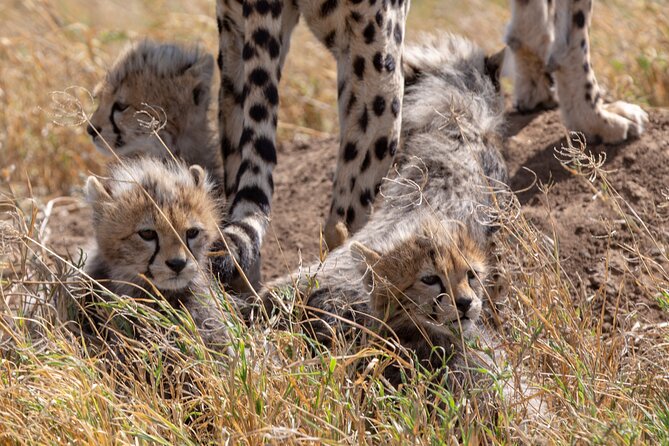
Reviewed · SAFARI TOURS
10-Day Predators Tanzania Safari Luxury Package
Tanzania’s best wildlife parks fit into one ambitious 10-day route here, from elephant country in Tarangire to lion country in the Serengeti and the dramatic Ngorongoro Crater. I like the mix of long game drives, a walking safari, and a final cultural visit at Lake Eyasi. I also like that this is a private trip, so your group can set the pace and work with guides such as Juma, George, Ombeni, Cleopa, or William.
The main drawback is the amount of time spent on the road. You cover a lot of northern Tanzania, and some days combine a game drive with a long transfer. The word luxury also needs a careful look: the package includes premium-style service and hot prepared lunches, but the specific lodges and room standards are not listed.
Key points at a glance
- Three full wildlife days in the Serengeti: Base yourself in the central Seronera area for big cats, the Big Five, and possible migration sightings.
- A walking safari in Tarangire: Leave the vehicle with an armed ranger for a different view of tracks, plants, and smaller wildlife.
- Hot table-served lunches in the parks: Expect soup, bread rolls, a main course, fruit salad, tea or coffee, and sometimes wine.
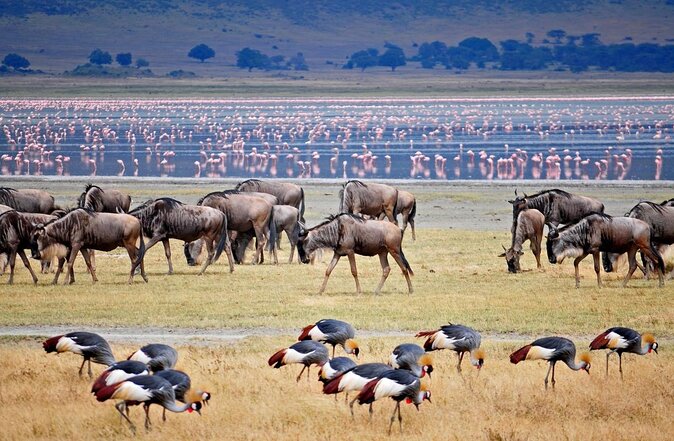
- Ngorongoro Crater in one full morning and afternoon: Visit Lake Magadi, where flamingos, hippos, and water birds may gather.
- A cultural finish at Lake Eyasi: Meet Datoga and Hadzabe communities and see hunting activities.
- Private touring with strong guide feedback: Guides named in the supplied feedback include Juma, George, Ombeni, Cleopa, William, Edward, Dennis, Laban, and Samir.
What this 10-day Tanzania safari is really like
This is a classic northern Tanzania circuit with a useful extra layer. You do not simply drive from park to park, take a few photos, and head home. The plan gives Tarangire two days, Manyara one day, the Serengeti three days, Ngorongoro one day, and Lake Eyasi a cultural stop.
That spread matters. Tarangire has a quieter feel than the Serengeti and is especially strong for elephants. Manyara is compact but excellent for birds. The Serengeti gets the largest share of your time, which makes sense because wildlife sightings there can change from one hour to the next.
I also like the private format. Only your group takes part, and a good guide can shape the day around what you most want to see. The supplied feedback repeatedly singles out guides by name. Juma is praised for finding the Big Five, George for professional guiding, William for bird knowledge and careful driving, and Ombeni for strong sightings of lions, cheetahs, and other wildlife.
Still, this is not a slow lodge holiday. You will spend long stretches in a safari vehicle, often on rough park roads. The reward is range and variety. The cost is fatigue.
Other park itineraries that start in Moshi:
- Safari Serengeti And Ngorongoro
★ 5.0 · 288 reviews - Big Five Safari In Tanzania
★ 5.0 · 99 reviews - Unforgettable Tanzania Safari And Zanzibar Beach
★ 5.0 · 97 reviews
Day 1: A smooth landing through Kilimanjaro Airport and Arusha
Your trip begins at Kilimanjaro Airport, where an airport representative meets you. The representative can assist with visa or passport-control issues, then take you to the company office for refreshments and a meeting with your guide.
After that, you transfer to Arusha for dinner and an overnight stay. Arusha sits below Mount Meru and serves as the main starting point for northern Tanzania safaris. This first night is practical rather than thrilling, but it gives you time to recover from the flight and hear the safari briefing before the parks begin.
The airport welcome is useful if Tanzania is new to you. Just confirm your arrival details and the exact hotel before you fly, since the supplied information does not name the accommodation.
Days 2 and 3: Elephants, birds, and a walking safari in Tarangire
Tarangire is an excellent first park because it feels less crowded and less obvious than the Serengeti. The park is known for elephants, birdlife, and dry-country wildlife. Herds can be very large, and the park’s riverbeds and water sources draw animals during dry periods.
On Day 2, you leave after breakfast and spend the day on a game drive. Lunch is prepared beside the vehicle, with soup, bread rolls, a main course, fruit salad, tea, coffee, and a glass of wine listed as part of the service. That is a pleasant upgrade from a basic boxed lunch, especially on a long day in the heat.
Day 3 adds the most distinctive activity in the trip: a morning walking safari with an armed ranger. Walking changes your attention. Instead of scanning only for large animals, you can focus on tracks, insects, plants, droppings, and signs of movement. The supplied information does not promise a particular route or distance, so treat this as a guided park walk rather than a strenuous hike.
You then return to a full game drive in Tarangire. The park can produce elephants, giraffes, zebras, antelope, and a wide range of birds. It is also one of the best places on this route to look for fringe-eared oryx and the long-necked gerenuk, though wildlife sightings are never guaranteed.
I would ask about the walking safari before departure. Confirm the start time, footwear advice, and whether the activity can be adjusted for your group. The armed ranger is a standard safety feature for walking in a wildlife area, not a sign that the outing is unusually dangerous.
Day 4: Birdlife and tree-climbing lions at Lake Manyara
Lake Manyara National Park gives you a very different setting. It is known for birdlife, with more than 400 recorded species. If you enjoy birds, this is a day to bring binoculars and let your guide know that you want more than a quick stop for large mammals.
The park also has acacia woodland where tree-climbing lions may be seen. The word may matters. These lions are famous, but no guide can promise that they will be in a tree on your visit. Elephants are another major attraction, with the possibility of seeing them at close range from the vehicle.
The plan calls for a full-day game drive, a hot lunch served under the vehicle’s shade, and an evening transfer to your lodge. Manyara is a good introduction to a safari because you get woodland, floodplain, lake country, birds, elephants, and the chance of lions in one compact park.
The tradeoff is time. After Tarangire, you travel onward toward the Serengeti, so the day can feel full. If you prefer a slower pace, ask if the itinerary can be adjusted, though changes are not guaranteed.
Other safaris people book out of Moshi:
- 8-Day Essence of Tanzania Safari – Luxury
★ 5.0 · 72 reviews - Great Migration Safari In Tanzania
★ 5.0 · 71 reviews - 6 Days 5 Night Safari
★ 5.0 · 57 reviews - 7-Day Magical Tanzania Safari -Premium High End Package
★ 5.0 · 53 reviews
Day 5: The long road to central Serengeti
Day 5 takes you to the central Seronera area of Serengeti National Park. The drive is part of the safari, with game viewing beginning as you enter the park and continuing toward camp or lodge.
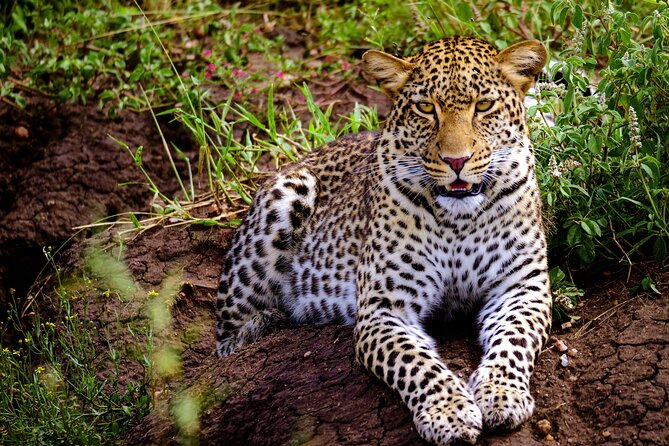
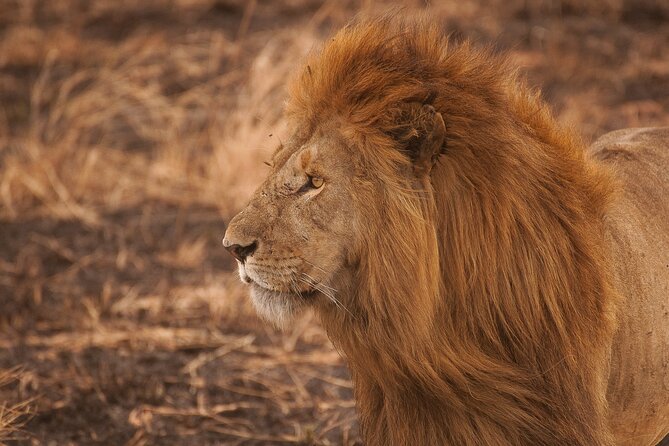
Seronera is a useful base because it sits in a central part of the park and is associated with strong big-cat viewing. Lions are a major draw, while cheetahs, leopards, elephants, zebras, wildebeest, giraffes, and gazelles may also appear.
This is one of the longer transfer days, and road conditions can make the trip tiring. You should expect dust, bumps, and a large amount of time in the vehicle. The reward is that you finish the day in the Serengeti, with three days devoted to searching rather than rushing through.
Lunch follows the same prepared-table pattern, with soup, rolls, a main dish, fruit salad, tea or coffee, and wine listed. Ask your guide how much of the day will be spent driving and how much on active wildlife viewing. The exact balance depends on road conditions and sightings.
Days 6 to 8: Three days in the Serengeti and the search for big cats
The Serengeti receives the heart of the itinerary. Three days in central Seronera give you repeated chances to follow wildlife rather than relying on one lucky drive.
Day 6 is planned around the Great Migration and a full-day game drive. Migration timing varies by season and location, so you should not book this route solely on the promise of seeing a river crossing. You may see moving herds, resident animals, predators, or a quieter stretch of grassland instead.
The lunch setup is one of the package’s more unusual details. Your guide prepares a table in the park with a hot meal, while many other safari vehicles may use cold sandwiches. That does not guarantee a better wildlife day, but it can make a long day more comfortable.
Day 7 focuses on big cats and the Big Five. A skilled guide matters here. The supplied feedback names Ombeni as a guide who found large numbers of lions and cheetahs, while Samir is praised for spotting leopards and positioning the vehicle for close views. These individual guide skills can make a real difference, especially when animals are far away or partly hidden.
Day 8 gives you another morning game drive before the transfer toward Ngorongoro. This is a sensible use of your final Serengeti hours. You may still find cats, elephants, zebras, giraffes, and antelope, but the day also includes a long drive to the next camp.
Three Serengeti days are a strong feature of this trip, but the program is not a private photographic expedition with unlimited time at every sighting. Park rules and local conditions affect how long you can stay in one place. Bring patience, spare camera batteries, sun protection, and a sense of humor about dust.
Day 9: A full crater tour in Ngorongoro
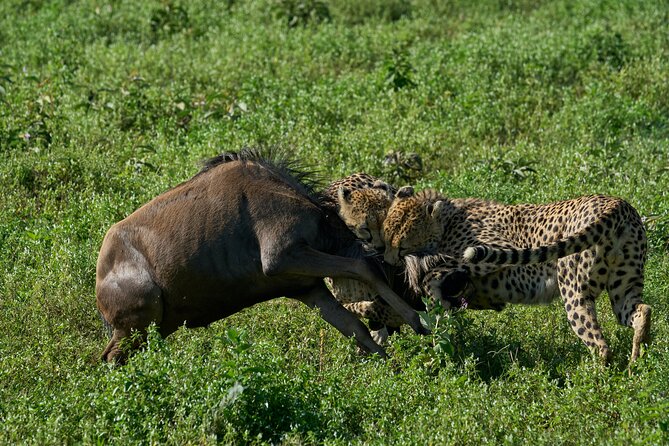
The Ngorongoro Crater is the visual high point of the route. It is a large volcanic caldera, about 20 kilometers across and roughly 600 meters deep. The crater floor includes grassland, woodland, water, and alkaline Lake Magadi.
A full-day crater tour gives you time to look for lions, elephants, buffalo, hippos, flamingos, and other water birds. Rhinos are also possible in the wider Ngorongoro area, though sightings are never certain. The enclosed shape of the crater can make wildlife viewing feel especially concentrated, but it can also mean many vehicles in the same general area.
Lunch is again prepared in the park. After the crater visit, you continue to Lake Eyasi for the night. That transfer means Day 9 is long, but it positions you well for the cultural activities on the final day.
The crater is not a quiet wilderness experience at all times. Its fame brings many vehicles, and the roads can be busy. I still think it earns its place here because the scenery and concentration of wildlife are unlike the other parks on the route.
Day 10: Datoga, Hadzabe culture, and the return to Arusha
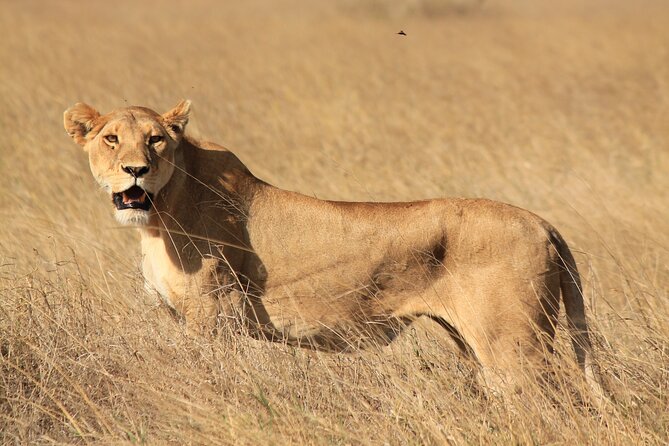
The final day shifts from wildlife to people and culture. Around Lake Eyasi, you visit Datoga and Hadzabe communities and see hunting activities. The planned cultural visit lasts about two hours and includes admission.
The Hadzabe are a small community living around the lake, with a language that includes click sounds similar to languages used by some southern African hunter-gatherer communities. The visit can add meaning to a safari by showing that Tanzania is not only about animals and scenery.
Approach this part with respect. Listen to your local hosts, follow your guide’s instructions about photography, and remember that this is a community visit, not a staged wildlife show. The supplied information gives only a short description, so ask beforehand what the visit includes and how cultural exchanges are handled.
After lunch, you drive back to Arusha and are dropped at the airport. The end point is described as the airport, but the exact airport and departure timing should be confirmed before booking flights. The long return drive also means you should avoid scheduling an international departure too soon afterward unless the operator confirms the timing.
What the $8,074 price includes
At $8,074 per person, this is a major purchase. The value depends on what you want from a safari. You are paying for 10 days, private transport, a professional driver-guide, non-resident park fees, accommodation during the route, and most meals.
The package includes breakfast on 10 days, lunch on 9 days, and dinner on 9 days. It also includes airport pickup and transport unless an item is marked optional. International flights, visas, insurance, tips, souvenirs, personal expenses, and extra nights before or after the safari are not included.
The price makes more sense if you value a private vehicle, a long Serengeti stay, prepared hot lunches, and a broad route through several major parks. It makes less sense if you mainly want a short Serengeti visit or clearly named high-end lodges. The accommodation list is not provided, so ask for each property and its room category before paying.
Tips are not included, with a guideline of $10 per person per day. At that rate, a 10-day trip would mean about $100 per person if you choose to follow the guideline. Also ask whether the listed price changes with group size, season, or room occupancy.
Guides, driving, and the private format
Your guide will shape much of the trip. Safari driving is not just transport. The guide watches animal behavior, communicates with other vehicles, chooses routes, explains birds and mammals, and keeps an eye on safety.
The feedback gives you several names to request if they are available. Juma is praised for finding the Big Five. George is described as professional and dependable. William is singled out for identifying birds and large animals, driving safely, and caring for a passenger who felt unwell. James is noted for being kind with children, and Cleopa for careful driving, strong eyesight, and dedication.
Ombeni appears particularly suited to serious wildlife viewing, with sightings that included lions, cheetahs, leopards, elephants, and even a nocturnal porcupine. These names do not guarantee who will lead your trip, but they give you useful questions to ask.
Since the activity is private, you can explain your priorities early. Tell the guide if you care most about birds, cats, photography, elephants, or cultural contact. You should also say if anyone in your group needs shorter driving stretches or extra breaks.
Who should book this safari?
I would recommend it to a first-time Tanzania visitor who wants the major northern parks in one trip and prefers a private arrangement. Families can benefit from the flexible format, especially since one guide, James, is specifically praised for being good with children.
It also suits wildlife enthusiasts who want several days in the Serengeti rather than a quick pass through. Birders will appreciate Manyara and the range of habitats, while anyone interested in local cultures may value the Lake Eyasi visit.
I would hesitate if you dislike long drives, need guaranteed luxury accommodation, or want a slow holiday with few early starts. I would also hesitate if the Great Migration is your only goal. Ask for the expected seasonal location before booking, because the migration moves.
Cancellation is free up to 24 hours before the start time. Poor weather may lead to a different date or a full refund. Changes made less than 24 hours before departure are not accepted.
Should you book the 10-day package?
Book it if you want a broad, private Tanzania safari with real time in Tarangire and the Serengeti, plus a walking safari and a Lake Eyasi cultural visit. The strongest parts are the three Serengeti days, the hot park lunches, and the chance to work closely with an experienced guide.
Before paying, get the lodge names, room details, airport drop-off plan, likely guide assignment, and seasonal migration advice in writing. If those details match your expectations, the price can be fair for a 10-day private safari with park fees and most meals included. If not, compare a shorter route with fewer transfers and more clearly defined accommodation.
FAQ
Where does the safari start?
The safari starts with pickup at Kilimanjaro Airport in Tanzania.
Where does the safari end?
After the Lake Eyasi visit, you drive back to Arusha and are dropped at the airport. Confirm the exact airport and timing before arranging a flight.
Is this a private tour?
Yes. Only your group participates in the activity.
Which parks are included?
The route includes Tarangire National Park, Lake Manyara National Park, Serengeti National Park, and Ngorongoro Crater. It also includes Lake Eyasi.
Is a walking safari included?
Yes. Day 3 includes a morning walking safari in Tarangire escorted by an armed ranger.
Are meals included?
Breakfast is included for 10 days, lunch for 9 days, and dinner for 9 days. Hot lunches in the parks include soup, bread rolls, a main dish, fruit salad, tea or coffee, and a glass of wine is listed.
Are international flights included?
No. International flights, visa fees, travel insurance, tips, souvenirs, personal expenses, and extra accommodation before or after the safari are not included.
How much notice is needed to cancel?
You can cancel at least 24 hours before the experience begins for a full refund. Cancellations or changes made less than 24 hours before the start time are not accepted.
Just added in Moshi
- Kilimanjaro Airport Private Transfer from/to Moshi★ 5.0 · 14 reviews
- 4 Day Mid-range Serengeti Safari★ 5.0 · 22 reviews
- Kilimanjaro Climbing 5 days Marangu route★ 5.0 · 22 reviews
- 6 Days Machame route Kilimanjaro climbing★ 5.0 · 22 reviews
- 7 Days Highlight of Tanzania Mid-Range Standard★ 5.0 · 22 reviews
- 6 Days Climb Private Tour in Mount Kilimanjaro★ 5.0 · 27 reviews
- 4 Days Tanzania Budget Safari★ 5.0 · 26 reviews
- 7 Days Machame Route Climbing Mt. Kilimanjaro★ 5.0 · 24 reviews
Safari Tours, compared.
Serengeti Balloon Safari and authentic bush breakfast
Read our review →
Mikumi Safari Day Trip with Flights and Meal
Read our review →
3 Days Serengeti & Ngorongoro Group Camping Safari
Read our review →
7-Day Premium Luxury Tanzania Safari All-Inclusive
Read our review →
Safari Blue Lagoon Trip with Snorkeling and Lunch
Read our review →
Browse the lists this tour appears in