
Reviewed · CAMPING & LODGE SAFARIS
4 Days Group Camping Safari
Tarangire’s elephants and baobabs, Serengeti’s open plains, and Ngorongoro’s crowded wildlife basin make this a smart four-day sampler of northern Tanzania. You cover three major parks without spending a week on safari, and each stop has a different feel.
I like the small group limit of six, which gives you a better chance of seeing around the vehicle and getting direct help from your guide. I also like that camping equipment, breakfast, lunch, and dinner are included, keeping the $900 price from climbing with every meal and park day.
The tradeoff is comfort. This is basic camping, not a lodge safari. Tents can feel small, the days are long, and the route packs a lot into four days. Bring patience, sun protection, and a willingness to sleep simply.
Key points before you book
- Three famous wildlife areas in four days: Tarangire, Serengeti, and Ngorongoro Crater each offer a distinct setting and animal experience.
- Small group, maximum six people: You get more room than on a large bus and better access to your guide.
- Strong guide reports: Amir and Mandela are praised for finding the Big Five and positioning the vehicle well.
- Meals are part of the package: Breakfast, lunch, and dinner are included throughout the safari.
- Camping is functional, not luxurious: The camps are considered sufficient, but the tents may feel tight.
- Good value for a wildlife-heavy trip: At $900 per person, the cost includes transport, park visits, camping gear, meals, and several game drives.
Why this route works in only four days
Northern Tanzania gives you a rare chance to visit several major wildlife areas within a compact route. Tarangire is the first taste, with elephants and baobab trees. Serengeti brings the broad open plains and a strong chance of seeing big cats. Ngorongoro then provides an unusually concentrated wildlife experience inside an ancient volcanic crater.
You will spend plenty of time in a 4×4 vehicle. That is normal for this type of safari, but it matters here because the schedule is full. The first and second days each include about six hours of activity, while the third stretches from an early game drive into the transfer toward Ngorongoro.
The small group helps. With no more than six people, you should have a better view from the vehicle and less crowding at wildlife sightings. The information describes both a private guide and a private 4×4 vehicle, so confirm the exact vehicle arrangement when booking if that detail matters to you.
Other park itineraries that start in Arusha:
- Serengeti Balloon Safari and authentic bush breakfast
★ 5.0 · 2,480 reviews - Balloon Safari & Bush Breakfast in Serengeti – Miracle Experience
★ 5.0 · 1,646 reviews - 5 Days Group Camping Safari
★ 5.0 · 730 reviews
Day 1: Tarangire’s elephants and baobabs
The safari leaves after breakfast, usually between 8:30 and 9:00 in the morning. That gives you a reasonable start, though you still need to be ready early and packed before pickup.
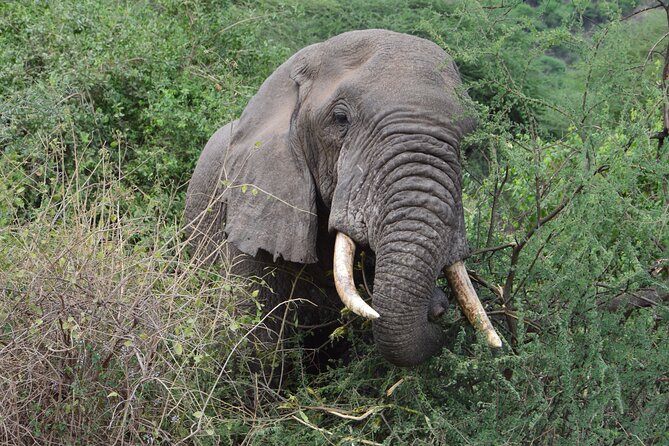
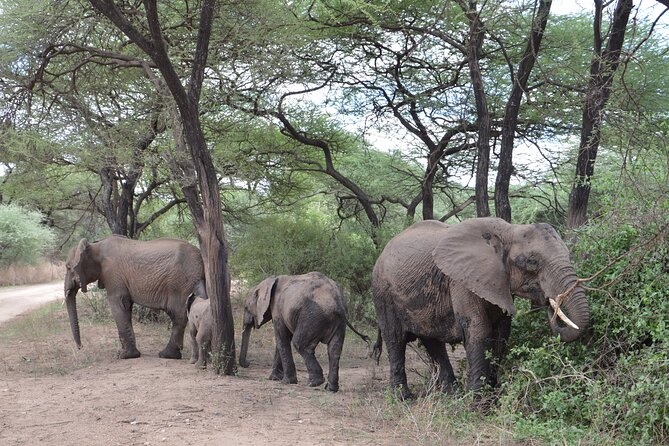
Tarangire National Park is a fine opening act because it looks and feels different from Serengeti. Huge baobabs break up the scenery, and the park is known for its high elephant population. During the June to November dry season, large groups of zebra, wildebeest, and Cape buffalo gather around available water and grazing areas.
You might also see giraffe, impala, waterbuck, dik-dik, eland, Grant’s gazelle, vervet monkeys, banded mongoose, and olive baboons. The predator list includes lion, leopard, cheetah, caracal, honey badger, and African wild dog, though wildlife sightings are never guaranteed.
The afternoon game drive is the main event. The timing gives you lunch before heading out, then several hours to search for animals in changing light. That can be rewarding, but it also means your first day is not a full dawn-to-dusk wildlife day.
Tarangire’s value is its variety. You are not only chasing the Big Five. The baobabs, elephant herds, and smaller antelope make this a strong first day, especially if you enjoy taking in the park’s plant life and animal behavior rather than ticking off only famous species.
Day 2: The long road into Serengeti
After breakfast, you travel through the high farmland around Karatu and the Ngorongoro Conservation Area before descending toward Serengeti. This transfer is part of the experience, not just dead time. The scenery changes from cultivated highland country to the wide, open plains that define the Serengeti.
The route heads toward the Seronera area in central Serengeti. Seronera has a permanent water source in the Seronera River, which helps attract a broad mix of wildlife. You arrive around lunchtime, then head out for an afternoon game drive.
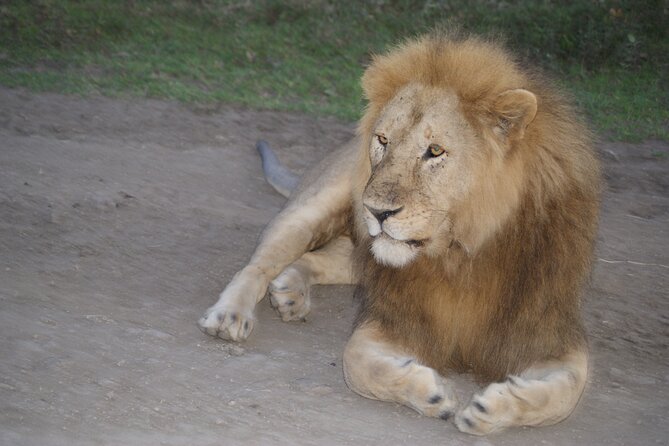
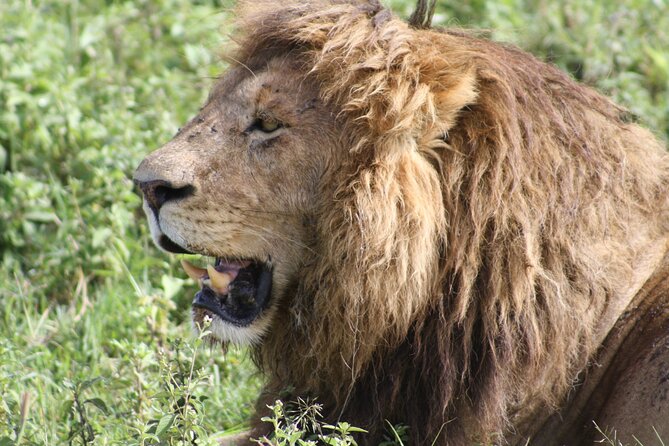
Central Serengeti is a sensible target on a short safari because it offers access to many of the park’s key species. You may search for lions, cheetahs, leopards, elephants, buffalo, giraffes, zebras, and hippos. The open country can make animals easier to spot, while thicker areas near water may require a sharper eye.
This is also the day when your guide’s skill matters most. The guide must balance the long transfer with enough time for wildlife viewing, then decide where to spend the afternoon. Amir is specifically praised for spotting the Big Five and manoeuvring the vehicle into good viewing positions. Mandela is also singled out for guiding and driving.
Do not expect every sighting to be close or dramatic. A safari guide may spend time watching animal behavior from a distance, waiting for a lion to rise, or searching for a leopard that blends into cover. That is part of the appeal, but it can test your patience.
Day 3: A serious morning game drive
The third day starts with coffee, tea, and a biscuit, followed by an early game drive with packed lunch. The schedule runs roughly from 8:00 until 2:30, so this is your longest concentrated wildlife period.
An early start gives you more time in the park and may place you on the road when animals are active. You will spend much of the morning looking for movement across the plains, near water, and along the route out of Serengeti.
After the game drive, you travel toward the Ngorongoro Conservation Area. The route includes more wildlife viewing along the way, so the transfer can still produce sightings. Dinner and overnight camping follow in the conservation area.
This day is excellent for maximizing wildlife time, but it is also the hardest on your energy. You will have an early start, hours in the vehicle, a long transfer, and another camp night. Pack light, keep water and sun protection close, and accept that comfort takes second place to covering ground.
Other safaris people book out of Arusha:
- 3 Days Serengeti & Ngorongoro Group Camping Safari
★ 5.0 · 574 reviews - 7-Day Premium Luxury Tanzania Safari All-Inclusive
★ 5.0 · 426 reviews - 3-Day Classic Serengeti Safari
★ 5.0 · 263 reviews - 8 Days Great Wildebeest Calving Migration Safari from Arusha
★ 5.0 · 254 reviews
Day 4: Down into Ngorongoro Crater
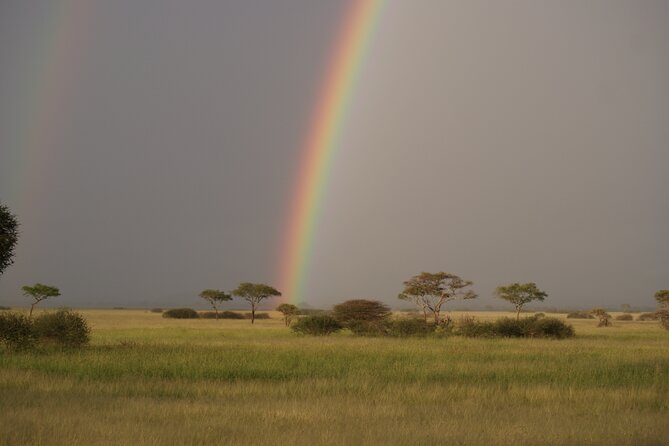
After an early coffee and breakfast, you descend more than 600 meters into Ngorongoro Crater. This is the most concentrated wildlife setting on the route. A year-round water supply and available fodder support large numbers of animals within the crater.
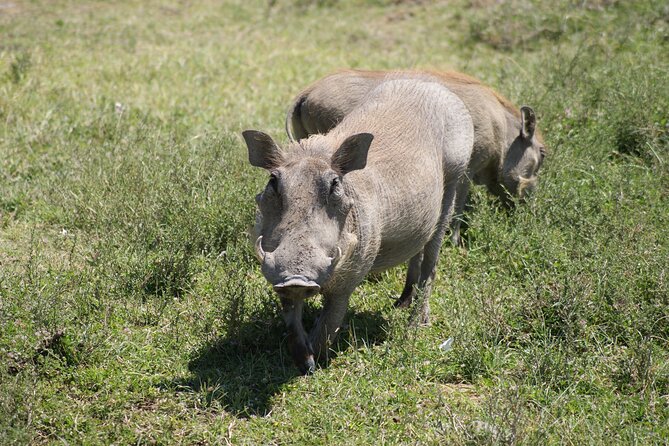
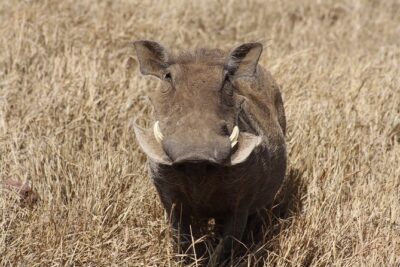
Expect to search for wildebeest, zebra, buffalo, eland, warthog, hippo, and large African elephants. The crater is also known for predators, including lions, hyenas, jackals, cheetahs, and the elusive leopard.
Lake Magadi, a large shallow alkaline lake in the southwestern part of the crater, is one of the main features visited during the game drive. Its presence helps explain why the crater can support so many animals, and it adds a memorable visual point to the final day.
Ngorongoro is also one of two UNESCO World Heritage sites visited on this route. Serengeti is the other. That designation does not guarantee a particular animal sighting, but it reflects the broader importance of the places you are visiting.
The day is listed at about six hours. You get a final major game drive, but the early start and crater descent mean the schedule remains active until the end. If you need to reach another destination that afternoon, confirm the exact drop-off time before booking.
What the $900 price really covers
At $900 per person, this is not a low-cost weekend outing. It is a full safari package covering four days, three major wildlife areas, a 4×4 vehicle, guide services, camping equipment, park access as described, and all listed meals.
Breakfast, lunch, and dinner are included for the four-day period. That is important because food costs can quietly add up on a safari. You also avoid arranging separate transport between Arusha and the parks.
The strongest value comes from the route. Booking Tarangire, Serengeti, and Ngorongoro separately would require more planning and could create extra transfer costs. Here, the parks are arranged into one continuous trip, with the guide handling the route and wildlife drives.
The price makes less sense if you want spacious tents, polished camp facilities, or a relaxed pace. This is built around access to the parks and wildlife, not luxury. You are paying for coverage, guiding, meals, and logistics more than for a soft bed.
Camping conditions and meals
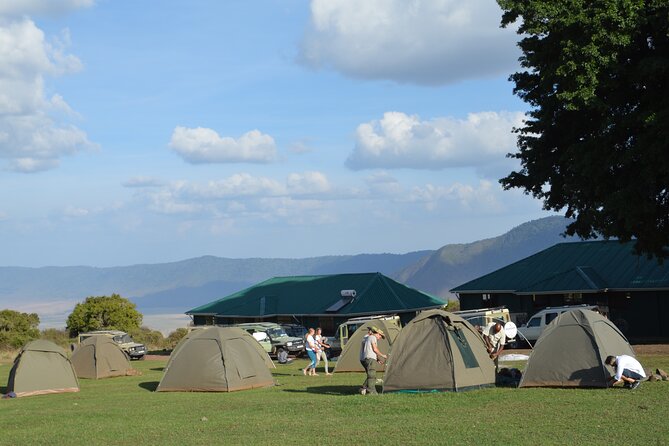
The camping is described as basic but sufficient. Camps have good views, and the facilities provide what you need for a short safari, but you should not expect hotel-sized rooms or lodge-style bathrooms.
Tent size is the clearest comfort concern. One experience described the sleeping tents as smaller than preferred, and another specifically advised being ready for rough-and-ready camping. A sleeping bag, towel, sunscreen, and practical personal items are worth packing. The pre-safari briefing includes advice about what to bring.
Food receives better marks. The meals are described as adequate, and chef Tito is praised for preparing good food throughout the trip. Expect camp meals rather than restaurant dining, but you should have breakfast, lunch, and dinner supplied each day.
The best attitude is simple: treat the camp as your base between game drives, not as the main attraction. If you can handle modest facilities and a compact tent, the arrangement keeps the focus on the parks and helps hold down the overall cost.
Guides, drivers, and the small group setup
A safari guide affects the trip more than almost any other single factor. The guide reads animal behavior, chooses routes, explains the ecosystem, and positions the vehicle when something interesting appears.
Amir receives special praise for finding the Big Five and manoeuvring the vehicle for better views. Mandela is also named as an excellent driver and guide. These details matter because spotting wildlife is not just about entering a park. It depends on observation, timing, and knowing where to look.
The tour accepts a maximum of six people. That is a useful middle ground. You get the social feel of a group safari, but without the scale of a large coach. A small group also makes it easier to hear explanations and ask questions about the ecosystem.
The description uses the word private for the guide and 4×4, while also setting a six-person maximum. If you are booking with friends or family, ask how the vehicle and seating will be arranged. The answer could affect how much space you have for bags and how comfortable the long drives feel.
Who should book this safari
I would recommend this trip to someone visiting northern Tanzania for the first time who wants the biggest wildlife highlights in a limited number of days. It is especially suitable if you want Serengeti and Ngorongoro but also value the different scenery and elephant viewing in Tarangire.
It also suits people who care more about game drives than camp comfort. Families and small groups may appreciate the six-person limit, while solo visitors can meet others without joining a large vehicle.
I would think twice if you dislike early starts, long road transfers, basic tents, or a packed schedule. A longer safari would give you more time in each area and reduce the pressure of moving between parks. A lodge-based trip would be a better fit if sleep quality and private facilities matter most.
Booking details worth knowing
Pickup is offered, and the experience provides a mobile ticket. Confirmation is received at booking, and most people can participate. The activity is listed as operating daily from July 1 through December 31, 2025, with hours shown from midnight to 11:30 p.m., though your actual pickup time is set by the itinerary.
The trip is free to cancel up to 24 hours before the start time for a full refund. Cancellations or changes made less than 24 hours before the start are not accepted for a refund, and all cut-off times use local Tanzanian time.
The experience is commonly booked well ahead, with an average booking lead time of 76 days. That suggests you should not leave a preferred travel date until the last minute, especially if you need a particular pickup arrangement or are travelling as a group.
Should you book the four-day camping safari?
Book it if you want maximum wildlife coverage in a short trip, accept basic camping, and value a skilled guide over polished accommodation. Tarangire, Serengeti, and Ngorongoro give you three distinct settings, while the included meals and equipment make the planning easier.
I would choose it for a first safari when time is limited and the Big Five are a major goal. I would not choose it for a slow, comfortable holiday. The best reason to book is the route and the guiding. The main compromise is the tight schedule and simple sleeping arrangements.
FAQ
How long is the safari?
The safari lasts four days, with game drives and transfers across Tarangire National Park, Serengeti National Park, the Ngorongoro Conservation Area, and Ngorongoro Crater.
Which parks are visited?
The route visits Tarangire National Park, Serengeti National Park, and Ngorongoro Crater.
Is pickup included?
Pickup is offered. The first day begins after breakfast, with departure usually between 8:30 and 9:00 in the morning.
How many people can join the tour?
The maximum group size is six travelers.
Are meals included?
Yes. Breakfast, lunch, and dinner are included for the four-day experience.
Is camping equipment included?
Yes. Camping equipment is included, although the camping facilities are basic and the tents may feel small.
Can I see the Big Five?
The parks are home to lion, leopard, elephant, buffalo, and other major wildlife species. Seeing all five is possible but cannot be guaranteed.
Which UNESCO World Heritage sites does the trip visit?
The route includes Serengeti National Park and the Ngorongoro Conservation Area, both UNESCO World Heritage sites.
Can I cancel for a full refund?
You can cancel at least 24 hours before the experience starts for a full refund. Cancellations or changes made less than 24 hours before the start time are not accepted for a refund.
More camping and lodge safaris from Arusha
- 5 Days Camping Tarangire, Serengeti & Ngorongoro crater & Visiting Maasai
★ 5.0 · 229 reviews - 5 Days Best of Tanzania Luxury Safari Northern Circuit
★ 5.0 · 174 reviews - 6 Days Private Budget Safari
★ 5.0 · 163 reviews - 2 Days Tarangire and Ngorongoro Group Camping Safari
★ 5.0 · 146 reviews
Just added in Arusha
- 2-Day Private Luxury Safari from Zanzibar with Flights★ 3.2 · 5 reviews
- 7-Day Private Tanzania Safari with Sunset Walking on the Crater Rim and Maasai★ 5.0 · 40 reviews
- Saadani Day Trip★ 5.0 · 13 reviews
- Nyssa Luxury Balloon in Safaris and Serengeti★ 5.0 · 69 reviews
- Arusha National Park Day Trip★ 4.5 · 18 reviews
- Arusha National Park Private Safari★ 5.0 · 59 reviews
- Arusha: Maasai Village Tour★ 4.8 · 22 reviews
- 3 Days Serengeti & Ngorongoro Tour★ 5.0 · 22 reviews
Camping & Lodge Safaris, compared.
3 Days Serengeti & Ngorongoro Group Camping Safari
Read our review →
5 Days Best of Tanzania Luxury Safari Northern Circuit
Read our review →
2 Days Tarangire and Ngorongoro Group Camping Safari
Read our review →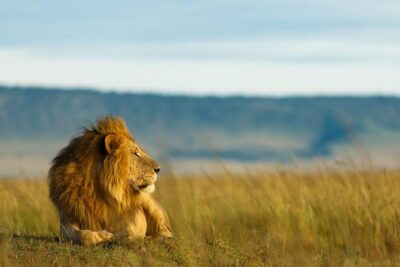
5-Day private Camping Safari Tour in Tanzania
Read our review →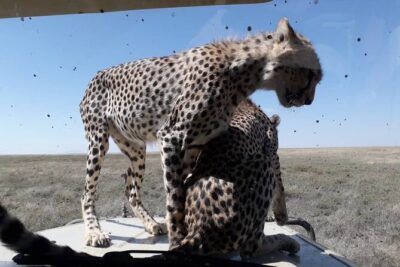
5 Days Tanzania Group Joining Safari, Tarangire/Serengeti/Ngorongoro Crater
Read our review →Browse the lists this tour appears in