
Reviewed · NGORONGORO CRATER TOURS
3 Days Camping Safari Tarangire, Lake Manyara and Ngorongoro Crater
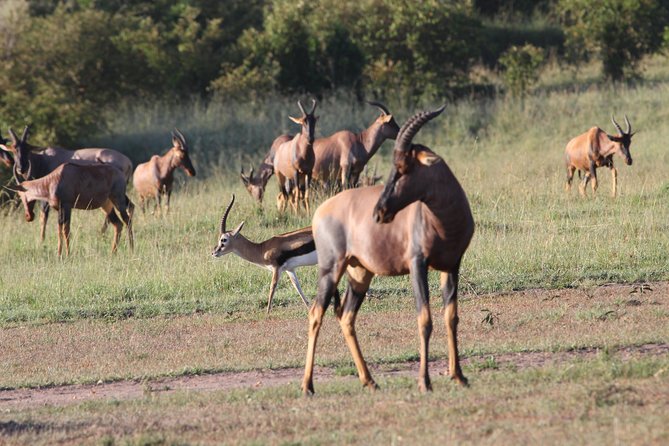
Tarangire’s elephant herds, Lake Manyara’s tree-climbing lions, and Ngorongoro’s chance of seeing black rhino make this a tightly packed safari with a lot of wildlife in only three days. The variety is the main draw: three parks, three very different settings, and a real chance of seeing four of Africa’s famous Big Five.
I like the small group limit of six, which should make it easier to share the best viewing spots and ask questions. I also like the practical setup: a 4×4 Land Cruiser with a pop-up roof, camping gear, meals, park fees, and three litres of water per person each day are covered.
The tradeoff is the pace. You spend long hours driving and changing camps, and the final day includes a crater visit followed by the trip back to Arusha. Also, confirm exactly where pickup and the final drop-off will occur, since the meeting information lists both Kilimanjaro Airport and Kilimanjaro National Park.
Key points at a glance
- Three major wildlife areas in three days: Tarangire, Lake Manyara, and Ngorongoro Crater each offer a different type of safari.
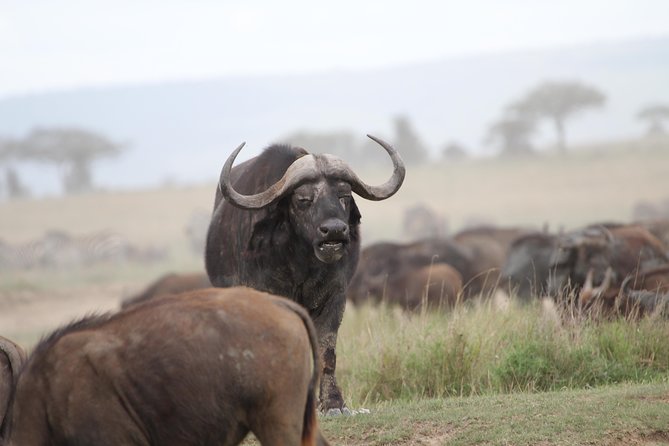
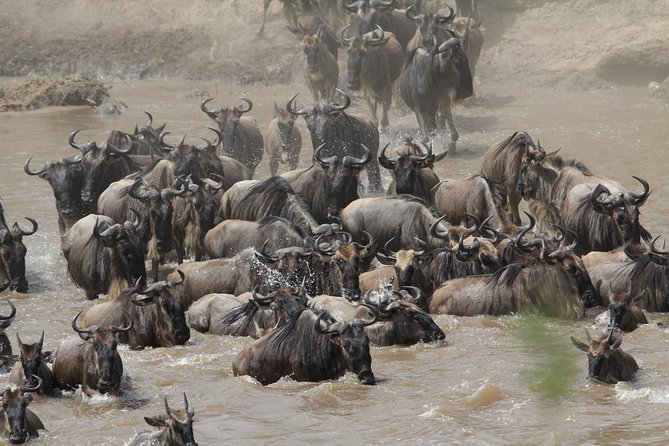
- Strong animal-spotting potential: Elephants, lions, buffaloes, zebras, giraffes, hippos, wildebeests, and possible black rhino sightings are all part of the appeal.
- A small group of no more than six: This is more personal than a large vehicle tour and gives you room to ask your guide questions.
- Experienced guides matter here: Sam, Hamadi, and Shaffie are named as guides associated with especially strong safari experiences.
- Camping keeps the price in check: Tents, mattresses, meals, water, park fees, and a 4×4 vehicle are included in the $780 price.
- Plan for full days: The listed park days run about six, eight, and seven hours, before considering transfers between parks and camps.
Three parks, three different safari moods
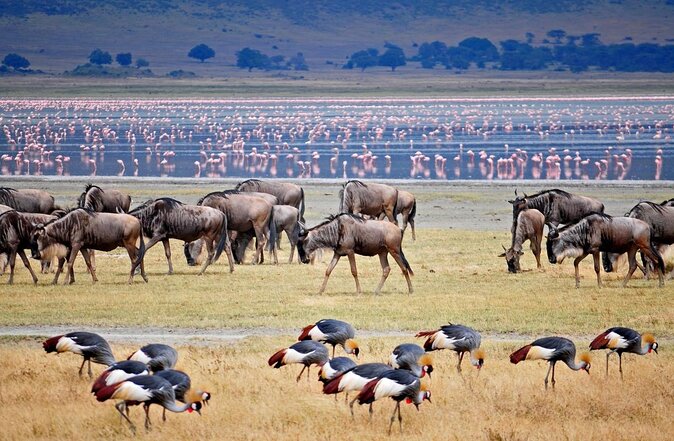
This trip works because the parks complement one another. Tarangire is known for large elephant groups and open wildlife viewing. Lake Manyara adds forest, water, baboons, and the possibility of lions in trees. Ngorongoro Crater brings the most concentrated wildlife setting of the three.
You are not simply repeating the same game drive on three consecutive days. The scenery and animal mix change as you go. That variety is valuable on a short safari, especially if you are coming from Moshi or Arusha and want to see several famous northern Tanzania sites without arranging separate tours.
The route is also demanding. Three days is enough for an introduction, not enough for a slow safari. You should expect early starts, road time, outdoor meals, and a schedule built around park access and daylight. The reward is a broad sample of northern Tanzania in a compact package.
Other ways to sleep out on safari from Moshi:
- 5 Days Camping Tarangire, Serengeti & Ngorongoro crater & Visiting Maasai
★ 5.0 · 58 reviews - 4 Days Group Joining Camping Safari to Tarangire Serengeti Ngorongoro Crater
★ 5.0 · 50 reviews - Tanzania Luxury Safari
★ 5.0 · 48 reviews
Day one: Tarangire’s elephants and giant baobabs
The first day begins with pickup at the agreed point and a drive toward Tarangire National Park. The listed park visit lasts about six hours. Tarangire is especially appealing if elephants are high on your list, since the park is known for large herds.
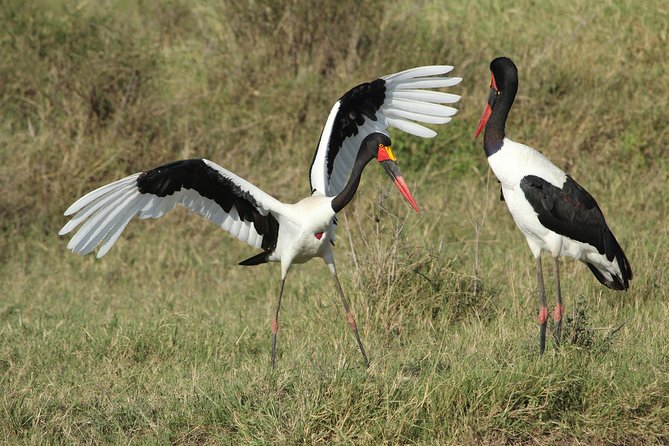
You may also see zebras, gazelles, buffaloes, ostriches, hornbills, and other bird species. The mix gives your guide plenty to look for, even when the bigger cats are resting out of sight. A good guide can help you notice smaller details, such as unusual bird shapes, animal tracks, and behavior within a herd.
Tarangire is a strong first park because it gets you into the rhythm of a safari quickly. The pop-up roof lets you stand or sit with a clear view above the vehicle, while the 4×4 design is suited to rough park roads. You will want a camera or phone ready, but keep your attention on the scene itself. An elephant herd moving across the road is worth more than a dozen hurried photographs.
The main limitation is time. A six-hour game drive can feel generous, but it passes quickly when the park is spread out and the vehicle must also leave in time for camp. The schedule says you exit the park and drive to camp for dinner and overnight camping, so ask in advance how far the camp is from the park gate and what time you should expect to arrive.
Day two: Lake Manyara, baboons, and tree-climbing lions
After breakfast, you drive to Lake Manyara for the second day of wildlife viewing. The planned park visit lasts about eight hours, making this the longest listed activity day.
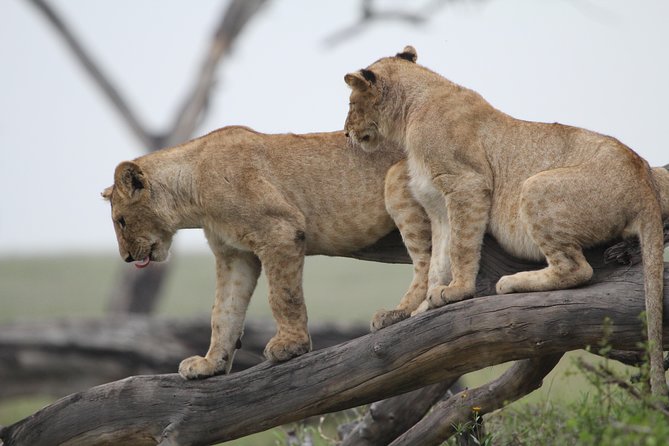
Lake Manyara is famous for lions that may climb trees. Sightings are never guaranteed, and the attraction is not only the lions. The park also has a strong reputation for baboons, with giraffes, hippos, wildebeests, zebras, elephants, and many bird species adding to the day.
This park can feel different from Tarangire because the experience includes more varied vegetation and water-related wildlife. Hippos may be seen near water, while birds give you something to watch when larger animals are not close by. Baboons are often entertaining to observe, but remember that they are wild animals. Follow your guide’s instructions around them and do not offer food.
The eight-hour schedule provides more time to search for animals, but it also makes this a tiring day. You will spend much of the day in the vehicle, with stops determined by park rules, animal sightings, and the guide’s judgment. Bring a hat, sun protection, and comfortable clothing. The included three litres of mineral water per day is helpful, but you still need to manage your own comfort in the heat.
After the park, you drive to camp for dinner and another night outdoors. Since the package includes camping equipment such as tents and mattresses, you do not need to bring your own sleeping setup. The information does not specify the exact camp, tent style, toilet arrangements, or shower facilities, so ask those questions before booking if camp comfort matters to you.
Day three: Ngorongoro Crater and the best chance of concentrated wildlife
The final safari day takes you to Ngorongoro, a UNESCO World Heritage site and one of Tanzania’s most famous wildlife destinations. The listed crater visit lasts about seven hours, followed by lunch at a picnic point and the drive back to Arusha.
The crater is the trip’s biggest wildlife draw. Its enclosed setting can bring many species into the same broad area, including lions, elephants, buffaloes, hyenas, jackals, hippos, baboons, wildebeests, waterbucks, and elands. Black rhino sightings are possible, though never certain. The guide’s ability to scan the area and communicate with other vehicles can make a real difference.
This is also the day when expectations need to be realistic. Ngorongoro can offer remarkable wildlife viewing, but animals move freely and cannot be ordered into position. Lions may be resting rather than hunting. Rhinos may be distant. Elephants may appear suddenly and disappear behind a rise. The value lies in the overall chance of seeing many species in one setting, not in a promise of a particular animal.
The picnic lunch is served at a designated point before you ascend the crater walls. Keep food secure and listen closely to your guide around wildlife. The crater floor can feel busy with vehicles, especially at popular animal sightings, so patience and good manners matter.
After the crater, the route returns to Arusha for a hotel overnight according to the schedule. Yet accommodation before and after the safari is listed as excluded, so clarify if this final hotel night is arranged by the operator or must be booked separately. That small question can prevent an unpleasant surprise at the end of a long day.
Other park itineraries that start in Moshi:
- Safari Serengeti And Ngorongoro
★ 5.0 · 288 reviews - Big Five Safari In Tanzania
★ 5.0 · 99 reviews - Unforgettable Tanzania Safari And Zanzibar Beach
★ 5.0 · 97 reviews - 8-Day Essence of Tanzania Safari – Luxury
★ 5.0 · 72 reviews
How the guide can shape the whole experience
Safari success is not only about the park. Your guide controls the pace, explains animal behavior, handles the vehicle, and decides how long to stay at a sighting. The strongest part of the available feedback concerns animal spotting and guide effort.
Sam is specifically praised for finding animals that were difficult to see at first. Hamadi and Shaffie are also named for going out of their way to keep the group happy. That matters in Tarangire and Ngorongoro, where an experienced eye may notice a leopard, rhino, or distant lion before you do.
You should still ask who your assigned guide will be. The guide names connected with positive experiences do not guarantee that one of them will lead your departure. Ask about language, daily start times, and how the guide handles requests for more time at a sighting. Clear communication before departure is especially important on a short trip.
There is also one serious service concern in the available feedback. One account describes uncomfortable behavior from the owner during the trip, despite the safari itself being enjoyable. I would not ignore that. Confirm who your main contact is, how complaints are handled, and who will be with you in the vehicle. Most of the published feedback is positive about organization, communication, staff friendliness, and guiding, but this concern deserves a direct question before payment.
Camping, vehicle comfort, and what the $780 covers
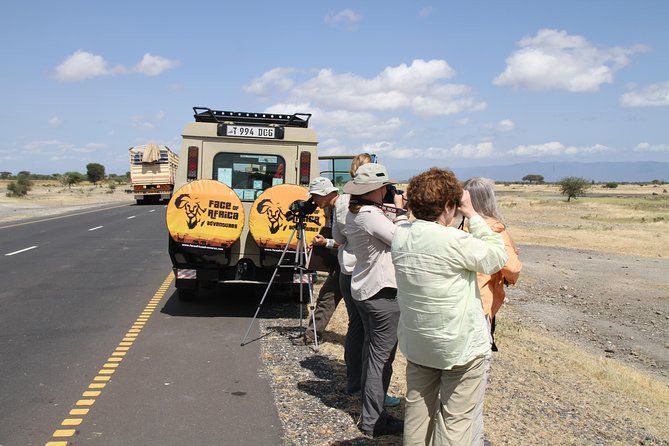
The price is $780 per person. That is not a bare vehicle-and-entry-fee package. It includes park entry fees, a 4×4 safari Land Cruiser with a pop-up roof, camping equipment, breakfast on all three days, three lunches, two dinners, and three litres of mineral water per person per day.
The vehicle is a major part of the value. A pop-up roof gives you a better view than a closed minibus and lets you watch animals from a standing position when the guide says it is safe. The group limit of six should also make the vehicle more manageable than a large shared tour.
Camping lowers the cost compared with a lodge-based safari, but it changes the feel of the trip. You should be comfortable sleeping in tents, spending evenings at camp, and accepting that the information supplied does not describe camp facilities in detail. Ask about bathrooms, showers, bedding beyond the mattresses, and whether tents are set up for you.
The package does not include accommodation before or after the safari in Arusha. Airport pickup and drop-off are also excluded, despite hotel pickup and drop-off being included. Personal expenses are not covered either. Budget for those items separately.
The meeting information names Kilimanjaro Airport and Kilimanjaro National Park, while the tour is described as operating from Moshi. That is not clear enough to assume. Get the exact pickup point, pickup time, and final drop-off location in writing.
Food, water, and the daily rhythm
Meals are covered in a useful way: three breakfasts, three lunches, and two dinners. That matches the two camping nights and the three days of activity. The final day includes a boxed or packed lunch at the crater picnic point.
Three litres of mineral water per person per day is a generous basic allowance for long drives in warm conditions. You may still want to bring a refillable bottle, but do not assume extra drinks, snacks, or personal items are included. Personal nature items are specifically excluded.
The daily rhythm is simple. You are picked up, drive to a park, spend several hours on a game drive, then move to camp or back toward Arusha. This is not a relaxed beach holiday. It suits you if you like being outdoors and would rather spend time looking for animals than sitting in a lodge.
Who should book this three-day safari
I would recommend this trip to someone who wants a first taste of northern Tanzania and has limited time. It gives you three well-known parks, camping gear, meals, water, park fees, and a small group without requiring you to coordinate each element yourself.
It is also a good fit if you care about animal variety. Tarangire offers elephants and birds, Manyara adds baboons, hippos, and possible tree-climbing lions, and Ngorongoro offers one of the strongest chances on this route for seeing many large species in a single day.
I would be more cautious if you want a slow, luxurious safari. The schedule is full, the road time is significant, and camp standards are not explained in detail. You should also think twice if you dislike early starts, long vehicle rides, or uncertain wildlife sightings.
The current rating is 4.3 from six published ratings. The positive accounts emphasize smooth organization, friendly staff, communication, and guides who work hard to find animals. One negative account raises a conduct concern involving the owner. That mixed picture means you should confirm your guide and point of contact rather than booking on price alone.
Cancellation and booking details worth confirming
Free cancellation is available if you cancel at least 24 hours before the local start time. Cancelling within 24 hours, or making changes within that period, does not qualify for a refund.
At booking, confirm the exact pickup point, since the stated meeting information is not fully consistent. Also confirm the final Arusha accommodation, camp facilities, the assigned guide, and whether airport transport can be added. Most travelers can participate, and the group is capped at six, but the information does not provide detailed accessibility guidance.
Should you book it?
Book this safari if you want maximum wildlife variety in a short three-day schedule, prefer a small group, and are happy with camping rather than lodge accommodation. The combination of Tarangire elephants, Manyara birdlife and possible tree-climbing lions, and Ngorongoro’s concentrated wildlife gives you a strong introduction to Tanzania.
Before paying, get four things clear: your guide’s name, the exact pickup and drop-off points, what the camp facilities include, and who pays for the final hotel night in Arusha. If those answers are satisfactory, the included park fees, meals, water, camping gear, and safari vehicle make $780 a reasonable package for an active first safari.
FAQ
How long is the safari?
The experience lasts approximately three days. The listed park activities run for about six hours on day one, eight hours on day two, and seven hours on day three, not counting all transfers.
Which parks are included?
The route includes Tarangire National Park, Lake Manyara, and Ngorongoro Crater.
Is pickup included?
Hotel pickup and drop-off are included. The stated meeting information also mentions Kilimanjaro Airport and Kilimanjaro National Park, so confirm your exact pickup point before departure.
How many people can join the group?
The maximum group size is six travelers.
What type of vehicle is used?
Transportation is provided in a 4×4 safari Land Cruiser with a pop-up roof.
Are meals and water included?
Yes. The package includes three breakfasts, three lunches, two dinners, and three litres of mineral water per person per day.
What is the cancellation policy?
You can receive a full refund if you cancel at least 24 hours before the experience start time. Cancellations and changes made within 24 hours are not accepted for a refund.
More Ngorongoro trips from Moshi
- 3-Day Ngorongoro Crater Manyara and Tarangire Safari from Arusha
★ 5.0 · 49 reviews - 4 Day Private Tour Throughout Tarangire, Serengeti and Ngorongoro
★ 5.0 · 42 reviews - 7 Days Safari. Serengeti, Tarangire, Lake Manyara & Ngorongoro Crater.
★ 5.0 · 34 reviews - Safari in Tanzania 5 days: Manyara, Ngorongoro, Serengeti
★ 5.0 · 29 reviews
More safaris from Moshi
- Great Migration Safari In Tanzania
★ 5.0 · 71 reviews - 6 Days 5 Night Safari
★ 5.0 · 57 reviews - 4-day Tanzania Safari
★ 5.0 · 53 reviews - 7-Day Magical Tanzania Safari -Premium High End Package
★ 5.0 · 53 reviews
Just added in Moshi
- Wildlife Extravaganza: Manyara, Tarangire & Ngorongoro in 3 Days★ 5.0 · 3 reviews
- West Kilimanjaro cycling Adventures★ 4.5 · 8 reviews
- machame route★ 5.0 · 16 reviews
- Kilimanjaro Climb • Machame Route ~ 10 Day★ 5.0 · 6 reviews
- Kilimanjaro Climbing Umbwe Route★ 5.0 · 3 reviews
- Mt Kilimanjaro 6 days Marangu route hike★ 5.0 · 3 reviews
- 3 Days Private E-Bike Tour in West Kilimanjaro★ 5.0 · 3 reviews
- Private Cycle to Kilimanjaro Bike Park Safari★ 5.0 · 6 reviews
Ngorongoro Crater Tours, compared.
3 Days Serengeti & Ngorongoro Group Camping Safari
Read our review →
4-Day Safari from Arusha: Tarangire, Serengeti and Ngorongoro
Read our review →
2 Days Tarangire and Ngorongoro Group Camping Safari
Read our review →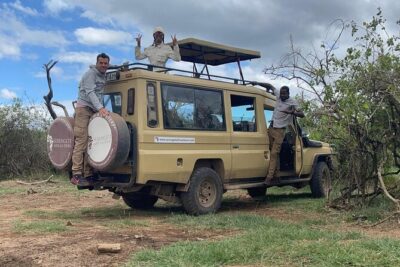
3 Days Private Safari – manyara, Ngorongoro & Tarangire
Read our review →
5 Days Tanzania Group Joining Safari, Tarangire/Serengeti/Ngorongoro Crater
Read our review →
4 Days Tarangire, Serengeti and Ngorongoro Mid-Range Group Safari
Read our review →Browse the lists this tour appears in