
Reviewed · SAFARI TOURS
4-day Tanzania Safari
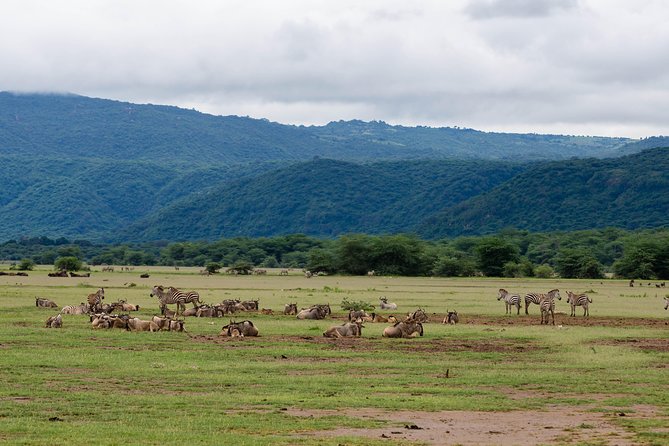
The main appeal here is simple: in four full safari days, you visit three of Northern Tanzania’s greatest wildlife areas. Tarangire brings close elephant encounters, Ngorongoro Crater packs animals into one remarkable setting, and Serengeti gives you wide-open country where lions, cheetahs, giraffes, and migrating herds may appear.
I like the private tour format, since your group can work with the guide on what to look for and how long to watch. I also like the practical setup: airport transfers, park fees, meals, lodges, bottled drinks, and a well-equipped Land Cruiser are included. The tradeoff is the price, $3,296.40 per person, and the long drives between parks. This is a fast, costly safari, not a slow rest holiday.
Key points to know before booking
- Four full safari days across three major parks: You cover Tarangire, Ngorongoro Crater, and central Serengeti in a compact schedule.
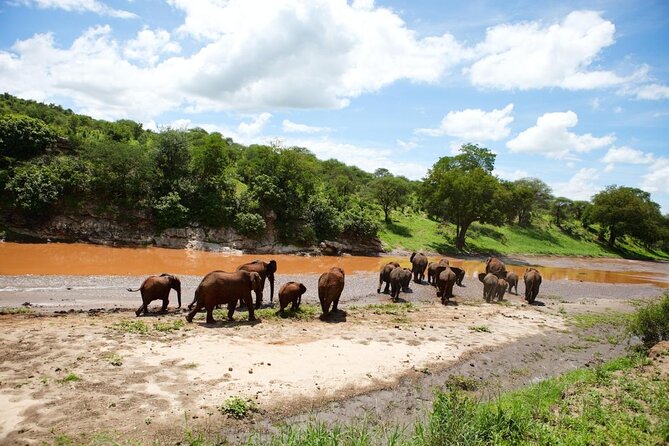
- Elephants are a Tarangire specialty: The park is especially strong from June to October and December to March, when the river draws large herds.
- Ngorongoro offers concentrated wildlife viewing: A crater game drive can put many different animals within a relatively small area.
- Serengeti receives two safari days: That extra time matters in a huge park where wildlife can be spread across great distances.
- The vehicle is built for safari: You ride in a Land Cruiser with a pop-up roof, refrigerator, power sockets, ergonomic seats, and one pair of binoculars per vehicle.
- The schedule is six days, not four: The four safari days are surrounded by arrival, departure, and overnight stays in Arusha.
What the six-day schedule really includes
The name of this experience can cause confusion. You receive four full days of wildlife viewing, but the complete program takes about six days.
Day one begins with pickup at Kilimanjaro International Airport, also called JRO. You are transferred to a hotel in Arusha, with Mount Meru Hotel listed as the planned stop. The hotel stay includes breakfast, but not other meals. Standard check-in begins at 2:00 PM, so an early arrival may require an extra charge for early check-in.
Day six is mainly a rest and departure day. You can use the hotel before your airport transfer, but check-out is at 10:00 AM. A late check-out may be arranged for an extra fee if your flight leaves later in the day.
This arrangement is useful if you are arriving after an international flight or combining the safari with a Kilimanjaro climb. Several people have also used Altezza for both a mountain trip and safari, which can make the airport transfers and hotel planning easier. Still, check your flight times carefully. You do not want to pay for an extra night simply because your arrival or departure falls outside the included hotel hours.
Other park itineraries that start in Moshi:
- Safari Serengeti And Ngorongoro
★ 5.0 · 288 reviews - Big Five Safari In Tanzania
★ 5.0 · 99 reviews - Unforgettable Tanzania Safari And Zanzibar Beach
★ 5.0 · 97 reviews
Day one in Arusha: a sensible soft landing
Arusha is the staging point for the northern Tanzania circuit. The first night keeps you from beginning a long park transfer immediately after an international flight.
Your airport pickup is included, and the company provides 24/7 phone and email support. That matters if your flight is delayed or your arrival plans change. The pickup location is flexible, so you can share your arrangements in advance.
Mount Meru Hotel is listed for the overnight stay, although accommodation can depend on the final program. Breakfast is included. Plan your own budget for drinks, additional meals, early check-in, and any hotel extras.
Day two in Tarangire: the best chance for elephant drama
After breakfast, pickup is planned for about 7:30 AM. The drive reaches Tarangire around 10:00 AM, giving you roughly seven hours in the park.
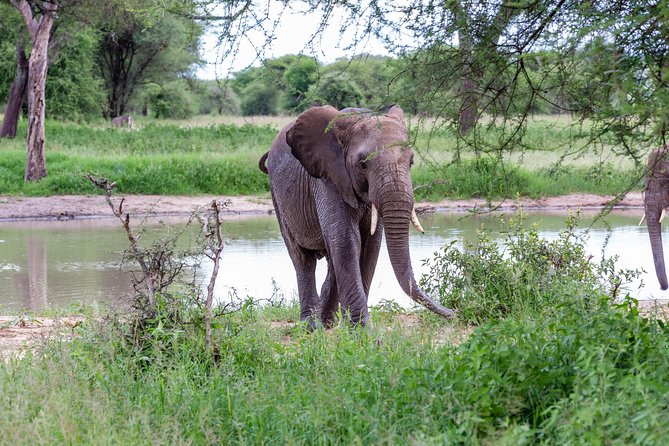
Tarangire is known for its elephant population, especially during dry periods. When nearby water sources shrink, the Tarangire River becomes a major draw, and large herds gather around it. June through October and December through March are highlighted as especially good periods for elephant viewing.
The appeal is not only the number of elephants. They often move close to safari vehicles and may feed, cross the road, or gather in family groups. Your guide should explain how to read their behavior and when to give them space. The fact that elephants are near the vehicle can feel thrilling, but it is still a wild-animal encounter. Follow the guide’s instructions and avoid sudden noise or movement.
Tarangire also gives you an early look at the rhythm of a safari day: several hours in a vehicle, frequent stops to watch animals, and a packed schedule shaped by park roads and wildlife movement. The seven-hour duration is a good amount of time, but it can feel long if you are not comfortable with rough roads or sitting for extended periods.
This first park is a strong choice for a short safari because it offers a clear visual payoff early in the trip. You do not have to wait until the Serengeti to see major wildlife.
Day three in Ngorongoro Crater: concentrated wildlife viewing
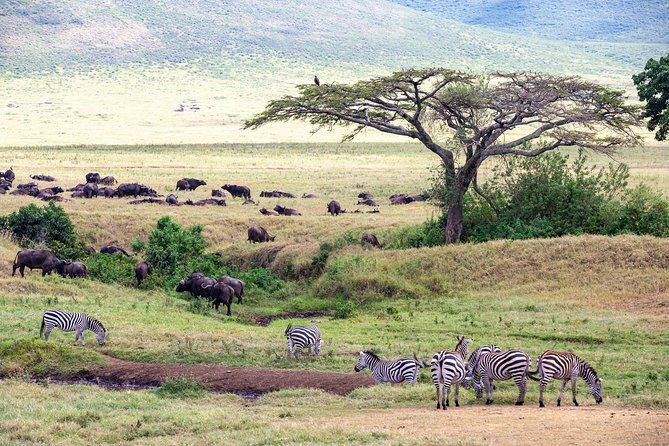
Ngorongoro Crater is the most compact and dramatic stop on the route. The road down into the crater takes about 30 minutes and passes through forest, giving you a change from Tarangire’s more open setting.
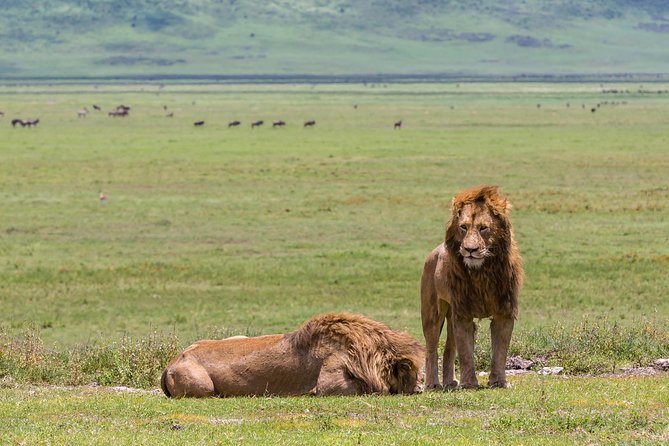
Once inside, you can expect a busy morning of wildlife viewing around the crater floor. The area supports a large variety of animals, and the enclosed geography can make sightings feel more concentrated than in a vast open park. Lions, buffalo, elephants, and other species may all appear, while the crater’s grassland and lake add variety to the scenery.
A picnic stop beside Lake Magadi breaks up the morning. This is practical as well as scenic. You get a chance to eat and rest without leaving the wildlife area, but you should remember that a picnic site is still part of a wild setting. Keep food packed away when instructed and follow the guide’s advice.
Ngorongoro can be one of the most rewarding days for first-time safari visitors because the setting makes it easier to understand how animals share one ecosystem. The possible drawback is that the crater is a popular destination, and the drive can be busy. You also have less freedom to wander than in an ordinary national park because the crater roads and approved routes shape the day.
The crater is not a guarantee of every Big Five animal. Rhino and leopard sightings are never certain, even on a strong itinerary. One person returned without seeing a leopard, which is a useful reminder that safari involves real wildlife, not a fixed checklist.
Other safaris people book out of Moshi:
- 8-Day Essence of Tanzania Safari – Luxury
★ 5.0 · 72 reviews - Great Migration Safari In Tanzania
★ 5.0 · 71 reviews - 6 Days 5 Night Safari
★ 5.0 · 57 reviews - 7-Day Magical Tanzania Safari -Premium High End Package
★ 5.0 · 53 reviews
Days four and five in Serengeti: why two days matter
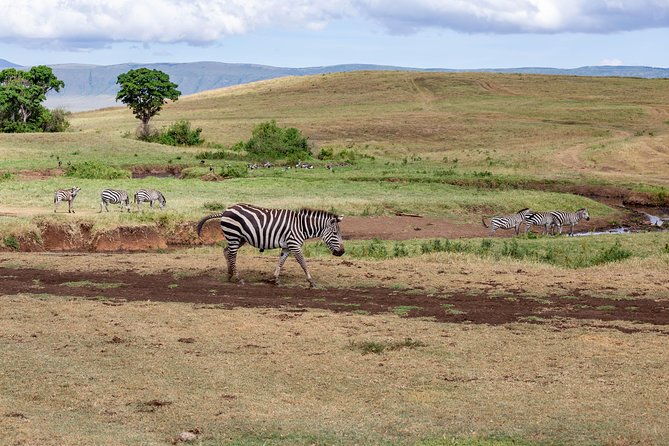
After breakfast, you head toward Seronera in central Serengeti. This is the heart of the park’s central area and the base for the first Serengeti game drive.
The schedule includes about seven hours of safari time. Around lunchtime, you may stop at the Serengeti Visitor Centre for a lunchbox and information about the park, its animal populations, and its past. The visitor center also offers a chance to see hyraxes, small mammals related to elephants.
You may instead return to camp for lunch and a short rest before heading out again later in the day. I like having this choice because safari can be tiring. A midday break is worthwhile if you have been on the road since early morning, while a full day out gives you more time to search for animals.
The second Serengeti day is important. The park is enormous, and wildlife can be spread over wide distances. Your guide can take you to different areas and search for new sightings rather than repeating the first day’s route. That extra day gives you a better sense of the park as a functioning ecosystem instead of treating it as one scenic stop.
The Serengeti is also the best part of the itinerary for people who dream of the Great Migration. Timing matters greatly, and this program does not promise that you will see a particular migration event. It does, however, place you in one of the world’s most important wildlife areas, recognized by UNESCO for its ecosystem, animal populations, and annual migration.
The program describes a return to Arusha by dinner after the second Serengeti day. That makes for a long travel day, and you should not expect a leisurely evening. The reward is that you finish the route without needing to arrange an additional transfer on your own.
The safari vehicle and daily comfort
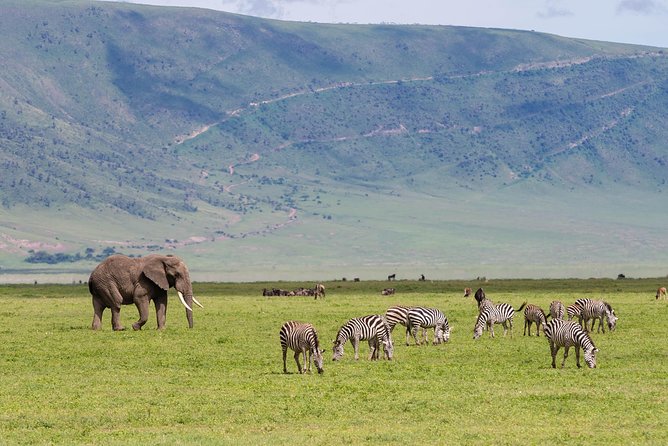
The included vehicle is a 2016 to 2022 Land Cruiser 4×4 with a pop-up roof. The roof is a major feature because it lets you stand or sit higher for better views and photographs while keeping you inside the vehicle.
Ergonomic seats help during long drives. A refrigerator keeps drinks cool, and power sockets are useful for phones and cameras. Bottled water, soft drinks, hot coffee, and tea are supplied in the jeep, though some lodges may charge separately for tea, coffee, and soft drinks.
One pair of binoculars is provided per car. That is helpful, but if you are serious about birding or distant animal viewing, you may prefer to bring your own pair. Free Wi-Fi is available in only 60 to 75 percent of the areas covered, so download important documents and entertainment before leaving Arusha.
Road conditions are part of the experience. One particularly apt description from a past itinerary called the bumpy ride free of charge. That is funny because it is true: even a good safari vehicle cannot turn rough park roads into a smooth highway. Pack light, keep cameras secure, and expect dust.
The guides make the difference
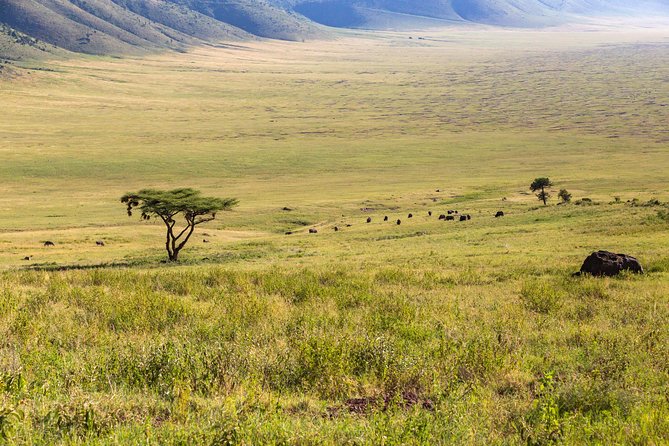
The tour includes a certified, experienced English-speaking safari guide. Names connected with this program include Fidelis, Noel, Aaron, Valance, Allan, and Cathbert, but your assigned guide will depend on the departure.
The strongest guide reports focus on three things: animal spotting, driving skill, and clear explanations. Fidelis is praised for finding a wide range of animals while handling rugged roads. Noel is described as friendly and good with wildlife identification. Aaron is noted for spotting animals and keeping the mood pleasant.
That combination matters. A guide is not only driving you from park to park. The guide decides where to stop, watches other vehicles, reads animal behavior, and helps you understand what you are seeing. On a short safari, these choices have a direct effect on your experience.
You should tell the guide early if you care most about elephants, cats, birds, photography, or the Big Five. The program says the driver will try to find the animals that interest you most, and a private group gives you more room to discuss those priorities.
Lodges, meals, and what is included
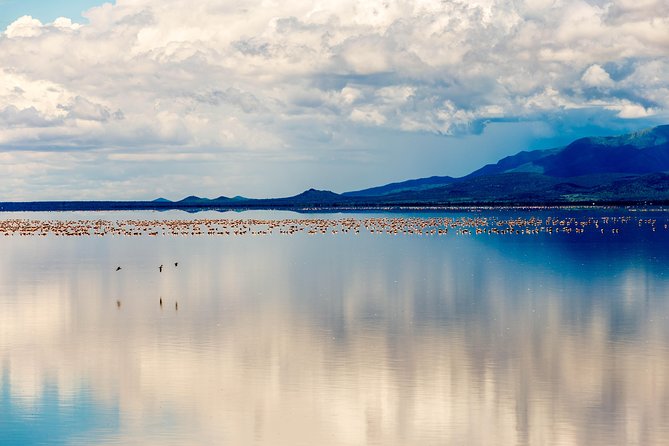
The package uses comfortable three and four-star lodges, including accommodation in Serengeti National Park. The exact lodge names are not supplied here, so confirm them before paying if location or style matters to you.
Five breakfasts, four lunches, and five dinners are included. The meal plan covers the main route, but alcohol is excluded. Some lodges may also charge separately for tea, coffee, and soft drinks, so ask your tour manager about the final accommodation list.
The practical advantage is that you do not need to arrange separate park permits, lodge bookings, or most meals. National park entry and concession fees are included for the full tour. A medical kit and AMREF Flying Doctors air ambulance service are also included, which provides an extra layer of emergency support, though it does not replace personal travel insurance.
Travel insurance is not included. You should arrange your own policy, especially one that covers safari activities, medical treatment, evacuation, trip interruption, and baggage.
Is $3,296.40 per person good value?
The price is high, but the package includes many costs that can add up quickly: airport transfers, two Arusha hotel stays, safari lodges, park and concession fees, four lunches, five breakfasts, five dinners, a private safari vehicle, guide services, drinks in the vehicle, and support before and during the trip.
The real value depends on how many people share the vehicle and how much you value convenience. A private tour is more expensive than joining a large shared departure, but you gain control over the pace and interests of your group. The price also covers three major destinations instead of one park.
The drawback is that four safari days require a lot of driving. You are paying for access to famous parks, but you are also spending part of each day moving between them. If you have more time, a longer itinerary could feel less rushed. If your schedule is tight, this route gives you a strong northern Tanzania overview in a manageable format.
Who should book this safari?
I would recommend it to first-time safari visitors who want the classic northern Tanzania combination and have limited vacation time. It also suits families, couples, and small private groups that want a guide focused on their own interests.
It is a sensible add-on after Kilimanjaro, since the same company can handle airport transfers, hotels, and the change from climbing to wildlife viewing. Families should note that the program says most people can participate, but the long drives and rough roads may test younger children.
I would hesitate if you dislike early starts, dusty roads, long vehicle days, or uncertain wildlife sightings. I would also compare longer safari options if you want a relaxed pace or have a specific migration sighting in mind.
The cancellation terms are worth reading before you commit. A full refund is available when you cancel at least six full days before the start time. Cancellation two to six days ahead receives 50 percent, while cancellation less than two days ahead is nonrefundable. Changes follow the same cutoffs.
Should you book it?
Book this safari if you want Tarangire, Ngorongoro, and Serengeti in one tightly organized trip, with the major costs handled in advance and a private guide at your disposal.
Skip it if you want slow travel, luxury lodging beyond the listed three and four-star level, or a guarantee of seeing every member of the Big Five. Wildlife is unpredictable. That is part of the point, but it is also the reason to choose this trip for its strong park selection and experienced guiding rather than for a promised animal checklist.
FAQ
How long does the full experience take?
The program lasts about six days, including arrival and departure days. It provides four full days of safari in Tarangire, Ngorongoro Crater, and Serengeti.
Where does the safari begin?
The experience begins with pickup at Kilimanjaro International Airport, also called JRO, followed by a transfer to a hotel in Arusha.
What time does the safari pickup begin?
On the first safari morning, pickup from the hotel is planned for about 7:30 AM after breakfast. The listed meeting start time is 9:00 AM, so confirm the exact pickup time with the tour manager.
Is the tour private?
Yes. Only your group participates in the activity.
Which national parks and conservation areas are included?
The route includes Tarangire National Park, the Ngorongoro Conservation Area and Crater, and Serengeti National Park.
Are park fees included?
Yes. National park entry fees and concession fees for the full tour are included.
What type of vehicle is used?
The safari uses a Land Cruiser 4×4 from the 2016 to 2022 range, with a pop-up roof, ergonomic seats, a refrigerator, and power sockets.
Are meals included?
Yes. The package includes five breakfasts, four lunches, and five dinners.
Is travel insurance included?
No. Travel insurance is not included. The package does include AMREF Flying Doctors air ambulance service and a medical kit.
Can I cancel for a full refund?
Yes, if you cancel at least six full days before the experience start time. Cancellation two to six days before the start receives a 50 percent refund, while cancellation less than two days before the start is nonrefundable.
Just added in Moshi
- Kilimanjaro Airport Private Transfer from/to Moshi★ 5.0 · 14 reviews
- 6 Days Machame route Kilimanjaro climbing★ 5.0 · 22 reviews
- 7 Days Highlight of Tanzania Mid-Range Standard★ 5.0 · 22 reviews
- 4 Day Mid-range Serengeti Safari★ 5.0 · 22 reviews
- Kilimanjaro Climbing 5 days Marangu route★ 5.0 · 22 reviews
- The 6 Days Kilimanjaro Climbing Tour via Machame Route in 2025/26★ 5.0 · 23 reviews
- 6-Day Kilimanjaro Climbing Via Machame Route★ 5.0 · 23 reviews
- 9-Day Enchanting Tanzania Safari -High End All Inclusive★ 5.0 · 27 reviews
Safari Tours, compared.
Serengeti Balloon Safari and authentic bush breakfast
Read our review →
Mikumi Safari Day Trip with Flights and Meal
Read our review →
3 Days Serengeti & Ngorongoro Group Camping Safari
Read our review →
7-Day Premium Luxury Tanzania Safari All-Inclusive
Read our review →
Safari Blue Lagoon Trip with Snorkeling and Lunch
Read our review →
Browse the lists this tour appears in