Reviewed · SAFARI TOURS
3 days leopard safaris
The main draw here is the chance to combine Serengeti’s open plains with the wildlife-packed Ngorongoro Crater in only three days. I like the private format, which means your group can focus on animal sightings rather than follow a fixed schedule made for strangers. I also like that the route passes through Ngorongoro Conservation Area on the way in, turning the drive itself into part of the safari.
The tradeoff is time. You spend long hours on the road, and two nights at Seronera public campsite mean simple facilities rather than lodge comfort. If you want a focused, private safari with camping and a strong wildlife itinerary, this is a good fit. If you want leisurely transfers or guaranteed leopard sightings, you may want more days.
Key points at a glance
- Three major safari areas in three days: Travel through Ngorongoro Conservation Area, spend time in central Serengeti, and finish inside Ngorongoro Crater.
- Private travel for your group: The vehicle and activity are private, so your guide can respond to wildlife sightings and your interests.
- Two game drives in Serengeti: You get an afternoon drive on the first day and a full day in central Serengeti on the second.
- Camping at Seronera: Two nights at the Serengeti Seronera public campsite keep costs down but offer a basic overnight experience.
- Guides with strong personal recommendations: Hamisi, Hussein, and Makenzi are among the guides associated with especially warm feedback for clear explanations and friendly service.
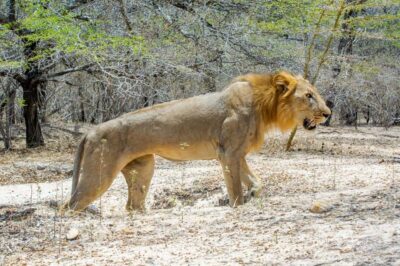
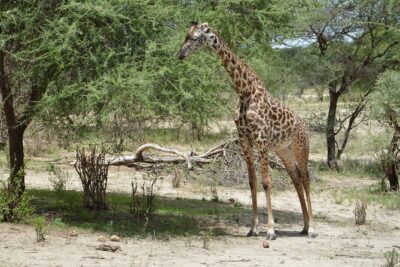
- Good wildlife range: The route can bring you near buffalo, wildebeest, elephants, giraffes, gazelles, lions, leopards, hippos, and the endangered black rhinoceros.
Why this short safari works
At $1,276.93 per person, this is not a budget day trip. Still, the price covers private transportation, parking fees, bottled water, two dinners, three breakfasts, and two lunches. It also gives you access to two of Tanzania’s most famous wildlife areas without asking you to organize park transport, meals, or route planning yourself.
I see the strongest value in the private arrangement. You are not simply buying a ride to a park. You are paying for a guide, a vehicle, park access arrangements, and the ability to spend your limited time looking for animals instead of sorting out the route. The trip is also designed around the seasonal movement of herds, which matters in Serengeti, where animal locations change with the rains.
The camping setup helps explain the price. You sleep at the Seronera public campsite rather than in a permanent lodge. That keeps the trip closer to the basics and may appeal if you want the sound and feel of a safari camp, but it is worth being honest about the comfort level. The supplied details do not describe private tent facilities or upgraded bedding, so you should confirm the exact camping arrangements before paying.
Other park itineraries that start in Arusha:
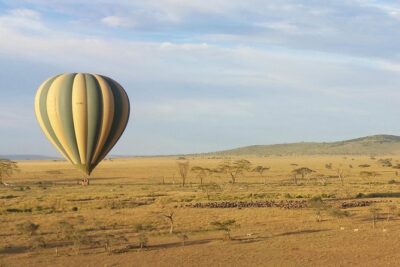
- Serengeti Balloon Safari and authentic bush breakfast
★ 5.0 · 2,480 reviews - Balloon Safari & Bush Breakfast in Serengeti – Miracle Experience
★ 5.0 · 1,646 reviews - 4 Days Group Camping Safari
★ 5.0 · 1,101 reviews
Day 1: The long road from Arusha to Serengeti
Your pickup is in Arusha at 8:00 am. The first day is mainly about reaching Serengeti, but it is not a dull transfer. You drive through Ngorongoro Conservation Area, with game viewing along the way, before reaching Serengeti in the early afternoon.
That route gives you an early taste of northern Tanzania. The conservation area is not just a corridor between Arusha and the national park. It is a major safari region in its own right, and the route offers the possibility of seeing animals before the main Serengeti drive begins.
Once inside Serengeti, the pace changes. You continue with a game drive until sunset, when the low light can make the plains and animals especially striking. The exact sightings will always depend on the day, but the stated wildlife range is broad: buffalo, wildebeest, elephants, giraffes, eland, impala, Grant’s gazelle, lions, leopards, and other species may appear.
This first afternoon is valuable because it gives you immediate time in the park. The drawback is that it follows a long morning and early afternoon on the road. You should expect a full day, not a gentle arrival followed by a restful evening.
Dinner is at the Seronera public campsite. Seronera is central to the park and useful as a base for the next day’s game drive. The practical benefit is location. The less comfortable part is the public camping setup, which may feel basic if you are used to safari lodges.
Day 2: A full day in central Serengeti
The second day is the heart of the safari. You spend the whole day on a game drive in central Serengeti, with the route shaped by the location of the herds.
This flexibility is important. The animals do not arrange themselves around a tourist timetable, and the great wildebeest movement changes with the rains. During the shorter rains in November and December, herds move from the northern hills toward the southern plains. During the longer rains from April to June, they move north again.
That does not mean you should book this trip only during migration periods. Central Serengeti can offer a wide range of wildlife throughout the year, and your guide will decide where to look based on current conditions. Still, if the migration is your main goal, ask how the expected seasonal movement fits your dates before booking. Rainfall changes from year to year.
A full day in one region is better than rushing through several parks. You have more time to search for predators, watch grazing herds, and wait when an animal is behaving in an interesting way. That patience can matter more than simply counting species.
The central area is also a sensible place to focus on leopard sightings, since the trip is marketed around leopards. But no ethical safari can promise a leopard. You may see lions more easily, while leopards can remain hidden or appear briefly. Your guide’s local judgment is a major part of the experience, which is why the personal service matters here.
You may also visit the Serengeti Visitor Centre. It explains the park’s background and research carried out by the Frankfurter Zoological Society. This is a worthwhile option if you want more than animal photographs. It adds context about conservation and the work behind protecting the park.
You spend the second night at Seronera public campsite. Since both nights use the same campsite, you avoid packing up for a different overnight stop after the first day. That is a small but useful advantage on a fast three-day schedule.
Day 3: Ngorongoro Crater and the Big Five
After breakfast, you leave for Ngorongoro Crater. The first view from the panoramic viewpoint is one of the most memorable parts of this route. From above, the enormous caldera appears almost self-contained, with open grassland, woodland, water, and wildlife below.
The crater is often called Africa’s Eden and the Eighth Natural Wonder of the World. Those grand labels can sound excessive, but the setting does make a strong impression. You are looking into a vast natural bowl with a high chance of seeing several major African mammals in one game drive.
The stated wildlife count includes more than 120 mammal species, including the Big Five. The crater is especially noted for black rhinoceros, which may be seen feeding alone on the grass plains. Hippos gather around the water, and the open-top vehicle gives you a clear position for viewing and photography.
The crater is not only about rare animals. The appeal is the concentration and variety. Within a relatively contained area, you might see large herbivores, predators, birds, and hippos during the same outing. That makes Ngorongoro a strong final stop, especially for a first safari in Tanzania.
There is also a practical cost to this day. You begin with breakfast and a transfer from Serengeti, then continue with a crater game drive. It is another demanding day in the vehicle, and the trip details do not state the exact finishing time or drop-off point. Confirm those details if you have a flight, hotel booking, or onward transfer after the safari.
Other safaris people book out of Arusha:
- 5 Days Group Camping Safari
★ 5.0 · 730 reviews - 3 Days Serengeti & Ngorongoro Group Camping Safari
★ 5.0 · 574 reviews - 7-Day Premium Luxury Tanzania Safari All-Inclusive
★ 5.0 · 426 reviews - 3-Day Classic Serengeti Safari
★ 5.0 · 263 reviews
The guides can shape the whole experience
A safari vehicle is only part of the equation. Your guide decides how much time to spend at a sighting, explains what you are seeing, and watches for movement that you might miss.
Hamisi has been praised for being a mine of information, which is the sort of quality that makes a long drive feel useful rather than merely necessary. Hussein has guided the Arusha to Ngorongoro route and pointed out the Great Rift Valley, a geological feature extending from Lebanon toward Mozambique. Makenzi has been described as kind and family-oriented. These names do not guarantee who will lead your departure, but they give you useful examples of the company’s guiding style.
You can also ask before departure who your guide will be and how the guide handles wildlife sightings. On a private tour, clear communication is easier, and you can say if you prefer more time with animals, more photography stops, or a visit to the Serengeti Visitor Centre.
What is included, and what you still need to plan
The package includes private transportation, parking fees, bottled water, two dinners, three breakfasts, and two lunches. Those inclusions cover the main practical needs of a three-day road safari.
Alcoholic drinks are not included. You should also ask for a precise list of camping equipment and confirm what personal items you need to bring. The description confirms public campsite accommodation but does not explain the tent, sleeping gear, shower, or toilet arrangements.
The 8:00 am Arusha start is helpful, but the first day is long. Wear practical clothing, bring sun protection, and keep any essential medication in your day bag rather than packed away. The information confirms bottled water, but you may still want to ask about refill arrangements for the full drive.
The tour is private, and most people can participate. Pickup is offered, and a mobile ticket is available. Public transportation is nearby, but that is not especially important if you are using the included private vehicle.
Is $1,276.93 fair for three days?
The price makes the most sense for someone who values privacy and wants the two major wildlife settings covered in a compact trip. Private transport alone can make a short safari more efficient, since you are not waiting for another group or adjusting your plans around strangers.
You are also getting a route that would be difficult to reproduce casually: Arusha to Ngorongoro Conservation Area, Serengeti, central Serengeti game viewing, and Ngorongoro Crater. The included meals and water reduce the number of small expenses that can add up on a road trip.
The weaker value appears if you mainly want luxury or extra time. Two public campsite nights are not a substitute for a lodge, and three days leaves little room for delays, poor weather, or slow wildlife encounters. If leopard photography is your top priority, adding days would give you more chances and reduce the pressure of the schedule.
The company offers free cancellation up to 24 hours before the start time for a full refund. Cancellations within 24 hours are not refunded, and changes in that period are not accepted. Since the experience requires good weather, a weather cancellation brings the choice of another date or a full refund.
Who should book this safari?
I would recommend it to a first-time safari-goer who wants Serengeti and Ngorongoro in one private trip. It also suits couples, families, and small groups who prefer a flexible vehicle and do not mind basic camping.
It is a good match if you care about wildlife variety, guide interaction, and seeing major parks rather than spending your nights in luxury. The combination of a sunset drive, a full central Serengeti day, and a crater visit gives you a lot in a short time.
I would hesitate if you dislike long drives, need high-end accommodation, or have a strict flight connection immediately after Day 3. I would also choose a longer safari if your main aim is a particular leopard sighting or extended time following the migration.
FAQ
Where does the safari start?
The safari starts in Arusha, Tanzania.
What time does pickup begin?
The stated start time is 8:00 am.
How long does the safari last?
The experience lasts approximately three days.
Is transportation private?
Yes. Private transportation is included, and only your group participates in the activity.
Which parks and conservation areas are included?
The route passes through Ngorongoro Conservation Area, includes Serengeti National Park, and visits Ngorongoro Crater.
Where do you stay in Serengeti?
The itinerary specifies two nights at the Serengeti Seronera public campsite.
Are meals included?
Yes. The package includes two dinners, three breakfasts, and two lunches.
Is bottled water included?
Yes. Bottled water is included.
Are alcoholic drinks included?
No. Alcoholic beverages are not included.
Can you cancel for a full refund?
Yes, if you cancel at least 24 hours before the experience start time. Cancellations within 24 hours are not refunded. If poor weather causes the operator to cancel, you are offered another date or a full refund.
Just added in Arusha
- 4 Days Private Midrange Lodge Safari to Serengeti & Ngorongoro★ 5.0 · 4 reviews
- Extraordinary Hot air Bolloon ride in Serengeti | BURIGI CHATO SAFARIS CO L.T.D★ 5.0 · 6 reviews
- 8 Days Serengeti Migration safari★ 5.0 · 11 reviews
- tarangire, ngorongoro & lake manyara park 3 days private tour★ 5.0 · 11 reviews
- tarangire & ngorongoro 2 days tour★ 5.0 · 14 reviews
- Mt. Kilimanjaro: Shira plateau to Cathedral point 3872m Day hike★ 5.0 · 7 reviews
- serengeti, ngorongoro & tarangire 4 days private tour★ 5.0 · 18 reviews
- Waterfall & Coffee Walking Tour★ 5.0 · 6 reviews
Safari Tours, compared.
Serengeti Balloon Safari and authentic bush breakfast
Read our review →
Mikumi Safari Day Trip with Flights and Meal
Read our review →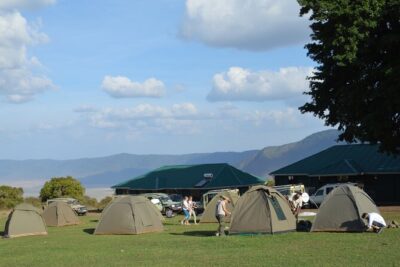
3 Days Serengeti & Ngorongoro Group Camping Safari
Read our review →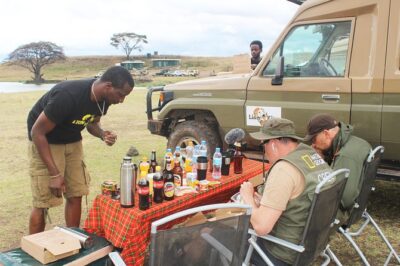
7-Day Premium Luxury Tanzania Safari All-Inclusive
Read our review →
Safari Blue Lagoon Trip with Snorkeling and Lunch
Read our review →