
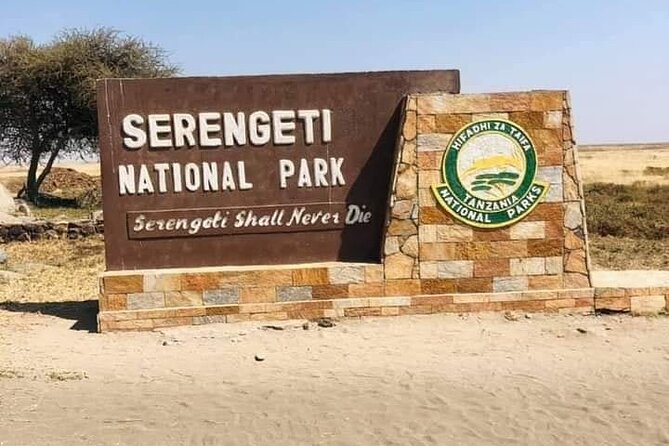
Reviewed · NGORONGORO CRATER TOURS
4 Days /3 nights Tarangire, Serengeti and Ngorongoro crater
Tarangire gives you one of Tanzania’s best elephant encounters, with herds moving beneath huge baobab trees and across dry country. Then the road leads to the endless Serengeti plains, followed by a full game drive inside Ngorongoro Crater, where about 30,000 animals live in a compact natural bowl.
I like the range packed into four days, especially the contrast between Tarangire’s baobabs, Serengeti’s open views, and Ngorongoro’s dense wildlife. I also like the small maximum group of six and the careful trip planning offered by Adam, who answers questions and shapes the days around your interests.
The tradeoff is time. You spend long stretches on the road, and the itinerary includes three nights at campsites rather than clearly defined lodges. At $980 per person, you should confirm the exact campsite standard and what park fees or transport costs are included before paying.
Key points to know before booking
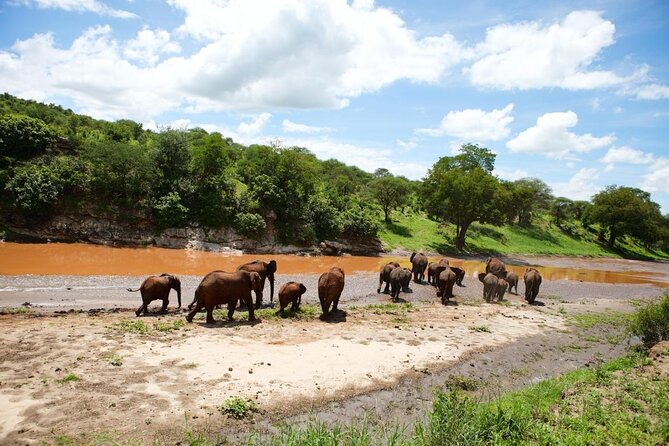
- Tarangire is the elephant specialist: Large herds and giant baobabs are the park’s main draw, with good wildlife viewing throughout the year.
- Serengeti requires a long transfer: The reward is a full afternoon around Seronera, one of the park’s best-known wildlife areas.
- Ngorongoro offers dense viewing: The crater floor can bring buffalo, zebra, wildebeest, hippo, predators, flamingos, and a chance of black rhino in one day.
- The group is capped at six: That is a useful size for a safari vehicle, especially when you want room for views and photography.
- Four lunches are included: Breakfast, dinner, and lunch are provided for all four days, while airfare and travel insurance are not.
- The return to Arusha is late: The final drive is expected to arrive around 5 p.m., so avoid booking a tight onward connection.
Three parks, three very different safari moods
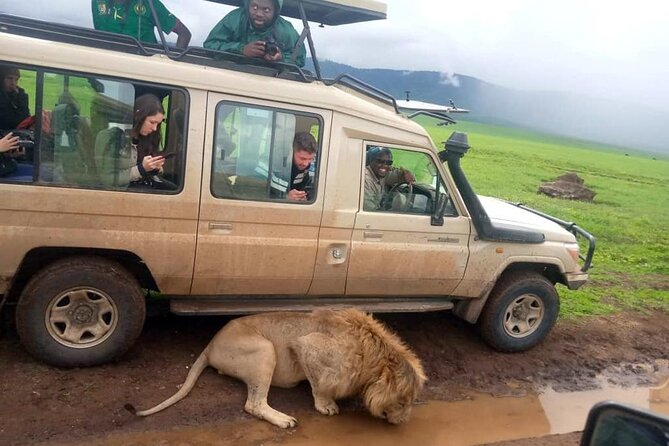
This route works because each park offers something different. Tarangire is about elephants and striking trees. Serengeti is about scale, open country, and the chance of seeing many species spread across a huge area. Ngorongoro is about concentration, with a remarkable number of animals gathered inside an old volcanic crater.
You begin and end in Arusha, Tanzania’s main northern safari base. Pickup is offered, and the group size is limited to six people. That cap matters. Safari drives can involve long periods of waiting and scanning, so a smaller vehicle group gives you a better chance of choosing your side of the vehicle and keeping sightlines clear.
The advertised price is $980 per person. That is a substantial but potentially useful package for a four-day route covering three major protected areas, daily game drives, four lunches, three breakfasts, and three dinners. The value depends heavily on the campsite arrangements and the park charges included in your booking details. I would ask for the campsite names, vehicle type, guide details, and a written list of included fees before confirming.
Other trips down into the crater from Arusha:
- 3 Days Serengeti & Ngorongoro Group Camping Safari
★ 5.0 · 574 reviews - 5 Days Camping Tarangire, Serengeti & Ngorongoro crater & Visiting Maasai
★ 5.0 · 229 reviews - 4 Days Join Group tour Tarangire Serengeti and Ngorongoro crater
★ 5.0 · 219 reviews
Day 1: elephants and baobabs in Tarangire
After breakfast, you leave for Tarangire National Park. The stated drive and game-drive schedule takes about seven hours, with a picnic lunch in the park and a late-afternoon return to the campsite.
Tarangire is known for its large elephant population. The park forms part of an annual movement that can include up to 3,000 elephants, 25,000 wildebeest, and 30,000 zebras. Those figures describe a broad seasonal cycle rather than a promise for one day, but they explain why Tarangire is such a strong first stop.
The baobab trees are another reason this park feels different. Their thick trunks and wide shapes give the scenery a dramatic look, and they are closely linked with the elephant experience here. You may see elephants feeding near the trees, moving in family groups, or crossing the open ground beside the vehicle.
I like starting with Tarangire because it offers a clear safari focus right away. You do not need to wait for the Serengeti to begin seeing wildlife, and the park’s trees give your first game drive a distinct sense of place.
The drawback is that a full park day can be tiring, especially after the transfer from Arusha. Picnic meals are practical, but they are not the same as a long restaurant lunch. Bring water, sun protection, and patience for the road sections between sightings.
Dinner and overnight accommodation are at a campsite. Since the information does not name the campsite or describe the facilities, ask if you need a private bathroom, electricity, bedding details, or a particular level of comfort.
Day 2: crossing the highlands into the Serengeti
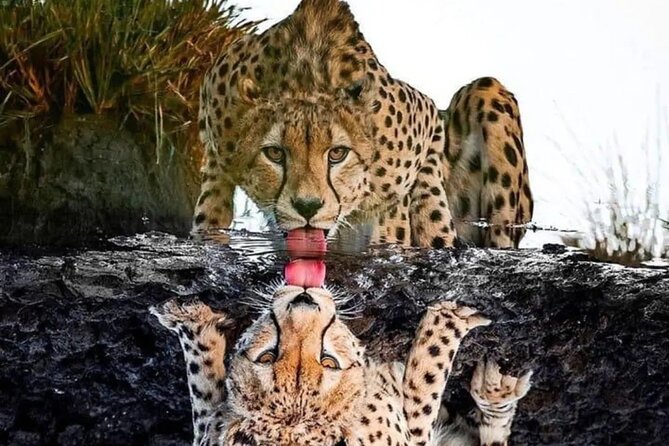
Day two begins after breakfast with the drive toward Serengeti National Park. The route passes through the high farmland around Karatu and the Ngorongoro Conservation Area before dropping toward the open country of the Serengeti.
This is one of the longer, more scenic transfer days. You leave the higher ground behind and enter a much wider setting, where the views stretch far beyond the road. The sense of distance is part of the experience, but it also means you should not expect constant animal sightings during the drive.
The route aims for the Seronera area in central Serengeti. Seronera is known for the Seronera River, a water source that draws wildlife and supports a broad mix of species. The plan is to arrive around lunchtime, then take an afternoon game drive.
That timing gives you a useful first look at the central Serengeti without spending the entire day in the vehicle. The open plains can feel almost startling after Tarangire’s thicker tree cover and baobabs. You may scan for animals over a wide distance, then suddenly find that a small shape is a zebra, wildebeest, or predator.
I would keep expectations sensible here. The Serengeti is huge, and no short safari can cover it all. Central Serengeti gives you a strong general introduction, but the exact animals you see depend on the day, season, water, and guide decisions.
You spend the night at a campsite after dinner. The day is listed at about seven hours, though actual timing can shift with road conditions, wildlife stops, and the distance to camp. The trip information does not provide a named camp or detailed room description, so confirm those points if comfort is a priority.
Day 3: a final Serengeti drive and the road to Ngorongoro
After breakfast, you take a morning game drive in Serengeti before heading toward Ngorongoro with a packed lunch. This is a smart use of the morning, when you have another chance to see wildlife around the central park area before leaving.
The day is described as about six hours, including the drive and game viewing. It is not a full second day in the Serengeti, so you should see this as a final morning chance rather than a complete exploration of the park.
The trip then moves toward Ngorongoro. The change in setting is part of the appeal. You go from the broad Serengeti plains toward the crater region, with the road linking two of northern Tanzania’s best-known wildlife areas.
Lunch is carried with you, which keeps the schedule moving. That is helpful on a safari where each transfer can take much of the day. It also means you should plan for simple meals rather than a polished dining experience.
Dinner and another campsite night follow. This makes the third day another fairly active one, with a morning drive, a long transfer, and a new overnight location. I would treat this as a day for flexibility. The guide may need to adjust the exact timing based on road conditions and the pace of the morning wildlife viewing.
Other Serengeti itineraries out of Arusha:
- Serengeti Balloon Safari and authentic bush breakfast
★ 5.0 · 2,480 reviews - Balloon Safari & Bush Breakfast in Serengeti – Miracle Experience
★ 5.0 · 1,646 reviews - 5-Day Highlights mid-Range Crater, Serengeti, Tarangire
★ 5.0 · 296 reviews - 3-Day Classic Serengeti Safari
★ 5.0 · 263 reviews
Day 4: wildlife concentrated inside Ngorongoro Crater
The final day brings the major Ngorongoro Crater game drive. After breakfast, you descend into the crater with a lunch box and spend the day on the crater floor before driving back to Arusha.
Ngorongoro is special because its steep walls hold a large number of animals in a relatively compact area. The crater has year-round water and grazing, supporting wildebeest, zebra, buffalo, eland, warthog, hippo, and elephants. The area is also known for lions, hyenas, jackals, cheetahs, and the difficult-to-spot leopard.
There is also a chance of seeing one of Tanzania’s remaining black rhinos. No guide can promise a sighting, but the crater is one of the places where that possibility forms part of the appeal.
Lake Magadi is another named feature of the visit. It may bring flamingos, adding a different kind of wildlife scene to the larger mammals on the crater floor. You can also expect the day to feel busy, since Ngorongoro is a compact and popular safari setting.
The crater makes a powerful final stop because it gives you a broad list of possible sightings in one place. You may see buffalo and zebra close to the road, watch hippos in water, and scan the open areas for predators. The setting itself is memorable, with the crater walls surrounding the wildlife area.
After the picnic lunch and afternoon game viewing, you drive back to Arusha. Arrival is expected around 5 p.m. The return time is useful for an evening in town, but I would not book a same-day flight or any connection that cannot tolerate delays.
What the small group adds
The maximum group size is six people. That is not a private safari, but it is small enough to feel more manageable than a large coach-style outing.
A smaller group can help with practical matters. You have fewer people sharing the vehicle’s viewing space, fewer competing requests when an animal appears, and a better chance of hearing the guide clearly. It can also make long drives less awkward.
The experience still depends on the vehicle layout and seating arrangement, which are not specified. Ask how seating is assigned and if window access is guaranteed. This matters most on game drives, when everyone wants a clear view at the same time.
The role of planning and communication
Adam is specifically associated with answering questions and shaping the days around personal interests. That kind of communication is useful before a safari because the route includes several details worth confirming, from campsite standards to pickup arrangements.
The service is described as strong from the first contact through the trip, with attention to planning and clear communication. The guide is also praised for driving and for explaining the safari experience in an informed way.
You should still ask direct questions before departure. Confirm the pickup point in Arusha, the vehicle setup, the names and locations of the campsites, the exact park fees included, and the planned route between parks. Good communication is most useful when it turns vague promises into clear details.
Meals, campsites, and comfort
The package includes three breakfasts, three dinners, and four lunches. That covers the basic meal pattern for four days, including picnic lunches during park drives and transfers.
The supplied details do not describe the menus, drinks, bathrooms, bedding, or electricity at the campsites. Those omissions do not automatically make the trip poor value, but they do make comfort harder to judge from the price alone.
If you enjoy a practical safari and are comfortable with camping, this arrangement may suit you well. If you want lodge rooms, private bathrooms, or a quieter evening after long drives, ask for an upgrade option or a full accommodation description.
The days also begin early enough to make breakfast and game drives fit together, with general meeting and departure hours listed between 8 a.m. and 10:30 a.m. Exact pickup time should be confirmed when you book.
Who will get the most from this safari
I would recommend this trip to someone who wants the classic northern Tanzania route in a short window. You get elephants in Tarangire, the wide Serengeti, and the dense wildlife of Ngorongoro without needing to arrange three separate park visits.
It suits first-time safari visitors who want a planned route and included meals. The small group is also helpful for couples, friends, or families who prefer not to share a large vehicle.
It is less suitable if you dislike long road transfers, need a relaxed pace, or want detailed control over accommodation. The itinerary covers a lot of ground in four days, and three nights at campsites may feel basic depending on the facilities.
The trip has received a top overall rating from five submitted evaluations, with particular praise for communication, service, planning, driving, and value. Those are the areas I would place the most weight on here, since the route itself is a well-known northern Tanzania circuit.
Price, practical details, and cancellation
At $980 per person, the cost includes breakfast, dinner, and lunch for the four-day schedule, plus the organized game drives and transport described. Pickup is offered, and most people can participate. The tour is also near public transportation, though you should still confirm your exact meeting point.
Airfare and travel insurance are not included. The booking confirmation is issued at the time of reservation, and the maximum group size is six.
Free cancellation is available if you cancel at least 24 hours before the start time. Cancellations made within 24 hours are not refunded, and late changes are not accepted. The cutoff follows local Tanzanian time.
Should you book this safari?
Book it if you want three major northern Tanzania parks in four days, value a small group, and are comfortable with long drives and campsite accommodation. The best reasons are the elephant focus in Tarangire, the central Serengeti game drive, and a full Ngorongoro Crater visit on the final day.
Before booking, get the campsite names, vehicle details, guide arrangements, and included park charges in writing. If those details meet your comfort level, $980 can be a sensible price for a compact safari with meals and a carefully planned route.
FAQ
Where does the safari begin and end?
The safari is based in Arusha, Tanzania. Pickup is offered, and the final drive returns to Arusha at about 5 p.m. on day four.
How long is the experience?
The safari lasts four days and three nights.
Which national parks are included?
The route visits Tarangire National Park, Serengeti National Park, and Ngorongoro Crater.
How many people can join the tour?
The maximum group size is six people.
What meals are included?
The package includes three breakfasts, three dinners, and four lunches.
Are airfare and travel insurance included?
No. Airfare and travel insurance are not included in the stated price.
Is accommodation provided at campsites?
Yes. The plan includes campsite overnights, but the supplied details do not name the campsites or describe their facilities.
Can I cancel for a full refund?
Yes, if you cancel at least 24 hours before the experience starts. Cancellations made less than 24 hours before the start time are not refunded.
More Tarangire safaris from Arusha
- Private 6-Day Tarangire Manyara Crater and Serengeti with Mid-Range Lodges
★ 5.0 · 238 reviews - 4-Day Safari from Arusha: Tarangire, Serengeti and Ngorongoro
★ 5.0 · 173 reviews - 2 Days Tarangire and Ngorongoro Group Camping Safari
★ 5.0 · 146 reviews - 4 Days Tarangire Serengeti Ngorongoro Crater
★ 5.0 · 117 reviews
Just added in Arusha
- 4 Days Private Midrange Lodge Safari to Serengeti & Ngorongoro★ 5.0 · 4 reviews
- Extraordinary Hot air Bolloon ride in Serengeti | BURIGI CHATO SAFARIS CO L.T.D★ 5.0 · 6 reviews
- 3 days leopard safaris★ 5.0 · 4 reviews
- 8 Days Serengeti Migration safari★ 5.0 · 11 reviews
- tarangire, ngorongoro & lake manyara park 3 days private tour★ 5.0 · 11 reviews
- serengeti, ngorongoro & tarangire 4 days private tour★ 5.0 · 18 reviews
- tarangire & ngorongoro 2 days tour★ 5.0 · 14 reviews
- Mt. Kilimanjaro: Shira plateau to Cathedral point 3872m Day hike★ 5.0 · 7 reviews
Ngorongoro Crater Tours, compared.
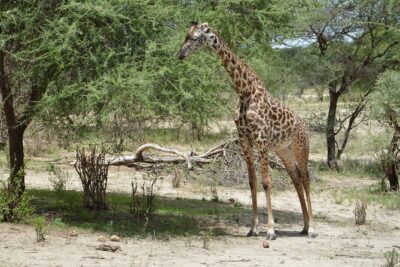
3 Days Serengeti & Ngorongoro Group Camping Safari
Read our review →
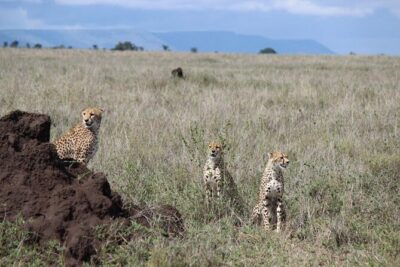
4-Day Safari from Arusha: Tarangire, Serengeti and Ngorongoro
Read our review →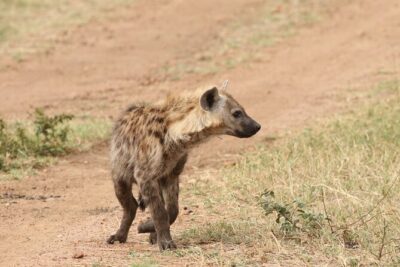
2 Days Tarangire and Ngorongoro Group Camping Safari
Read our review →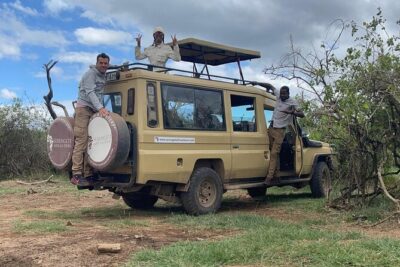
3 Days Private Safari – manyara, Ngorongoro & Tarangire
Read our review →
5 Days Tanzania Group Joining Safari, Tarangire/Serengeti/Ngorongoro Crater
Read our review →
4 Days Tarangire, Serengeti and Ngorongoro Mid-Range Group Safari
Read our review →Browse the lists this tour appears in