
Reviewed · SERENGETI SAFARIS
SERENGETI NATIONAL PARK Tour
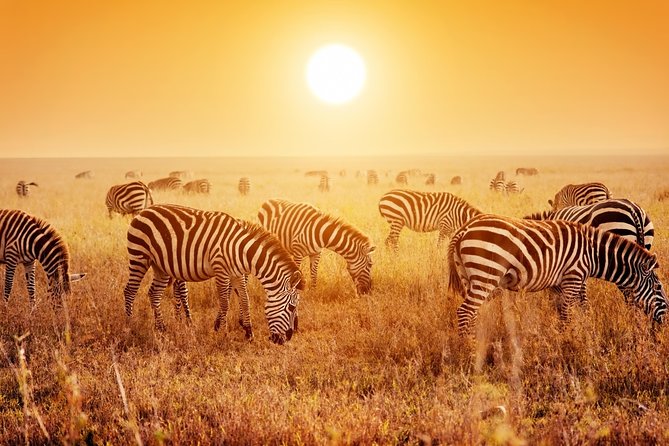
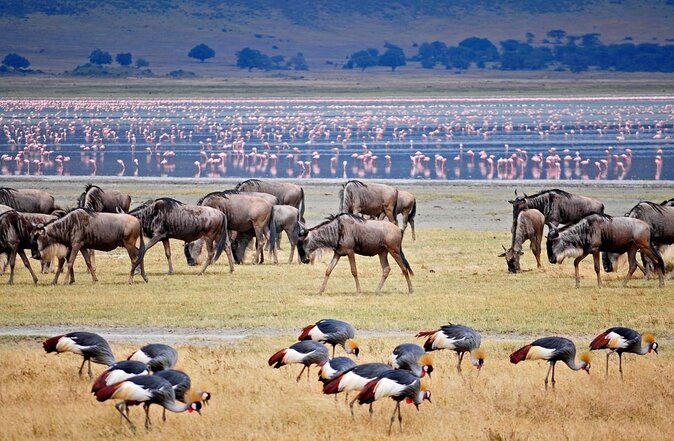
The main attraction here is the chance to follow the Great Migration across several parts of Serengeti National Park. You spend most of the trip inside the park, rather than treating it as a quick stop, with possible sightings of wildebeest, zebra, lions, cheetahs, leopards, hippos, and crocodiles.
I like the route’s four Serengeti nights, which give you a better shot at seeing changing wildlife activity. I also like the early starts, including a sunrise game drive and bush breakfast, because the cooler morning hours can bring excellent animal viewing. The tradeoff is the long first drive from Arusha or Moshi, plus several 10 to 12-hour days on rough park roads.
Key points at a glance
- Four nights in Serengeti: More time than a quick overnight visit, with central and northern park areas included.
- Migration timing matters: Ndutu and the southern corridor are highlighted from December to March; the northern corridor is associated with July through November.
- Sunrise game drive and bush breakfast: Day 2 begins with an early coffee, wildlife viewing, tea, and breakfast outdoors.
- Mara River region: The northern route includes possible views of the migration, hippos, and crocodiles.
- Two major safari additions: You visit Ngorongoro Crater on Day 5 and Lake Manyara National Park on Day 6.
- Private format: Only your own group takes part, with pickup offered and confirmation provided at booking.
Four Serengeti nights give this safari room to breathe
Serengeti is famous for its seemingly endless grass plains, but the park is not one uniform place. Wildlife shifts with water, food, weather, and the season. This six-day route gives you time in central Serengeti and a chance to move toward the northern corridor, rather than spending the whole visit in one camp area.
That matters if your priority is wildlife rather than a fast checklist. Four nights can give you repeated chances to find big cats, plains animals, and changing bird and plant life. A lion hidden beside the track may appear on one drive and vanish on the next. The extra time also helps soften the disappointment of a quiet viewing period.
The timing is the key decision. From December through March, the southern corridor around Ndutu is presented as the main area for migration viewing. From July through November, the northern end of Serengeti and the Mara River area become the focus.
These are useful guidelines, not guarantees. The animals move according to conditions, and no safari can promise a river crossing or a particular predator sighting. If your main goal is the migration, ask Guide Private to confirm which corridor the vehicle will target during your dates.
Other Serengeti itineraries out of Arusha:
- Serengeti Balloon Safari and authentic bush breakfast
★ 5.0 · 2,480 reviews - Balloon Safari & Bush Breakfast in Serengeti – Miracle Experience
★ 5.0 · 1,646 reviews - 3 Days Serengeti & Ngorongoro Group Camping Safari
★ 5.0 · 574 reviews
Day 1: The long road from Arusha or Moshi to Serengeti
The first day begins around midnight, with pickup offered from Arusha or Moshi. The route covers about 372 kilometers and takes roughly five to seven hours to reach Mto wa Mbu, where you stop for breakfast before continuing toward the Ngorongoro entrance and Serengeti.
This is a serious driving day. You are not simply transferring from town to a nearby reserve. You are crossing a large part of northern Tanzania before the main Serengeti game viewing begins. For some people, the road is part of the adventure. For others, it is the hardest section of the tour.
After entering the Serengeti area, the plan is to continue toward Pimbi Camp or lodge, with the exact accommodation wording left unclear in the supplied details. You should confirm the first night’s property, room setup, meals, and luggage arrangements before paying.
The reward for this demanding start is that you reach the park early in the six-day schedule. You are not using the first full day merely to arrive and then turning around. Still, pack water, snacks, sun protection, and anything you need close at hand. A five to seven-hour transfer can become longer if road conditions or park procedures slow the journey.
Day 2: Sunrise wildlife viewing and central Serengeti
Day 2 begins with an early cup of coffee and a sunrise game drive. Tea and a bush breakfast follow during the morning, then you continue through central Serengeti before lunch.
I like this design because early morning is when the safari day feels most purposeful. The itinerary puts you out before the heat of the afternoon, when you might find active predators and plains animals. The bush breakfast also breaks up the vehicle time and gives the morning a clear rhythm.
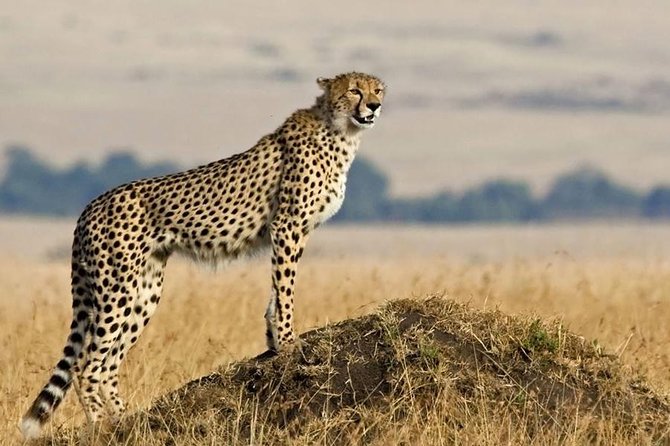
Central Serengeti is the main wildlife stage of this route. The plan specifically calls out possible sightings of cheetahs, lions, leopards, and other animals, along with the park’s grasses and open views. The word possible matters. You may see several predators, or you may spend much of the morning tracking smaller signs and distant movement.
After the morning outing, you return to camp for the night at Pimbi or Seronara lodge. The day lasts about 12 hours, so do not expect a short, gentle excursion. The schedule favors people who would rather spend long hours searching for animals than return early for a leisurely afternoon.
Day 3: Hippos, crocodiles, and the northern route
Day 3 is described as a choice day, depending on which part of Serengeti you want to visit. The route then points north toward the migration corridor and the Mara River, with lunch boxes carried for the drive.
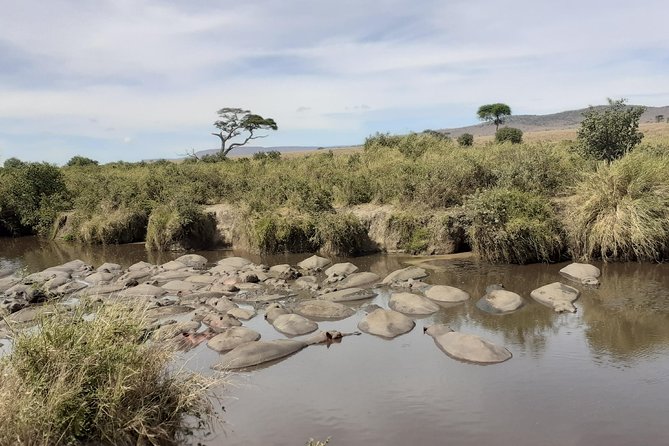
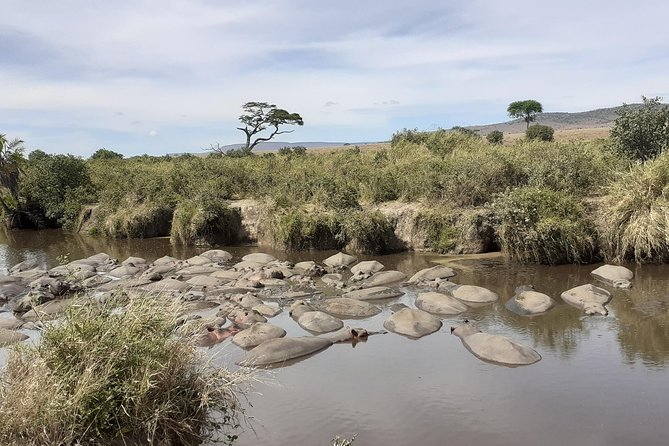
The Serengeti Hippo Pool is the named stop. This adds a different kind of wildlife viewing to the cat sightings of central Serengeti. Hippos and crocodiles bring you closer to the park’s waterways, and the Mara River area is also associated with migration viewing.
The route ends at Lobo Camp, about 60 kilometers away, with the drive taking roughly one hour after the day’s game viewing. That overnight position is useful for a northern Serengeti schedule, since it avoids returning all the way to the central area each evening.
Expect another 12-hour day. You will be spending much of it in the vehicle, with lunch boxes rather than a return to camp for a midday meal. That setup makes sense when the goal is to cover ground and reach the northern corridor, but it requires patience and a willingness to accept dust, bumps, and long stretches between major sightings.
A few more things to do in Arusha worth a look
- 7 Days Tanganyika Wilderness Safari
★ 5.0 · 159 reviews - Arusha National Park Private Safari
★ 5.0 · 59 reviews - 4 Day Ngorongoro Crater Tarangire and Serengeti National Park
★ 5.0 · 44 reviews - 6 days 5 nights safari Ngorongoro, Serengeti and Tarangire National Parks
★ 5.0 · 39 reviews
Day 4: More time near the Mara River
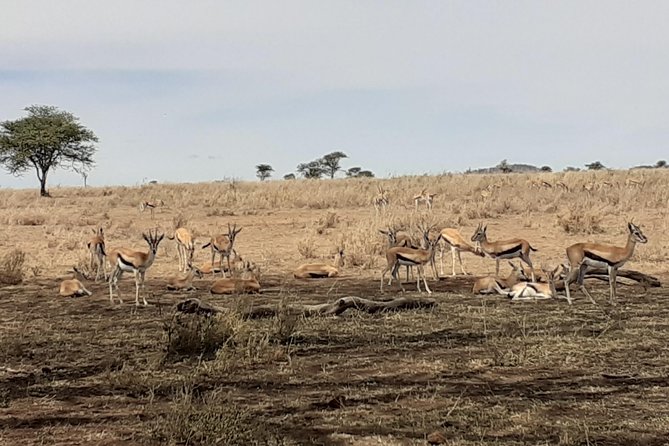
After breakfast at about 7:30 a.m., you set out for game viewing near the Mara River and other parts of the northern area. The plan calls for a return to camp in the late afternoon for a hot lunch, followed by more wildlife viewing and a final Serengeti night.
This is probably the most important day for anyone booking around the northern migration season. You have another chance to watch the river region, search for migrating herds, and look for resident wildlife. The itinerary does not promise a river crossing, and you should not treat one as guaranteed. A crossing depends on timing, water levels, herd movement, and luck.
The day also gives you a better chance to see Serengeti beyond one famous event. The northern route may bring different views and animal activity than central Serengeti, while the return for a hot lunch offers a break from the road.
The supplied schedule again describes about 12 hours of activity. It is productive but demanding. If you prefer a slower safari with long rest periods, this route may feel packed. If you want to use each park day for game viewing, the long hours are part of the value.
Day 5: Ngorongoro Crater from a 5 a.m. start
Day 5 begins at 5 a.m. with breakfast at Lobo Camp or lodge. You then leave Serengeti with lunch boxes for the roughly 210-kilometer journey to Ngorongoro Crater. The drive to the crater floor is expected to take about four to five hours.
Ngorongoro changes the setting completely. Instead of the wide Serengeti plains, you spend the day in a contained crater environment with wildlife viewing around the floor. The schedule calls for game driving there before departure by 6 p.m., when the permit expires.
That deadline is important. This is not a flexible day where you can linger indefinitely at a favorite sighting. The long transfer from northern Serengeti also means you need to leave camp promptly. The early departure helps, but Day 5 remains another full day of driving and viewing.
After the crater, you go to a camp, lodge, or Panorama accommodation for dinner and the night. Since the exact property is not specified, confirm where you will sleep and how the transfer is arranged. The crater visit adds major variety to the trip, but it also makes the schedule feel more like a touring circuit than a relaxed stay in one park.
Day 6: Lake Manyara and the return to Arusha or Moshi
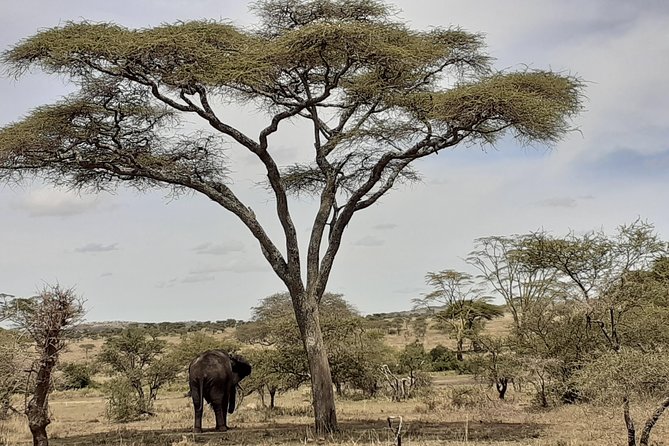
The last safari day takes you to Lake Manyara National Park, about a 90-minute drive away. The plan allows a full day of game viewing, a lunch stop, and more wildlife watching before you leave for your chosen hotel in Arusha or Moshi.
Lake Manyara gives the final day a different setting from both Serengeti and Ngorongoro. The itinerary emphasizes flora and fauna, but it does not list specific guaranteed animal sightings. You might find the change refreshing after several days of open plains and long drives.
The return arrangement is flexible in one useful way: you can go back to your selected hotel in Arusha or Moshi. The wording also mentions an overnight and a later timetable, so confirm whether the package ends with the vehicle drop-off or includes a final night.
As a six-hour activity, Day 6 is shorter than the central Serengeti days, but it still follows five demanding days. If you have an international flight soon after, check the timing carefully. The supplied information does not provide a guaranteed return hour.
How the Great Migration affects your booking decision
The migration is the tour’s biggest draw, but it is also the part most dependent on timing. The stated southern corridor period is December through March, with Ndutu as the named area. The northern corridor is linked to July through November, particularly near the top of Serengeti and the Mara River.
August can be excellent for lion sightings, but it may not offer the same concentration of large herds in every area. Some herds may already have moved toward Kenya, and dry conditions can bring dust and crowded viewing points. That does not make the park worthless. It simply means you should choose the month for the type of experience you want.
The southern season may suit you if you want to focus on Ndutu and the migration’s time around the calving areas. The northern season is the better match for the Mara River portion described here. Ask for a date-specific route rather than relying only on the general migration calendar.
A hot-air balloon flight at sunrise is also mentioned in connection with a Serengeti visit, but it is not included in the listed itinerary. If that appeals to you, treat it as a separate option and confirm availability, cost, and pickup details before booking.
Price and what the six-day format gives you
The listed price is $3,487.18 per person. That is a substantial safari budget, so value depends on what is included beyond the headline itinerary. The package offers a private tour, pickup, park visits, several long game drives, and multiple nights across Serengeti, Ngorongoro, and Lake Manyara.
The private format is meaningful. Only your group participates, so you are not sharing the vehicle with strangers or following a fixed group’s preferences. You can ask to spend longer at a sighting or adjust which side of Serengeti receives more attention, though the permit and transfer schedule still limit flexibility.
The price is easier to justify if your priority is coverage: four Serengeti nights, a northern corridor attempt, Ngorongoro Crater, and Lake Manyara in six days. It is less attractive if you want one slow base, short drives, or extensive free time at camp.
Before booking, ask for a clear list of what the price covers. The supplied details do not spell out accommodation grades, vehicle type, meals beyond the listed breakfasts and lunch boxes, guide names, or optional activities. Those details can change the real value considerably.
Who should book this safari
I would recommend this route to you if you want a private, wildlife-heavy schedule and have limited time in Tanzania. It suits people who are willing to start early, sit through long drives, and trade comfort for more time in the parks.
It is especially appealing if the Great Migration is your main goal and your dates fit the southern or northern corridor seasons. The central Serengeti days also make sense if you want possible lion, cheetah, leopard, and plains animal sightings even when migration timing is uncertain.
You may want a different plan if you have back pain or find 10 to 12-hour vehicle days difficult. One account connected with this experience specifically warns people with back problems to take care, and the itinerary supports that concern. Ask about the vehicle, seating, road conditions, and rest stops before committing.
The route also suits photographers who want repeated chances rather than one rushed game drive. On the other hand, people hoping for a quiet luxury retreat may find the early starts, lunch boxes, permit deadlines, and frequent transfers tiring.
Practical details before you commit
Confirmation is provided at booking, and most people can participate. This is a private activity, not a shared group departure.
The listed start time is 12:00 a.m., so clarify the exact pickup hour and location in Arusha or Moshi. Pickup is offered, but the details do not identify the hotel list or the vehicle meeting procedure.
The cancellation policy allows a full refund when you cancel at least three full days before the local start time. Cancellations or changes made inside that period are not refunded or accepted. The experience also requires good weather. If poor weather causes cancellation, you are offered another date or a full refund.
Should you book it?
Book this safari if you want a serious six-day circuit with four Serengeti nights, private transport, and a real attempt to reach both central and northern wildlife areas. The route offers strong variety, from sunrise drives and bush breakfast to hippo pools, the Mara River, Ngorongoro Crater, and Lake Manyara.
Do not book it without clarifying the accommodation, vehicle, inclusions, guide assignment, and exact return timing. The price is high, and the schedule is tough. If you accept those limits and choose dates that match the migration corridor, this can be a strong choice for seeing Tanzania’s major safari areas in one concentrated trip.
FAQ
Where does the tour start?
The tour starts from Arusha or Moshi in Tanzania. Pickup is offered, but the exact pickup location should be confirmed at booking.
How long is the tour?
The experience lasts approximately six days.
How many nights are spent in Serengeti?
The itinerary is designed around at least four nights in Serengeti, including time in central Serengeti and a route toward the northern corridor.
When can I see the Great Migration on this route?
The southern corridor around Ndutu is associated with December through March. The northern corridor near the tip of Serengeti and the Mara River is associated with July through November.
Does the tour visit Ngorongoro Crater?
Yes. Day 5 includes a visit to Ngorongoro Crater, with game viewing on the crater floor before the permit expires at 6 p.m.
Is Lake Manyara included?
Yes. Day 6 includes game viewing in Lake Manyara National Park before returning to a selected hotel in Arusha or Moshi.
Can I cancel for a full refund?
Yes, if you cancel at least three full days before the experience start time. Cancellations made less than three full days in advance are not refunded, and poor-weather cancellations offer another date or a full refund.
Just added in Arusha
- 4 Days Private Midrange Lodge Safari to Serengeti & Ngorongoro★ 5.0 · 4 reviews
- Extraordinary Hot air Bolloon ride in Serengeti | BURIGI CHATO SAFARIS CO L.T.D★ 5.0 · 6 reviews
- 3 days leopard safaris★ 5.0 · 4 reviews
- 8 Days Serengeti Migration safari★ 5.0 · 11 reviews
- tarangire, ngorongoro & lake manyara park 3 days private tour★ 5.0 · 11 reviews
- Mt. Kilimanjaro: Shira plateau to Cathedral point 3872m Day hike★ 5.0 · 7 reviews
- serengeti, ngorongoro & tarangire 4 days private tour★ 5.0 · 18 reviews
- tarangire & ngorongoro 2 days tour★ 5.0 · 14 reviews
Serengeti Safaris, compared.
Serengeti Balloon Safari and authentic bush breakfast
Read our review →
3 Days Serengeti & Ngorongoro Group Camping Safari
Read our review →
5-Day Highlights mid-Range Crater, Serengeti, Tarangire
Read our review →
Private 6-Day Tarangire Manyara Crater and Serengeti with Mid-Range Lodges
Read our review →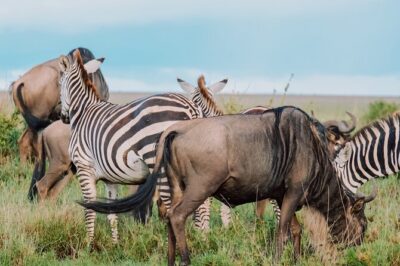
10-Day Serengeti Wildebeest Migration Safari from Arusha
Read our review →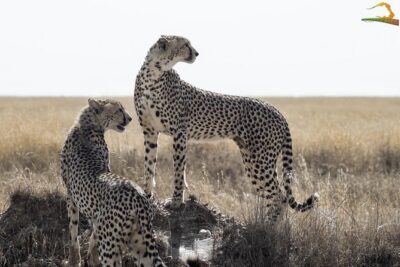
2 Day Serengeti Safari Experience from Mwanza
Read our review →Browse the lists this tour appears in