
Reviewed · TOURS IN DAR ES SALAAM
Ancient Bagamoyo City Day Tour
Bagamoyo is not just an old coastal town. It is a place where Swahili settlement, Arab trade, German rule, missionary work, and the slave trade overlap in one compact day. This private tour gives you several ways to read that past, from museum displays to ruined mosques and colonial buildings.
I like the mix of serious history and lighter stops. The Kaole Ruins reach back to an older Swahili settlement, while the crocodile and reptile sanctuary adds a hands-on change of pace. The main drawback is the 10-hour length, and the $200 price is best value for a private group that wants a full day rather than a quick coastal outing.
Key points to know before you book
- Bagamoyo Museum puts the town’s slave-trade and colonial past first, giving context before you see the historic sites.
- Kaole Ruins reach back to an eighth-century Swahili settlement, long before the German colonial period.
- The private format keeps the day flexible, and named guides including Erick and Emmanuel have been praised for friendly, clear explanations.
- Lunch, snacks, bottled water, and alcoholic drinks are included, though drinking is limited to people aged 18 and older.
- The reptile sanctuary adds close-up encounters, including the option to hold crocodiles for photographs.
- The tour begins at 7:00 a.m. and lasts about 10 hours, so it suits people ready for a full day away from Dar es Salaam.
Why Bagamoyo matters beyond its old buildings
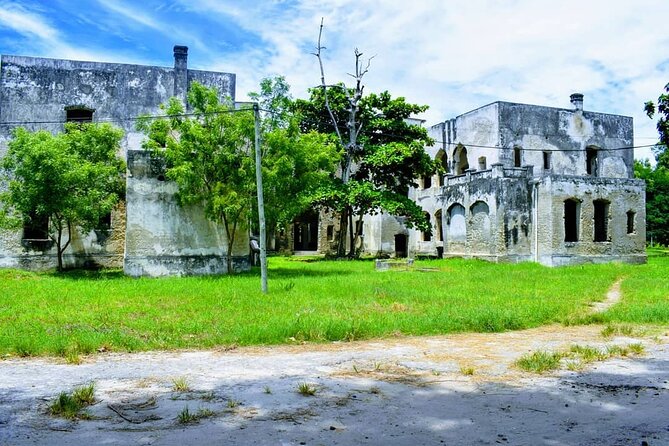
Bagamoyo’s story begins with Kaole, an older Swahili settlement dating to the eighth century. The later town grew into an important port on the western Indian Ocean coast, linking local communities with Arab and European trade networks.
The town was also selected as the capital of German East Africa by the German colonial administration. That gives the day a layered feel. You are not looking at one single period, but at several eras placed close together: early Swahili culture, Arab influence, the slave trade, Christian missions, German administration, and the continuing life of the coastal community.
I especially like that this tour does not treat Bagamoyo as a collection of pretty ruins. The stops ask you to think about power, trade, language, religion, and forced movement. The subject matter can be difficult, but it is central to understanding the coast.
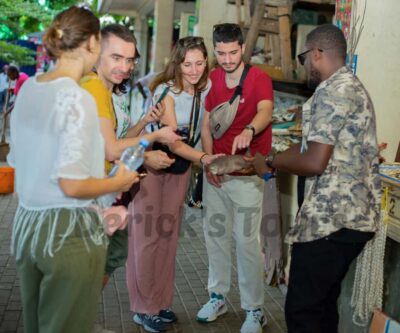
The tour is private, so only your group participates. That matters here. You can ask the guide to explain a term, pause over a detail, or spend more time on the parts that interest you most. Guides named Erick and Emmanuel have been praised for being friendly and good at explaining events. Jacqueline also appears to help with planning and recommending Bagamoyo when other plans do not work out.
Other trips people book in Dar es Salaam:
- Dar es Salaam: City Tour
★ 4.7 · 159 reviews - Dar es Salaam City Center: Walking Tour
★ 4.8 · 102 reviews - Dar es Salaam City Tour – Everyday
★ 5.0 · 64 reviews
Starting at Bagamoyo Museum
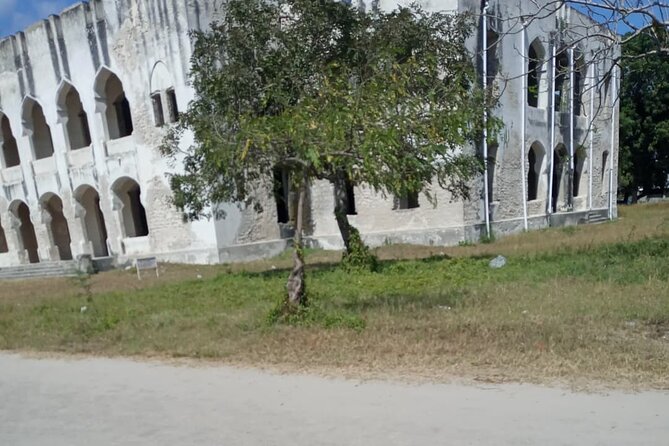
The Bagamoyo Museum is the right first stop because it gives the day a framework. Set aside about one hour, with admission included.
The museum focuses on the town’s role in the slave trade and its place in the story of the old East African capital. That background helps you understand the later stops. Without it, old walls can seem vague. With it, you have a better sense of why Bagamoyo became important and what moved through its port.
This is also the point where the tour takes its most serious turn. Bagamoyo’s coastal position made it a major link in systems of trade that included enslaved people. You should expect difficult subject matter rather than a light sightseeing display.
Ask your guide to connect the museum material with the buildings and ruins you see later. The value of the museum is not only in the objects on display. It is in giving you questions to carry through the rest of the day.
Kaole Ruins and the older Swahili coast
About an hour is planned at the Kaole Ruins, and admission is included. This is one of the most important parts of the experience for anyone interested in early coastal history.
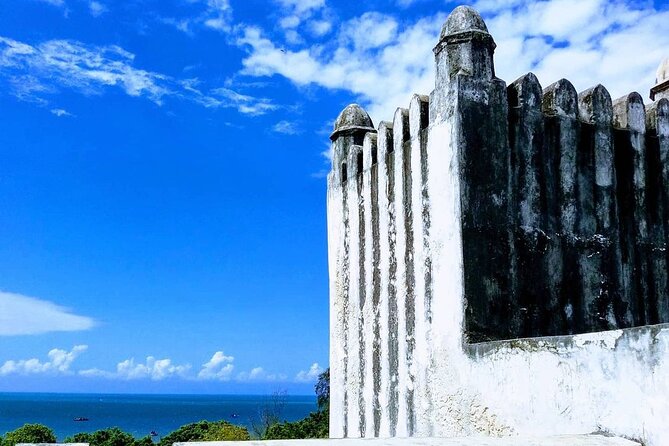
Kaole shows that Bagamoyo’s story did not begin with Arab rule or German colonialism. The settlement reaches back to the eighth century, making it much older than the later town most people picture. The ruins also help explain how coastal cities developed through trade, building skills, religion, and contact across the Indian Ocean.
The site is linked with the growth of Swahili culture and the spread of Kiswahili as a coastal language. That is a useful reminder that Swahili identity was shaped through long contact between local East African communities and outside traders, not created in one short period.
I would listen closely to the guide here. Ruined walls rarely explain themselves, and the meaning of Kaole comes from the connections between the remains, trade routes, language, and city growth. The one limitation is that the supplied schedule gives only one hour, so the visit will feel like an introduction rather than a full archaeological study.
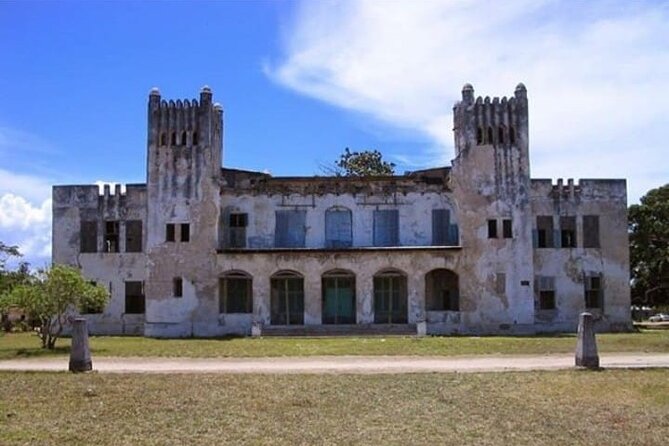
Old Boma, customs, and the German period
The Old Boma gets about 30 minutes. It sits near the beach and close to the center of Bagamoyo, and admission is included.
The building is tied to customs and shows how the town functioned as a trading and administrative center. This is where the coastal setting becomes especially clear. Bagamoyo was not simply a settlement beside the sea. Its position made it useful to merchants, colonial officials, and people moving goods through the port.
The short visit works well as part of a packed day, but it may leave you wanting more time. Thirty minutes is enough to see the building and hear its role explained. It is not enough for a long architectural inspection or a slow walk through every detail.
The Old Boma also helps connect the earlier stops with the German period. Bagamoyo’s importance continued after its older Swahili and Arab eras, and the building shows how colonial authorities used existing coastal centers for trade and control.
Same base, a different kind of day out:
- MIKUMI NATIONAL PARK – 3 Days
★ 4.5 · 63 reviews - 2 nights 3 days safari to mikumi national park
★ 5.0 · 62 reviews - 2 Days 1 Night Mikumi National Park from Dar es salaam
★ 5.0 · 60 reviews - The Best/Top Rated Cultural City Tour in Dar es Salaam
★ 5.0 · 57 reviews
The cathedral and places linked with David Livingstone

The next Bagamoyo stop includes the old cathedral and areas associated with the explorer David Livingstone. Admission is free, and about an hour is planned.
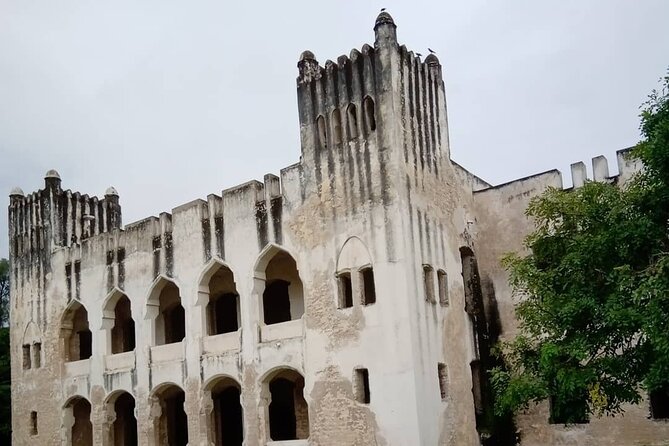
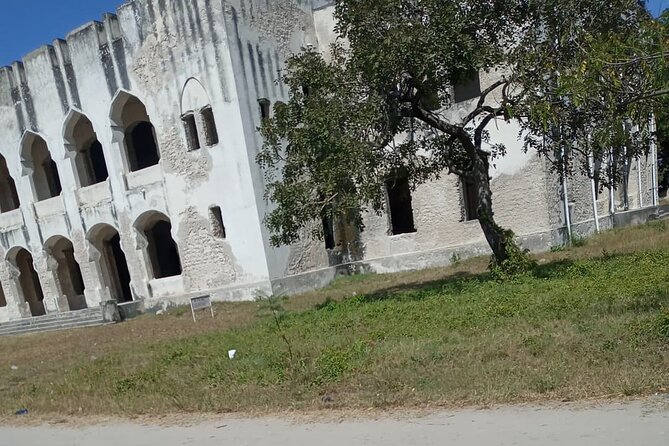
This part of the day shifts the focus from trade and administration to Christian mission work. The cathedral is one of the town’s important historic buildings, and the site also recalls the European exploration and missionary activity that became tied to East Africa during the colonial period.
You may also see the old buildings and artistic details that give Bagamoyo its distinctive character. One account of the tour highlighted old architecture and wood-carving designs, so this is a good place to look beyond the headline events. Doorways, timber work, and building forms can tell you about local craftsmanship as well as outside influence.
The Livingstone connection adds another layer, but I would keep your expectations measured. The experience is presented as a visit to places associated with him, not as a full museum devoted to his life. The strongest part is the way the cathedral and surrounding sites fit into Bagamoyo’s wider story of mission work, movement, and colonial change.
A change of pace at the reptile sanctuary
After several hours of historical sites, the crocodile and reptile sanctuary gives the day a very different mood. The visit lasts about 40 minutes, admission is free, and you can see the animals at close range.
The crocodile encounter is the main attraction. If you want a photograph, you may hold one, according to the tour details. That option will appeal to some people and make others cautious, which is perfectly reasonable. You do not need to force yourself into the hands-on part to enjoy the stop.
I like this addition because it breaks up a demanding historical day. Children and families may find it especially engaging, while history-focused visitors get a short pause before the tour ends. Still, the sanctuary is not the reason to book this experience. Bagamoyo’s cultural sites are the main event, and the reptile stop works best as an extra.
What is included in the $200 price
The listed price is $200 per person. That is a serious amount for a day tour, so you should judge it against what is included and the private format.
You receive pickup, lunch, snacks, bottled water, and alcoholic beverages. The tour runs for about 10 hours, and admission is included at the Bagamoyo Museum, Kaole Ruins, and Old Boma. The cathedral and reptile sanctuary are listed with free admission.
The value improves if you are traveling as a small private group and want a full day with a guide rather than arranging separate transport, entrance tickets, meals, and explanations. A private vehicle and guide also remove the need to coordinate several historic sites on your own, although the supplied details do not specify the vehicle type or exact pickup area.
The alcohol inclusion is unusual for a history-focused day tour. It is only for people aged 18 and older, and you should not feel obliged to drink. Water and snacks matter more in practical terms, especially with a 7:00 a.m. start and a long day of moving between sites.
Tips and gratuities are not included. Keep that extra cost in mind if your guide handles the day well and provides the historical context you came for.
Timing, comfort, and the private format
The start time is 7:00 a.m. and the total duration is about 10 hours. That makes this a full-day commitment, not a short add-on between other Dar es Salaam plans.
Pickup is offered, and the tour is available as a private activity for your group alone. It is also listed as being near public transportation, though pickup is likely the more convenient choice for a long day built around several separate sites.
The schedule adds up to roughly four and a half hours at the named stops, leaving the rest of the day for transport, meals, and transitions. That is normal for a regional day tour, but it also explains why the early start matters. You will have time to cover the sites without turning every stop into a rushed photograph.
Most people can participate, and service animals are allowed. No special fitness requirements are stated. Even so, you should be prepared for a long day with repeated movement between historic locations and outdoor areas.
The tour requires good weather. If poor weather cancels it, you can take a different date or receive a full refund. For your own planning, avoid placing an important evening commitment immediately after the tour, since the day is long and the exact return time is not provided.
Who will get the most from this day
I would recommend this tour to you if you enjoy history that connects local life with wider Indian Ocean events. It is particularly suitable if you want more than beaches and restaurants in Dar es Salaam, or if you are curious about Swahili culture, colonial rule, missions, trade, and the slave trade.
Families may like the private setup and the reptile sanctuary. Couples can appreciate the mix of serious sites, coastal scenery, seafood at lunch, and a guide who can shape the explanations around their interests. The private format also suits people who dislike large groups.
This is less suitable if you want a slow beach day, a tightly timed luxury outing, or a tour focused only on one historical period. Bagamoyo asks you to absorb several centuries in one day. The subject can be heavy, and the pace is full.
The seafood lunch is one appealing detail, particularly if you want to experience the coastal side of the town rather than simply visit monuments. The exact menu is not provided, so do not book expecting a specific dish.
Should you book the Ancient Bagamoyo City Day Tour?
Book it if you want a private, guide-led introduction to one of Tanzania’s most important coastal towns and you value context more than ticking off a single famous sight. The strongest parts are the Bagamoyo Museum, Kaole Ruins, and the chance to connect Swahili, Arab, German, missionary, and slave-trade history in one day.
At $200 per person, I would choose it for a private group that wants transport, meals, entry fees, and a guide included. I would skip it if your main goal is a relaxed seaside break or if a 10-hour schedule feels too demanding.
The free cancellation policy gives you some flexibility: cancel at least 24 hours before the 7:00 a.m. start for a full refund. The booking pattern suggests planning ahead, since the experience is often reserved about 31 days in advance. If the date fits, this is a useful way to give Bagamoyo the attention it deserves rather than treating it as a quick stop.
FAQ
Where does the Ancient Bagamoyo City Day Tour take place?
The tour is based in Dar es Salaam and visits the historic coastal town of Bagamoyo.
What time does the tour start?
The tour starts at 7:00 a.m.
How long does the tour last?
The experience lasts approximately 10 hours.
Is pickup available?
Yes. Pickup is offered.
Is this a private tour?
Yes. Only your group participates in the activity.
What is included in the price?
Lunch, snacks, bottled water, alcoholic beverages, and admission tickets at the Bagamoyo Museum, Kaole Ruins, and Old Boma are included.
Are tips and gratuities included?
No. Tips and gratuities are not included.
What are the main stops?
The tour visits the Bagamoyo Museum, Kaole Ruins, Old Boma, the old Bagamoyo Cathedral and places associated with David Livingstone, plus a crocodile and reptile sanctuary.
Can children or younger participants join?
Most people can participate, but the provided information does not state a specific minimum age for the tour. Alcoholic drinks are only for people aged 18 and older.
What happens if bad weather cancels the tour?
You can choose a different date or receive a full refund if the experience is canceled because of poor weather.
Can I cancel for a full refund?
Yes, if you cancel at least 24 hours before the experience start time. Cancellations or changes made less than 24 hours before the start are not refunded or accepted.
Just added in Dar es Salaam
- Zanzibar: 3 Days to Mikumi and Chizua Waterfalls★ 3.5 · 5 reviews
- 2 Day Wildlife Experience and Masai Culture Mikumi Park★ 5.0 · 5 reviews
- Sunrise Beach Walk with Picnic Breakfast Activity★ 5.0 · 3 reviews
- 5 Days Selous/Nyerere & Mikumi NP Game drive, Maasai and Walking★ 5.0 · 13 reviews
- 3 Days Safari to Nyerere National Park (Selous Game Reserve)★ 5.0 · 8 reviews
- Explore Dar es Salaam: Full-Day Private City Tour★ 5.0 · 18 reviews
- Mikumi Np Mid Range Tour 3 Days★ 5.0 · 3 reviews
- Saadani National Park Day Tour★ 5.0 · 3 reviews
Tours in Dar es Salaam, compared.

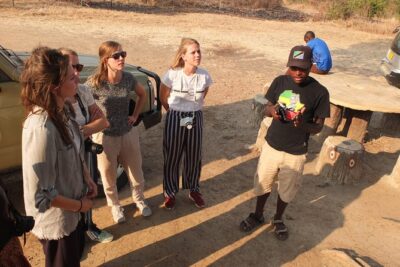

2 Days 1 Night Mikumi National Park from Dar es salaam
Read our review →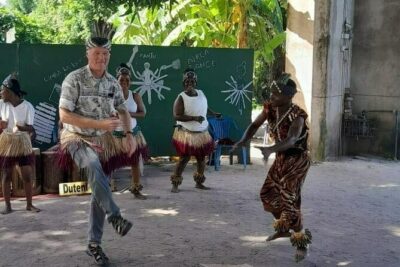
The Best/Top Rated Cultural City Tour in Dar es Salaam
Read our review →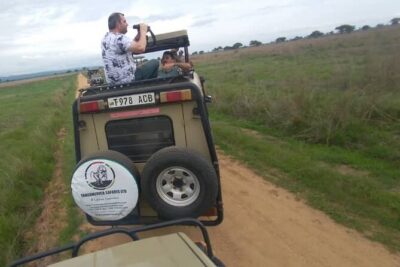
Private Full-Day Trip to Mikumi National Park from Dar es Salaam
Read our review →Browse the lists this tour appears in