
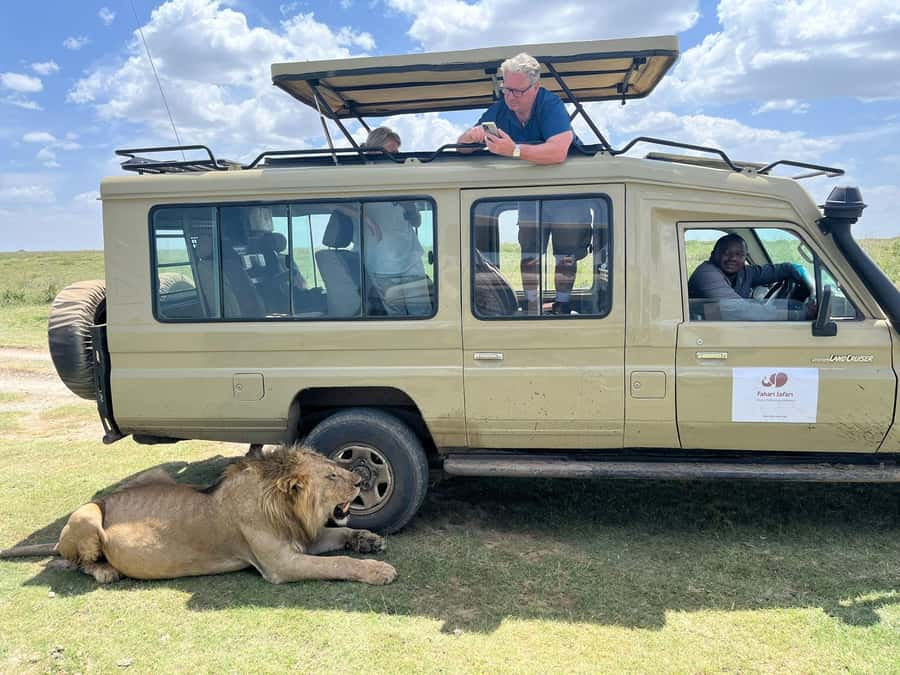
Reviewed · NGORONGORO CRATER TOURS
2 Days 1 Night Tarangire & Ngorongoro Crater
The great appeal here is the contrast. In Tarangire National Park, elephants gather around the Tarangire River and baobabs rise above the scrub. The next morning, you descend into Ngorongoro Crater, a vast volcanic bowl where lions, buffalo, hippos, hyenas, cheetahs, and the occasional black rhino may appear in one compact setting.
I like the way this trip packs two of northern Tanzania’s best-known wildlife areas into a short break from Arusha. I also like the practical setup: a 4×4 Land Cruiser, an English-speaking guide, park fees, meals, and drinking water are included. The main drawback is the pace. Day two includes an early crater start and roughly four hours on the road back to Arusha, so this is an efficient safari, not a slow one.
Key points at a glance
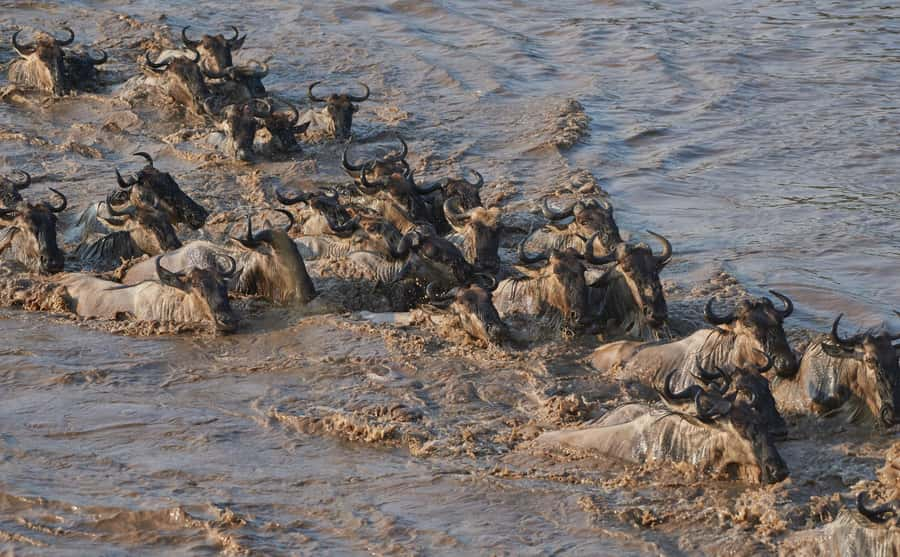
- Tarangire brings you close to elephants: The park is especially good for large elephant herds, with baobabs and the Tarangire River providing a memorable setting.
- Ngorongoro offers concentrated wildlife viewing: Five hours on the crater floor gives you a strong chance of seeing several major species in a single morning.
- The price covers the costly essentials: At $730 per person, the package includes non-resident park fees, concession or camping fees, meals, water, the vehicle, and guide service.
- A good choice for solo visitors: Private and small-group departures are available, and one solo guest felt secure throughout the trip.
- The second day is demanding: An early breakfast, a 6:30 AM crater descent, a steep climb out, and the drive to Arusha make for a long finish.
- The overnight stay can be a pleasant surprise: The accommodation may be a clean lodge or glamping-style camp, with dinner and, in one case, evening music and performances.
Why these two parks work well together
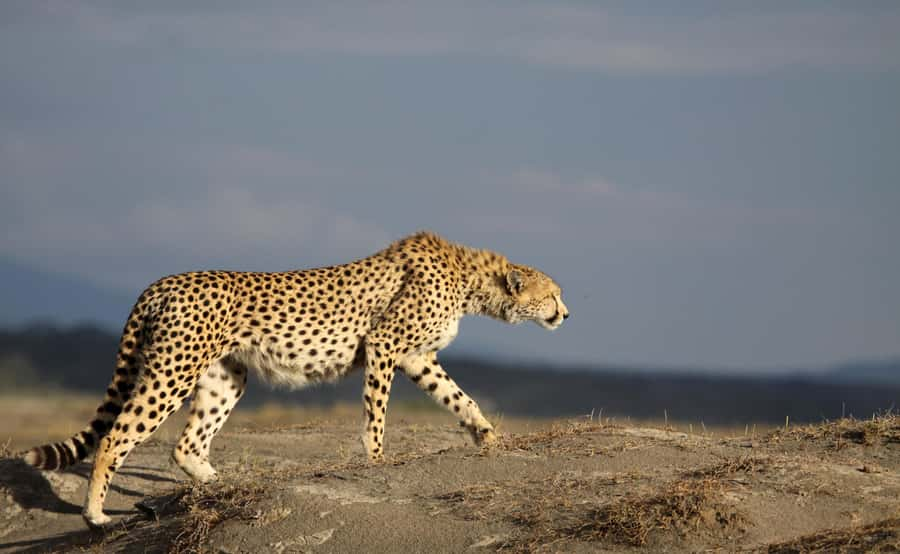
Tarangire and Ngorongoro show you two very different sides of safari country. Tarangire feels open and spacious, with wildlife spread among trees, dry plains, and the river corridor. Ngorongoro is more enclosed and dramatic. Its crater walls hold a large number of animals within an area of about 260 square kilometers.
That contrast gives the trip its shape. Tarangire is often the better place for close elephant sightings and broad views. Ngorongoro can feel more intense, because you are watching wildlife on the crater floor with steep walls rising around you.
You should keep expectations sensible. A safari never guarantees a Big Five sighting, and animal positions change by the hour. Still, the planned route gives you a strong chance of seeing elephants, buffalo, lions, zebras, giraffes, hippos, hyenas, and other species. Black rhino sightings are possible, but they are not something you should treat as certain.
Other trips down into the crater from Arusha:
- 3 Days Serengeti & Ngorongoro Group Camping Safari
★ 5.0 · 574 reviews - 5 Days Camping Tarangire, Serengeti & Ngorongoro crater & Visiting Maasai
★ 5.0 · 229 reviews - 4 Days Join Group tour Tarangire Serengeti and Ngorongoro crater
★ 5.0 · 219 reviews
Day one: Arusha to Tarangire National Park
Pickup from your hotel in Arusha is scheduled for 8:30 AM. You then travel toward Tarangire with a packed picnic lunch, allowing the first day to focus on a full game drive rather than a rushed park visit.
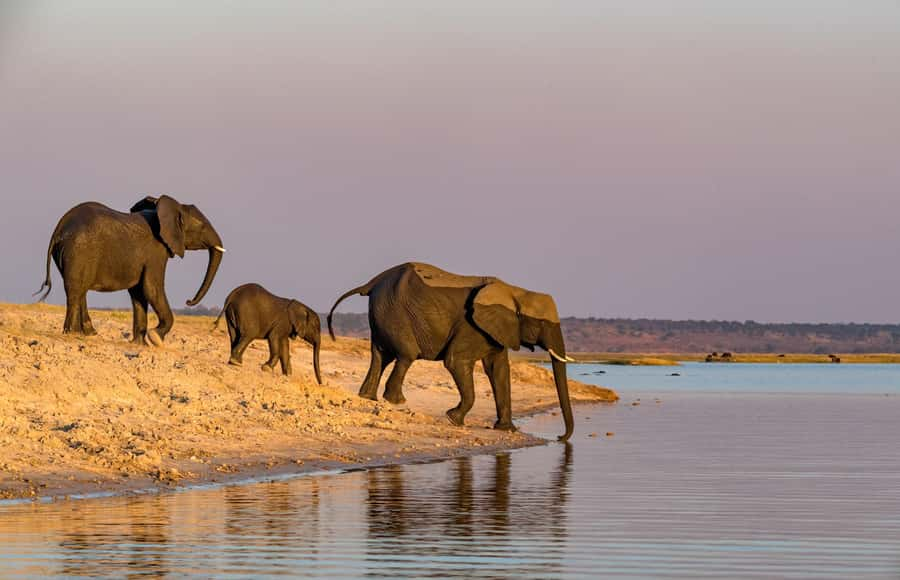
Tarangire is Tanzania’s third-largest national park and is best known for its large elephant herds and giant baobab trees. These trees give the park a character that is quite different from the crater. Their thick trunks and high branches make the animals below seem smaller, especially when an elephant walks past.
The Tarangire River is the park’s central feature. It helps draw animals into the area, particularly during drier periods, although the exact number of animals you see depends on the season and the day’s conditions. You may spot lion, leopard, cheetah, lesser kudu, buffalo, oryx, eland, giraffe, and zebra.
The park is also a good place to pay attention to smaller details. Elephants may be the headline act, but the pleasure comes from watching how animals use the river area and how the guide reads the scene. A strong guide can help you notice movement in the grass, identify distant shapes, and explain why a particular group has gathered in one place.
Several people have found Tarangire more rewarding for close-up animal viewing than Ngorongoro. That is useful advice if you care about photographs. In the crater, animals can be farther away, and binoculars may be helpful. In Tarangire, the setting may give you a stronger feeling of being near the action.
The vehicle matters here. The included 4×4 Land Cruiser is suited to safari roads and gives you a raised view over the scrub. You can also expect frequent stops for pictures, since the guides are willing to pause when the scene is worth recording.
The overnight stay: simple, comfortable, and not fully specified
After the game drive, you go to your camp or lodge for dinner. The exact accommodation should be confirmed before you pay, since the information does not name a particular property.
That uncertainty need not mean a poor stay. One solo guest found the overnight accommodation clean and pleasant, while another described a glamping-style lodge with a bar, good dinner, music, dancers, and acrobats in the evening. These details suggest that the night can be more enjoyable than a basic place to sleep, but you should not assume every departure includes the same entertainment or room type.
The dinner is worth noting. One guest especially liked the local food and found it better than the packed lunches seen in other vehicles. The first day includes a picnic lunch, while dinner and breakfast are served as part of the overnight arrangement. Ask the operator what type of lunch and lodging applies to your departure if food or comfort is a major concern.
Day two: the 6:30 AM descent into Ngorongoro Crater
The second day begins early. After a quick breakfast, you descend into the crater at about 6:30 AM for a five-hour game drive.
Ngorongoro Crater is the world’s largest inactive, intact, and unfilled volcanic caldera. The crater floor covers roughly 260 square kilometers and sits more than 2,000 feet below the rim. Those figures matter because they explain the feeling of the place: you are not simply visiting another open park. You are entering a huge natural enclosure with its own grasslands, water, animals, and steep outer walls.
The morning timing is useful. An early start gives you a better chance of seeing animal activity before the day becomes hotter. You should keep your camera ready, but also bring patience. Some animals may be close enough for clear photographs, while others may sit well beyond comfortable camera range.
The crater offers strong possibilities for seeing African elephant, buffalo, black rhino, hippos, hyenas, cheetahs, and lions. It is particularly appealing if you want a broad list of species without spending many days on safari. The compact setting makes the experience feel concentrated.
That same concentration can have a downside. Ngorongoro may feel busier or less solitary than Tarangire, and animals are not always close to the vehicle. One visitor enjoyed Tarangire more for this reason, using binoculars at times in the crater. Bring binoculars if you have them. They can make distant wildlife much more rewarding.
Other Tarangire days from Arusha:
- 5-Day Highlights mid-Range Crater, Serengeti, Tarangire
★ 5.0 · 296 reviews - Private 6-Day Tarangire Manyara Crater and Serengeti with Mid-Range Lodges
★ 5.0 · 238 reviews - 4-Day Safari from Arusha: Tarangire, Serengeti and Ngorongoro
★ 5.0 · 173 reviews - 2 Days Tarangire and Ngorongoro Group Camping Safari
★ 5.0 · 146 reviews
A picnic beside the hippo pool, then the long return
After the crater game drive, you stop for a picnic lunch near the hippo pool. This is a scenic place to pause, but keep your attention on the surroundings and follow the guide’s instructions. Hippos are powerful wild animals, even when they appear calm.
After lunch, you climb the steep road out of the crater. The ascent marks the end of the wildlife portion of the trip, but not the end of the day. You then face roughly four hours on the road to Arusha, with arrival and drop-off planned for about 6:00 PM.
This final drive is the biggest practical issue for anyone considering the tour. You get two famous parks in two days, but you pay for that efficiency with a long second day. It suits you if your time in Tanzania is limited. If you dislike early starts or long road transfers, add another night and slow the schedule down.
Drop-off is available at your preferred location in Arusha, according to the provided details. Airport transfers are not included unless specifically arranged, and additional hotel nights before or after the safari are also separate.
What the guides add to the experience
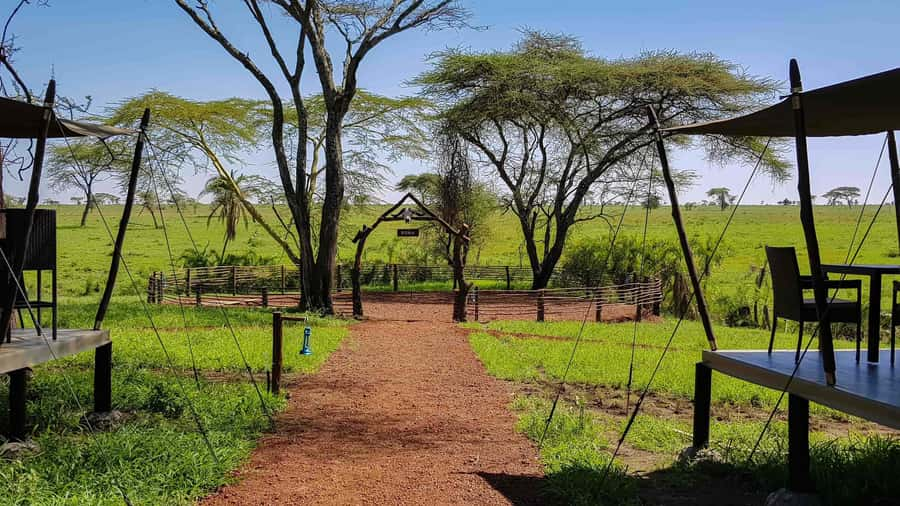
The guides are central to the quality of this trip. The strongest feedback focuses on clear explanations, good organization, help with practical matters, and a relaxed attitude. Guides have also been willing to stop for photographs as often as needed.
No guide names are provided, so you cannot select a particular person in advance. What you can expect is an English-speaking professional driver and guide, with the choice of a private or small-group format.
The guide’s job is not only to drive. You want someone who can spot animals, explain behavior, manage the day’s timing, and help everyone in the vehicle enjoy the experience. The available feedback points to guides who are entertaining as well as informative, which matters during long stretches between sightings.
A private vehicle gives you more control over stops and pace, but the price may differ from the advertised per-person amount. A small group can cost less per person and add a social element. One solo visitor enjoyed meeting other people and felt safe throughout the trip, making this a reasonable option for someone who does not want to arrange a full private safari.
Is $730 per person good value?
At $730 per person, this is not a budget day trip, but it includes several major safari costs:
- Non-resident park fees
- Concession or camping fees
- Daily game drives
- A professional driver and guide
- A 4×4 Land Cruiser
- Meals listed in the schedule
- Drinking water, two liters per person per day
- Taxes and VAT
Park fees alone can make short Tanzanian safaris expensive. Adding transport, fuel, the vehicle, guide service, food, and one night’s accommodation makes the price easier to understand. For two major wildlife areas from Arusha, the package offers solid value if you want a compact safari and do not need a luxury lodge.
The main thing to clarify is the accommodation. The experience can range from a pleasant lodge to a glamping-style stay, but the exact property is not named. Ask what is included before booking, especially if you expect a specific room standard, private bathroom, or style of camp.
The price does not include international flights, visa fees, travel insurance, souvenirs, airport transfers unless stated, extra hotel nights, or activities outside the plan. Taxes and park fees can also rise if the government imposes an increase.
Who should choose this safari?
I would recommend this trip to you if you have only two safari days available and want the classic combination of Tarangire elephants and Ngorongoro wildlife. It also fits solo visitors, couples, and small groups who want guides, transport, meals, and park access handled in one package.
It is especially suitable if:
- You are staying in or near Arusha.
- You want a compact safari rather than a week-long program.
- You care about elephants, lions, rhinos, and dramatic scenery.
- You prefer an organized trip with a professional guide.
- You are comfortable with an early start and a long return drive.
- You want the option of private or small-group travel.
It may not suit you if you need a leisurely pace, a named luxury lodge, or several full days in each park. You should also think twice if long drives are difficult for you. The second day combines a five-hour crater drive, the steep exit, and the trip back to Arusha.
Practical details before you book
The advertised duration is shown as two to three days, while the schedule itself describes two days and one night. Treat this as a two-day safari unless the operator confirms an additional night or transfer arrangement.
Free cancellation is available up to 24 hours before departure for a full refund, and you can reserve now and pay later. Check the starting time when selecting your date, since availability may affect the exact departure details.
Bring a camera, sun protection, comfortable clothes, and binoculars if you have them. The binoculars are especially useful in Ngorongoro, where animals may be farther away than expected. Water is supplied at two liters per person per day, but you should confirm whether you need more for the long second day.
Should you book the Tarangire and Ngorongoro safari?
Book it if you want a well-organized two-day introduction to northern Tanzania and accept a busy schedule. The combination is strong: Tarangire offers elephants, baobabs, and the chance for close sightings, while Ngorongoro brings a dramatic crater setting and a concentrated mix of wildlife.
The best reason to choose it is practical value. The vehicle, guide, park charges, meals, water, and overnight stay are bundled into one price, and the guide service has received especially strong praise for organization, explanations, and help.
Before booking, confirm the lodge or camp, group size, airport transfer needs, and whether your departure is strictly two days. If those details suit you, this is a memorable and efficient safari for your first taste of Tanzania.
FAQ
Where does the safari start and end?
The safari starts in Arusha with hotel pickup at about 8:30 AM on the first day. It returns to Arusha on the second day, with drop-off at your preferred location planned for around 6:00 PM.
How long is the safari?
The planned program is two days and one night, although the activity information gives a duration range of two to three days. Confirm the exact schedule when choosing your departure.
Which parks are included?
The safari visits Tarangire National Park on the first day and Ngorongoro Crater on the second day.
Is accommodation included?
One night at a camp or lodge is included as part of the schedule. The specific property and room type are not named, so confirm those details before booking.
Is food and drinking water included?
Meals are included according to the schedule, including picnic lunch, dinner, and breakfast. Drinking water is provided at two liters per person per day.
Is the safari private or shared?
Private and small-group options are available. The exact group arrangement depends on the option you select.
Just added in Arusha
- 4 Days Private Midrange Lodge Safari to Serengeti & Ngorongoro★ 5.0 · 4 reviews
- Extraordinary Hot air Bolloon ride in Serengeti | BURIGI CHATO SAFARIS CO L.T.D★ 5.0 · 6 reviews
- 8 Days Serengeti Migration safari★ 5.0 · 11 reviews
- 3 days leopard safaris★ 5.0 · 4 reviews
- tarangire, ngorongoro & lake manyara park 3 days private tour★ 5.0 · 11 reviews
- Mt. Kilimanjaro: Shira plateau to Cathedral point 3872m Day hike★ 5.0 · 7 reviews
- serengeti, ngorongoro & tarangire 4 days private tour★ 5.0 · 18 reviews
- tarangire & ngorongoro 2 days tour★ 5.0 · 14 reviews
Ngorongoro Crater Tours, compared.
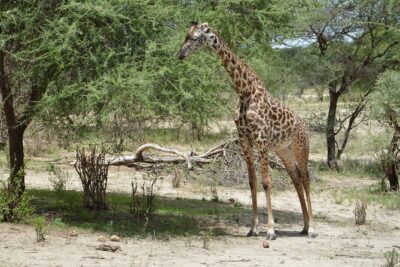
3 Days Serengeti & Ngorongoro Group Camping Safari
Read our review →
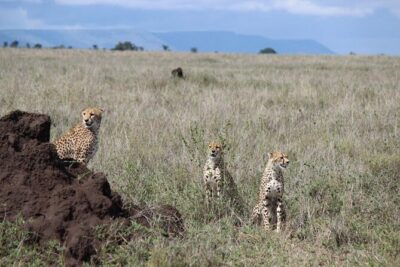
4-Day Safari from Arusha: Tarangire, Serengeti and Ngorongoro
Read our review →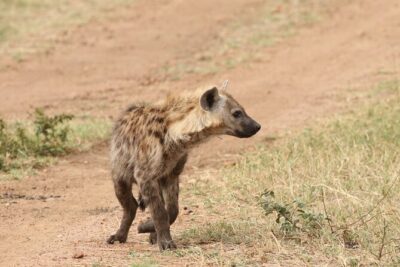
2 Days Tarangire and Ngorongoro Group Camping Safari
Read our review →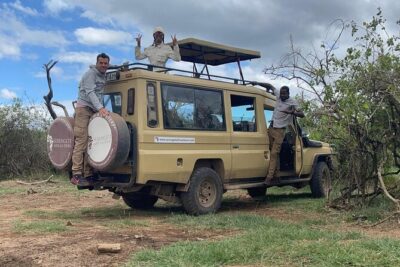
3 Days Private Safari – manyara, Ngorongoro & Tarangire
Read our review →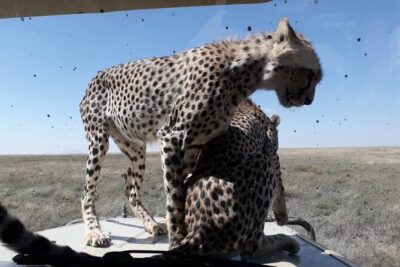
5 Days Tanzania Group Joining Safari, Tarangire/Serengeti/Ngorongoro Crater
Read our review →
4 Days Tarangire, Serengeti and Ngorongoro Mid-Range Group Safari
Read our review →Browse the lists this tour appears in