

Reviewed · STONE TOWN TOURS
Stone Town Historical Walking Tour
Stone Town is best understood on foot, one narrow lane, carved door, mosque call, and market stall at a time. This private walking tour brings together Zanzibar’s African, Arab, Persian, Indian, and European influences, with stops that cover trade, royalty, religion, slavery, food, and music.
I like the small private format, since your guide can adjust the pace and answer questions without a large group slowing you down. I also like the range of stops, from the Old Fort and Sultan’s palace to Darajani Bazaar and the Freddie Mercury Museum. The main drawback is that some admission costs are extra, and the quick 18-minute stops can feel brief if you want to explore each site fully.
Key points to know before you book
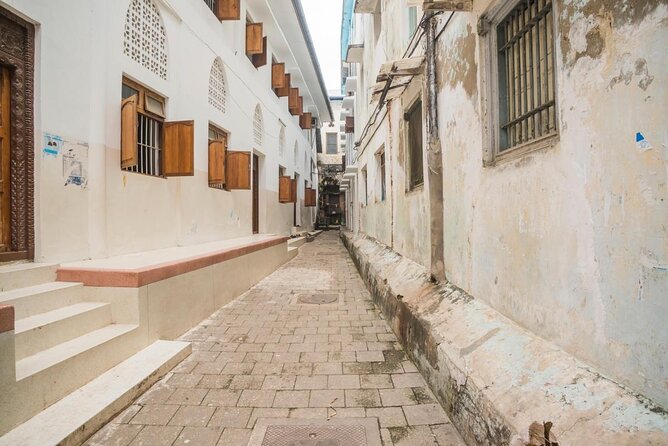
- Private walking tour: Only your group takes part, so you can ask for more detail on history, food, architecture, or present-day life.
- Seven central stops: The route includes Stone Town, the Old Fort, Forodhani Gardens, Darajani Bazaar, the People’s Palace Museum, Christ Church Cathedral, and the Freddie Mercury Museum.
- Strong historical range: You’ll cover Portuguese and Omani rule, the slave market site, royal Zanzibar, trade, religion, and local food.
- About $25 per person: The price includes a professional guide, but entrance fees, food, drinks, and transport from other parts of Zanzibar cost extra.
- Good guide feedback: Ahmed is named as a guide connected with an especially well-paced, informative tour. You can ask whether he is available.
- Plan ahead: The tour is often reserved about 13 days ahead, so last-minute availability may be limited.
Why Stone Town works best as a walking tour
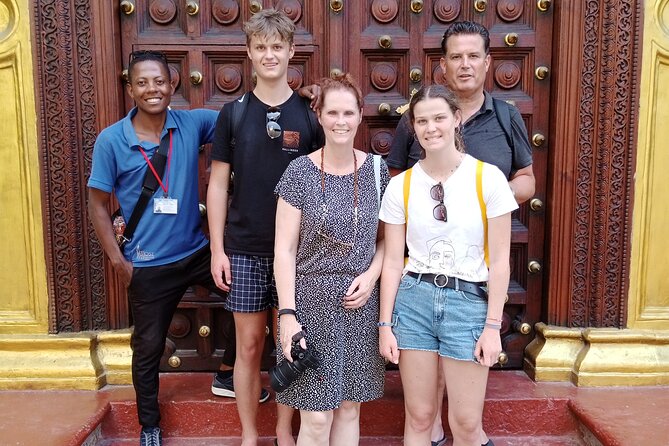
Stone Town is the old center of Zanzibar City, the capital of the Zanzibar Islands. Its lanes grew from centuries of movement across the Indian Ocean, when Zanzibar served as a major trading center for spices, silk, and enslaved people.
You will not see the city properly from a vehicle. The most telling details are close to eye level: carved wooden doors, old walls, small shops, shaded passages, and buildings shaped by several cultures. The route gives you a useful starting point for understanding how African, Arab, Persian, Indian, and European traditions met here.
The setting also appeals to your senses. You may notice sea air, perfumes, food aromas, and calls to prayer from minarets as you move through the old streets. That mix is one of the tour’s strongest features, though it also means Stone Town can feel crowded, noisy, and visually busy.
Your guide can help separate the layers. Zanzibar’s religious life includes Islam, Christianity, and Hinduism, and the tour places several religious and historic sites within the same compact area. That makes the city feel less like a collection of monuments and more like a living neighborhood with a long memory.
Other guided walks in Zanzibar:
- Stone Town Private Walking Tour
★ 5.0 · 371 reviews - Zanzibar: 3 Hours Private Stone Town walking Tour with Guide
★ 4.6 · 301 reviews - Zanzibar: Stone Town Historical Cultural Walking Guided Tour
★ 4.5 · 179 reviews
Forodhani Gardens: start beside the sea
The meeting point is Forodhani, and the route returns there at the end. This makes the location easy to recognize and gives you a pleasant place to continue your evening after the walk.
Forodhani Gardens is particularly active after sunset, when locals and tourists gather around the street food market. You may find grilled seafood, samoosa, cassava, sweet potatoes, and other Kiswahili and Zanzibari dishes.
The tour allows about 30 minutes here. If your walk takes place before the evening food market is fully active, you will still see the waterfront setting, but you should not expect the full food-stall atmosphere. Food and drinks are not included, so bring extra money if you want to eat.
I like this stop because it connects the formal history of Stone Town with ordinary local life. A palace or fort explains power. A food market shows what people actually cook, sell, and share today.
The Old Fort and the end of Portuguese rule
The Old Fort, known locally as Ngome Kongwe, receives about 40 minutes, making it the longest stop on the route. The fort dates to around 1560, and its story helps explain the struggle among Portuguese, Yaarub, and Omani forces for control of Zanzibar and the wider coast.
The fort’s later form is linked to the Yaarub expulsion of the Portuguese after the capture of Mombasa. Oman took control in 1698, ending Portuguese colonial rule in Zanzibar.
You will not need an admission ticket for this stop according to the tour details. The site gives your guide room to explain the political changes that shaped the island, rather than simply pointing out old walls.
Forty minutes is a useful amount of time here. You can listen to the explanation, look at the structure, and ask questions without feeling rushed. If military architecture is your main interest, you may want more time than the standard route offers, but the tour’s purpose is to give you a broad view of Stone Town rather than focus on one monument.
Darajani Bazaar: Zanzibar through food and trade
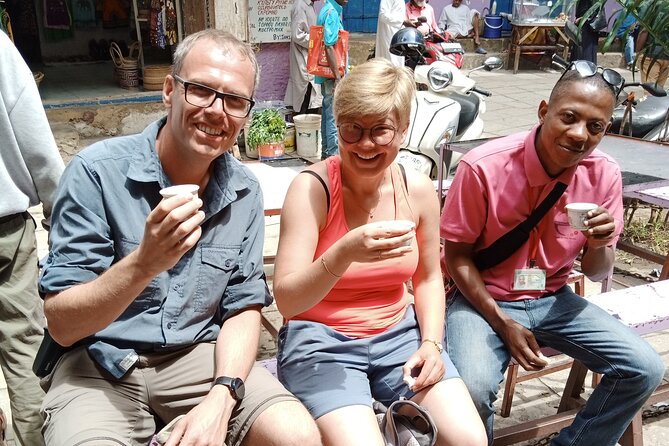
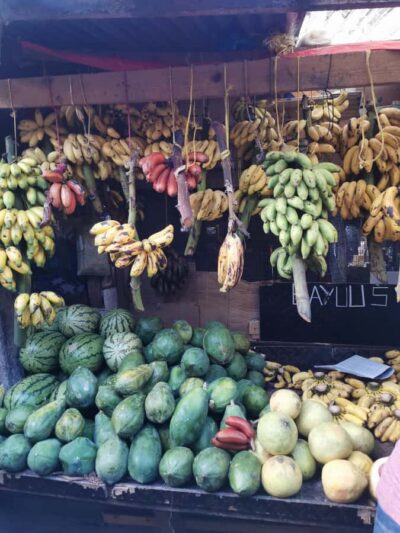
Darajani Bazaar receives about 18 minutes, but the market may be one of the most revealing parts of the walk. You can expect displays of fresh produce, spices, seafood, clothing, and local crafts.
The market shows the practical side of Zanzibar’s trading culture. Instead of hearing only about historic commerce, you see the modern exchange of food and goods in a place where local vendors work and residents shop.
This is not a quiet museum stop. The atmosphere can be busy, and you may need to stay close to your guide while taking in the stalls. The short visit is enough for an introduction, but not enough for a long shopping session or a leisurely meal.
You can interact with vendors and may have chances to sample traditional food, but food is not included in the tour. Ask your guide before eating or photographing, especially if you are unsure about market etiquette.
For me, Darajani adds needed balance. The Old Fort and palace tell you about rulers and outside powers. The market shows Zanzibar as a working city, where spices, seafood, clothing, and daily necessities still move through familiar streets.
More of the old town on foot from Zanzibar:
- Zanzibar: Stone Town, Spice Tour, Prison Island with Lunch
★ 4.4 · 1,219 reviews - Zanzibar: Prison Island, Stone Town, & Spice Farm Tour
★ 4.5 · 579 reviews - Zanzibar: Stone Town, Spice tour & Prison Island with Lunch
★ 4.6 · 453 reviews - Full-Day Private Stone Town +Spice Farm and Prison Island Tour
★ 4.5 · 216 reviews
The People’s Palace Museum and royal Zanzibar
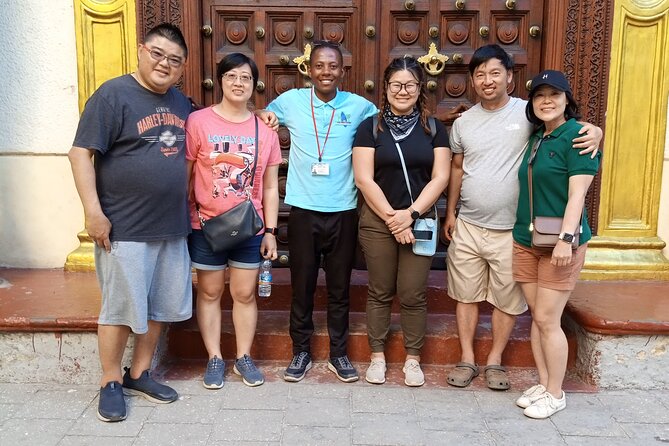
The People’s Palace Museum, also known as the Palace Museum, takes about 18 minutes. It was once a residence of the Sultan, and the exhibits cover Zanzibar’s royal past and cultural heritage.
You can expect artifacts and displays connected with the palace and the island’s ruling family. Traditional music or craft demonstrations may be part of the museum experience, though the tour information does not promise a particular demonstration on every visit.
This stop is useful if you want to understand Zanzibar beyond colonial buildings and market life. The palace represents another part of the island’s story: the period when Zanzibar was tied closely to the Omani sultanate and served as a center of regional power.
The short timing is the main limitation. If you enjoy museums, you may want to return later for a slower visit. During the walking tour, use the guide’s explanation to get the main context, then decide if the museum deserves more of your time.
Christ Church Cathedral and the slave market site
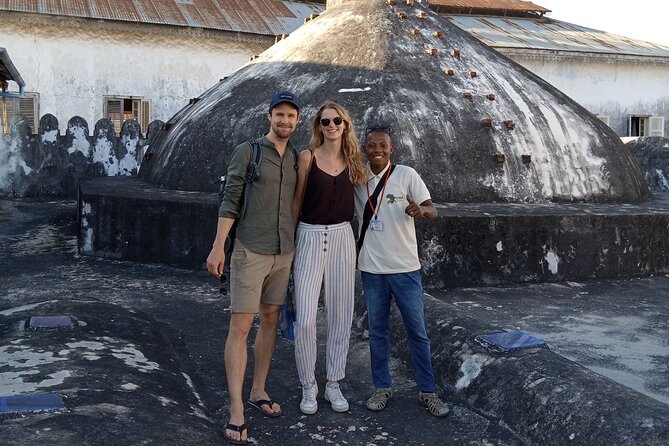
Christ Church Cathedral stands on the site of Stone Town’s former slave market. The guide will explain that connection, making this one of the most serious stops on the route.
The cathedral is not simply a religious building to check off a list. Its location forces you to confront the role Zanzibar played in slave-trading routes and the human cost behind the island’s commercial success. The tour summary also points to the coexistence of different faiths, and this stop adds Christian history to a route that has already included Islamic and royal sites.
Admission is not included, and the stop lasts about 18 minutes. That is enough for an introduction, but you may want to ask your guide how much time is available inside and what the extra fee covers before entering.
This part of the tour may feel emotionally heavy, and it should. A good guide will not soften the subject into a simple tale of old trade. The information provided for this experience specifically connects the cathedral site with slavery, so expect a more reflective moment than you might find at the market or fort.
Freddie Mercury Museum: a modern Zanzibari connection
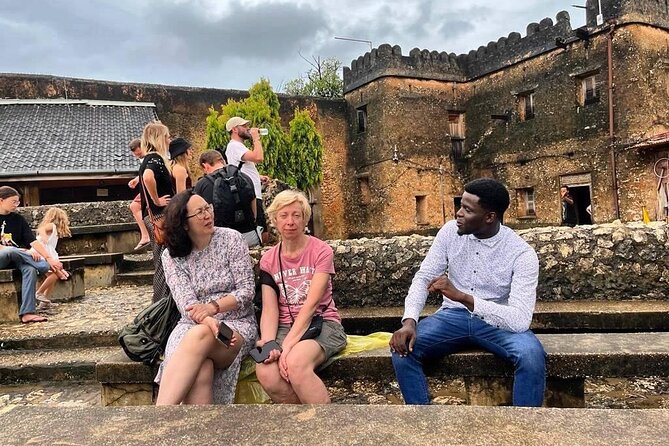
The Freddie Mercury Museum brings the tour into the modern era. Freddie Mercury was born in Zanzibar, and the museum focuses on his life, career, Zanzibari roots, and rise to worldwide fame with Queen.
You can see personal belongings, memorabilia, and objects connected with his music career. The exhibits offer a different way to understand Zanzibar’s place in the wider world, this time through popular music rather than trade, religion, or royal government.
The stop lasts about 18 minutes, and admission is not included. Music fans may want more time than the standard route allows, while others may find the stop a quick but memorable change of subject.
I like the inclusion because it prevents the tour from treating Stone Town as a place frozen in the past. Zanzibar’s story includes sultans and sea trade, but it also includes people whose lives connect the island to global culture today.
How much history fits into two to three hours
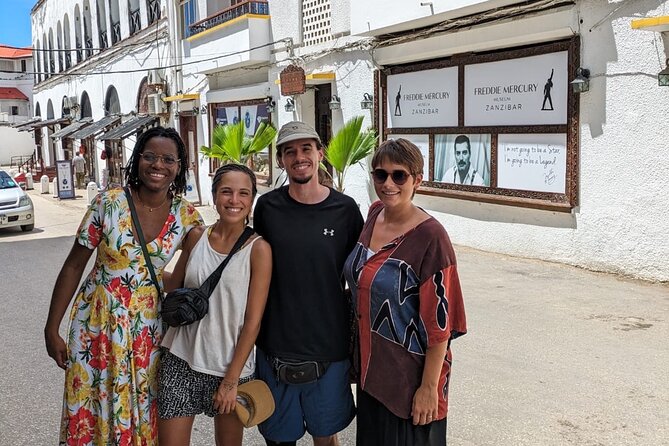
The full experience lasts about two to three hours, depending on the pace and the time spent at each site. The planned stops add up to a little more than two and a half hours, so the actual timing may vary as you walk between locations, pause for questions, or deal with market activity.
The route is broad rather than slow and scholarly. In one outing, you cover:
- Stone Town’s architecture and cultural mix
- Portuguese, Yaarub, and Omani rule
- Street food and local commerce
- The Sultan’s residence
- The former slave market site
- Freddie Mercury’s Zanzibar connection
That range is the tour’s main value. You get a usable framework for the city, then you can choose which places deserve a return visit.
The private format matters here. One especially positive account describes guide Ahmed adjusting the pace to match the group’s interests and discussing both Zanzibar’s past and current struggles. If Ahmed is available, you may wish to request him, though a particular guide cannot be guaranteed from the tour information.
Price, pickup, and what you actually pay
The listed price is $25 per person. For a private walking tour with a professional guide and seven central stops, that is a reasonable price if you want context rather than simply wandering alone.
The price includes the guide and pickup from hotels in Stone Town if you request it in advance. The tour starts at Forodhani, and transport from other parts of Zanzibar is not included. If you are staying outside Stone Town, you will need to arrange your own way to the starting point.
Plan for the listed $5 entrance fee per person, plus any separate admission charges noted for Christ Church Cathedral and the Freddie Mercury Museum. Food, drinks, tips, and personal purchases are also extra.
The mobile ticket is convenient, and confirmation is provided at booking. The activity is described as suitable for most participants and located near public transportation, but the tour is still a walking experience through old city streets. Wear practical shoes and allow yourself enough time to reach Forodhani.
Free cancellation is available if you cancel at least 24 hours before the start time. Cancellations or changes made within 24 hours are not refunded or accepted, and the cut-off follows local Zanzibar time.
Who should book this Stone Town walk
I would choose this tour if you are visiting Stone Town for the first time and want the main story explained in one outing. It suits people who enjoy history, architecture, food markets, religious sites, and local stories more than a single-subject museum visit.
The private format also works well for couples, families, or friends who want to set their own pace. You can ask for more detail about the slave market, the Sultan’s palace, local food, or Freddie Mercury rather than listening to a fixed speech aimed at a large group.
You may want a different plan if you prefer long museum visits, extensive shopping time, or a relaxed food tour. Several stops last only 18 minutes, and the route covers a lot of ground in a short period.
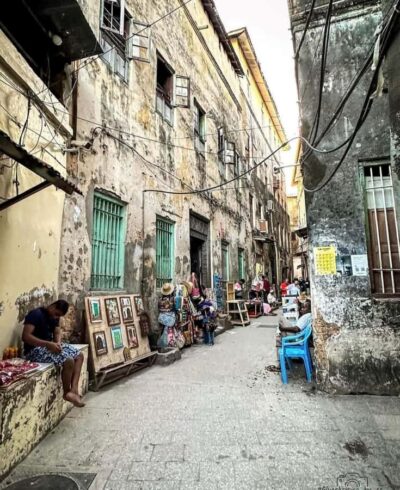
It is also worth keeping expectations realistic. Stone Town’s streets are old and active, not a polished outdoor museum. You will see beauty, but you will also encounter complicated history, market noise, and the practical life of a working city.
Should you book it?
Book this tour if you want a compact, private introduction to Stone Town with a guide who can connect the city’s architecture to trade, religion, slavery, royal power, food, and music. The $25 price is strongest when you treat the walk as an orientation, then return on your own to the places that interest you most.
Ask about Ahmed when you reserve, request Stone Town hotel pickup in advance if you need it, and budget for admissions and food. If you want a broad first look at Zanzibar’s old center rather than a slow visit to one museum, this is a sensible choice.
FAQ
Where does the Stone Town walking tour start?
The tour starts at Forodhani in Zanzibar, Tanzania, and ends back at the meeting point.
How long does the tour last?
The walking tour lasts approximately 2 to 3 hours.
Is hotel pickup available?
Pickup is available from hotels in Stone Town, but you need to request it and send a message in advance.
Is transportation from other parts of Zanzibar included?
No. Transfers from other parts of the island are not included, and the tour starts in Stone Town.
Are entrance fees included?
No. The tour details list a $5 entrance fee per person, and admission is also marked as not included for Christ Church Cathedral and the Freddie Mercury Museum.
Can I cancel for a full refund?
Yes, if you cancel at least 24 hours before the experience start time. Cancellations or changes made less than 24 hours before the start time are not refunded or accepted.
More history and culture tours in Zanzibar
- Stone Town’s Hidden History: Private Guided Walking Tour
★ 4.6 · 94 reviews - Private Historic Stone Town Tour
★ 5.0 · 79 reviews - Mamas of Zanzibar – A Unique Cultural & Culinary Experience
★ 5.0 · 45 reviews - Stone Town Guided Tour: Culture, Slave Market & Spice Market
★ 4.8 · 44 reviews
More walking tours in Zanzibar
- Stonetown: Food Markets and Street Food Walking Tour
★ 4.7 · 151 reviews - Zanzibar Stone Town Walking Tour
★ 5.0 · 145 reviews - Stone Town Historical Walking Tour
★ 5.0 · 143 reviews - Walking City Tour in Zanzibar Island
★ 5.0 · 122 reviews
Just added in Zanzibar
- Jet Ski Experience from Kendwa Beach★ 5.0 · 21 reviews
- Zanzibar: Parasailing Experience with Instructor★ 4.2 · 17 reviews
- 2h-Quad Zanzibar: Explore the heart of zanzibar by Quad★ 4.8 · 22 reviews
- From Zanzibar: 3-Day Selous Safari Trip with Flights★ 4.4 · 22 reviews
- Stone Town: Sunset Dhow Cruise Experience★ 4.0 · 22 reviews
- Stonetown Historical Walking Tour & Traditional Lunch★ 4.8 · 22 reviews
- From Zanzibar: Prison Island With Nakupenda Tour★ 4.4 · 23 reviews
- Zanzibar: Swimming with Turtles at Salaam Cave Aquarium★ 4.0 · 26 reviews
Stone Town Tours, compared.

Stone Town, Spice Tour, Prison Island with Lunch
Read our review →
3 Hours Private Stone Town walking Tour with Guide
Read our review →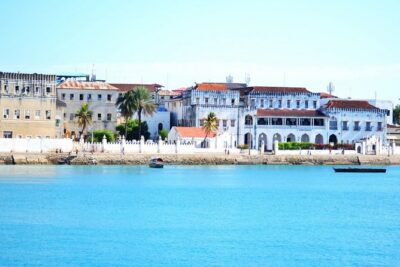
Full-Day Private Stone Town +Spice Farm and Prison Island Tour
Read our review →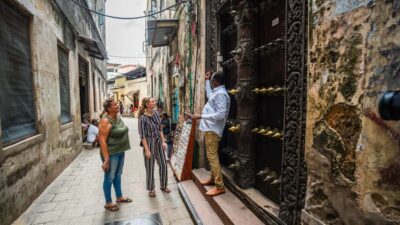
Stone Town Historical Cultural Walking Guided Tour
Read our review →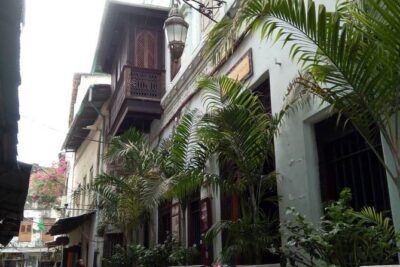

Browse the lists this tour appears in