
Reviewed · STONE TOWN TOURS
Zanzibar: Spice Tour & Stone Town Walking Tour
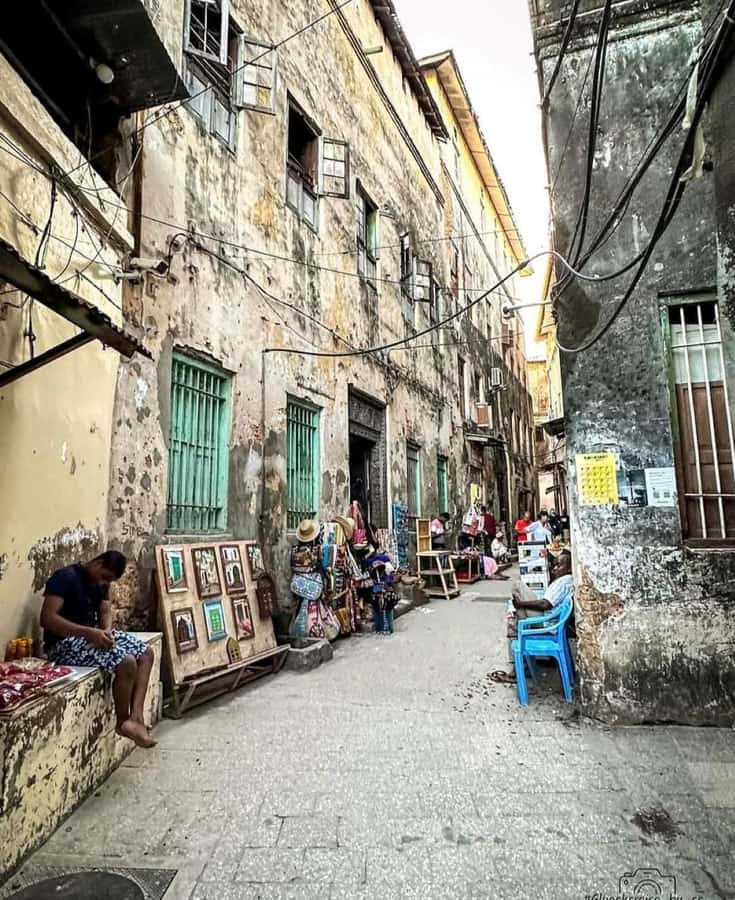
Zanzibar’s past and present meet in one busy five-hour outing: first, a hands-on spice plantation visit, then a walk through Stone Town’s narrow lanes and difficult history. You can smell cloves, taste fruit, watch a coconut climber sing Hakuna Matata, and later stand at the old slave market site.
I like the private format, since guides such as Ali, Mu, Abdul, and Sirio have been praised for making time for questions and adjusting the pace. I also like the useful combination of nature, local life, and history, including the fish and meat market rather than only the postcard sights.
The main thing to consider is pace. Five hours covers a lot, and the plantation can include sales pressure, tips, and a fruit-tasting session that may not suit every stomach. If you walk slowly or want time to shop, ask the guide to set priorities early.
Key points to know before you book

- A two-part Zanzibar introduction: Start with spices and tropical plants, then move to Stone Town’s cultural and historical sights.
- Private group touring: Your guide can answer questions and adjust the walking speed more easily than on a large group outing.
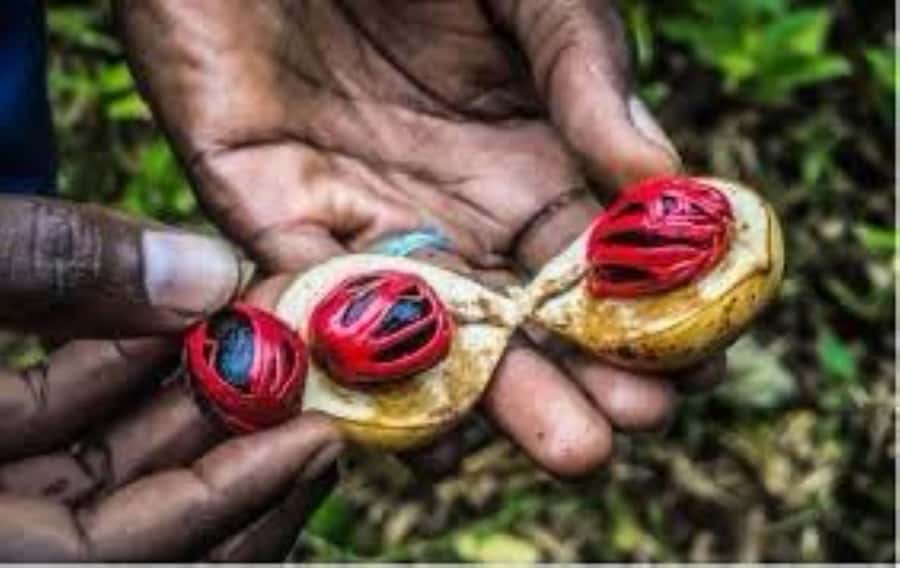
- A hands-on plantation visit: You may touch, smell, and taste cinnamon, cardamom, black pepper, ginger, vanilla, cloves, turmeric, nutmeg, and more.
- A serious history stop: The former slave market site gives the Stone Town walk moral weight, not just pretty streets and old buildings.
- A lively local market: Darajani Fish Market offers an unfiltered look at daily commerce, with strong smells and a crowded feel.
- Good value for a half day: At $95 per person, the price covers hotel transport, plantation entry, the slave market site, and a private guide.
Why this five-hour pairing works
Many Zanzibar tours make you choose between a nature outing and a Stone Town walk. This one puts both into the same half day. That matters if your time on Unguja is short or if you want more than beaches and resort life.
The spice farm shows how Zanzibar is connected to the plants that helped shape its trade. Stone Town then gives you the human and political side of that story. The result is not a full study of the island, but it gives you useful context before you move on to other parts of Zanzibar.
Your day begins with pickup in Zanzibar. The guide or driver meets you in your hotel lobby, holding a paper with your name. Hotel pickup and drop-off are included, which adds value to a tour that moves between the plantation area and Stone Town.
The tour is private, and that is one of its strongest features. You are not locked into the needs of a large group. If you want to ask about daily life, food, religion, trade, or local customs, you have a better chance of getting a thoughtful answer. Guides named in the feedback include Ali, Mu, Mo, Abdul, Sahim, Sirio, and Suleiman, although the assigned guide will depend on availability and language.
Other guided walks in Zanzibar:
- Stone Town Private Walking Tour
★ 5.0 · 371 reviews - Zanzibar: 3 Hours Private Stone Town walking Tour with Guide
★ 4.6 · 301 reviews - Zanzibar: Stone Town Historical Cultural Walking Guided Tour
★ 4.5 · 179 reviews
At the spice plantation, use all five senses
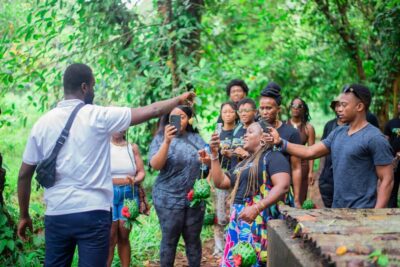
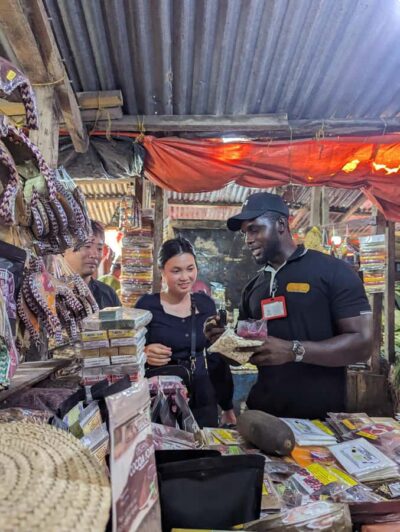
The plantation visit is more than a row of labeled plants. You are shown how spices grow and are encouraged to touch, smell, and taste them in their natural form. That makes a difference. A jar of ground cinnamon tells you very little about the tree, while seeing the plant helps connect the kitchen spice to the island’s farming traditions.
You can expect introductions to cinnamon, cardamom, black pepper, chili, ginger, vanilla, lemongrass, lemon mint, turmeric, nutmeg, and cloves. The exact order and depth of the presentation may vary, but the appeal is clear: this is a lesson you experience with your hands and nose, not just your ears.
The fruit tasting adds another sensory part to the visit. It may be fun, but one person found the fruit session upset their stomach. I would keep portions modest if you have a sensitive stomach, and do not feel obliged to eat everything offered.
A playful feature is the human butterfly, a coconut climber who goes up a tall palm while singing Hakuna Matata. It is a colorful bit of entertainment and makes for a memorable photo, though you should see it as a performance added to the farm visit rather than a serious farming demonstration.
Palm-leaf crown weaving can also be part of the stop. This small activity gives the plantation visit a personal touch and lets you take part instead of simply moving from plant to plant.
Buying spices requires a little care
The farm may offer spices and other goods for sale. One practical concern is that prices are not always displayed clearly. You may prefer to ask the cost of each item before deciding, especially if you are comparing several packets or gifts.
Some people find the sales approach and requests for tips more forceful than expected. That does not cancel the value of the plantation visit, but it is worth knowing before you arrive. Enjoy the educational part, decide what you want to buy, and keep your spending choices separate from the guide’s explanations.
I would also bring water and wear shoes suited to walking. The tour includes a plantation visit and a Stone Town walk, so this is not a sit-down excursion. The supplied information does not give a precise distance or terrain description, but a comfortable pace will help you enjoy both sections.
Stone Town puts the island’s past in view

After the plantation, the focus turns to Stone Town. The walking tour covers the history of the slave trade during the 17th and 18th centuries and includes the former slave market site. This is the most serious part of the outing.
You may visit a Christian church connected with the former slave market. The stop helps explain how the site’s religious and commercial history overlap. It is not light sightseeing, and that is exactly why it matters. Zanzibar’s wealth and cultural links were tied to trade, including the forced movement and sale of enslaved people.
Give this portion your attention. Stone Town is easy to photograph, but the old facades mean more when you understand the lives shaped by the trade that passed through the island. A good guide can help you connect the site to Zanzibar’s wider history without turning the subject into a quick sound bite.
One point needs special care: the route may not always include every sight in the same order. One person missed the slave-trade area while spending time on other parts of Stone Town. If this site matters to you, say so at the start and confirm that it is included in your walking priorities.
More of the old town on foot from Zanzibar:
- Zanzibar: Stone Town, Spice Tour, Prison Island with Lunch
★ 4.4 · 1,219 reviews - Zanzibar: Prison Island, Stone Town, & Spice Farm Tour
★ 4.5 · 579 reviews - Zanzibar: Stone Town, Spice tour & Prison Island with Lunch
★ 4.6 · 453 reviews - Full-Day Private Stone Town +Spice Farm and Prison Island Tour
★ 4.5 · 216 reviews
Darajani Market is real Stone Town, not a stage set

Darajani Fish Market gives you a look at ordinary commerce. Expect a market environment with fish and meat, strong smells, and the directness of a working food market. It can feel intense, but it gives you a better sense of daily Stone Town than a polished souvenir street alone.
This stop is not for everyone. If you dislike crowded food markets, are sensitive to smells, or want a quiet architectural walk, you may find it challenging. I still think it is valuable, because it shows the city as a place where people work and shop, not simply a historic backdrop.
You may have a chance to shop elsewhere in Stone Town as well. One person wanted to buy African masks and found that shopping time competed with the rest of the tour. Tell your guide if shopping matters to you, then agree on how much time to give it.
The Old Fort, House of Wonders, and Freddy Mercury’s house
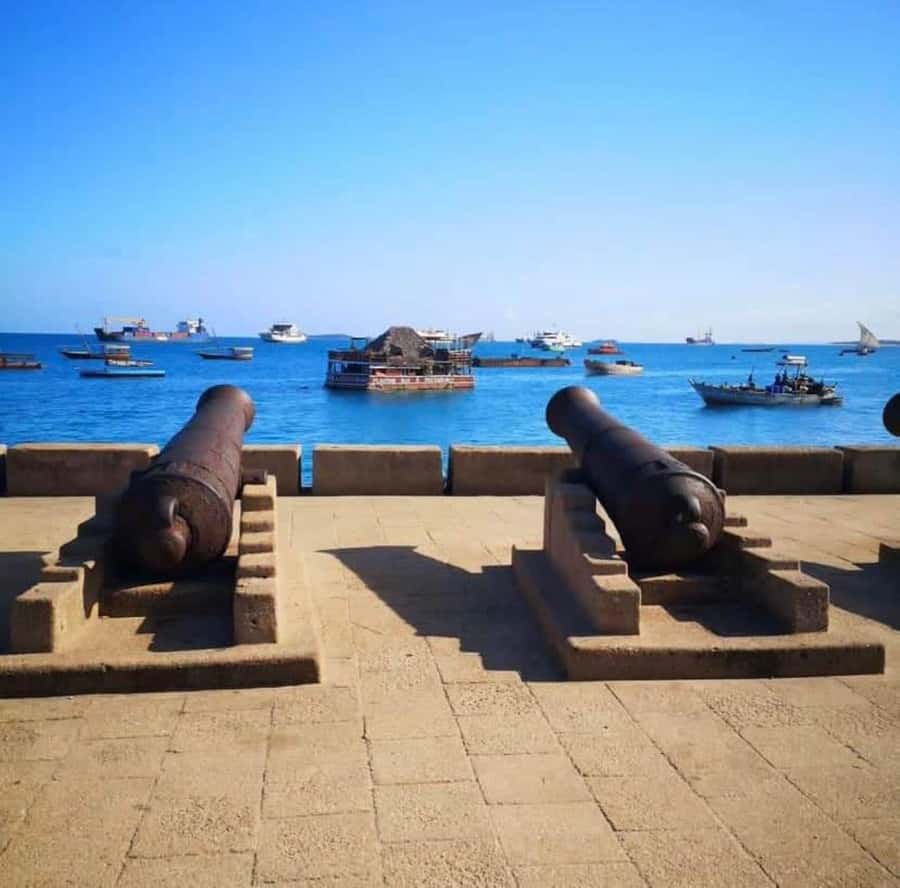
The route includes several of Stone Town’s best-known landmarks. The Old Fort offers a clear sense of the town’s fortified past, while the House of Wonders represents the grand architectural side of the old city. The tour does not turn these places into isolated photo stops. Your guide explains their place in the island’s cultural and political story.
Freddy Mercury’s house adds a more modern cultural link. It is a popular point of interest for music fans and a reminder that Zanzibar’s influence reaches far beyond spice farming and colonial-era buildings.
Do not expect five hours to provide an in-depth interior tour of every landmark. The strength here is the guided connection between places. You walk, listen, pause, and get enough orientation to return later if one building captures your interest.
The private format helps when the group has different interests. One person may want more history, another may want photos, and someone else may need a short rest. Guides such as Ali were praised for allowing time to explore, shop, or pause. That flexibility is more useful than rushing through a fixed checklist.
Guides make the biggest difference

The strongest praise goes to the guides and drivers. Ali was described as friendly and easy to talk with from the drive onward, discussing local culture and daily life before the plantation visit even began. Mu was singled out for making the day fun and explaining both the farm and Stone Town clearly.
Abdul appears in several positive accounts as a helpful driver and guide, while Sirio was appreciated for his polite manner, humor, and understanding of plants, spices, history, and major sights. Sahim and Mo were also praised for being kind, personal, and clear.
Your experience will depend partly on which guide you receive. The tour is offered in English, French, Italian, Spanish, and German, so confirm your preferred language when booking. The guide’s personality matters here because much of the value comes through conversation rather than through the stops alone.
The driver also affects the day. Punctual pickup and smooth transfers were repeatedly appreciated. Since you are combining two areas, reliable transport keeps the five-hour schedule from becoming stressful.
Is $95 per person a fair price?

At $95 per person, this is not the cheapest way to see a spice farm or Stone Town. It is also not simply a short city walk. The price includes hotel pickup and drop-off, plantation entry, entry to the former slave market site, and a private guide.
That package makes the cost easier to justify if you are traveling as a couple, family, or small private group and want transport handled for you. You are paying for the combination of two experiences and for the ability to ask questions at your own pace.
The value is weaker if you only want a quick look at spices or a basic orientation walk. You might save money by arranging separate activities, but you would give up the convenience of one booking and the chance to connect the island’s farming and trading history in one day.
Food and personal expenses are not included. Plan for your own meals and purchases, and keep extra cash for any shopping or optional tipping. Since prices at the plantation may not be displayed, ask before buying.
Who will enjoy this tour most?
I would choose this tour if you are visiting Zanzibar for the first time and want a strong overview without committing a full day. It suits curious visitors who enjoy plants, food, history, markets, and local conversation.
It is also a good fit for anyone staying outside Stone Town who wants transport included. The private format is helpful for couples and families, especially when people have different walking speeds or interests.
You should think twice if you want a slow, detailed museum day. Five hours is enough for a broad introduction, not a long examination of every historic building. The Stone Town walking section may also be tiring for someone with limited mobility. One person’s companion needed to walk slowly, which reduced time for other stops.
If the former slave market is your main reason for booking, mention it before the walk begins. If the market, shopping, or the plantation presentation matters most, say that too. The more clearly you set priorities, the more useful a private tour becomes.
My booking advice
I would book this experience if I wanted one practical introduction to Zanzibar’s plants, trade, and Stone Town culture. The strongest elements are the private guiding, hotel transport, hands-on spice presentation, and serious treatment of the slave-trade site.
I would book with realistic expectations. The plantation may include sales pitches, tips, and fruit tasting. The market can be smelly and intense, and five hours may not allow every landmark, shopping stop, and historical site in equal detail.
Ask for your priority stops at the beginning, especially the former slave market. If you want a personable guide, names such as Ali, Mu, Mo, Abdul, or Sirio have received particularly warm praise, though a specific guide cannot be guaranteed. With that small amount of planning, the $95 price can buy a useful and memorable half day in Zanzibar.
FAQ
How long does the Zanzibar Spice Tour and Stone Town Walking Tour last?
The experience lasts five hours, including the spice plantation visit and the Stone Town walking tour.
Is hotel pickup and drop-off included?
Yes. Pickup and drop-off in Zanzibar are included. The guide or driver meets you in your hotel lobby with your name on a piece of paper.
Is this a private tour?
Yes. The tour is arranged for a private group rather than a shared group.
What languages are available?
Live guiding is available in English, French, Italian, Spanish, and German.
Which spices and plants can I see?
The tour can include cinnamon, cardamom, black pepper, chili, ginger, vanilla, lemongrass, lemon mint, turmeric, nutmeg, and cloves, along with tropical fruits.
Does the tour include the former slave market site?
Yes. Entry to the slave market site is included, and the Stone Town section explains the history of the slave trade in the 17th and 18th centuries.
Is food included in the price?
No. Food and personal needs are not included. The plantation may include fruit tasting, but the supplied details do not describe a full meal.
What sights are included in the Stone Town walk?
The route can include the former slave market site, Darajani Fish Market, Freddy Mercury’s house, the House of Wonders, and the Old Fort. Tell your guide which stops matter most because time is limited.
Can I cancel the booking?
You can cancel up to 24 hours in advance for a full refund. You can also reserve now and pay later, according to the booking terms.
More walking tours in Zanzibar
- Stonetown: Food Markets and Street Food Walking Tour
★ 4.7 · 151 reviews - Zanzibar Stone Town Walking Tour
★ 5.0 · 145 reviews - Stone Town Historical Walking Tour
★ 5.0 · 143 reviews - Walking City Tour in Zanzibar Island
★ 5.0 · 122 reviews
More spice farm tours from Zanzibar
- Spice Tour + Stone Town Tour + Prison Island
★ 4.5 · 130 reviews - Zanzibar: Stone Town & Spice Farm Tour with Lunch
★ 4.5 · 97 reviews - Zanzibar: The Swahili Spice Experience – Spice Tour + Culinary Journey
★ 4.7 · 96 reviews - Zanzibar:Stone Town & Spice Farm Private Tour Lunch Included
★ 4.2 · 94 reviews
Just added in Zanzibar
- Jet Ski Experience from Kendwa Beach★ 5.0 · 21 reviews
- Zanzibar: Parasailing Experience with Instructor★ 4.2 · 17 reviews
- 2h-Quad Zanzibar: Explore the heart of zanzibar by Quad★ 4.8 · 22 reviews
- From Zanzibar: 3-Day Selous Safari Trip with Flights★ 4.4 · 22 reviews
- Stone Town: Sunset Dhow Cruise Experience★ 4.0 · 22 reviews
- Stonetown Historical Walking Tour & Traditional Lunch★ 4.8 · 22 reviews
- Stone Town Historical and Cultural Walk with Ally Jape★ 5.0 · 23 reviews
- Prison island tours★ 5.0 · 24 reviews
Stone Town Tours, compared.
Stone Town, Spice Tour, Prison Island with Lunch
Read our review →
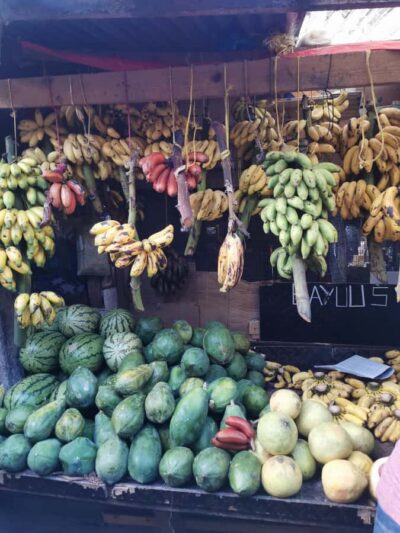
3 Hours Private Stone Town walking Tour with Guide
Read our review →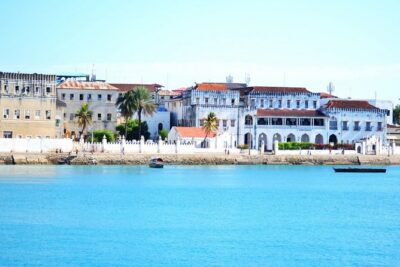
Full-Day Private Stone Town +Spice Farm and Prison Island Tour
Read our review →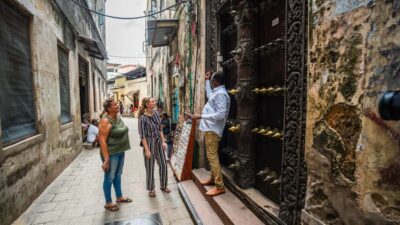
Stone Town Historical Cultural Walking Guided Tour
Read our review →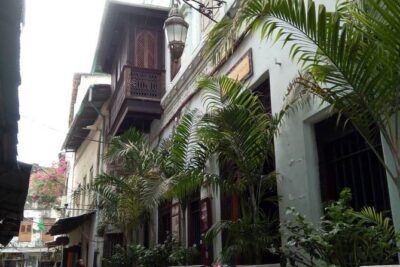

Browse the lists this tour appears in