
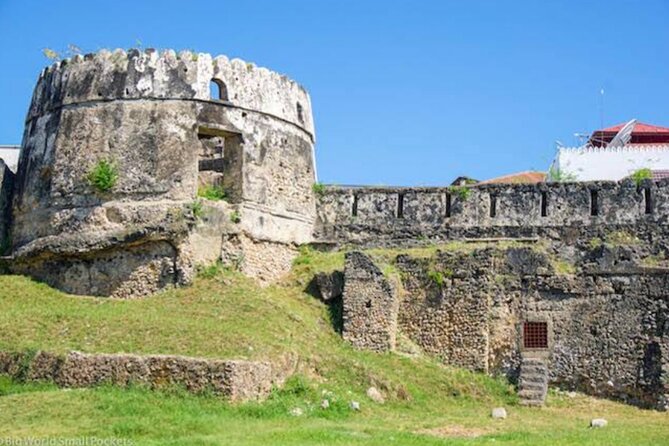
Reviewed · STONE TOWN TOURS
2 Hours Private Stone Town City Tour
Stone Town packs centuries of African, Indian, Arabian, and European influence into a tight maze of lanes. In two hours, you move from the House of Wonders and Old Fort to Freddie Mercury’s birthplace, carved doors, the former slave market, and Darajani Bazaar. It is a quick way to see why this old city earned UNESCO World Heritage status.
I like the private format, since guide Adam can answer questions and adjust the pace for your group. I also like the route’s mix of major sights and ordinary street life, especially the Indian and Arabic doors, local shops, Catholic church, and spice stalls. The main drawback is the tight schedule: two hours is enough for an introduction, but not enough for long visits or a relaxed look at every corner.
Key points at a glance
- A compact route through Stone Town: Start at Forodhani and finish at Darajani, with no need to retrace your steps.
- Adam is the named guide: His warm manner, clear explanations, humor, and ability to answer questions are repeatedly emphasized in the available feedback.
- The tour covers serious history: The Old Fort and former slave market provide important context for Zanzibar’s trading past.
- You see details beyond monuments: Look for Indian and Arabic door styles, street bazaars, the Catholic church, and the changing character of Stone Town’s lanes.
- Darajani Bazaar adds a practical finish: You can browse Zanzibar spices and buy items to take home.
- The price is $50 per person: That is fair for a private, guide-led introduction if your time in Zanzibar is limited.
Why Stone Town works well in two hours
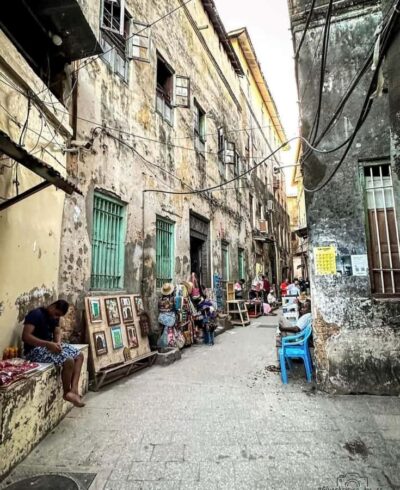
Stone Town is not a place you understand from a quick photograph at one landmark. Its character comes from the way old buildings, narrow streets, shops, religious sites, and busy markets sit close together. The best part of this tour is the connection between those pieces.
Zanzibar was a major meeting point on spice, silk, and slave-trade routes for more than a millennium. African, Indian, Arabian, and European influences shaped the buildings, language, religion, food, and commercial life you see today. A guide helps you read those layers instead of simply walking past them.
The route begins at Forodhani, a useful meeting point near the waterfront, and ends at Darajani. That eastward progression matters. You start with large civic and defensive buildings, then move into the lanes and shops before finishing in the market district. You get a sense of Stone Town as a living city, not just an open-air museum.
At $50 per person, the value depends on what you want from a short visit. If you only need directions, it is more than a self-guided walk costs. If you want the meaning behind the buildings, a private guide makes the price easier to justify, particularly for a small group that can ask its own questions.
More of the old town on foot from Zanzibar:
- Zanzibar: Stone Town, Spice Tour, Prison Island with Lunch
★ 4.4 · 1,219 reviews - Zanzibar: Prison Island, Stone Town, & Spice Farm Tour
★ 4.5 · 579 reviews - Zanzibar: Stone Town, Spice tour & Prison Island with Lunch
★ 4.6 · 453 reviews
Beginning at the House of Wonders

The first stop is the House of Wonders, also called Beit Al Jaib. The guide begins with an introduction to Stone Town, then explains the building from outside. The visit is brief, about five minutes, and there is no admission charge.
That short opening is useful because it gives you a basic map of the city’s past before you enter the smaller streets. You can expect a quick explanation rather than a long museum visit, so keep your attention on the building’s place in Stone Town’s story.
This is also where you can ask the guide what you most want to understand. If you are interested in architecture, trade, religion, or Zanzibar’s modern life, say so early. A private tour gives you more room to steer the conversation than a large group walk.
Inside the Old Fort, or Ngome Kongwe
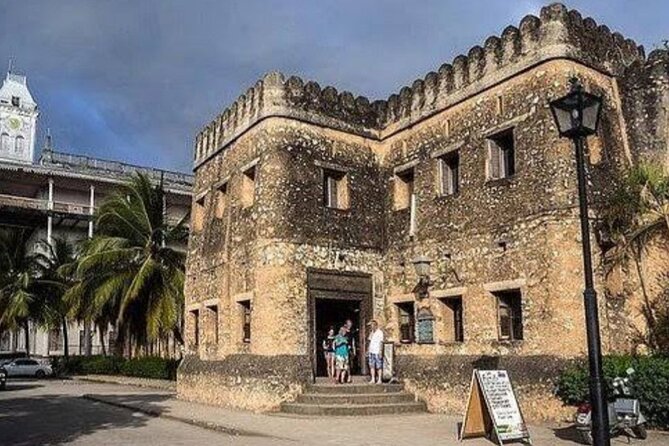
The Old Fort is the first substantial stop. Known locally as Ngome Kongwe, it is a historic fortress where you enter the building and pause for around 12 minutes. Admission is included.
The guide explains its connection to Zanzibar’s trading past and the former slave market. This is one of the places where a short explanation can add real value. A fort can look like a simple wall and courtyard if you do not know what role it played. With context, you begin to understand how defense, commerce, and control were tied together in Stone Town.
Do not expect a long, museum-style visit. The schedule gives you enough time to look around, hear the main points, and take in the structure before moving on. If you prefer slow photography or detailed architectural study, this stop may feel rushed.
Freddie Mercury’s birthplace
The tour then pauses outside the house associated with Freddie Mercury’s birth. The guide explains his life and gives you time to take photographs from outside. Admission is free.
This stop adds a modern cultural note to a route otherwise focused on older buildings and trade. Freddie Mercury’s connection to Zanzibar gives the city a link to global popular culture, and it is an easy photo stop along the walking route.
The visit is short, about five minutes. You are not going inside for a full museum experience, so set your expectations accordingly. The value here comes from the story and the contrast with the forts, churches, and market streets around it.
More ways to see Zanzibar in a day:
- Walking City Tour in Zanzibar Island
★ 5.0 · 122 reviews - City tours zanzibar
★ 5.0 · 55 reviews - 3-Hour Private City Tour in Zanzibar Island
★ 5.0 · 47 reviews - Zanzibar: Stone Town City Tour and Spice Farm with Lunch
★ 3.7 · 33 reviews
A closer look at Stone Town’s streets
The longest part of the tour is the walking section through Stone Town. Allow about an hour for streets, shop bazaars, the Catholic church, and the distinctive doors found throughout the old city.
This is the section I like most because it moves beyond the headline sights. Stone Town’s identity appears in small details: a shop opening onto a narrow lane, a carved doorway, a change in building style, or a religious structure tucked among commercial streets.
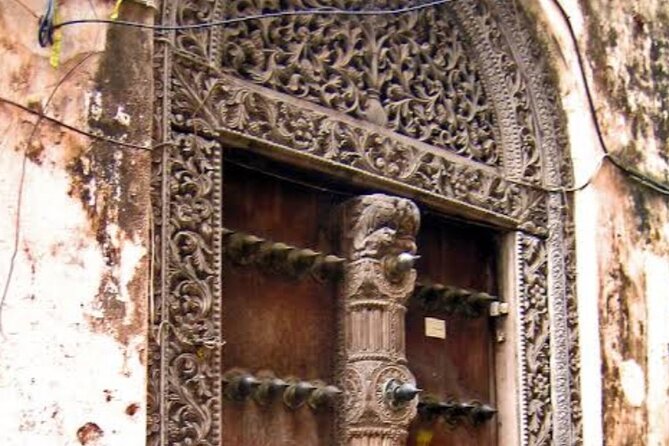
The guide points out Indian-style doors and Arabic-style doors, explaining how their designs differ and what they reveal about Zanzibar’s outside connections. Look closely at the woodwork, metal fittings, shapes, and decorative details. These doors are not just attractive backdrops for photographs. They are part of the city’s architectural record.
The Catholic church offers another change of pace. You stop for pictures and hear more about the area before continuing through the streets. The tour information does not promise a long interior visit, so treat this as a brief cultural and photographic stop.
Because this section takes up half the tour, comfortable walking shoes are sensible. Stone Town is best experienced on foot, but the lanes can be crowded with activity and easy to navigate poorly without local direction. You will get more from the walk if you pause to look around rather than rushing from one marked sight to the next.
Adam’s reported strengths fit this kind of tour well. He is described as friendly, energetic, humorous, attentive to questions, and able to explain both history and local customs. His habit of greeting people warmly also suggests a guide who can help you see the city as a community rather than a collection of monuments.
The former slave market and Anglican Cathedral
The visit to the Old Slave Market and Anglican Cathedral brings the most serious part of the tour. You enter the cathedral area and see boards with key information about the slave trade. The guide then takes you to the chambers where enslaved people were held and to the sculptures commemorating them.
This is not a light sightseeing stop. The subject requires attention and respect, and the setting helps show the human cost behind Zanzibar’s commercial importance. The tour allows about 12 minutes here, which is enough for the core explanation but not for extended reading or quiet reflection.
The short timing is the main limitation. If this subject is especially important to you, you may want to return later and spend more time with the information boards and memorial sculptures. Within this two-hour route, though, the stop ensures that the city’s past is not presented only through grand forts, attractive doors, and market scenes.
The cathedral and former market also help connect different parts of Zanzibar’s story. Stone Town’s trade created wealth and outside connections, but it also depended on exploitation. A useful guide should make both sides clear, and this is the part of the tour where that balance matters most.
Finishing at Darajani Bazaar
The final stop is Darajani Bazaar, where you spend about 20 minutes looking at Zanzibar spices and other goods. The guide takes you to shops selling spices that you may want to buy for home. There is no separate admission charge, but purchases are your responsibility.
Ending here makes practical sense. You finish near Jumba la Treni, the stated endpoint, and can continue exploring the market area after the tour. You can also use the final stop to ask about the spices, compare items, and decide what is worth packing.
The shopping element is optional in spirit, even though it forms part of the route. If you are not interested in buying anything, you can focus on the market’s atmosphere and ask questions about what you see. If you do shop, remember that the tour price does not include purchases.
Darajani is also a good place to notice how Stone Town works today. The earlier stops explain the past through major buildings and memorials. Here, the city’s commercial life comes forward, with people buying, selling, and moving through the market district.
The private format and the guide
This is a private activity, so only your group participates. That is the clearest reason to choose it over a standard group walk. You can ask for more explanation at a particular site, move on when you have had enough, or ask Adam to clarify something you did not understand.
The available feedback places strong emphasis on Adam. He is praised for being pleasant, entertaining, organized, friendly, and attentive to families with children. He has also guided longer combinations involving Stone Town and Prison Island, but this experience is specifically the two-hour city walk.
That distinction matters. Do not book this tour expecting Prison Island, a spice farm, lunch, or a full-day program. Those appear in descriptions of other outings with the same guide, not in this two-hour experience. Here, your focus is Stone Town from Forodhani to Darajani.
The private setting should also help families and mixed-interest groups. Children may respond better to short stories, photographs, doors, and market stops than to a long lecture. Adults can ask about trade, architecture, religion, or Zanzibar’s customs. The guide has been described as willing to work around children, which is useful, though the walk still covers serious material at the former slave market.
Timing, meeting point, and practical value
The stated start time is 10:00 a.m. at Forodhani in Zanzibar. The tour ends at Darajani, in front of the Jumba la Treni building, after the market visit. This point-to-point design is convenient because you do not finish where you began.
The duration is approximately two hours. The listed stop times add up to close to the full period, so do not plan on lengthy detours. If you need to catch another appointment, allow extra time for meeting the guide, walking between locations, photographs, and the final market stop.
A mobile ticket is provided, and confirmation is received at booking. The meeting area is near public transportation, and most people can participate. The tour requires good weather and a minimum number of participants. If poor weather or insufficient participation causes cancellation, you are offered another date, another experience, or a full refund.
Cancellation is free up to 24 hours before the start time. A cancellation inside that window is not refundable, and late changes are not accepted. Those rules are worth checking before you commit, especially if your Zanzibar schedule depends on ferries, flights, or changing weather.
Tips and gratitude are not included. The price covers the professional guide and listed fees and taxes, but you should budget separately if you want to tip Adam for the service.
Who should book this Stone Town walk?
I would choose this tour if you have limited time in Zanzibar and want the main historical sights explained in one organized walk. It is also a good fit if you prefer a private guide to a large group, especially when you have specific questions or children in your party.
It suits first-time visitors who want orientation before exploring alone. The route introduces the main buildings, street patterns, doors, churches, market life, and difficult parts of Zanzibar’s past. Afterward, you will know which places deserve a slower return visit.
It is less suitable if you want a museum-heavy experience, long photographic pauses, or extensive shopping. The schedule is deliberately compact. You will see many places, but you will not spend an hour inside each one.
The rating attached to the experience is 4.9 from nine reviews, a strong result for a small private activity. The most consistent praise centers on Adam’s friendliness, humor, organization, and ability to explain Stone Town clearly. Those qualities matter here because the city’s details are easy to miss without a guide who can connect them.
Should you book it?
Book this private Stone Town tour if you want a focused first look at Zanzibar’s old city, with Adam’s guidance, included entry fees, and a route that ends conveniently at Darajani. At $50 per person, it offers good value for a private introduction when your time is short.
Skip it if you prefer to explore at your own pace or need long visits at the former slave market, Old Fort, or market. For everyone else, this is a sensible opening walk: compact, varied, historically serious, and practical enough to help you find your bearings before exploring more of Zanzibar on your own.
FAQ
Where does the tour start?
The tour starts at Forodhani in Zanzibar, Tanzania, at 10:00 a.m.
Where does the tour end?
The tour ends at Darajani, in front of the Jumba la Treni building, after the market visit.
How long does the Stone Town tour last?
The experience lasts approximately two hours.
Is this a private tour?
Yes. Only your group participates in this private activity.
What is included in the $50 price?
The price includes all fees and taxes and a professional tour guide. Tips, gratitude, and any purchases at Darajani Bazaar are not included.
Can I cancel for a full refund?
Yes, if you cancel at least 24 hours before the experience start time. Cancellations made less than 24 hours in advance are not refunded.
Just added in Zanzibar
- ZANZIBAR: Jozani Forest, butterfly center & Reptile park★ 4.7 · 3 reviews
- Zanzibar: Jozani Chwaka Bay National Park and Spice Farm …★ 4.6 · 5 reviews
- Zanzibar: Horse Riding and Kayaking with Video and Photos★ 4.9 · 10 reviews
- Zanzibar hidden: Starfish, Blue Lagoon, &The Rock Restaurant★ 5.0 · 3 reviews
- Zanzibar Half Day Trip in Mnemba Island★ 4.4 · 16 reviews
- Zanzibar: Half-Day Spice Farm Tour,the flavours of Zanzibar★ 4.7 · 3 reviews
- Zanzibar: Full-Day Conservation Safari with BBQ Lunch★ 3.9 · 9 reviews
- Zanzibar: Half-Day Prison Island, Tortoises and Spices Tour★ 3.7 · 7 reviews
Stone Town Tours, compared.
Stone Town, Spice Tour, Prison Island with Lunch
Read our review →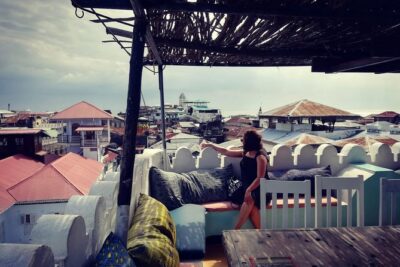

3 Hours Private Stone Town walking Tour with Guide
Read our review →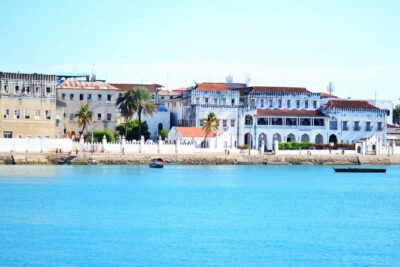
Full-Day Private Stone Town +Spice Farm and Prison Island Tour
Read our review →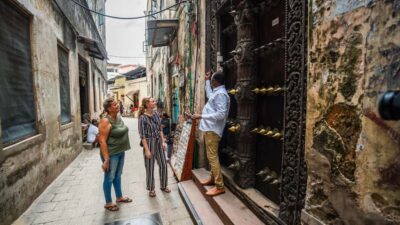
Stone Town Historical Cultural Walking Guided Tour
Read our review →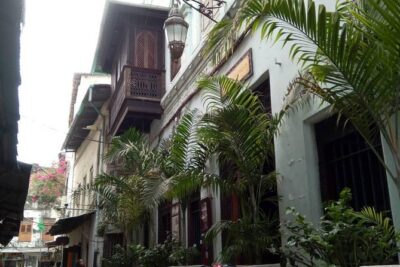

Browse the lists this tour appears in