
Reviewed · STONE TOWN TOURS
Stone Town Private Tour with Slave Market Tickets
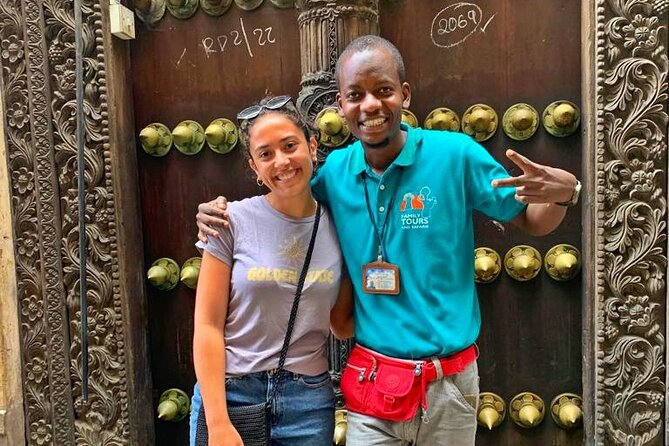
Stone Town’s story is written into its doors, markets, churches, mosques, and sea-facing streets. This private walk with Maulid Omar puts the former slave market first, then connects Zanzibar’s Arab, Indian, European, Portuguese, and Swahili influences through places such as the Old Fort, Sultan’s Palace, Darajani Bazaar, and Tippu Tip’s House.
I like the small private format, which gives you room to ask questions and spend more time where your interest is strongest. I also like the market stop, where the city’s history becomes a daily scene of fish, fruit, spices, bargaining, and local commerce. The main consideration is pace: ten stops in three to four hours means most visits are brief, and Freddie Mercury Museum admission costs extra.
Key Points Before You Book
- The former slave market comes first, with entry to the chambers, monuments, and Anglican Cathedral area included.
- Maulid Omar leads a private walking tour, so only your group takes part.
- Darajani Bazaar adds real local life, with produce, seafood, spices, and Zanzibari shopping.
- Freddie Mercury Museum entry is not included, and the stop lasts about 20 minutes.
- Ten Stone Town sights fit into three to four hours, so expect an overview rather than long museum visits.
- The tour starts and ends at Forodhani Gardens, at 8:30 am, with free cancellation up to 24 hours before departure.
Why Stone Town Needs a Guided Walk
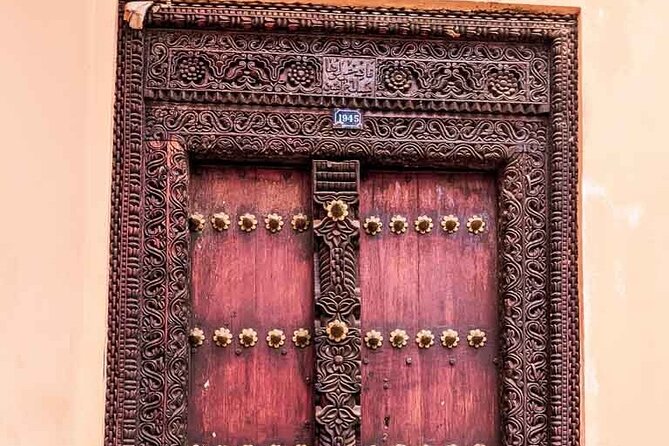
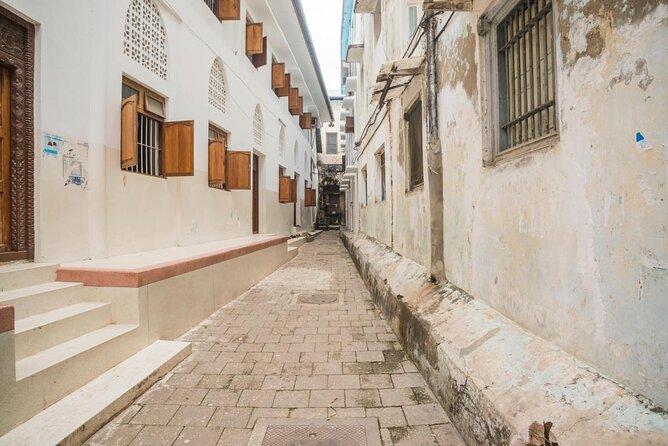
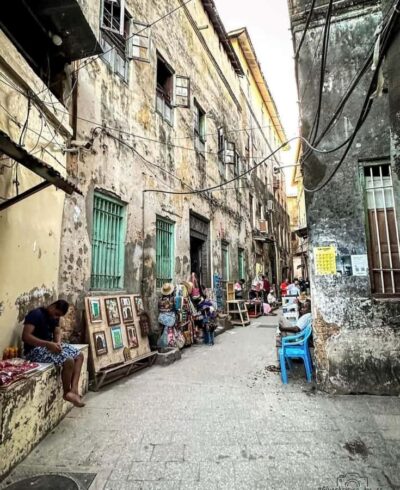
Stone Town can look confusing at first. Its lanes twist past carved doors, balconies, small shops, mosques, churches, courtyards, and old trading houses. A guide helps turn separate buildings into a connected story.
That story is not simple. Zanzibar was an important center for trade in spices, ivory, and enslaved people during the 19th century. Arab, Indian, Portuguese, European, and Swahili influences all left marks on the city. You see those influences in religious buildings, palace design, market life, and the mixture of names and architectural styles.
I would not choose this tour only for photographs. Its strongest feature is the historical thread. The former slave market explains one of the darkest parts of Zanzibar’s past, while the market, palace, fort, and houses show how trade and power shaped the city.
Stone Town became a UNESCO World Heritage Site in 2000 because of this unusual combination of architecture and history. A guide is especially useful here because many important details are easy to miss when you are simply walking from one attractive doorway to the next.
More of the old town on foot from Zanzibar:
- Zanzibar: Stone Town, Spice Tour, Prison Island with Lunch
★ 4.4 · 1,219 reviews - Zanzibar: Prison Island, Stone Town, & Spice Farm Tour
★ 4.5 · 579 reviews - Zanzibar: Stone Town, Spice tour & Prison Island with Lunch
★ 4.6 · 453 reviews
Starting at the Former Slave Market
The first stop lasts about an hour and includes admission to the former slave market and the Anglican Cathedral area. This is the most serious part of the morning, and it deserves your full attention.
You’ll see the slave monuments, the chambers where enslaved people were held, and the location where people were sold. The tour also covers the wider slave trade in Zanzibar and East Africa, along with artifacts connected to that period.
This stop can be difficult. It should not be treated as a quick photo stop or a decorative old building. The chambers and sale site give physical weight to a history that can otherwise feel distant. Allow yourself time to listen and think.
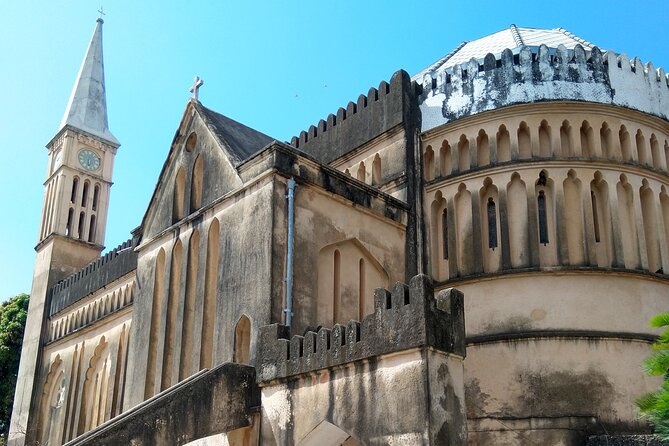
The Anglican Cathedral is also connected with the history of Christian missionaries and the work of Dr. David Livingstone. His name appears often in East African history, and this stop gives you a chance to understand how missionaries became linked with efforts to oppose the slave trade.
I appreciate that the tour begins here rather than treating the subject as an afterthought. You then see the rest of Stone Town with a clearer sense of how its wealth, buildings, and trading networks developed.
Freddie Mercury’s Zanzibar Connection
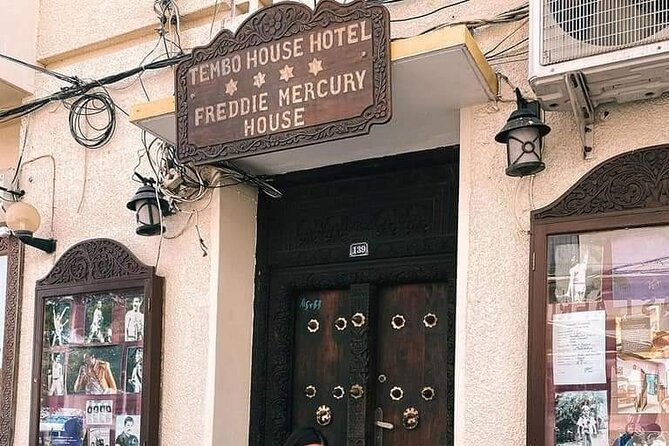
The Freddie Mercury Museum stop lasts about 20 minutes. It focuses on the singer, songwriter, guitarist, and Queen frontman who was born in Zanzibar.
Entry to the museum is not included in the tour price. That detail matters because the stop may appeal strongly to music fans but feel less important to people mainly interested in architecture or history. Ask about the current admission arrangement when you book or meet your guide, since the tour information specifically lists the museum ticket as an extra cost.
Twenty minutes is enough for a quick look at the site and its connection to Freddie Mercury. It is not a long museum visit. If you want to spend more time with the exhibits, you may need to adjust the rest of your private tour with Maulid.
This is one of the tour’s more unusual contrasts. Within a short walk, you move from the history of the slave trade to the modern international story of one of Zanzibar’s best-known cultural figures.
The Old Fort and Its Portuguese Remains

The Old Fort, also called Ngome Kongwe, takes about 20 minutes. Its history reaches back to Portuguese construction and later Arab use, and the stop includes the open amphitheater and an old Portuguese chapel.
The fort helps you see Stone Town as a strategic port rather than only a maze of attractive streets. Its heavy walls and open spaces reflect the need to protect control of the harbor and the city.
Admission is free. Since the visit is short, expect a guided look at the main areas rather than an extended exploration of every corner. I like this stop because it provides a strong visual change after the solemn atmosphere of the former slave market.
The Old Fort can also help you get your bearings. It is one of the city’s better-known landmarks, and its open layout offers a brief break from the narrow lanes.
More of the history on foot in Zanzibar:
- Zanzibar: Stone Town Historical Cultural Walking Guided Tour
★ 4.5 · 179 reviews - Stone Town Historical Walking Tour
★ 5.0 · 143 reviews - Stone Town’s Hidden History: Private Guided Walking Tour
★ 4.6 · 94 reviews - Private Historic Stone Town Tour
★ 5.0 · 79 reviews
Darajani Bazaar’s Daily Rhythm
Darajani Bazaar is scheduled for about 20 minutes, though a private tour may give you some flexibility if your group wants to look more closely. This is the most sensory stop of the morning.
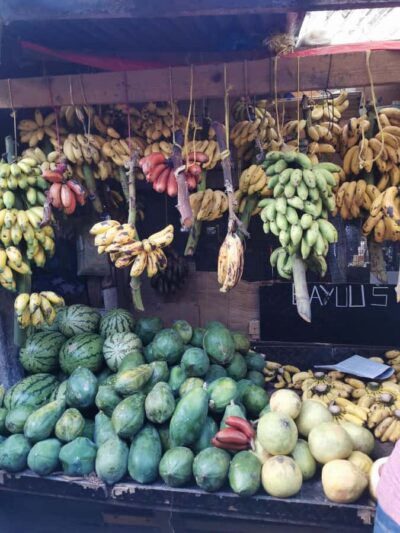
You’ll see fruit, vegetables, fish, meat, and spices, with fresh catches from the Indian Ocean and produce from local growers. The market is a useful reminder that Stone Town is not an open-air museum. People come here to buy and sell daily necessities.
You can shop, take photographs, and look at the range of local ingredients. You might also find this to be the best place to ask Maulid about unfamiliar foods, spices, and local customs.
There is a practical point here: markets are active working spaces. Keep your belongings secure, ask before photographing people, and stay close enough to your guide to avoid losing the group in the lanes.
I especially like that the market is part of the main route rather than an optional extra. It adds ordinary life to a tour otherwise filled with monuments and old buildings.
A Coffee Pause in Stone Town
After the market, the walk continues through Stone Town’s narrow streets toward Zanzibar Coffee House. The planned stop lasts about 15 minutes and gives you time to rest with an aromatic coffee.
This is a short pause, not a full meal break. If you need more time to sit, drink, or shop, ask Maulid whether the schedule can be adjusted. Because the tour includes many stops, a brief rest can make the second half more comfortable.
The coffee stop also helps you notice the city at street level. Stone Town is not understood only through major landmarks. Its character comes from the lanes between them, the old façades, the shopfronts, and the movement of people through the center.
Sultan’s Palace and the People’s Palace Museum

The People’s Palace Museum, also described as the Sultan Palace, takes about 20 minutes. Here you’ll learn about Zanzibar’s Sultan dynasty and see the setting of the former royal residence.
The palace adds political context to the first part of the tour. After hearing about trade and the slave market, you can see where the ruling family lived and how power was represented. The building’s rooms and atmosphere help connect the city’s commercial history with its royal past.
The supplied tour details list this stop as free, while the general inclusions also refer to entrance fees. If palace entry is important to you, confirm exactly what is covered at booking. The only admission clearly marked as extra is the Freddie Mercury Museum, but the wording about palace access is not perfectly consistent.
Twenty minutes gives you an overview. If you enjoy royal history and interiors, you may wish you had longer. Still, the stop earns its place because it explains the people and institutions behind much of Stone Town’s 19th-century story.
Forodhani Gardens and the Indian Ocean

Forodhani Gardens is both the meeting point and one of the final stops. The tour allows about 20 minutes here.
In the evening, the gardens are known for seafood, grilled food, sugarcane juice, Zanzibar pizza, and other street dishes. This morning tour takes place before the evening food scene, so you should not expect the full nighttime market atmosphere at 8:30 am.
The location gives you views toward the Indian Ocean and shows why Stone Town’s waterfront mattered. It is also a useful place to return to at night if you want to try local food after the tour.
Because the tour begins and ends here, the location is practical. You do not need a separate transfer to a distant hotel or landmark at the end. The listed meeting point is Forodhani Park, at R5QQ+VJ6 in Zanzibar.
St. Joseph’s Cathedral and the Old Dispensary
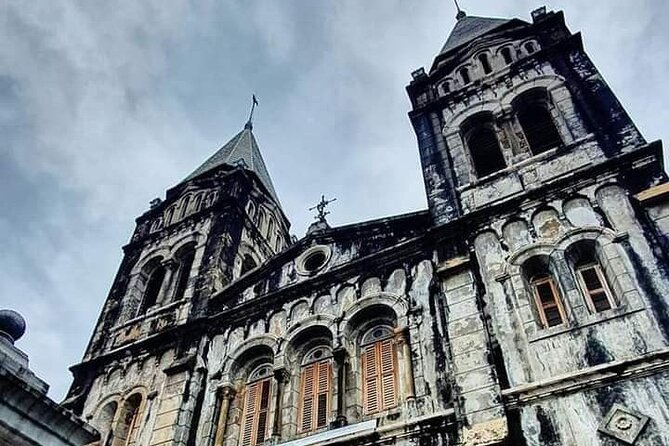
St. Joseph’s Roman Catholic Cathedral is a French Catholic church in the center of Stone Town. The stop lasts about 20 minutes and focuses on the building, its interior, and the stories connected with it.
The cathedral adds another religious and architectural layer to the route. You have already seen the Anglican Cathedral connected with the former slave market. This church shows how different Christian traditions also became part of Zanzibar’s built environment.
The Old Dispensary takes another 20 minutes. It was the first dispensary in Stone Town and was established by Tharia Thopan, a business adviser to the Sultan. Its function tells you something about public life and the city’s changing institutions, while the building itself adds another example of Stone Town’s mixed design.
These two stops are short, but together they widen the tour beyond royal buildings and trading history. If architecture interests you, pay attention to the façades, balconies, and decorative details rather than rushing only toward the next landmark.
Tippu Tip’s House and the Harder Questions
Tippu Tip’s House, on Shangani Street, is connected with one of the most powerful slave traders in East Africa. The stop lasts about 20 minutes.
This is an important but uncomfortable part of the route. The house is not presented as an isolated historic residence. It is tied to the same trading system discussed at the former slave market, so the stop can help you understand how individual power and commercial networks operated.
I value the inclusion of Tippu Tip’s House because it keeps the history specific. It is easier to discuss a broad subject in general terms, but a particular person, street, and building make the subject harder to ignore.
As with the other short stops, you’ll get an overview rather than a long visit. The quality of the experience depends heavily on the explanation. Maulid Omar’s role is important here because the sites need context, not just directions.
How Much Value Do You Get for $30?
At $30 per person, this tour offers solid value if you want a guided introduction to Stone Town. The price includes guiding services, bottled water, entrance to the former slave market, and a private experience for your group.
The route covers ten places in about three to four hours. Paying separately for each sight and arranging a guide would likely take more planning, and you would lose the benefit of a connected route through the old city.
The value is strongest for first-time visitors who want history explained as they walk. It is also useful if you have limited time in Zanzibar and want to cover the city’s main themes in one morning.
The value is weaker if you prefer slow museum visits. Several stops last only 20 minutes, and the coffee pause is planned for just 15 minutes. You may need a separate visit for the Freddie Mercury Museum if that is your main interest, since its ticket is not included.
This is a private activity, so you are not sharing the guide with a large group. That makes the price more attractive for couples, families, and small groups who want to ask questions or request a slightly different emphasis.
Timing, Comfort, and Booking Details
The tour starts at 8:30 am and returns to Forodhani Gardens. A morning start is useful for fitting the walk into the rest of your day, though the schedule includes many stops and narrow streets.
The activity is listed as suitable for most people and is near public transportation. Bottled water is included. Personal purchases, food, and other personal expenses are not included.
Confirmation is provided at booking, and you can cancel for a full refund up to 24 hours before the start time. Cancellations or changes made within 24 hours are not refunded or accepted. The activity requires good weather, so poor conditions may lead to a different date or a full refund.
The tour is often booked well ahead, with an average booking time of about 88 days before the visit. If you are visiting during a busy period, reserving early is sensible.
Who Should Book This Stone Town Tour?
I would recommend it to you if you want a clear introduction to Zanzibar’s capital, especially if you care about history, architecture, markets, and local context. It suits first-time visitors, couples, families, and anyone who prefers a private guide to a large group.
It is also a good choice if the former slave market is a priority. That one-hour visit gives the tour its strongest historical focus, while the palace, fort, churches, market, and old houses fill out the picture.
I would choose another option if you want a relaxed half-day with long museum visits, extensive shopping time, or a food-focused evening. The itinerary is full, and the short stops favor breadth over lingering.
At $30 per person, the combination of a private guide, included former slave market admission, bottled water, and a broad route makes this a practical way to meet Stone Town. Book it for the connected story and direct guidance, not for extended time at every sight.
FAQ
How long does the Stone Town private tour last?
The tour lasts approximately three to four hours.
What time does the tour start?
The tour starts at 8:30 am.
Where does the tour begin and end?
It begins at Forodhani Park in Zanzibar and ends back at the same meeting point.
Is the former slave market entrance included?
Yes. Admission to the former slave market is included, along with guiding services and bottled water.
Is Freddie Mercury Museum admission included?
No. Entry to the Freddie Mercury Museum is not included in the tour price.
Is this a private tour?
Yes. Only your group participates in the activity.
Can I cancel for a full refund?
Yes, if you cancel at least 24 hours before the experience start time. Cancellations made less than 24 hours before departure are not refunded.
More market and street food tours in Zanzibar
- Stonetown: Food Markets and Street Food Walking Tour
★ 4.7 · 151 reviews - Authentic Street Food Tours in Stone Town, Zanzibar
★ 5.0 · 46 reviews - Stone Town Guided Tour: Culture, Slave Market & Spice Market
★ 4.8 · 44 reviews - Stone Town Evening Walk Tour With Visit Food Markets
★ 4.5 · 28 reviews
Just added in Zanzibar
- ZANZIBAR: Jozani Forest, butterfly center & Reptile park★ 4.7 · 3 reviews
- Zanzibar: Jozani Chwaka Bay National Park and Spice Farm …★ 4.6 · 5 reviews
- Zanzibar: Horse Riding and Kayaking with Video and Photos★ 4.9 · 10 reviews
- Zanzibar hidden: Starfish, Blue Lagoon, &The Rock Restaurant★ 5.0 · 3 reviews
- Zanzibar: Half-Day Spice Farm Tour,the flavours of Zanzibar★ 4.7 · 3 reviews
- Zanzibar Half Day Trip in Mnemba Island★ 4.4 · 16 reviews
- Zanzibar: Full-Day Conservation Safari with BBQ Lunch★ 3.9 · 9 reviews
- Zanzibar: Half-Day Prison Island, Tortoises and Spices Tour★ 3.7 · 7 reviews
Stone Town Tours, compared.
Stone Town, Spice Tour, Prison Island with Lunch
Read our review →
3 Hours Private Stone Town walking Tour with Guide
Read our review →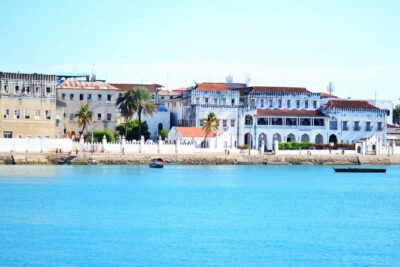
Full-Day Private Stone Town +Spice Farm and Prison Island Tour
Read our review →
Stone Town Historical Cultural Walking Guided Tour
Read our review →

Browse the lists this tour appears in