
Reviewed · STONE TOWN TOURS
Stone Town Foodie Walk
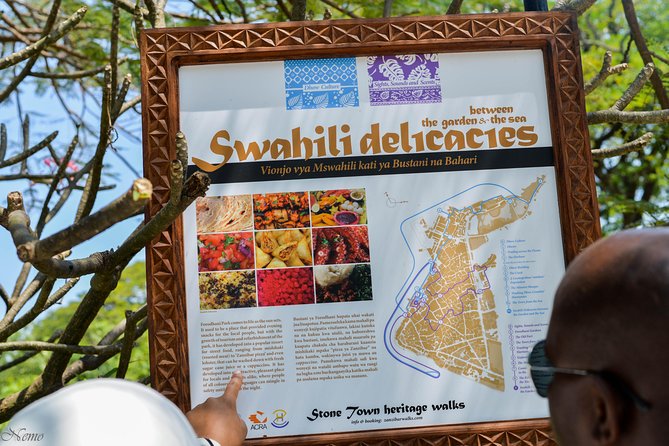
Stone Town’s best stories often arrive on a small plate. This walking tour takes you from Forodhani Garden to Darajani, stopping for coffee, sweets, bread, urojo, sugarcane juice, and fruit while your guide explains how Zanzibar’s food developed through contact with India, Arabia, Africa, and former colonial powers.
I like the small maximum of five people, which gives the walk a personal feel, and I like that the tastings are tied to real places: a local bakery, food stalls, a market, and neighborhood eating spots. Guides such as Haj and Mussawir have also been praised for adding useful Stone Town history and practical food tips.
The main caution is pace. You will walk for about three hours through narrow streets, and the route calls for moderate fitness. Pickup is not automatically included, and hotel transfers from beach areas cost extra, so check the meeting details before booking.
Key points to know before you book
- Starts beside the Indian Ocean: Meet at Forodhani Garden for traditional coffee and sweet snacks before setting off.
- Small groups only: The tour is limited to five people, with private options available.
- Several tastings are included: Expect boflo bread, Zanzibar urojo, hand-pressed sugarcane juice, snacks, drinks, and seasonal tropical fruit.
- Food and history come together: Your guide explains how nearby regions and former colonizers shaped Zanzibar’s cooking.
- Ends near Darajani: The walk begins at Forodhani and finishes at Darajani in Stone Town.
- Plan for a full three hours: Wear comfortable shoes, cover your shoulders and knees, and avoid arriving hungry only if you are prepared for a substantial amount of food.
Why Stone Town is best explored through its food
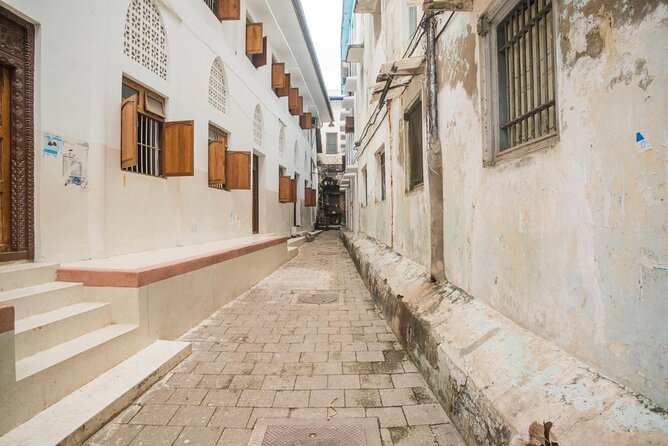
Stone Town can feel confusing at first. Its lanes twist past carved doors, old buildings, small shops, and food stalls, with little sense of a neat tourist route. A food walk gives you a reason to keep moving and a simple way to understand the city.
Food also explains Zanzibar better than a list of dates. The archipelago’s cooking reflects African traditions, Indian spices and techniques, Arab connections, and the effects of European colonial rule. On this tour, those influences are presented through things you can actually eat, rather than only through a guide’s speech.
That makes the outing useful early in your stay. You get a basic map of central Stone Town, learn which local food stops are worth remembering, and gain a better idea of what to order later on your own. I would schedule it near the start of a Zanzibar visit, not on your final afternoon.
The tour is designed for a maximum of five people. That matters in Stone Town, where large groups can clog narrow lanes and make food stops awkward. A small group also gives you a better chance to ask questions about ingredients, customs, and places to eat after the walk ends.
More of the old town on foot from Zanzibar:
- Zanzibar: Stone Town, Spice Tour, Prison Island with Lunch
★ 4.4 · 1,219 reviews - Zanzibar: Prison Island, Stone Town, & Spice Farm Tour
★ 4.5 · 579 reviews - Zanzibar: Stone Town, Spice tour & Prison Island with Lunch
★ 4.6 · 453 reviews
Starting at Forodhani Garden with coffee and sweets
The meeting point is Forodhani Garden, an easy-to-recognize waterfront location in Stone Town. The outing begins with a briefing over traditional coffee and sweet snacks while you look toward the Indian Ocean.
This opening is more useful than it may sound. It lets you meet the guide, understand the plan, and settle into the rhythm of the walk before entering the old town. It also gives your guide a natural moment to explain the food influences you will encounter.
Do not think of the coffee stop as the main meal. It is a welcome tasting and introduction. The larger food stops come later, so you should arrive ready to eat but not necessarily after a large breakfast.
The setting is one of the tour’s pleasant details. Forodhani connects the waterfront with the old city, so you start with open views before moving into Stone Town’s tighter streets. The change in atmosphere helps you notice how quickly the city shifts from seafront space to crowded lanes and local food shops.
Boflo bread and the everyday bakery stop
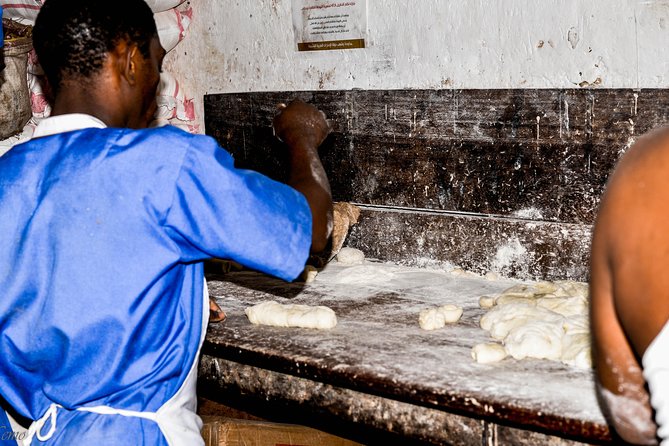
One planned tasting is boflo bread at a local bakery. This is the kind of stop that gives the tour a practical edge. Rather than sampling only polished restaurant dishes, you get to see an ordinary food business and taste something that belongs to daily life.
A bakery visit also helps break up the walk. You are not simply being led from one famous building to another. The food gives the guide a chance to explain how bread fits into local eating habits and how Zanzibar’s food traditions have changed through outside contact.
The exact selection and serving style can depend on the day and the bakery. That is worth keeping in mind if you expect a fixed tasting menu. This is a street and market food walk, so availability may be shaped by what local vendors have that day.
Zanzibar urojo, the dish worth paying attention to
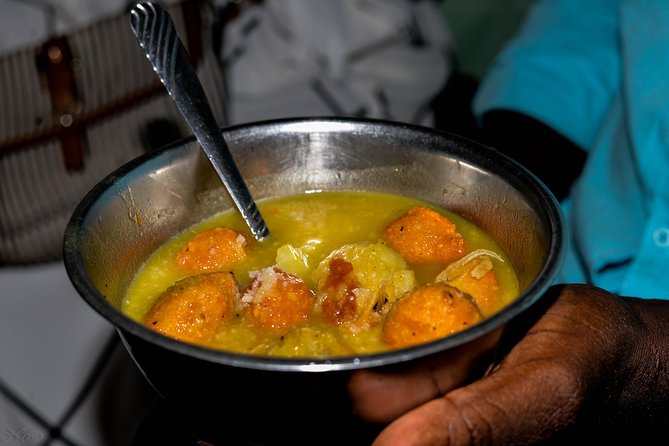
The tour includes a taste of Indian Zanzibar urojo mix. Urojo is one of the clearest examples of Zanzibar’s mixed food identity, and this stop is likely to be more memorable than a generic snack.
Your guide uses the dish to show how Indian influence became part of Zanzibar’s food culture. The point is not simply to tick off another sample. You get context for why a dish with Indian connections appears in a city shaped by African, Arab, Indian, and colonial ties.
If you have never tried urojo, ask questions about what is in the version served and how local people eat it. The tour gives you a safe way to try it with guidance, instead of ordering blindly at a later meal.
There is one practical limit. The supplied details do not promise that every tasting will suit every dietary need, and they do not list ingredient substitutions. If you have allergies or strict food restrictions, raise them before booking and again with the guide at the start.
A few more things to do in Zanzibar worth a look
- Stonetown: Food Markets and Street Food Walking Tour
★ 4.7 · 151 reviews - Authentic Street Food Tours in Stone Town, Zanzibar
★ 5.0 · 46 reviews - Stone Town Evening Walk Tour With Visit Food Markets
★ 4.5 · 28 reviews - Blue Safari Full Day Private Trip Zanzibar With Sea Food BBQ
★ 5.0 · 8 reviews
Hand-pressed sugarcane juice in the old city

Hand-pressed sugarcane juice adds a fresh drink to the food stops. It is a good contrast to the bread and savory urojo, and it keeps the tasting route from feeling like a series of similar bites.
The phrase hand-pressed matters because this is presented as a local preparation rather than a packaged drink. You can see how the food is made and get a closer look at the small-scale vendors who help feed Stone Town.
The tour includes bottled water as well. Still, carry your own water if you prefer to drink often in warm weather. The walk lasts about three hours, and the combination of walking and frequent tastings can feel tiring if you are not used to the heat.
Inside Stone Town, where the history becomes useful
The route moves through inner Stone Town, where your guide points out local food joints and explains the food secrets of the archipelago. The history element is not an extra lecture added to fill time. It gives the tastings meaning.
Haj, one of the named guides associated with this tour, has been praised for taking people through much of Stone Town while adding a history lesson. Mussawir has also been noted for explaining local foods alongside general history and useful tips for the town. You cannot assume which guide you will receive, but these details suggest that the quality of the outing depends in part on who leads it.
A good guide makes the walk easier to follow. You learn not only what a food is, but why it is found in Zanzibar and where local people might eat it. You also have someone to help you make sense of the lanes, especially if this is your first visit.
The route is still a walking tour, not a dedicated city sightseeing circuit. You may pass historic streets and notable buildings, but the central purpose is food. If you want a detailed architectural tour of Stone Town, book a separate history walk or choose a tour built around monuments.
Darajani Market and seasonal tropical fruit

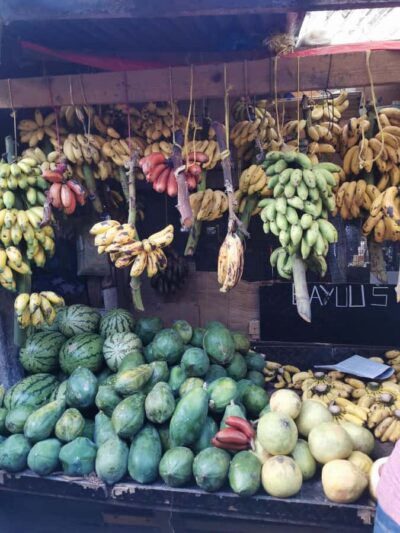
The walk finishes at Darajani, with a visit to a lively food market and a tasting of seasonal tropical fruit. This is a strong ending because markets show you what is available locally at the time of your visit.
Seasonal fruit also means the precise tasting cannot be guaranteed in advance. That is part of the appeal, but it requires a flexible attitude. You are getting a snapshot of Zanzibar’s food supply, not a fixed menu printed months ahead.
Darajani is also a useful place to end because you can continue exploring from there or use the market as a reference point for later shopping. The tour does not include transportation to other attractions, so plan your onward route yourself.
You should also expect a market to be active and crowded at points. Keep track of your belongings and stay close enough to hear the guide. The small group limit helps, but Stone Town’s lanes and markets still require attention.
How much food do you actually get?
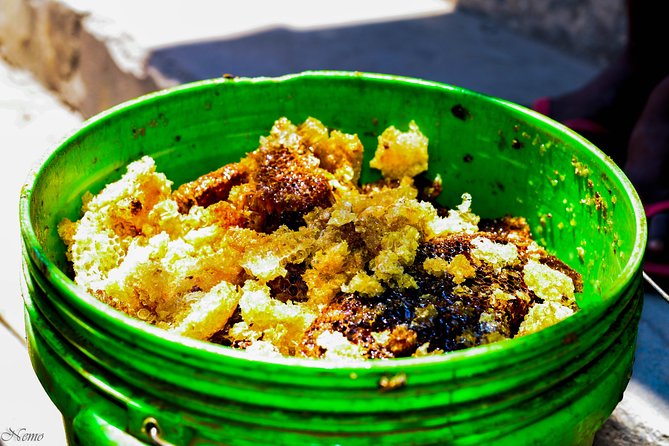
The listed tastings include coffee, sweet snacks, boflo bread, urojo, sugarcane juice, and seasonal fruit, along with other local snacks and drinks. One useful warning is that this can add up to far more food than a few token samples.
I would not schedule a full lunch immediately after the walk. At the same time, lunch is not included as a separate meal, so do not book this expecting a sit-down restaurant lunch with a long break. Think of it as a generous grazing route spread across several stops.
The exact amount depends on the day, the vendors, and the group. If you have a large appetite, you might still want a meal later. If you prefer light eating, pace yourself and tell the guide early.
The variety is the real value. You sample drinks, bread, a mixed dish, snacks, and fruit, rather than paying for one restaurant plate. That makes the $40 price reasonable for people who want food, local orientation, and a guide in one outing.
Is $40 good value?
At $40 per person, this tour offers solid value if you plan to try local food anyway. You receive a professional guide, food tastings, snacks, bottled water, and a small-group route lasting about two to three hours. The GST is included as well.
The price is less attractive if you mainly want a quick snack stop or a simple Stone Town introduction. You could spend less by walking independently, but you would lose the guide’s explanations, arranged tastings, and help finding local food joints.
The group size improves the value. A maximum of five makes it easier to ask questions and keeps the walk from becoming a procession. Private tours are available, but the included pickup terms differ, so read the transfer details carefully.
Pickup is the point most likely to cause confusion. The general meeting point is Forodhani Garden, and hotel pickup and drop-off are not included as a standard feature. Private tours can arrange pickup in Stone Town for an extra cost, while beach hotel transfers also cost extra.
Who will enjoy this walk most?
I recommend it for people who want their first Stone Town visit to feel grounded in local eating rather than built only around landmarks. It suits curious eaters, couples, small families with older children, and anyone who likes asking questions as they walk.
It is also a good choice for people who feel unsure about ordering unfamiliar food. The guide gives you a starting point, and you can use the names and suggestions later during the rest of your Zanzibar stay.
The tour is less suitable if you dislike walking, need a fully seated food experience, or want complete certainty about every dish. The physical requirement is listed as moderate, and the route passes through narrow urban streets.
Children can join, but they must be accompanied by an adult. A child rate applies only when the child shares with two paying adults. Cover your shoulders and knees to respect local culture, and choose comfortable casual clothing and shoes.
Timing, meeting details, and cancellation
The advertised duration is about three hours, though the general estimate allows two to three hours. Begin at Forodhani and expect to finish at Darajani. Confirmation is provided when you book, and the tour uses a mobile ticket.
Book at least a day ahead if your schedule is tight. The average booking lead time is about 12 days, which suggests that popular dates may fill before arrival, especially for a group capped at five people.
Free cancellation is available if you cancel at least 24 hours before the local start time. Cancellations or changes made within 24 hours are not refunded or accepted.
Should you book the Stone Town Foodie Walk?
Book it if you want a compact introduction to Zanzibar through food, especially at the beginning of your stay. The small group, broad tasting range, and stops at real bakeries, vendors, and markets give you more than a standard stroll through old streets.
I would choose it for the guide-led context as much as for the food. Haj and Mussawir are named guides connected with particularly useful history and local advice, though the guide assigned to your booking may differ.
Skip it if you want a formal lunch, guaranteed dishes, or included transportation from a beach hotel. For most people who enjoy walking and trying unfamiliar food, $40 is a fair price for three hours of tastings, orientation, and local insight.
FAQ
Where does the Stone Town Foodie Walk begin?
The tour begins at Forodhani in Stone Town, Zanzibar. The opening briefing includes traditional coffee and sweet snacks.
Where does the tour finish?
The walking tour ends at Darajani in Stone Town, near the food market.
How long does the tour last?
The tour lasts approximately two to three hours, with the itinerary describing it as a three-hour walking tour.
How many people can join?
The maximum is five people per booking and five people per tour. Private tours are also offered.
What food and drinks are included?
Included tastings feature boflo bread, Zanzibar urojo, hand-pressed sugarcane juice, seasonal tropical fruit, coffee, sweet snacks, and other local snacks and drinks. Bottled water is included as well.
Is lunch included?
No. Lunch is not included, although the included tastings may provide a substantial amount of food.
Is hotel pickup included?
Standard hotel pickup and drop-off are not included. Pickup from Stone Town hotels may be arranged for private tours at an extra cost, and transfers from beach hotels also cost extra.
What should I wear?
Dress casually while covering your shoulders and knees to respect local culture. You should also be prepared for a walking tour that requires moderate physical fitness.
Can I cancel for a full refund?
Yes. You can cancel at least 24 hours before the experience start time for a full refund. Cancellations or changes made less than 24 hours before the start time are not accepted or refunded.
Just added in Zanzibar
- ZANZIBAR: Jozani Forest, butterfly center & Reptile park★ 4.7 · 3 reviews
- Zanzibar: Jozani Chwaka Bay National Park and Spice Farm …★ 4.6 · 5 reviews
- Zanzibar: Horse Riding and Kayaking with Video and Photos★ 4.9 · 10 reviews
- Zanzibar hidden: Starfish, Blue Lagoon, &The Rock Restaurant★ 5.0 · 3 reviews
- Zanzibar: Half-Day Spice Farm Tour,the flavours of Zanzibar★ 4.7 · 3 reviews
- Zanzibar Half Day Trip in Mnemba Island★ 4.4 · 16 reviews
- Zanzibar: Full-Day Conservation Safari with BBQ Lunch★ 3.9 · 9 reviews
- Zanzibar: Half-Day Prison Island, Tortoises and Spices Tour★ 3.7 · 7 reviews
Stone Town Tours, compared.

Stone Town, Spice Tour, Prison Island with Lunch
Read our review →
3 Hours Private Stone Town walking Tour with Guide
Read our review →
Full-Day Private Stone Town +Spice Farm and Prison Island Tour
Read our review →
Stone Town Historical Cultural Walking Guided Tour
Read our review →

Browse the lists this tour appears in