
Reviewed · STONE TOWN TOURS
Stone Town Tour in Zanzibar.
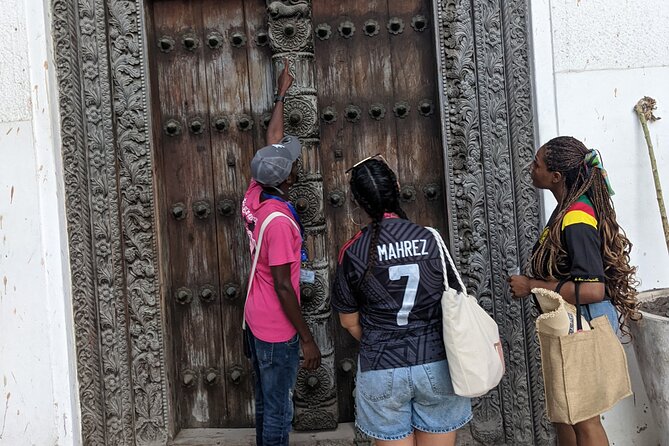
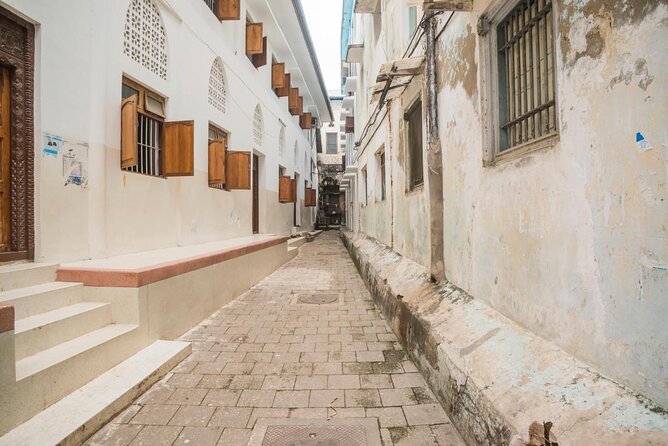
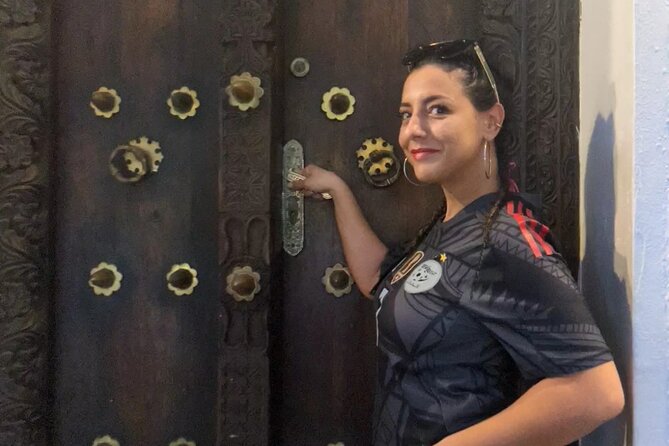
Stone Town’s appeal is found in its narrow lanes, carved doors, old forts, markets, and Indian Ocean setting. This private walking tour gives you a quick but useful introduction, with stops ranging from Freddie Mercury’s birthplace to the former slave market and Darajani Bazaar.
I like the mix of major landmarks and everyday local life, especially Darajani Bazaar and the seafood stalls around Forodhani Gardens. I also like that the tour is private, so your guide can adjust the pace and explain details that are easy to miss on your own.
The main drawback is time. Two to three hours is enough for an overview, but several stops receive only a few minutes. Museum admission is not included, and the final cathedral stop has a description that appears to repeat information about the People’s Palace, so confirm the exact route with your guide.
Key points to know before booking
- Private walking tour: Only your group takes part, which makes questions and pace changes easier.
- Seven Stone Town stops: The route covers Freddie Mercury House, Old Fort, Forodhani Gardens, the People’s Palace, the Old Slave Market, Darajani Bazaar, and St. Joseph’s Cathedral.
- Strong history focus: The former slave market and Anglican Cathedral provide the most serious and moving part of the visit.
- Local food context: Forodhani Gardens and Darajani Bazaar show you Zanzibar’s seafood, spices, produce, and street-food culture.
- Good first-day orientation: A guide such as Mohammed can help you get your bearings and offer practical tips for the rest of your stay.
- Low headline price: At $28 per person, the tour offers good value if you want a compact introduction, though admission fees are extra.
Why Stone Town works best with a guide
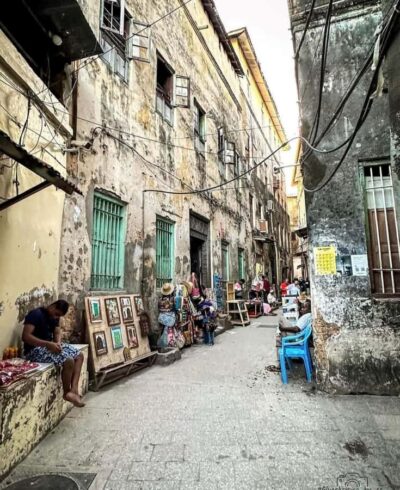
Stone Town is easy to enter and hard to read. Its lanes twist between old buildings, small shops, market stalls, religious sites, and courtyards. Without a guide, you can see attractive doors and worn walls, but you may miss the reason they matter.
This tour gives you a framework for the town. You move through royal, religious, commercial, and painful parts of Zanzibar’s past in a short period. That range is useful because Stone Town is not one single attraction. It is a working town layered with African, Arab, Indian, European, and Swahili influences.
The private format matters here. You are not tied to the questions or pace of a large group. If a market stall catches your eye, you can ask about it. If you want more context at the Old Slave Market, you can spend a little longer there. The stated duration is about two to three hours, so flexibility will be limited, but it is still better than following a fixed crowd.
The tour begins and ends at Forodhani in Zanzibar. Water is included. Coffee and tea are not, and admission charges at several stops are also extra.
More of the old town on foot from Zanzibar:
- Zanzibar: Stone Town, Spice Tour, Prison Island with Lunch
★ 4.4 · 1,219 reviews - Zanzibar: Prison Island, Stone Town, & Spice Farm Tour
★ 4.5 · 579 reviews - Zanzibar: Stone Town, Spice tour & Prison Island with Lunch
★ 4.6 · 453 reviews
Freddie Mercury House, a personal opening note
The first stop is Mercury House, also called the Freddie Mercury Museum. It is identified as the birthplace of Farrokh Bulsara, later known around the world as Freddie Mercury, the lead singer of Queen.
You can expect a short visit of about 10 minutes. Inside, the museum presents photographs, memorabilia, and personal items connected with his life and music. The stop will appeal most to Queen fans, but it also gives you a quick reminder that Zanzibar’s cultural story reaches far beyond its old palaces and trade routes.
Admission is not included, so decide before the tour whether you want to pay to enter. If you only want to see the building and take in its connection to Mercury, the exterior may be enough. If you are a serious fan, the museum may deserve more time than the schedule allows.
That is one of the practical tensions in this tour. The route includes many worthwhile places, but a short visit to each one means you should treat it as an introduction, not a full museum day.
Old Fort and the waterfront at Forodhani

The Old Fort, or Ngome Kongwe, was built in the 17th century as a defensive fortress. Its thick walls and sturdy form make it one of the clearest reminders of Stone Town’s strategic past.
Today, the fort is also a cultural and shopping center, with markets and performances. The scheduled stop lasts about eight minutes, which is enough to see the main setting and hear the basic story. It is not enough for a close look at every corner.
I like this stop because it connects old military history with present-day town life. You are not looking at a sealed monument. The fort continues to function as a public place, and that makes it easier to understand how Stone Town carries its past into the present.
Next comes Forodhani Gardens, the waterfront park where the tour begins and ends. The park faces the Indian Ocean and becomes best known in the evening for its food market. You may find grilled seafood, samosas, chapatis, sugarcane juice, and other Zanzibari dishes.
The listed visit is about 10 minutes and food is not stated as included. That means you should not expect a full meal as part of the tour. Instead, use the stop to get a sense of what to return for later, especially if your visit takes place near the evening market.
Food is one of the best ways to understand a place, and Forodhani offers a direct introduction. You can see how seafood, snacks, bread, and drinks come together in a social waterfront setting. Ask your guide what to try and what price details to check before ordering.
The People’s Palace and royal Zanzibar

The People’s Palace, also called Beit el-Sahel, was built in the late 19th century as a residence for Sultan Barghash. After the 1964 revolution, it became associated with Zanzibar’s new political order and served as the official residence of the president.
The tour allows only about four minutes here. The building’s exterior is the main point, since it is not open to the public according to the supplied information. You will have time to view the architecture and hear why the palace matters, but not to explore rooms or displays.
Its design reflects Arabic, Indian, and European influences. That blend is one of Stone Town’s defining features, and the palace helps you see it in a formal setting rather than only among market lanes.
There is a small planning issue to keep in mind. The itinerary labels the final stop as St. Joseph’s Roman Catholic Cathedral, but the description under that stop repeats information about the People’s Palace. I would ask your guide to confirm whether the cathedral is part of the walking route and how much time you will have there.
Same base, a different kind of day out:
- From Zanzibar: Mikumi Safari Day Trip with Flights and Meal
★ 4.7 · 1,470 reviews - Zanzibar: Quad Bike Adventure departing from Kendwa or Nungwi
★ 4.9 · 1,233 reviews - From Zanzibar: Day Selous Game Reserve Safari with Flights
★ 4.7 · 1,025 reviews - Zanzibar: Prison Island and Nakupenda Boat Trip with Lunch
★ 4.1 · 882 reviews
The Old Slave Market and Anglican Cathedral
The former slave market is the most serious stop on the tour. Zanzibar was a major center of the East African slave trade in the 19th century, and this site recalls the people who were captured, sold, and forced away from their homes.
The visit includes the old market site and the Anglican Cathedral, built in connection with the end of the slave trade. You are scheduled to spend about 20 minutes here, making it the longest stop on the route.
This is not a light sightseeing stop. The remaining spaces and memorial elements ask you to confront the cruelty of treating human beings as property. A guide can give the site context that walls and plaques alone cannot provide.
I value the inclusion of this place because it prevents Stone Town from becoming only a story of sultans, spices, music, and attractive architecture. The town’s beauty and its painful past exist side by side. Give yourself time to listen, ask questions, and take the subject seriously.
Admission is not included. Since this is one of the most important sites on the route, check the entrance cost when booking or before the visit.
Darajani Bazaar and the everyday town
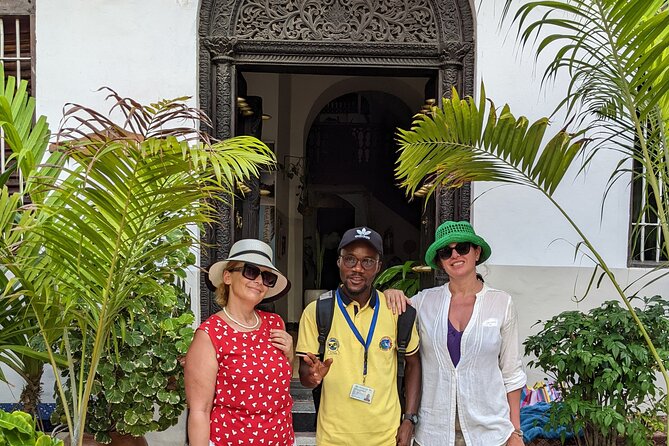
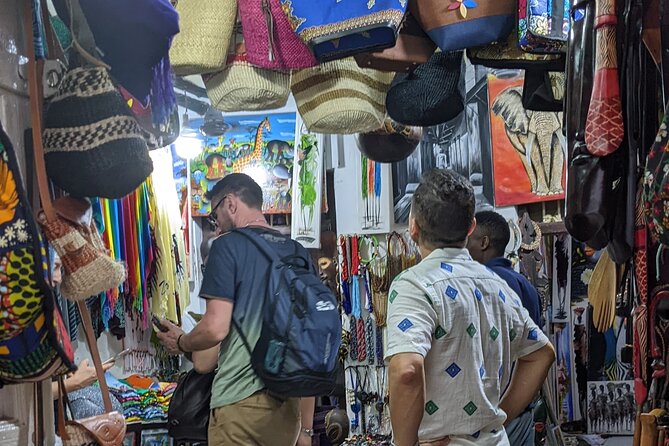
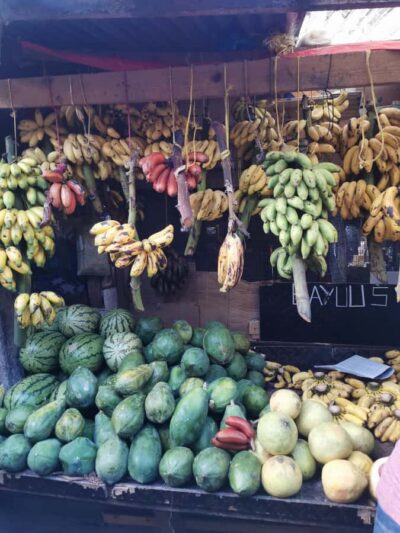
Darajani Bazaar is the tour’s most sensory stop. It is one of the oldest and most popular markets in Stone Town, with sections for fruit, vegetables, meat, seafood, clothing, household goods, and handicrafts.
You are scheduled to spend about 15 minutes here. That is enough for a first look, but it will feel brief if you want to shop, photograph details, or examine the spice displays closely.
The spice section is a particular highlight. Cloves, cinnamon, cardamom, and vanilla are among the products associated with Zanzibar, and the market lets you see them as working goods rather than souvenir labels. The smells, color, and close-packed stalls make this one of the most useful places to have a local guide.
A guide can also help you read the market’s rhythm. This is not just a stop designed for sightseeing. People come here for produce, seafood, clothing, and daily supplies. Be respectful with photography, keep your belongings secure, and stay aware of the group as you move through tight spaces.
If you enjoy markets, you may wish the tour spent longer here. That is a fair reason to return independently after the guided walk.
St. Joseph’s Cathedral and the route’s final details
St. Joseph’s Roman Catholic Cathedral is named as the seventh stop, but the supplied description does not provide details about the cathedral itself. Instead, it repeats the background of the People’s Palace.
Because of that mismatch, treat the cathedral as a point to confirm rather than a fully documented part of the experience. Ask whether you will enter the church, view it from outside, or simply pass nearby. The stated time is about three minutes, so even if it is included, this will be a quick look.
This does not ruin the tour, but it affects expectations. If church architecture is a major reason you want to book, you should clarify the plan before paying. The better-documented parts of the route are the Old Fort, market, waterfront, old slave market, palace exterior, and Freddie Mercury House.
What $28 really buys you
At $28 per person, this is a sensible price for a private two to three-hour introduction to Stone Town. You are paying for a guide, a planned route, local explanation, and the convenience of seeing several key places without working out the town’s layout yourself.
The value is strongest if this is your first day in Zanzibar. One guide named Mohammed is specifically associated with the experience, and his role includes explaining local history and offering practical tips. A good first walk can help you decide where to return, what food to try, and which sites deserve more time.
The value is less clear if you want long museum visits or a relaxed photographic walk. The schedule is tight, and many stops last between three and 15 minutes. You should also budget for entrance fees at the Freddie Mercury Museum, Old Fort, People’s Palace area if applicable, the old slave-market site, and any other place where the guide recommends going inside.
The price does not include coffee or tea. Food at Forodhani Gardens is also not listed as included, so bring extra money if you want to sample seafood or snacks.
Timing, fitness, and practical planning
The activity requires a moderate level of physical fitness. You should expect walking through Stone Town’s lanes and moving between stops. The supplied information does not promise transport during the tour, so plan for a walking experience rather than a vehicle-based city tour.
The opening hours provided are Monday through Wednesday, from 9:00 AM to 9:30 PM, for the period listed from July 20, 2023, through June 17, 2026. Because those hours are unusually broad and may not reflect every site’s entrance schedule, confirm the start time and which attractions will be open on your chosen day.
A morning tour can be useful for orientation and cooler walking conditions, while an evening visit may suit the Forodhani food market better. The exact schedule should guide your choice, since the food stalls are especially associated with the evening.
The meeting point is Forodhani, and the activity ends back there. The location is near public transportation. Confirmation is provided at booking, and the ticket is mobile, which keeps the arrival process simple.
Cancellation is free if you cancel at least 24 hours before the local start time. Within 24 hours, the payment is not refunded, and late changes are not accepted.
Who should book this Stone Town walk?
I would choose this tour if you want a compact introduction with a private guide and a broad mix of subjects. It suits first-time visitors, Queen fans, history-minded people, market lovers, and anyone who prefers explanation over wandering without context.
It also works well for a small group that wants to ask questions freely. The route gives you enough information to plan a second visit to the old slave market, Darajani Bazaar, Forodhani Gardens, or the Freddie Mercury Museum.
I would hesitate if you dislike fast sightseeing or want to spend an hour inside each attraction. The short stop times make this a sampler. You will see many places, but you will need to return on your own for a slower look.
Should you book it?
Book this Stone Town tour if $28 fits your budget and you want a private overview of Zanzibar’s old quarter. Its strongest features are the mix of daily market life, major landmarks, the former slave market, and the chance to ask a guide such as Mohammed for local context and practical advice.
Before booking, confirm the entrance fees, the exact treatment of the St. Joseph’s Cathedral stop, and the day and time of operation. If you accept the quick pace, this is a useful first walk. If you want depth at every site, book it as an orientation and plan separate return visits.
FAQ
How much does the Stone Town Tour cost?
The tour costs $28 per person.
How long does the tour last?
The tour lasts approximately two to three hours.
Is this a private tour?
Yes. Only your group participates in the activity.
Where does the tour begin?
The tour begins at Forodhani in Zanzibar, Tanzania.
Where does the tour end?
The activity ends back at the Forodhani meeting point.
Is water included?
Yes. Water is included.
Are coffee and tea included?
No. Coffee and tea are not included.
Are admission tickets included?
No. Admission tickets for the listed paid attractions are not included.
What level of fitness is required?
A moderate level of physical fitness is recommended.
Can I cancel for a full refund?
Yes, if you cancel at least 24 hours before the experience start time. Cancellations within 24 hours are not refunded.
Just added in Zanzibar
- Jet Ski Experience from Kendwa Beach★ 5.0 · 21 reviews
- Zanzibar: Parasailing Experience with Instructor★ 4.2 · 17 reviews
- From Zanzibar: 3-Day Selous Safari Trip with Flights★ 4.4 · 22 reviews
- Stone Town: Sunset Dhow Cruise Experience★ 4.0 · 22 reviews
- Stonetown Historical Walking Tour & Traditional Lunch★ 4.8 · 22 reviews
- 2h-Quad Zanzibar: Explore the heart of zanzibar by Quad★ 4.8 · 22 reviews
- Full-day Prison Island and Nakupenda Sandbank with Lunch buffet★ 4.5 · 25 reviews
- Full-Day Private Stone Town Spice Farm and Prison Island Tour★ 4.5 · 24 reviews
Stone Town Tours, compared.
Stone Town, Spice Tour, Prison Island with Lunch
Read our review →
3 Hours Private Stone Town walking Tour with Guide
Read our review →
Full-Day Private Stone Town +Spice Farm and Prison Island Tour
Read our review →
Stone Town Historical Cultural Walking Guided Tour
Read our review →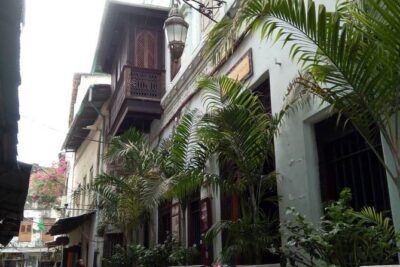

Browse the lists this tour appears in