
Reviewed · STONE TOWN TOURS
Zanzibar: 3 Hours Private Stone Town walking Tour with Guide
Stone Town’s narrow lanes tell a story that is much bigger than its weathered walls. In three hours, this private walk connects Zanzibar’s Swahili, Arab, Indian, European, and Portuguese influences with the painful history of the East African slave trade.
I like the personal pace, especially when guides such as Khameez, Mau, and Kassim adjust the route for questions, photos, children, or a tight schedule. I also like the mix of serious history and everyday life, from the former slave market to Darajani Market, coffee with locals, and souvenir shops.
The main drawback is that three hours goes quickly, and several important stops require extra payment. The Freddie Mercury Museum costs about $8 per person, while the former slave market costs about $10, so the final price can be higher than the advertised $24.
Key points to know before you book
- The former slave market gives the tour its emotional weight, with a direct look at one of Zanzibar’s darkest chapters.
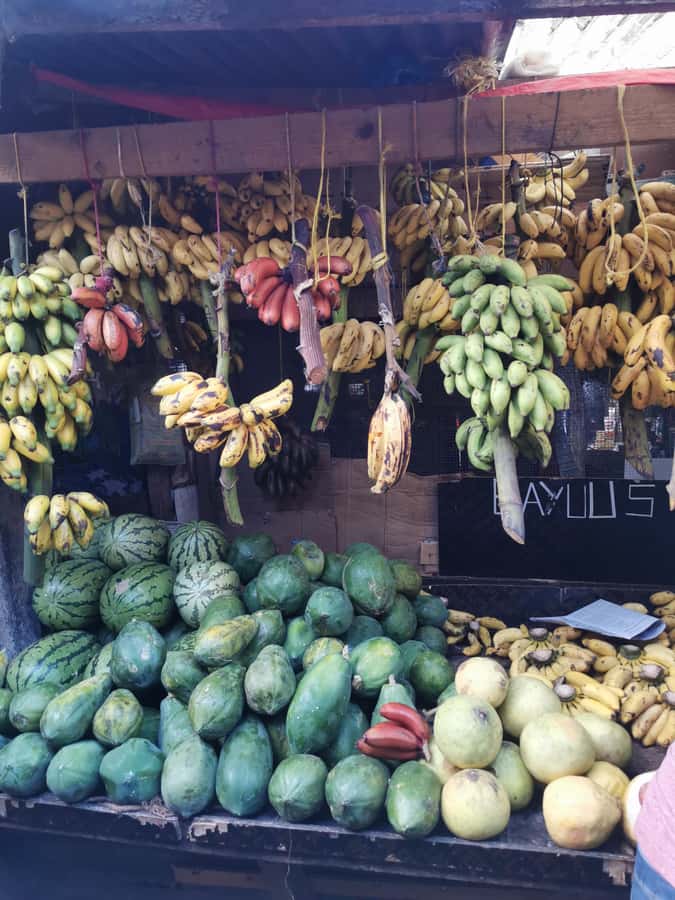
- Darajani Market brings the city into the present, with spices, fruit, vegetables, fish, meat, and local shopping.
- Private guiding makes the route flexible, with time for questions, photographs, children, coffee, and specific interests.
- The architecture is best seen on foot, especially the carved doors, balconies, old palaces, forts, and tight lanes.
- You get a broad Stone Town introduction in three hours, but you may need to choose between entering paid attractions and covering more streets.
- Hotel pickup is free within Stone Town, while transport from outside the old town must be requested separately.
Why a walking tour helps in Stone Town
Stone Town can feel confusing at first. Its lanes twist around old buildings, small shops, courtyards, mosques, churches, markets, and homes. A map will show you where you are, but it will not explain why a doorway has a certain shape or how Zanzibar’s trading past shaped the town.
A guide gives those details a place in the larger story. You will hear about Swahili culture and the influence of Arabia, India, Europe, and Portugal. The result is not just a list of buildings. You begin to see Stone Town as a meeting point created by trade, migration, religion, colonial power, and local life.
This is a private group tour, so you are not tied to the pace of a large crowd. The guide can stop when you need a photograph or spend longer on a subject that interests you. Several accounts describe guides changing the route or timing to suit the group, including stopping for ice cream with a child, slowing down for easier English, and making time for specific market purchases.
The advertised duration is three hours. Some walks have lasted closer to three and a half hours, while one account describes seeing a large portion of the town in about two hours. Treat the timing as a useful guide rather than a strict promise. Your pace, entry stops, and questions will shape the morning or afternoon.
Other guided walks in Zanzibar:
- Stone Town Private Walking Tour
★ 5.0 · 371 reviews - Zanzibar: Stone Town Historical Cultural Walking Guided Tour
★ 4.5 · 179 reviews - Stonetown: Food Markets and Street Food Walking Tour
★ 4.7 · 151 reviews
Starting in Stone Town and finding your bearings
Pickup is available from any area in Stone Town. If you are staying outside the old town, transport can be arranged on request, but it is not part of the standard package.
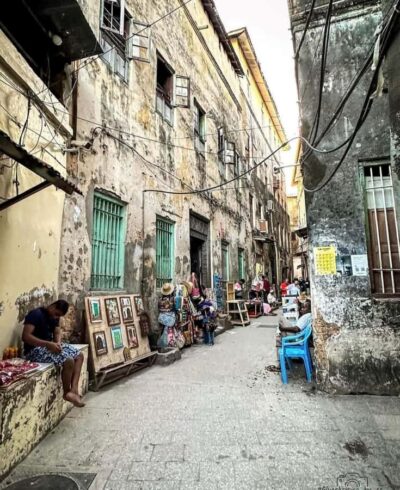
The walk begins in the historic center and quickly moves into the tight lanes that give Stone Town its character. These passages are not a backdrop you simply pass through. They are where you see homes, shops, carved wooden doors, balconies, signs of age, and ordinary local activity close at hand.
This is a good reason to take the tour near the start of your stay. The route gives you a useful orientation, and you can return later to places that catch your eye. One guide also showed a group enough of the town to make independent wandering easier afterward.
Bring comfortable shoes and keep your belongings close in crowded areas. The activity is listed as wheelchair accessible, but because the route runs through narrow historic streets, ask the operator in advance how the specific route will be adapted for your needs. The tour is not considered suitable for people with back problems.
The former slave market and Zanzibar’s difficult past
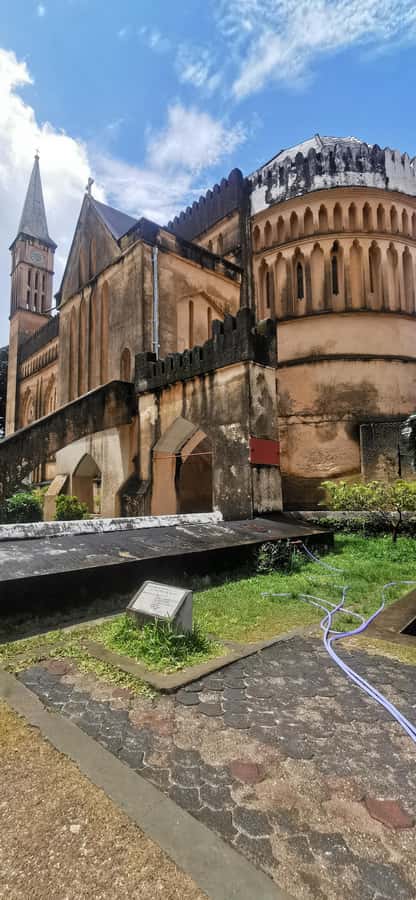
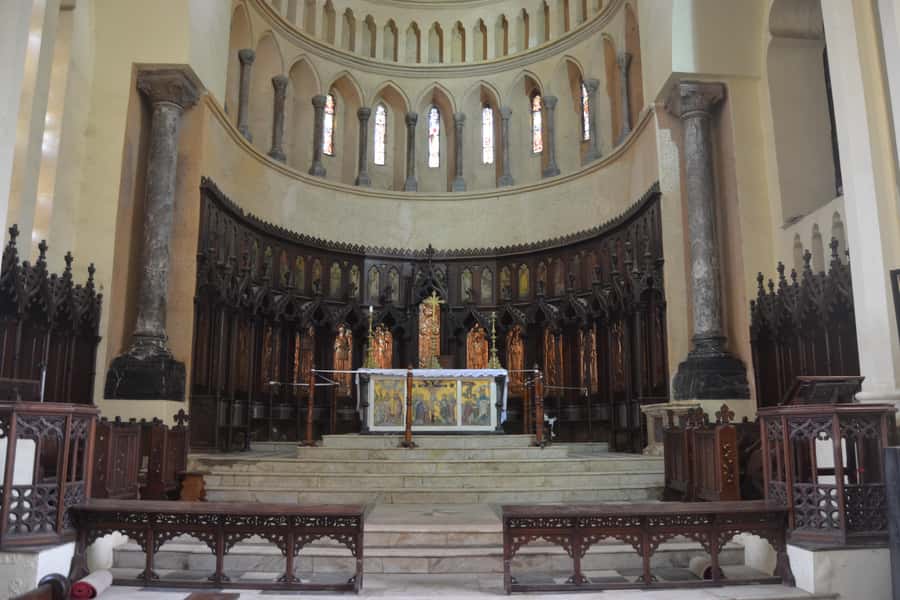
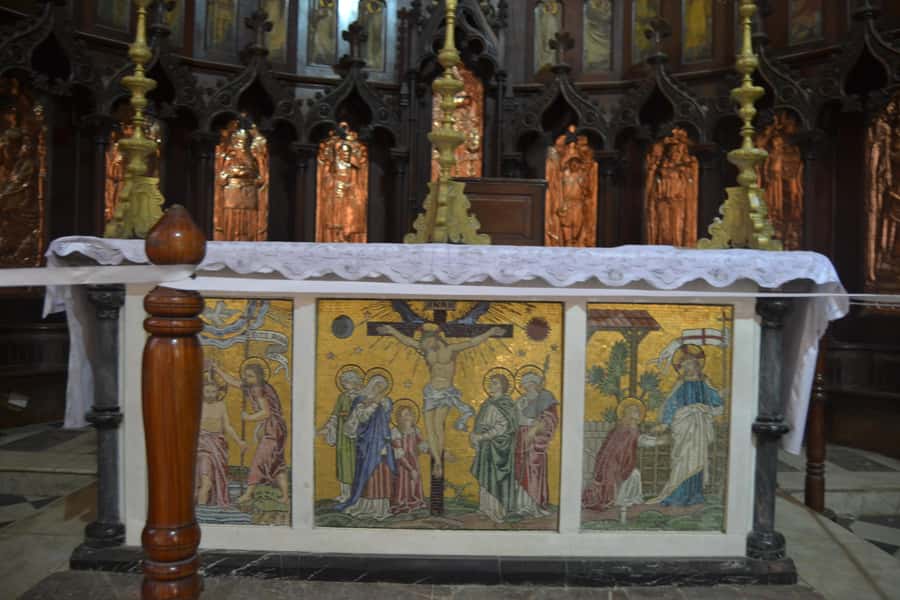
The former East Africa slave market, now associated with the Anglican Cathedral, is the most serious stop on the route. Admission is about $10 per person and is not included in the tour price.
The visit focuses on the slave trade that operated through Zanzibar and the wider East African region. You will hear about the market, the people caught in the trade, and the missionaries and explorers connected with this period. The subject is painful, but the stop matters because it places Zanzibar’s wealth and international connections in a more honest frame.
Allow time here if you want to read the displays and take in the site slowly. The guide can provide context, but the museum itself also asks you to pause and reflect. This is not a quick photo stop.
Access can sometimes change because of local events. One scheduled visit was affected when the site closed during election-related disruption. If this stop is especially important to you, confirm conditions close to the tour date and ask what alternative explanation or route will be offered if it is unavailable.
Darajani Market: spices, seafood, and daily life
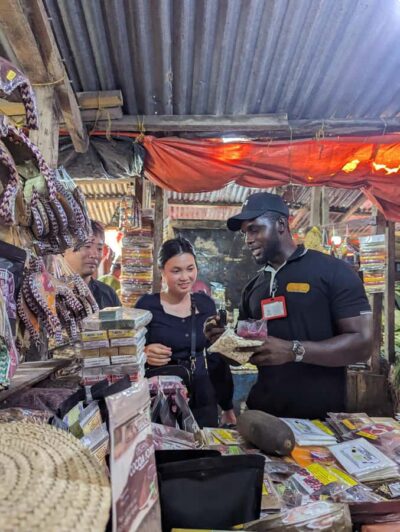
Darajani Market is where the tour shifts from formal history to the practical life of Stone Town. The market includes fruit, vegetables, meat, fish, and spices. Depending on the timing, you might see fresh catches from the Indian Ocean and produce brought in by local growers.
This is a useful stop for your senses. You can smell spices, inspect unfamiliar fruits, photograph displays, and look for small items to take home. Some routes include the meat market and a fish auction, while others spend more time in the spice section and shops.
Shopping here works better with a guide beside you. You can ask what an item is, where it comes from, and how it is used. The guide may also help you find a particular product. One group looking for specific items was taken through a less visited part of the market.
Keep in mind that market visits are not polished sightseeing. The atmosphere can be crowded and direct, and the food areas may not suit everyone. If you want photographs, ask before pointing a camera at people or stalls.
More of the old town on foot from Zanzibar:
- Zanzibar: Stone Town, Spice Tour, Prison Island with Lunch
★ 4.4 · 1,219 reviews - Zanzibar: Prison Island, Stone Town, & Spice Farm Tour
★ 4.5 · 579 reviews - Zanzibar: Stone Town, Spice tour & Prison Island with Lunch
★ 4.6 · 453 reviews - Full-Day Private Stone Town +Spice Farm and Prison Island Tour
★ 4.5 · 216 reviews
Coffee, local conversation, and the narrow lanes
The itinerary includes a stop at Zanzibar Coffee House, with time for coffee and a rest. Several walks have also included coffee with locals at Jaws Corner, a familiar meeting place in Stone Town.
This pause is valuable because it breaks up the walking and gives you a chance to ask questions outside the formal sightseeing rhythm. You can ask about modern Zanzibar, local customs, daily life, or anything that came up at the market.
Do not expect a long café visit if you have chosen to enter several museums. The three-hour limit means every stop affects the rest of the route. If coffee matters to you, mention it when you meet the guide so the pace can be planned around it.
The lanes themselves remain one of the best parts of the experience. You will pass souvenir shops, boutiques, doors, balconies, and old buildings that make more sense after your guide explains their design. The narrow streets are also where the tour feels most connected to present-day Stone Town rather than to a fixed list of monuments.
Sultan Palace and the story of Zanzibar’s rulers
The Sultan Palace introduces the dynasty that ruled Zanzibar and helps explain the island’s links with Arabia and the wider Indian Ocean world. The building offers a setting for stories about the sultanate, court life, and the political forces that shaped the town.
The attraction is not only the palace itself. It is the contrast between grand official spaces and the close lanes outside. Your guide can connect the palace to the traders, religious communities, and foreign powers that made Stone Town an important port.
The level of interior access can depend on the route and operating conditions. The description includes exploring the palace atmosphere and learning about the sultan dynasty, but it does not list a separate admission fee. Ask the guide which areas are open on the day.
Forodhani Garden and the city after dark
Forodhani Garden is known as an evening food area where local vendors sell seafood, grilled food, sugarcane juice, Zanzibar pizza, and other snacks. On a daytime walk, you may see the setting before it becomes an evening meeting place. If your tour runs later, the area may have more food activity.
This stop helps you understand how Stone Town changes through the day. It is also a useful place to ask about local dishes before deciding what to try later.
Food is not included in the $24 tour price. The listed inclusions are guiding and one bottle of mineral water per person. If you want to eat at Forodhani Garden, plan to pay separately and ask the guide which options are suitable for you.
House of Wonders and the Old Fort
The House of Wonders, or Bait el-Ajab, is described as a ceremonial palace and one of the tallest historic buildings in East Africa. Its name hints at the stories attached to it, while its scale gives you a sense of the ambition behind Zanzibar’s royal architecture.
The building has suffered from age and damage, and not every part may be open for entry. Even so, it is an important exterior stop because it sits at the center of Stone Town’s ceremonial and waterfront area.
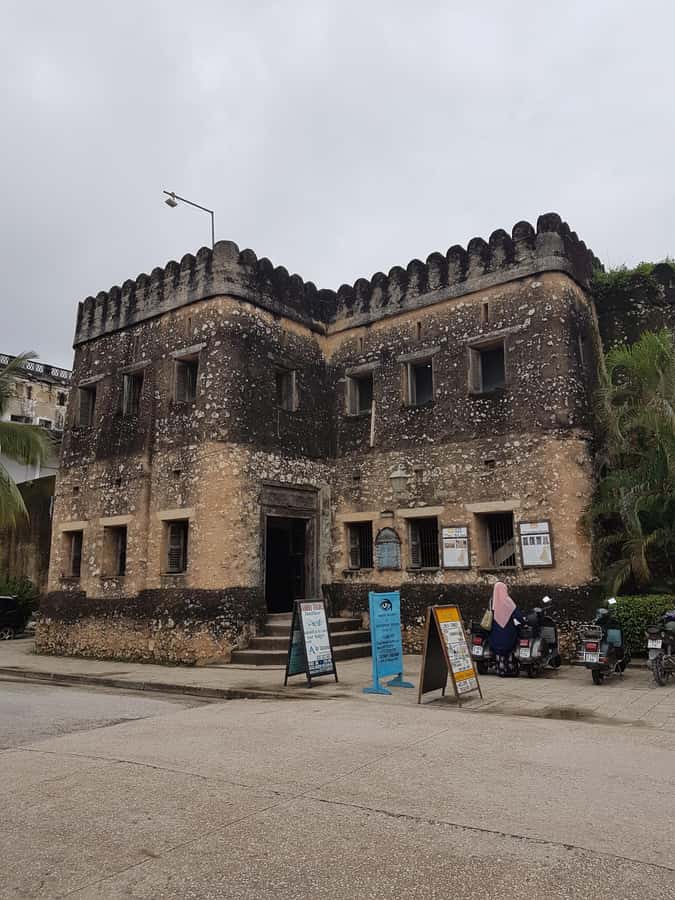
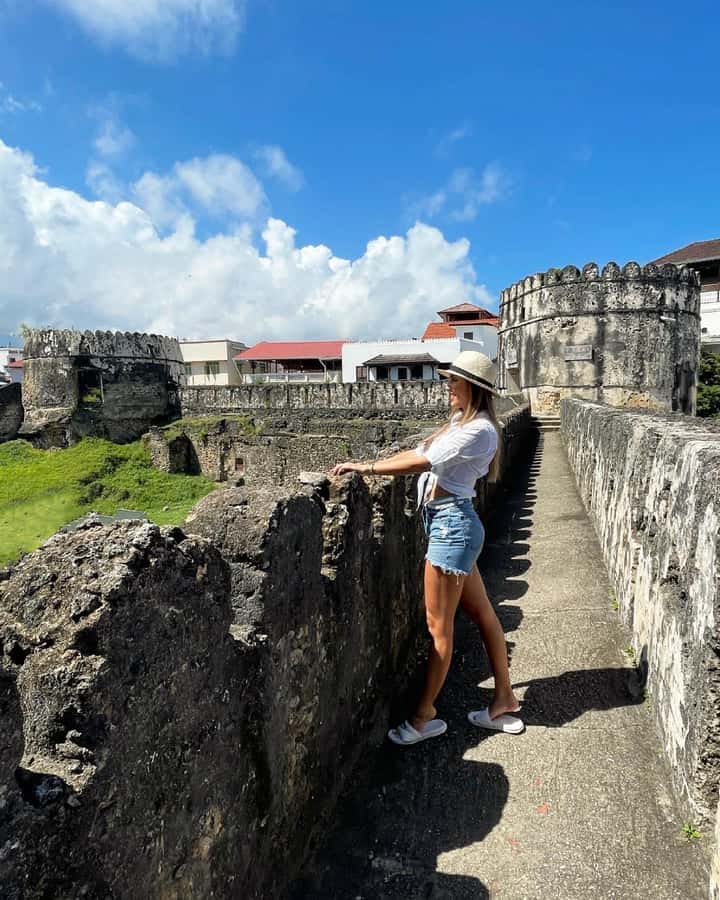
Nearby, the Old Fort, also called the Old Arabic Fort, adds an earlier layer. It was built as a defensive structure and has served different public purposes over time, including use connected with performances and a former railway station. The fort is a good place for photographs and for seeing how Stone Town reuses older structures.
You will notice that some buildings look worn. That is part of the town’s reality, not a reason to skip it. The tour is strongest when it explains what happened here rather than pretending every structure is freshly restored.
Freddie Mercury’s birthplace and the town’s modern identity
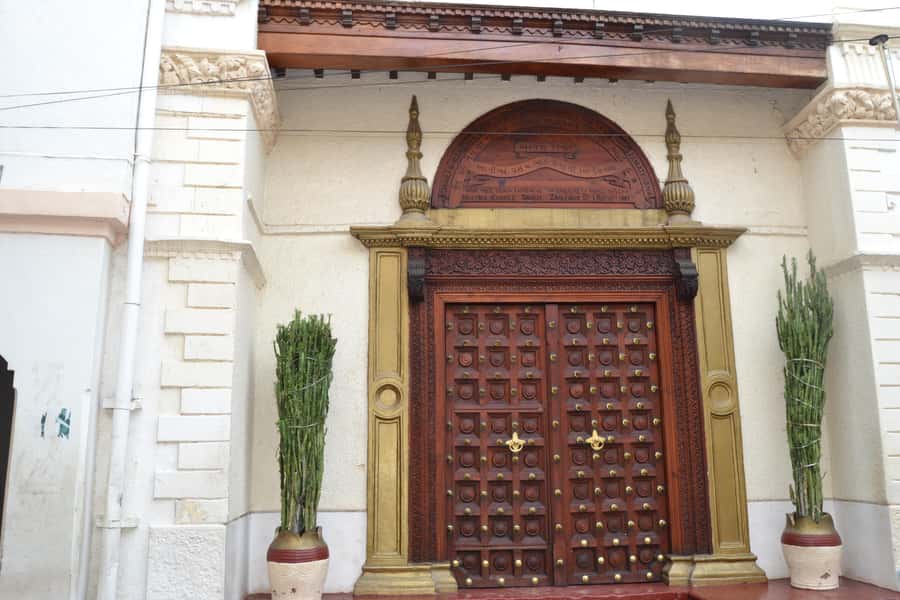
The walk also passes the home associated with Freddie Mercury, the lead singer and songwriter of Queen. The stop links Stone Town to a well-known twentieth-century musical figure and offers a different way into Zanzibar’s modern identity.
The Freddie Mercury Museum is an optional paid entry, listed at about $8 per person. If you only want a photograph near the birthplace, confirm with the guide how much time that will take. If you want the museum, allow for the admission charge and the time it removes from the rest of the walking route.
This is one of the tour’s lighter stops after the former slave market. The change in subject helps show that Stone Town is not frozen in the past. Its story includes royal families, religious institutions, trade, hardship, modern culture, and famous individuals.
The cathedral and the final walk through the shops
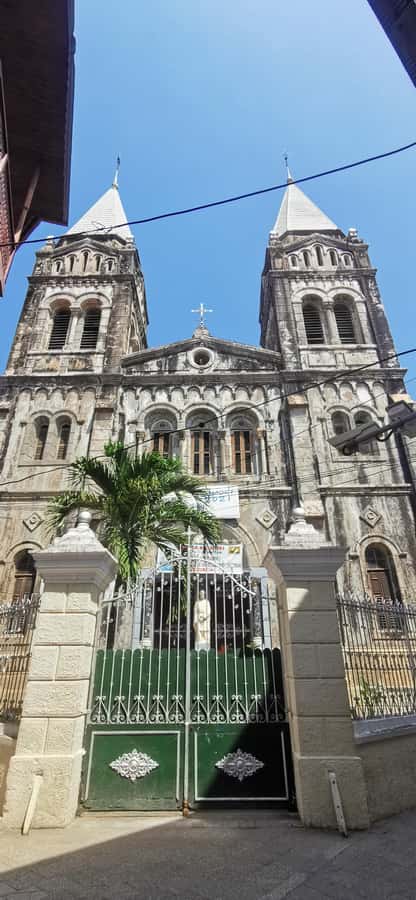
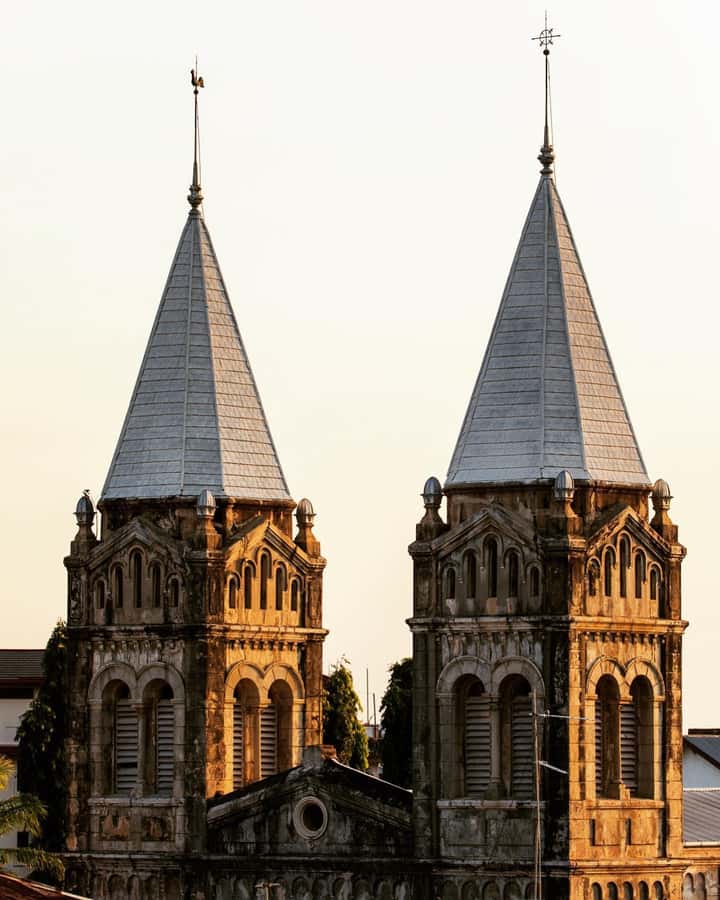
The French Catholic cathedral, also called Notre Dame of Zanzibar, is another striking religious building in the old town. Its carved details and position in the middle of Stone Town make it an interesting contrast to the Anglican Cathedral near the former slave market.
The tour may finish by wandering through more narrow lanes, looking at Zanzibar doors, and visiting souvenir shops and boutiques. This is a practical part of the walk. You can note places you want to revisit, compare prices, and ask about appropriate gifts.
Shopping is part of the experience, but you should not feel pressured to buy. A private guide can help explain what you are looking at, but you remain responsible for checking quality and price before paying.
Guide quality, language, and pace
The strongest part of this experience is the guide. Khameez is repeatedly described as warm, clear, flexible, and especially good at explaining history. Mau, also called Mao or Maulid in different accounts, is praised for his energy, local insight, humor, and ability to keep a walk interesting. Kassim, sometimes written as Kazzim, is described as punctual and adaptable with timing, route, and questions.
Other guides named in the accounts include Amis, Kasim, Sahin, Suleman, Hassan, and Marley. Your assigned guide will depend on availability, so you should not book expecting one specific person unless the operator confirms it.
Guiding is available in English, German, French, Italian, Spanish, Arabic, Polish, Portuguese, and Chinese. English is generally described as clear, though one person asked a guide to speak more slowly because of a strong accent. If communication is important to you, state your preferred language and any hearing or pace needs when booking.
The private format suits curious people who want to ask questions. It also works well for families, couples, solo visitors, and small groups that do not want to match the speed of strangers.
Is $24 good value?
At $24 per person, this is a strong value for a three-hour private introduction to Stone Town, especially if you are sharing the guide with a small group. You receive guiding and a bottle of mineral water, while Stone Town itself supplies the architecture, markets, history, and street life.
The price needs context. Entry to the Freddie Mercury Museum is about $8, and the former slave market is about $10. Those charges are separate, as are food, coffee, shopping, and any transport requested from outside Stone Town.
You can keep the total close to the advertised price by focusing on the outdoor sights and choosing only the paid attraction most important to you. I would prioritize the former slave market if you want the historical background, then add the Freddie Mercury Museum only if music history is a major interest.
Cancellation is flexible, with a full refund available when you cancel at least 24 hours ahead. You can also reserve now and pay later, which helps if your Zanzibar schedule is still shifting.
Who should book this Stone Town walk?
I would choose this tour if you want a clear introduction before exploring on your own. It is especially useful for first-time visitors, people interested in Swahili culture and East African history, families needing a flexible pace, and anyone who prefers asking a local guide rather than reading plaques alone.
It is less suitable if you dislike walking, have back problems, or want a long museum visit at every stop. The route covers a lot, so you need to accept that some attractions will be viewed from outside or visited briefly.
Book it if you value context, local conversation, and a flexible route more than polished restoration or a fixed sightseeing checklist. Skip it if you only want independent wandering and do not care about the stories behind the buildings.
For most first visits, I would book it early in the stay, ask for the former slave market and Darajani Market, and tell the guide which paid attractions matter most. That simple planning step will help three hours feel generous rather than rushed.
FAQ
How long is the Stone Town walking tour?
The advertised duration is three hours. Some walks may last slightly longer depending on the route, questions, photographs, and time spent at attractions.
Where does the tour begin and end?
The standard pickup area is Stone Town, and the walk returns to Stone Town. Pickup from any area within Stone Town is included.
Is hotel pickup included?
Free pickup is included from areas in Stone Town. Pickup from outside Stone Town can be requested but is not part of the standard inclusion.
What is included in the price?
The $24 price includes guiding services and one bottle of mineral water for each person during the tour.
Are attraction tickets included?
No. Entry to the Freddie Mercury Museum is about $8 per person, and entry to the former East Africa Slave Market is about $10 per person.
Which languages are available?
Guides may be available in German, English, French, Italian, Spanish, Arabic, Polish, Portuguese, and Chinese.
Is this a private tour?
Yes. The activity is arranged for a private group, allowing the guide to adjust the pace, route, and stops around your interests.
Can I cancel or pay later?
You can cancel up to 24 hours before the activity for a full refund. Reserve now and pay later is also available.
More walking tours in Zanzibar
- Zanzibar Stone Town Walking Tour
★ 5.0 · 145 reviews - Stone Town Historical Walking Tour
★ 5.0 · 143 reviews - Walking City Tour in Zanzibar Island
★ 5.0 · 122 reviews - Zanzibar: Spice Tour & Stone Town Walking Tour
★ 4.8 · 115 reviews
Just added in Zanzibar
- Jet Ski Experience from Kendwa Beach★ 5.0 · 21 reviews
- Zanzibar: Parasailing Experience with Instructor★ 4.2 · 17 reviews
- 2h-Quad Zanzibar: Explore the heart of zanzibar by Quad★ 4.8 · 22 reviews
- From Zanzibar: 3-Day Selous Safari Trip with Flights★ 4.4 · 22 reviews
- Stone Town: Sunset Dhow Cruise Experience★ 4.0 · 22 reviews
- Stonetown Historical Walking Tour & Traditional Lunch★ 4.8 · 22 reviews
- Zanzibar: Prison Island, Nakupenda, Stone Town Trip with BBQ★ 4.3 · 25 reviews
- Zanzibar : Secret Beach, Kuza Cave and Jozani with transfer★ 4.2 · 27 reviews
Stone Town Tours, compared.
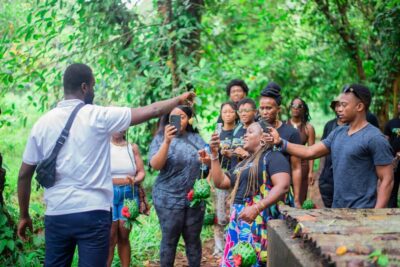
Stone Town, Spice Tour, Prison Island with Lunch
Read our review →
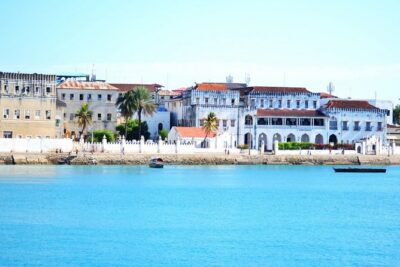
Full-Day Private Stone Town +Spice Farm and Prison Island Tour
Read our review →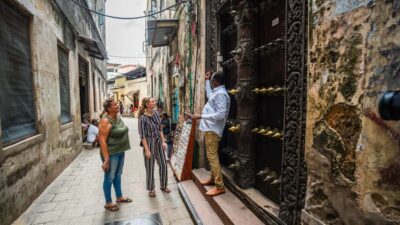
Stone Town Historical Cultural Walking Guided Tour
Read our review →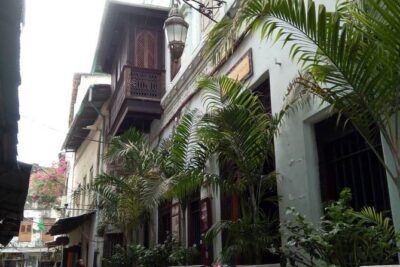

Browse the lists this tour appears in