
Reviewed · STONE TOWN TOURS
Stone Town’s Hidden History: Private Guided Walking Tour
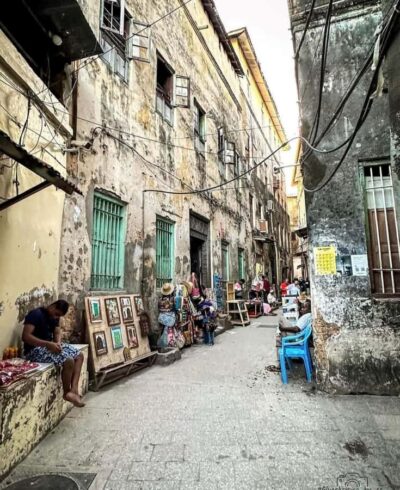
Stone Town makes its first impression with narrow lanes, carved wooden doors, coffee stalls, and old limestone buildings packed close together. This private walking tour helps you read the town rather than simply stroll through it, linking the former slave market, sultanate-era buildings, markets, and churches into one clear story.
I like the flexible route, since guides ask what interests you and can spend more time on history, architecture, food, or shopping. I also like the human touch: guides including Abdalla, Amina, Cosmo, Issa, and Muhammad have been praised for good English, patience, shade breaks, hotel pickups, and extra explanations.
The main drawback is heat and uneven pacing. Stone Town’s lanes can feel tight and confusing, and a two-hour version will only skim the surface. Some attractions also charge separate entry fees, so bring cash and check which sites you plan to enter.
Key points before you book
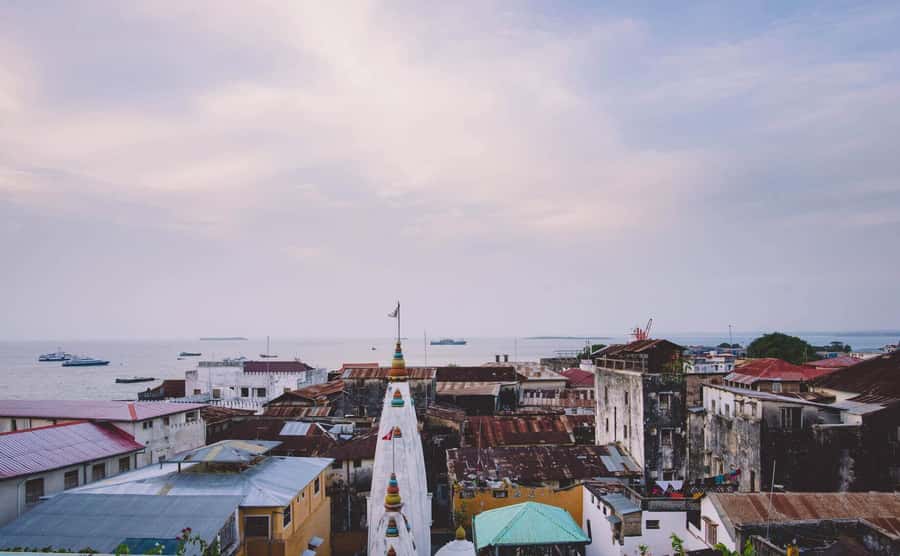
- More than 2,000 limestone buildings: You see Stone Town as a living neighborhood, not just a collection of monuments.
- A private route shaped around you: Ask for extra time at markets, doors, churches, museums, or local culture.
- Several strong guide names: Abdalla, Amina, Cosmo, Issa, Hashir, Munaa, and Muhammad have all received warm praise for their care and local insight.
- Morning is cooler: Early starts are best for walking, photography, and staying comfortable.
- 4:30 pm adds sunset appeal: The later start is designed for sunset views and the night market.
- $30 offers strong value: Pickup, drop-off, water, a city map, and a private local guide are included, while some admission fees are extra.
Why Stone Town needs a guide
Stone Town covers an area described as roughly the size of 14 football fields, yet around 18,000 people live among its lanes and courtyards. You can cross a street and move from a tourist shop to a working neighborhood, a market corner, or a quiet religious building.
That density is part of the pleasure, but it can also make independent sightseeing feel scattered. A guide gives you a thread to follow. You learn how African, Arab, Indian, Persian, and European influences shaped the town, and why the whole district received UNESCO World Heritage status in 2000.
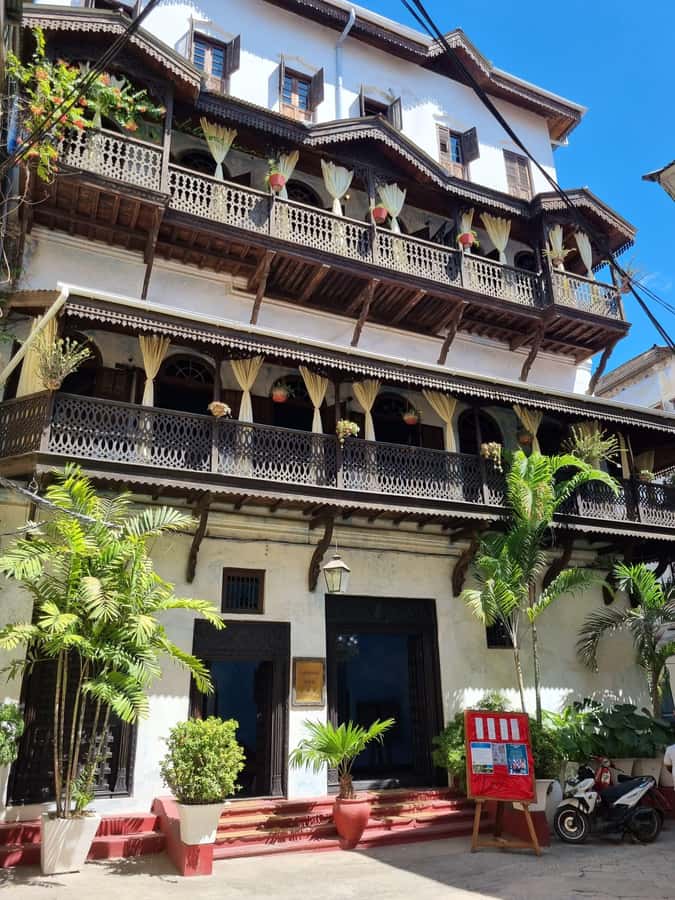
I find the architecture especially rewarding here because it is not confined to one grand monument. The town’s story appears in carved doors, coral and limestone walls, balconies, arches, shopfronts, and narrow passages. A local guide can point out details you might otherwise pass without noticing.
This is also a working town. Darajani Bazaar and the smaller shopping lanes are used by local people for daily needs, so the experience is not limited to polished sights. Expect movement, conversation, coffee, food, and commerce around you. That makes the walk feel more grounded, though it also means crowded stretches and a less controlled setting.
Other guided walks in Zanzibar:
- Stone Town Private Walking Tour
★ 5.0 · 371 reviews - Zanzibar: 3 Hours Private Stone Town walking Tour with Guide
★ 4.6 · 301 reviews - Zanzibar: Stone Town Historical Cultural Walking Guided Tour
★ 4.5 · 179 reviews
Meeting at the Old Fort and Forodhani Gardens
The standard meeting point is in front of the Old Fort, near Forodhani Gardens. This is a useful starting place because it is easy to identify and puts you close to several major sights.
If you choose pickup, you should wait in your hotel lobby about 10 minutes before the scheduled time. Look for a guide or driver wearing a Happy Bikes shirt, hat, or cap. Pickup and drop-off are included, but the meeting arrangement depends on the option you choose when booking.
The tour can last from two to four hours, with the main walking portion listed at about two and a half hours. That range matters. A short version works well if you have a ferry, flight, or dinner reservation. A longer route gives you more time for questions, photographs, markets, and optional stops.
One useful detail is the tour’s flexibility. Cosmo adapted a visit from three hours to two without losing the main sights, while other guides have spent extra time explaining a point or showing a requested place. Still, tell your guide at the start if you need to finish by a certain time.
The former slave market and Anglican Cathedral
The former slave market site, now connected with the Anglican Cathedral, gives the walk its most serious historical stop. This part of Stone Town cannot be treated as a quick photo opportunity. The site presents the painful role Zanzibar played in the East African slave trade and helps explain the island’s place in regional history.
The cathedral occupies the former market area, creating a strong physical contrast between religious space and the history beneath it. Your guide can provide context about the site and the wider forces that shaped Stone Town.
Admission is not consistently covered in the stated inclusions. One booking experience included access to the former slave market, but the general information lists entry fees for the Anglican church and museums as optional extras. I would ask before the tour starts and carry cash if you want to enter.
This stop may be difficult for some people, particularly if you prefer a light sightseeing walk. For others, it is the most important part because it connects the town’s beauty with the suffering that helped shape its past.
House of Wonders, Palace Museum, and the Old Fort
The House of Wonders is one of Stone Town’s best-known buildings. It is described as a national museum, though it is currently under renovation, so do not book this walk expecting a normal interior museum visit.
The Palace Museum offers another way to understand the former ruling household and Zanzibar’s political past. Entry fees may apply, and time will determine whether your guide includes the interior or focuses on the exterior and surrounding district.
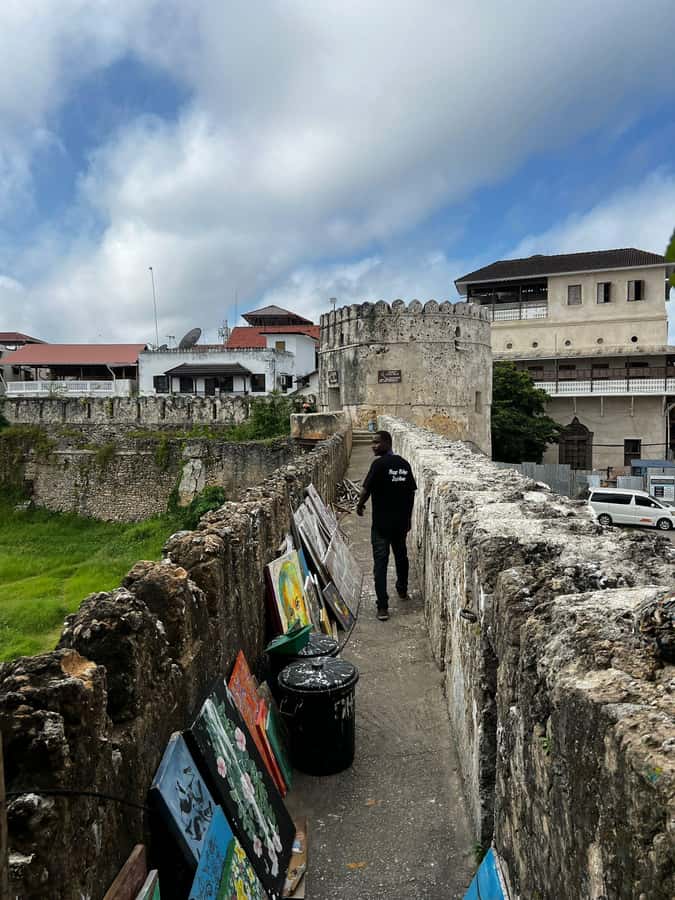
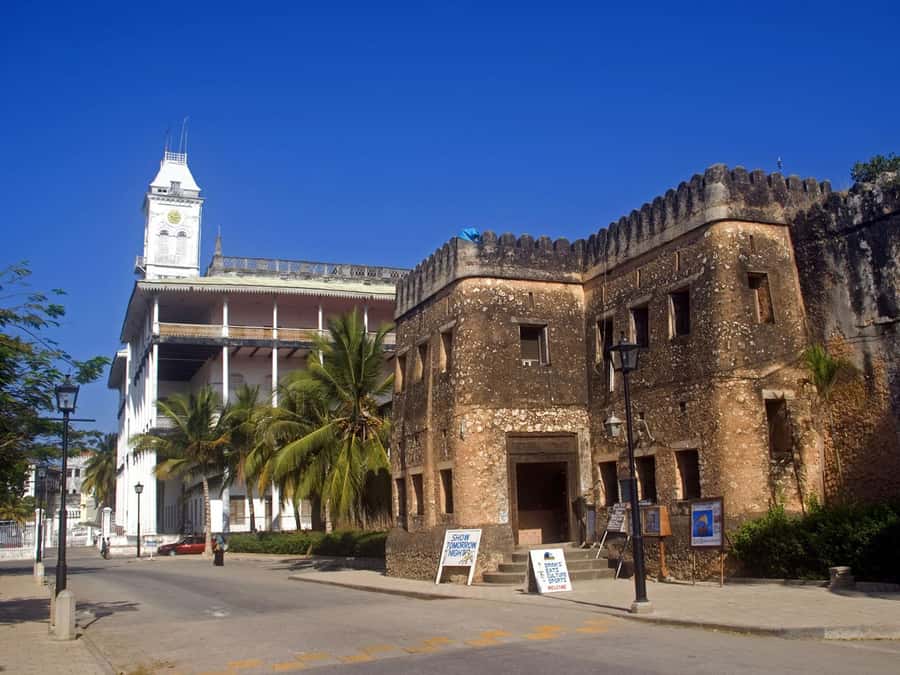
The Old Fort is both a landmark and a practical orientation point. Its heavy walls and central position make it easy to connect the waterfront, Forodhani Gardens, and the inner lanes. Depending on your pace, you might see the fort as part of the main route or use it as the start and finish.
These stops work best when you ask questions. Stone Town’s buildings can look similar at first, and a guide’s explanation helps you distinguish a palace, fort, bathhouse, cathedral, and ordinary home.
More of the old town on foot from Zanzibar:
- Zanzibar: Stone Town, Spice Tour, Prison Island with Lunch
★ 4.4 · 1,219 reviews - Zanzibar: Prison Island, Stone Town, & Spice Farm Tour
★ 4.5 · 579 reviews - Zanzibar: Stone Town, Spice tour & Prison Island with Lunch
★ 4.6 · 453 reviews - Full-Day Private Stone Town +Spice Farm and Prison Island Tour
★ 4.5 · 216 reviews
Markets, coffee, and the everyday town
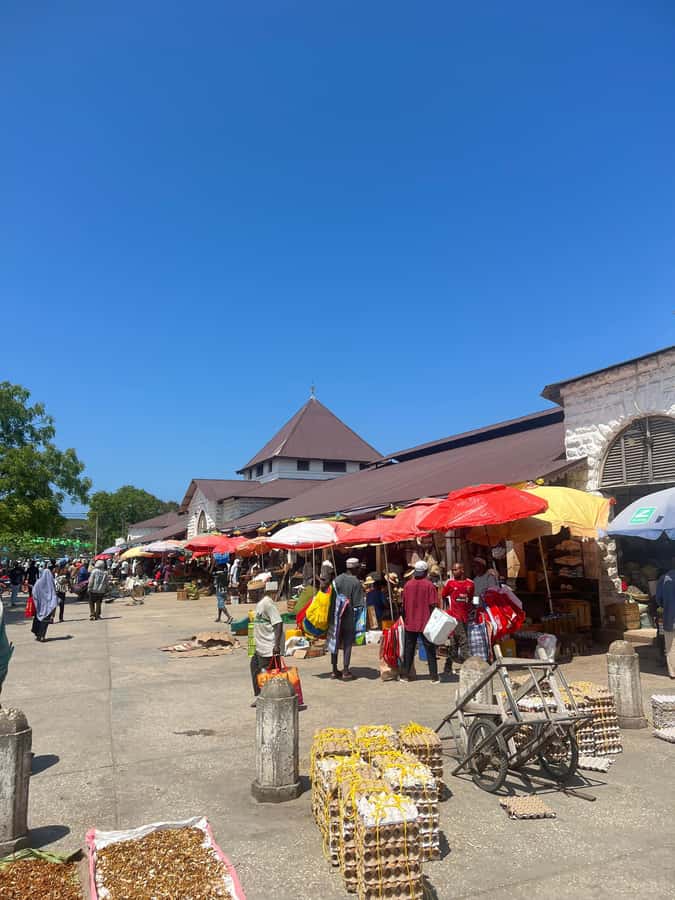
Darajani Bazaar brings you into the shopping life of Stone Town. The tour includes a food market visit and an arts and crafts market visit, though the exact stops can shift according to your interests and timing.
You can expect a busy setting with food, local purchases, colorful displays, and plenty of movement. The bazaar is not arranged like a museum, so keep your belongings close and be ready for narrow lanes and close crowds.
The coffee-filled meeting points around town add a different side to the walk. Places such as Jaw’s Corner show how public life often gathers around simple food and drink. You may not spend long at any one stall, but these pauses help you see how residents use the town.
Food and soft drinks are not included. If you want to stop for something, budget separately and tell your guide. Personal purchases are also your responsibility. I would avoid turning the tour into a long shopping trip unless that is your main aim, since every extra purchase stop reduces time at the historic sites.
Zanzibar doors and the Hamamni Baths

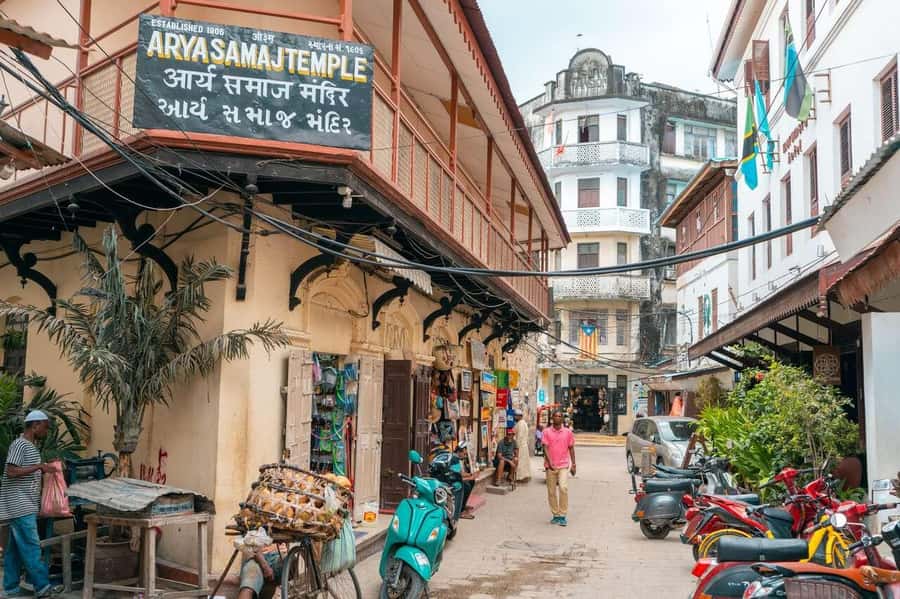
Stone Town’s doors are among its most memorable details. Carved wooden entrances, metal studs, arches, and decorative patterns reflect different cultural influences and family histories. You do not need to be an architecture specialist to enjoy them. A guide can explain what to look for and point out doors in streets you might otherwise rush through.
The Hamamni Baths area adds another layer. These baths reflect the town’s period of Arab and Persian influence and offer a glimpse into public life in earlier Stone Town. The baths are listed among the optional paid attractions, so confirm the admission cost before entering.
The streets around Hamamni Baths also help you understand the town’s scale. This is where the tour’s emphasis on ordinary lanes becomes useful. You see homes, shops, passing residents, and buildings that do not appear in a standard list of major attractions.
I would allow time for photographs, but stay aware of people’s privacy. Dress respectfully, especially near churches, mosques, and residential areas. The tour information specifically asks you to follow local customs, and that is good advice throughout Zanzibar.
Catholic Cathedral, Freddie Mercury, and Secret Garden
The Catholic Cathedral offers another example of Stone Town’s religious and cultural mix. Along with the Anglican Cathedral, it shows how several faiths and outside influences became part of the town’s built environment.
Freddie Mercury’s house and museum add a modern cultural note. The museum entry fee is not included, so you can decide if it fits your interests and budget. If you are a fan, ask your guide to include the stop. If not, the exterior and surrounding streets may be enough.
Secret Garden provides a calmer change of pace from the market lanes. The route may also include other requested locations, since the tour is designed to adapt rather than force every participant through one fixed script.
Guides have been especially well received for tailoring the content. Amina asked about personal interests before shaping the walk, and Munaa adjusted a route around specific places requested by a solo visitor. That kind of flexibility is valuable if you have already seen the main fort or market and want more architecture, local culture, or food.
Choosing between morning and sunset

For most people, I would choose a morning start. Stone Town gets hot, and an early walk gives you more comfort for two to four hours on foot. One guide also took care to find shaded places for explanations, but shade cannot always be guaranteed in a dense old town.
The later option starts at 4:30 pm if you want sunset views or the night market. This changes the mood of the outing. You get afternoon streets, a lower sun, and the chance to finish around evening food activity.
There is a tradeoff. A late start may offer better light and cooler conditions, but it can limit the number of indoor attractions you visit, especially if closing times apply. Ask your guide what will be open on your date.
Rain does not automatically cancel the walk. Bring an umbrella if showers are expected, and wear shoes that you can walk in comfortably. Large bags and luggage are not allowed, so leave bulky items at your accommodation.
Guides, languages, and group style

The experience is available with English, French, German, Italian, Spanish, or Swahili-speaking guides. The actual guide depends on the date and option, but several names appear repeatedly in the tour’s recent feedback: Abdalla, Amina, Cosmo, Issa, Hashir, Muhammad, and Munaa.
The strongest pattern is not a single scripted performance. It is the guide’s willingness to answer questions, adjust the route, explain local customs, and notice when people need a pause. Abdalla was praised for adapting the walk and arranging a separate sunset dhow outing. Cosmo was described as personable and well informed about local culture. Issa helped with both Stone Town information and food-related context.
Private or small-group arrangements are available. A private walk is most useful if your group has different interests or limited time. You can request more architecture, shopping, history, or daily life. If you prefer a fast checklist of sights, tell the guide that too.
Is $30 good value?
At $30 per person, the price is appealing for a private or small-group walk that includes a local guide, pickup and drop-off, two 500-milliliter bottles of water, a city map, taxes, and surcharges.
The real value is the interpretation. Stone Town is easy to enter but harder to understand in a short visit. A guide can help you connect the former slave market, sultanate buildings, churches, baths, markets, and doors instead of seeing them as unrelated stops.
The price does not cover every possible admission. Freddie Mercury’s museum, the Anglican church, and Hamamni Baths may require separate payment. Food, soft drinks, and personal purchases are also extra. That is reasonable, but you should carry cash and decide in advance which interiors matter most.
Free cancellation is available up to 24 hours before the tour for a full refund, and you can reserve now and pay later. Pregnant visitors are listed as unsuitable for the activity, so consider the walking demands carefully.
Who should book this walk?
I would recommend it as a first Stone Town activity, especially if you have only one day in the old town. It gives you orientation, historical context, market time, and a chance to ask practical questions before exploring alone.
It also suits solo visitors who want help finding the meeting point and moving through unfamiliar lanes. One solo participant received a hotel collection and felt comfortable with the guide’s respectful manner.
History fans should appreciate the former slave market, palace, fort, cathedral, and baths. Architecture lovers will get the most from a slower route focused on doors and building details. Shoppers and food fans can request extra time around Darajani Bazaar and the local shopping lanes.
I would be less enthusiastic if you dislike heat, walking, crowded markets, or difficult historical subjects. The experience is also not ideal if you need a fully fixed schedule, since the best part of a private tour is its ability to change around your interests.
Should you book Stone Town’s Hidden History?
Book it if you want a clear introduction to Stone Town with the freedom to ask questions and change the pace. Choose morning for cooler walking, or 4:30 pm for sunset and the night market. Meet at the Old Fort if you do not need pickup, wear comfortable shoes, dress respectfully, and carry cash for optional admissions.
At $30, the tour is a sensible use of time for a first visit. You will see the major landmarks, but the greater benefit is learning how the town’s African, Arab, Indian, Persian, and European influences meet in its streets. Just allow for heat, possible admission charges, and the fact that a two-hour route cannot cover everything.
FAQ
How long does the Stone Town walking tour last?
The activity lasts between two and four hours. The main walking itinerary is listed at about two and a half hours, depending on the option and the pace you choose.
Where do I meet the guide?
The meeting point is in front of the Old Fort, near Forodhani Gardens. If you select pickup, wait in your hotel lobby about 10 minutes before the scheduled time and look for the Happy Bikes shirt, hat, or cap.
Is hotel pickup included?
Pickup and drop-off are included when you choose an option that provides them. The exact arrangement depends on the booking option.
What languages are available?
Guides are available in English, French, German, Italian, Spanish, and Swahili.
Are museum and attraction entry fees included?
Entry to Freddie Mercury’s museum, the Anglican church, and Hamamni Baths is listed as optional and is not included in the general tour inclusions. Food, soft drinks, and personal purchases are also extra.
What should I bring?
Bring comfortable shoes, sunglasses, a camera, and cash. An umbrella is useful during rainy weather. Large bags and luggage are not allowed. Dress appropriately for local culture and traditions.
More history and culture tours in Zanzibar
- Private Historic Stone Town Tour
★ 5.0 · 79 reviews - Mamas of Zanzibar – A Unique Cultural & Culinary Experience
★ 5.0 · 45 reviews - Stone Town Guided Tour: Culture, Slave Market & Spice Market
★ 4.8 · 44 reviews - Stone Town Historical Walking Tour
★ 5.0 · 40 reviews
More walking tours in Zanzibar
- Stonetown: Food Markets and Street Food Walking Tour
★ 4.7 · 151 reviews - Zanzibar Stone Town Walking Tour
★ 5.0 · 145 reviews - Stone Town Historical Walking Tour
★ 5.0 · 143 reviews - Walking City Tour in Zanzibar Island
★ 5.0 · 122 reviews
Just added in Zanzibar
- Jet Ski Experience from Kendwa Beach★ 5.0 · 21 reviews
- Zanzibar: Parasailing Experience with Instructor★ 4.2 · 17 reviews
- 2h-Quad Zanzibar: Explore the heart of zanzibar by Quad★ 4.8 · 22 reviews
- From Zanzibar: 3-Day Selous Safari Trip with Flights★ 4.4 · 22 reviews
- Stone Town: Sunset Dhow Cruise Experience★ 4.0 · 22 reviews
- Stonetown Historical Walking Tour & Traditional Lunch★ 4.8 · 22 reviews
- Private airport transfers in Zanzibar★ 5.0 · 24 reviews
- Stone Town Historical and Cultural Walk with Ally Jape★ 5.0 · 23 reviews
Stone Town Tours, compared.

Stone Town, Spice Tour, Prison Island with Lunch
Read our review →

3 Hours Private Stone Town walking Tour with Guide
Read our review →
Full-Day Private Stone Town +Spice Farm and Prison Island Tour
Read our review →
Stone Town Historical Cultural Walking Guided Tour
Read our review →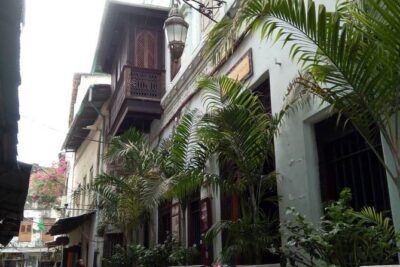

Browse the lists this tour appears in