

Reviewed · NGORONGORO CRATER TOURS
4 Day Ngorongoro Crater Tarangire and Serengeti National Park
The great appeal here is that four days cover three of Tanzania’s best-known wildlife areas. You begin with elephant country in Tarangire, continue into the wide Serengeti, then finish among the permanent wildlife of Ngorongoro Crater. For a short safari, that is a lot of ground and a strong first taste of northern Tanzania.
I like the small advertised group size of up to six and the fact that meals, taxes, camping, and park visits are built into the $899 price. I also like the early Serengeti drive, when sunrise, cool air, and active animals can make the rough roads feel worthwhile. The main drawback is the pace: long drives and basic campsites, including one campsite with poor bathroom facilities, are part of the deal.
Key points at a glance
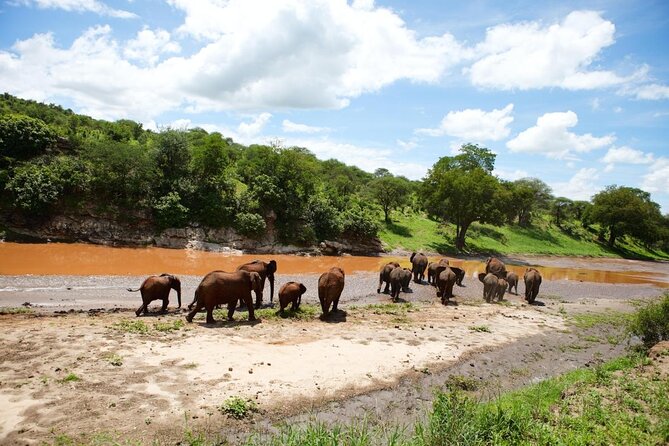
- Tarangire starts the safari with elephant herds: Groups of 10 to 20 elephants, and sometimes around 30, are a regular target during the first game drive.
- Serengeti gets an early morning game drive: You leave around 6 a.m. with coffee, warm clothes, and a chance to see the park at sunrise.
- Ngorongoro Crater brings the best final-day payoff: The crater floor is about 650 meters below the rim and holds animals year-round because of its permanent water.
- Camping keeps the price down: You receive breakfast, lunch, dinner, taxes, and camping support, but comfort is basic rather than lodge-style.
- Guides are central to the experience: John, David, Dickson, Godfrey, Hatibu, and other Kilipath guides have been used on safari departures, with guide assignments varying by trip.
- The route is busy but efficient: You cover Tarangire, Serengeti, and Ngorongoro in four days, then return to Arusha or continue to the airport.
Why this four-day route works

Kilipath African Safaris has designed this trip for people who want the classic northern Tanzania circuit without committing to a week or more. The route is ambitious, but it makes sense geographically: Tarangire comes first, the Serengeti takes the middle, and Ngorongoro closes the trip.
At $899 per person, the value comes from having the core safari costs grouped together. The package includes all meals, taxes, four lunches, three dinners, and three breakfasts. Park admission is included on the listed days, and pickup from Arusha is offered. You are not paying for a polished lodge holiday, but you are getting a substantial wildlife program at a relatively controlled price.
The tradeoff is time in the vehicle. This is not a slow safari with long afternoons at one camp. You move between parks, often on rough roads, and some days combine driving with game viewing. I would choose this route for wildlife variety, not for rest.
The advertised departure time is 7:30 a.m. from Arusha. The activity ends back at the meeting point, although the final day can also finish directly at the airport. Confirm your return timing before booking if you have a same-day flight.
Other trips down into the crater from Arusha:
- 3 Days Serengeti & Ngorongoro Group Camping Safari
★ 5.0 · 574 reviews - 5 Days Camping Tarangire, Serengeti & Ngorongoro crater & Visiting Maasai
★ 5.0 · 229 reviews - 4 Days Join Group tour Tarangire Serengeti and Ngorongoro crater
★ 5.0 · 219 reviews
Day 1: Tarangire and the first elephant sightings
After breakfast, you are picked up at your Arusha hotel and drive to Tarangire National Park with a picnic lunch. The park is a strong opening act because it gives you a good chance to see large elephant herds early in the trip.
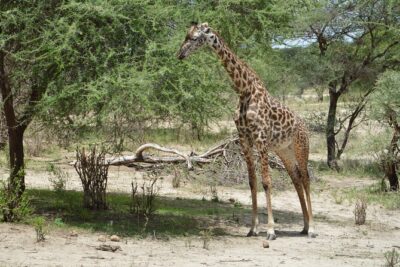
The game drive takes place in the middle of the park and can continue until late afternoon or early evening. Elephants are the main attraction, often moving in groups of 10 to 20 and sometimes reaching about 30. You may also see buffalo, impala, zebras, warthogs, and giraffes.
Keep looking upward. Leopards may be resting in the treetops, and a guide with sharp eyes can make a major difference. Several Kilipath guides, including John and David, are praised for spotting animals at long range, though you should expect the exact guide to vary.
Tarangire is also a useful introduction to safari etiquette. You will spend time sitting quietly, scanning the trees and grass, and waiting for an animal to reveal itself. That patience matters more than the number of stops on your schedule.
You spend the night at Tarangire Campsite after dinner. Camping is the practical part of this trip. It helps keep the price low and keeps you close to the parks, but it does not offer the privacy, plumbing, or fixed comforts of a lodge. Pack a small headlamp and warm layers, since early starts and open-air camp conditions can feel chilly.
Day 2: The long road to Serengeti
Day two begins with an early breakfast. You pack the camping equipment into the safari vehicle and leave Tarangire for Serengeti National Park, traveling through the Manyara area and along the Rift Valley escarpment.
This is one of the trip’s longest-feeling days because the drive itself is part of the program. You are moving toward the Serengeti rather than spending a full day in one park. The roads can be rough, so soft luggage and practical clothing are better than hard-sided cases or city clothes.
There is an option to visit a Maasai village along the way. Treat this as an optional cultural stop rather than a guaranteed part of every departure. Ask what the visit includes and if an additional fee applies before you agree to it.
You reach the Serengeti in the evening and have a game drive before arriving at Seronera Campsite for dinner and the night. Seronera is in the central Serengeti, a useful base for wildlife viewing because the area is one of the main parts of the park included on this route.
The evening drive may be your first look at the Serengeti’s open spaces, but do not expect a full day of searching. Much of this day is spent getting into the park. That is the price of fitting three major destinations into four days.
Day 3: Sunrise in central Serengeti
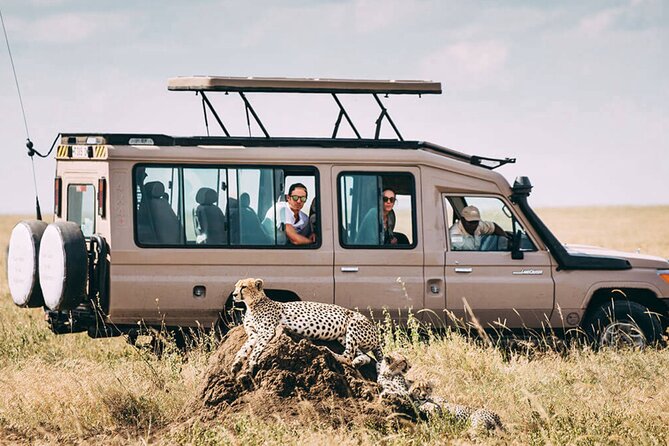
The third day starts at about 6 a.m. with a hot cup of coffee, followed by a morning game drive. This early departure is one of the smartest features of the program. The air can be cold, so bring a fleece, jacket, or other warm layer even if Arusha feels hot.
Sunrise gives you a different Serengeti from the one you see later in the day. Animals may be active, the light is better for photographs, and the cooler temperatures are easier for wildlife. Your guide’s skill matters here. Guides such as Dickson, Godfrey, and Hatibu have been associated with Kilipath departures, and the company’s guides are a large part of the safari’s appeal.
You continue until midday, then return to camp for a full breakfast and lunch. The meals function as brunch after the early drive. This arrangement saves time and gives you a proper break before the next stretch of the day.
After lunch, you drive toward the Ngorongoro Conservation Area, with another game drive along the route. You spend the night at Ngorongoro Simba Campsite. This is another basic camping night, and conditions can vary. One camping area used on this route has been criticized for poor bathroom facilities, so set your expectations carefully.
The schedule is demanding, but the payoff is variety. In a single day, you get sunrise in the Serengeti, a substantial wildlife drive, a camp meal, and a change of setting toward the crater. If you prefer relaxed mornings and long evenings, this will feel rushed. If you have limited time, it is an efficient use of your four days.
Other Serengeti itineraries out of Arusha:
- Serengeti Balloon Safari and authentic bush breakfast
★ 5.0 · 2,480 reviews - Balloon Safari & Bush Breakfast in Serengeti – Miracle Experience
★ 5.0 · 1,646 reviews - 5-Day Highlights mid-Range Crater, Serengeti, Tarangire
★ 5.0 · 296 reviews - 3-Day Classic Serengeti Safari
★ 5.0 · 263 reviews
Day 4: Down into Ngorongoro Crater

After breakfast, you pack a picnic lunch and make the short drive to the descent gate. From there, the vehicle drops about 650 meters to the crater floor for a half-day game drive.
Ngorongoro is different from the Serengeti. The crater is enclosed by steep walls and has water throughout the year, so many animals remain in the area instead of moving long distances. That gives you a strong chance to see a wide range of wildlife in a compact setting.
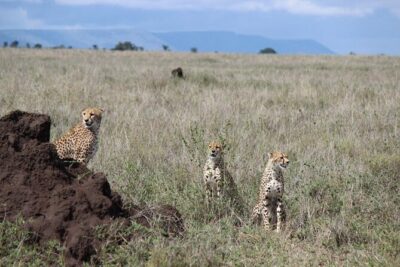
Rhinoceros are the special hope here. No safari can promise one, but the crater is one of the places on this route where you might find them. You may also see other permanent resident animals during the half-day drive.
Lunch is taken as a picnic before you climb back to the rim. You then return to camp, collect your equipment, and drive back to Arusha or directly to the airport. If you are flying out, confirm the expected arrival time in advance. The final day includes a crater drive, a climb out, camp collection, and a long return journey.
Camping, meals, and the real comfort level
The included food is an important part of the value. You receive all meals, with four lunches, three dinners, and three breakfasts listed in the package. The cooking has been praised by past customers, including a chef named Mathew, but the exact cook can vary.
Do not mistake included meals for a luxury dining plan. You are eating on a safari schedule, often around early drives and long transfers. That can mean simple, filling food served when the day allows rather than restaurant-style meals at fixed hours.
Camping is best for people who see the tent as part of the safari rather than a problem to overcome. You should be comfortable with basic facilities and changing conditions. The bathroom quality may not be consistent at every stop, with the Serengeti campsite receiving particularly poor feedback.
Pack light, bring warm clothing for the early Serengeti drive, and keep personal items easy to reach. You will be handling luggage around the vehicle and camp. A small day bag, reusable water bottle, flashlight, and dust-resistant clothing will be more useful than extra formal wear.
Guides, group size, and the safari vehicle
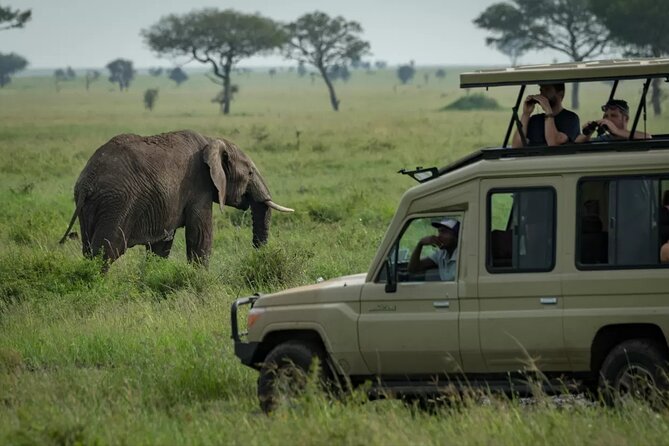
The guide can make or break a short safari. You have limited time, so a driver who knows where to look and explains animal behavior clearly adds real value. John has been praised for discussing Tanzanian plants and animals in several languages, while David and Dickson are noted for sharp animal spotting.
Other guide names connected with Kilipath departures include Godfrey, Hatibu, Godlisten, and Andrew. These names do not guarantee who will lead your trip. Ask for the assigned guide before departure if that matters to you.
The advertised maximum is six people. That is a good number for a safari vehicle because it can give everyone a reasonable view and makes group decisions easier. One account describes a much larger group of 16, so clarify the actual group size for your travel date if a small vehicle is important.
The roads can be rough, and rain can make them worse. Skilled driving helps, but no guide can make every transfer smooth. You should be ready for dust, bumps, and long periods of sitting.
What the $899 price really buys
The price is strong for a four-day northern Tanzania safari covering Tarangire, Serengeti, and Ngorongoro. Meals, taxes, listed park admissions, camping, and pickup are included, which reduces the number of costs you must arrange separately.
Still, $899 should be read as a budget camping price, not a luxury safari rate. Visas and tips are excluded. You also need to check if the optional Maasai village visit has a separate charge and confirm any airport transfer details beyond the stated end point.
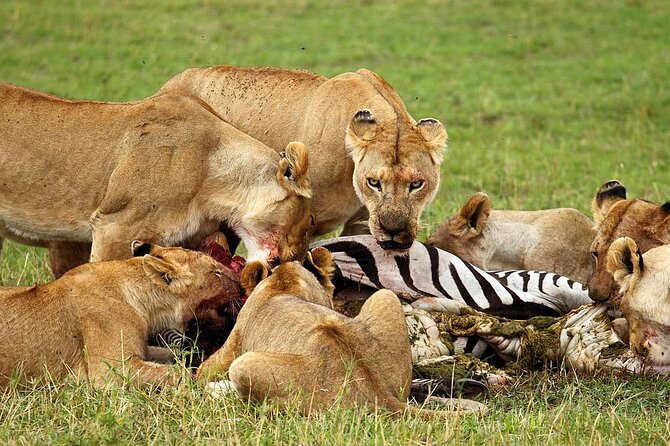
The best value comes if you care more about wildlife access than a private room. You get the major parks and a chance at the Big Five, including rhinoceros in Ngorongoro, without paying for lodge accommodation. You pay for that saving with early mornings, rough roads, shared logistics, and limited downtime.
Kilipath has a 100 percent recommendation figure based on 44 ratings, with an overall five-star score shown. The strongest praise centers on helpful communication, guides who spot animals well, problem solving when bush conditions become difficult, and good food. The clearest caution is the variable quality of campground bathrooms.
Who should book this safari
I would recommend this trip if you have only four days, want the classic northern Tanzania parks, and are willing to camp. It suits first-time safari visitors who want elephants, wide Serengeti views, and the chance to see a rhino in Ngorongoro without building a longer private itinerary.
It also works well for people who value a small group and a single organized route from Arusha. The company has helped arrange transport, accommodation, and related logistics for some customers, but confirm exactly what your booking includes.
I would hesitate if you need reliable bathroom standards, private accommodation, or leisurely travel days. I would also think twice if your international flight leaves soon after the final crater drive. The schedule is workable, but the return from Ngorongoro can take time.
Cancellation is free up to 24 hours before the 7:30 a.m. start time. Within 24 hours, changes and refunds are not accepted. Poor weather may lead to another date or a full refund.
Should you book it?
Book this safari if your priority is seeing a lot in a short time and you are comfortable with budget camping. The route gives you three major wildlife areas, strong elephant prospects in Tarangire, a sunrise drive in Serengeti, and a final crater safari where rhino sightings are possible.
Skip it for now if you want polished lodging or a slower pace. Before paying, confirm your group size, assigned guide, campsite standards, airport timing, and any extra charge for the Maasai village visit. With those points clear, $899 is a fair price for a demanding but rewarding introduction to Tanzania’s northern circuit.
FAQ
Where does the safari start?
The safari starts in Arusha, Tanzania, with pickup offered from your hotel or the arranged meeting point.
What time does the tour start?
The listed start time is 7:30 a.m.
Which national parks and conservation areas are included?
The route includes Tarangire National Park, Serengeti National Park, and Ngorongoro Crater within the Ngorongoro Conservation Area.
Is camping included?
Yes. The itinerary includes overnight camping at Tarangire Campsite, Seronera Campsite, and Ngorongoro Simba Campsite.
Are meals included?
Yes. The package includes all meals, with four lunches, three dinners, and three breakfasts listed.
Is the group limited in size?
The advertised maximum is six people. Confirm the group size for your specific departure before booking.
Can I cancel for a full refund?
You can cancel at least 24 hours before the local start time for a full refund. Cancellations or changes made within 24 hours are not refunded or accepted.
More Tarangire safaris from Arusha
- Private 6-Day Tarangire Manyara Crater and Serengeti with Mid-Range Lodges
★ 5.0 · 238 reviews - 4-Day Safari from Arusha: Tarangire, Serengeti and Ngorongoro
★ 5.0 · 173 reviews - 2 Days Tarangire and Ngorongoro Group Camping Safari
★ 5.0 · 146 reviews - 4 Days Tarangire Serengeti Ngorongoro Crater
★ 5.0 · 117 reviews
Just added in Arusha
- 2-Day Private Luxury Safari from Zanzibar with Flights★ 3.2 · 5 reviews
- 7-Day Private Tanzania Safari with Sunset Walking on the Crater Rim and Maasai★ 5.0 · 40 reviews
- Saadani Day Trip★ 5.0 · 13 reviews
- Nyssa Luxury Balloon in Safaris and Serengeti★ 5.0 · 69 reviews
- Arusha National Park Day Trip★ 4.5 · 18 reviews
- Arusha National Park Private Safari★ 5.0 · 59 reviews
- 8 Days Mountain Kilimanjaro Lemosho Route★ 5.0 · 22 reviews
- 7 Days Tanzania Mid-range lodge safari★ 5.0 · 22 reviews
Ngorongoro Crater Tours, compared.
3 Days Serengeti & Ngorongoro Group Camping Safari
Read our review →
4-Day Safari from Arusha: Tarangire, Serengeti and Ngorongoro
Read our review →
2 Days Tarangire and Ngorongoro Group Camping Safari
Read our review →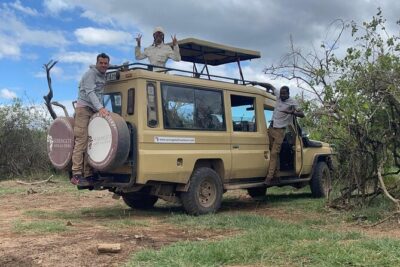
3 Days Private Safari – manyara, Ngorongoro & Tarangire
Read our review →
5 Days Tanzania Group Joining Safari, Tarangire/Serengeti/Ngorongoro Crater
Read our review →
4 Days Tarangire, Serengeti and Ngorongoro Mid-Range Group Safari
Read our review →Browse the lists this tour appears in