
Reviewed · KILIMANJARO TREKS
Climbing Kilimanjaro through 7 days Machame Route
Kilimanjaro’s Machame Route gives you the mountain’s most varied seven-day climb: rainforest at the gate, open high camps, the Barranco Wall, a pre-dawn summit push, and a different descent through Mweka. I like the built-in acclimatization, especially the Lava Tower to Barranco section, and I like that daily health checks and emergency oxygen are part of the operating plan. The catch is simple: Machame is busy, steep in places, and not a gentle walk.
I also like the strong mountain team behind this trip. Guides have at least eight years of mountain experience and Wilderness First Responder certification, while the chef and porters handle the practical work that keeps you moving. You should still arrive with a moderate fitness level, and you should treat seven days as a serious high-altitude trek, not a sightseeing tour.
Key points before you book
- Machame Gate starts at 1,800 meters: You enter through rainforest before climbing into higher, drier zones.
- Lava Tower improves the route’s rhythm: You climb high during the day, then sleep lower at Barranco.
- The Barranco Wall is a hands-on highlight: It is steep and exposed in places, but it is not described as a technical climb.
- Summit night is the hardest section: The route reaches Barafu Camp before the final push to the top.
- The descent uses Mweka: You do not retrace the full ascent route, giving the trip a different final chapter.
- The package includes the mountain basics: Tents, dining equipment, meals, transportation, fees, guides, chef, waiter, and porters are included.
Why the seven-day Machame Route works
I see Machame as a good middle ground for Kilimanjaro. It is longer and steeper than the Marangu Route, which has earned it the nickname Whiskey Route, but the extra time helps your body adjust. The route is not technically harder in the sense of requiring climbing equipment, yet the daily gains and losses in altitude demand patience.
The key idea is walk high, sleep low. You gain height toward Lava Tower, then descend to Barranco for the night. That pattern gives you more time at altitude before the summit and helps explain why the seven-day version has a strong summit record.
Machame is also busy. The route’s popularity means you should expect more company on the trail and around the camps than you might find on less-used routes. If solitude is your main reason for coming to Kilimanjaro, this may not be your first choice. If you want a well-established route with striking changes in scenery and a good acclimatization plan, it makes sense.
This is a private activity, so only your group participates in the booked tour. The listed price is $2,425 per person, and group discounts are offered. That price includes the expensive working parts of a Kilimanjaro climb: park fees and taxes, private transport, mountain staff, camping equipment, food, and camp support. It does not include accommodation in Moshi before or after the trek, though that can be arranged on request.
Other routes up the mountain from Moshi:
- Kilimanjaro climb by Lemosho Route (7-day)
★ 5.0 · 651 reviews - Kilimanjaro climb, Machame Route (7-day)
★ 5.0 · 262 reviews - Kilimanjaro Climbing Lemosho Route 8 Days.
★ 5.0 · 186 reviews
Day 1: Machame Gate and the rainforest
The climb begins at Machame Gate, at 1,800 meters, after pickup at the Moshi Leopard Hotel on Market Street. The listed start time is 12:00 am, so confirm the exact pickup hour with ZAFS before you travel. The information also says pickup is available, but it does not give a detailed transfer schedule.
From the gate, the route heads southwest into Kilimanjaro’s rainforest. This first section is a fine introduction because the mountain does not reveal itself all at once. You start in thick vegetation, with a damp forest atmosphere and a steady uphill trail rather than an immediate wall of rock.
The first day is less about distance records than setting a sensible pace. Your guide will lead slowly, often using the familiar Kilimanjaro habit of pole pole, meaning slowly, slowly. That pace can feel almost too cautious at first, but saving energy here matters later.
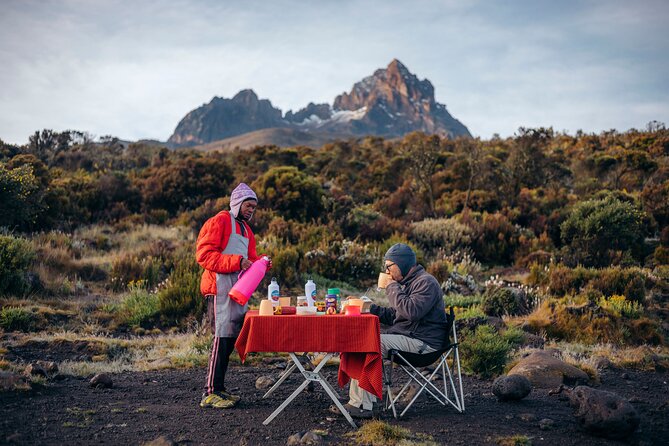
Your mountain staff includes experienced guides, porters, a chef, and a waiter. Meals are freshly prepared on the mountain, with breakfast, lunch, dinner, tea, and coffee included. That is a meaningful part of the price. You are not carrying seven days of food or cooking your own dinner after a long climb.
Day 2: From forest to Shira Camp
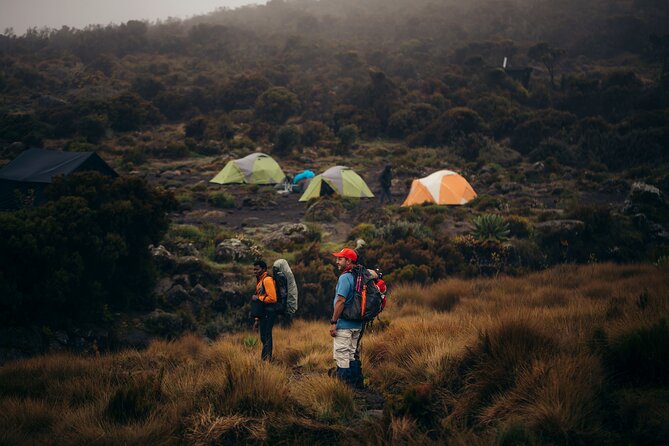
As you leave the rainforest, the scenery changes. The route climbs toward Shira Camp, where the Lemosho Route joins from the west. This transition is one of Machame’s pleasures: the plants become less dense, the views open up, and the climb begins to feel like a high mountain trip rather than a forest hike.
Shira is important for acclimatization because you are now sleeping at a higher camp and getting used to thinner air. You may find this day more tiring than the first, even if the trail feels more open. The change in altitude matters more than the scenery’s easy appearance.
ZAFS says daily health checks are part of the trek. That should include regular attention to how you are feeling, not just a quick question at breakfast. Tell the guide about headaches, unusual tiredness, nausea, or poor sleep early. The operator also carries an emergency oxygen cylinder, which is reassuring, but oxygen is a safety backup, not a replacement for honest communication and a careful pace.
Day 3: Lava Tower and the Barranco approach
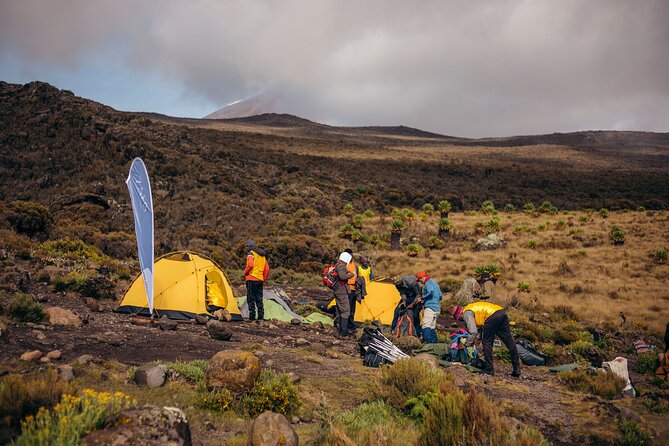
The route now crosses the southern side of Kilimanjaro. Lava Tower is the key feature of this section. You climb high toward it, then continue down toward Barranco Camp, where you sleep lower than the highest point reached during the day.
This is the strongest acclimatization day on the route, and it can also be one of the most demanding. The trail rises into a more exposed high-altitude setting, and the air becomes noticeably thinner. You may feel fine one hour and sluggish the next. Keep your water close, eat even when your appetite fades, and let the guide set the speed.
The descent to Barranco is not a wasted effort. It is the reason this day helps prepare you for the summit. I would rather work through this high point before sleeping lower than race straight toward a higher camp with less adjustment time.
Meals matter here. The operator provides fresh breakfast, lunch, and dinner prepared by a mountain chef. Food quality cannot remove altitude sickness, but regular warm meals make it easier to maintain energy. The feedback connected with this operator repeatedly highlights timely food, generous camp service, and chefs who helped make the long days manageable.
Same base, a different kind of day out:
- Safari Serengeti And Ngorongoro
★ 5.0 · 288 reviews - Climbing Kilimanjaro – Machame Route
★ 5.0 · 170 reviews - Kilimanjaro climb, Lemosho Route (8-day)
★ 5.0 · 148 reviews - Kilimanjaro climb, Lemosho Route (6-day)
★ 5.0 · 129 reviews
Day 4: The Barranco Wall and the route to Karanga
The Barranco Wall is the route’s famous obstacle. It looks more serious than it is. You will use your hands in places and move carefully around steeper sections, but the route description presents it as a trekking challenge rather than a technical climbing pitch.
This is where a calm guide earns his or her keep. You will want clear instructions, a sensible line, and enough time to move without pressure. Guides named in the operator’s feedback include Alex, Gabriel, Mushi, Musa, Danis, and Frank, though you should confirm your actual guide before departure.
After the wall, the trail continues across the southern side of the mountain toward Karanga Camp. The day has repeated rises and falls, so do not assume that reaching the top of the Barranco Wall means the work is finished. The reward is a strong sense of progress and a close view of Kilimanjaro’s changing rock and plant zones.
This section also shows why Machame feels tougher than Marangu. You are not simply walking uphill toward a single camp. You are climbing, dropping, and climbing again to build useful altitude exposure.
Day 5: Karanga to Barafu Camp
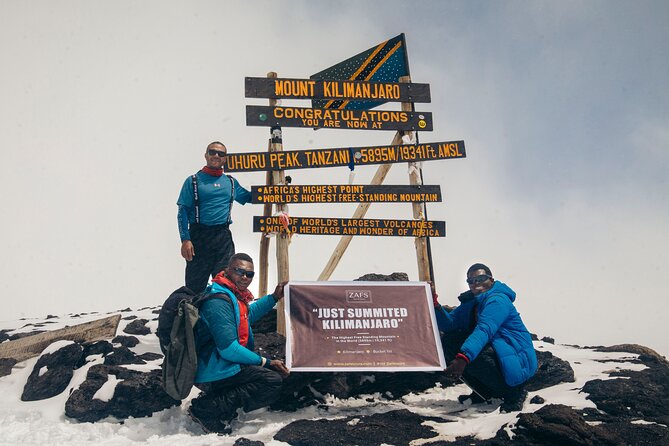
The trail continues toward Barafu Camp, the launch point for the summit attempt. Barafu means ice in Swahili, and the camp sits in a high, exposed zone. By this stage, the route has left the more sheltered vegetation behind, and the mountain feels serious.
You should expect a shorter walking day than some earlier sections, but the purpose is not relaxation. You need time to eat, rest, check equipment, and prepare for the summit push. The final ascent normally begins after resting at Barafu, so follow the guide’s instructions about food, clothing, and timing.
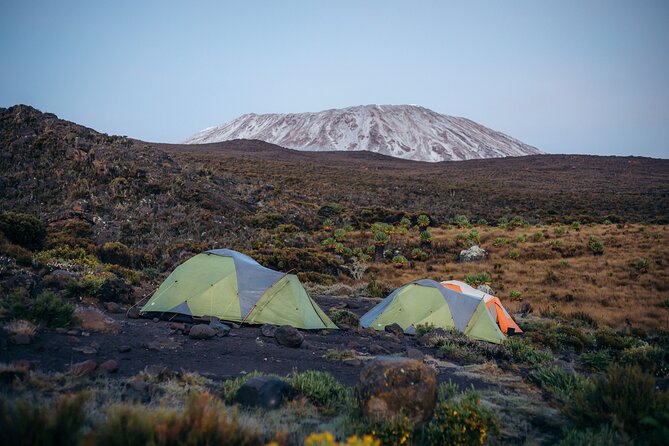
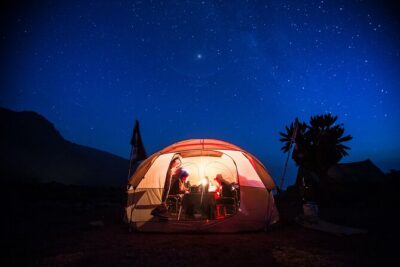
The operator supplies private tents, a dining tent, crew tents, tables, chairs, mattresses, cutlery, and utensils. Those details sound basic until you are tired, cold, and trying to organize yourself in a high camp. A proper dining space also gives your group somewhere to eat and receive the daily health check rather than managing everything inside a cramped sleeping tent.
Day 6: Summit night and descent to Mweka
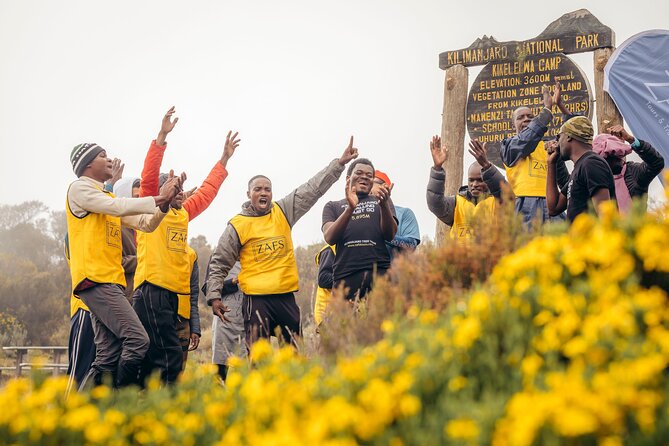
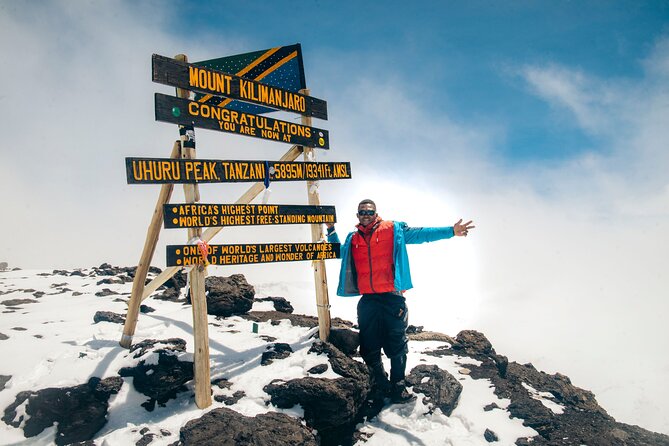
Summit day is the hardest part of the trip. From Barafu, you climb toward the summit in the coldest and most tiring conditions of the route. The information supplied does not specify the exact summit hour or the exact summit point, so ask ZAFS for the current schedule before booking.
Your guide’s role becomes central here. The company says its guides have at least eight years of experience on Kilimanjaro, Wilderness First Responder certification, and extensive time on the mountain. The feedback also singles out guides for patience, motivation, medical advice, and the ability to adjust to a climber’s pace.
That personal support is not a luxury. A summit attempt tests your breathing, legs, confidence, and ability to keep making small decisions while tired. The right guide will watch your condition and help you decide when to slow down, rest, or continue. The operator’s emergency oxygen is another safety measure, but you should never view the presence of oxygen as permission to ignore symptoms.
After reaching the summit, you descend by the Mweka Trail rather than returning along the ascent route. That makes the trip feel more varied and gives you a clear change of direction after the summit. Do not underestimate the descent. Tired knees and loose trail can make going down just as uncomfortable as climbing up.
Day 7: Mweka and the return to Moshi
The final day takes you down the Mweka route and back toward Moshi. After several days of high camps, the lower air and changing vegetation should feel welcome. This is also when the mountain staff’s work becomes especially visible. Porters move camp equipment, the chef keeps meals coming, and the guides help the group finish safely.
The activity ends back at the meeting point. Pre- and post-hike accommodation in Moshi is not included, so plan those nights separately or request them from ZAFS. I would allow enough time around the trek rather than arranging a tight onward connection, since the mountain schedule and your physical condition may not follow a precise clock.
Guides, food, health checks, and camp life
The strongest part of this operation is its mountain support. ZAFS says its guide team has completed the mountain more than 100 times collectively, with guides who have at least eight years of experience. That matters because Kilimanjaro success depends on small daily choices: pace, hydration, camp timing, clothing, and knowing when a climber needs attention.
The listed medical setup includes daily health checks and emergency oxygen. Wilderness First Responder certification is a useful standard for mountain leaders. Still, you should give accurate health information before the trip and speak up quickly if you feel unwell.
Food is another major advantage of an organized trek. You receive breakfast, lunch, and dinner each day on the mountain, plus coffee and tea. The chef prepares meals at camp, so you do not need to carry cooking supplies or rely only on packaged food.
The porters and camp crew are also part of the value, but remember that a large support team should be treated fairly and respectfully. Ask ZAFS how tipping is handled, what porter welfare standards it follows, and what baggage limits apply before you pay. Those details are not provided here, and they matter.
Is $2,425 a fair price?
At $2,425 per person, this is not a bargain trek, but the price covers far more than a guide and a trail permit. You are paying for park fees and taxes, private transport, tents, a dining setup, mattresses, tables and chairs, a chef, waiter, porters, daily meals, coffee and tea, and experienced guides.
The seven-day format also has practical value. A shorter climb may cost less, but it gives your body less time to adjust. Machame’s high-low pattern and extra day can improve your chance of reaching the summit, though no operator can promise success.
The price does not include Moshi accommodation before or after the climb. You should add those costs, airport transfers if not covered by your arrangement, personal clothing and gear, tips, travel insurance, and any extra nights. Ask for a full written list before booking so the headline price does not surprise you later.
Who should choose this trek?
I would choose this route if you want varied scenery, a strong acclimatization plan, and the support of a full mountain crew. It suits people with moderate physical fitness who are ready to walk slowly for several days and handle a steep section at the Barranco Wall.
I would not choose it if you want a quiet route or a soft introduction to high-altitude trekking. Machame is one of the busiest routes, and its Whiskey Route nickname is fair in one sense: the trail is longer and more demanding than Marangu.
You should also be comfortable camping for the full mountain portion. Private tents and a dining tent improve comfort, but this is still a high-altitude camping trip, not a hotel stay with mountain views.
Should you book ZAFS Tours for the Machame Route?
I would seriously consider it if the seven-day schedule fits your body and budget. The best reasons are the route’s acclimatization pattern, the experienced guide structure, daily health checks, cooked meals, and the complete camp setup included in the price.
Before booking, confirm the exact guide, pickup time, Moshi accommodation, baggage rules, tipping practice, group size, and the summit-day schedule. If you want the highest reasonable chance of success on Machame, seven days is a sensible choice. If you want less traffic or a gentler trail, compare other routes first.
Cancellation is free up to 24 hours before the local start time for a full refund. Within 24 hours, changes and refunds are not accepted. The trip also requires a minimum number of participants, and if that number is not reached, the operator offers another date, another experience, or a full refund.
FAQ
Where does the Kilimanjaro trek start?
The trek starts at Machame Gate, at an altitude of 1,800 meters.
Where is the meeting point?
The listed meeting point is Moshi Leopard Hotel on Market Street in Tanzania.
What time does the activity start?
The listed start time is 12:00 am. Confirm the exact pickup time with ZAFS Tours before the trek.
How long is the Machame Route experience?
The experience lasts approximately seven days.
Is this a private tour?
Yes. The activity is described as private, with only your group participating.
What meals are included?
Breakfast, lunch, and dinner are provided each day on the mountain. Coffee and tea are also included.
Is camping equipment included?
Yes. Private tents, a dining tent, crew tents, tables, chairs, mattresses, cutlery, and utensils are included.
Who supports the climb?
The mountain crew includes experienced guides, a chef, a waiter, and porters.
Is accommodation in Moshi included?
No. Pre- and post-hike accommodation in Moshi is available on request but is not included in the listed package.
What is the cancellation policy?
You can cancel at least 24 hours before the local start time for a full refund. Cancellations or changes made less than 24 hours before the start are not accepted.
Just added in Moshi
- Kilimanjaro Airport Private Transfer from/to Moshi★ 5.0 · 14 reviews
- 6 Days Machame route Kilimanjaro climbing★ 5.0 · 22 reviews
- 7 Days Highlight of Tanzania Mid-Range Standard★ 5.0 · 22 reviews
- 4 Day Mid-range Serengeti Safari★ 5.0 · 22 reviews
- Kilimanjaro Climbing 5 days Marangu route★ 5.0 · 22 reviews
- 6 Days: Classic Camping( Tarangire, Manyara, Serengeti And Ngorongoro).★ 5.0 · 26 reviews
- Mt Kilimanjaro Climb – 7 days Machame★ 5.0 · 26 reviews
- 10-Day Predators Tanzania Safari Luxury Package★ 5.0 · 24 reviews
Kilimanjaro Treks, compared.
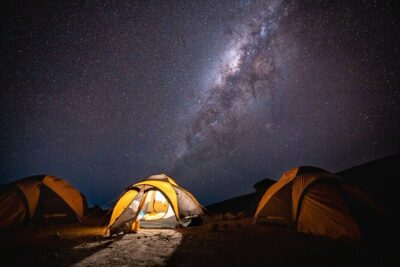
8-Day Small-group Lemosho Kilimanjaro Summit Trekking
Read our review →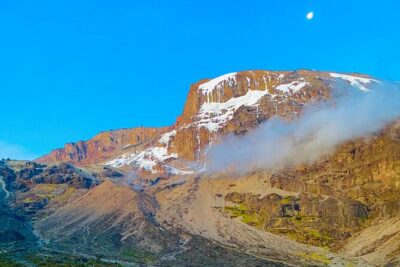
5 Days Best of Tanzania Luxury Safari Northern Circuit
Read our review →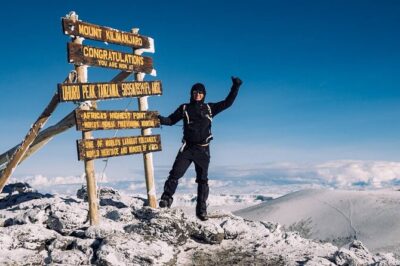
7-Day Machame Kilimanjaro Summit Tour from Arusha
Read our review →
7 Days Kilimanjaro via Machame route affordable price
Read our review →Browse the lists this tour appears in