
Reviewed · KILIMANJARO TREKS
Kilimanjaro Climbing Lemosho Route 8 Days.
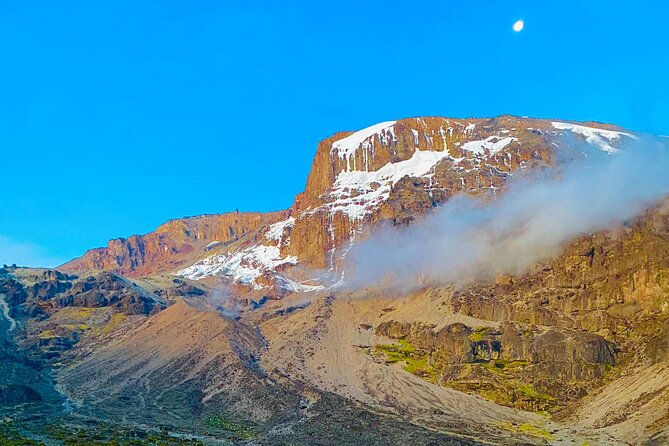
Kilimanjaro’s Lemosho Route gives you the mountain in chapters: thick rainforest, open moorland, volcanic rock, ice fields, and the stark slopes above the clouds. This private eight-day climb is built for steady acclimatization, with a guide setting the pace and a crew handling camp, meals, and supplies.
I like two things right away: the private format, which lets your group adjust its walking rhythm, and the serious safety kit, including pulse oximeters, first aid supplies, and emergency oxygen. The main caution is the summit day, a long 14-hour effort that begins around midnight and demands real fitness, patience, and mental grit.
Key points to know before booking
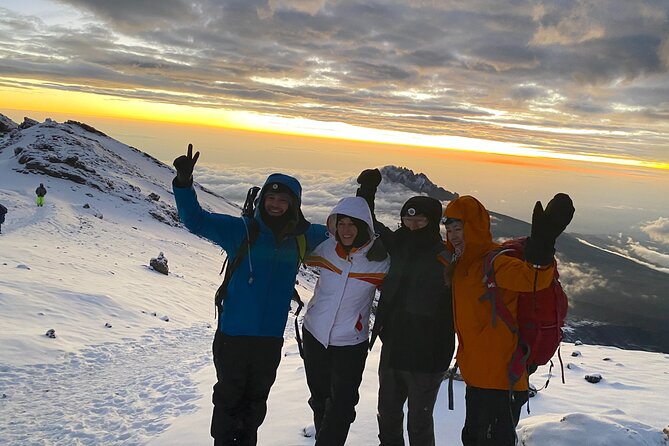
- Lemosho gives you a gradual approach: You begin in rainforest and gain height in measured steps before reaching the summit zone.
- The private group matters: Your guide can work with your pace rather than forcing you into a large group schedule.
- Summit day is the hard bargain: Expect a midnight start, a climb to 5,895 meters, a descent to Barafu, and then a further walk to Mweka Camp.
- Meals and camp support are included: Breakfast, lunch, and dinner are provided during the trek, with tents prepared by the mountain crew.
- The arrival briefing is useful: Your guide checks your equipment in Moshi before you head into the park.
- The company has a strong public record: The experience is listed with a 5 out of 5 rating from 187 reviews and a 100 percent recommendation rate.
What the $2,300 price really covers
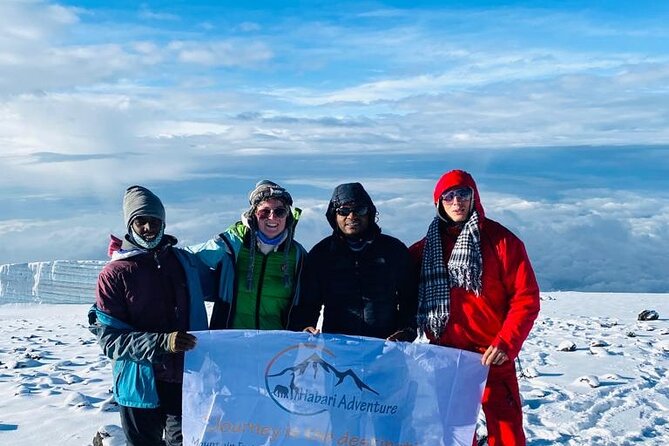
At $2,300 per person, this is not a simple hiking day with a guide. It is a private, supported mountain expedition lasting about nine calendar days, including airport pickup, two hotel nights, park fees, transport, meals, camping support, and mountain safety equipment.
The price is easier to judge when you picture the logistics. Your crew carries supplies, sets up camp, prepares meals, and manages the daily movement between remote camps. You are paying for organization as much as for walking. That is valuable on a mountain where tired hikers should not also be worrying about food, tents, transport, or park formalities.
The package includes eight breakfasts and eight lunches, plus nine dinners. It also includes private transport and all fees and taxes. Flights, entry visas, laundry, and tips for the mountain crew are not included, so keep those costs outside the headline price.
I would also note the wording around duration. The climb itself is described as eight days, but the full program runs from airport arrival on Day 1 through the return to Moshi on Day 9. Think of it as eight mountain days plus arrival and departure arrangements.
Other routes up the mountain from Moshi:
- Kilimanjaro climb by Lemosho Route (7-day)
★ 5.0 · 651 reviews - Kilimanjaro climb, Machame Route (7-day)
★ 5.0 · 262 reviews - Climbing Kilimanjaro – Machame Route
★ 5.0 · 170 reviews
Day 1: Moshi briefing and the equipment check
Your trip begins with pickup at Kilimanjaro International Airport and a transfer to a hotel in Moshi, about an hour away. This first night is more than a place to sleep. It gives you a buffer before the climb and a chance to meet your guide properly.
The guide returns for a trek briefing and equipment check. I consider this one of the most useful parts of the program. A forgotten jacket, weak headlamp, poor footwear, or missing rain gear becomes a problem once you leave town. Checking everything before departure gives you time to fix gaps.
Dinner and the hotel night are included. The listed start time is 8:00 a.m. at Kilimanjaro Airport, so confirm your arrival details with Habari Adventure before booking flights.
Day 2: Rainforest from Londorossi Gate to Mti Mkubwa
After breakfast, you drive for about two hours from Moshi, at roughly 910 meters, to Londorossi Park Gate at 2,100 meters. Here, guides and porters register the climb, sort equipment, and prepare the supplies.
The first walking section enters the rainforest. Expect a full day, listed at about seven hours, before reaching Mti Mkubwa Camp at 2,980 meters. This is a good opening to the route because the forest gives you shade and a gradual introduction to the work of mountain walking.
Your tent is set up before you arrive, with your personal belongings inside. That small detail matters after a long day. You can settle in instead of helping with camp chores, though you should still keep your own daypack organized.
The first night also introduces the basic rhythm: walk, reach camp, eat, rest, and prepare for the next morning. The route is not a sightseeing stroll. Even the early days require a slow pace.
Day 3: Open moorland and Shira I Camp
The forest gives way to grassy moorland and heather scattered among volcanic rock formations. This day covers about seven kilometers in four hours, ending at Shira I Camp at 3,500 meters.
The walking is short compared with later stages, but the altitude begins to matter. Some parts are fairly steep, and the open ground gives you wide views toward Kibo and the Shira Plateau. You will notice the mountain becoming more exposed, with less tree cover and more weather on your skin.
This is where a careful guide earns his keep. The point is not to race to camp. A controlled pace helps you preserve energy for the higher sections, and the private arrangement gives your group room to stop when needed.
Same base, a different kind of day out:
- Safari Serengeti And Ngorongoro
★ 5.0 · 288 reviews - Climbing Kilimanjaro through 7 days Machame Route
★ 5.0 · 151 reviews - Kilimanjaro climb, Lemosho Route (8-day)
★ 5.0 · 148 reviews - Kilimanjaro climb, Lemosho Route (6-day)
★ 5.0 · 129 reviews
Day 4: Shira views and an acclimatization walk
Day 4 covers about eight kilometers in five hours. The route remains in moorland and is described as one of the shorter, less steep days.
You get views of Kibo and the northern ice fields from the western side of the mountain. The scenery is broad and spare, a sharp change from the rainforest below. A hot lunch is served at camp, followed by tea around 4:00 p.m. and an acclimatization walk before dinner.
That extra walk is important. It lets you gain some height without carrying the full burden of a long transfer day, then return to camp to sleep lower. This climb is designed around that basic mountain principle: walk high, rest when you can, and do not spend your strength too early.
Day 5: Lava Tower and the descent to Barranco
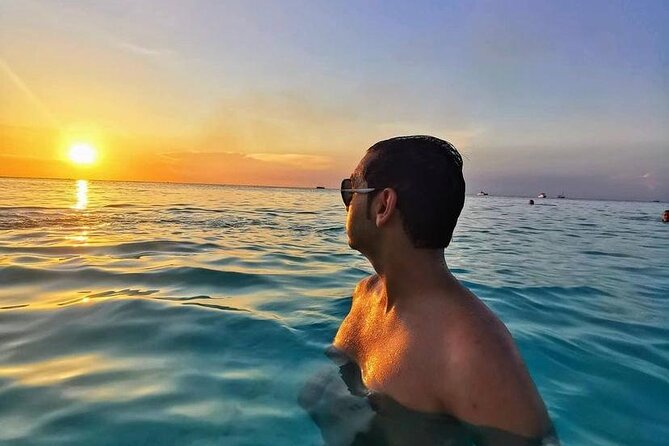
This is one of the most useful days for acclimatization, even though it can feel demanding. You leave the moorland behind and enter alpine desert, climbing to Lava Tower at about 4,600 meters before descending to Barranco Camp at 3,900 meters.
The day covers around 10 kilometers and takes about six hours. The climb to Lava Tower lets your body experience a higher altitude, while the descent gives you a lower sleeping point. It is a smart route design, but do not mistake the shorter distance for an easy day.
The descent to Barranco takes about three hours. Along the way, you get photo opportunities toward the Western Breach and Barranco Wall. Barranco Camp sits in a valley below the wall, with a setting that can deliver a memorable sunset.
The camp is also a reminder that the mountain is not only about reaching the summit. The changing rock, light, and vegetation provide some of the best visual variety on the route.
Day 6: Barranco Wall to Karanga Camp
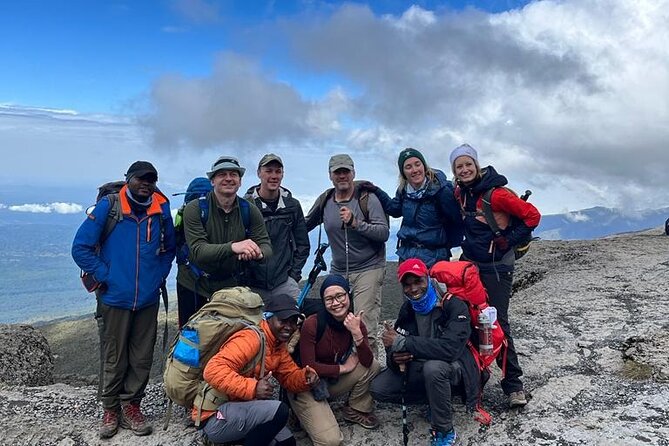
After breakfast, you climb Barranco Wall, reaching roughly 4,200 meters before continuing toward Karanga Camp at 4,000 meters. The day is listed at four hours and six kilometers, though the schedule also gives six hours, so your actual pace and rest stops will matter.
This is a favorite section for good reason. The route feels more physical than the distance suggests, and the wall gives the day a clear challenge. It is not a technical climbing route in the information provided, but you should expect hands-on, uneven mountain walking rather than a smooth trail.
The views include the Heim Glacier area, Kibo, and the high volcanic terrain. Karanga is a useful staging camp because it breaks up the approach to Barafu instead of forcing you into one long push.
Day 7: Barafu Camp and the long rest
The walk to Barafu Camp is only about four kilometers and takes roughly three hours. You climb to 4,640 meters, with views of Kibo and Mawenzi peaks along the way.
After lunch, the plan is to rest for a long time. Dinner is early, and you try to sleep before waking around midnight for the summit attempt. This may be the strangest day of the climb: a short walk, a great deal of waiting, and a mind already focused on the hardest stage.
Use the rest well. Keep your clothing, water, snacks, and headlamp ready before lying down. The private guide can help you prepare, but your own organization will make the midnight start less frantic.
Day 8: Uhuru Peak, Barafu, and Mweka
Summit day begins around midnight with light tea and cookies. You climb scree for four to five hours, gaining height quickly over a short distance. The stated distance for the full day is 21 kilometers, with about 14 hours of walking.
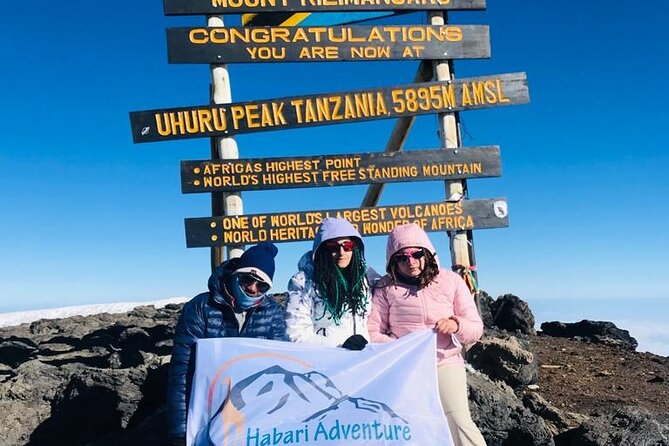
You reach Stella Point on the crater rim at 5,756 meters around sunrise. From there, it is another hour to Uhuru Peak at 5,895 meters, the highest point in Africa. Time at the summit is brief. You take photos, absorb the moment, and begin the descent.
The hard part is not finished at Uhuru. You return to Barafu Camp for lunch and rest, then continue down to Mweka Camp at 3,100 meters for dinner and sleep. That second descent makes the day especially demanding. Your legs have already done the main climb, yet you still need to keep moving.
The safety provisions are welcome here. Guides carry a first aid kit and emergency oxygen, and pulse oximeters are available for monitoring. These tools do not remove altitude risk, but they support sensible decisions. Your guide should be watching your condition, not only your summit time.
Day 9: Mweka Forest and the return to Moshi
The final walk takes about three hours and covers 10 kilometers through Mweka’s montane forest. You descend to Mweka Gate, complete park formalities, and receive summit certificates.
A vehicle then returns you to the Moshi hotel for a warm shower and a proper celebration. This hotel stop is included and gives you a clean break between mountain life and the rest of your Tanzania plans.
The descent can feel easy after the summit, but tired knees and feet still deserve care. Keep your pace steady and save some energy for the final walk out.
Guides, porters, and the private advantage
The strongest pattern in the supplied feedback is the praise for the mountain crew. Specific guides named include Yusuph, Abdi, Michael, Ema, Jamal, George, MK, Humphrey, Johnson, Awali, and Godlizen. The most useful reports focus on guides matching the pace to the person, answering questions before departure, and keeping morale up during difficult sections.
That matters more than cheerful camp songs, though the crew has also been praised for its spirit and encouragement. A guide who notices when you need to slow down can make a bigger difference than a polished speech at the summit.
The private format is especially helpful for a family, a pair of friends, or a small group with similar goals. You are not sharing the schedule with strangers, and the guide can respond to your group’s pace. The tradeoff is that you do not get the social mix of a larger shared climb.
Who should book this climb?
I would recommend it to someone with moderate physical fitness who wants strong logistical support but still wants a real mountain challenge. You need to be comfortable walking for several hours on uneven ground, sleeping in camps, and dealing with cold, altitude, and a very long summit day.
It suits people who value a gradual route and a private guide. It also works well for a first major high-altitude climb because meals, transport, camp setup, equipment checks, and safety supplies are handled by the crew.
I would hesitate if you dislike camping, struggle with long downhill walks, or want a relaxed holiday with only occasional hiking. The summit day is not a minor detail. It is the physical center of the whole trip.
Booking details worth checking
Confirmation is provided at booking, and free cancellation is available if you cancel at least 24 hours before the local start time. Cancellations inside that window are not refunded, and late changes are not accepted.
The climb depends on suitable weather and a minimum number of participants. If the operator cancels for either reason, you are offered another date or experience, or a full refund. Service animals are allowed, and the activity is described as private, with only your group taking part.
I would plan well ahead. The experience averages 147 days between booking and departure, which suggests that preferred dates can fill well before arrival.
Should you book the Habari Adventure Lemosho climb?
I would choose this trek if you want the scenic Lemosho approach, a private schedule, and a crew that handles the mountain work around you. The included hotel nights, meals, transport, park costs, safety equipment, and careful acclimatization plan give the $2,300 price solid value.
Go in with clear eyes. You are not buying an easy summit. You are buying a well-supported chance to tackle a demanding one. If you train for long days, pack carefully, listen to your guide, and respect the altitude, this eight-day route offers a strong balance of scenery, pacing, and support.
FAQ
How long does the full experience last?
The program lasts about nine days. The mountain itinerary covers eight climbing days, with airport pickup and hotel arrangements on the first day and the return to Moshi on the ninth.
Where does the tour start?
Pickup begins at Kilimanjaro International Airport in Tanzania. The listed start time is 8:00 a.m.
Is this a private climb?
Yes. Only your group participates, and the guide can work with your group’s walking pace.
What route does the climb use?
The climb follows the Lemosho Route through rainforest, moorland, alpine desert, Barranco, Barafu, Uhuru Peak, and the Mweka descent.
How high is Uhuru Peak?
Uhuru Peak is listed at 5,895 meters. You reach Stella Point first, at about 5,756 meters, before walking another hour to the summit.
Are meals included?
Yes. Breakfast, lunch, and dinner are included during the program. The package lists eight breakfasts, eight lunches, and nine dinners.
Are hotels included?
Yes. Two hotel nights are included. The first is in Moshi before the climb, and the final return to the hotel follows the walk out through Mweka Gate.
What safety equipment is provided?
The package includes pulse oximeters, a first aid kit, and emergency oxygen. These supplies support monitoring and emergency response but do not remove the need to report altitude symptoms promptly.
What costs are not included?
Flights, entry visas, laundry services, and tips for the mountain crew are not included.
Just added in Moshi
- Kilimanjaro Airport Private Transfer from/to Moshi★ 5.0 · 14 reviews
- 6 Days Machame route Kilimanjaro climbing★ 5.0 · 22 reviews
- 7 Days Highlight of Tanzania Mid-Range Standard★ 5.0 · 22 reviews
- 4 Day Mid-range Serengeti Safari★ 5.0 · 22 reviews
- Kilimanjaro Climbing 5 days Marangu route★ 5.0 · 22 reviews
- The 6 Days Kilimanjaro Climbing Tour via Machame Route in 2025/26★ 5.0 · 23 reviews
- 6-Day Kilimanjaro Climbing Via Machame Route★ 5.0 · 23 reviews
- 9-Day Enchanting Tanzania Safari -High End All Inclusive★ 5.0 · 27 reviews
Kilimanjaro Treks, compared.
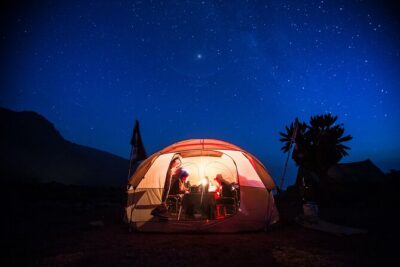
8-Day Small-group Lemosho Kilimanjaro Summit Trekking
Read our review →
5 Days Best of Tanzania Luxury Safari Northern Circuit
Read our review →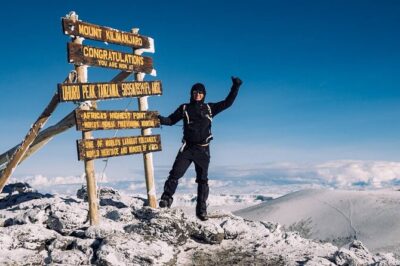
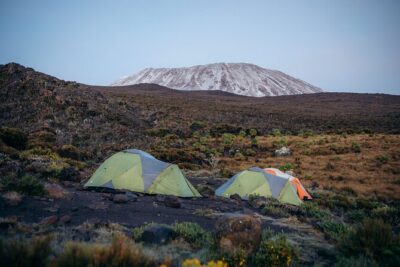
Climbing Kilimanjaro through 7 days Machame Route
Read our review →
7-Day Machame Kilimanjaro Summit Tour from Arusha
Read our review →
7 Days Kilimanjaro via Machame route affordable price
Read our review →Browse the lists this tour appears in