
Reviewed · CITY TOURS
Dar es Salaam City Tour – Visit all attractive places
Dar es Salaam comes into focus through its markets, religious buildings, museums, and working harbor. This private city tour moves from the crowded stalls of Kariakoo Market to the fish auctions at Kivukoni, then finishes with traditional houses and ebony carvings. It gives you a useful first look at a large coastal city that can feel hard to read on your own.
I like the hotel, ferry, or port pickup, especially if you have only one day in town. I also like the mix of private driving and local transport, since the public ride and tuk-tuk trip to Village Museum add a little everyday city life. The main drawback is that lunch costs extra, and the schedule is full enough that traffic or a long market visit can squeeze later stops.
Key points to know before booking
- Kariakoo opens the day with real local commerce, not a polished tourist display.
- The tour is private, so you can set the pace with your guide rather than follow a large group.
- Mansoor is the named guide in the available feedback, with prompt contact before pickup and cold water in the vehicle.
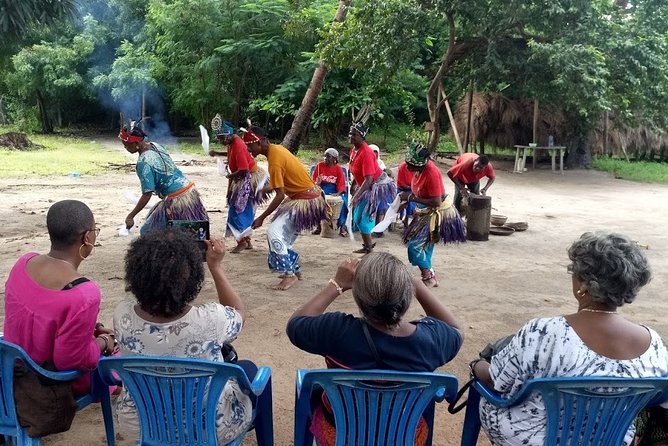
- Village Museum includes traditional houses and arranged ngoma dancing, with a public bus and tuk-tuk ride included in the plan.
- The $117 price covers transport, entrance fees, taxes, and water, but not lunch or a tip.
- The route takes six to seven hours, making it best for a full morning and afternoon rather than a quick shore excursion.
Start at Kariakoo Market, Dar es Salaam’s working center
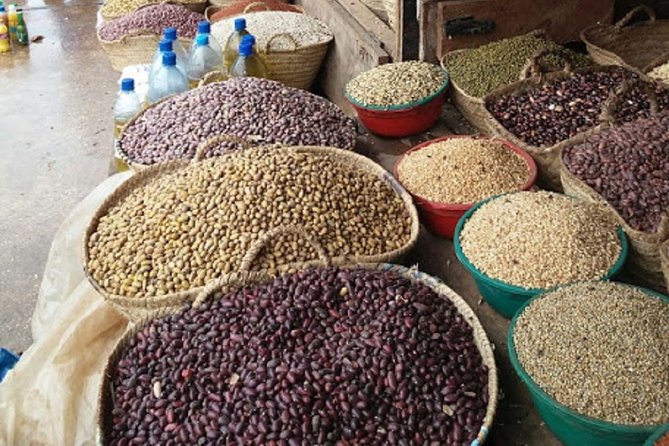
The tour begins at Kariakoo Market, whose story reaches back to 1916. After British forces took Dar es Salaam from Germany during the First World War, a former carrier corps depot was turned into a market. The name comes from the Swahili pronunciation of Carrier Corps.
You get about an hour here, which is enough time to see the market as more than a shopping stop. This is where daily trade happens, with goods moving through one of Dar es Salaam’s best-known commercial areas. Your guide can help you read the scene, point out what matters, and keep the visit from becoming a confusing walk through unfamiliar lanes.
I like starting here because it puts the city’s present-day energy before its colonial monuments and formal museums. You see a place built around buying, selling, and movement. The tradeoff is simple: markets are busy by nature, and this stop may feel intense if you prefer quiet sightseeing.
Wear practical shoes and keep your belongings close. The tour includes admission, so you do not need to sort out a ticket on arrival.
More ways to see Dar es Salaam in a day:
- Dar es Salaam: City Tour
★ 4.7 · 159 reviews - Dar es Salaam City Tour – Everyday
★ 5.0 · 64 reviews - The Best/Top Rated Cultural City Tour in Dar es Salaam
★ 5.0 · 57 reviews
St. Joseph’s Cathedral and the old harbor district
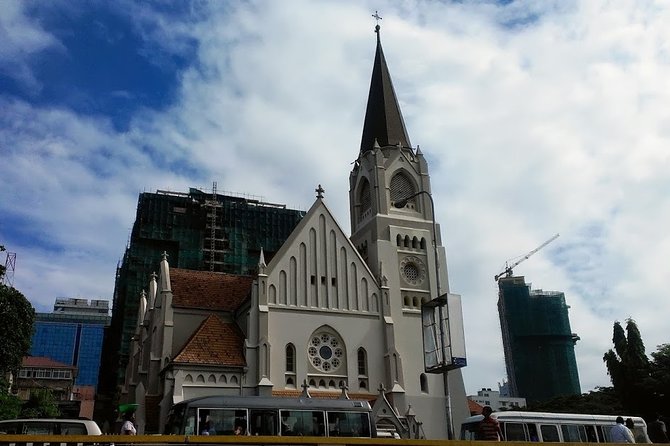
After Kariakoo, the route passes the Uhuru Torch monument in the Mnazi Mmoja area and the old Boma before reaching St. Joseph’s Cathedral. The cathedral overlooks the harbor and was the first Roman Catholic cathedral on mainland Tanzania.
The main building took five years to complete, from 1897 to 1902, and it was consecrated in 1908. Look for its Gothic design, shingled spire, vaulted interior, and carved relief above the main altar. The original German inscriptions are still inside, giving the building a direct link to the city’s German colonial period.
You have about 30 minutes here. That is enough for a focused look, though not a long architectural study. If you care about churches, colonial-era buildings, or religious art, this is one of the most rewarding short stops. If you are mainly interested in markets and street life, you may find the visit brief but still worthwhile.
The route also passes the Lutheran Cathedral before the next stop. This short sequence helps you see how several faith communities shaped the old central district.
Askari Monument and the city’s colonial layers
The Askari Monument takes only about 15 minutes, but it offers a compact history lesson. The British colonial government built it to replace a German statue honoring Major Herman von Wissmann, the first governor of German East Africa. That earlier statue was removed after Germany’s defeat in the First World War.
The current monument honors African soldiers, and its position makes it easy to combine with the cathedral and central harbor area. Admission is free, so this is a quick outdoor stop rather than a museum visit.
I like the way the tour places the monument between older buildings and the National Museum. You are not seeing isolated sights. You are following changes in power through streets, statues, and public buildings. Your guide’s explanation matters here, since the monument itself does not take long to view.
The National Museum for Tanzania’s wider story
The National Museum of Tanzania, also called the Museum and House of Culture, was founded in 1937 and opened to the public in 1940. It first carried the name King George V Memorial Museum, then became the National Museum in 1962.
You spend about 45 minutes inside. That gives you a useful introduction to the country and its past without making the day feel museum-heavy. The museum is especially helpful after the city stops because it broadens your view beyond Dar es Salaam’s streets and colonial buildings.
Admission is included, as are the other listed activities. Keep in mind that 45 minutes is a set visit within a packed route. You will need to keep moving if you want time for Kivukoni, lunch, the Village Museum, and the woodcarvers market later.
Same base, a different kind of day out:
- Dar es Salaam City Center: Walking Tour
★ 4.8 · 102 reviews - MIKUMI NATIONAL PARK – 3 Days
★ 4.5 · 63 reviews - 2 nights 3 days safari to mikumi national park
★ 5.0 · 62 reviews - 2 Days 1 Night Mikumi National Park from Dar es salaam
★ 5.0 · 60 reviews
Kivukoni Fish Market by the harbor

The route then heads toward Kivukoni Fish Market, passing Tanzania’s State House. Photography is not allowed at the State House, so follow your guide’s instructions and do not treat the passing view as a photo stop.
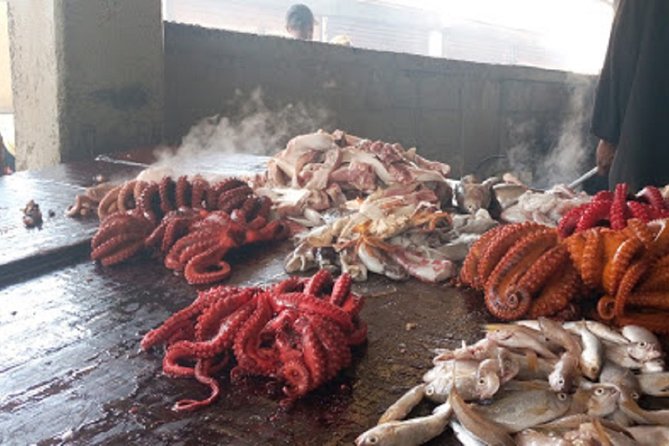
At Kivukoni, you see fishers selling their catch to restaurant buyers and local households. The market has eight zones in two main sections, including an auction area. Elsewhere, fish are cleaned, cooked, and sold again at higher prices.
The planned visit lasts about an hour. That gives you time to watch the market’s different stages and understand how seafood moves from the harbor into city kitchens. This is one of the most useful stops for seeing Dar es Salaam as a working port rather than only a place of monuments.
The setting can be wet, noisy, and strongly scented. That is part of the point, but it is worth knowing before you book. You may prefer to watch from a little distance rather than walk through every section. Your guide can help you decide how close to get.
Lunch and the switch to local transport
Lunch comes after the fish market and is not included in the $117 price. You pay directly at the hotel used for the break, so plan to carry enough money for that meal.
After lunch, the transport changes. The itinerary includes public transport from Kivukoni to Morocco Road, followed by a tuk-tuk, also called a rickshaw, to Village Museum. This is an unusual feature for a private city tour. You still have a private guide and arranged route, but part of the afternoon uses ordinary city transport.
I like this because you get a small taste of how people move around Dar es Salaam. It also means the day is not simply a private van circulating between attractions. At the same time, public transport can make the timing less predictable. If you want an entirely private vehicle for comfort or speed, ask about this point before booking.
The tour description says public and private transport are included. It does not give separate vehicle details for every leg, so confirm the meeting arrangement with the operator if you need a specific transport setup.
Village Museum and Tanzania’s many communities
Village Museum, known in Swahili as Kijiji cha Makumbusho, sits along Ali Hassan Mwinyi Road in Kijitonyama. It presents about twenty traditional houses representing Tanzania’s more than 120 ethnic groups.
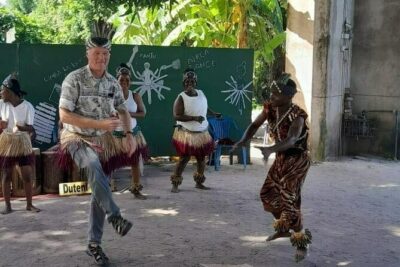
You can enter the houses and see furnished huts, cattle pens, and meeting places. The stop lasts about 90 minutes, making it the longest single visit of the afternoon. After the buildings, an arranged ngoma dance session gives the visit a performance element.
This is a good stop if you want context for Tanzania’s cultural variety without leaving Dar es Salaam. The houses turn broad facts about ethnic groups into something you can see at close range. I also like that the visit is not limited to looking at buildings from outside.
The limitation is that twenty houses cannot represent every community in the country. Think of this as an introduction, not a complete survey. The public transport and tuk-tuk ride also make this section feel less polished than a standard coach tour, but that can be part of its appeal.
Mwenge Woodcarvers Market and the final shopping stop
The last attraction is Mwenge Woodcarvers Market, where you can see carved products made from African blackwood, also known as ebony. You have about 30 minutes before the driver takes you back to your hotel.
This stop works well at the end because it gives you a chance to browse local crafts after seeing museums and cultural displays. The short visit is enough for a look at the work and perhaps a purchase, but do not expect a long workshop session. The supplied details do not promise demonstrations, so treat it as a market visit.
If you buy something, check the item carefully and agree on the price before paying. The tour gives you access to the market, but purchases are not included in the tour price.
What the $117 price really covers
At $117 per person, this is not the cheapest way to see Dar es Salaam, but the price includes several costs that can add up. You get hotel, ferry, or port pickup, private guiding for your group, public and private transport, entrance fees, taxes, listed activities, and bottled drinking water.
That package has clear value if you are arriving by cruise or ferry and want a planned day without arranging separate taxis. It is also useful if you want a guide to connect Kariakoo, the cathedral, monuments, museums, markets, and Kijitonyama in one route.
The value depends on group size. The activity is private, and group discounts are offered, so the per-person cost may make more sense for several people sharing the arrangement. Solo visitors should compare the price against the convenience of pickup, transport, and included admissions.
Budget separately for lunch, tips, and anything not listed as included. The tour provides water, which is a small but practical touch during a six to seven-hour day.
Timing, pickup, and pace
The full experience lasts about six to seven hours. Pickup is offered from a hotel, ferry, or port, while the stated meeting point is the Ferry Ticket Office at 57JW+4XH in Dar es Salaam. Confirm your exact pickup location and time when booking, especially if you are coming from a ship.
The day includes roughly one hour at Kariakoo, 30 minutes at St. Joseph’s Cathedral, 15 minutes at Askari Monument, 45 minutes at the National Museum, one hour at Kivukoni, 90 minutes at Village Museum, and 30 minutes at Mwenge. Lunch and road time sit between those stops.
That is a lot for one day. I would book it when you want a broad first look rather than a slow study of two or three sites. The private format lets you go at your own pace, but the number of stops still creates a natural schedule.
Mansoor is the named guide in the available tour feedback. He contacted the group before pickup and kept cold water ready in a well-maintained minivan. That kind of communication matters when your day depends on a port or ferry meeting point.
Who should book this Dar es Salaam tour?
I would recommend it to first-time visitors who want both major sights and ordinary city scenes. It suits cruise passengers, short-stay visitors, and small groups that prefer a private guide to a fixed large-group bus.
It is also a good fit if you want markets included. Kariakoo and Kivukoni are not just decorative photo stops. They show how the city buys, sells, lands, cleans, and distributes food.
You may want another plan if you dislike markets, public transport, tuk-tuks, or a full schedule. The tour also may not suit someone who wants a beach day or a long, quiet museum visit. Those experiences are not part of this route.
Free cancellation is available if you cancel at least 24 hours before the start time. Changes or cancellations inside that window are not refunded, and poor weather can lead to a new date or a full refund.
Should you book it?
Book this tour if you want an efficient, private introduction to Dar es Salaam with markets, colonial landmarks, museums, local transport, and traditional culture in one day. The included pickup, entrance fees, water, and guide make the price easier to justify for a group, particularly when time is limited.
Skip it if you want a relaxed pace, included lunch, or transport that stays private from start to finish. For most first visits, though, the route offers a useful balance of historic sights and working city life, with enough flexibility to make a busy day feel manageable.
FAQ
How long does the Dar es Salaam City Tour last?
The tour lasts approximately six to seven hours, including the listed sightseeing stops, lunch break, and transport between locations.
Where does the tour start?
The stated meeting point is the Ferry Ticket Office at 57JW+4XH, Dar es Salaam, Tanzania. Pickup is also offered from hotels, ferries, or the port.
Is this a private tour?
Yes. Only your group participates in the private activity.
What is included in the price?
The price includes bottled drinking water, public and private transport, all listed fees and taxes, and the activities shown in the route.
Is lunch included?
No. Lunch is not included. You pay directly at the hotel used for the lunch break.
Does the tour include entrance fees?
Yes. Admission is included for the listed paid attractions. The Askari Monument has free admission.
Will the tour use public transport?
Yes. After lunch, the plan includes public transport from Kivukoni to Morocco Road, followed by a tuk-tuk to Village Museum.
Can I be picked up at a port or ferry?
Yes. Pickup is offered from a ferry or port, as well as from a hotel.
What is the cancellation policy?
You can cancel at least 24 hours before the start time for a full refund. Cancellations or changes made less than 24 hours before the start time are not accepted for a refund.
Just added in Dar es Salaam
- Zanzibar: 3 Days to Mikumi and Chizua Waterfalls★ 3.5 · 5 reviews
- 2 Day Wildlife Experience and Masai Culture Mikumi Park★ 5.0 · 5 reviews
- Sunrise Beach Walk with Picnic Breakfast Activity★ 5.0 · 3 reviews
- 5 Days Selous/Nyerere & Mikumi NP Game drive, Maasai and Walking★ 5.0 · 13 reviews
- 3 Days Safari to Nyerere National Park (Selous Game Reserve)★ 5.0 · 8 reviews
- Explore Dar es Salaam: Full-Day Private City Tour★ 5.0 · 18 reviews
- Mikumi Np Mid Range Tour 3 Days★ 5.0 · 3 reviews
- Saadani National Park Day Tour★ 5.0 · 3 reviews
City Tours, compared.
Arusha Guided Walking City Tour, Culture, Lifestyle & History
Read our review →
The Best/Top Rated Cultural City Tour in Dar es Salaam
Read our review →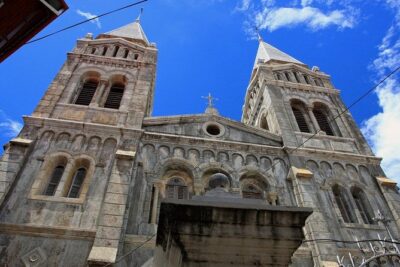

Dar Es Salaam City Tour (Full Day With Private Guide And Car)
Read our review →Browse the lists this tour appears in