
Reviewed · HISTORICAL TOURS
Dar es Salaam History and Architectural Tours
Dar es Salaam reveals itself best through contrasts: a 1903 cathedral built on the site of the city’s first mosque, a fish market alive with the day’s catch, traditional homes from across Tanzania, and a modern shopping mall all fit into this long city tour. Bernard, the guide, brings the city’s architecture, religion, art, music, and social life together in a way that gives the stops a human scale.
I like the mix of major sights and everyday places. The National Museum and Village Museum give you useful context, while Kariakoo and Kivukoni show how Dar works today. I also like the practical setup: private transport, water, snacks, lunch, and admission fees are included. The drawback is pace. Nine stops in about seven hours means some visits are brief, and Mlimani City Mall may feel less rewarding if your main interest is old Dar es Salaam.
Key points to know before booking
- A private city tour with Bernard: Your group has its own guide and transport, allowing the day to focus on your interests.
- Nine sharply different stops: Churches, markets, museums, traditional houses, a mall, and modern Tanzanian art all appear in one itinerary.
- A useful historical contrast: St. Joseph’s Cathedral and Azania Front Lutheran Church show the city’s colonial-era religious architecture.
- Hands-on cultural stops: The Village Museum and Mwenge Woodcarvers Market offer more than quick photo opportunities.
- Local food and built-in comforts: Snacks, bottled water, a local lunch, entrance fees, and private transportation are included.
- A full seven-hour day: Start at 9:00 a.m. and expect an active outing with plenty of time in and out of the vehicle.
Why this tour gives you more than a city checklist
Dar es Salaam is not a city you understand from one landmark. Its character comes from layers: coastal trade, religious communities, colonial architecture, Tanzanian traditions, art, commerce, and the daily movement of a large modern city.
This tour works because it puts those layers side by side. You begin with churches and old city buildings, then move through museums, craft markets, food markets, and shopping districts. The route is not limited to polished sights. That matters. You get a look at places people use, sell in, worship in, and pass through every day.
Bernard’s role is central. The strongest part of the experience is not simply getting from one location to the next, but having someone explain the connection between them. He speaks about old and modern Dar es Salaam, architecture, religion, society, art, and music. That wider view helps you understand why a cathedral, a market, and a painting cooperative belong in the same day.
The tour begins at 9:00 a.m. and lasts about seven hours. Since it is private, only your group participates. That is a useful advantage in a city tour with nine stops, especially if you want to spend a little more time at the museum or ask questions about a particular neighborhood.
More of the history on foot in Dar es Salaam:
- The Best/Top Rated Cultural City Tour in Dar es Salaam
★ 5.0 · 57 reviews - Zanzibar: Stone Town Historical Cultural Walking Guided Tour
★ 4.5 · 179 reviews - Arusha Guided Walking City Tour, Culture, Lifestyle & History
★ 5.0 · 150 reviews
St. Joseph’s Cathedral and Dar’s layered beginnings
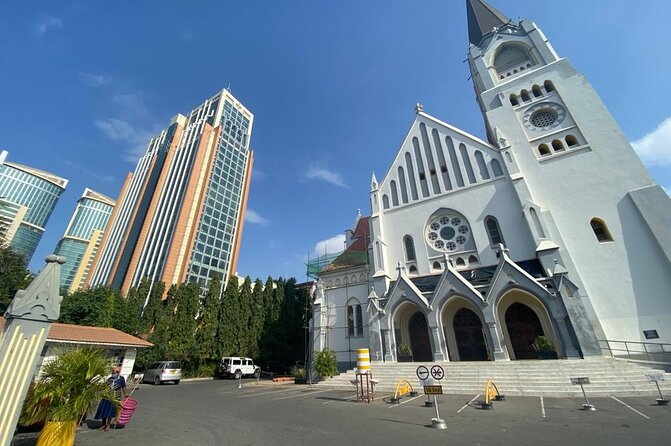
The first stop is St. Joseph’s Cathedral of the Archdiocese of Dar es Salaam. Built in 1903, the Catholic cathedral occupies the same spot as the city’s first mosque. That detail gives the building more importance than its architecture alone suggests.
You have about 30 minutes here, with admission included. Use the time to look closely at the structure and listen to the explanation of how religious buildings fit into the city’s early development. The site offers a concise lesson in Dar es Salaam’s changing communities and its long connection to the Indian Ocean world.
Thirty minutes will not allow a long architectural study. Still, it is enough for a focused introduction, particularly when the guide supplies the background that a quick independent visit might miss.
Azania Front Lutheran Church and Bavarian design
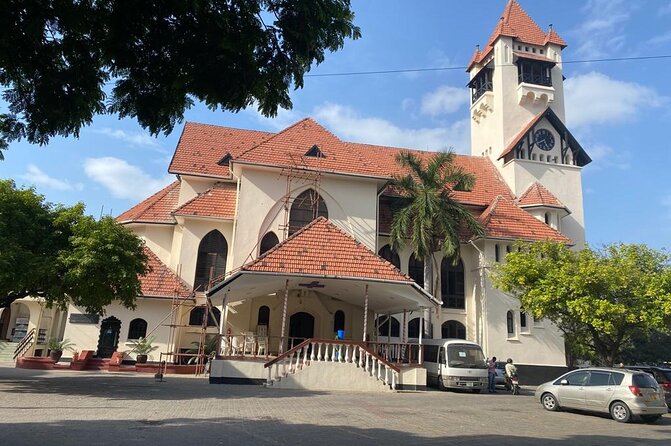
Azania Front Lutheran Church offers a different architectural note. Its Bavarian style, palm-tree setting, and influences from churches in Latin America and India make it an unusual sight in Dar es Salaam.
Again, the planned visit is 30 minutes. The short stop works well as a comparison with St. Joseph’s Cathedral. Instead of treating the churches as isolated monuments, you can consider how different European and international design ideas reached Tanzania and were adapted to a tropical city.
The church is especially useful for anyone interested in architecture. You will not spend hours inside, but the contrast between the two religious buildings helps make the opening section of the tour feel purposeful rather than repetitive.
Village Museum: traditional homes from across Tanzania

The Village Museum is one of the day’s most useful cultural stops. It presents traditional homes and living conditions associated with a number of Tanzanian tribes. The setting is hands-on, so you can connect the buildings and household spaces with practical daily life.
You get about an hour here. That longer visit is welcome because the museum has more to offer than a single display case. Look at how homes are arranged, what materials are used, and how different building styles reflect local customs and environments.
I like this stop because it gives you a broader view of Tanzania beyond Dar es Salaam. The city can feel fast and modern, but the museum shows the many traditions that shape the country. It also gives Bernard room to explain customs and lived experience instead of simply naming dates and buildings.
If your interest is strictly urban architecture, this is a change of direction. That is also its strength. The tour is not only about Dar’s buildings. It is about the culture that gives the city its identity.
Same base, a different kind of day out:
- Dar es Salaam: City Tour
★ 4.7 · 159 reviews - Dar es Salaam City Center: Walking Tour
★ 4.8 · 102 reviews - Dar es Salaam City Tour – Everyday
★ 5.0 · 64 reviews - MIKUMI NATIONAL PARK – 3 Days
★ 4.5 · 63 reviews
Mwenge Woodcarvers Market and buying art well
At Mwenge Woodcarvers Market, you find carved statues, masks, and chests made from strong black ebony wood. The planned visit is one hour, which gives you enough time to browse rather than rush through a line of stalls.
This is a good place to ask about the difference between a quick souvenir purchase and a piece you genuinely want to keep. You may find traditional forms, decorative objects, and work made for easy transport. Take your time, compare pieces, and remember that buying art is optional. The value of the stop is also in seeing carving as a working craft, not just as a product on a shelf.
The market can be more active than the quieter museum stops. If you dislike shopping, you can focus on the carving itself and use the guide’s explanations to understand the place. The one-hour allocation gives the stop more substance than a ten-minute photo break.
Kivukoni Fish Market and Dar’s working waterfront
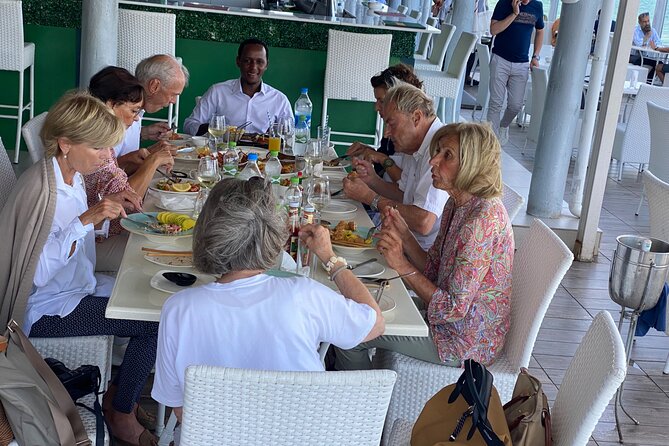
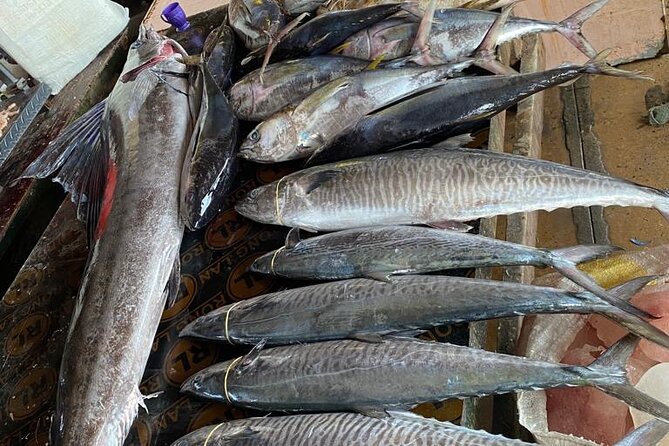
Kivukoni Fish Market brings you close to the city’s fishing trade. It is known for freshly caught seafood and for its role in Dar es Salaam’s cultural and economic life.
The stop lasts about 30 minutes. That is enough to see the market’s rhythm and get a sense of the seafood trade, though it is not a long food tour. You may also have the chance to sample local seafood dishes, but the tour materials do not promise a full tasting here, so do not book it expecting a dedicated culinary session.
This stop adds an important practical side to the day. Grand buildings tell only part of a city’s story. Markets show what people buy, sell, and eat. Kivukoni helps connect Dar es Salaam to its coast and its working economy.
Bring a flexible attitude. Fish markets are places of business first, not staged attractions. That is exactly why the visit can feel more revealing than a polished sightseeing stop.
National Museum of Tanzania and the wider national story

The National Museum of Tanzania receives about an hour of your time. It is part of a group of five Tanzanian museums created to preserve and present the country’s history and natural environment.
This is the stop that helps tie the rest of the day together. After seeing religious buildings, traditional homes, and working markets, you can place those subjects within a broader national setting. The museum also gives you a chance to slow down and absorb information indoors.
An hour is a sensible amount of time, though the museum covers a wide subject range. Follow Bernard’s lead if you want the most useful overview. If you try to examine everything in detail, you may find the schedule tight.
I value this stop because it keeps the tour from becoming a series of disconnected city snapshots. It gives the architecture and cultural visits a larger frame.
Kariakoo Market and the city in motion
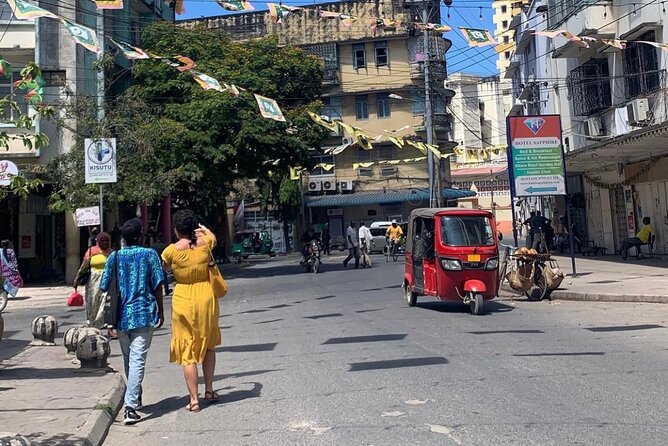
Kariakoo is known for markets spread across many city blocks. It contributes heavily to Dar es Salaam’s commercial life, and the planned visit lasts one hour.
This is one of the best places to see the city as a place where people work and shop, not simply a place arranged for sightseeing. The scale matters. Kariakoo is not a single small market building that you can cross in a few minutes. It extends through a large urban area, so your guide’s direction is useful.
Expect this part of the tour to feel less tidy and more demanding than a museum. Keep your belongings secure and stay aware of the group. The reward is a direct look at one of Dar’s major commercial centers.
Kariakoo also gives you a useful contrast with Mwenge. At Mwenge, the focus is crafted art and souvenirs. At Kariakoo, the emphasis is broad commerce and daily shopping. Both are markets, but they show different sides of the city.
Mlimani City Mall and modern Dar es Salaam
Mlimani City Mall sits on Sam Nujoma Road in Ubungo and covers about 30,000 square meters. The tour allows one hour here.
This may seem like an odd stop in a day focused on history and architecture, but it gives you a look at present-day Dar es Salaam. The city is not frozen in old churches, markets, and museums. It also has large modern retail spaces where people shop, eat, and spend time.
Still, this is the easiest stop to question. If you are visiting Dar for heritage, art, and local markets, a mall may feel less distinctive than the other locations. I would treat it as a contrast rather than a highlight. It can also offer a break from the heat and activity outside.
That change of pace may be welcome. After Kariakoo, an hour in a modern indoor setting gives the day some breathing room.
Tingatinga art and a strong final stop
The Tingatinga Arts Cooperative Society introduces you to one of Tanzania’s best-known painting styles. Tingatinga paintings are known for striking colors and are made on masonite, a practical surface that makes them easier to transport.
You get about 30 minutes here. The short visit is enough for an introduction to the style and a chance to look at the paintings closely. If you want to take home art, the easy-to-carry format is a clear practical advantage.
This is a fitting final cultural stop because it connects local creativity with the international visitor economy. Tingatinga painting developed in Tanzania in the second half of the 20th century and became popular with European and American buyers. You can enjoy the strong colors while also thinking about how Tanzanian art reaches audiences beyond the country.
The time is limited, so decide in advance if you want to browse casually or seriously consider a purchase. The tour gives you an introduction, not a long gallery visit.
Lunch, transport, and what the $150 price covers
The price is $150 per person. That is not a budget city walk, but the value depends on how much of the day you would otherwise arrange yourself.
The fee includes private transportation, all admission fees, bottled water, snacks before lunch, and a local lunch. Dar es Salaam can be hot, so having water provided throughout the tour is a practical benefit rather than a small extra. Snacks also help bridge the gap before the main meal.
Lunch can take place at Akemi, a revolving restaurant with wide views, which adds a memorable break to the day. Dinner is not included because the tour ends in the evening. If you want dinner afterward, good restaurants generally cost about $30 to $50, according to the pricing information provided.
Alcohol is also excluded. The guide can take you to bars or sports bars, but expect about $30 to $50 per person, and the minimum age is 18.
For a private seven-hour outing with transport, nine stops, lunch, water, snacks, taxes, and entrance fees, the price is easier to justify if you value convenience and personal guiding. It is less appealing if you prefer to choose only two or three sights and explore them slowly.
Who will get the most from this Dar es Salaam tour
I would recommend this experience to a first-time visitor who wants a broad introduction without managing taxis, admission fees, and route planning. It also suits anyone who wants a guide to explain how architecture, religion, markets, art, and daily life connect.
It is a good match for people with varied interests. You do not need to be an architecture specialist. The day includes enough art, food, shopping, history, and local commerce to keep the subject matter changing.
You should think twice if you dislike full schedules or prefer long, quiet visits. Nine stops in seven hours is ambitious. The private format helps, but the tour still has a timetable.
Pickup is offered, confirmation arrives at booking, and service animals are allowed. The experience is near public transportation, and most people can participate. Free cancellation is available up to 24 hours before the start time. Cancellations or changes made later are not accepted for a refund.
Should you book it?
Book this tour if you want a guided introduction to many sides of Dar es Salaam in one day. Bernard’s personal approach, the private vehicle, and the range of stops make it especially useful when you are new to the city and want context, not just photographs.
The strongest parts are St. Joseph’s Cathedral, the Village Museum, Kariakoo Market, the National Museum, and the Tingatinga Arts Cooperative. Mwenge also adds a good chance to see local carving. Mlimani City Mall is the least essential stop for a heritage-focused visitor, but it gives the day a view of modern city life and a break from the heat.
At $150, this is best viewed as a full-service private day rather than a cheap sightseeing circuit. If that fits your budget and you like a busy schedule, it offers a practical and thoughtful introduction to Dar es Salaam.
FAQ
How long does the Dar es Salaam tour last?
The tour lasts approximately seven hours. It starts at 9:00 a.m.
How much does the tour cost?
The price is $150 per person.
Is this a private tour?
Yes. Only your group participates in the activity.
What is included in the price?
Private transportation, all fees and taxes, bottled water, snacks before lunch, a local lunch, and admission fees are included.
Is pickup offered?
Yes, pickup is offered. The meeting information gives a 9:00 a.m. start time.
Are alcohol and dinner included?
No. Alcohol and dinner are not included. The guide can take you to bars or sports bars, and dinner can be arranged afterward at your preferred location.
What is the cancellation policy?
You can cancel up to 24 hours before the start time for a full refund. Cancellations or changes made less than 24 hours before the start time are not accepted for a refund.
Just added in Dar es Salaam
- 8 Days Safari to Mikumi, Ruaha & Udzungwa Mountains★ 5.0 · 14 reviews
- Mikumi National Park & Udzungwa Water Falls 3 Days Group Tour★ 4.5 · 19 reviews
- Mnemba island snorkeling tour★ 4.0 · 22 reviews
- Dar es Salaam: Mikumi National Park Day Trip with Train Ride★ 4.8 · 25 reviews
- 2-Day Private Mikumi National Park Tour with Pickup★ 5.0 · 31 reviews
- Full-Day Private Tour of Dar es Salaam★ 4.5 · 37 reviews
- 2 Days and 1 Night Mikumi Safari Private Tour★ 5.0 · 32 reviews
- 3 Days Selous (Nyerere National Park)★ 5.0 · 43 reviews
Historical Tours, compared.
Stone Town Historical Cultural Walking Guided Tour
Read our review →
Arusha Guided Walking City Tour, Culture, Lifestyle & History
Read our review →
Stone Town’s Hidden History: Private Guided Walking Tour
Read our review →
The Best/Top Rated Cultural City Tour in Dar es Salaam
Read our review →
Mamas of Zanzibar – A Unique Cultural & Culinary Experience
Read our review →
Stone Town Guided Tour: Culture, Slave Market & Spice Market
Read our review →Browse the lists this tour appears in