

Reviewed · WALKING TOURS
Moshi Town: Walking Tour: Theme Urban lifestyle
Moshi reveals itself best at street level, and this walk takes you straight into its daily rhythm. You’ll pass through Mbuyuni Market, browse hand-made Makonde and Tinga Tinga art, and see how the train station, bus stand, and KNCU fit into the town’s story. I especially like the market stops and the chance to ask local people about ordinary life. I also like the small group limit of 10, which makes conversation easier.
The main drawback is pace. Two hours covers a lot, and the walk may last longer than that depending on the route and conversations. You’ll need moderate fitness, sun protection, and comfortable shoes. Also, confirm your meeting time carefully: one recent booking record reports that the operator did not arrive, while another booking describes James as warm and welcoming.
Key points at a glance
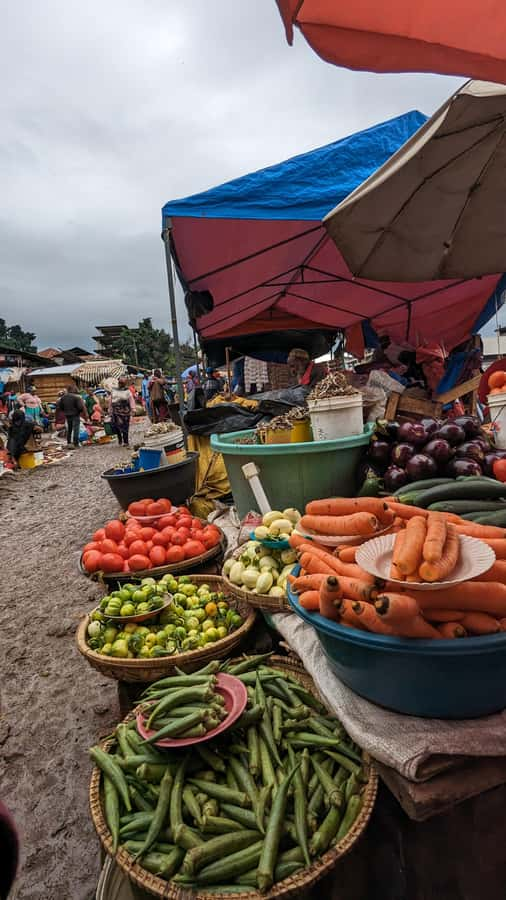
- Mbuyuni Market: Sample local fruit and snacks while watching everyday buying and selling.
- Tinga Tinga Artist Cooperative: See painted art, carvings, and souvenirs made for the local market.
- Moshi’s old train station: Learn how a once-quiet railway site now fits into the town’s changing life.
- Bus stand: Get a practical explanation of local and regional routes, one of the best ways to understand Moshi.
- KNCU connection: Explore the importance of coffee cooperation and the Coffee Union setting.
- Small-group walking: Pay $20 per person for a two-hour town introduction with pickup available.
Moshi begins at the market
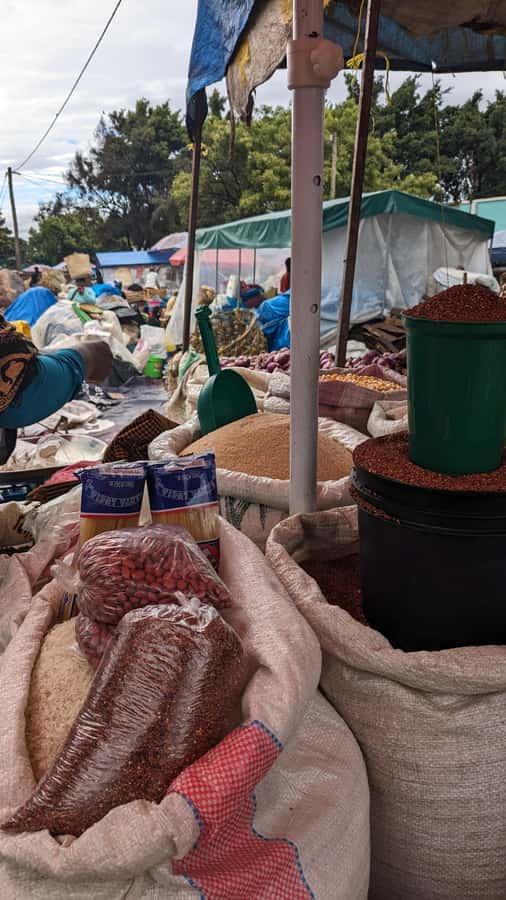
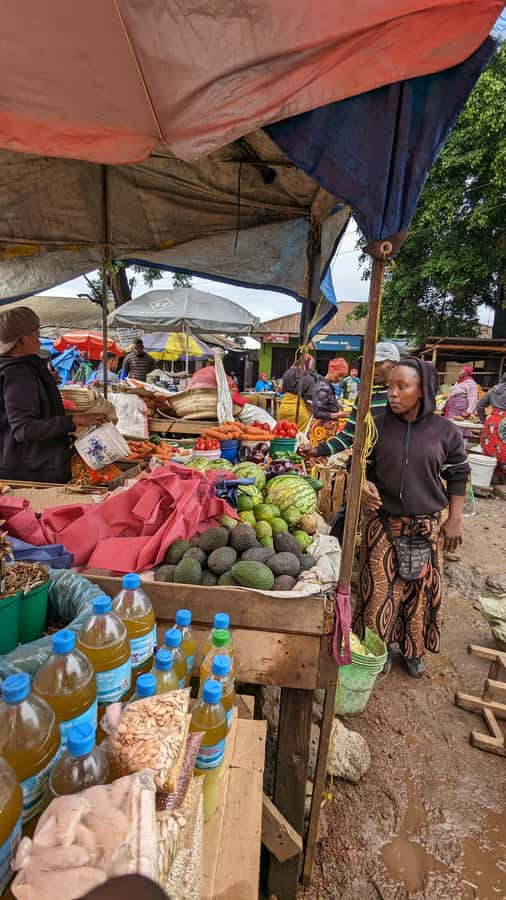
I like city walks that explain how people live, not just where to take a photograph. This one starts with food and trade, which gives you a useful first look at Moshi. At Mbuyuni Market, you’ll see stalls of fresh fruit and vegetables and learn how local commerce works.
The market stop lasts about 30 minutes. That is enough time to look around without turning the visit into a rushed pass-through. You can sample local fruit and snacks, and the guide can help explain what you are seeing and how the market serves residents.
This is also the part of the walk where good questions matter. Ask about the produce, prices, seasonal items, and how people shop. The tour promises interaction with local people, but the exact conversations will depend on the day and the guide. You should treat the market as a working place first, and a sightseeing stop second.
Bring small amounts of cash if you want to buy something, though purchases are not listed as included. Keep your belongings close in a crowded market, as you would in any busy town center. Sunglasses and sunscreen are useful here, since much of the walking is outdoors.
Other guided walks in Moshi:
- 9 Days 8 Nights Walking Safari
★ 5.0 · 11 reviews - Walking Day Tour to Safari in Arusha National Park
★ 5.0 · 5 reviews - Private Day Trip to Arusha National Park with a Walking Safari
★ 5.0 · 4 reviews
Tinga Tinga and Makonde art in a working town
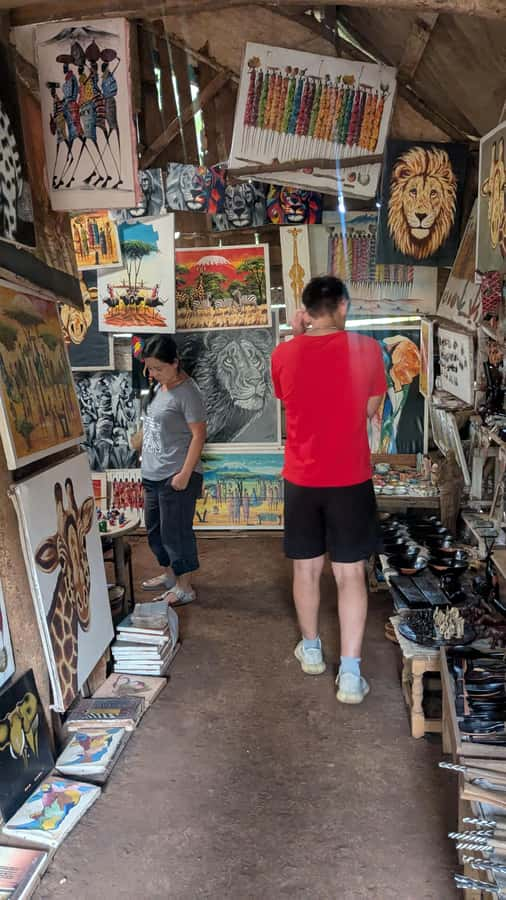
The art stop is at the Tinga Tinga Artist Cooperative, where you’ll have about 30 minutes to look at paintings, carvings, and souvenirs. The tour also highlights Makonde art, a form closely associated with wood carving and hand-made work in Tanzania.
This stop gives you a chance to see local art before deciding if you want to buy anything. That matters because souvenir shopping is more useful when you can connect the objects to the people who make and sell them. You might find painted scenes, carved pieces, or small gifts that are easier to pack than a large artwork.
Do not expect a museum visit with a long formal display. This is a market and cooperative setting, so the experience is about meeting artisans, seeing the work, and learning through conversation. If you are serious about buying, ask about materials, size, packing, and whether the artist or cooperative receives the payment.
The short time here works well for casual browsing. It may feel brief if you want to compare many pieces or make a major purchase. You can ask the guide how much time remains before moving on.
The old train station and Moshi’s changing story
The train station gets roughly 20 minutes. Its interest comes from change. The site was once dormant and is now active again, making it a useful place to think about Moshi’s growth and transport links.
Your guide will provide historical background and stories connected with the station. The supplied information does not promise entry into every part of the building, so expect a sightseeing and walking stop rather than a full railway museum visit.
I find railway sites helpful because they show how a town connected to the wider region. At the station, you can ask how rail travel once affected Moshi and how its role compares with buses today. The guide’s answer may depend on local conditions and the current use of the site.
This is a short stop, so keep expectations practical. You are getting context, not an extended history lecture. For many people, that balance is right, especially when the tour still has markets, buses, art, and KNCU ahead.
The bus stand explains everyday movement
The Moshi bus stand receives about 30 minutes, making it one of the most useful stops for understanding daily life. You’ll learn about local routes and regional connections, and how buses act as a main link between Moshi and other places.
A bus station can look confusing if you do not know the system. A local guide can explain the difference between town transport and longer regional trips, where people go, and how the station functions. This is practical information if you plan to travel around Tanzania independently.
You should not expect a private ride or transport service as part of the walk. The point is to observe and understand the system. If you may use buses later, ask about route names, departure areas, and how to identify the right vehicle. The tour description promises an explanation of how the system works, but it does not specify particular routes or departure times.
The bus stand can also be one of the noisier and more crowded parts of the route. Stay close to your guide and allow the walk to move at a town pace. This is not a polished attraction, and that is precisely why it can be useful.
Same base, a different kind of day out:
- Kilimanjaro climb by Lemosho Route (7-day)
★ 5.0 · 651 reviews - Safari Serengeti And Ngorongoro
★ 5.0 · 288 reviews - Kilimanjaro climb, Machame Route (7-day)
★ 5.0 · 262 reviews - Kilimanjaro Climbing Lemosho Route 8 Days.
★ 5.0 · 186 reviews
KNCU connects coffee and community
KNCU is the final major subject of the walk. The Kilimanjaro Native Cooperative Union has played an important part in Tanzania’s cooperative movement, and the tour explains its effect on Moshi’s economic and social life.
The KNCU stop includes about 10 minutes of break time. Pickup and drop-off can also be arranged at KNCU, which makes it a convenient meeting point if you know the town or are staying nearby. The other listed meeting and ending point is Coffee Union Cafe.
There is a separate entrance fee if you want to enter the coffee curing industry site in Moshi town. That fee is not included in the $20 price, so ask before agreeing to an additional visit. The walking tour gives you an overview of KNCU’s importance, but a paid coffee-industry entry is a different expense.
The KNCU portion is especially useful if you are interested in coffee, farming, or local business. It helps explain that coffee is not just something served in a cafe. It is tied to growers, cooperatives, processing, and the wider economy. The information provided does not specify the length or content of a curing-facility visit, so confirm those details separately.
Food tasting needs a clear answer
The experience includes local food, fruit, vegetable markets, and restaurant discoveries. It also says you can sample local fruits and snacks at the market. At the same time, the information lists tastings of traditional Moshi dishes and beverages as both included and not included.
That conflict matters. Before booking, ask exactly what food is covered by the $20 price. Market fruit and snacks may be included while a restaurant meal, traditional dish, or drink may cost extra. Do not assume a full meal is part of the walking tour.
The idea itself is appealing. Food gives you an easy way to understand local habits, ingredients, and business. You might sample something at the market, then hear about restaurants or traditional recipes from the guide. The tour says it includes discoveries of local restaurants, but it does not name specific establishments or promise a sit-down meal.
If you have allergies, dietary restrictions, or strong food preferences, raise them before setting out. The available information does not list menu choices or allergy arrangements. Carry water, especially in warm weather, since the walk includes outdoor stops.
What the two-hour schedule really means
The listed stops add up to roughly two hours: 30 minutes at the art cooperative, 20 minutes at the station, 30 minutes at Mbuyuni Market, 30 minutes at the bus stand, and 10 minutes at KNCU. That leaves little room for delays, long purchases, or extended food stops.
In practice, your walk could take two hours or more. The activity notes mention two hours or more of hiking, while the headline duration is two hours. I would allow extra time before making another appointment.
Pickup is available from the place of your choice, including a hotel or hostel, according to the tour information. If you already know Moshi’s streets, you can meet at Coffee Union Cafe or KNCU. Confirm the exact pickup time and location in advance, particularly because the route is on foot and the schedule is compact.
The group is limited to 10 people. That is small enough for questions and easier movement through the market than a large coach group. It also means the experience depends on the guide’s preparation and reliability. English and Swahili are offered.
Is $20 a fair price?
At $20 per person, this is a reasonable price if you want a short orientation to Moshi rather than a private custom tour. You are paying for a local guide, a route through several parts of town, market fruit and snack sampling, cultural explanations, and pickup or drop-off flexibility.
The value is strongest for first-time visitors who want to understand how Moshi works before setting off on their own. The bus stand and market can be hard to interpret without local context, and KNCU adds an economic angle that a simple sightseeing walk might miss.
The value is weaker if you mainly want a formal museum visit, a long coffee tour, or a full restaurant meal. The train station visit is brief, art purchases cost extra, and the coffee curing industry entrance fee is separate. Food inclusions also need clarification.
A free-cancellation policy up to 24 hours before the start and reserve-now, pay-later terms make the booking more flexible. Still, flexibility does not replace confirmation. Send a message before the tour to verify that the guide will meet you and to clarify food and coffee-facility costs.
Who will enjoy this walk?
I would recommend it to first-time visitors, independent explorers, and anyone who prefers ordinary town life to a string of major sights. It is also a good fit if you want to learn how local transport and cooperative business work, not just take photographs.
It suits adults and older children who can walk at a moderate pace. Children under five are not suitable for the activity. The tour is described as wheelchair accessible, but the route includes markets, a bus stand, and at least two hours of walking, so ask for details about pavement, crowd levels, and access at each stop if that affects your plans.
You may want something else if you dislike crowds, shopping areas, or unstructured conversations. This is not a quiet architectural walk. It is a street-level look at Moshi, with noise, movement, local business, and changing conditions.
The feedback record is generally positive about the introduction to Moshi and the guide’s welcoming manner, especially in the booking with James. One serious report says the operator failed to appear and did not respond promptly to a refund request. That is a small but important warning. Confirm the appointment shortly before the start and keep your accommodation contact available.
Should you book the Moshi walking tour?
Book it if you want a practical first look at Moshi for $20, especially if markets, local transport, art, coffee, and everyday conversations appeal to you. The best parts are the Mbuyuni Market, the bus stand explanation, and the chance to connect KNCU with the town’s economy.
Before paying, confirm three things: the guide’s name and meeting time, what food and drinks are included, and the separate fee for the coffee curing industry. Give yourself more than two hours, wear comfortable shoes, and bring sunscreen and sunglasses.
I would choose this walk early in a Moshi stay, when the town’s streets and transport system still feel unfamiliar. It can help you get your bearings before exploring independently. Just treat the schedule as flexible, confirm the operator’s arrival, and keep your expectations focused on local life rather than major monuments.
FAQ
How long is the Moshi walking tour?
The advertised duration is two hours, though the information also says the walk may involve two hours or more of hiking. Allow extra time for conversations, market browsing, and movement between stops.
How much does the tour cost?
The price is $20 per person.
Where does the tour begin?
You can arrange pickup from your chosen hotel, hostel, or other location. If you prefer to meet the guide yourself, the listed meeting points are Coffee Union Cafe and KNCU.
Where does the tour end?
Drop-off can be arranged at KNCU or Coffee Union Cafe. Pickup and drop-off arrangements should be confirmed before the walk.
Which languages does the guide speak?
The tour is offered in English and Swahili.
Is the tour suitable for children?
Children under five are not suitable for this activity. The walk also requires a moderate level of fitness.
Is food included?
The tour includes sampling of local fruits and snacks at the market, but the information gives conflicting details about traditional dishes and beverages. Ask the operator what food and drinks are included before booking.
Is the coffee curing industry entrance fee included?
No. The entrance fee for the coffee curing industry site in Moshi town is not included in the tour price.
Just added in Moshi
- Wildlife Extravaganza: Manyara, Tarangire & Ngorongoro in 3 Days★ 5.0 · 3 reviews
- West Kilimanjaro cycling Adventures★ 4.5 · 8 reviews
- machame route★ 5.0 · 16 reviews
- Kilimanjaro Climb • Machame Route ~ 10 Day★ 5.0 · 6 reviews
- Kilimanjaro Climbing Umbwe Route★ 5.0 · 3 reviews
- Mt Kilimanjaro 6 days Marangu route hike★ 5.0 · 3 reviews
- Private Cycle to Kilimanjaro Bike Park Safari★ 5.0 · 6 reviews
- Kilimanjaro Climb • Marangu Route ~ 9 Day★ 5.0 · 4 reviews
Walking Tours, compared.
3 Hours Private Stone Town walking Tour with Guide
Read our review →
Stone Town Historical Cultural Walking Guided Tour
Read our review →
Arusha Guided Walking City Tour, Culture, Lifestyle & History
Read our review →

Browse the lists this tour appears in