
Reviewed · BIKE & QUAD TOURS
Rau Forest Bike tour
Rau Forest is only part of the story here. The best stretch takes you beyond Moshi’s usual sightseeing routes, past sugar cane fields, rice plots, schools, mosques, churches, and small homes. The ride connects everyday life with nature, so you see how people work and live before reaching the forest.
I especially like the chance to help rice workers for a short time, then sit on a local family’s veranda for a home-cooked Pilau lunch. I also like the guides’ flexibility. George, Roy, Richard, and Yasin are all named in the tour’s feedback, with particular praise for clear explanations and sensible pacing.
The main thing to consider is the length. Nine hours on a bicycle is a full day, and reported distances range from about 25 to 40 kilometers. Ask about the planned route and pace when booking, especially if you are not used to long rides.
Key Points to Know Before You Ride
- Sugar cane and village roads: You cycle through the TPC plantation area, small farms, and local communities rather than staying on a sightseeing loop in central Moshi.
- A hands-on rice-field stop: You can lend a hand to field workers and see why producing one sack of rice takes serious labor.
- Lunch with a local family: The included meal is traditional Pilau served at a family home, with time to sit and talk on the veranda.
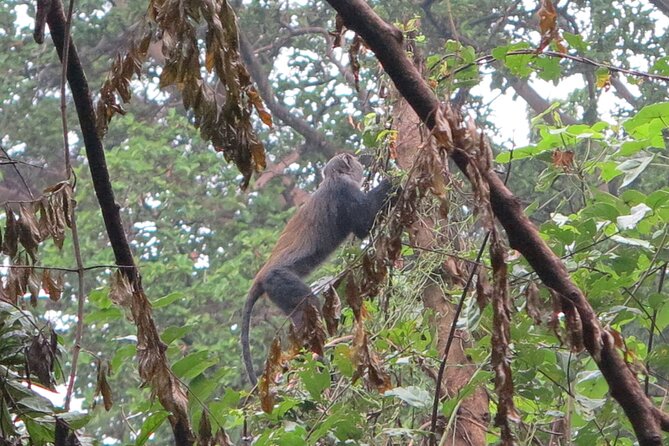
- Rau Forest wildlife: Look into the treetops for colobus monkeys with long, fluffy tails.
- Private guiding: Only your group takes part, and guides such as George, Roy, Richard, and Yasin have experience adjusting the ride to different needs.
- Strong practical value: The $75 price includes a mountain bike, helmet, bottled water, lunch, private transport, guide service, fees, and taxes.
Why This Ride Shows You More Than Moshi’s Center
A city tour can give you Moshi’s outline. This ride gives you its working edges.
You start at 9:00 a.m. and head toward the TPC sugar cane plantation area. The route passes small farms and homes, with schools, mosques, and churches along the way. These are not museum stops. They are part of the places you pass through, which makes the ride feel more like moving through a lived-in community than checking off attractions.
I like this kind of sightseeing because the bicycle sets a useful pace. You cover enough ground to see how the city connects to its rural surroundings, but you move slowly enough to notice people, crops, buildings, and daily routines. Your guide can also explain what you are seeing as the route unfolds.
The tour is private, so your group is not tied to a large crowd or a fixed public schedule. That matters on a cycling day. If one person needs a slower pace or a short break, the guide can respond more easily than on a big group excursion.
The guides named in the available information include George, Roy, Richard, and Yasin. George receives repeated praise for his explanations, pacing, and care for the group. Roy is described as a strong commentator who tailored the route to the group’s needs. Richard is associated with a highly praised day that included excellent lunch, while Yasin guided a route through local villages and Rau Forest.
Guide assignments can change, so you should not book solely on the hope of getting one particular person. Still, the pattern is useful: this is a guide-led ride, not simply a bike rental with directions.
Other rides around Moshi:
- 1-Day Moshi Villages bike tour
★ 5.0 · 59 reviews - Chagga Villages in Mount Kilimanjaro Cycling Day Trip
★ 5.0 · 42 reviews - Cycling from Kilimanjaro to Ngorongoro Crater
★ 5.0 · 10 reviews
Through the TPC Sugar Cane Area
The first major part of the route takes you through the TPC sugar cane plantation area. The setting includes plantation land, small farms, homes, and community buildings. You will not be looking at sugar cane from behind a vehicle window. You will be cycling through the area and seeing how plantation land sits alongside ordinary village life.
This section gives the tour much of its local character. You may pass children heading to school, people working around their homes, and places of worship used by different parts of the community. The guide’s role is important here because the value comes from context. Without explanation, a sugar cane field is simply a crop. With a guide, it becomes part of the local economy and a clue to how the area functions.
The route is also a good fit for anyone who finds standard city sightseeing too polished. The tour is not built around grand buildings or famous monuments. It is about farms, roads, houses, schools, religious buildings, and working land.
That said, you should keep your expectations in the right place. This is not presented as a technical mountain-bike ride or a route of dramatic climbs. It is a long countryside and forest ride, with the emphasis on places and people rather than speed or difficult cycling.
The Rice Fields Give the Day Its Meaning
The rice-field stop is more than a photo break. You can lend a helping hand to the field workers if you wish, then see how much physical work goes into producing one sack of rice.
That short activity gives the meal later in the day more meaning. Rice is a major part of Tanzanian cooking, and the tour links the crop in the field with the food on your plate. You are not just told that farming is hard. You get a small sense of the labor involved.
You should treat the work as optional, as the description makes clear. If you prefer to watch, take photographs, or rest, you can do that instead. The ride already includes a considerable amount of cycling, so some people may reasonably choose not to add physical work in the fields.
The rice stop is also one of the places where you should ask your guide questions. You might want to know how the fields are prepared, what jobs are done by hand, or how rice fits into local meals. The exact activities may depend on conditions at the fields and the people working there, so think of this as a flexible encounter rather than a staged demonstration.
Pilau Lunch on a Family Veranda
After the rice fields, you visit a local family for lunch. The meal is Pilau, a seasoned rice dish that is an important part of Tanzanian food culture. You eat at the family’s home, sitting on the veranda and sharing food and conversation.
This is the most personal part of the day. A restaurant can serve you Tanzanian food, but a family meal gives you a different setting. You get to see where the meal is served and spend time in a home rather than moving straight from one attraction to the next.
I like that lunch is built into the route instead of treated as an afterthought. You have been cycling through rice-growing country, and then rice becomes the center of the meal. That simple connection makes the day feel carefully put together.
The food is included in the $75 price, but dietary questions should be raised before departure. The information supplied confirms Pilau and lunch, but it does not specify vegetarian, vegan, allergy, or other menu arrangements. Do not assume that special meals are available without checking.
You should also allow the lunch to take time. This is not described as a quick boxed meal eaten beside the bikes. The point is hospitality, conversation, and sitting together on the veranda. That makes the nine-hour schedule easier to understand. The day includes more than riding.
Same base, a different kind of day out:
- Kilimanjaro climb by Lemosho Route (7-day)
★ 5.0 · 651 reviews - Safari Serengeti And Ngorongoro
★ 5.0 · 288 reviews - Kilimanjaro climb, Machame Route (7-day)
★ 5.0 · 262 reviews - Kilimanjaro Climbing Lemosho Route 8 Days.
★ 5.0 · 186 reviews
Entering Rau Forest Behind Moshi
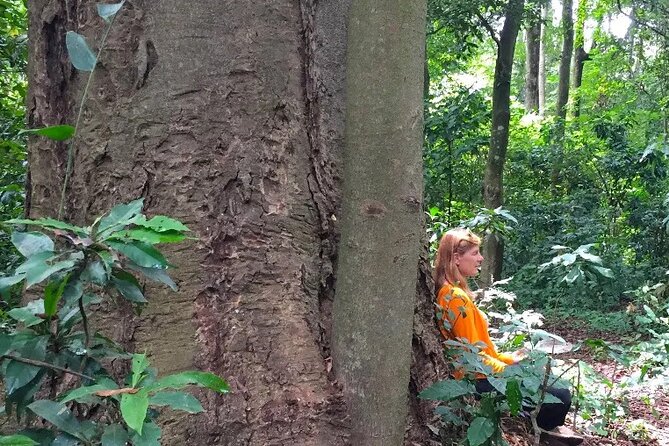
With lunch finished, you continue toward Rau Forest, a natural area just behind Moshi. The forest adds a change of setting after the farms, plantation, and rice fields.
The main wildlife target is the colobus monkey. Look toward the tree crowns for their long, fluffy tails. Wildlife is never guaranteed, so keep your expectations sensible. You might see monkeys, but the forest should still be worth the ride even if the animals remain hidden.
The forest section is also a good reason to choose this tour instead of a simple countryside cycle. You get two different kinds of scenery in one day: cultivated land shaped by human work, then a forest area with its own plant and animal life.
One piece of advice: save some energy for Rau Forest. The route can cover a substantial distance, and the forest comes after the village and rice-field sections. If you set off too fast, the final part may feel harder than it needs to. A steady pace is more useful than trying to make the early miles quickly.
How Hard Is the Cycling?
The advertised duration is about nine hours. The available descriptions give different distances, with one ride reported at roughly 25 kilometers and another at about 40 kilometers. That is a meaningful difference, so ask the operator which version is planned for your date.
The tour is described as suitable for most participants, but that does not mean it is effortless. You need to be comfortable spending much of a day on a bicycle. The route includes several stops, lunch, and time with the guide, but the cycling remains the core activity.
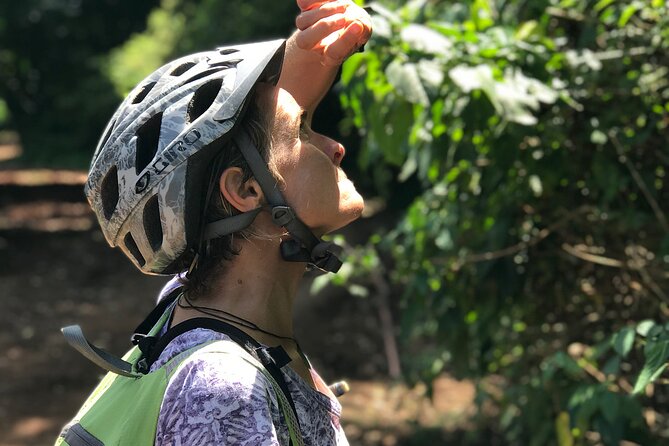
Mountain bikes and helmets are supplied. One specific piece of practical good news is that the bikes have been described as clean and well maintained, without rust or broken parts. That matters in a destination where worn rental equipment can turn a pleasant ride into a struggle.
The tour also includes bottled water, though you should still ask about the day’s water arrangements if you drink a lot while cycling. The guide can help with pacing, and the strongest feedback points to guides who adjust speed rather than forcing everyone to ride at one rate.
If you are traveling with family or a mixed-ability group, tell Kili Bike Adventures what you need in advance. The private format makes adjustment more realistic, but the operator still needs accurate information about your group.
What the $75 Price Covers
At $75 per person, the tour is not just a bike hire. The price includes:
- Mountain bike and helmet
- Bottled water
- Lunch
- Private transportation
- Tour guide
- All fees and taxes
That is a fair package for a nine-hour private experience. You are paying for equipment, transport, guiding, food, and access to several different settings in one day. The local family lunch also adds something you would not get from a standard rental ride.
The value depends on how much of the day you use. If you want only a short bicycle trip, this will be too long and too expensive for your needs. If you want a guided day that combines cycling, local communities, farming, food, and forest, the price makes more sense.
Tips are not included. Airport transfers and accommodation are also excluded, so you need to arrange those separately. Pickup is offered, but confirm the pickup details when booking rather than assuming every hotel or airport transfer is covered.
Practical Details That Matter
The tour begins at 9:00 a.m. Confirmation is provided when you book, and the experience is offered as a private activity for your group.
Moshi has public transportation nearby, but private transportation is included as part of the experience. The supplied information does not give a precise pickup map or hotel list, so confirm the meeting point and pickup plan before the morning of the ride.
Free cancellation is available if you cancel at least 24 hours before the start time. A cancellation made within 24 hours is not refunded, and changes inside that window are not accepted. The local start time controls the cutoff.
The tour depends on good weather. If poor weather causes cancellation, you are offered another date or a full refund. The experience also requires a minimum number of participants, and if that condition is not met, you are offered another date, another experience, or a full refund.
Who Will Like This Moshi Bike Tour?
I would choose this for someone who wants to see Moshi beyond its central streets and who enjoys learning by moving through a place. It suits you if you like ordinary community life, farming, local food, and a forest stop more than a tightly packed list of famous sights.
It is also a good choice for cyclists who want a guided route. You do not need to arrange your own bike, water, lunch, transportation, or route planning. The guide handles the day while you focus on riding and looking around.
Families and private groups may appreciate the flexible format. Several accounts describe guides adjusting the pace and route to suit the group, although the distance still needs to be confirmed.
I would hesitate if you dislike long bike rides, hot outdoor days, or informal meals in local homes. The experience is active and full-day. It is not a short excursion you can squeeze between breakfast and an afternoon flight.
The tour may also be less suitable if your main goal is wildlife. Rau Forest can offer colobus monkey sightings, but the tour is built around the full route, not guaranteed animal viewing. The farms, rice fields, village communities, and lunch are just as important as the forest.
Should You Book the Rau Forest Bike Tour?
Book it if you want a full, active day that brings together Moshi’s countryside, plantation life, rice farming, local food, and forest. The strongest reasons are the private guiding, the well-regarded bikes, the family lunch, and the chance to see the work behind a staple food.
Before paying, ask two practical questions: What distance is planned for your group, and what pace will the guide use? The difference between 25 and 40 kilometers matters.
At $75, this is good value for an active visitor who wants more than transport between attractions. Skip it if you want a short ride, a guaranteed wildlife sighting, or a formal restaurant meal. For everyone else, it offers a useful look at the places just outside Moshi, with enough variety to fill a day.
FAQ
How long does the Rau Forest Bike Tour last?
The experience lasts about nine hours.
What time does the tour start?
The stated start time is 9:00 a.m.
How much does the tour cost?
The price is $75 per person.
What is included in the price?
The price includes a mountain bike, helmet, bottled water, lunch, private transportation, a tour guide, and all fees and taxes.
Is this a private tour?
Yes. Only your group participates in the activity.
Where does the cycling route go?
The route passes through the TPC sugar cane plantation area, small farms, houses, schools, mosques, churches, rice fields, and Rau Forest near Moshi.
How far will I cycle?
The supplied information gives reported distances of roughly 25 to 40 kilometers. Ask Kili Bike Adventures to confirm the planned distance for your group.
What food is served for lunch?
Lunch is a traditional Tanzanian meal called Pilau, served at a local family’s home.
Can I help in the rice fields?
Yes, you can lend a hand to the field workers if you wish. Taking part is optional.
What happens if the weather is poor?
If the tour is canceled because of poor weather, you are offered a different date or a full refund.
Can I cancel for a full refund?
Yes, if you cancel at least 24 hours before the experience start time. Cancellations within 24 hours are not refunded.
Are airport transfers and accommodation included?
No. Airport transfers and accommodation are not included.
Just added in Moshi
- Wildlife Extravaganza: Manyara, Tarangire & Ngorongoro in 3 Days★ 5.0 · 3 reviews
- West Kilimanjaro cycling Adventures★ 4.5 · 8 reviews
- machame route★ 5.0 · 16 reviews
- Kilimanjaro Climb • Machame Route ~ 10 Day★ 5.0 · 6 reviews
- Kilimanjaro Climbing Umbwe Route★ 5.0 · 3 reviews
- Mt Kilimanjaro 6 days Marangu route hike★ 5.0 · 3 reviews
- Kilimanjaro Climb • Marangu Route ~ 9 Day★ 5.0 · 4 reviews
- 3 Days Private E-Bike Tour in West Kilimanjaro★ 5.0 · 3 reviews
Bike & Quad Tours, compared.
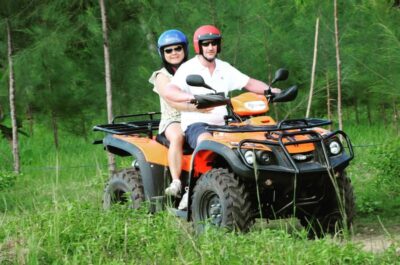
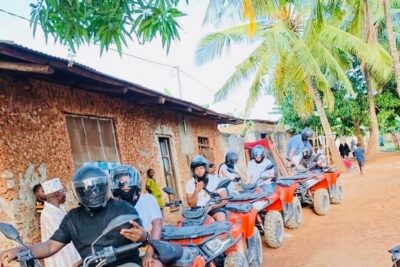
4h-Quad Explore the Heart and Culture of Nungwi and Kendwa
Read our review →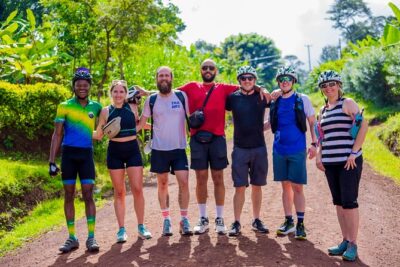
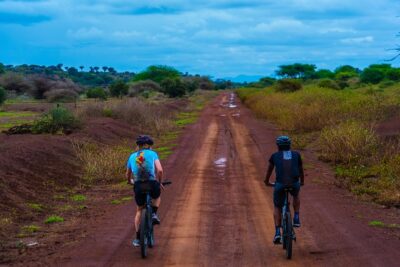
Chagga Villages in Mount Kilimanjaro Cycling Day Trip
Read our review →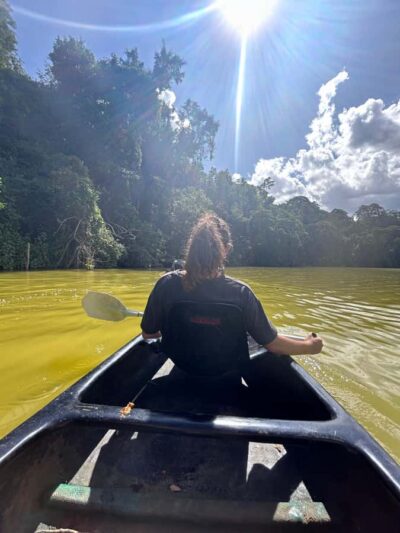
Canoeing/Kayaking &/or Cycling Adventure (with Lunch)
Read our review →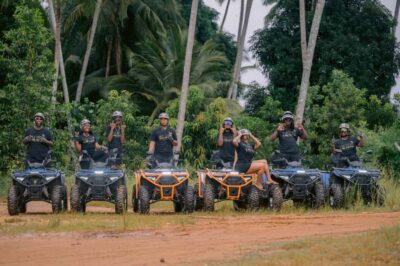
Browse the lists this tour appears in