

Reviewed · STONE TOWN TOURS
Walking in Stone Town with a Expert Tourguide
Stone Town is best understood at walking speed. Its narrow lanes lead from Forodhani Gardens to old forts, markets, carved doors, and courtyards that are easy to miss from a vehicle. A female local guide such as Hosna adds a useful personal angle, especially when the conversation turns to women’s roles and daily life in Zanzibar.
I like the tour’s focus on small architectural details, including coral-stone walls and traditional wooden doors. I also like the chance to connect famous sights with working markets, spices, textiles, produce, and local crafts. The main caution is communication: one recent participant found the English too fast, and another was taken for about 15 minutes to a Tanzanite sales presentation that felt unnecessary.
Key points at a glance
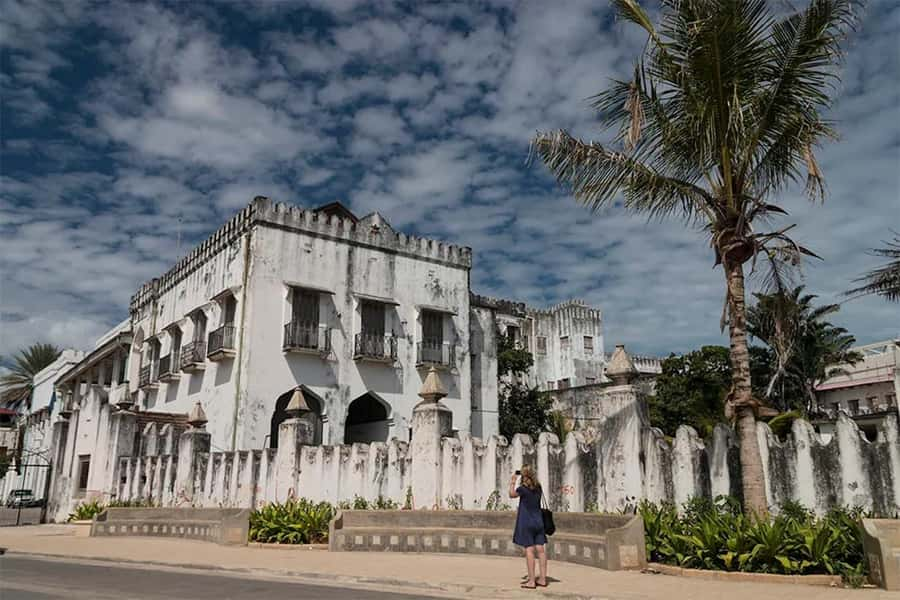
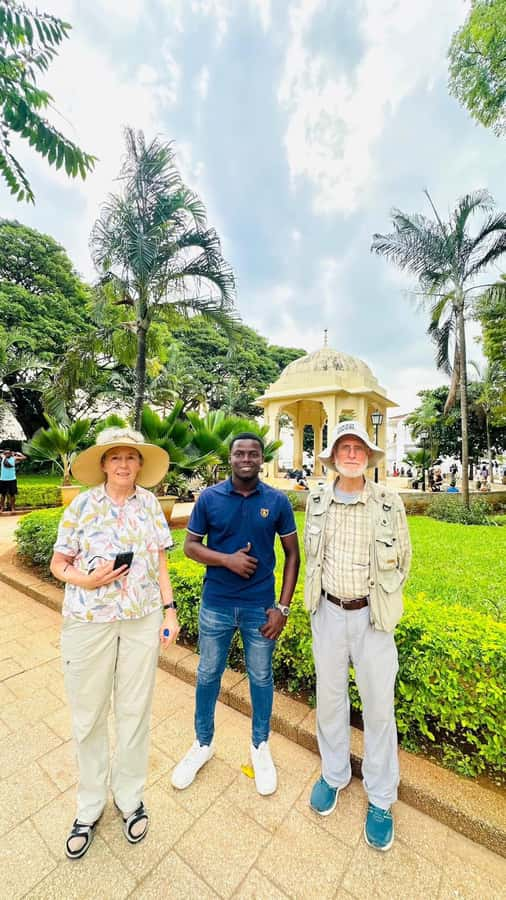
- Forodhani Gardens start: Meet your guide at the central bandstand, then walk into Stone Town’s oldest streets.
- Major sights in a short walk: See the Old Fort, House of Wonders, former Sultan’s Palace, and Anglican Cathedral area.
- A female guide’s perspective: Hosna has been praised for her history explanations and answers to questions, with a female student sometimes assisting.
- Markets and local life: Expect spices, produce, textiles, crafts, vendors, and plenty of color and scent.
- Bring the right gear: Wear firm walking shoes, dress modestly, and carry sun protection plus a little cash.
- Know the limits: Monument entrance fees, food, drinks, and transport from outside Stone Town cost extra.
Why Stone Town works best on foot

Stone Town can seem confusing at first. Streets twist, lanes narrow, and buildings press close together. That is exactly why a walking guide helps. You are not simply moving from one monument to the next. You are learning how the parts fit together.
The town reflects African, Arab, Indian, and European influences, all layered into a compact historic center. You may see this in the architecture, hear it in the stories of trade and sultans, and feel it in the mix of food, clothing, language, and commerce around you.
At about $25 per person, the price is reasonable for a two-hour private-style cultural introduction, particularly if you are staying in Stone Town and can walk to the meeting point. The value comes from interpretation rather than transport or included admissions. You are paying for a local guide who helps turn streets and buildings into a connected story.
The tour does not cover every museum in detail. It is better suited to getting your bearings and understanding the town than to a specialist study of Zanzibar’s past.
Other guided walks in Zanzibar:
- Stone Town Private Walking Tour
★ 5.0 · 371 reviews - Zanzibar: 3 Hours Private Stone Town walking Tour with Guide
★ 4.6 · 301 reviews - Zanzibar: Stone Town Historical Cultural Walking Guided Tour
★ 4.5 · 179 reviews
Starting at Forodhani Gardens
The meeting point is Forodhani Gardens, at the central bandstand. Arrive at least 10 minutes early. This gives you time to find the pavilion without rushing, since Stone Town’s lanes can be confusing once you leave the open waterfront area.
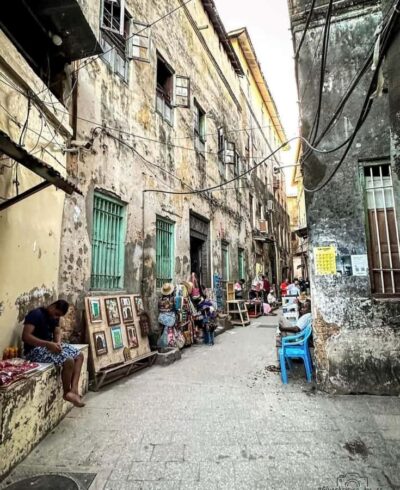
From Forodhani, the route moves into the old center. The change is immediate. Open space gives way to shaded lanes, close-set buildings, shopfronts, and doorways. The walk is conducted at a leisurely pace, but the ground is uneven in places, so comfortable shoes matter more than stylish ones.
Pickpockets are not mentioned in the tour details, so I would not add warnings that are not supported here. The practical issue is simpler: you need to watch your footing, especially while looking up at balconies, doors, and old walls.
Forodhani also gives you a useful reference point for the end of the walk. The route returns here, so you are not left trying to find your way back from an unfamiliar corner.
The Old Fort and Stone Town’s public face
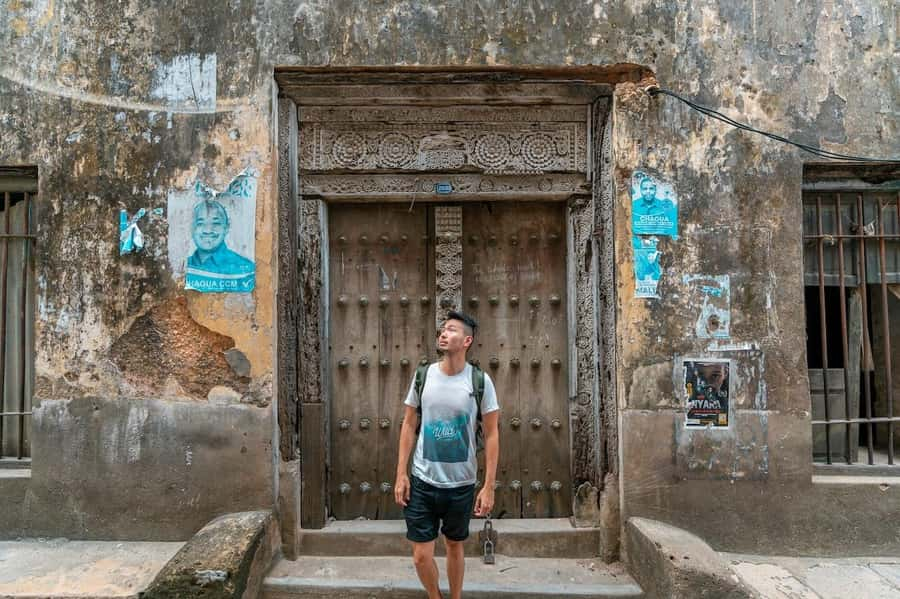
The Old Fort is one of the central landmarks on the walk. Your guide explains Zanzibar’s role as a meeting point for trade and culture, placing the fort within the wider story of the island rather than treating it as an isolated photo stop.
The experience includes sightseeing, walking, and time for photographs. You may also have opportunities to browse or shop along the way. That mix suits a short tour because it keeps the pace varied. You see a major site, then return to the street and observe how modern Stone Town functions around it.
Entrance tickets are not included. The information specifically notes a fee for the Old Slave Market, while other monument or museum admissions may also need to be paid on site. Ask your guide before entering anywhere so you know the cost and how much time it will take.
This matters because two hours passes quickly. If you want to linger inside every site, the walk may feel rushed. If you prefer a broad introduction with time for photographs and questions, the format makes more sense.
House of Wonders, the palace, and the cathedral
The House of Wonders and former Sultan’s Palace add the grander side of Stone Town. These sites connect the town to Zanzibar’s sultanate and its position in Indian Ocean trade. The guide’s job here is to explain the people, power, and cultural exchange behind the facades.
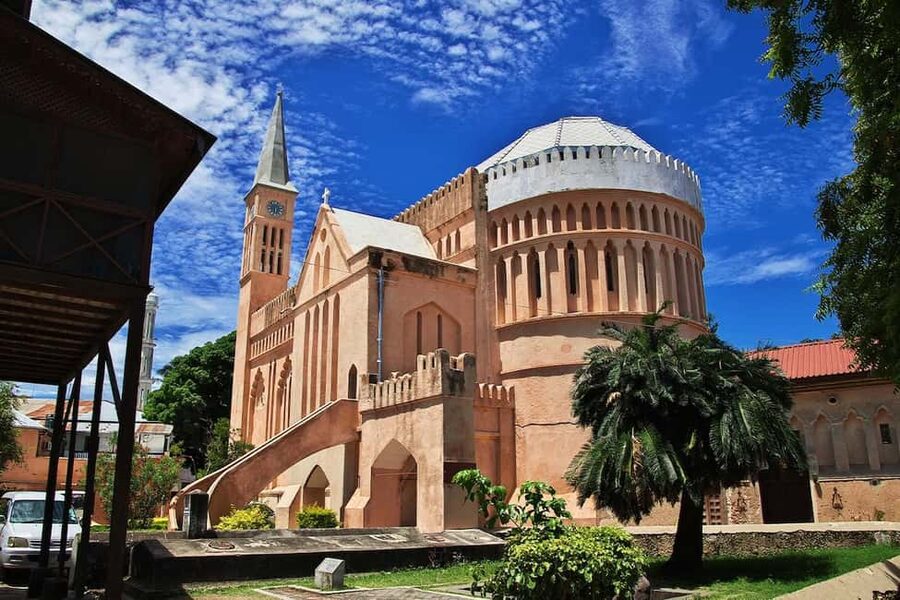
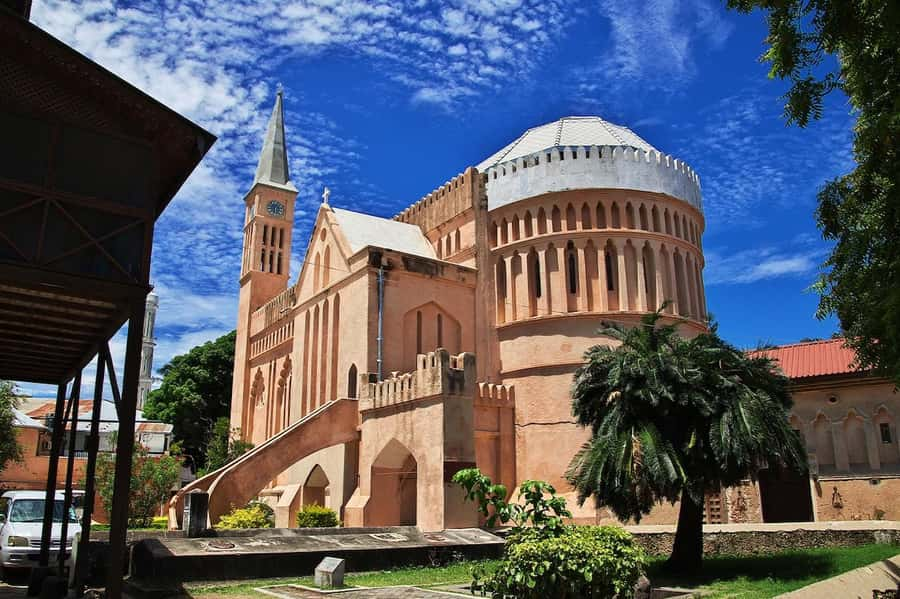
The Anglican Cathedral Stone Town is also part of the route. The itinerary allows for a photo stop, a visit, guided commentary, sightseeing, and passing by. That wording is important: you should not assume that every location receives a full interior tour.
The cathedral area also links Stone Town’s modern religious identity to the painful history of the former slave market. Entrance to the Old Slave Market is not included. If this part of the story matters to you, allow extra time and budget for the ticket.
I appreciate that the route includes difficult subjects rather than offering only pretty doors and market scenes. At the same time, the experience is short, so the historical treatment will likely be an overview. Ask questions if you want more detail. One strong point from the feedback is that Hosna answered questions well and explained the island’s history clearly.
More of the old town on foot from Zanzibar:
- Zanzibar: Stone Town, Spice Tour, Prison Island with Lunch
★ 4.4 · 1,219 reviews - Zanzibar: Prison Island, Stone Town, & Spice Farm Tour
★ 4.5 · 579 reviews - Zanzibar: Stone Town, Spice tour & Prison Island with Lunch
★ 4.6 · 453 reviews - Full-Day Private Stone Town +Spice Farm and Prison Island Tour
★ 4.5 · 216 reviews
Markets, spices, and everyday Stone Town
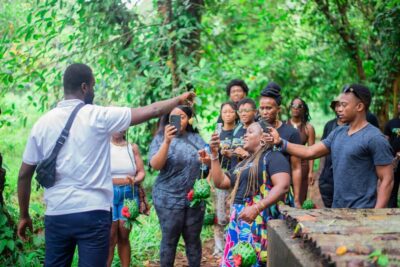
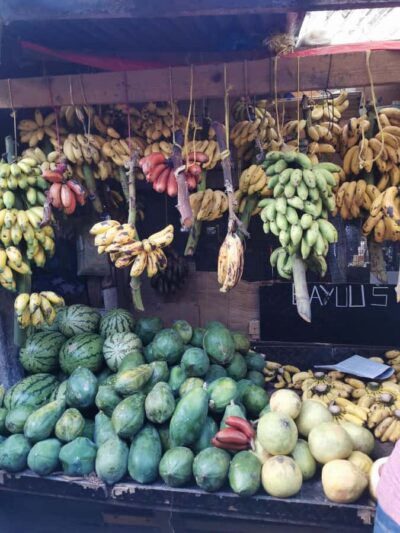
The market section gives the tour its strongest connection to ordinary life. Stalls may feature spices, fresh produce, textiles, and crafts. You can see how Zanzibar earned its Spice Island reputation through the colors, smells, and goods sold in the streets.
This is also where a guide is useful for context. A market can be exciting but confusing when you do not know what you are looking at or how to approach vendors. Your guide can help you notice the difference between a quick photo stop and a place where people are doing their daily business.
Carry a small amount of cash if you want snacks or souvenirs. Food and drinks are not included, and purchases are your responsibility. Do not feel that you must buy something to justify the stop. The point is to see the market as part of Stone Town’s life, not simply as a shop.
There is one important caveat. One participant was taken to a Tanzanite sales presentation for roughly 15 minutes and found it unnecessary. Tanzanite is a local gemstone, but a sales stop can use up a meaningful part of a two-hour walk. If you are not interested, say so politely and ask to continue.
Doors, courtyards, and details you can miss

Stone Town’s best moments may be smaller than its major landmarks. The guide points out traditional Zanzibari doors, carved wood, coral-stone walls, ornate balconies, and quiet courtyards. These details show wealth, status, craftsmanship, and outside influence without requiring a museum label.
I especially like this part of the route because it gives you something to keep noticing after the tour ends. Once you learn to look at the doors and balconies, the town becomes less like a maze and more like a collection of clues.
The phrase hidden corners should not make you expect secret access or private homes. It means less obvious places within the public streets and passages. The guide can lead you toward details that you might pass without recognizing.
Photography is encouraged, but be respectful around people, homes, and market sellers. The supplied information does not promise a specific photography permit or private courtyard entry, so treat these stops as viewing opportunities rather than guaranteed exclusive access.
What a female guide adds
The tour specifically centers a female guide, and that can shape the conversation in useful ways. Along with architecture and trade, you hear about women’s roles in Zanzibari society, both in the past and today.
Hosna received the strongest praise in the available feedback. She was described as experienced, able to answer questions, and clear in her explanations of the island’s history. A female student may also assist. That pairing can be appealing if you want a conversation that includes both established local experience and a younger perspective.
The benefit is not that a female guide automatically makes the walk better for everyone. The benefit is that it gives you a particular viewpoint, one that may bring family life, tradition, work, and social change into a tour often focused on rulers and trade.
Language is worth considering. The tour is conducted in English. One person found the guide’s English too fast to follow comfortably, while another praised the guide’s explanations. If you need a slower pace, tell the guide at the start. Ask her to repeat names and dates, and do not wait until the end to raise the issue.
Timing, comfort, and what to wear
The advertised duration is two hours, with the route beginning and ending at Forodhani Gardens. One itinerary line describes the cathedral portion as 2.5 hours, which conflicts with the stated total duration. I would plan for the advertised two hours but allow a little extra time if you want photographs, shopping, or a monument visit.
Wear comfortable walking shoes. Stone Town’s narrow alleys and uneven streets are not a good match for thin sandals or hard dress shoes.
Modest clothing is expected. Women are advised to cover shoulders and knees, and I recommend that everyone dress with local customs in mind. Bring a hat, sunscreen, and sunglasses. The tour takes place outdoors, and shade will vary from street to street.
Strollers are not allowed. The experience is not suitable for babies under one year or people over 95, and it may not work well for anyone with mobility challenges. The issue is the walking surface and narrow lanes, not the speed.
Pickup is available from hotels in Stone Town if requested in advance. Transport from other parts of the island is not included, so you need to arrange your own way to Stone Town.
Who will get the most from this walk
I would choose this tour if you want a short cultural introduction before spending more time around Zanzibar. It suits first-time visitors, history fans, architecture lovers, and anyone who prefers local stories to a simple list of monuments.
It is also a good choice if having a female guide matters to you. Hosna’s strong feedback gives you a specific name to request, though guide assignment should be confirmed before booking.
I would be more cautious if you want a long museum visit, a tightly scripted historical lecture, or a fully accessible route. The walk is built around streets, markets, and viewpoints. It is not an all-inclusive Stone Town attraction pass.
The mixed rating of 3.7 from three bookings reflects a real issue rather than a mystery. The best experience seems to depend on clear English, a guide who keeps a comfortable pace, and avoiding unwanted shopping detours. You can improve your chances by stating your priorities at the start: slower explanations, more history, fewer shops, or extra time for photographs.
Should you book it?
Book this walk if you want local context in a compact format, especially if you are staying in Stone Town and like exploring on foot. At $25, it offers fair value for a two-hour orientation with a female guide, major landmarks, markets, architecture, and stories about Zanzibar’s mixed culture.
Skip it if you need guaranteed museum entry, a fully accessible route, or a long, detailed treatment of every monument. If you book, arrive early at Forodhani, wear sensible shoes, dress modestly, bring sun protection, and be ready to speak up if the guide talks too quickly or suggests a sales stop you do not want.
FAQ
Where does the tour start?
It starts at Forodhani Gardens in Stone Town, at the central bandstand.
Where does the tour finish?
The walk returns to Forodhani Gardens.
How long does the tour last?
The stated duration is two hours. One itinerary detail gives 2.5 hours for part of the route, so allow extra time if you plan to stop for photographs or shopping.
What language is the tour conducted in?
The live tour guide speaks English.
Is a female guide provided?
The experience is designed around a female guide. Hosna is named in the available information, and a female student may also assist.
Is hotel pickup available?
Pickup is available from hotels in Stone Town if you request it in advance.
Is transportation from other parts of Zanzibar included?
No. Transfers from other parts of the island are not included, and the tour starts in Stone Town.
Are entrance fees included?
No. Entrance fees and tickets, including the Old Slave Market, are not included and can be paid on site.
What should I wear?
Wear comfortable walking shoes and modest clothing. Women are advised to cover their shoulders and knees. A hat, sunscreen, and sunglasses are also recommended.
Can I bring a baby stroller?
No. Baby strollers are not allowed on the tour.
More walking tours in Zanzibar
- Stonetown: Food Markets and Street Food Walking Tour
★ 4.7 · 151 reviews - Zanzibar Stone Town Walking Tour
★ 5.0 · 145 reviews - Stone Town Historical Walking Tour
★ 5.0 · 143 reviews - Walking City Tour in Zanzibar Island
★ 5.0 · 122 reviews
Just added in Zanzibar
- ZANZIBAR: Jozani Forest, butterfly center & Reptile park★ 4.7 · 3 reviews
- Zanzibar: Jozani Chwaka Bay National Park and Spice Farm …★ 4.6 · 5 reviews
- Zanzibar: Horse Riding and Kayaking with Video and Photos★ 4.9 · 10 reviews
- Zanzibar hidden: Starfish, Blue Lagoon, &The Rock Restaurant★ 5.0 · 3 reviews
- Zanzibar: Half-Day Spice Farm Tour,the flavours of Zanzibar★ 4.7 · 3 reviews
- Zanzibar Half Day Trip in Mnemba Island★ 4.4 · 16 reviews
- Zanzibar: Full-Day Conservation Safari with BBQ Lunch★ 3.9 · 9 reviews
- Zanzibar: Half-Day Prison Island, Tortoises and Spices Tour★ 3.7 · 7 reviews
Stone Town Tours, compared.
Stone Town, Spice Tour, Prison Island with Lunch
Read our review →
3 Hours Private Stone Town walking Tour with Guide
Read our review →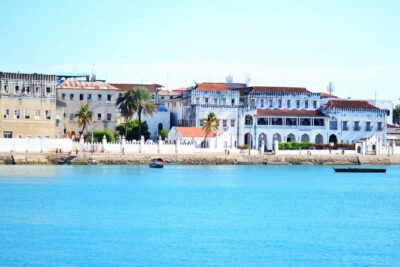
Full-Day Private Stone Town +Spice Farm and Prison Island Tour
Read our review →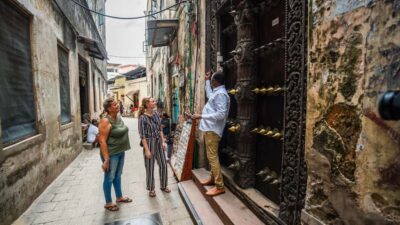
Stone Town Historical Cultural Walking Guided Tour
Read our review →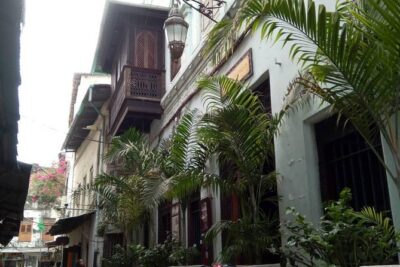

Browse the lists this tour appears in