
Reviewed · STONE TOWN TOURS
Zanzibar Stone town historical walking tour with Mohamed
Stone Town makes the most sense on foot, where carved doors, old palaces, market stalls, and difficult chapters of Zanzibar’s past sit close together. This private walk with Mohamed links the main sights, including Freddie Mercury’s birthplace, the House of Wonders, the Old Fort, and the former slave market.
I like the private format, since you can ask questions and shape the pace around history, architecture, shopping, or food. I also like the practical length: three hours gives you a useful first look without taking a full day. The main consideration is that the price does not include lunch, drinks, entrance fees, or all taxes, and the listed meeting point is the Old Fort even though hotel pickup is also advertised, so confirm the starting arrangement before you go.
Key points to know before you book
- Mohamed guides a private three-hour walk: Your group receives his full attention rather than following a large tour.
- Freddie Mercury’s Zanzibar connection comes first: The tour visits the house where Farouk Bulsara, later known as Freddie Mercury, was born.
- The route covers both grand buildings and hard history: You see sultan palaces, a fort, the Anglican Cathedral, and the former slave market.
- Darajani Bazaar adds everyday Stone Town: Fish, meat, fruit, spices, and vegetables fill the old market from morning through evening.
- The pace leaves room for shopping or lunch: Both are possible, but anything you buy or eat costs extra.
- Hotel pickup needs checking: The stated meeting point is the Old Fort on Mizingani Road, while pickup and drop-off are offered from various locations.
Why this Stone Town walk works well

Stone Town is compact, but it is not simple. The old quarter folds together Swahili, Arab, Indian, Persian, British, and Portuguese influences. A building that looks like a grand palace may sit beside a market lane, while a plain-looking doorway can lead to an important piece of Zanzibar’s past.
That is where a private guide earns his fee. Mohamed can connect the places instead of leaving you with a string of names. The supplied timing gives only a few minutes at most stops, so this is not a museum-heavy tour. It is a guided introduction, with enough explanation to help you understand what you are seeing and enough flexibility to pause when something catches your eye.
The price is $30 per person. For a private three-hour tour, that is reasonable if you value a guide’s attention and want the main sights covered efficiently. The value is less clear if you prefer to wander alone, since several stops are viewed from outside or receive only a short visit. You are paying for context, navigation, and a route that brings together places spread across the old town.
The tour has several departure choices in the morning and afternoon. An afternoon start may suit you if you want a slower morning, though Stone Town’s market activity changes through the day. Since the tour requires good weather, keep a little flexibility in your schedule.
Other guided walks in Zanzibar:
- Stone Town Private Walking Tour
★ 5.0 · 371 reviews - Zanzibar: 3 Hours Private Stone Town walking Tour with Guide
★ 4.6 · 301 reviews - Zanzibar: Stone Town Historical Cultural Walking Guided Tour
★ 4.5 · 179 reviews
Starting with Freddie Mercury and Farouk Bulsara
The first stop is the Freddie Mercury Museum, described as the house where he was born. Before he became the Queen singer known around the world, he was Farouk Bulsara. His father came from Iran and his mother from India, a detail that reflects the many connections running through Zanzibar’s story.
The stop is brief, listed at about five minutes, and admission is free. That means you should think of it as a short cultural marker rather than a long museum visit. You will get the basic connection between Stone Town and one of modern music’s most famous performers, then move on.
I like this as an opening stop because it gives the walk an immediate personal hook. It also reminds you that Stone Town’s story is not limited to sultans and colonial buildings. If Freddie Mercury is a major reason you want to visit, keep your expectations measured: the scheduled time is short.
The House of Wonders and the sultan’s world
The House of Wonders, or Beit-el-Ajaib, was built by the third sultan, Sultan Barghash. It was known as the House of Wonders because it was the first house in Zanzibar with electricity. The building is now described as a museum.
You have about seven minutes here. That is enough for Mohamed to explain the building’s purpose, name, and place in Zanzibar’s political history, but not enough for a detailed museum visit. The stop works best as an architectural and historical briefing.
This is one of the places where a guide can help you look past the grand title. The building was not simply an impressive residence. It represented royal power and new technology, two ideas that mattered in nineteenth-century Zanzibar. Ask Mohamed to point out the features that make it different from nearby buildings, especially if architecture interests you.
Inside the Old Fort and its festival life
The Old Fort, or Ngome Kongwe, was built by Arabs to defend themselves from the Portuguese. Its thick walls give you a visible reminder of the military struggles that shaped the island.
The fort has a later role too. It now hosts events such as the Sauti za Busara festival, the Reggae Festival, and the Zanzibar International Film Festival. That makes the site more than a preserved military structure. It remains part of Stone Town’s public life.
The scheduled stop lasts about six minutes, and the tour begins here at Mizingani Road. Depending on the arrangement for your group, the Old Fort may be both your meeting point and one of the first places Mohamed explains. Confirm whether you should meet at the fort or expect a pickup elsewhere.
For me, the fort is a useful bridge between old and new Zanzibar. You can hear about defense, colonial-era change, and present-day cultural events in one place. It also helps you get your bearings before the walk moves deeper into the old town.
More of the old town on foot from Zanzibar:
- Zanzibar: Stone Town, Spice Tour, Prison Island with Lunch
★ 4.4 · 1,219 reviews - Zanzibar: Prison Island, Stone Town, & Spice Farm Tour
★ 4.5 · 579 reviews - Zanzibar: Stone Town, Spice tour & Prison Island with Lunch
★ 4.6 · 453 reviews - Full-Day Private Stone Town +Spice Farm and Prison Island Tour
★ 4.5 · 216 reviews
The People’s Palace and royal Zanzibar
The People’s Palace Museum was once a sultan’s palace. It is now a public museum intended to show Zanzibar’s history, culture, and traditions, and to support education and research.
The stop is listed at about seven minutes. Again, this is an introduction rather than a full museum visit. If you want to spend time inside, read displays carefully, or explore the palace rooms in detail, three hours may not be enough for the entire walk and an extended museum visit.
Still, the stop matters because it adds another side of royal Zanzibar. The House of Wonders shows one part of the sultan’s world, while the People’s Palace gives you a separate setting for learning about local culture and traditions. I would ask Mohamed how the two palaces differed in use and status. That question may help turn two grand buildings into a clearer story.
Facing the former slave market and Anglican Cathedral
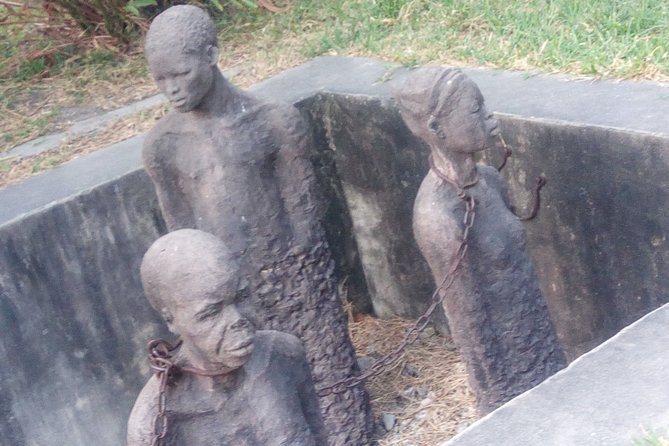
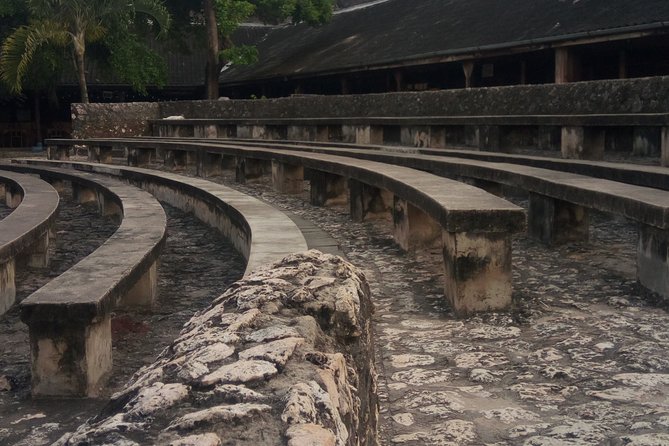
The former slave market and Anglican Cathedral are among the most serious stops on the route. Enslaved people were brought from different parts of Africa and sold here. The area is now a historical site, with the Anglican Cathedral marking a later religious and civic chapter.
The visit is listed at about fifteen minutes, longer than any other named stop. That extra time feels appropriate. This is not a place to rush through while taking a quick photograph. You may want to listen carefully, consider what the site represents, and ask direct questions about how the market operated and why the cathedral was built here.
The description uses the former slave market and cathedral together, so expect the stop to carry two layers of meaning. The cathedral is not just an old church, and the market is not just a remnant of trade. Together they show how faith, power, commerce, and human suffering shaped Stone Town.
This is also the point where a respectful attitude matters. Wear suitable clothing for an important religious and historical site, and allow Mohamed to set the tone. The visit is included without a separate admission charge according to the tour details.
Darajani Bazaar, where Stone Town shops

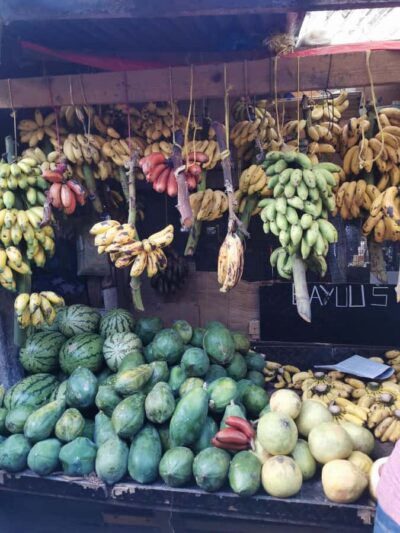
Darajani Bazaar is described as Zanzibar’s old and first market. It operates from morning into the evening, selling fish, meat, fruit, spices, vegetables, and other goods.
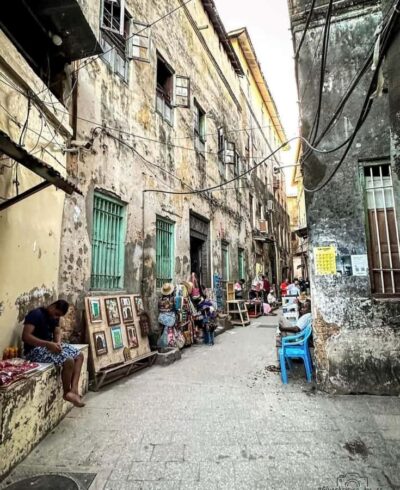
The scheduled visit is only about seven minutes, but the market is likely to be one of the more active parts of the walk. You may find it crowded, noisy, and full of strong food smells. That is part of its value. Palaces explain how rulers lived; Darajani shows where daily buying and selling happens.
The market can also be a useful place to ask Mohamed about local spices and food. The tour includes a small bottle of water, but it does not include breakfast, lunch, coffee, or tea. You may have time to buy something, though the details say lunch is your responsibility.
If you want a longer market visit, say so at the start. The private format should make that request easier than it would be on a fixed group outing. Keep in mind that extra market time may reduce time at another stop.
The Old Dispensary and Stone Town’s details
The Old Dispensary is a former hospital built by Tharia Topan. It is now a historic building and adds another architectural layer to the route.
The stop lasts about five minutes. That is enough for a quick explanation and a look at the exterior or main features, but it is not a lengthy architectural tour. Stone Town rewards close attention here. Look at the building’s details, then compare them with the palaces, fort, and market buildings you have already seen.
The Old Dispensary is also a reminder that this walk is not only about famous names. Some of Stone Town’s appeal comes from connecting less familiar buildings to the people and institutions that used them. Mohamed’s role is to give those places a place in the larger story.
Shopping, lunch, and the real pace of the tour
The formal stop times add up to less than an hour. The rest of the three hours allows for walking between sites, explanations, photos, and possible time to shop or arrange lunch. You should not read the short stop times as a promise that you will spend only a few minutes in Stone Town. They are better understood as rough guideposts.
The route is customized to your preferences. If you care most about architecture, ask for more time around the old buildings. If music is your focus, spend a little longer on the Freddie Mercury connection. If you want local food or gifts, request time at Darajani Bazaar or the bazaars.
Shopping is not included in the $30 price. Neither is lunch. The same applies to breakfast, coffee, and tea. The tour includes a small water supply, but you should budget separately for anything else you want to eat, drink, or take home.
Because the tour ends back at the meeting point, plan your next activity from the Old Fort unless pickup and drop-off have been arranged differently. The tour information says hotel transport is available from various locations, but the stated start and end point is the Old Fort. Confirm this detail when booking so you are not waiting at the wrong place.
Who will get the most from this private tour
I would choose this tour if you have about half a day and want a first look at Stone Town without managing the route yourself. It is particularly suitable for couples, families, or a small group who want to ask questions without worrying about a large group’s schedule.
It also works well if you have a specific interest. Tell Mohamed if your priorities are the sultans, Zanzibar’s religious history, Freddie Mercury, markets, or buildings. A private walk has more value when you use that flexibility.
The tour may not suit you if you want long, unhurried museum visits. The listed stops are short, and the focus is on seeing several important places in one outing. It may also be less appealing if you dislike markets, uneven city walking, or difficult historical subjects.
The tour is described as suitable for most people, and service animals are allowed. It is near public transportation, though the exact hotel transfer depends on your starting location. Confirmation is provided at booking. Free cancellation is available up to 24 hours before the start time, while poor weather may lead to a new date or full refund.
Should you book the Stone Town walk with Mohamed?
Book it if you want a reasonably priced private introduction to Zanzibar’s old town, especially if Mohamed’s punctual, attentive approach matters to you. The strongest parts are the mix of famous and everyday places, the private pace, and the chance to discuss the route instead of simply following it.
Before paying, confirm the pickup point, ask how much time you can devote to the market or lunch, and decide which subjects matter most to you. If you want a focused overview of Stone Town in three hours, this is a sensible choice. If you want to study each palace or museum at length, book a shorter route or plan extra time on your own afterward.
FAQ
How long does the Stone Town historical walking tour last?
The tour lasts approximately three hours.
Who is the guide?
The guide is Mohamed.
Is the tour private?
Yes. Only your group participates, and the private format gives you the guide’s full attention.
Where does the tour start?
The stated meeting point is the Old Fort on Mizingani Road in Zanzibar, Tanzania.
Where does the tour end?
The activity ends back at the meeting point.
Does the tour include hotel pickup and drop-off?
Hotel pickup and drop-off are offered from various locations, but the stated meeting point is the Old Fort. Confirm the exact arrangement for your location when booking.
Is lunch included?
No. Lunch is not included. Breakfast, coffee, and tea are also excluded.
What does the tour include?
A small amount of water is included. Admission charges and all fees and taxes are not included in the stated inclusions.
Can I cancel for a full refund?
Yes, if you cancel at least 24 hours before the experience start time. Cancellations or changes made less than 24 hours before the start time are not accepted for a refund. If poor weather causes cancellation, you will be offered another date or a full refund.
More history and culture tours in Zanzibar
- Stone Town’s Hidden History: Private Guided Walking Tour
★ 4.6 · 94 reviews - Private Historic Stone Town Tour
★ 5.0 · 79 reviews - Mamas of Zanzibar – A Unique Cultural & Culinary Experience
★ 5.0 · 45 reviews - Stone Town Guided Tour: Culture, Slave Market & Spice Market
★ 4.8 · 44 reviews
More walking tours in Zanzibar
- Stonetown: Food Markets and Street Food Walking Tour
★ 4.7 · 151 reviews - Zanzibar Stone Town Walking Tour
★ 5.0 · 145 reviews - Stone Town Historical Walking Tour
★ 5.0 · 143 reviews - Walking City Tour in Zanzibar Island
★ 5.0 · 122 reviews
Just added in Zanzibar
- ZANZIBAR: Jozani Forest, butterfly center & Reptile park★ 4.7 · 3 reviews
- Zanzibar: Jozani Chwaka Bay National Park and Spice Farm …★ 4.6 · 5 reviews
- Zanzibar hidden: Starfish, Blue Lagoon, &The Rock Restaurant★ 5.0 · 3 reviews
- Zanzibar: Horse Riding and Kayaking with Video and Photos★ 4.9 · 10 reviews
- Zanzibar: Half-Day Spice Farm Tour,the flavours of Zanzibar★ 4.7 · 3 reviews
- Zanzibar Half Day Trip in Mnemba Island★ 4.4 · 16 reviews
- Zanzibar: Full-Day Conservation Safari with BBQ Lunch★ 3.9 · 9 reviews
- Zanzibar: Half-Day Prison Island, Tortoises and Spices Tour★ 3.7 · 7 reviews
Stone Town Tours, compared.
Stone Town, Spice Tour, Prison Island with Lunch
Read our review →
3 Hours Private Stone Town walking Tour with Guide
Read our review →
Full-Day Private Stone Town +Spice Farm and Prison Island Tour
Read our review →
Stone Town Historical Cultural Walking Guided Tour
Read our review →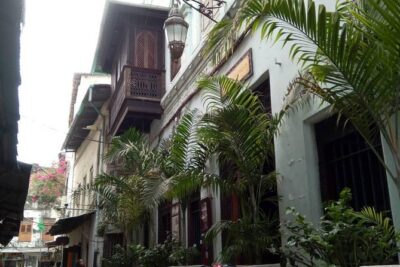

Browse the lists this tour appears in