
Reviewed · SAFARI TOURS
12 Days Safari Tour around Mt Kilimanjaro off the beaten
The unusual strength of this 12-day Tanzania safari is its route. You get the famous Serengeti and Ngorongoro Crater, but also spend time in quieter places such as Enduimet and Mkomazi, where walking and lesser-seen wildlife add variety to the usual safari plan. The views of Mount Kilimanjaro from Enduimet are a major highlight.
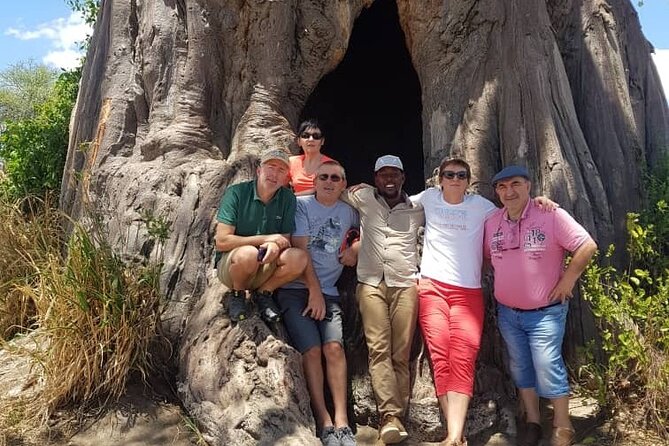
I like the mix of game drives and guided walks, and I like the small maximum group size of seven. The local guides bring more than transport and animal spotting: Tuma, one guide associated with this trip, was praised for his care and field knowledge, while Ann kept communication clear before and during the journey. The main drawback is the amount of time spent on the road. This is a full circuit, not a gentle lodge holiday, and several days run for six to ten hours.
Key points before you book
- Mount Kilimanjaro from Enduimet: Enjoy game drives and an armed-ranger walk with the mountain in view.
- Mkomazi over two days: Look for black rhinos, African wild dogs, elephants, giraffes, oryx, and more than 400 bird species.
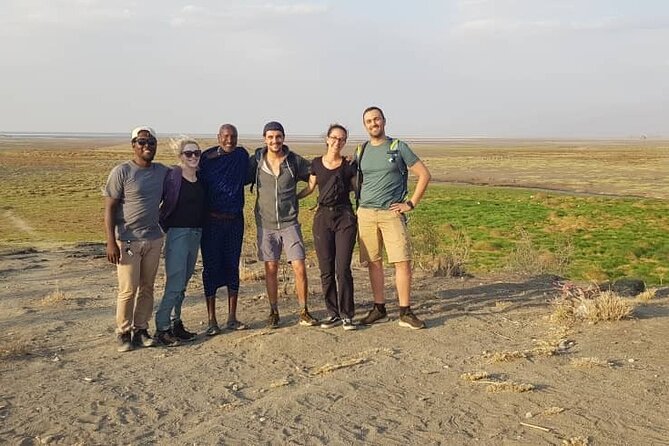
- Lake Natron with local guidance: Walk to Engare Sero Gorge and waterfalls, then continue to the lake shore with a Maasai guide.
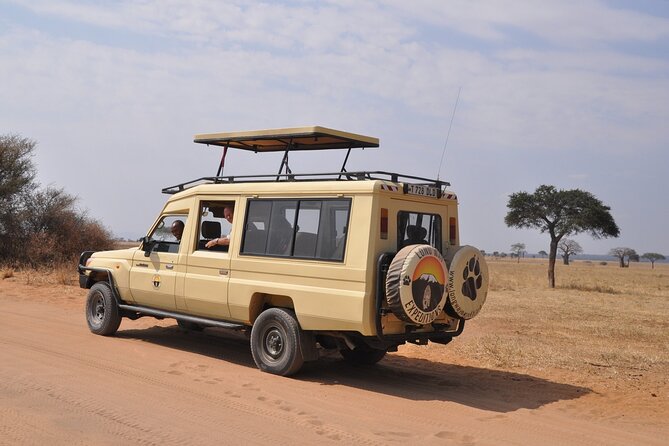
- Small-group transport: Travel in a roof-open 4×4 Land Cruiser for up to seven people, with a radio, fridge, and binoculars.
- Classic northern Tanzania finish: Spend time in the Serengeti before descending into Ngorongoro Crater, one of the strongest wildlife days on the route.
- Price and pace: At $4,810 per person, the trip offers a broad safari route, but international flights, visas, insurance, and drinks cost extra.
Why this safari route is different
Many northern Tanzania safaris focus on the familiar circuit: Tarangire, Serengeti, and Ngorongoro. This trip takes a less usual eastern route first, adding Arusha National Park, Enduimet Wildlife Management Area, Mkomazi National Park, and Lake Natron.
That choice matters. You see a wider slice of Tanzania, and you do not spend every day chasing the same famous animals in the same type of park. Arusha brings forest and lakes. Enduimet brings Kilimanjaro views and walking. Mkomazi offers a quieter setting with African wild dogs and the possibility of black rhinos. Lake Natron changes the rhythm again with waterfalls, a rougher setting, and flamingo habitat.
The tradeoff is simple: more variety means more driving. Day 3 lasts about ten hours, and several other transfers take six to eight hours. I would choose this trip for its range and sense of movement, not for long afternoons beside one lodge pool.
The vehicle is a roof-open 4×4 Land Cruiser with two-way radio, fridge, and binoculars. Those details matter on safari. The open roof gives you a better view when animals are nearby, while the radio helps your guide communicate during game drives. Drinking water is supplied at 1.5 litres per person per day, though you should check your own needs, especially during the walking portions.
Other routes up the mountain from Arusha:
- 8-Day Small-group Lemosho Kilimanjaro Summit Trekking
★ 5.0 · 186 reviews - 5 Days Best of Tanzania Luxury Safari Northern Circuit
★ 5.0 · 174 reviews - 7-Day Machame Kilimanjaro Summit Tour from Arusha
★ 5.0 · 125 reviews
Days 1 and 2: Arusha and the Momella lakes
Your arrival day is deliberately easy. You are met at Kilimanjaro Airport, then transferred to your hotel in Arusha. After an international flight, that simple start is useful. You do not have to begin with a long park transfer or an immediate game drive.
The next morning takes you to Arusha National Park. At about 137 square kilometres, it is much smaller than the Serengeti, but that compact size gives the day a clear shape. You can combine a guided walk with an armed ranger and a later game drive, rather than spending the whole day seated in the vehicle.
The park includes the Great and Small Momella Lakes and the forests around Ngurdoto Crater. Keep an eye out for giraffes, buffaloes, and baboon groups. The forest setting also gives you a different visual experience from the open grasslands that come later.
The walk is the important part here. You are not simply looking for a checklist of animals. You are moving through the park with a ranger, learning to notice tracks, vegetation, and smaller signs of wildlife. Since this is a six-hour day, it offers an active start without pushing you too hard.
Days 3 and 4: Kilimanjaro views and Mkomazi
Day 3 heads toward Enduimet Wildlife Management Area, described in the program as the southern Amboseli area. The drive is long, at about ten hours, but the setting gives the day a clear reward: views of Mount Kilimanjaro, the highest free-standing mountain in the world.
Enduimet works well for people who want more than vehicle-based wildlife watching. You take a game drive and a ranger-guided walk at the foot of the mountain. The combination of open views, animal sightings, and time on foot gives this section a more personal feel than a standard transfer day.
Aim to arrive at the lodge before nightfall. The timing is useful because you will want daylight for the mountain views, and the next day continues north toward Mkomazi National Park.
On Day 4, you travel through the Kilimanjaro North scenic route before reaching Mkomazi. An evening game drive follows, with a chance to look for African wild dogs. You then go to camp before dark.
African wild dogs are one reason this park deserves its place on the route. Sightings are never guaranteed, but Mkomazi gives you a chance to look for an animal that is not the main focus of every northern Tanzania safari. The transfer takes about eight hours, so this is another day when a good guide and a comfortable vehicle make a real difference.
Day 5: A full wildlife day in Mkomazi
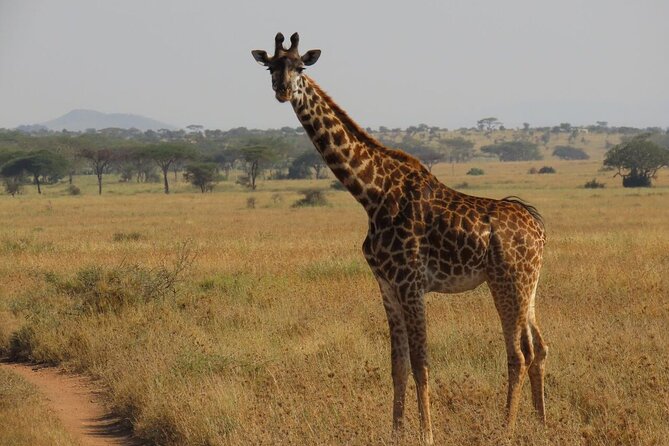
Mkomazi gets a proper full day rather than a quick pass-through. Begin with an early morning game drive, return to camp for a hot lunch, then head out again for a later drive.
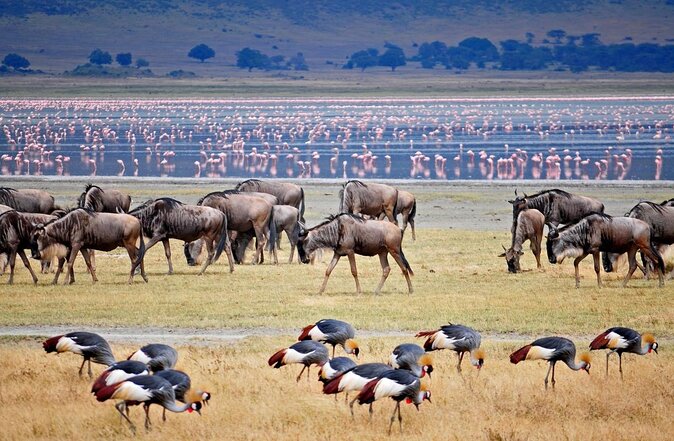
That split is smart. Early morning is often the best time for animal activity, while the second drive gives you another chance to cover different ground. Mkomazi covers about 3,500 square kilometres and is home to black rhinos, giraffes, elephants, oryx, impalas, elands, dik-diks, and African wild dogs.
The park also has more than 400 bird species. If you enjoy birds, bring a small notebook or use your phone to record sightings. The supplied binoculars are useful, but a personal pair can still be worth packing if bird watching is a priority.
Mkomazi is one of the strongest reasons to pick this trip over a standard route. It brings a quieter park experience and a good range of wildlife, while the two game drives prevent the visit from feeling rushed. The limitation is that the park receives less attention than Serengeti, so the experience is more about searching and patience than guaranteed headline sightings.
Other park itineraries that start in Arusha:
- Serengeti Balloon Safari and authentic bush breakfast
★ 5.0 · 2,480 reviews - Balloon Safari & Bush Breakfast in Serengeti – Miracle Experience
★ 5.0 · 1,646 reviews - 4 Days Group Camping Safari
★ 5.0 · 1,101 reviews - 5 Days Group Camping Safari
★ 5.0 · 730 reviews
Day 6: Returning through Moshi to Arusha
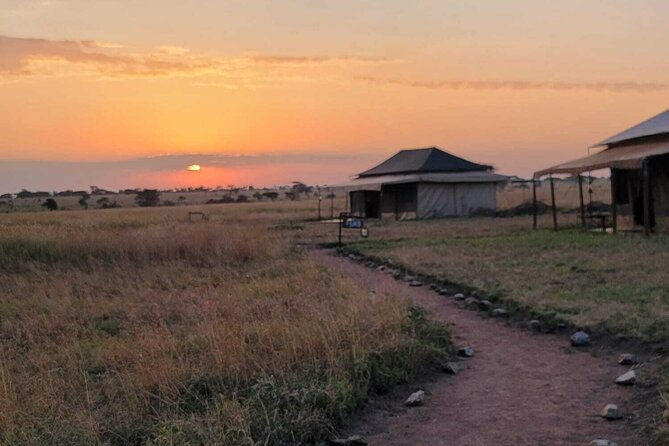
After breakfast, you drive back to Arusha through Moshi. The day takes about six hours, with a barbecue stop possible if timing allows.
This is a practical reset day. You are not trying to force another major park visit into an already busy schedule. Use the drive to rest, sort photographs, and prepare for the second half of the trip, which moves toward Lake Manyara, Lake Natron, and the Serengeti.
The barbecue is not guaranteed, so treat it as a possible local food stop rather than a fixed feature. Lunch is not listed among the included meals, so ask your operator how meals during transfer days will be handled.
Day 7: Forest, monkeys, and Lake Manyara
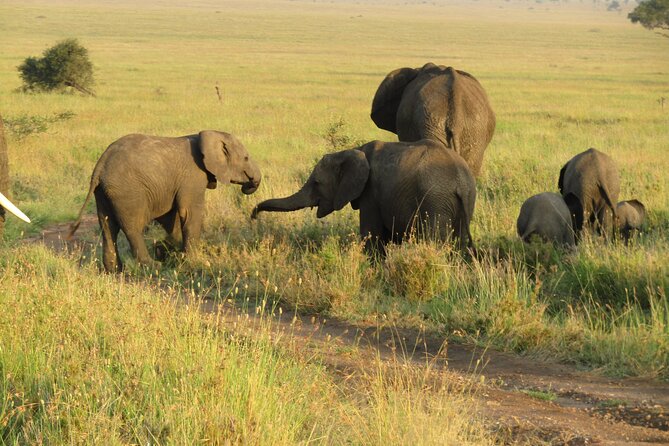
Lake Manyara National Park brings a different kind of safari scenery. The route passes through a forest that feels almost storybook-like, with baboons, blue monkeys, elephants, and many bird species.
This is a good contrast with Mkomazi and the open areas around Kilimanjaro. Instead of scanning long grass for distant animals, you are moving through thicker cover where monkeys and forest birds can keep the drive lively. Elephants add the larger wildlife element.
The day lasts about eight hours, including the game drive and onward travel to your hotel. It is worth keeping expectations flexible here. Lake Manyara is not being presented as a full-day replacement for the Serengeti. Its value is the mix of forest, lake-country views, primates, elephants, and birds.
Day 8: Lake Natron, Engare Sero, and a Maasai-led walk
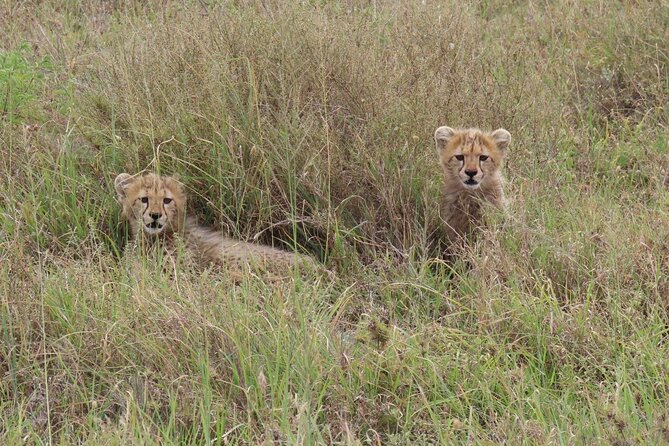
Lake Natron is one of the most distinctive stops on the trip. It is known as Tanzania’s most remote salt lake and for its large flamingo breeding grounds. The setting is very different from the forest at Manyara or the grassland of the Serengeti.
You arrive in the afternoon, then visit Engare Sero Gorge and its waterfalls. After that, a Maasai tribesman leads a walk to the lake shore for bird watching.
This is a day to pack sensible walking shoes, sun protection, and enough personal water. The walk adds local contact and a more active experience, while the gorge and waterfalls break up the drive to the lake. It is also one of the few parts of the trip where the experience is built around a local guide from the surrounding community rather than only a safari vehicle.
Lake Natron can be a demanding stop because the day includes driving and walking. If you want a safari made entirely of easy vehicle outings, this section may feel too active. If you like unusual places and a change of pace, it earns its place.
Days 9 and 10: Entering the Serengeti from the east
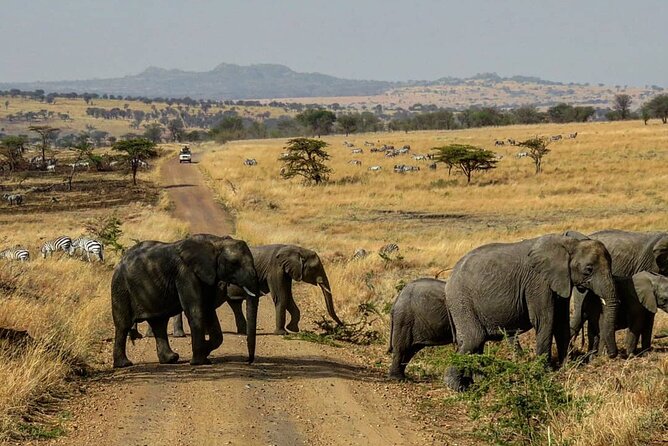
Day 9 takes you into Serengeti National Park through Klens Gate on the eastern side. The route crosses the escarpment forming the eastern branch of the Rift Valley, with views around Waso and Ololosokwan before reaching the park around midday.
That eastern approach gives the journey a sense of arrival. You are not simply driving straight from a nearby lodge into the park. You cross changing terrain and reach the Serengeti in time for a game drive.
The Serengeti is known for its big-cat population and the Great Wildebeest Migration. Timing matters for migration sightings, and no fixed dates are given for this tour, so you should not book on the assumption that the herds will be in one particular area. The park still offers strong wildlife potential outside the migration period, especially for people hoping to see big cats.
You reach camp before dark, which is important after an eight-hour day. The following day gives you another seven-hour Serengeti outing. That second day is valuable because it allows your guide to search more widely and adjust the route based on conditions and recent sightings.
The Serengeti section is the most classic part of the trip, but it is not the only reason to book. I like that the route saves its most famous park for after the quieter reserves. By then, you have already seen several types of habitat and wildlife, so the Serengeti feels like a major final act rather than the entire show.
Day 11: The Ngorongoro Crater finale
After breakfast, you head to Ngorongoro and descend to the crater floor. The crater formed when a volcano collapsed, creating a self-contained ecosystem with a high concentration of predators.
This is one of the best places on the route for a concentrated wildlife day. You may have a chance to see the Big Five in one afternoon, though animal sightings are never guaranteed. The crater floor also brings a strong visual payoff, with dramatic walls and open areas where animals can be easier to spot.
After the crater visit, you ascend to your hotel in Karatu. The day takes about eight hours, so the overnight stop matters. It prevents you from having to make the full return to Arusha after the crater drive.
I would treat Ngorongoro as a powerful finale, but not necessarily the most private part of the trip. Its fame means it can feel busier than Enduimet or Mkomazi. The reward is the compact wildlife setting and the chance for a very productive afternoon.
Day 12: Airport transfer and the practical details
After breakfast, you are transferred to Kilimanjaro Airport for your international flight. The activity ends at a different location from the starting point, so confirm the airport timing and final transfer details when you book.
The package includes accommodation according to the program, dinner, 12 breakfasts, airport or departure tax, parking fees, drinking water, and the English-speaking driver-guide. International and domestic flights, visas when required, travel insurance, and drinks are not included.
The price is $4,810 per person. That is a serious sum, but the value depends on how you use the route. You are paying for 12 days, a private-style safari vehicle shared by no more than seven people, several national parks and conservation areas, a local guide, park access, accommodation, and airport transfers. The breadth of the route makes the cost easier to understand than a short safari with the same daily vehicle expense.
Still, compare the accommodation category and meal details before committing. The information gives the properties as accommodation according to the program, but does not provide a full lodge list or lunch plan. Those details can affect the real value considerably.
The cancellation terms are fairly clear but time-sensitive. Cancel at least six full days before the start for a full refund. Cancelling two to six full days ahead allows a 50 percent refund, while cancelling less than two full days ahead results in no refund.
Who should book this safari?
I would choose this trip if you want variety, walking, and less familiar parks alongside the Serengeti and Ngorongoro. It suits active couples, small groups, and anyone who prefers a broad Tanzania route to a stay focused on one famous park.
It is less suitable if you dislike long road days, want luxury details spelled out in advance, or prefer a slow schedule with several nights in one place. The trip moves often, and the early starts and game drives require patience.
The small group limit is a real advantage. With up to seven people, you have a better chance of getting a useful window view and making group decisions without the feel of a large coach tour. The local team also appears to place value on communication and care, with Ann handling arrangements and Tuma praised for his guiding on one trip.
FAQ
How long is the safari?
The safari lasts approximately 12 days, from arrival at Kilimanjaro Airport through the airport transfer on Day 12.
Where does the safari start?
The listed meeting point is African View Lodge on Momella Road in Arusha, Tanzania. Arrival assistance begins at Kilimanjaro Airport.
Where does the safari end?
The activity ends at Kilimanjaro Airport for your international flight home.
How many people can join the tour?
The maximum group size is seven people.
What type of vehicle is used?
You travel in a 4×4 Land Cruiser with an open roof, two-way radio, fridge, and a pair of binoculars.
Is a guide included?
Yes. An English-speaking driver-guide is included. The guides are local Tanzanians, and the supplied information states that they have more than 10 years of experience.
Which parks and conservation areas are visited?
The route includes Arusha National Park, Enduimet Wildlife Management Area, Mkomazi National Park, Lake Manyara National Park, Lake Natron, Serengeti National Park, and Ngorongoro Crater.
Are meals included?
Dinner and 12 breakfasts are included. Drinks are not included, and lunch arrangements are not specified in the supplied tour details.
Is Mount Kilimanjaro visible during the trip?
The Enduimet section provides photogenic views of Mount Kilimanjaro while you take part in a game drive and ranger-guided walk.
What is the cancellation policy?
You receive a full refund if you cancel at least six full days before the start time. Cancelling two to six full days ahead allows a 50 percent refund. Cancelling less than two full days ahead is nonrefundable.
Should you book this safari?
Book it if the combination of famous parks and quieter eastern Tanzania appeals to you. The best reasons are the Enduimet walking experience, two days in Mkomazi, the unusual Lake Natron stop, and the strong Serengeti and Ngorongoro finish.
Before paying, confirm the accommodation names, lunch arrangements, flight timing, and visa requirements. If those details suit your budget, this is a well-rounded safari for someone who wants more than the standard northern Tanzania circuit.
More Kilimanjaro treks from Arusha
- Mountain Kilimanjaro Day Hike
★ 5.0 · 102 reviews - Private Full Day Hiking Experience to Marangu Route
★ 5.0 · 61 reviews - 4 days Best experience Kilimanjaro Hike, Serengeti &Ngorongoro
★ 5.0 · 54 reviews - From Arusha/Moshi: Kilimanjaro Hike Marangu Route Day Trip
★ 4.5 · 54 reviews
More safaris from Arusha
- 3 Days Serengeti & Ngorongoro Group Camping Safari
★ 5.0 · 574 reviews - 7-Day Premium Luxury Tanzania Safari All-Inclusive
★ 5.0 · 426 reviews - 3-Day Classic Serengeti Safari
★ 5.0 · 263 reviews - 8 Days Great Wildebeest Calving Migration Safari from Arusha
★ 5.0 · 254 reviews
Just added in Arusha
- 4 Days Private Midrange Lodge Safari to Serengeti & Ngorongoro★ 5.0 · 4 reviews
- Extraordinary Hot air Bolloon ride in Serengeti | BURIGI CHATO SAFARIS CO L.T.D★ 5.0 · 6 reviews
- 3 days leopard safaris★ 5.0 · 4 reviews
- 8 Days Serengeti Migration safari★ 5.0 · 11 reviews
- tarangire, ngorongoro & lake manyara park 3 days private tour★ 5.0 · 11 reviews
- Mt. Kilimanjaro: Shira plateau to Cathedral point 3872m Day hike★ 5.0 · 7 reviews
- serengeti, ngorongoro & tarangire 4 days private tour★ 5.0 · 18 reviews
- tarangire & ngorongoro 2 days tour★ 5.0 · 14 reviews
Safari Tours, compared.
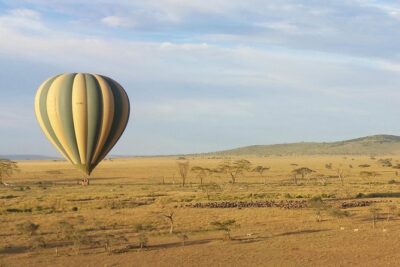
Serengeti Balloon Safari and authentic bush breakfast
Read our review →
Mikumi Safari Day Trip with Flights and Meal
Read our review →
3 Days Serengeti & Ngorongoro Group Camping Safari
Read our review →
7-Day Premium Luxury Tanzania Safari All-Inclusive
Read our review →
Safari Blue Lagoon Trip with Snorkeling and Lunch
Read our review →
Browse the lists this tour appears in