
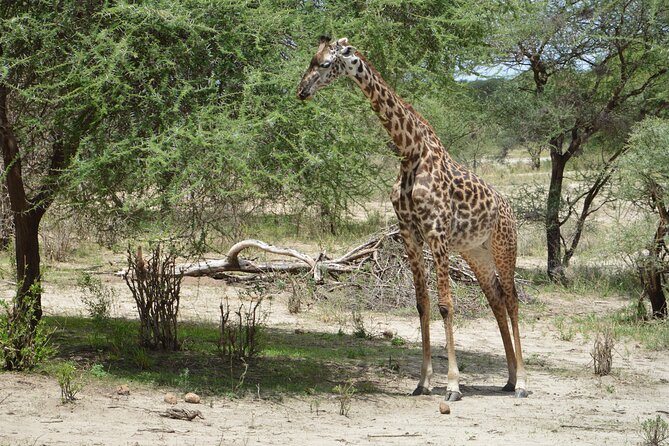
Reviewed · NGORONGORO CRATER TOURS
3 Days Serengeti & Ngorongoro Group Camping Safari
The most exciting part of this safari is the contrast between open Serengeti plains and the enclosed world of Ngorongoro Crater, all in only three days. I like the small group limit of six, which gives you a better chance to ask questions and get a clear view from the 4×4. I also like that park fees, meals, camping, water, transport, and an English-speaking guide are included in the $900 price.
The tradeoff is comfort. Serengeti camping can mean no hot water, cold nights, shared facilities, and the sound of lions nearby. You also spend long hours on rough roads, so this suits an active safari guest more than anyone needing easy access or hotel-style comfort.
Key points to know before booking
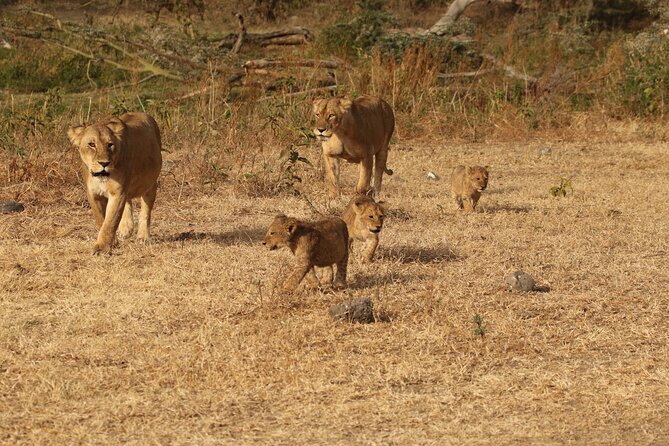
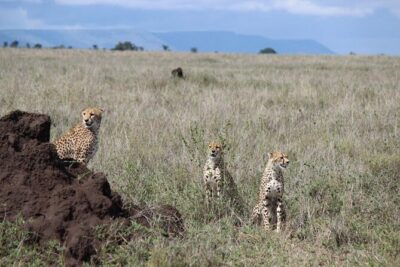
- Big Five country in three days: You visit both Serengeti National Park and Ngorongoro Crater, with chances to see lions, elephants, buffalo, leopards, and rhinoceros.
- Small group of up to six: A compact vehicle group makes animal viewing and conversation easier than a large coach tour.
- Real camping, not a lodge substitute: The Serengeti night is basic and can be cold, while the Ngorongoro camp may offer hot showers and wide views.
- Strong guide and kitchen support: Guides including Adam and Gerald have received special praise, while cooks such as Tito and Puis are remembered for excellent meals.
- Early starts matter: Sunrise drives give you cooler temperatures and active wildlife, but you need to be ready for tiring days.
- Pack light and warm: The luggage limit is 10 kilograms per person, and nighttime temperatures can fall to about 5°C.
What $900 buys you on this Tanzania safari
At $900 per person, this trip sits in the practical middle ground between a basic overland outing and a high-end lodge safari. You get a 4×4 safari vehicle, an English-speaking professional guide, park entrance fees, mineral water, meals, and accommodation during the three days.
That price matters because park entry costs and vehicle access can add up quickly on a short safari. You are also paying for two major wildlife areas rather than spending all three days in one park. I see the value mainly in the combination of access, guide service, food, and a six-person limit.
The price does not cover flights, visas, travel insurance, or tips for the driver, guide, and chef. Keep those costs in your planning. You should also ask your booking contact how the camping arrangements work for your exact departure, since comfort can differ between the Serengeti and Ngorongoro nights.
Suricata Safaris provides pickup in Arusha. A representative waits at your accommodation reception with a sign bearing your name, then gives you a short introduction before the safari begins. That simple meeting arrangement is useful after a flight or a long journey, when you may not want to work out local transport on your own.
Other park itineraries that start in Arusha:
- Serengeti Balloon Safari and authentic bush breakfast
★ 5.0 · 2,480 reviews - Balloon Safari & Bush Breakfast in Serengeti – Miracle Experience
★ 5.0 · 1,646 reviews - 4 Days Group Camping Safari
★ 5.0 · 1,101 reviews
Day 1: Arusha to the Serengeti plains
Your first day starts early in Arusha. The drive toward the Serengeti takes up much of the day, so this is not a quick transfer followed by an afternoon at leisure. You will see changing Tanzanian scenery through the vehicle windows, then stop for lunch before the first proper game drive.
That timing gives you an important first taste of the park. The Serengeti is known for broad open plains, and the wide views can make even distant animals visible. Your guide will help you scan for movement, explain animal behavior, and position the vehicle without disturbing the animals.
The afternoon drive is your first chance to see the Big Five. Lions and buffalo may be easier to spot than leopards or rhinoceros, but sightings are never guaranteed. The wording of the experience promises strong wildlife opportunities, not a fixed animal checklist, so keep your expectations excited but sensible.
The first camp night is the most rustic part of the trip. You sleep in the Serengeti with wilderness close by, rather than returning to a town hotel. One guest described the camp as a real step outside the comfort zone, with no hot water and roaring lions heard at night. That is precisely the appeal for some people, but it may feel too basic if you want private bathrooms and quiet evenings.
Bring a warm sweater, jacket, and socks. Night temperatures can fall to about 5°C, and the open setting makes cold air noticeable. Neutral clothing in white, beige, or green is recommended, both for comfort and to avoid bright colors around wildlife.
Day 2: Sunrise wildlife and the road to Ngorongoro
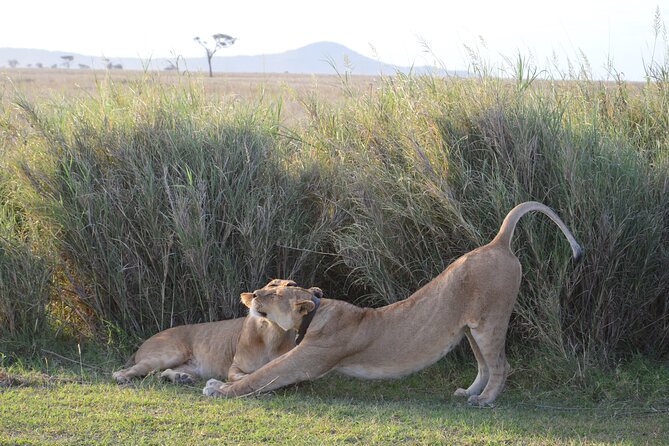
Day two begins with an early morning game drive in the Serengeti. I consider this one of the most valuable hours of the trip. The light is attractive, temperatures are lower, and animals are often easier to watch before the heat of the day.
You will then have lunch before leaving the Serengeti for the Ngorongoro Conservation Area. This change is not just a transfer between two famous names. The Serengeti gives you a feeling of distance and openness, while Ngorongoro offers a contained volcanic setting with a high concentration of wildlife.
The drive also gives you a rest after the morning outing. Safari days can be tiring because you sit in the vehicle for long periods, often on uneven roads. A small group helps here. You can talk with your guide, watch the scenery, and avoid the noise and crowding that can come with a large vehicle.
Your second camp is near Ngorongoro Crater. Conditions may be more comfortable than at the Serengeti camp. One account describes hot showers and dramatic views at the Ngorongoro camp, along with a zebra appearing nearby. That kind of surprise is part of the pleasure, but you should still pack for a camp rather than assume a full hotel setup.
Food is a notable strength of this trip. The cooks are not an afterthought. Puis was praised for making meals exciting from one sitting to the next, while Tito was singled out for delicious food. You should not expect restaurant service, but you can expect the kitchen team to play a major role in keeping you comfortable and well fed after long drives.
Day 3: Inside Ngorongoro Crater
The final morning starts early again, this time with a descent into Ngorongoro Crater. The crater is a UNESCO World Heritage site and one of Tanzania’s most memorable wildlife settings. Its enclosed shape makes the morning feel different from the open Serengeti, even though both places can deliver excellent animal viewing.
The game drive may bring sightings of elephants, lions, zebras, and flamingos. The exact mix depends on the day and the conditions, but the crater gives you a strong final chance to watch several species in one morning. Your guide’s skill matters here, especially when deciding how long to stay with an animal and when to move on.
The drive back to Arusha follows the crater visit, with arrival expected in the afternoon. You will finish the safari with a great deal of time in the vehicle, so do not schedule an important evening flight without checking the timing carefully. The experience begins and ends in Arusha, but the transport days are part of the package, not wasted time.
This short itinerary works because each day has a clear purpose. The first day gets you into the Serengeti, the second gives you another wildlife period before moving to Ngorongoro, and the third uses the crater for a final morning drive. The drawback is that there is little spare time. If you want slow camp mornings, long walks, or several full days in one park, choose a longer safari.
Other safaris people book out of Arusha:
- 5 Days Group Camping Safari
★ 5.0 · 730 reviews - 3 Days Serengeti & Ngorongoro Group Camping Safari
★ 5.0 · 574 reviews - 7-Day Premium Luxury Tanzania Safari All-Inclusive
★ 5.0 · 426 reviews - 3-Day Classic Serengeti Safari
★ 5.0 · 263 reviews
Why a six-person group changes the experience
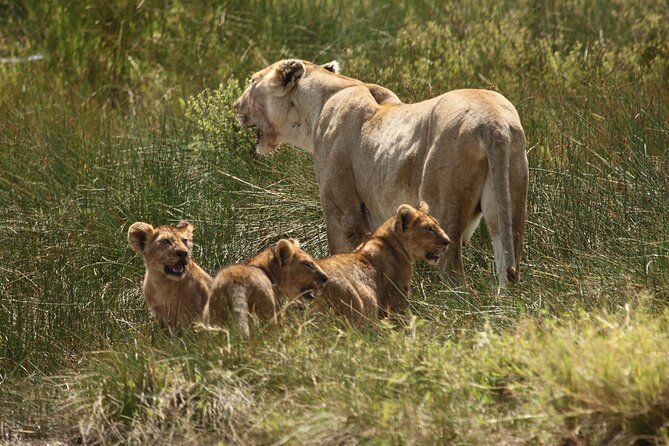
The group limit is one of the best practical features. A maximum of six people means fewer competing voices when the guide is explaining tracks, animal behavior, or the rules around a sighting. It also gives you a better chance to look through the vehicle without someone in front of you blocking the view.
Small groups do not guarantee a private vehicle. You may still share the 4×4 with other people, and everyone will have different interests. One person may want to stay with lions, while another hopes to find a leopard. Still, six is a manageable number for a safari vehicle and far more personal than a large bus.
The named team members add useful context. Adam received special praise for caring for his group and getting close to animals without disturbing them. Gerald was praised for both guiding and explaining animal facts. Izak was also singled out for excellent driving and personal care. Staff assignments may vary, so do not assume one specific guide will lead every departure, but these names show the level of service the company can provide.
A company representative named John helped with meeting arrangements and even assisted with taxis before and after one safari. That is useful support if your Arusha plans are complicated. It also suggests that the company’s work is not limited to the hours spent inside the national parks.
Camping comfort, food, and what to pack
This is an outdoor safari, not a luxury hotel circuit. The Serengeti camp may have no hot water, and you should be ready for basic toilet and shower arrangements. Bring a towel and toilet paper, since those items are specifically recommended.
The Ngorongoro camp can be more comfortable, but conditions are still camping conditions. Pack a warm sweater, jacket, and socks for nights that may reach about 5°C. A headlamp is not listed in the provided equipment advice, so I would not assume one is supplied. Stick to the stated essentials and confirm anything extra before departure.
The luggage limit is 10 kilograms per person. A soft duffel bag is recommended, and extra luggage can be stored at your hotel. That limit is sensible for a shared safari vehicle, but it requires discipline. Pack layers rather than bulky clothing, and leave hard suitcases behind when possible.
Mosquito repellent with a high mint concentration is recommended. Binoculars will improve your view of distant animals, although the guide has one available to share in the vehicle. Sharing is helpful, but your own pair means you do not have to wait during a busy sighting.
Food is included throughout the safari. The cooks, including Puis and Tito on different departures, have made a strong impression with filling and varied meals. You should still tell the company about dietary needs before setting off, since no specific dietary arrangements are provided in the available details.
Bright colors are not allowed, and you should wear neutral shades such as beige, green, or white. Drones are also not allowed. Do not feed or touch animals. These rules protect wildlife and keep the experience focused on watching animals behave naturally.
Is this safari suitable for you?
I would choose this trip if I had three days, wanted the Serengeti and Ngorongoro in one visit, and cared more about wildlife access than polished accommodation. It suits first-time safari guests, couples, friends, and solo visitors who are comfortable sharing a vehicle and sleeping in camps.
It is also a good match if you want a more direct connection with the setting. Hearing lions near a basic Serengeti camp gives you a sense of place that a sealed lodge room cannot provide. At the same time, the Ngorongoro night may offer hot showers and better views, so the trip is not equally rustic from start to finish.
I would hesitate if you have back problems, need wheelchair access, or dislike long vehicle rides. The experience is not suitable for wheelchair users, babies under one year, or people over 95 years old. The early mornings, rough roads, cold nights, and limited luggage allowance also require a fair amount of flexibility.
Free cancellation up to 24 hours before the start and reserve-now, pay-later booking make planning easier. They do not remove the need for travel insurance, which is not included. You should also budget for tips and all flights, including international and domestic flights.
Should you book the Suricata three-day safari?
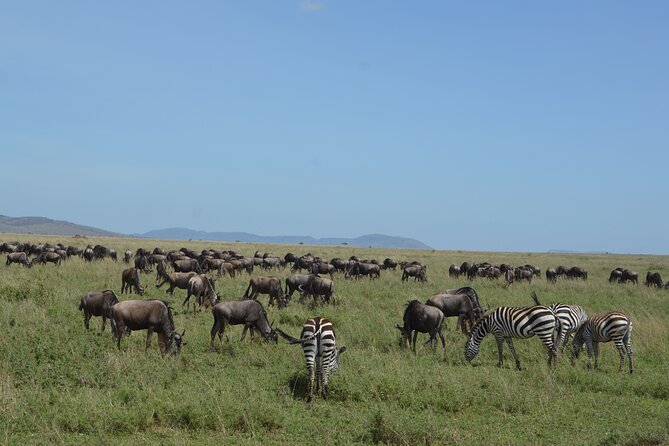
Book it if your priority is seeing two of Tanzania’s great wildlife areas on a controlled budget, with a small group and a guide who takes animal viewing seriously. The chance to see the Big Five, especially within the first two days for some departures, is a major reason to choose it.
Do not book it expecting a luxury safari. The Serengeti camp can be cold and basic, the days are long, and the drive back to Arusha takes time. For me, the $900 price makes sense because park fees, transport, meals, camping, water, and guiding are bundled together, while the six-person limit keeps the experience from feeling impersonal.
If you can accept simple camping and prepare properly, this is a strong short safari. Bring warm layers, a soft bag, neutral clothes, mosquito repellent, a towel, toilet paper, and patience for long drives. Then let the guide handle the searching while you watch the plains, crater, and wildlife unfold.
FAQ
How long is the Suricata safari?
The safari lasts three days and starts and ends in Arusha.
Which parks and conservation areas does the tour visit?
The trip visits Serengeti National Park and the Ngorongoro Conservation Area, including a game drive inside Ngorongoro Crater.
How many people are in the group?
The small group is limited to six participants.
What language does the guide speak?
The live tour guide speaks English.
Is hotel pickup included?
Yes. A company representative waits at your accommodation reception with a sign or board showing your name and provides a brief introduction.
What is included in the $900 price?
The price includes 4×4 safari transport, a professional English-speaking guide, park entrance fees, mineral water, accommodation, and meals during the safari.
What is not included?
Visas, international and domestic flights, travel insurance, and tips for the driver, guide, and chef are not included.
How much luggage can I bring?
The luggage limit is 10 kilograms per person. Soft duffel bags are recommended, and extra luggage can be stored at the hotel.
What should I bring for the camping nights?
Bring neutral-colored clothing, a warm sweater, socks, a jacket, mosquito repellent with a high mint concentration, binoculars if you have them, a towel, and toilet paper. Night temperatures can fall to around 5°C.
More Serengeti safaris from Arusha
- 5-Day Highlights mid-Range Crater, Serengeti, Tarangire
★ 5.0 · 296 reviews - Private 6-Day Tarangire Manyara Crater and Serengeti with Mid-Range Lodges
★ 5.0 · 238 reviews - 10-Day Serengeti Wildebeest Migration Safari from Arusha
★ 5.0 · 218 reviews - 8 Day Spectacular Migration Serengeti mid -Range Tanzania Safari
★ 5.0 · 161 reviews
More Ngorongoro trips from Arusha
- 5 Days Camping Tarangire, Serengeti & Ngorongoro crater & Visiting Maasai
★ 5.0 · 229 reviews - 4 Days Join Group tour Tarangire Serengeti and Ngorongoro crater
★ 5.0 · 219 reviews - 4-Day Safari from Arusha: Tarangire, Serengeti and Ngorongoro
★ 5.0 · 173 reviews - 2 Days Tarangire and Ngorongoro Group Camping Safari
★ 5.0 · 146 reviews
Just added in Arusha
- 4 Days Private Midrange Lodge Safari to Serengeti & Ngorongoro★ 5.0 · 4 reviews
- Extraordinary Hot air Bolloon ride in Serengeti | BURIGI CHATO SAFARIS CO L.T.D★ 5.0 · 6 reviews
- 3 days leopard safaris★ 5.0 · 4 reviews
- 8 Days Serengeti Migration safari★ 5.0 · 11 reviews
- tarangire, ngorongoro & lake manyara park 3 days private tour★ 5.0 · 11 reviews
- Mt. Kilimanjaro: Shira plateau to Cathedral point 3872m Day hike★ 5.0 · 7 reviews
- serengeti, ngorongoro & tarangire 4 days private tour★ 5.0 · 18 reviews
- tarangire & ngorongoro 2 days tour★ 5.0 · 14 reviews
Ngorongoro Crater Tours, compared.
3 Days Serengeti & Ngorongoro Group Camping Safari
Read our review →
4-Day Safari from Arusha: Tarangire, Serengeti and Ngorongoro
Read our review →
2 Days Tarangire and Ngorongoro Group Camping Safari
Read our review →
3 Days Private Safari – manyara, Ngorongoro & Tarangire
Read our review →
5 Days Tanzania Group Joining Safari, Tarangire/Serengeti/Ngorongoro Crater
Read our review →
4 Days Tarangire, Serengeti and Ngorongoro Mid-Range Group Safari
Read our review →Browse the lists this tour appears in