
Reviewed · CAMPING & LODGE SAFARIS
6 Days Tanzania Budget Camping Safari
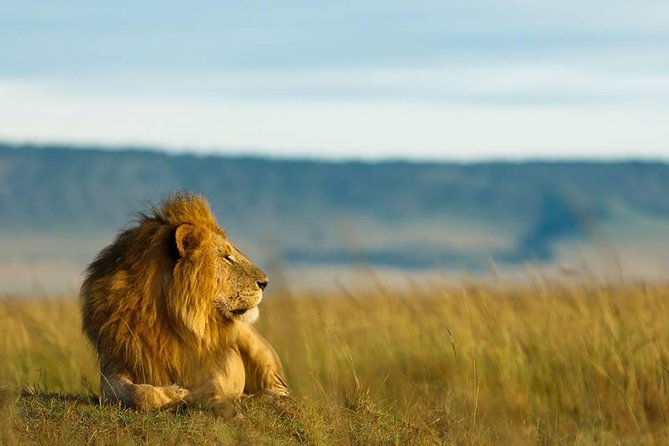
The big draw here is the chance to cover Tanzania’s most famous wildlife parks in six days, with two full Serengeti game-drive days and a morning inside Ngorongoro Crater. You may follow the wildebeest migration, but animal movements change each year, so no operator can promise a river crossing or a particular sighting.
I like the maximum group size of six, which keeps the safari vehicle manageable, and I like the mix of tent camping, lodges, wildlife, and local culture at Mto Wa Mbu. The main trade-off is a busy schedule: long drives, early breakfasts, and several days that combine game viewing with camp changes.
Key points to know before booking
- Serengeti gets two substantial game-drive days, giving you more than a quick pass through the park.
- Ngorongoro Crater is a major highlight, with a chance to see black rhino, flamingos, and the Big Five.
- The group is capped at six people, useful when everyone wants a window seat or a better camera angle.
- Mto Wa Mbu adds a human side to the safari, with village walks, banana plantations, and Tanzanian food.
- The package covers meals, water, Wi-Fi, accommodation, and transport, though flights and alcohol cost extra.
- Camping is part of the bargain, so expect simple conditions rather than lodge-level comfort every night.
At $1,600 per person, this is a fairly ambitious safari for the price. You visit Tarangire National Park, Serengeti National Park, the Ngorongoro Conservation Area, Lake Manyara National Park, and Mto Wa Mbu.
That price includes a professional driver-guide, meals, six nights of accommodation, hotel pickup and drop-off, unlimited mineral water, coffee and tea, Wi-Fi in the safari vehicle, taxes, and AMREF Flying Doctors emergency rescue cover. Two nights in Arusha are also included in the package details.
The value comes from having the major costs bundled together. You do not need to arrange separate park visits, daily transport, meals, or camp transfers. The catch is that this is a budget safari, not a private luxury trip. You will spend long hours in a shared vehicle, sleep in tents for part of the route, and follow a tight timetable.
The operator caps the group at six people. That matters more than it may sound. A full vehicle can make wildlife viewing awkward, especially when people are standing, shifting seats, or trying to photograph the same lion. Six gives the guide a better chance to position the vehicle and gives you some breathing room.
Pickup from your Arusha hotel is scheduled for 8 a.m. From there, the drive to Tarangire National Park takes about three hours. The park is roughly 115 kilometers from Arusha and covers about 2,800 square kilometers.
You spend the day on game drives before heading to Jambo Lodge for dinner and the night. Tarangire is known for its elephant population, baobab trees, lions, leopards, and pythons that can climb trees. The Tarangire River is especially important because it provides water for wildlife.
This is a strong first park because it gives you a quick introduction to Tanzania’s wildlife without requiring the longest drive of the trip. Elephants are a major attraction here, and the baobabs create memorable photo settings without needing a rare sighting.
The schedule says about eight hours at the park. That is a full day, so expect plenty of time in the vehicle. Bring a hat, sunscreen, and water even though mineral water is supplied. A safari is exciting, but several hours on rough park roads can be tiring.
After breakfast, you pack your luggage into the safari vehicle and travel toward Serengeti National Park. Lunch is taken in the vehicle, and the route includes views toward the Rift Valley and Ngorongoro Crater.
The itinerary expects you to reach central Serengeti around 3 p.m., followed by an evening game drive and sunset viewing. You then spend the night at Seronera campsite inside the park.
This is one of the longer days, listed at about 10 hours. The reward is that you are not simply driving to a hotel outside the park. You reach Seronera, one of the key areas of central Serengeti, and begin wildlife viewing the same day.
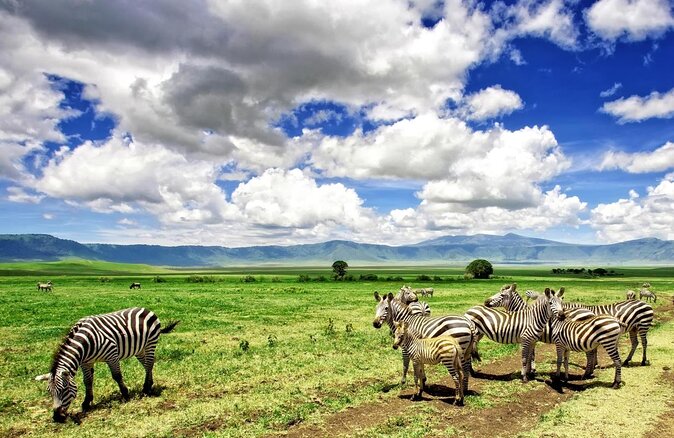
Serengeti is famous for open plains and the annual movement of roughly 1.5 million wildebeest and other grazing animals. Predators follow the herds, but migration timing shifts from year to year. If your main goal is a river crossing, you need to understand that July through September offers the best chance in northern Serengeti, not a guarantee.
The route also gives you a useful change of scenery. You move from Tarangire’s river and baobabs toward wide grassland and the crater highlands. The drive is part of the safari, though you should not expect every minute to be a game-viewing stop.
Day three is the trip’s strongest wildlife day on paper. After an early breakfast, you spend the full day on game drives in Serengeti, with the guide taking you toward areas where animals are active.
A full day gives you more flexibility than a short morning visit. You can spend time looking for the Big Five, watch predator activity, or follow herds as conditions allow. The guide’s radio contacts and knowledge of the park can help locate wildlife, but nature remains unpredictable.
The migration calendar is worth keeping in mind:
- June through September is generally the best period for migration activity.
- January through March is the main calving season.
- July through September can offer a chance of seeing wildebeest near the Mara River in northern Serengeti.
The word chance matters. Herds do not follow a fixed timetable for tour groups. A good guide can adjust the route, but no itinerary can promise a crossing, a cheetah, or a leopard.
Several guides associated with this operator include Nuru, Robert, Mohamed, Florian, and others. Accounts of the safari repeatedly praise guides who keep searching for animals, explain what you are seeing, and adjust the route when a promising sighting develops. Your specific guide is assigned for your departure, so treat those names as examples rather than a promise.
You spend another night at Seronera campsite. Camping inside the park helps you stay close to the wildlife areas, but it also means accepting basic accommodation and early starts.
The day begins around 5:45 a.m. with breakfast and sunrise inside Serengeti. You then take an early morning game drive until about 11:30 a.m., return to camp for a hot lunch, pack your belongings, and continue toward Ngorongoro.
The plan includes more game viewing in Serengeti while heading to Simba campsite for dinner and the night. This is another long day, listed at about 10 hours.
The early start is worthwhile. Morning light is often the best time for photography, and animals may be active before the heat of the day. Still, four early mornings in a row can wear you down. If you need lots of sleep to enjoy a trip, this schedule deserves serious thought.
Simba campsite places you near the Ngorongoro area for the following morning. The practical benefit is clear: you do not have to make the entire approach from Arusha before entering the crater. The less obvious cost is that the day combines a morning drive, packing, more road time, and another camp change.
You wake around 5:30 a.m. for breakfast, then descend into Ngorongoro Crater. The crater floor is one of the most concentrated wildlife areas on this route, and the day’s plan allows six to seven hours of game driving.
You may see elephants, lions, buffalo, hippos, zebras, and other wildlife. The itinerary also highlights the possibility of seeing black rhino and flamingos. Seeing the Big Five is possible, but it should remain a hope rather than a promise. Rhino sightings are particularly special because they are never routine.
Lunch is taken inside the crater while you continue watching the surrounding wildlife. Afterward, you ascend, collect your luggage, and continue toward Jambo Lodge for dinner and the night.
The Mto Wa Mbu cultural visit adds welcome variety after several days focused on animals. You walk through the village, see banana plantations, taste local food, and learn about community projects and everyday life. This is not a grand museum visit. It is a chance to connect the protected parks with the people who live around them.
The schedule places the crater visit and Mto Wa Mbu on the same day, so the cultural portion is fairly short, listed at about one hour. If you want a long, slow village experience, this may feel brief. If you enjoy adding food and local life to a wildlife trip, it is a useful change of pace.
After breakfast, you head to Lake Manyara National Park for a full-day game drive. The park is associated with tree-climbing lions, flamingos drawn to algae in the lake, and a hot spring.
The final day gives you one more chance to see wildlife before returning to Arusha. The plan also includes a visit to a Maasai boma, where you can learn about local culture and traditions.
Lake Manyara is a good closing park because it offers a different setting from the wide Serengeti plains. Water, forest, birdlife, and the possibility of lions in trees give the day its own character. Still, the schedule is demanding. After a full game drive, you return to Arusha, and the activity ends at the meeting point.
The supplied information also says dinner and overnight accommodation in Arusha are included, although the day-by-day schedule focuses on the return to Arusha. Confirm the final night and exact drop-off plan before departure, especially if you have a flight or another booking.
This is sold as a budget camping safari, but the accommodation mix is not tents every night. The itinerary includes Jambo Lodge, Seronera campsite, and Simba campsite, while the package also lists two hotel nights in Arusha.
Past departures have included combinations such as three nights camping and lodge or hotel nights elsewhere. Ask for the exact accommodation plan for your dates. Budget safaris can vary in comfort depending on the lodge, tent setup, and final group arrangement.
Meals are included throughout the route: seven breakfasts, seven lunches, and six dinners are specified in the package details. Coffee and tea are included, as is unlimited mineral water. Alcoholic drinks are not included and can be purchased separately.
Wi-Fi inside the safari vehicle is a useful extra, but do not treat it as the main reason to book. Your strongest connection to Tanzania will be outside the vehicle, watching the parks and talking with your guide. The AMREF Flying Doctors emergency rescue cover is also included, which adds practical reassurance in remote areas.
Flights are not included. Children must be accompanied by an adult, and most people can participate. Pickup and return transport from your accommodation are available, with the listed meeting point at Arusha Tourist Inn on Sokoine Road.
Cancellation is flexible up to 24 hours before the start time for a full refund. Changes or cancellations inside that window are not accepted, and poor weather may lead to a new date or a full refund.
I would recommend this trip to someone who wants the classic northern Tanzania circuit without paying for a private luxury vehicle. It suits people who value access to several parks, simple accommodation, included meals, and a small group more than personal space or slow mornings.
It also works well for first-time safari visitors. The route includes Tarangire, Serengeti, Ngorongoro, and Lake Manyara, so you get a broad look at northern Tanzania in one trip. Mto Wa Mbu and the Maasai boma add cultural stops instead of making every hour about game drives.
You should think twice if you dislike rough roads, tents, early breakfasts, or long transfers. Six days is enough for a strong introduction, but the pace is brisk. You will need to accept that the itinerary may shift with animal movements, road conditions, and park timing.
The guide is central to the experience. Names associated with departures include Nuru, Robert, Mohamed, Florian, and others, with particular praise for guides who search carefully for wildlife and explain what they find. Before booking, ask who will lead your departure, how many people are in the vehicle, and where you will sleep each night.
Book it if you want the major northern Tanzania parks in one reasonably priced package, and you are comfortable with a busy camping schedule. The two Serengeti days, Ngorongoro Crater, small group size, included meals, water, and Arusha transport make the $1,600 price look strong.
Do not book it expecting a guaranteed migration crossing, luxury lodging, or a relaxed pace. The better expectation is simple: long days, basic camps, skilled guiding, impressive wildlife, and a lot of time on the road.
For many people, that is a fair bargain. You get elephants at Tarangire, open Serengeti plains, crater wildlife, Lake Manyara birdlife, and a taste of village life around Mto Wa Mbu. If those priorities match yours, this safari is a sensible way to see Tanzania’s best-known parks without arranging every detail yourself.
FAQ
Other park itineraries that start in Arusha:
- Serengeti Balloon Safari and authentic bush breakfast
★ 5.0 · 2,480 reviews - Balloon Safari & Bush Breakfast in Serengeti – Miracle Experience
★ 5.0 · 1,646 reviews - 4 Days Group Camping Safari
★ 5.0 · 1,101 reviews
How much does the six-day Tanzania safari cost?
The listed price is $1,600 per person.
How large is the tour group?
The activity has a maximum of six travelers.
Which parks and cultural sites are included?
The route includes Tarangire National Park, Serengeti National Park, the Ngorongoro Conservation Area and Crater, Lake Manyara National Park, Mto Wa Mbu Village, and a Maasai boma visit.
Other safaris people book out of Arusha:
- 5 Days Group Camping Safari
★ 5.0 · 730 reviews - 3 Days Serengeti & Ngorongoro Group Camping Safari
★ 5.0 · 574 reviews - 7-Day Premium Luxury Tanzania Safari All-Inclusive
★ 5.0 · 426 reviews - 3-Day Classic Serengeti Safari
★ 5.0 · 263 reviews
Are meals and accommodation included?
Yes. The package includes accommodation, meals according to the itinerary, coffee or tea, and mineral water. It lists seven breakfasts, seven lunches, and six dinners.
Is hotel pickup available?
Yes. Pickup and return transport from your accommodation are available. The listed meeting point is Arusha Tourist Inn on Sokoine Road in Arusha.
Can I cancel for a full refund?
You can cancel at least 24 hours before the experience start time for a full refund. Cancellations or changes made less than 24 hours before the start time are not accepted.
More camping and lodge safaris from Arusha
- 5 Days Camping Tarangire, Serengeti & Ngorongoro crater & Visiting Maasai
★ 5.0 · 229 reviews - 5 Days Best of Tanzania Luxury Safari Northern Circuit
★ 5.0 · 174 reviews - 6 Days Private Budget Safari
★ 5.0 · 163 reviews - 2 Days Tarangire and Ngorongoro Group Camping Safari
★ 5.0 · 146 reviews
Just added in Arusha
- 2-Day Private Luxury Safari from Zanzibar with Flights★ 3.2 · 5 reviews
- Saadani Day Trip★ 5.0 · 13 reviews
- Nyssa Luxury Balloon in Safaris and Serengeti★ 5.0 · 69 reviews
- 7-Day Private Tanzania Safari with Sunset Walking on the Crater Rim and Maasai★ 5.0 · 40 reviews
- Arusha National Park Day Trip★ 4.5 · 18 reviews
- Arusha National Park Private Safari★ 5.0 · 59 reviews
- Arusha: Maasai Village Tour★ 4.8 · 22 reviews
- 3 Days Serengeti & Ngorongoro Tour★ 5.0 · 22 reviews
Camping & Lodge Safaris, compared.
3 Days Serengeti & Ngorongoro Group Camping Safari
Read our review →
5 Days Best of Tanzania Luxury Safari Northern Circuit
Read our review →
2 Days Tarangire and Ngorongoro Group Camping Safari
Read our review →
5-Day private Camping Safari Tour in Tanzania
Read our review →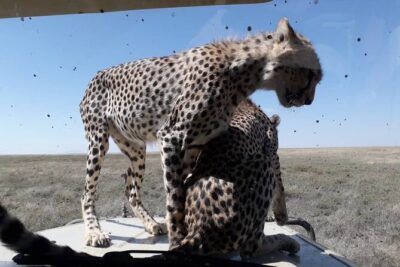
5 Days Tanzania Group Joining Safari, Tarangire/Serengeti/Ngorongoro Crater
Read our review →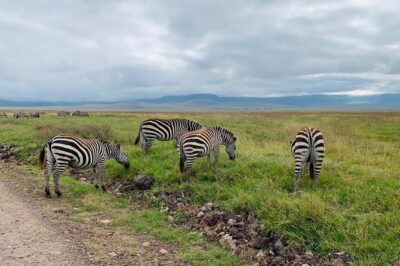
03 days Serengeti and Ngorongoro Crater group (camping)
Read our review →Browse the lists this tour appears in