Reviewed · SAFARI TOURS
4 Days Tanzania Safari Tour
Tarangire’s huge elephant herds, the Serengeti’s open grasslands, and Ngorongoro’s packed crater floor give this four-day Tanzania safari a lot of wildlife variety in a short time. I like the private format and the smart route, which moves from Arusha into Tarangire, then spends two nights around the Serengeti before ending at Ngorongoro.
I also like that the price includes park conservation fees, private transport, and most meals. Guides such as Hassan, Hussein, Ally, and Abduli have been praised for safe driving, animal knowledge, and good storytelling. The main drawback is the pace: you spend long hours on rough park roads, and two nights in the Serengeti is useful but still brief for such a huge area.
Key points before you book
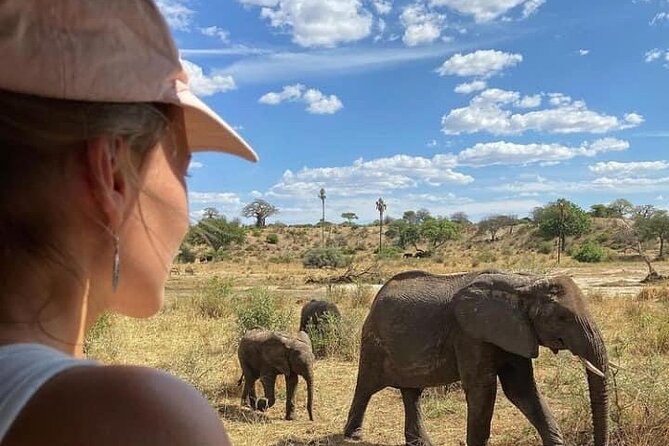
- Tarangire starts the safari with elephant herds and baobab trees, a strong opening day close to Arusha.
- Two nights in the Serengeti give you a better chance at big-cat sightings than a quick drive-through visit.
- Ngorongoro Crater packs a great deal of wildlife into one compact setting, but Day 4 is long and begins early.
- The tour is private, so only your group takes part and the schedule can be more personal than a shared vehicle.
- The $2,395 price includes conservation fees, transport, and meals, but flights, visas, and likely personal expenses are extra.
- Guide quality matters greatly, and the company has used guides including Hassan, Hussein, Ally, Abduli, and Kombo.
Why this four-day route works
A short safari can easily become a parade of driving days. This one avoids that trap as much as possible by giving you a full day in Tarangire, a full day plus another game-drive day in the Serengeti, and a final visit to Ngorongoro Crater.
You begin near Arusha and travel through three of northern Tanzania’s best-known wildlife areas. Each park has a different feel. Tarangire is known for elephants and baobabs. The Serengeti offers wide plains and large predator populations. Ngorongoro gives you a concentrated wildlife experience inside an enormous volcanic caldera.
That variety is the biggest strength of the route. You are not simply looking for the same animals in the same setting each day. The scenery changes, the habitats change, and your chances of seeing different species improve.
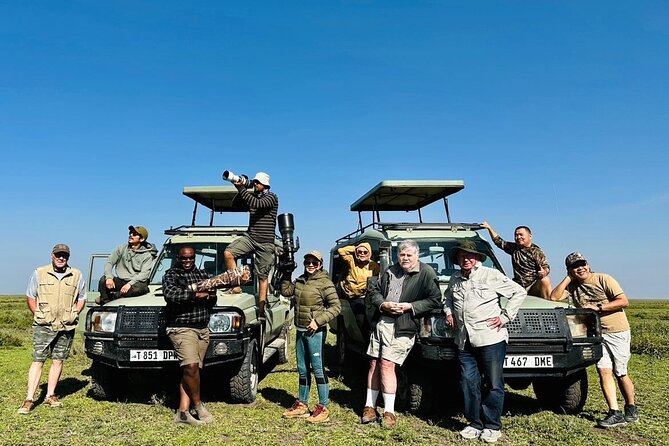
The private setup also matters. You are not placed with a large bus group, and only your party takes part in the activity. That can make a difference when you want to pause for an animal, ask questions, adjust the timing, or spend longer at a good sighting.
Still, four days is a compact introduction rather than a leisurely safari. Expect substantial time in the vehicle. The roads between parks can be long, and a game drive is not a quick sightseeing stop. You need patience, flexible expectations, and a willingness to start early.
Other park itineraries that start in Arusha:
- Serengeti Balloon Safari and authentic bush breakfast
★ 5.0 · 2,480 reviews - Balloon Safari & Bush Breakfast in Serengeti – Miracle Experience
★ 5.0 · 1,646 reviews - 4 Days Group Camping Safari
★ 5.0 · 1,101 reviews
Day 1: Tarangire brings the elephants
Pickup is scheduled from your hotel at 8:00 a.m. From Arusha, you travel alongside the Great Rift Valley toward Tarangire National Park. The journey gives you an early look at the countryside before the game drive begins.
Tarangire is an excellent first park because it offers a strong chance of seeing large mammals without requiring you to reach the more distant Serengeti on the opening day. The park is especially known for its large elephant herds. The baobab trees add an unmistakable shape to the scenery, and the combination of ancient-looking trees, open ground, and wildlife makes the park visually special.
You may also see wildebeests, zebras, antelopes, and many bird species. The appeal here is not only the number of animals. Tarangire has a distinctive character, with elephants often forming the main event and baobabs giving your photographs a strong sense of place.
The plan calls for a full-day game drive, followed by an overnight at a lodge or tented camp. That is a good rhythm. You get a proper wildlife day instead of a short afternoon visit, then finish at an accommodation close enough to continue the safari the next morning.
The tradeoff is the long first day. You leave after breakfast rather than before dawn, so the morning wildlife period may already be underway by the time you reach the park. In return, you avoid making Day 1 an exhausting pre-dawn departure.
Day 2: The road to the Serengeti
After breakfast, you continue toward Serengeti National Park through the Great Rift Valley. This is one of the biggest transition days of the trip. The setting changes from Tarangire’s tree-dotted spaces to the broad plains associated with the Serengeti.
As you approach the park, the sense of scale becomes the point. The Serengeti is enormous, and its open country can make a single herd or lone animal visible from a long distance. The park is famous for wildebeest and zebra migration, but the wildlife story is broader than the migration alone.
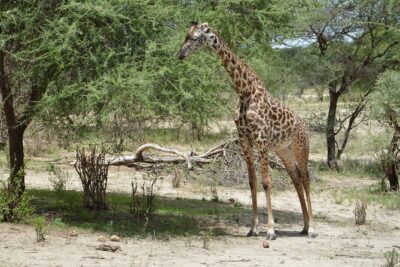
The route highlights lions and other big cats, along with impalas, gazelles, hartebeests, elands, zebras, wildebeests, buffalo, hyenas, and vultures. Giraffes can also occur, though the description rightly treats them as an occasional sight rather than a promise.
The Serengeti is also important for birdwatchers, with 480 recorded bird species. You do not need to be a specialist to enjoy this. Birds add movement and color during quieter stretches when larger animals are out of sight.
The main point to understand is that the Serengeti does not work like a zoo. You can have an exciting predator sighting, then spend a long period seeing only tracks, birds, distant herds, or empty grassland. A good guide helps by reading the terrain, sharing information, and making the quiet stretches worthwhile.
This is also where guide skill becomes especially important. Past safari arrangements with the company have included guides named Hassan, Hussein, Ally, Abduli, and Kombo. The specific guide for your departure may differ, but the strongest feedback centers on safe driving, animal knowledge, clear explanations, and a friendly manner. Ask for your guide’s name and background before you leave Arusha.
Day 3: A full day in the central Serengeti
Day 3 is the core of the safari. You spend the day in the central Serengeti, with an early start recommended for sunrise and a full-day game drive with lunch.
I like this design because it avoids packing up and changing camps after only a few hours. You can focus on the park. An early departure also gives you the best chance of catching the cooler morning period, when some animals are active and the light is good for photographs.
The central Serengeti is a strong place to look for predators and large grazing herds. Lions may be resting after a night of activity, while hyenas and vultures can point toward a recent kill. Impalas, gazelles, wildebeests, zebras, and buffalo help fill out the scene, even when no dramatic action is taking place.
Do not book this trip expecting a guaranteed migration crossing or a certain Big Five sighting. The migration moves with rain and grazing conditions, and animal sightings depend on timing and luck. The provided experience emphasizes the migration and big cats, but no responsible safari can promise a particular encounter.
You return to the lodge after the game drive. Since dinner is included in the package, the evening should be simple: eat, rest, and prepare for another early morning. The schedule rewards people who are comfortable with a full day outdoors and do not need a packed evening program.
Other safaris people book out of Arusha:
- 5 Days Group Camping Safari
★ 5.0 · 730 reviews - 3 Days Serengeti & Ngorongoro Group Camping Safari
★ 5.0 · 574 reviews - 7-Day Premium Luxury Tanzania Safari All-Inclusive
★ 5.0 · 426 reviews - 3-Day Classic Serengeti Safari
★ 5.0 · 263 reviews
Day 4: Ngorongoro Crater and the long return
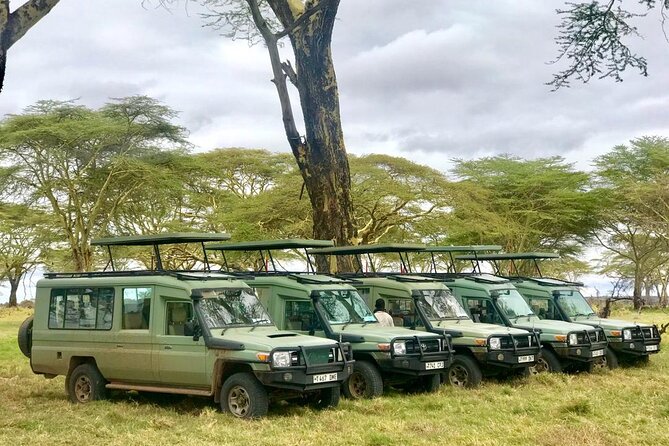
The final day begins very early, with breakfast before departure for the Ngorongoro Conservation Area. You have a short game drive before midday, stop for a hot lunch at the Ngoitoktok public picnic site, then continue the game drive before leaving the crater for Arusha.
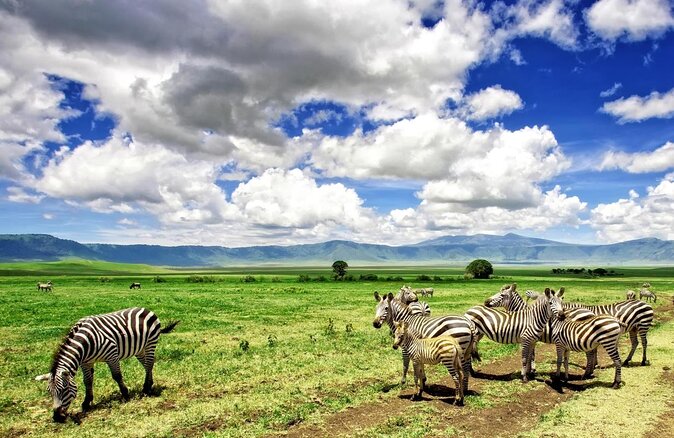
Ngorongoro Crater is the most concentrated wildlife stop on this route. The caldera measures about 19 kilometers across and has a circumference of roughly 260 kilometers. Water and food are available through much of the year, helping support a high number of animals in a relatively contained area.
Inside the crater, you may find lions, elephants, rhinos, buffalo, antelopes, birds, and other wildlife. The crater also includes a river, swamps, and a soda lake with large numbers of flamingos. That mix of water and open ground gives you several habitats in one game-drive setting.
The crater’s compact geography is useful when time is limited. You are not searching across the full scale of the Serengeti. Wildlife can be easier to locate, and the steep crater walls create a dramatic setting around the drive.
There are two things to keep in mind. First, this is a very long day, especially if you continue all the way back to Arusha after leaving the crater. Second, the public picnic stop is practical rather than private or luxurious. You are there for a hot lunch and a break, not a quiet lodge meal.
Even so, Ngorongoro is a fitting final stop. It gives you a different kind of wildlife experience and ends the safari with a place that feels geologically and visually distinct from the other parks.
What the $2,395 price includes
At $2,395 per person, this is not a budget day trip. It is a multi-park private safari with conservation fees, transport, overnight accommodation, and meals built into the package.
The included items are:
- Private transportation
- Conservation fees
- Four lunches
- Four dinners
- Three breakfasts
The price has real value if you want the major logistics handled together. Park fees alone can make northern Tanzania expensive, and private transport gives you a more personal experience than joining a large shared group.
The value also depends on your accommodation standard. The information specifies a lodge or tented camp, but it does not name the properties or promise a particular luxury level. Ask for the accommodation names, room setup, and location before booking. Those details can affect how much time you spend driving to the park each morning.
International flights and visa costs are not included. You should also clarify any extras not listed, such as drinks, tips, laundry, airport transfers, or optional activities. The company has been praised for arranging wider travel details in some cases, including flights, taxis, accommodations, and park arrangements, but those additions should be confirmed in writing for your own booking.
Transport, guides, and daily comfort
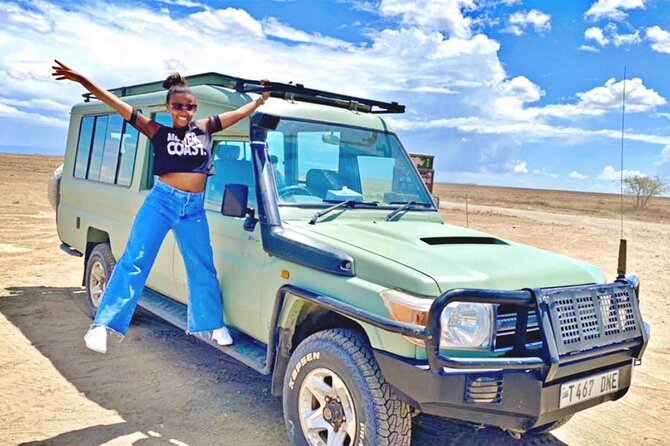
Private transport is one of the most useful features here. Safari roads can be tiring, and having space for your own group is more comfortable than sharing every decision with strangers. One vehicle used on a related safari was described as having water, power plugs, and room for six people plus luggage.
That does not mean every vehicle will be identical. One past account also described a vehicle as outdated, though it still had the equipment needed for the trip. I would ask about the current safari vehicle, passenger capacity, charging points, window arrangements, and luggage limits.
Your guide will shape the trip. Hassan has been praised for safe driving, animal knowledge, and a friendly manner. Hussein has been described as a strong guide with good explanations, while Ally and Abduli have also led highly successful safaris. These names help you understand the company’s guide pool, but you should not assume one specific person will lead your departure.
Ask how the guide communicates animal sightings, how much flexibility you have during game drives, and what happens if weather or park conditions affect the schedule. A calm, observant guide is more valuable than a guide who simply drives quickly from one sighting to the next.
Meals, packing, and the early starts
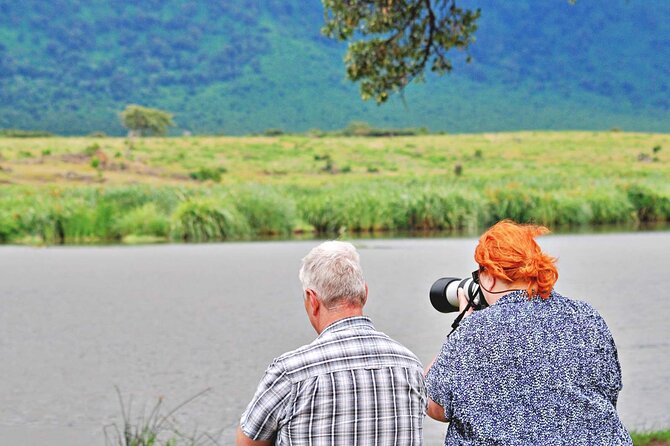
Breakfast is included on the first three mornings, while lunch and dinner are listed for all four days. Lunch is especially important because game drives can keep you away from the lodge for hours.
Pack light but bring layers. Early starts can feel cool, while the middle of the day may be warm. Comfortable clothing, sun protection, a hat, sturdy shoes, and a camera with spare power are sensible choices. Binoculars are useful for birds and distant animals, though they are not listed as included.
Water and charging access should be confirmed with the operator. A related vehicle had water and power plugs, but equipment can vary. Keep essential medicines, documents, and valuables with you rather than in a large suitcase.
The best advice is simple: protect your energy. Eat breakfast, drink water, and accept that some of the best sightings may come after a long quiet stretch. Safari is part observation, part patience.
Who will enjoy this safari most?
This tour suits you if you want the classic northern Tanzania route but have only four days. It is a good match for couples, families, and small private groups who value their own vehicle and want major park fees and meals handled together.
It also suits first-time safari visitors who want variety. Tarangire introduces elephants and baobabs, the Serengeti offers large-scale plains and predator country, and Ngorongoro provides a concentrated final game drive.
You may want a longer safari if you dislike long drives or want more time in the Serengeti. A four-day route leaves little room for delays, extra rest, or a second chance at a particular animal sighting.
The tour is also less suited to anyone seeking a slow, luxury-focused retreat. The days are active, the final return to Arusha is long, and the accommodation details are not specific enough to assume high-end properties.
Booking details worth checking
Confirmation is provided at booking, and the activity is listed as open daily from 7:00 a.m. to 6:00 p.m. Pickup is offered, but you should confirm the exact hotel pickup point and departure time.
Most people can take part, and the tour is private. If you have mobility, dietary, or medical needs, raise them before paying so the operator can confirm what is possible.
The cancellation terms are strict close to departure. You can receive a full refund if you cancel at least six full days before the start time. Cancellation two to six full days ahead allows a 50 percent refund, while cancellation less than two full days ahead receives no refund. The cutoff uses local Tanzanian time.
Should you book it?
I would book this safari if you want a short, private introduction to Tanzania’s northern parks and value a route that includes Tarangire, two Serengeti days, and Ngorongoro. The wildlife variety is excellent for the time available, and the included conservation fees and meals make the price easier to judge.
Before booking, confirm the accommodation names, vehicle condition, passenger capacity, assigned guide, and all extra costs. If those details suit you, $2,395 can be fair value for a tightly organized private safari.
Choose a longer trip instead if your top priority is unhurried time in the Serengeti, a better chance to follow seasonal migration movements, or a more relaxed pace between parks.
FAQ
Where does the safari begin?
The safari begins in Arusha, Tanzania, with pickup offered from your hotel.
How long is the experience?
The safari lasts approximately four days.
Which parks and conservation areas are included?
The route includes Tarangire National Park, Serengeti National Park, and the Ngorongoro Conservation Area.
Is the safari private?
Yes. Only your group participates in the private tour or activity.
What meals are included?
The package includes four lunches, four dinners, and three breakfasts.
Are conservation fees included?
Yes. Conservation fees are included in the stated price.
Are international flights and visas included?
No. International flights and visa costs are not included.
Can I cancel for a full refund?
Yes, if you cancel at least six full days before the experience starts. Cancellation two to six full days ahead allows a 50 percent refund, while cancellation less than two full days ahead is nonrefundable.
Just added in Arusha
- 4 Days Private Midrange Lodge Safari to Serengeti & Ngorongoro★ 5.0 · 4 reviews
- Extraordinary Hot air Bolloon ride in Serengeti | BURIGI CHATO SAFARIS CO L.T.D★ 5.0 · 6 reviews
- 3 days leopard safaris★ 5.0 · 4 reviews
- 8 Days Serengeti Migration safari★ 5.0 · 11 reviews
- tarangire, ngorongoro & lake manyara park 3 days private tour★ 5.0 · 11 reviews
- Mt. Kilimanjaro: Shira plateau to Cathedral point 3872m Day hike★ 5.0 · 7 reviews
- serengeti, ngorongoro & tarangire 4 days private tour★ 5.0 · 18 reviews
- tarangire & ngorongoro 2 days tour★ 5.0 · 14 reviews
Safari Tours, compared.
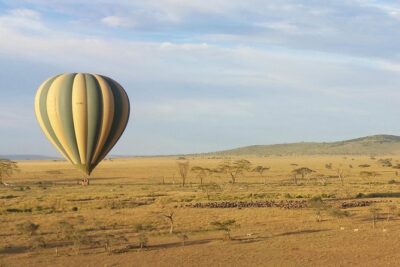
Serengeti Balloon Safari and authentic bush breakfast
Read our review →
Mikumi Safari Day Trip with Flights and Meal
Read our review →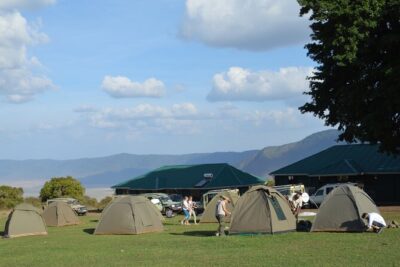
3 Days Serengeti & Ngorongoro Group Camping Safari
Read our review →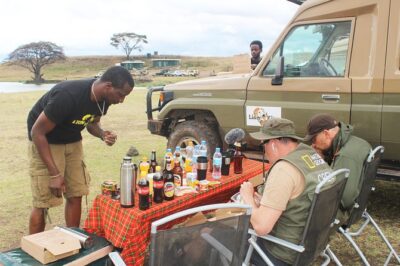
7-Day Premium Luxury Tanzania Safari All-Inclusive
Read our review →
Safari Blue Lagoon Trip with Snorkeling and Lunch
Read our review →