
Reviewed · SAFARI TOURS
4 Days Wildlife Safari and Cultural Experience in Tanzania
Tarangire’s elephant herds, Lake Manyara’s possible tree-climbing lions, and the wildlife-packed floor of Ngorongoro Crater make this a strong four-day introduction to northern Tanzania. The final day adds a cultural encounter at Lake Eyasi, where you may walk with Hadzabe hunter-gatherers.
I like the private vehicle, which gives your group more room and lets you spend time at sightings instead of following a fixed bus schedule. I also like the practical setup: a guide drives, a cook prepares three meals a day, and park fees, camping gear, and drinking water are included.
The main drawback is the pace. Four days cover a lot of ground, and the basic camping setup will not suit anyone seeking lodge comfort. The Hadzabe visit is also not guaranteed, since the tribe’s nomadic movements determine whether a meeting can happen.
Key points to know before booking
- Four famous wildlife areas in four days: You visit Tarangire, Lake Manyara, Ngorongoro Crater, and Lake Eyasi.
- Elephants are the Tarangire specialty: Herds can reach about 300 animals, with buffalo, lion, zebra, wildebeest, and gazelle also possible.
- Ngorongoro is the wildlife centerpiece: More than 25,000 large mammals live around the crater floor, including a chance of seeing black rhino.
- Basic camping keeps the price down: Tents, sleeping mats, chairs, tables, and a camp chef are provided, but you must bring or rent a sleeping bag.
- The cultural day has real uncertainty: A Hadzabe visit may be arranged, but it cannot be promised.
- Guide quality matters: Guides named in company feedback include Gasper, Dan, Joseph, Ombeni, Manaki, and Samwel, with praise focused on safe driving, kindness, and animal knowledge.
Four days from Arusha to Tanzania’s northern safari circuit
This trip gives you a concentrated taste of Tanzania’s best-known northern parks. You begin in Arusha, travel in a private vehicle with your group, and finish back at the starting point after the Lake Eyasi visit.
The price is $1,231 per person. That is not a shoestring outing, but it covers the expensive parts of a safari: national park fees, a private vehicle, a professional guide, camping equipment, a cook, meals, and mineral water. Flights, drinks, tips, visas, travel insurance, and airport transfers cost extra.
I see the price as reasonable for a four-day private safari, especially because park fees alone can make short Tanzania trips costly. The trade-off is comfort. This is the basic category, with public campsites rather than private lodges. You get tents and camp furniture, while nearby facilities are described as offering toilets, bathrooms, dining rooms, a restaurant, swimming pool, and free Wi-Fi.
The wording around the accommodation deserves attention before you pay. Ask the operator exactly where you will sleep each night and which facilities are available at each campsite. The trip description combines public camping with access to lodge-style amenities, so a clear pre-trip conversation will prevent surprises.
Other park itineraries that start in Arusha:
- Serengeti Balloon Safari and authentic bush breakfast
★ 5.0 · 2,480 reviews - Balloon Safari & Bush Breakfast in Serengeti – Miracle Experience
★ 5.0 · 1,646 reviews - 4 Days Group Camping Safari
★ 5.0 · 1,101 reviews
Day 1: Tarangire and the elephant country south of Arusha
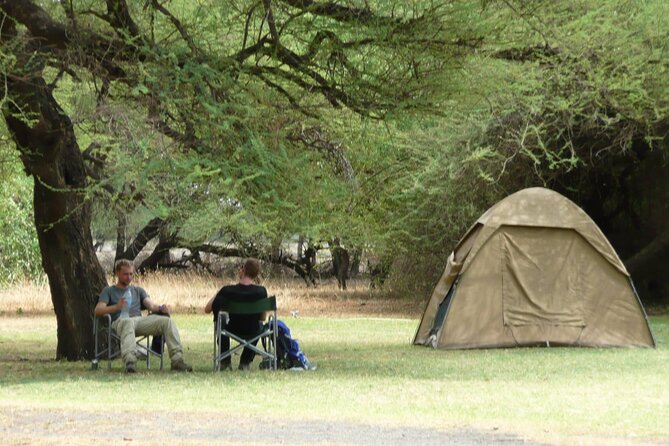
Your first day begins with an early pickup from your Arusha hotel. The drive heads south toward Tarangire National Park, with arrival around lunchtime and a picnic at a designated site.
The afternoon game drive is the reason to come here. Tarangire is famous for large elephant herds, and groups of up to 300 animals may be seen. That does not mean you will always find a herd of that size, but elephants are a central part of the park experience.
You can also look for buffalo, lion, wildebeest, zebra, and gazelle. Lake Burungi’s marshy edges draw mammals toward water, while the same wet areas attract birds. Giant kingfishers, hoopoes, and white-bellied go-away birds are among the species listed for the area.
I like the way this first day starts with a strong wildlife park rather than using your opening hours only for transportation. You get an afternoon drive after lunch, then return to camp for the evening.
The limitation is time. The day is listed at roughly 10 hours, and the pickup, drive, picnic, game drive, and camp arrival make for a full start. Bring a hat, sun protection, and patience for long periods in the vehicle. A safari is partly about searching, not just collecting animal sightings.
Day 2: Lake Manyara’s trees, water, and birdlife
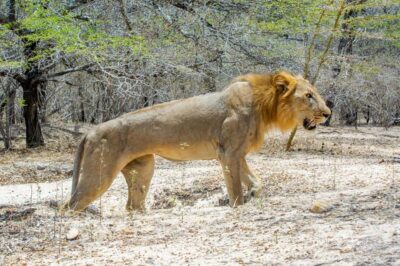
After breakfast at camp, you collect a picnic lunch and head to Lake Manyara National Park. The park is best known for its tree-climbing lions, though seeing them is never something to count on.
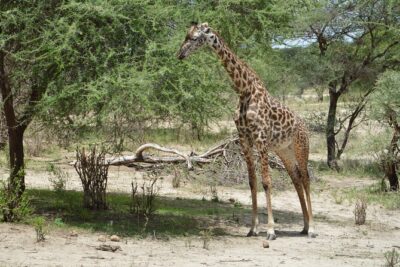
The day can also bring elephant, hippo, wildebeest, buffalo, and giraffe. The park’s birdlife adds a different mood from Tarangire, with pink flamingos providing a striking splash of color. About 400 bird species have been recorded here, so this is a good day to pay attention to smaller sightings rather than focusing only on the big animals.
I like the contrast between Manyara and Tarangire. Tarangire is associated with open areas and large elephant herds, while Manyara gives you water, forest, birds, and the possibility of lions resting in trees. Four days is short, but the parks do not feel like copies of one another.
Again, expect around 10 hours on the road and in the park. A picnic lunch keeps the day moving, but it also means you should carry anything you need between meal stops. Ask your guide to point out birds and plants as well as large mammals. Some feedback about the company praised guides for animal knowledge but noted that explanations were not always offered actively, so it is worth asking questions.
You return to camp for dinner and time to relax. That quiet period matters. Safari days can be tiring, and a meal prepared by the camp chef is a practical advantage over arranging food yourself.
Day 3: Ngorongoro Crater and one of Africa’s great wildlife settings
An early morning game drive takes you into the Ngorongoro Conservation Area. The crater is the visual and wildlife highlight of this trip, and an early start gives you the best chance to enjoy the floor before the day feels crowded and hot.
The crater is the world’s largest volcanic caldera. Its floor includes grassland, forest, and swamp, with permanent water supporting more than 25,000 large mammals. In one day, you might look for elephant, lion, leopard, hyena, jackal, hippo, waterbuck, baboons, and black rhino.
No safari can promise a full list of sightings. Still, Ngorongoro gives you unusually strong odds of seeing a wide range of animals in one contained area. That makes it a smart choice for a short trip. You spend less time searching across a huge park and more time moving among different habitats.
The conservation area also has a human story that should not be overlooked. Maasai people graze cattle in the area, which has been a separate conservation zone since 1956 and a UNESCO World Heritage Site since 1978. The presence of livestock beside wild animals is part of what makes Ngorongoro different from a park designed only for wildlife viewing.
This is another long day, listed at about 10 hours. Roads can be tiring, and the early start may be hard if you have already spent two full days in a safari vehicle. I would still keep the early departure. Ngorongoro is the sort of place where a few extra hours can make a big difference.
Other safaris people book out of Arusha:
- 5 Days Group Camping Safari
★ 5.0 · 730 reviews - 3 Days Serengeti & Ngorongoro Group Camping Safari
★ 5.0 · 574 reviews - 7-Day Premium Luxury Tanzania Safari All-Inclusive
★ 5.0 · 426 reviews - 3-Day Classic Serengeti Safari
★ 5.0 · 263 reviews
Day 4: Lake Eyasi and the chance to meet the Hadzabe
The final day shifts from animal viewing to cultural contact. You spend time around camp with your guide and may visit Hadzabe people near Lake Eyasi.
The Hadzabe are described as one of the last hunter-gatherer peoples, and a walk with them can include joining a hunt. Walks range from 5 to 8 kilometers, and the pace can be quick. If the group finds sizable game, they may move too fast for visitors to follow. In that case, your guide brings you back to camp.
This is not a staged cultural show with a guaranteed timetable. The Hadzabe are nomadic, so a visit may not be possible. The guide will try to arrange it, but you should book this day for the wider setting and the chance of contact, not for a promise.
I appreciate that the uncertainty is stated plainly. It makes the experience more authentic, but it also means you need to be flexible. Wear comfortable walking shoes and expect a more active day than the game drives. The listed duration is about eight hours.
Lake Eyasi also gives the trip a useful change of pace. After three days of searching for wildlife through a vehicle window, you may spend more time walking and learning directly from local people. Treat that opportunity with respect, ask before taking photographs, and follow your guide’s instructions.
What the private safari setup is really like
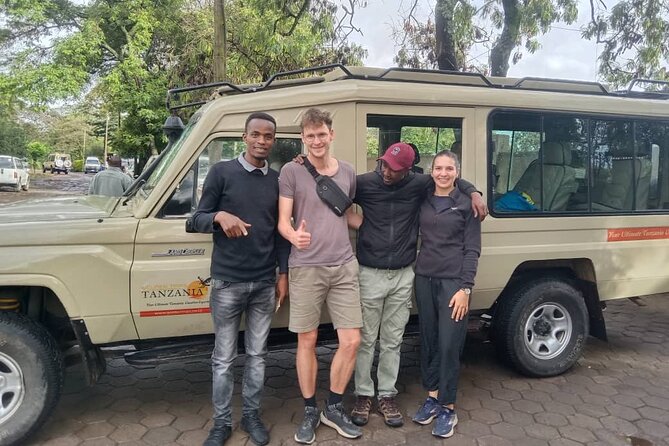
This is a private activity, meaning only your group participates. That is helpful for couples, families, and friends who want control over conversation, photo stops, and the amount of time spent watching an animal.
The guide drives the safari vehicle and leads the park visits. A separate chef prepares the food. Included meals cover four lunches, three dinners, and three breakfasts, so you are not left to find food during long park days.
The company’s guides have received praise for safe driving and for making time for photographs. Gasper was singled out for care and organization, while Dan was praised for driving, animal spotting, and making the most of sightings. Joseph, Ombeni, Manaki, and Samwel were also praised in company feedback for friendliness, patience, and strong safari skills.
You should not assume you will receive one particular guide unless the operator confirms it. What you can reasonably look for is a guide who drives carefully, explains what you are seeing, and listens to your priorities. Some company feedback praised the guides but wished for more active commentary, so tell your guide early that you want explanations about animals, plants, local communities, and conservation.
Camping, meals, and what to pack
The basic camping category is the biggest practical consideration. Equipment includes tents, sleeping mats, chairs, tables, and other listed camping supplies. A sleeping bag is not included, but one can be rented for $15.
You receive mineral water, but alcoholic and soft drinks are extra. Bring personal spending money for drinks, souvenirs, and other small purchases. The operator can accommodate gluten-free, vegan, vegetarian, and other dietary needs, but you should provide those details when booking.
I would pack light, since safari vehicles have limited space. Include:
- A sleeping bag or the $15 rental fee
- Comfortable walking shoes for the Lake Eyasi activity
- Sun protection and a hat
- Warm layers for early departures and evenings
- Camera equipment and spare power
- Any preferred snacks or drinks not covered by the package
Do not assume airport transfers are included. Airport pickup costs $50 per car, and airport drop-off costs the same. The activity begins and ends at the stated meeting point in Arusha, so arrange your hotel and transfer plans around that detail.
Who will enjoy this trip most
You should consider this tour if you want the major northern Tanzania highlights in a short window and are comfortable with basic camping. It suits people who value time in national parks more than polished accommodation.
It is also a good match for first-time safari visitors who want elephants, big cats, birds, crater scenery, and a cultural possibility without adding a longer Serengeti section. The private vehicle is useful for couples and small groups who want a more personal experience.
I would be more cautious about recommending it to anyone who needs guaranteed lodge comfort, dislikes early starts, or expects every cultural encounter to happen exactly as planned. The Lake Eyasi visit depends on the Hadzabe’s movements, and the four-day schedule leaves little room for delays.
The trip is also not ideal if your main goal is an extended Serengeti safari. That park is not included here. Instead, you get a compact circuit centered on Tarangire, Manyara, Ngorongoro, and Lake Eyasi.
Booking details and cancellation terms
Confirmation is provided at booking. Most people can participate, and the activity is near public transportation. Alcoholic drinks are allowed only for people aged 18 and older.
You can cancel for a full refund up to three full days before the local start time. Cancellations within three days are not refunded, and changes inside that period are not accepted. Travel insurance is not included, so protect yourself against costs connected with illness, transport changes, or other disruptions.
Should you book this four-day safari?
Book it if you want a well-packed introduction to northern Tanzania with strong wildlife areas, private transport, a camp cook, and a possible Hadzabe encounter. The combination of Tarangire elephants, Manyara’s birdlife, Ngorongoro’s concentrated animal viewing, and Lake Eyasi gives you four different kinds of experience.
Before paying, confirm the exact campsite arrangements, sleeping setup, pickup plan, and guide assignment. If you are comfortable with simple camping and a busy schedule, the $1,231 price offers solid value because so many major costs are covered. If you need hotel-style rooms or a guaranteed cultural visit, choose a slower and more comfortable trip instead.
FAQ
Where does the safari begin and end?
The activity begins at the meeting point in Arusha, Tanzania, and ends back at the same meeting point.
What parks and cultural sites are included?
The four-day route includes Tarangire National Park, Lake Manyara National Park, the Ngorongoro Conservation Area and Crater, and Lake Eyasi.
Is the Hadzabe visit guaranteed?
No. The Hadzabe are nomadic, so a visit cannot be guaranteed. The guide will try to arrange it when possible.
Is camping equipment provided?
Yes. Tents, sleeping mats, chairs, tables, and other listed camping equipment are provided. A sleeping bag is extra and can be rented for $15.
Are meals and drinking water included?
Yes. The package includes four lunches, three dinners, three breakfasts, and mineral water. Alcoholic and soft drinks are not included.
What is the cancellation policy?
You can receive a full refund if you cancel at least three full days before the experience begins. Cancellations or changes made within three days are not accepted for a refund.
More history and culture tours in Arusha
- Arusha Guided Walking City Tour, Culture, Lifestyle & History
★ 5.0 · 150 reviews - Zanzibar: Stone Town Historical Cultural Walking Guided Tour
★ 4.5 · 179 reviews - Stone Town Historical Walking Tour
★ 5.0 · 143 reviews - Stone Town’s Hidden History: Private Guided Walking Tour
★ 4.6 · 94 reviews
Just added in Arusha
- 2-Day Private Luxury Safari from Zanzibar with Flights★ 3.2 · 5 reviews
- 7-Day Private Tanzania Safari with Sunset Walking on the Crater Rim and Maasai★ 5.0 · 40 reviews
- Saadani Day Trip★ 5.0 · 13 reviews
- Nyssa Luxury Balloon in Safaris and Serengeti★ 5.0 · 69 reviews
- Arusha National Park Day Trip★ 4.5 · 18 reviews
- Arusha National Park Private Safari★ 5.0 · 59 reviews
- Arusha: Maasai Village Tour★ 4.8 · 22 reviews
- 3 Days Serengeti & Ngorongoro Tour★ 5.0 · 22 reviews
Safari Tours, compared.
Serengeti Balloon Safari and authentic bush breakfast
Read our review →
Mikumi Safari Day Trip with Flights and Meal
Read our review →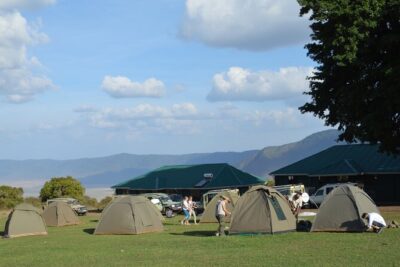
3 Days Serengeti & Ngorongoro Group Camping Safari
Read our review →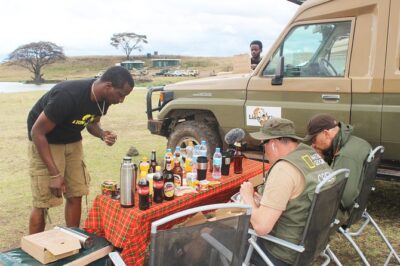
7-Day Premium Luxury Tanzania Safari All-Inclusive
Read our review →
Safari Blue Lagoon Trip with Snorkeling and Lunch
Read our review →
Browse the lists this tour appears in