
Reviewed · KILIMANJARO TREKS
5 Days Climbing Mount Kilimanjaro Marangu Route
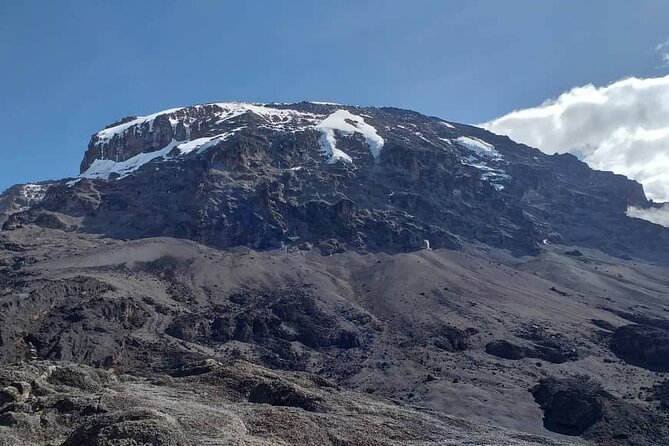
The Marangu Route gets its Coca-Cola nickname for good reason: it is Kilimanjaro’s shortest and simplest path to Uhuru Peak, with sleeping huts instead of tents at every overnight stop. You walk from tropical forest to high moorland, across the stark Saddle between Mawenzi and Kibo, then make a slow night climb to the summit.
I like the beds, mattresses, and solar lights, which make this route less rough than tent-based options. I also like that the $1,650 price covers meals, park and rescue fees, porters, water, and transport. The main concern is the five-day schedule: summit day runs about 12 hours, and the short itinerary gives you little spare time to adjust to altitude.
Key points to know before booking
- Five days to Uhuru Peak: You reach the summit on day four, then descend to Moshi on day five.
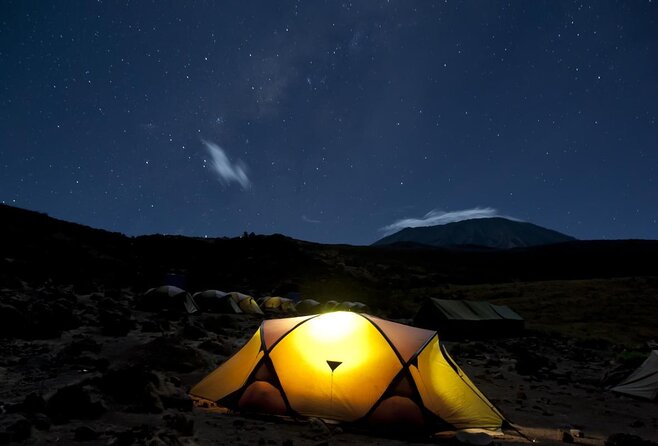
- Huts at every camp: Communal bunk rooms have beds, sponge mattresses, pillows, and solar lighting.
- A long summit day: Expect a middle-of-the-night start, a steep climb to Gilman’s Point, a crater-rim walk to Uhuru Peak, and a return to Horombo Hut.
- A broad package price: The $1,650 fee includes meals, guide, porters, park fees, rescue fees, water, and hotel transfers.
- Private group format: Only your group takes part, with pickup offered from your Moshi hotel.
- Bring your own gear: Personal clothing and climbing equipment are not included.
What the five-day Marangu climb is really like
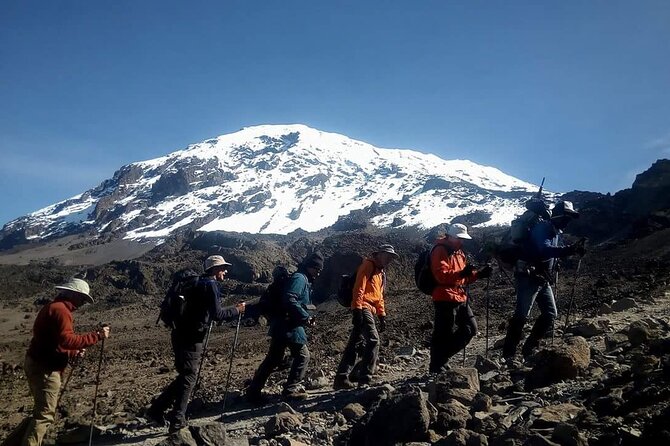
This is the most direct way to experience Kilimanjaro in the supplied schedule. You begin at Marangu Gate and finish back at the same side of the mountain, but the scenery changes sharply as you gain height.
The first day feels like a forest walk. By the third day, you are crossing an open volcanic plain with two giant peaks in view. Day four is the hard test: darkness, steep ground, cold conditions, and altitude all arrive at once.
The route is called the easiest and shortest, but that label needs care. The path may be less technical than other routes, and the huts reduce camping work, but altitude does not become easier because you have a bed. The five-day plan is brisk, particularly before the summit attempt.
Other routes up the mountain from Moshi:
- Kilimanjaro climb by Lemosho Route (7-day)
★ 5.0 · 651 reviews - Kilimanjaro climb, Machame Route (7-day)
★ 5.0 · 262 reviews - Kilimanjaro Climbing Lemosho Route 8 Days.
★ 5.0 · 186 reviews
Day 1: Marangu Gate to Mandara Hut through rainforest
Pickup is arranged from your hotel in Moshi, with the stated meeting time at 7:00 a.m. At Marangu Gate, you complete the required park formalities before beginning the walk.
The trail rises through tropical rainforest toward Mandara Hut. This is the gentlest introduction to the mountain, though you still need to settle into a steady pace. Blue monkeys may appear near the upper edge of the forest, adding a bit of life to an otherwise quiet first climb.
The walk takes about five hours, and the admission fee is included. Mandara Hut is at about 2,700 meters, or 8,858 feet. You sleep in a communal hut rather than a private room, with a bunk, sponge mattress, pillow, and solar light.
That arrangement is one of the route’s clearest advantages. You do not need to pitch a tent, and you can put your attention on eating, drinking, and resting. The tradeoff is privacy. This is basic mountain accommodation, not a lodge.
Day 2: Forest gives way to high moorland
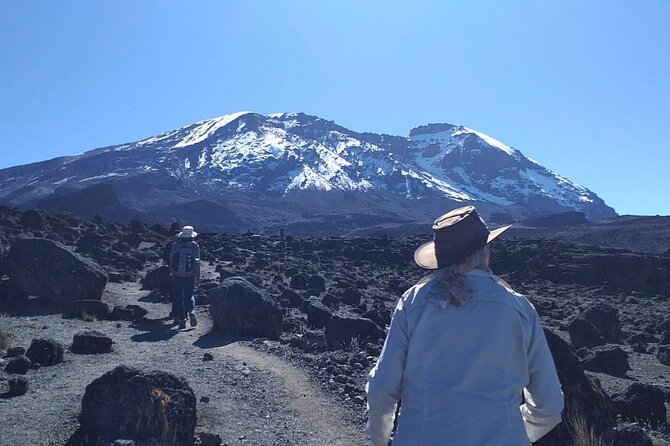
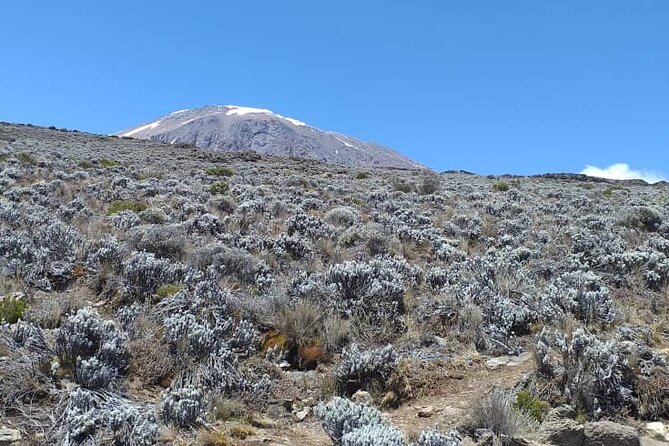
Day two takes about eight hours. The trail begins with a steep section through the forest, then opens into high moorland as the trees thin out.
If the sky is clear, you may get your first views of Kibo and Mawenzi. These are two of Kilimanjaro’s three volcanic peaks, and seeing them from the trail helps you understand the scale of the climb still ahead.
The change in scenery is the reward here. The shaded forest is replaced by open ground and bigger views. It also means less shelter from sun, wind, and rain, so keep weather gear close rather than buried in your bag.
At the end of the day, you return to hut accommodation. Meals are included throughout the climb: breakfast, lunch, and dinner are part of the package. Five breakfasts are also listed, so clarify the exact meal plan with the operator before departure if you have dietary needs or an unusual pickup time.
Day 3: Across the Saddle to Kibo Hut
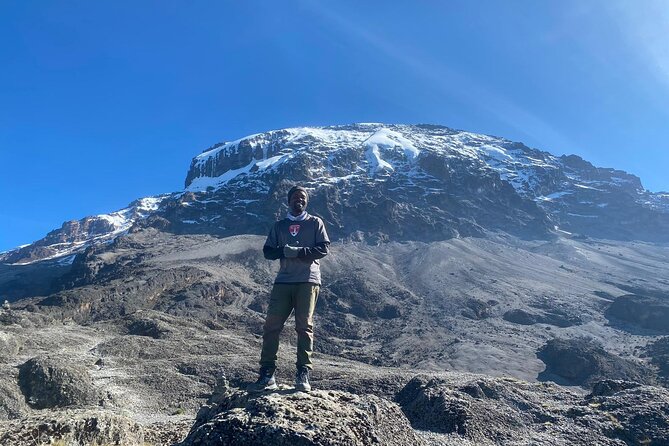
The third day is about eight hours and takes you across the lunar-looking Saddle, the broad volcanic area between Mawenzi and Kibo. The walking is gradual for much of the day, but the altitude makes even a moderate path feel demanding.
Kibo is the summit cone you will climb that night. Your camp sits at the bottom of the Kibo crater wall, close to the starting point for the final ascent. This is a useful position because it cuts down the distance before the summit, but it also places you high before your body has had much time to adjust.
Once you reach camp, the schedule changes. You rest, eat an early dinner, and prepare your clothing and equipment for the night climb. Try to treat this as a quiet work period, not a social evening. The next start comes in the middle of the night, and every minute of sleep matters.
The five-day format is most demanding here. On a longer route, you usually have more time to gain height gradually. This program gets you to Kibo quickly, so you need to be comfortable with a compact schedule and a serious summit day.
Same base, a different kind of day out:
- Safari Serengeti And Ngorongoro
★ 5.0 · 288 reviews - Climbing Kilimanjaro – Machame Route
★ 5.0 · 170 reviews - Climbing Kilimanjaro through 7 days Machame Route
★ 5.0 · 151 reviews - Kilimanjaro climb, Lemosho Route (8-day)
★ 5.0 · 148 reviews
Day 4: The midnight push to Gilman’s Point and Uhuru Peak
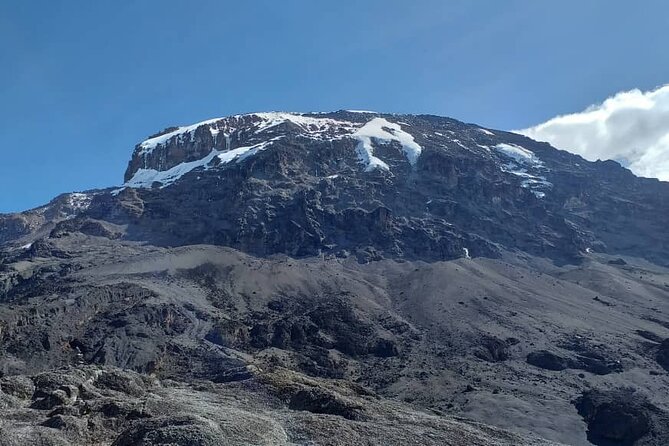
Summit day begins in the middle of the night. The first major target is Gilman’s Point on the crater rim. The ascent is steep, and the pace is intentionally slow and steady.
From Gilman’s Point, you traverse the crater rim to Uhuru Peak, the highest point on Kilimanjaro. The stay at the summit is brief. You have time for photographs and views, but the cold, altitude, and long descent make lingering a poor plan.
The full day lasts about 12 hours and ends at Horombo Hut. That is a very long stretch of walking, with the hardest uphill section at the start and a major descent afterward. Your guide and porters are part of the package, but you still need to carry your personal essentials and manage your own clothing layers.
This is also the day when the route’s reputation can mislead you. There is no technical climbing described here, but the summit attempt is physically serious. You should expect fatigue, a slow pace, and changing conditions. The trip is suitable for most participants according to the supplied information, but that does not remove the need for sensible personal preparation.
Day 5: A long descent through moorland and forest
After breakfast, you descend toward Mandara Hut and then continue through the forest to Marangu Gate. The walking time is about seven hours.
The descent gives you a second look at the mountain’s vegetation zones, but it can be hard on tired legs. The lower path may be wet and muddy, especially in the forest. Gaiters and trekking poles are specifically useful here.
At lower elevations, shorts and a T-shirt may be enough for walking, but keep rain gear and warmer clothing handy. Mountain weather can shift, and you do not want your waterproof layer buried at the bottom of your pack.
A vehicle meets you at Marangu village and takes you back to your Moshi hotel. This final transfer matters after a long summit day and descent. You are not left to arrange your own ride from the park gate.
Hut sleeping changes the feel of the route
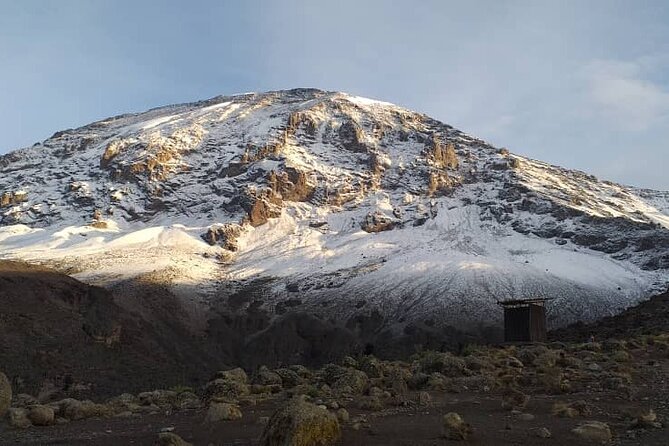
Marangu is the only route in this program with huts at every camp. Each site has communal sleeping quarters, bunk beds, sponge mattresses, pillows, and solar lights.
For many climbers, this is the deciding advantage. You avoid carrying or sleeping in a tent, and the huts provide a clear place to dry out, eat, and organize your next day. The solar lighting is modest, but it is useful when you are sorting gear before dawn.
The huts are communal, so you should expect a shared sleeping area rather than hotel-style comfort. Bring personal equipment that helps you rest, but remember that the operator does not provide your personal gear. The information supplied does not list a rental service, so ask about equipment before you arrive if you need anything specific.
What the $1,650 price covers
At $1,650 per person, the package is not just a guiding fee. It includes:
- Breakfast, lunch, and dinner
- An experienced, certified English-speaking guide
- Hotel pickup and drop-off
- National Park gate fees
- Required rescue fees
- Porter salaries
- Camping fees
- Unlimited mineral water
That is a useful bundle for a mountain trip. Park and rescue charges are required costs, and porters remove much of the burden of moving shared supplies and camp items. Meals and transfers also make the total easier to plan.
The value depends on what is not included. Your personal clothing, footwear, backpack, sleeping accessories, and other climbing equipment are your responsibility. The price also does not compensate for the short schedule if you would be more comfortable with extra altitude-adjustment time.
I would compare the total price, not just the headline number. Ask what meal arrangements are made for summit night, what personal gear can be hired, and how porter duties are handled. Those questions matter more than small differences between operators.
Guide and porter standards deserve attention
The package includes a certified, experienced, English-speaking guide and porters. The group is private, meaning only your own party takes part rather than joining a larger public departure.
That private format can make pacing and communication simpler. You can discuss the day directly with your guide and stay with your own group. No guide names are provided, so you should request the name and contact details of the lead guide before the climb.
I would also ask how porter fitness, wages, and luggage limits are managed. One account connected with this experience raised concerns about two porters being unfit for the walk and about communication becoming slower after payment. The operator apologized for the problem, but it is still a useful reason to confirm the crew and support plan before departure.
There was also positive feedback about early communication, the option to pay in cash on arrival, accommodation, and transport. The balance is clear: the basic arrangement can work well, but you should confirm the operational details rather than assume every departure will run in the same way.
Weather, clothing, and small gear that matters
August can bring clear skies and cool, crisp air, which is helpful for trekking and views. Conditions on Kilimanjaro still vary by altitude, so pack for both wet forest and cold summit conditions.
For the descent, bring gaiters and trekking poles if you have them. The lower trail can be muddy, and poles are useful when your legs are tired after summit day.
Keep rain gear and warm clothing easy to reach. The advice to wear shorts and a T-shirt at lower elevations applies to the warmest portions of the route, not the summit. You will need to manage layers as the climate changes during the climb.
The operator supplies unlimited mineral water, but you still need a personal way to carry and drink it. Personal gear is not included, so plan that part carefully before arriving in Moshi.
Who should choose this route?
I would consider this trip if you want hut sleeping, a private group, and a direct five-day route with the major costs bundled together. It suits a climber who values a simple camp setup and does not want to sleep in tents.
It is less appealing if you prefer a slower altitude schedule or want a more spacious itinerary. The five-day plan compresses the climb, and day four is a major physical effort.
The route also suits someone who wants a clear progression of scenery: rainforest, moorland, the Saddle, Kibo, the crater rim, and then the long return through the forest. You get a strong sense of Kilimanjaro’s changing zones without adding extra route days.
Should you book the five-day Marangu Route?
Book it if hut accommodation, included park costs, porters, meals, water, and hotel transfers are your main priorities. The price covers many expenses that can otherwise arrive as surprises, and the private-group format is a practical plus.
Think twice if your main goal is the best possible altitude adjustment. Five days is efficient, but it leaves little margin for a slow response to the height or a bad weather delay.
Before paying, confirm the guide’s name, the porter arrangements, the personal equipment you must supply, and the exact meal plan. If those answers are clear and you are ready for a long summit day, this is a straightforward way to attempt Uhuru Peak from Moshi.
FAQ
How long does the Kilimanjaro Marangu Route experience last?
The climb lasts approximately five days. The listed walking times are about five hours on day one, eight hours on days two and three, 12 hours on summit day, and seven hours on the final descent.
Where does the climb begin?
The climb begins at Marangu Gate after the required park formalities. Hotel pickup is offered, and transport returns you to your Moshi hotel after the descent.
What time does the experience start?
The stated meeting time is 7:00 a.m. The summit attempt begins in the middle of the night on day four.
Are meals included?
Yes. Breakfast, lunch, and dinner are included, and five breakfasts are listed in the package details.
Do I sleep in tents?
No. This route uses communal sleeping huts at each camp. The bunks have sponge mattresses and pillows, and the huts have solar lights.
Are park fees and porters included?
Yes. National Park gate fees, required rescue fees, porter salaries, and camping fees are included.
Do I need to bring my own climbing equipment?
Yes. You must bring your own personal equipment and gear. The package does not include personal clothing or climbing equipment.
Can I cancel for a full refund?
You can cancel at least 24 hours before the local start time for a full refund. Cancellations or changes made less than 24 hours before the start are not accepted for a refund.
Just added in Moshi
- Wildlife Extravaganza: Manyara, Tarangire & Ngorongoro in 3 Days★ 5.0 · 3 reviews
- West Kilimanjaro cycling Adventures★ 4.5 · 8 reviews
- machame route★ 5.0 · 16 reviews
- Kilimanjaro Climbing Umbwe Route★ 5.0 · 3 reviews
- Mt Kilimanjaro 6 days Marangu route hike★ 5.0 · 3 reviews
- Kilimanjaro Climb • Machame Route ~ 10 Day★ 5.0 · 6 reviews
- 3 Days Private E-Bike Tour in West Kilimanjaro★ 5.0 · 3 reviews
- Private Cycle to Kilimanjaro Bike Park Safari★ 5.0 · 6 reviews
Kilimanjaro Treks, compared.



8-Day Small-group Lemosho Kilimanjaro Summit Trekking
Read our review →

5 Days Best of Tanzania Luxury Safari Northern Circuit
Read our review →

Climbing Kilimanjaro through 7 days Machame Route
Read our review →
7-Day Machame Kilimanjaro Summit Tour from Arusha
Read our review →Browse the lists this tour appears in