
Reviewed · NGORONGORO CRATER TOURS
5 Days Lodge Safari – Tarangire, Serengeti, Ngorongoro & Manyara
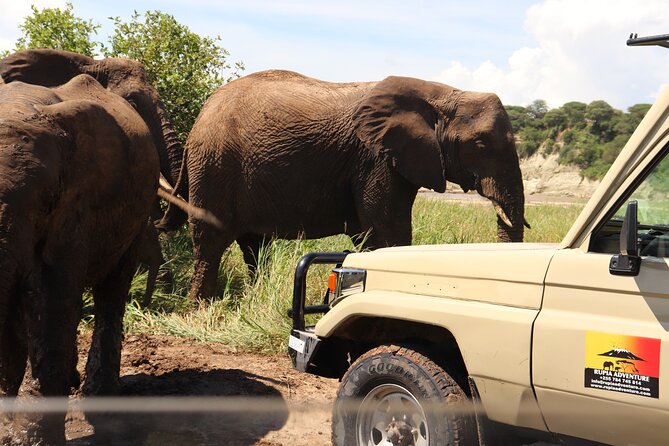
The best part of this safari is the variety packed into five days. You move from Tarangire’s baobabs and elephant herds to the wide Serengeti plains, then into the wildlife-filled bowl of Ngorongoro Crater and the green forests of Lake Manyara. It is a fast-moving route, but each park has a different character.
I like the four-park route and the fact that all meals are included, which keeps the trip simple after long hours on rough park roads. I also like the practical tent setup: foam mattresses and mosquito nets built into the doors and windows. The main drawback is the pace. You will spend many hours driving, and the schedule leaves little room for a slow morning or extra time in one park.
Key points to know before booking
- Four major parks in five days: Tarangire, Serengeti, Ngorongoro, and Manyara all appear in one compact trip.
- Elephant country first: Tarangire is known for large elephant herds, baobab trees, and the Tarangire River.
- Two Serengeti game drives: You get an afternoon drive on day two and a morning drive on day three.
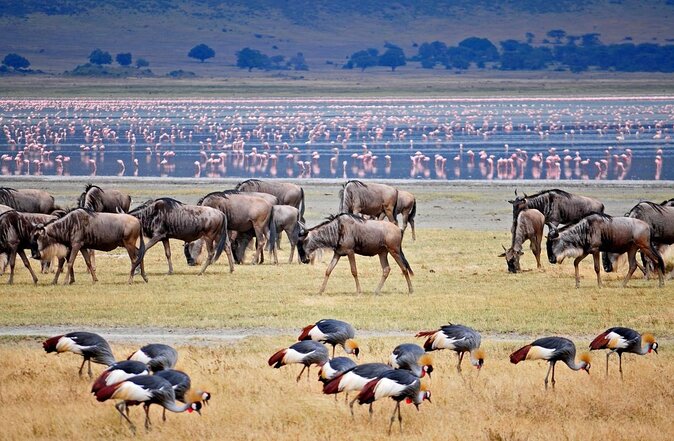
- Five hours in Ngorongoro Crater: The crater floor gives you a strong chance to see lions, elephants, hippos, flamingos, and possibly rhinos.
- Camping with useful basics: Dome tents include built-in mosquito nets and foam mattresses, while campsite bathrooms are shared.
- A social group safari: The maximum group size is 15, though some bookings have been smaller or combined with other groups.
Why this four-park route works
At $2,600 per person, this is not a budget day trip. It is a full safari package with pickup from Arusha, transport between parks, meals, accommodation, game drives, and a guide. The price makes more sense if you want the main northern Tanzania circuit without planning each transfer and park entry yourself.
You should also understand what you are buying. This is not four relaxed park visits. It is a compact wildlife tour with long road sections, early starts, picnic lunches, and several changes of accommodation. I would choose it if your time in Tanzania is limited and you want a broad first look at the northern parks.
The group limit of 15 keeps the trip from becoming a huge convoy, but the actual feel may depend on how bookings are combined. Some past departures included only a few people, while others joined different parties during the route. That can be good for meeting people, though it may also mean changing guides or group arrangements.
The strongest praise has focused on the guides. Names associated with past trips include Mirage, Joseph, Nora, Emanuel, and Balthazar. Mirage was described as a guide with about 20 years of experience, while Nora was praised for clear explanations and a professional approach. Your guide is not guaranteed to be one of these people, but the operator has a record of using experienced drivers who also handle wildlife spotting and park navigation.
Other park itineraries that start in Arusha:
- Serengeti Balloon Safari and authentic bush breakfast
★ 5.0 · 2,480 reviews - Balloon Safari & Bush Breakfast in Serengeti – Miracle Experience
★ 5.0 · 1,646 reviews - 4 Days Group Camping Safari
★ 5.0 · 1,101 reviews
Day 1: Tarangire’s elephants and giant baobabs
Pickup is scheduled for 8:30 AM from your hotel in Arusha. You then head toward Tarangire National Park with a picnic lunch for a full day of game viewing.
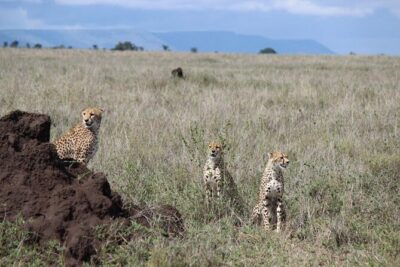
Tarangire is an excellent opening park because it gives you a quick sense of what makes a Tanzanian safari special. The Tarangire River draws animals through the park, and the huge baobabs give the scenery a shape you will not find in the same way elsewhere. Elephants are the headline sight, often seen in large herds, but the park can also produce lions, leopards, cheetahs, giraffes, zebras, buffalo, eland, oryx, and lesser kudu.
You should keep your expectations sensible. Seeing a particular animal is never guaranteed, and the schedule does not promise a specific route through the park. Still, Tarangire offers a strong mix of mammals and scenery, and it is less repetitive than simply spending the first day driving toward the Serengeti.
The picnic lunch is practical. You stay out for the game drive rather than returning to a lodge in the middle of the day. After the drive, you return to camp or lodge for dinner. Since this is your first full day, the combination of road travel, watching animals, and sitting in a safari vehicle can feel tiring sooner than expected.
Day 2: The long road to the Serengeti
After breakfast, you travel toward Serengeti National Park across broad grasslands. The Serengeti is the trip’s largest wildlife stage, and the route itself is part of the experience. You may see wildebeest, zebras, gazelles, or lions during the afternoon game drive, though the animals are spread over a very large area.
The word Serengeti is often linked with the great migration, but this safari should not be sold as a guaranteed migration sighting. The description promises herds and predators, not a particular seasonal location. Your actual sightings will depend on the time of year, recent animal movement, and the guide’s choices.
The tradeoff is distance. Reaching the Serengeti from the Tarangire area takes time, and you will spend much of this day on the road before the afternoon drive. That makes the second day feel less like a full park day than the schedule may suggest. Still, arriving in the Serengeti and seeing the plains open around you is one of the major reasons to accept the long transfer.
A picnic lunch keeps the day moving. Dinner and overnight accommodation follow the afternoon drive. If you want the best chance at a quiet evening, bring a warm layer, a headlamp, and patience. The supplied details confirm tented accommodation and shared campsite toilets, but they do not specify every camp or lodge, so conditions can vary.
Day 3: A final Serengeti morning and the crater rim
Day three begins with a morning game drive in the Serengeti. This is a useful addition to the route because animals may behave differently early in the day, and you get another chance to look for big cats, grazing herds, and other wildlife before leaving the park.
Later, you travel toward the Ngorongoro Crater rim with a picnic lunch. Ngorongoro is a collapsed volcanic crater about 14 kilometers across, with a floor of grassland, water, and marsh areas. The crater’s enclosed setting helps support a dense concentration of animals, including the big five.
The rim is cooler than the lower areas, and you should pack warm clothing. One French-language account specifically advised bringing extra layers for Ngorongoro, a tip worth taking seriously. Early mornings and evenings can feel cold, even after warm days elsewhere on the route.
This day is another long transfer day. You gain access to two famous places, but you do not get a full leisurely day in either one. If you prefer a slower safari, a longer Serengeti itinerary would give you more time there. If your goal is to sample several parks, this arrangement is efficient.
Other safaris people book out of Arusha:
- 5 Days Group Camping Safari
★ 5.0 · 730 reviews - 3 Days Serengeti & Ngorongoro Group Camping Safari
★ 5.0 · 574 reviews - 7-Day Premium Luxury Tanzania Safari All-Inclusive
★ 5.0 · 426 reviews - 3-Day Classic Serengeti Safari
★ 5.0 · 263 reviews
Day 4: Five hours on the Ngorongoro Crater floor
After an early breakfast, you descend into the crater for about five hours of game viewing. This is the most concentrated wildlife section of the trip. The crater floor has watering holes and varied habitats, which can bring many species into a relatively compact area.
You may see lions, elephants, zebras, hippos, flamingos, jackals, antelopes, and many bird species. Rhinos are also listed among the possible sightings, but no safari can promise one. The same applies to the famous big five. The crater improves your odds because of its enclosed habitat, not because sightings are automatic.
The bird list is unusually broad for a standard safari description. It includes eagles, vultures, flamingos, storks, giant vultures, sacred ibis, kori bustards, blacksmith plovers, long-necked herons, and cattle egrets. If you care about birds, tell your guide early. A guide who knows your interests can spend more time identifying species rather than rushing from one large mammal sighting to another.
Lunch is planned at the Hippo Pool. Afterward, you make the steep climb out of the crater and drive about two hours to accommodation in Karatu. This is a full day, and the combination of an early start, five hours on the crater floor, the climb out, and the final road section may leave you ready for an early night.
The crater is often the emotional high point for first-time safari visitors because you can see so much in one setting. It is also the day when the schedule feels most demanding. You are paying for access to a remarkable place, but you are not getting a quiet, private picnic beside the water. Expect a shared safari rhythm and a busy timetable.
Day 5: Lake Manyara’s forested finish
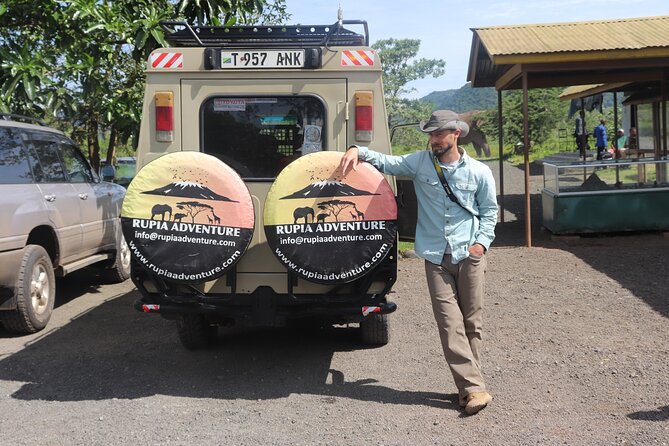
The final day starts at about 8:00 AM after breakfast. You drive toward Arusha through Lake Manyara National Park and spend roughly half a day on a game drive.
Manyara changes the scenery again. Instead of the dry openness of Tarangire or the vast Serengeti plains, you enter forests of acacia and mahogany. The park can provide sightings of buffalo, giraffes, impalas, baboons, and blue monkeys. Those monkeys are an especially good reason to pay attention to the trees rather than scanning only the road and open ground.
Tree-climbing lions are one of Manyara’s best-known attractions, but the itinerary correctly treats them as a matter of luck. You may see lions in trees, on the ground, or not at all. During the right season, flamingos can gather along the lake shoreline and create a pink band across the water. The timing of that sight is seasonal, so do not choose this trip solely for flamingos.
A picnic lunch is included, and the game drive continues until mid-afternoon before the return to Arusha. This final park gives the trip a good visual change, but it also makes day five another substantial day on the road. If you have an evening flight, confirm the timing carefully before booking. The provided schedule does not promise a precise arrival time in Arusha.
Sleeping in dome tents and sharing campsite facilities
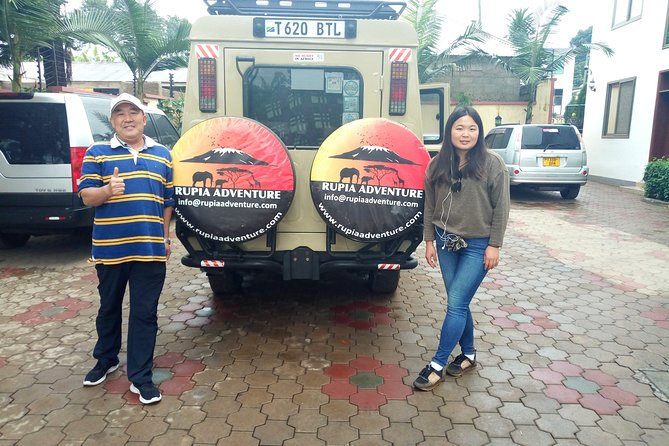
The accommodation is aimed at people who want a safari experience without paying for luxury lodges at every stop. Dome tents have mosquito nets built into the windows and doorways, plus foam mattresses. That is a useful setup, particularly when you are moving between camps and need a straightforward place to sleep.
Bathrooms and toilets at campsites are shared and public. This matters more than the tent description. If you need private facilities, ask for exact accommodation details before paying, because the package information does not promise en suite bathrooms or a fixed list of camps.
Meals are included, with breakfast, picnic lunches, and dinners built into the daily plan. The food has received strong praise, and the operator has used cooks such as David on some departures. Meals are an important part of the value here: you are not left to find restaurants after long drives or carry five days of food yourself.
Pack lightly but bring warm clothing, especially for Ngorongoro. A small bag is easier to handle than a large suitcase, and useful basics include a reusable water bottle, sun protection, comfortable layers, and a camera with spare battery power. The provided details do not state whether drinks, park fees, or personal expenses are included, so ask for a full inclusions list.
What the guide can add to the experience
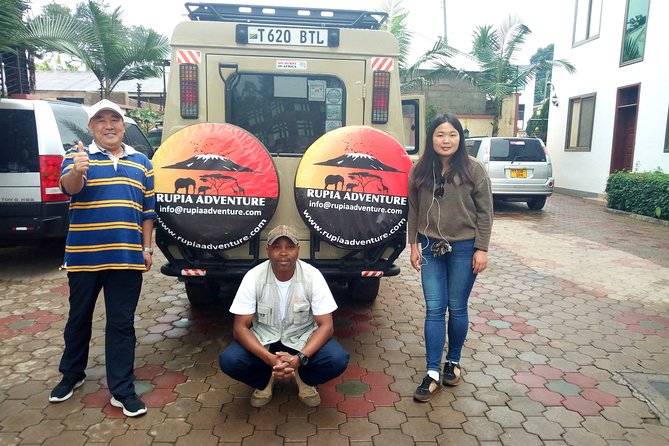
Your driver and guide will shape the safari as much as the parks do. The best guide is not simply the person who drives. You want someone who can explain animal behavior, read the terrain, spot movement in the distance, and keep the day organized.
Past guide names connected with this operator include Mirage, Joseph, Nora, Emanuel, and Balthazar. The comments about them repeatedly focus on wildlife spotting, safety, punctuality, humor, and clear explanations. One guide was credited with helping a group see 43 lions on a five-day trip, although that is an exceptional result and not a promise for your departure.
Group dynamics matter too. You may share the vehicle with people who have different interests. If you want more time with birds, photography, or a particular animal, say so early and politely. In some past arrangements, people joined different groups for different days, while other departures were smaller and more private.
Is $2,600 a fair price?
The value depends on what you compare it with. For five days covering four major parks, the price includes a substantial amount of transport, meals, accommodation, and guiding. It is likely to appeal to you if convenience matters and you want one company to arrange the moving parts.
The value is weaker if you want luxury accommodation, a private vehicle guaranteed for your party, or long stays in one park. The maximum group size is 15, and the accommodation description points to tented camps with shared public facilities. Ask specifically about private departures, group composition, accommodation names, and what is excluded before you commit.
The 4.7 rating and 94 percent recommendation figure suggest a strong overall record, but the feedback is not perfectly uniform. One account described a promised refund dispute during the pandemic, while another said a booking was transferred to a different safari company without changing the positive outcome. These details do not define a normal safari, but they do show why you should get the final itinerary, operator name, refund terms, and accommodation plan in writing.
Cancellation is allowed for a full refund up to three full days before the start time. Inside that period, changes and refunds are not accepted. Poor weather or failure to reach the minimum number of participants can lead to a different date or a full refund.
Should you book this safari?
Book it if you want a compact first safari from Arusha, value included meals, and like the idea of seeing four very different parks in five days. It suits active people who can handle early starts, long drives, picnic lunches, shared bathrooms, and simple tented accommodation.
Think twice if you want a slow, polished lodge holiday. The Serengeti gets limited time, and several days combine game viewing with long transfers. For the best decision, confirm the current guide, vehicle arrangement, exact camps, group size, and full list of inclusions.
For many people, the route offers a strong first taste of northern Tanzania. Tarangire brings the elephants, Serengeti supplies the open plains, Ngorongoro concentrates the wildlife, and Manyara changes the rhythm with forest and lake. That range is the main reason to accept the brisk pace.
FAQ
Where does the safari begin?
The safari begins with pickup from your hotel in Arusha. Day one pickup is scheduled for 8:30 AM.
How long is the safari?
The experience lasts approximately five days.
Which national parks are included?
The route includes Tarangire National Park, Serengeti National Park, Ngorongoro Crater, and Lake Manyara National Park.
Are meals included?
Yes. Breakfasts, picnic lunches, and dinners are included throughout the safari.
What type of accommodation is provided?
The accommodation includes lodge or camp stays, with dome tents described as having built-in mosquito nets and foam mattresses.
Are bathrooms private?
No private bathroom is promised. Campsites provide access to shared public bathrooms and toilets.
How large can the group be?
The maximum group size is 15 people.
Can I expect to see the big five?
The route visits places where the big five may be seen, especially the Serengeti and Ngorongoro Crater, but sightings are never guaranteed.
What is the cancellation policy?
You can receive a full refund if you cancel at least three full days before the experience begins. Cancellations or changes within three days are not accepted and are not refunded.
More Serengeti safaris from Arusha
- 5-Day Highlights mid-Range Crater, Serengeti, Tarangire
★ 5.0 · 296 reviews - Private 6-Day Tarangire Manyara Crater and Serengeti with Mid-Range Lodges
★ 5.0 · 238 reviews - 10-Day Serengeti Wildebeest Migration Safari from Arusha
★ 5.0 · 218 reviews - 8 Day Spectacular Migration Serengeti mid -Range Tanzania Safari
★ 5.0 · 161 reviews
More Ngorongoro trips from Arusha
- 5 Days Camping Tarangire, Serengeti & Ngorongoro crater & Visiting Maasai
★ 5.0 · 229 reviews - 4 Days Join Group tour Tarangire Serengeti and Ngorongoro crater
★ 5.0 · 219 reviews - 4-Day Safari from Arusha: Tarangire, Serengeti and Ngorongoro
★ 5.0 · 173 reviews - 2 Days Tarangire and Ngorongoro Group Camping Safari
★ 5.0 · 146 reviews
Just added in Arusha
- 4 Days Private Midrange Lodge Safari to Serengeti & Ngorongoro★ 5.0 · 4 reviews
- Extraordinary Hot air Bolloon ride in Serengeti | BURIGI CHATO SAFARIS CO L.T.D★ 5.0 · 6 reviews
- 3 days leopard safaris★ 5.0 · 4 reviews
- 8 Days Serengeti Migration safari★ 5.0 · 11 reviews
- tarangire, ngorongoro & lake manyara park 3 days private tour★ 5.0 · 11 reviews
- Mt. Kilimanjaro: Shira plateau to Cathedral point 3872m Day hike★ 5.0 · 7 reviews
- serengeti, ngorongoro & tarangire 4 days private tour★ 5.0 · 18 reviews
- tarangire & ngorongoro 2 days tour★ 5.0 · 14 reviews
Ngorongoro Crater Tours, compared.
3 Days Serengeti & Ngorongoro Group Camping Safari
Read our review →
4-Day Safari from Arusha: Tarangire, Serengeti and Ngorongoro
Read our review →
2 Days Tarangire and Ngorongoro Group Camping Safari
Read our review →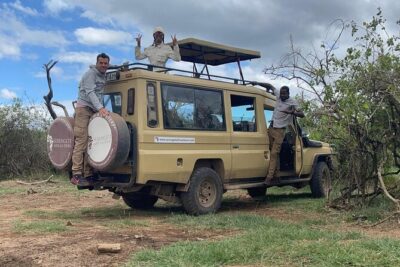
3 Days Private Safari – manyara, Ngorongoro & Tarangire
Read our review →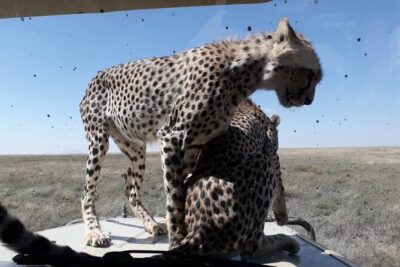
5 Days Tanzania Group Joining Safari, Tarangire/Serengeti/Ngorongoro Crater
Read our review →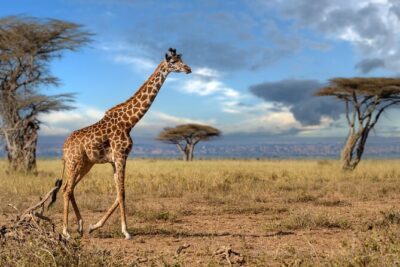
4 Days Tarangire, Serengeti and Ngorongoro Mid-Range Group Safari
Read our review →Browse the lists this tour appears in