
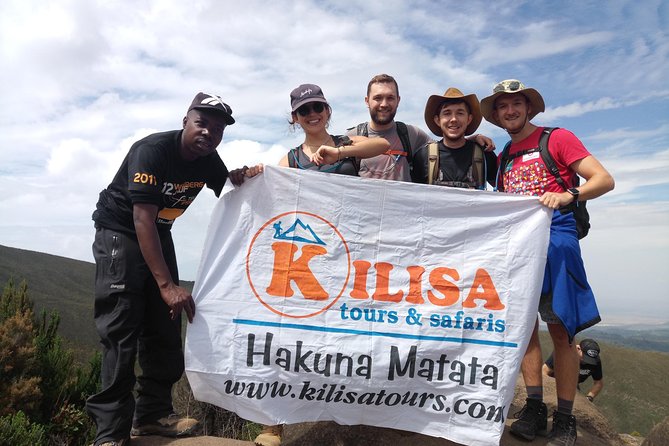
Reviewed · KILIMANJARO TREKS
5 Days Marangu route Climbing Mt. Kilimanjaro
Kilimanjaro’s Marangu Route gives you a clear five-day path from rainforest to Uhuru Peak, with hut accommodation rather than tents. You begin among eucalyptus trees and colobus monkeys, cross open moorland beneath Mawenzi, then climb through the stark alpine desert toward Africa’s highest summit.
I like two things right away: the simple hut-based setup and the amount included in the $2,330 price. Park fees, hut fees, transport, meals, porters, treated water, rescue fees, two nights in Moshi, and safety equipment are all covered. I also like the steady change in scenery, from Maundi Crater and bird-filled forest to giant lobelias and a moonlike high-altitude zone.
The main drawback is the schedule. Five days is short for a mountain this high, and the summit night is long, cold, steep, and tiring. You need strong fitness, a willingness to walk slowly, and a realistic attitude toward altitude. This is not a casual sightseeing walk.
What Makes This Five-Day Climb Different
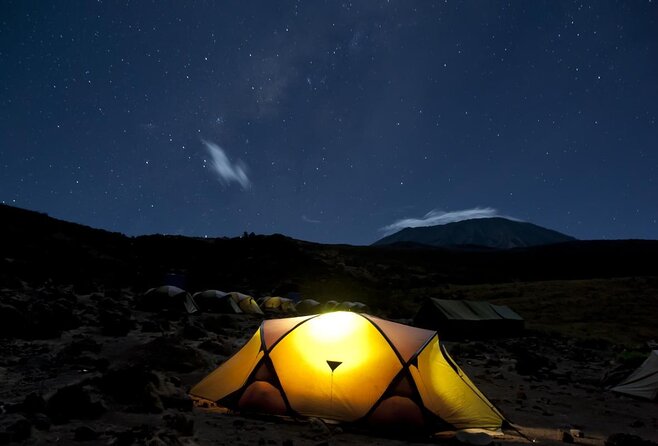
- Marangu huts instead of tents: You sleep in mountain huts during the climb, which may appeal if you prefer a fixed shelter and a simpler camp routine.
- A sharp change in habitats: The route passes through montane forest, heathland, and alpine desert before reaching the summit area.
- Summit night begins around midnight to 2 a.m.: Expect darkness, cold, scree, switchbacks, and a long push to Gilman’s Point and Uhuru Peak.
- A maximum of 15 people: The group limit keeps the outing from becoming a huge procession, though the pace will still depend on the group.
- Support from a full mountain crew: Guides, a cook, and porters are provided, along with treated water, hot washing water, oxygen tanks, an oximeter, and a first-aid kit.
- Maundi Crater on the first day: This optional side trip gives you an early view toward northern Tanzania and Kenya before the route climbs higher.
Is $2,330 Good Value?
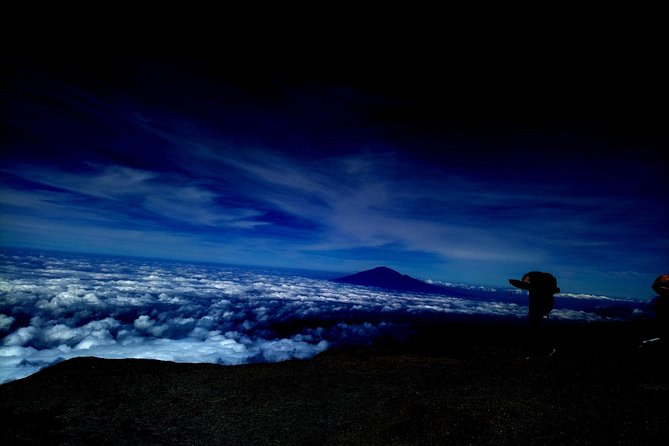
At $2,330 per person, this is not a budget mountain walk. But the price covers many of the costs that can quietly add up on Kilimanjaro.
You receive private transport between Kilimanjaro International Airport and your Moshi accommodation, two nights in Moshi, transport to and from the national park gate, park entry fees, hut fees, rescue fees, government taxes, and 18 percent VAT. On the mountain, you get three hot meals a day, treated and filtered drinking water, hot water for washing, guides, a cook, and porters.
That package matters because Kilimanjaro has unavoidable official charges. You are not simply paying for a guide to lead you uphill. A large portion of the cost supports access, accommodation, permits, and the mountain team required to operate the climb.
The included safety equipment is another useful point. Portable oxygen tanks, an oximeter, and an emergency first-aid kit do not remove the risks of altitude, but they show that the operator has planned for problems. Oxygen should not be treated as a shortcut through altitude sickness. It is emergency support, not a substitute for turning around when your body is not coping.
You still need to budget for flights, travel insurance, and tips for the guides, porters, and cook. Tips are not included, so ask the company for current guidance before you go. The package includes five breakfasts, four lunches, and four dinners, matching the nights and days on the mountain and around the climb.
Other routes up the mountain from Moshi:
- Kilimanjaro climb by Lemosho Route (7-day)
★ 5.0 · 651 reviews - Kilimanjaro climb, Machame Route (7-day)
★ 5.0 · 262 reviews - Kilimanjaro Climbing Lemosho Route 8 Days.
★ 5.0 · 186 reviews
Day 1: Moshi to Mandara Through the Montane Forest
The morning begins with breakfast and a briefing, followed by a drive of about one hour to the Kilimanjaro National Park Gate. The listed start time is 8:30 a.m., and registration takes place before you begin walking.
The first day leads from roughly 1,860 meters to 2,700 meters. The distance is about 8 kilometers, with three to four hours of hiking through montane forest. This is a gentle introduction by Kilimanjaro standards, though you should not waste the day racing ahead.
Look for tall eucalyptus trees, birds, and colobus monkeys along the route. The forest gives the climb a lively beginning, with shade and thick vegetation before the route opens higher up. If your energy and timing allow, the side trip to Maundi Crater is worth considering. It gives you views toward northern Tanzania and Kenya and helps you see the country around the mountain instead of focusing only on the trail beneath your feet.
You spend the night at Mandara encampment. Meals are listed as lunch and dinner on this first day. Ask during the briefing how the meals and water routine will work, since a predictable eating and drinking schedule becomes increasingly important as the altitude rises.
Day 2: Mandara to Horombo Beneath Mawenzi
Day two leaves the forest behind and climbs through open heathland. You gain about 1,000 meters, walking from 2,700 meters to roughly 3,700 meters. The 12-kilometer route usually takes five to six hours.
This is where Kilimanjaro begins to feel like a serious mountain. The trees thin out, the air becomes cooler, and the views toward Mawenzi and Kibo open up. Giant lobelias and groundsels add strange, sculptural shapes to the high vegetation. They are among the plants that make this route feel unlike an ordinary high-country hike.
Horombo is the next hut stop. The altitude may begin to affect you here, even if the walking still feels manageable. You might notice a headache, a lower appetite, unusual tiredness, or a change in sleep. The itinerary specifically warns that altitude effects may begin on this day, so pay attention rather than trying to hide symptoms from your guide.
This is a good point to practice the slow pace that the crew will encourage. The goal is not to prove how fast you can walk. The goal is to arrive at the next hut with enough energy to eat, drink, and continue.
Day 3: Horombo to Kibo Across the Alpine Desert
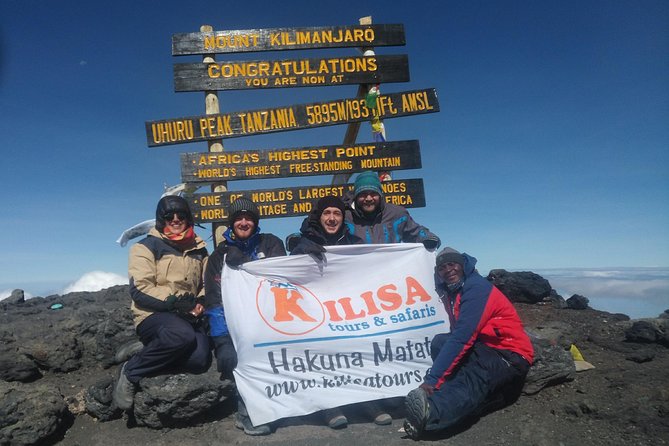
The third day covers about 9 kilometers and takes five to six hours. You climb from approximately 3,700 meters to 4,700 meters, passing the final watering point and crossing the broad saddle between Mawenzi and Kibo.
The route begins in upper heathland, then changes into alpine desert. Vegetation gradually disappears, leaving a spare, open world of rock, dust, and high mountain light. This change is one of the most memorable parts of the route because the mountain feels less like a hiking trail and more like a passage toward the summit.
The day is not the longest by distance, but the altitude makes it demanding. At 4,700 meters, ordinary tasks can feel slow. Keep your layers handy, drink the treated water provided, and follow the guide’s instructions about pace and rest.
Dinner, rest, and preparation for the summit climb take over the evening. Since the summit push starts between midnight and 2 a.m., you will need to organize your clothing, headlamp, water, and warm layers before trying to sleep. The short rest period is one of the hard compromises of a five-day itinerary.
Same base, a different kind of day out:
- Safari Serengeti And Ngorongoro
★ 5.0 · 288 reviews - Climbing Kilimanjaro – Machame Route
★ 5.0 · 170 reviews - Climbing Kilimanjaro through 7 days Machame Route
★ 5.0 · 151 reviews - Kilimanjaro climb, Lemosho Route (8-day)
★ 5.0 · 148 reviews
Day 4: The Midnight Push to Gilman’s Point and Uhuru Peak
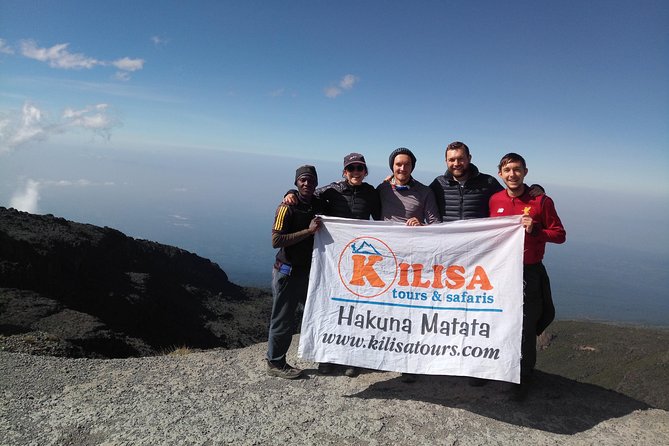
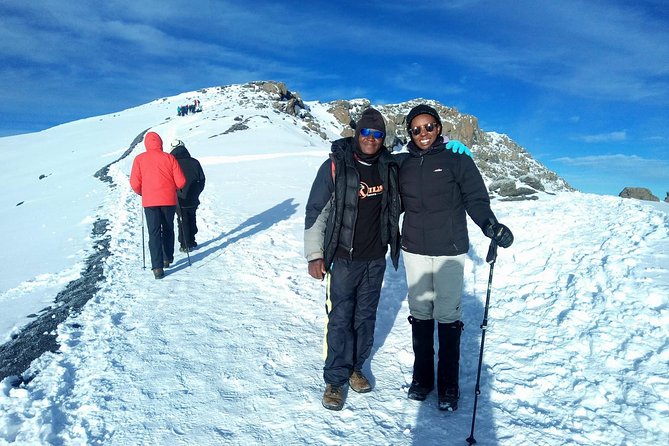
Day four is the test. You begin in darkness, using a headlamp or flashlight, and climb steeply over heavy scree or snow toward Gilman’s Point on the crater rim. From there, you continue toward Uhuru Peak, the highest point in Africa.
The route uses many switchbacks, and the cold can be severe before the descent begins. Bring every warm layer you have been advised to carry. You should also keep rain gear available, since mountain weather can change and the equipment list specifically highlights the need for practical protection.
The instruction to go pole pole, slowly, is not decoration. A steady pace gives you a better chance of managing the altitude and saving energy for the upper section. An optimistic attitude helps too, but optimism works best alongside honest communication with your guide.
Guide Bakari is specifically named in the supplied feedback, with praise for his patience, cheerful manner, explanations, and careful support during the climb. The operator also has staff members who communicate before arrival and go through the day-by-day plan. Still, guide assignments can vary, so you should confirm your guide’s name before the climb if that matters to you.
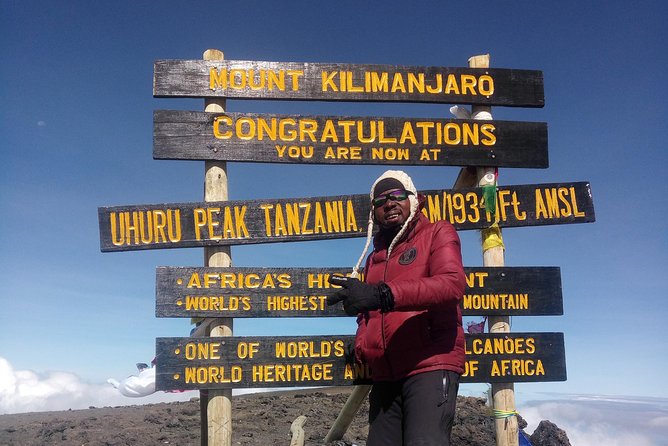
At the summit, you can have your picture taken at Uhuru Peak before beginning the descent. The summit views are described as wide and striking, but the practical point is simple: do not linger longer than necessary. At this altitude, the descent is part of the challenge, and the day is far from finished.
You descend to Kibo for lunch and rest, then continue to Horombo. The combined ascent and descent make this the hardest day by a wide margin. Even strong walkers may feel drained by the time they reach the hut.
Day 5: Horombo to the Marangu Gate
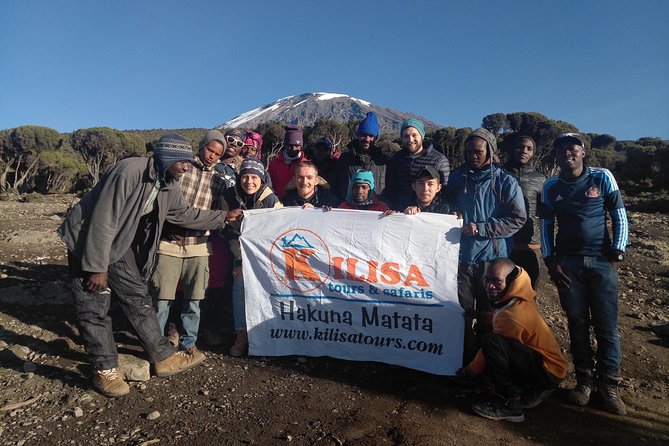
The final day brings a long descent from about 3,700 meters to roughly 1,700 meters. The listed distance is 20 kilometers, with four to five hours of hiking through moorland and forest.
The route first returns through the moorland toward Mandara Hut, then continues down the lush forest path to the Marangu Gate. Your knees may notice this day more than your lungs. Trekking poles can help, especially after the summit push, and gaiters are useful if the lower trail is wet and muddy.
At lower elevations, shorts and a T-shirt may be comfortable, but keep rain gear and warmer clothing within reach. The mountain can shift from cold summit conditions to damp forest conditions in the same day.
A vehicle waits at the Marangu Gate for the drive back to your Moshi hotel, which takes about one hour. This transfer is a welcome finish, especially after the 20-kilometer descent. The package includes breakfast on this final day.
Huts, Meals, Water, and the Mountain Crew
The Marangu Route is often chosen because it uses huts rather than tent camps. That makes the accommodation arrangement relatively straightforward, though a hut is still mountain accommodation, not a hotel room. The supplied details confirm hut fees and hut stays, but do not specify room layouts or bedding, so ask the operator what to bring and what is provided.
Three hot meals are included each day on the mountain. That is valuable at altitude, where you may not feel hungry but still need fuel. The cook is part of the mountain team, and treated and filtered drinking water is provided throughout the trek.
Hot water for washing is also included. Do not expect a full shower system. Think of it as a useful chance to clean up, warm your hands, and feel more human after a long day.
Porters carry equipment, while guides manage the route and the pace. The crew’s work is central to the experience, so pack carefully and keep your personal bag within the limits the operator gives you. Tips are excluded from the price and should be planned as part of your total cost.
Safety, Altitude, and Fitness
This climb requires a strong physical fitness level. The distances are moderate on some days, but altitude changes the effort. The summit day combines an early start, cold, steep terrain, a high elevation, and a long descent. You should train for consecutive days of walking, not just one long hike.
The operator supplies portable oxygen tanks, an oximeter, and an emergency first-aid kit. These are useful safeguards, but they do not guarantee a summit or prevent altitude illness. Tell your guide promptly if you feel unwell, confused, severely breathless, or unable to continue.
The company places emphasis on safety and comfort, and the pre-trip communication described by the operator includes detailed planning and answers to questions. That is useful before a climb where small uncertainties can become stressful. Ask directly about clothing, baggage, hut arrangements, tipping, and the expected pace before you arrive.
The group maximum is 15 people. That is large enough for mixed walking speeds and different fitness levels, so you should be ready to walk at the group’s safe pace rather than your own ideal pace. If you want a more private rhythm, ask whether a smaller private arrangement is available.
Who Should Choose This Route?
I would recommend this trip to a fit first-time high-altitude climber who wants an organized package and prefers huts to tents. It also suits someone who values having airport transfers, Moshi accommodation, meals, water, park charges, and a mountain crew handled in one booking.
The route is less suitable if you want a relaxed acclimatization schedule. Five days leaves limited time for the body to adjust, and the summit attempt comes quickly after the climb to Kibo. You should also think carefully if you dislike night hiking, cold conditions, long descents, or shared mountain accommodation.
The feedback emphasizes professional support, quick responses, and guides who are patient and encouraging. Those qualities matter most on the summit night, when clear explanations and calm pacing can make a difficult climb feel more manageable.
Free cancellation is available if you cancel at least 24 hours before the local start time. Inside that window, the payment is not refunded, and changes are not accepted. If poor weather cancels the activity, you are offered another date or a full refund.
Should You Book This Kilimanjaro Climb?
Book it if you want a well-supported five-day Marangu climb with huts, hot meals, porters, Moshi accommodation, and transport already arranged. The included fees and safety equipment make the $2,330 price easier to assess, and the named guide feedback gives you a useful example of the patient, hands-on support to expect from the crew.
Think twice if you want the best possible acclimatization odds or a slower summit plan. The five-day schedule is efficient, but it is physically demanding. Go in prepared, ask detailed questions before arrival, budget for insurance and tips, and treat the summit as a goal rather than a guarantee.
FAQ
Where does the climb start?
The activity starts at Kilimanjaro National Park in Tanzania after pickup and transport from the meeting point or accommodation arrangements. The listed meeting point is Kilimanjaro Airport, and the first park gate transfer takes about one hour.
Where does the climb finish?
The activity finishes back at the meeting point after a vehicle transfers you from Marangu Gate to your hotel in Moshi.
How long is the experience?
The climb lasts approximately five days.
What time does the activity start?
The listed start time is 8:30 a.m. The summit climb on day four begins much earlier, between midnight and 2 a.m.
How many people can join the group?
The maximum group size is 15 people.
Is airport pickup included?
Yes. Private transport to and from Kilimanjaro International Airport and your Moshi accommodation is included.
Are Moshi hotel nights included?
Yes. The package includes two nights of accommodation in Moshi.
Are meals included?
Yes. The mountain package includes three hot meals daily, with five breakfasts, four lunches, and four dinners listed.
Is travel insurance included?
No. Travel insurance is not included and must be arranged separately.
What happens if bad weather cancels the climb?
If poor weather causes the activity to be canceled, you will be offered a different date or a full refund. For ordinary cancellations, you must cancel at least 24 hours before the start time for a full refund.
Just added in Moshi
- Wildlife Extravaganza: Manyara, Tarangire & Ngorongoro in 3 Days★ 5.0 · 3 reviews
- West Kilimanjaro cycling Adventures★ 4.5 · 8 reviews
- machame route★ 5.0 · 16 reviews
- Mt Kilimanjaro 6 days Marangu route hike★ 5.0 · 3 reviews
- Kilimanjaro Climb • Machame Route ~ 10 Day★ 5.0 · 6 reviews
- Kilimanjaro Climbing Umbwe Route★ 5.0 · 3 reviews
- 3 Days Private E-Bike Tour in West Kilimanjaro★ 5.0 · 3 reviews
- Private Cycle to Kilimanjaro Bike Park Safari★ 5.0 · 6 reviews
Kilimanjaro Treks, compared.



8-Day Small-group Lemosho Kilimanjaro Summit Trekking
Read our review →

5 Days Best of Tanzania Luxury Safari Northern Circuit
Read our review →

Climbing Kilimanjaro through 7 days Machame Route
Read our review →
7-Day Machame Kilimanjaro Summit Tour from Arusha
Read our review →Browse the lists this tour appears in