
Reviewed · KILIMANJARO TREKS
6-Day Private Guided Machame Hike Tour at Kilimanjaro
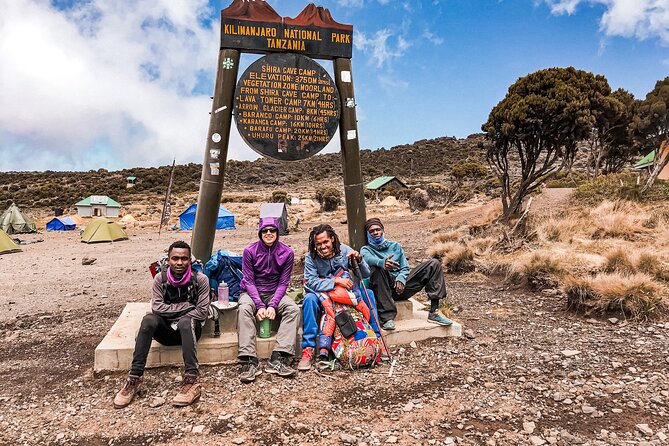
Kilimanjaro’s Machame Route gives you a proper six-day mountain journey, not a quick walk to a viewpoint. You move from rainforest and giant heathers to dusty ridges, volcanic rock, glaciers, and the sunrise at Uhuru Peak, Africa’s highest point.
I like the personal setup: your guide meets you before the climb, checks your gear, and explains the plan. I also like the company’s clear attention to its crew, including fair staff pay and a school-support program funded from climb profits. Guide names connected with this experience include Martin, Jackson, Peter, and Steward.
The main caution is simple: six days is demanding. The summit morning starts around midnight, altitude can bring headaches and nausea, and the route includes steep, rocky sections with little shade. You need strong fitness and suitable personal equipment.
Key points before you book
- Private group format: Only your party takes part, with pickup offered from your Moshi accommodation.
- Machame Route scenery: You pass through rainforest, giant heathers, high moorland, volcanic rock, Lava Tower, Barranco Wall, and Barafu Camp.
- Gear inspection before departure: The guide checks staff and customer equipment before the climb, with help available for missing clothing or utensils.
- Five nights of meals included: Breakfast, lunch, and dinner are provided during the six-day schedule. One account describes hot meals three times a day.
- Summit attempt starts around midnight: You climb to Stella Point and then Uhuru Peak, weather and physical condition permitting.
- $2,000 per person: The price includes the guided climb, listed meals, and admission tickets, but not your personal hiking gear.
Why the Machame Route feels like a real mountain journey
The Machame Route is often called the scenic route, and this six-day plan earns that description through its changing ground and plant life. You begin in the rainforest, walk among giant heathers, then enter more open country where shade becomes scarce. By the time you reach the upper camps, the setting is rocky, exposed, and severe.
That change is part of the appeal. You are not simply walking uphill for six days. You watch Kilimanjaro alter around you, from wet forest to bare volcanic slopes and high glacial country. The route also gives you time to adjust to altitude, though six days remains a serious schedule.
This is a private activity, so your group does not share the actual tour with strangers. That can make the pace and daily breaks easier to manage. It also means you should ask your guide direct questions and speak up early if you feel unwell. A private format does not make altitude harmless.
The company is locally owned, certified, and licensed. Before departure, you meet the guide and check equipment. Peter arranged this pre-climb meeting for some parties, while Martin and Jackson are named as guides connected with the experience. One useful detail is that Jackson helped borrow missing clothing and utensils before the hike. That sort of practical help matters far more than polished sales language when you are about to spend six days on a mountain.
Other routes up the mountain from Moshi:
- Kilimanjaro climb by Lemosho Route (7-day)
★ 5.0 · 651 reviews - Kilimanjaro climb, Machame Route (7-day)
★ 5.0 · 262 reviews - Kilimanjaro Climbing Lemosho Route 8 Days.
★ 5.0 · 186 reviews
Day one: rainforest, giant heathers, and Machame Camp
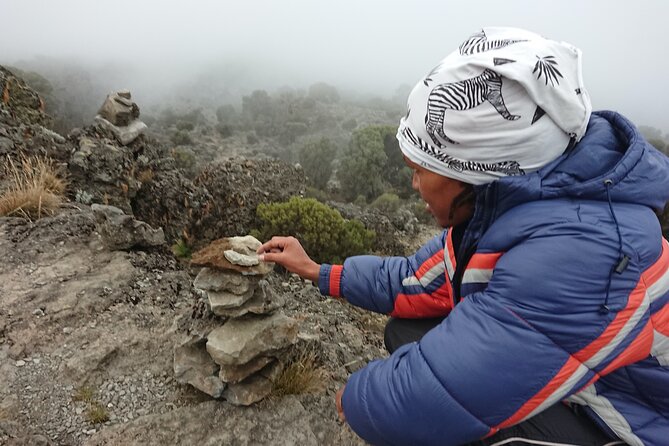
Pickup from your accommodation in Moshi starts the day. You drive with your guide to Machame Gate, complete registration, meet the wider support crew, and begin walking through the rainforest.
The first hiking day takes about six hours to the first overnight camp, although the full day is listed at roughly 13 hours because of transport, registration, and preparations. The forest and giant heathers provide a gentler introduction than the exposed upper mountain. Expect a steady start rather than a sightseeing stroll.
This is a good day to settle into the rhythm of the climb. Walk slowly, keep your personal items organized, and use the breaks. Your guide checks how you are moving and feeling, while the porters and other crew handle the larger camp operation.
Rain is possible in the forest, and the route can feel damp. Your personal equipment is not included, so waterproof clothing and proper hiking gear are your responsibility. The operator checks equipment before departure, but that does not replace bringing the right kit.
Day two: dusty ridges and the first senecias
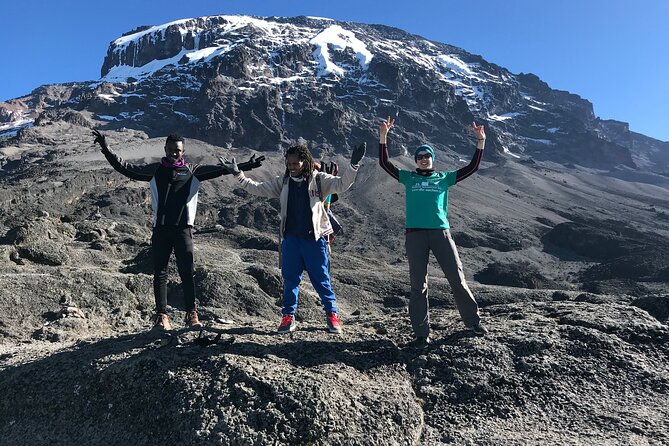
The second day is shorter in distance but not necessarily easy. The trail becomes steep, rocky, and dusty, with several ridges to cross. Much of the route has little vegetation and little shade, so sun protection and steady pacing become more important.
The plan emphasizes slow hiking, frequent breaks, and time to acclimatize. That is exactly the right approach. You are gaining height, and rushing early in the climb can make the later days much harder.
You begin seeing senecias, the distinctive giant plants associated with Kilimanjaro’s higher zones. This gives the day a different feel from the forest. The views open up, but so does your exposure to heat and wind.
The schedule lists about 14 hours for the day. That figure appears to include a long mountain day and camp routines, not simply walking time, but you should still expect a demanding schedule. The important point is that the trail is short and steep in places, with plenty of stops built in.
Day three: Lava Tower and the descent to Barranco
Day three brings one of the most useful altitude lessons on the route. You climb steadily over boulders and open ground toward Lava Tower, stopping for lunch around noon. Lava Tower reaches about 14,850 feet, or 4,526 meters, and you may feel a mild headache as your body reacts to the height.
The itinerary allows an optional climb onto Lava Tower for people who want it. Ask your guide before pushing higher. The main value of the day is not proving anything at the tower. It is gaining altitude during the day, then descending to sleep lower at Barranco Camp.
From Lava Tower, you walk down for around two hours on dusty, rocky trails to Barranco, at about 13,000 feet. This high point followed by a lower overnight camp is a sensible acclimatization pattern. You may feel tired, but the descent can help you manage the next stage.
The listed hiking time is about six hours. The route is uneven, and a mild headache is possible. Take symptoms seriously, drink as directed by your guide, and do not treat the optional Lava Tower climb as a test of courage.
Same base, a different kind of day out:
- Safari Serengeti And Ngorongoro
★ 5.0 · 288 reviews - Climbing Kilimanjaro – Machame Route
★ 5.0 · 170 reviews - Climbing Kilimanjaro through 7 days Machame Route
★ 5.0 · 151 reviews - Kilimanjaro climb, Lemosho Route (8-day)
★ 5.0 · 148 reviews
Day four: Barranco Wall and the exposed Barafu Camp
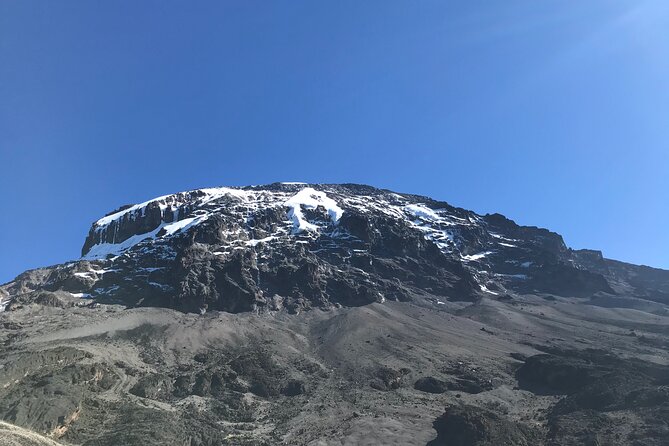
Barranco Wall looks intimidating when you first see it. The route takes you up this imposing rock obstacle, and the climb is generally easier than its appearance suggests. You still need to use care, especially over boulders and narrow sections, but this is a memorable part of the route.
Near the top, below the Heim Glacier, you get a strong sense of Kilimanjaro’s scale. The scenery becomes more severe and beautiful at the same time. You then continue toward Barafu Camp, whose name means ice in Swahili.
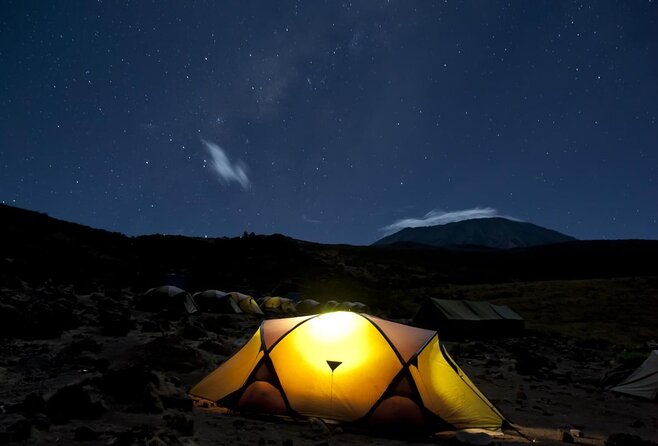
Barafu is a bleak, exposed camping area on a narrow, stony ridge. The description is not softened, and it should not be. Strong winds are possible, the ground is rough, and the camp can feel inhospitable after the excitement of Barranco Wall.
You should become familiar with the nearby terrain before darkness. That is practical advice, not a minor detail. The summit attempt begins very early, and knowing where to step around camp can prevent avoidable falls.
This day takes about eight hours. It is a key transition: you leave behind much of the route’s plant life and prepare for the final ascent. Eat, rest, and keep your summit clothing ready. The guide’s pre-climb briefing and equipment check are especially useful here.
Day five: the midnight push to Uhuru Peak
The summit day begins between midnight and 2 a.m. This is the hardest mental and physical section of the climb. You leave Barafu in darkness and ascend in the direction of Stella Point, between the Rebmann and Ratzel glaciers.
The climb to the crater rim is slow and serious. You may be dealing with cold, tiredness, altitude, and loose or rocky ground all at once. The private guide and support crew are there to keep the group moving safely, but your own condition determines how far you can go.
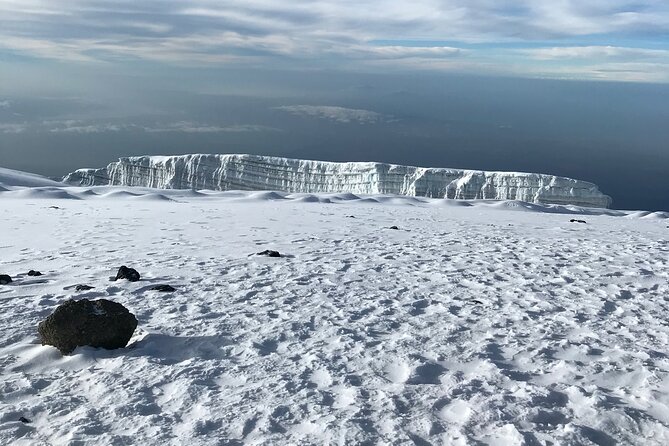
At Stella Point, about 5,700 meters, you stop for a short rest. If the weather cooperates, sunrise provides one of the great rewards of the climb. From Stella Point, snow may appear on the roughly one-hour ascent to Uhuru Peak.
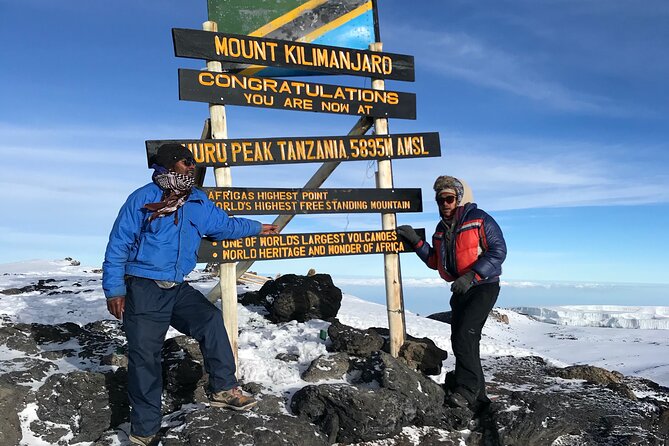
Uhuru Peak reaches 5,895 meters and is the highest point on Kilimanjaro and in Africa. Reaching it is a major achievement. Faster climbers may see the sunrise from the summit, while others may see it at Stella Point. Both are meaningful outcomes, and the mountain does not follow a fixed timetable.
The supplied schedule gives only seven minutes for this stop, which is clearly not a useful measure of the full summit day. Treat day five as an extended effort, with the summit ascent followed by a descent. Your guide will set the practical pace.
Altitude affects people differently. The itinerary specifically warns that a mild headache may begin around Lava Tower, and the upper mountain can be much harder. Tell your guide about symptoms. Reaching Stella Point instead of Uhuru Peak still earns recognition, with a green certificate for Stella Point and a gold certificate for Uhuru Peak.
Day six: the long way down to Mweka Gate
After breakfast, you descend toward the park gate. The hike takes about four to six hours, though knee pain can make it longer. Descending is not an easy afterthought. Tired legs, uneven ground, and sore knees can turn the final day into a test of patience.
At Mweka Gate, you sign the register and receive a summit certificate if you reached Stella Point or Uhuru Peak. A vehicle then meets you at Mweka village and takes you back to your accommodation.
One practical instruction deserves attention: do not tip the porters until you and all your gear have reached the gate safely. It is sensible to wait until the whole service is complete and your belongings are accounted for.
The last day can feel less glamorous than summit morning, but it closes the loop properly. You move from the upper mountain back toward the gate, collect your certificate, and return to Moshi with the climb behind you.
What the $2,000 price buys you
At $2,000 per person, this is a major travel expense. The value depends on what you need included and how much support you want during a technical, high-altitude trek.
The listed package includes breakfast, lunch, and dinner for five days, plus admission tickets and pickup. The operation also includes a guide and a support crew. The meals are more important than they may sound. One account describes receiving a hot meal three times a day, which can make a real difference when you are burning energy and dealing with cold conditions.
Personal hiking equipment is not included. Budget separately for clothing, boots, and other gear you need for the mountain. The pre-climb inspection is useful because it can identify gaps before you leave, and one guide helped arrange missing clothing and utensils. Still, you should not rely on last-minute borrowing for essential safety equipment.
The company says it pays staff well and checks crew equipment as well as customer gear. It also directs part of climb profits toward sending a child to school. If responsible local operations matter to you, these policies add value, though you should still ask for a clear breakdown of what the fee covers before booking.
The support crew and the human side of the climb
A Kilimanjaro climb depends on more than the person leading the route. The experience includes guides, porters, a cook, and a waiter. Their work shapes your daily routine, from meals and camp support to pacing and safety decisions.
The strongest practical details here are the equipment checks and the effort to solve problems before the hike starts. Peter’s planning, Martin’s pre-climb explanation, and Jackson’s help with missing items point to a hands-on operation. Steward is also named as part of the team connected with a successful climb.
You should still clarify tipping expectations before departure. The advice to wait until the gate protects you from settling accounts before the climb is fully complete. It also gives you a chance to assess the whole team’s work fairly.
Who should book this Kilimanjaro climb
This tour suits you if you want a private climb with a local Moshi company, a set six-day schedule, and direct support from a guide and crew. It is especially suitable if you value a pre-trip gear check, included meals, pickup, and a route with major scenery changes.
You need strong physical fitness. The operator says so directly, and the itinerary backs it up with steep trails, long days, high altitude, an exposed camp, and a midnight summit start.
This is not a good choice if you want a relaxed mountain holiday, dislike early starts, or do not have suitable personal equipment. It is also not ideal if you need a long acclimatization schedule. Six days gives you some adjustment time, but it remains a compact climb.
The tour is private, but private does not mean easy. Your group still faces the same weather, altitude, rocks, wind, and cold as every other climber on the mountain.
Booking details and cancellation terms
Pickup is offered, confirmation arrives when you book, and the activity is listed as suitable for people near public transportation. The tour requires a minimum number of participants, despite being private once confirmed. If that minimum is not reached, you can choose a different date or experience, or receive a full refund.
You can cancel for a full refund up to 24 hours before the local start time. Cancellations or changes made less than 24 hours before departure are not accepted for a refund. Poor weather can also cause cancellation, in which case you are offered another date or a full refund.
Should you book it?
Book this experience if you want a serious, scenic Kilimanjaro climb with a local company, private group arrangements, included meals, and a guide who checks your equipment before the mountain. The staff-welfare and school-support commitments may also matter if you want your spending to have a local purpose.
I would pause if your fitness is uncertain, your gear is incomplete, or you prefer a slower acclimatization plan. Before paying, confirm exactly which equipment you must supply, ask how the private group will be supported on summit day, and make sure you understand the tipping process.
For a fit and prepared climber, the route offers an honest six-day progression from forest to Uhuru Peak. Just remember that the final certificate is earned one slow step at a time.
FAQ
Where does the Kilimanjaro climb begin?
The tour begins with pickup from your accommodation in Moshi, followed by a drive to Machame Gate for registration.
Is this a private tour?
Yes. Only your group participates in the activity.
How long does the tour last?
The tour lasts approximately six days.
What route does the climb use?
The climb uses the Machame Route, passing through rainforest, giant heathers, Lava Tower, Barranco Camp, Barranco Wall, Barafu Camp, Stella Point, and Uhuru Peak.
Are meals included?
Yes. Breakfast, lunch, and dinner are included for five days.
Is personal hiking equipment included?
No. Personal equipment such as hiking gear is not included.
When does the summit attempt begin?
The summit attempt begins very early, usually between midnight and 2 a.m. on day five.
What happens if I reach Stella Point but not Uhuru Peak?
Climbers who reach Stella Point receive a green certificate. Those who reach Uhuru Peak receive a gold certificate.
What is the cancellation policy?
You can cancel at least 24 hours before the local start time for a full refund. Cancellations or changes made less than 24 hours before the start are not refunded or accepted. Weather or minimum-participant cancellations offer a different date or a full refund.
More Hiking & Trekking in Moshi
- Private Kilimanjaro Hike 7 Day Lemosho Route
★ 5.0 · 60 reviews - Best Kilimanjaro hiking day trip tour with Kilinge Adventures
★ 4.5 · 54 reviews - #1. Best Kilimanjaro Day hike Tour-Machame Route-ISMANI
★ 4.2 · 47 reviews - Best Kilimanjaro Adventure 7 days Machame route Trekking
★ 5.0 · 42 reviews
More Kilimanjaro treks from Moshi
- Kilimanjaro climb, Lemosho Route (6-day)
★ 5.0 · 129 reviews - 7 Days Kilimanjaro via Machame route affordable price
★ 5.0 · 110 reviews - Kilimanjaro climb, Marangu route (6-day)
★ 5.0 · 72 reviews - Kilimanjaro Lemosho Route
★ 5.0 · 71 reviews
Just added in Moshi
- Wildlife Extravaganza: Manyara, Tarangire & Ngorongoro in 3 Days★ 5.0 · 3 reviews
- West Kilimanjaro cycling Adventures★ 4.5 · 8 reviews
- machame route★ 5.0 · 16 reviews
- Kilimanjaro Climb • Machame Route ~ 10 Day★ 5.0 · 6 reviews
- Kilimanjaro Climbing Umbwe Route★ 5.0 · 3 reviews
- Mt Kilimanjaro 6 days Marangu route hike★ 5.0 · 3 reviews
- 3 Days Private E-Bike Tour in West Kilimanjaro★ 5.0 · 3 reviews
- Private Cycle to Kilimanjaro Bike Park Safari★ 5.0 · 6 reviews
Kilimanjaro Treks, compared.



8-Day Small-group Lemosho Kilimanjaro Summit Trekking
Read our review →

5 Days Best of Tanzania Luxury Safari Northern Circuit
Read our review →

Climbing Kilimanjaro through 7 days Machame Route
Read our review →
7-Day Machame Kilimanjaro Summit Tour from Arusha
Read our review →Browse the lists this tour appears in