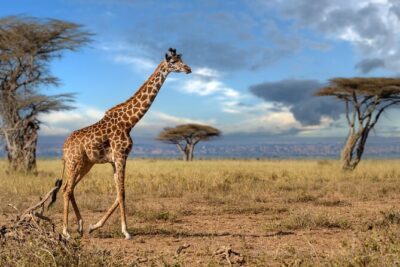
Reviewed · NGORONGORO CRATER TOURS
6 Days 5 Nights lodge safari Tarangire, Manyara, Serengeti & Ngorongoro Crater
The great strength of this safari is its range. In six days, you move from baobab country and elephant herds in Tarangire to the birdlife and forest of Lake Manyara, then across the Serengeti plains and down into Ngorongoro Crater. You get four very different wildlife settings without having to arrange several separate trips.
I like the private format, since your group controls the pace more than it would on a shared departure. I also like the amount of time in the Serengeti, including a full day of game drives and an early morning outing. The main drawback is the amount of time spent on the road, especially on the Manyara and Serengeti transfer days. This is a busy safari, not a slow lodge holiday.
Key points to know before booking
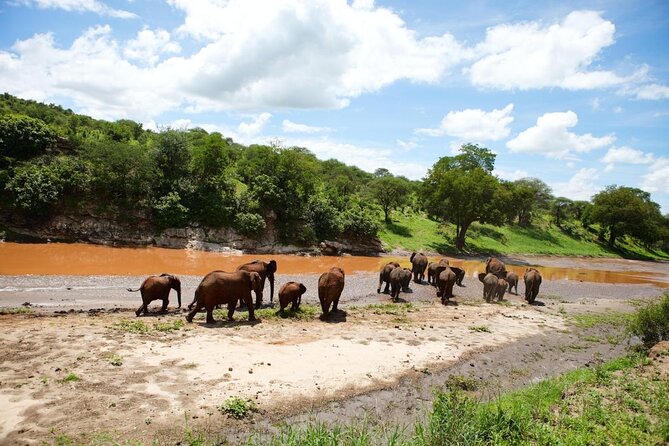
- Tarangire begins the safari with elephants and baobabs, plus a full day of wildlife viewing.
- Lake Manyara adds a sharp change of scenery, with forest, hippos, monkeys, and more than 400 recorded bird species.
- Three days around the Serengeti and Ngorongoro area give you the best chance to see major predators and large herds.
- Private transport means only your own group participates, a useful feature for families or couples.
- Guides are central to the experience, with past departures led by Lameck, Anderson, Thomas, and Erasto.
- The price is $3,142.86 per person, with transport, park fees, and most meals included, but not flights, insurance, visas, drinks, or tips.
Four parks, one tightly packed safari
This six-day, five-night route covers some of northern Tanzania’s most famous wildlife areas. It is designed for someone who wants the classic safari circuit rather than one park explored at a relaxed pace.
You start near Kilimanjaro International Airport at 8:00 a.m. and travel by private vehicle. The tour is for your group alone, which gives you a little more say over stops and timing. Still, park roads, driving distances, and wildlife sightings set the rhythm. A safari is not a string of guaranteed appointments. Some hours bring one excellent sighting after another. Others are mostly about moving through the country and watching the scenery change.
The route also gives you useful variety. Tarangire is known for elephants and baobab trees. Manyara feels greener and more enclosed. The Serengeti opens wide, with its famous plains and large herds. Ngorongoro then brings you into a contained wildlife area with steep crater walls.
The package is described as luxury, but the supplied details do not name every lodge or room category. One night is listed as Seronera campsite or lodge, so you should ask for the exact accommodation plan before paying. That detail matters if you are comparing this trip with a high-end safari package.
Other ways to sleep out on safari from Kilimanjaro:
- 4 Days Tanzania Luxury Safari Serengeti and Ngorongoro Crater
★ 5.0 · 9 reviews - 6- Day Adventure Lodge safari to see Migration
★ 4.5 · 5 reviews - 5 Days Camping Tarangire, Serengeti & Ngorongoro crater & Visiting Maasai
★ 5.0 · 58 reviews
Day 1: Elephants beneath Tarangire’s baobabs
After breakfast, you head to Tarangire National Park for a full-day game drive of about seven hours. The park is known for its elephant population, and the combination of giant baobabs, open grass, and the Tarangire River gives the first day a strong visual identity.
I like Tarangire as an opening park because it offers a quick change from airport or town surroundings to classic African wildlife country. The old baobabs are not just scenery. They make the animals look smaller and give the park a character that you will not find in the same form at the other stops.
The river draws animals, including elephants, lions, leopards, buffalo, zebras, giraffes, antelopes, and many bird species. Sightings are never guaranteed, but the route is built around a strong mix of large mammals. The park is also described as having nine vegetation zones, so you should expect more than one type of setting during the drive.
A full day in an open vehicle can be tiring, especially after an early start. It is worth bringing sun protection and keeping your expectations flexible. The value of a private guide becomes clear here. A guide who can spot movement in the brush and explain animal behavior can turn an ordinary stretch of road into a memorable stop.
Day 2: Forest, hippos, and birds at Lake Manyara
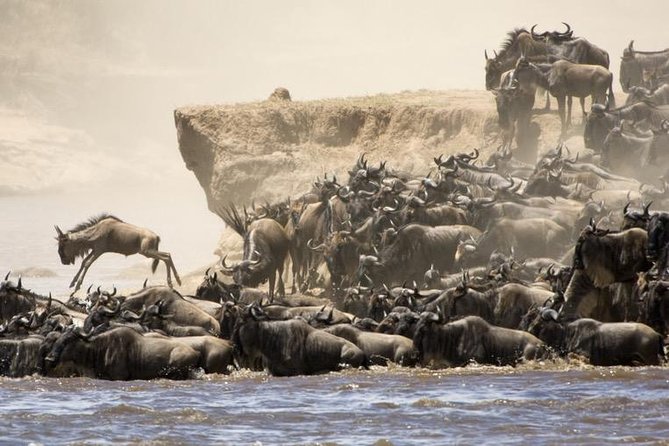
Day two takes you across the Great Rift Valley to Lake Manyara National Park. The scheduled day is about 10 hours, making it one of the longer days on the route.
Manyara is much smaller than the Serengeti, but it packs several types of scenery into a compact area. Giant fig and mahogany trees create a thick forest where you might see baboons and blue monkeys. Elsewhere, you may encounter buffalo, giraffes, elephants, and impalas.
The hippo lake is one of the park’s clear highlights. It gives you a chance to watch hippos gathered in water, while the birdlife adds another reason to keep looking beyond the largest animals. More than 400 bird species have been recorded here, including the ground hornbill and crested eagle.
The park is famous for tree-climbing lions, although the information provided does not promise a sighting. Treat that as a possible bonus rather than a reason to book the whole safari. Wildlife conditions change, and a good guide will work with what is actually happening on the day.
The main tradeoff is time. A 10-hour day with driving and game viewing can feel full. If you prefer long afternoons at a lodge, this itinerary may move too quickly. If you want to see several sides of northern Tanzania in a short visit, Manyara earns its place.
Day 3: The long approach to the Serengeti

The third day heads toward Serengeti National Park, with a scheduled activity time of about seven hours. The route passes through the crater highlands and includes a stop at the Ngorongoro rim for a broad view into the crater.
That rim stop is valuable because it gives you a preview of one of the final safari highlights. You see the crater from above before returning later for a full game drive on its floor. Then the road continues toward the Serengeti, where the view opens into the famous plains.
Serengeti means endless plains in Kiswahili. The park covers about 6,900 square miles and supports more than two million large animals, including more than one million wildebeest, hundreds of thousands of zebras, and Thomson’s gazelles. Those numbers explain why the Serengeti matters, but they do not guarantee that every animal will appear close to the vehicle.
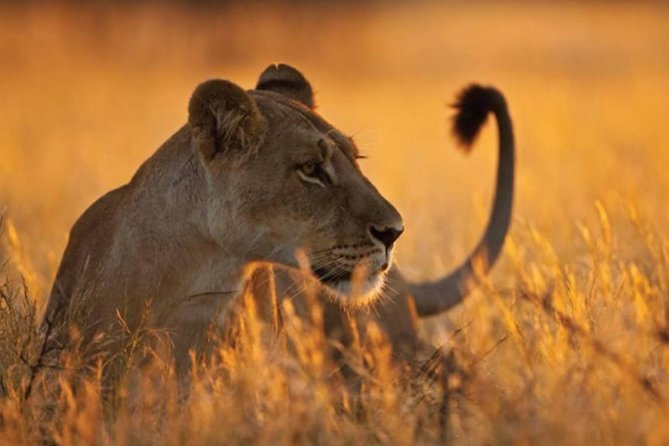
The large herds support lions, cheetahs, and hyenas, among other predators. Your guide’s skill in reading tracks, scanning the distance, and communicating with other guides can make a major difference. Several guides associated with this trip have been praised for finding animals, with Thomas and Erasto receiving especially strong attention for spotting wildlife. You cannot request a particular guide with certainty unless the operator confirms it, but it is sensible to ask who is assigned before departure.
This is also the point where the driving can become part of the challenge. The Serengeti is vast. Reaching its central Seronera area takes time, but it gives you access to some of the park’s best-known game-drive country.
Other park itineraries that start in Kilimanjaro:
- Great Migration Safari In Tanzania
★ 5.0 · 71 reviews - 6 Days Tanzania Classic Safari
★ 5.0 · 52 reviews - 5 Days Private Tarangire, Serengeti, Ngorongoro, Manyara Safaris
★ 5.0 · 17 reviews - 4 Days Tanzania Private Safari | Serengeti , Ngorongoro & Tarangire Safari
★ 5.0 · 16 reviews
Day 4: A full Serengeti day in the Seronera area
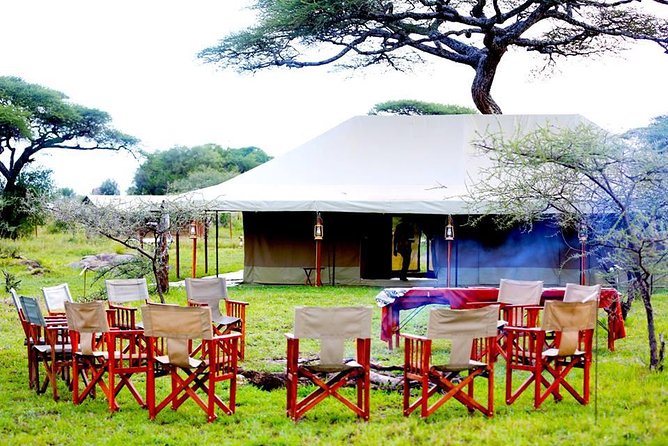
Day four is the safari’s most focused wildlife day. You spend the morning and afternoon on game drives, with roughly 12 hours allocated to the park. There is also an optional balloon safari for an extra cost.
The split between morning and afternoon is useful. Animals may be more active earlier in the day, while the later drive gives you another chance to follow fresh sightings. Between drives, you return to your camp or lodge, depending on the accommodation arrangement.
An optional balloon flight can offer a different view of the plains, but it is not included in the stated price. Ask for the current cost and exact timing before adding it, since a balloon activity may affect the morning schedule.
The long day rewards patience. You might spend time watching one herd, searching for cats, or waiting near a water source. The private vehicle format helps because you are not sharing every decision with a large group. It does not mean the guide can control animal behavior or road conditions.
If you want the best chance of seeing a broad mix of wildlife, this is the day to protect. Avoid adding too many side activities unless you are comfortable with a very early start and a late return.
Day 5: Sunrise, then the road to Ngorongoro
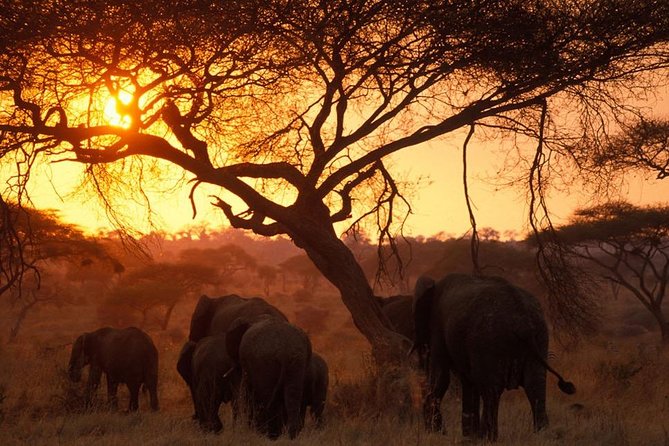
The fifth day begins before breakfast with an early morning game drive. This is one of the most appealing parts of the schedule. The light is softer, the savannah is cooler, and animals are often more active early in the day. You also get a sunrise view before returning to camp for brunch.
Afterward, the route continues toward Ngorongoro. This creates a strong contrast within one day: open Serengeti plains in the morning, then the high crater country later.
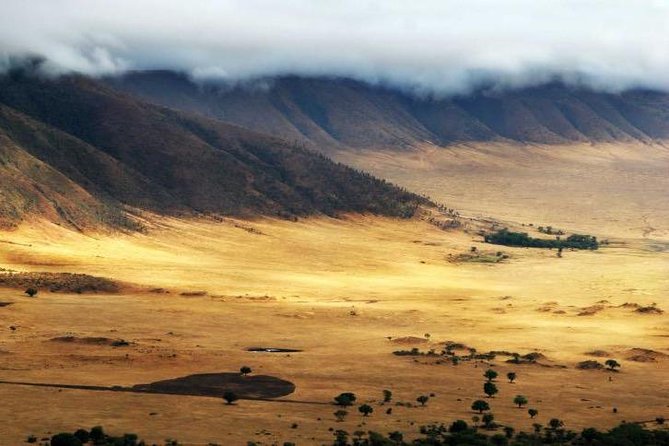
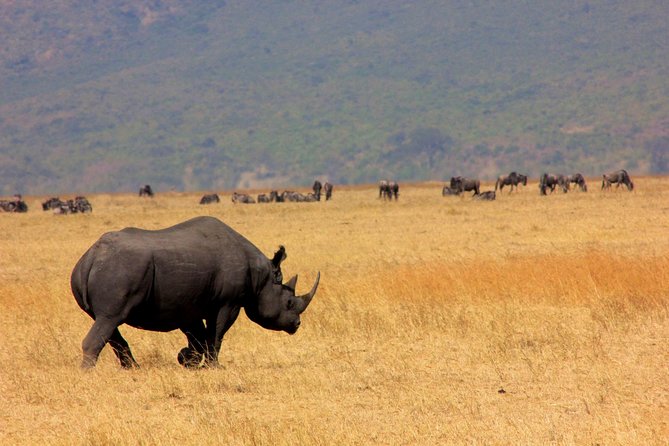
Ngorongoro Crater is described as having walls about 2,000 feet high and a floor covering roughly 102 square miles. Its enclosed setting supports a high concentration of wildlife, including the rare black rhino. You may also see lions, elephants, buffalo, zebras, and other species, though sightings remain subject to the day’s conditions.
The timing is ambitious. An early drive, brunch, and transfer to the crater area can make this another tiring day. Still, the early start is worthwhile if wildlife viewing is your priority. I would choose this version over a later departure because the sunrise drive adds a memorable experience without requiring another full day.
Day 6: Down into Ngorongoro Crater
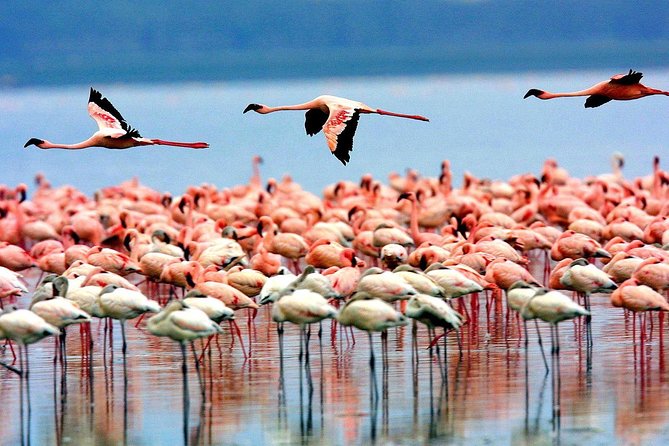
The final day starts very early with a descent to the crater floor. The scheduled activity lasts about nine hours, including a picnic lunch near a hippo lake and more wildlife viewing in the afternoon.
Ngorongoro works well as the grand finale because its steep walls create a sense of entering a natural arena. The floor supports many species in a relatively concentrated area, so you may spend less time covering empty distances than in the Serengeti. The rare black rhino is one of the most important possible sightings.
The picnic stop near the hippo lake breaks up the day, but you should still expect a long stretch in the vehicle. After the afternoon game drive, the vehicle climbs out of the crater and returns to Arusha.
One practical point needs checking: the meeting point is Kilimanjaro International Airport, while the final transfer is listed as returning to Arusha. Confirm the exact drop-off location and timing if you have a flight, hotel booking, or onward connection.
What the $3,142.86 price includes
At $3,142.86 per person, this is a substantial purchase. The value depends on how much you want handled in one private arrangement.
The price includes private transportation, park fees and taxes, five dinners, five lunches, and four breakfasts. It also includes the Ngorongoro Crater admission listed for the final day. Since the trip lasts five nights, ask why only four breakfasts are counted and confirm which meals are included on each day.
The price does not include flights, travel insurance, visas, alcohol, soft drinks, tips for the driver, or Maasai village fees. Those extras can change the final cost. The optional balloon safari also costs more.
Private transport is the biggest value point. You are not paying only for park entry. You are also paying for planning, vehicle time, transfers between parks, and a guide assigned to your group. For a first safari in Tanzania, that convenience can be worth a great deal.
Still, compare the lodging details carefully. A luxury label means little unless you know the names, room types, and meal arrangements. Ask for a night-by-night accommodation list and confirm if the Seronera night is a campsite, a permanent tented camp, or a lodge.
The guide can shape the entire trip
The strongest positive pattern connected with this safari is the guide service. Past departures have included Lameck, Anderson, Thomas, and Erasto, while Amos handled booking communication for some clients.
Lameck was singled out for both guiding ability and the way he helped make the safari feel personal. Anderson traveled with a cook named Marc, and the combination was praised for professionalism. Thomas was noted for spotting animals that might otherwise have been missed. Erasto received especially warm praise for game drives and finding wildlife.
These details matter because safari guiding is not just about driving from one gate to another. Your guide chooses routes, watches animal behavior, explains what you are seeing, and helps set the pace. Ask if you can request one of these guides, but get confirmation rather than assuming availability.
There is also one caution. A negative account described problems involving itinerary changes and communication. That does not define the whole operation, but it is a useful reason to put every agreed detail in writing, especially accommodation, added days, payment steps, and the final drop-off.
Who should book this safari
I would recommend this route to a first-time safari visitor who wants the classic northern Tanzania circuit in less than a week. It suits couples, families, and private groups who value having their own vehicle and want a strong chance of seeing elephants, big cats, hippos, giraffes, zebras, and many bird species.
It is also a good match for photographers who want varied settings. Tarangire gives you baobabs and elephants, Manyara offers forest and birds, the Serengeti provides open views and predator country, and Ngorongoro brings concentrated wildlife with dramatic crater walls.
I would hesitate if you dislike early mornings, long drives, or changing accommodation. The schedule includes a 10-hour Manyara day, a 12-hour Serengeti day, and several early starts. This is an active safari with plenty of time in the vehicle.
Free cancellation is available up to 24 hours before the start time. Changes made inside that window are not accepted, and poor weather may lead to a new date or a full refund.
Should you book it?
Book this safari if you want four major northern Tanzania parks, private transport, and a busy schedule that puts wildlife first. The route is especially appealing because it gives you three separate Serengeti viewing periods, including a full day and a sunrise drive.
Before booking, confirm the exact lodges, the guide, the meal count, the balloon safari cost if wanted, and the final return point. If those details suit you, the price can represent solid value for a private six-day safari. If you want more time at each lodge or a slower pace, add days rather than trying to squeeze more into this route.
FAQ
How long is the safari?
The experience lasts six days and five nights.
Where does the safari start?
The listed meeting point is Kilimanjaro International Airport, Kilimanjaro Airport Road, Tanzania. The start time is 8:00 a.m.
Which national parks are included?
The route includes Tarangire National Park, Lake Manyara National Park, Serengeti National Park, and Ngorongoro Crater.
Is this a private tour?
Yes. Only your group participates, and private transportation is included.
What meals are included?
The package includes five dinners, five lunches, and four breakfasts. Confirm the exact meal schedule because the safari lasts five nights and includes several early departures.
Are park fees included?
All fees and taxes are included, and admission to Ngorongoro Crater is specifically listed as included on the final day.
Is the balloon safari included?
No. An early morning balloon safari is available on day four for an additional cost.
What is not included in the price?
Flights, travel insurance, visas, tips for the driver, Maasai village fees, alcohol, and soft drinks are not included. The balloon safari also costs extra.
Can I cancel for a full refund?
You can cancel up to 24 hours before the experience starts for a full refund. Cancellations or changes made less than 24 hours before the start time are not accepted, and poor weather may result in a different date or a full refund.
More Ngorongoro trips from Kilimanjaro
- 4 Days Lake Manyara National Park, Ngorongoro Crater , Serengeti National Park.
★ 4.0 · 4 reviews - 3 Days Serengeti & Ngorongoro Group Camping Safari
★ 5.0 · 574 reviews - Safari Serengeti And Ngorongoro
★ 5.0 · 288 reviews - 5 Days Camping Tarangire, Serengeti & Ngorongoro crater & Visiting Maasai
★ 5.0 · 229 reviews
More safaris from Kilimanjaro
- 6 Days Big Five Tanzania Safari
★ 5.0 · 15 reviews - 7 Day Grand Tanzania Safari
★ 5.0 · 13 reviews - Tanzania Classic Safari 3 Days / 2 Nights
★ 4.5 · 9 reviews - Amazing 4 Days Safari 3 Nights: Tarangire, Ngorongoro, Serengeti
★ 5.0 · 6 reviews
Just added in Kilimanjaro
- 5 days Serengeti Wildebeest Migration Safari★ 5.0 · 3 reviews
- Mount Kilimanjaro 6 days – Machame route★ 4.0 · 5 reviews
- Mount Kilimanjaro 7 Days – Machame Route★ 5.0 · 5 reviews
- 6 Days Machame Route Kilimanjaro Trekking★ 5.0 · 13 reviews
- Lemosho Route★ 5.0 · 21 reviews
- Tanzania Safari and Kilimanjaro Climb Multi-Day Experience★ 5.0 · 3 reviews
- Amazing 4 Days Safari 3 Nights: Tarangire, Ngorongoro, Serengeti★ 5.0 · 6 reviews
- 9 Days – Best of Tanzania Safari★ 5.0 · 4 reviews
Ngorongoro Crater Tours, compared.
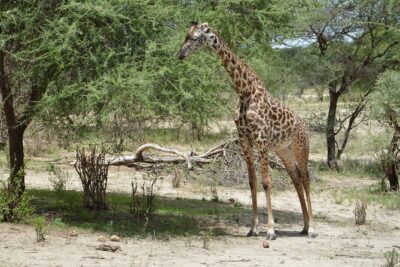
3 Days Serengeti & Ngorongoro Group Camping Safari
Read our review →
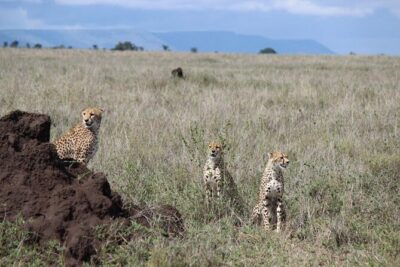
4-Day Safari from Arusha: Tarangire, Serengeti and Ngorongoro
Read our review →
2 Days Tarangire and Ngorongoro Group Camping Safari
Read our review →
3 Days Private Safari – manyara, Ngorongoro & Tarangire
Read our review →
5 Days Tanzania Group Joining Safari, Tarangire/Serengeti/Ngorongoro Crater
Read our review →