
Reviewed · SAFARI TOURS
7 Day Grand Tanzania Safari
The great strength of this safari is its route: four famous wildlife areas in seven days, ending with a full game drive inside Ngorongoro Crater. You have a real chance at the Big Five, along with elephants beneath baobabs, tree-climbing lions, flamingos, and the open plains of the Serengeti.
I like the practical design. Meals, park admissions, transport, and seven breakfasts are included, and the private format means your group can discuss wildlife stops with its own guide. I also like the two nights linked to the Serengeti, which give you more than a rushed look at Tanzania’s best-known park.
The tradeoff is the amount of time spent on the road. Several days include about six hours of safari and transfers, and the schedule is active rather than restful. Lunch quality may also vary, so bring patience, snacks, and realistic expectations about camp meals.
What makes this seven-day safari worth a closer look
- A strong northern Tanzania route: Tarangire, Lake Manyara, Serengeti, and Ngorongoro are all included.
- Big Five potential: Lion, elephant, buffalo, rhino, and leopard are found across the route, but no safari can promise every sighting.
- Two Serengeti days: The extra time improves your chances of finding predators and grazing herds.
- Private touring: Only your own group participates, giving you more say in the pace and wildlife stops.
- A guide-led experience: Past departures have been led by guides including Godlove, Amos, Martin, and Idi.
- Clear package value: The $2,800 price includes meals, park entries, transport, and lodging arrangements, with hot-air ballooning extra.
Day 1: Tarangire’s elephants and baobab trees
Your safari begins with a morning briefing, followed by roughly a two-hour drive to Tarangire National Park. That opening transfer is fairly manageable, and it gets you into wildlife country quickly.
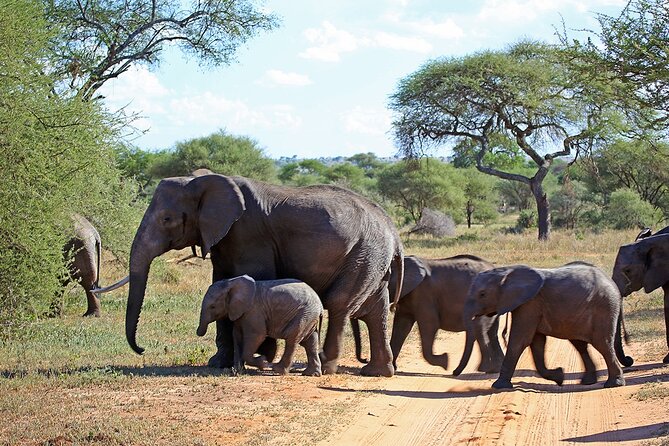
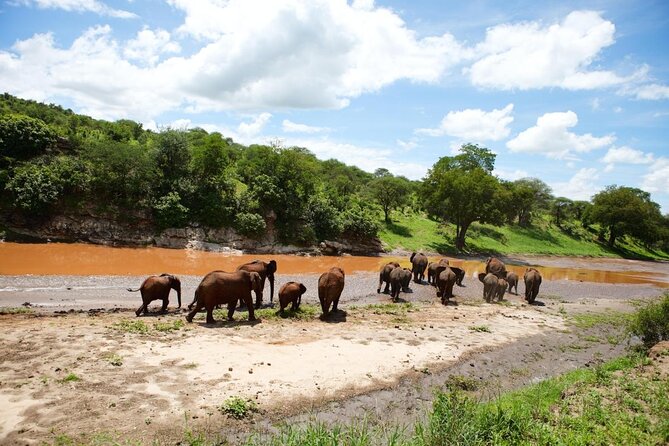
Tarangire is a fine first park because it offers an immediate sense of Tanzania’s scale and character. Giant baobabs rise over bush savannah, while seasonal marshes draw animals together. Elephants are the main attraction here, and the park is known for close sightings from an open-roof safari vehicle.
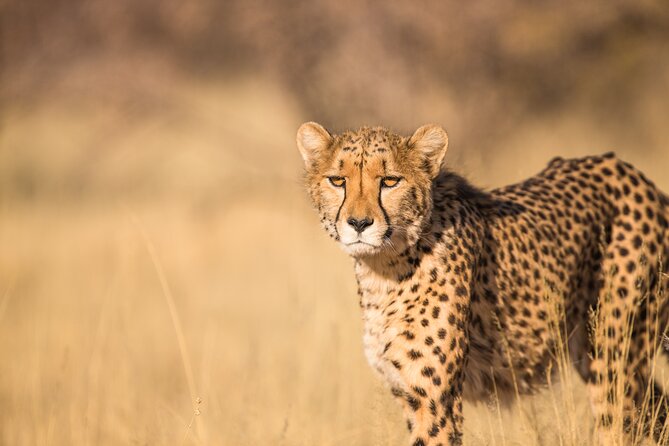
You may also see buffalo, zebra, and wildebeest. Lions often follow these herds, while leopards appear now and then. Cheetahs are uncommon, so this is not the place to set your expectations around finding one.
The listed park time is about six hours. That gives you a proper game drive, though the combination of an early start, rough roads, and a later transfer can make the day tiring. In the late afternoon, you leave the park for an overnight at Eileen’s Tree Inn.
Other park itineraries that start in Kilimanjaro:
- Great Migration Safari In Tanzania
★ 5.0 · 71 reviews - 6 Days Tanzania Classic Safari
★ 5.0 · 52 reviews - 5 Days Private Tarangire, Serengeti, Ngorongoro, Manyara Safaris
★ 5.0 · 17 reviews
Day 2: Lake Manyara below the Rift Valley escarpment
After breakfast, you head to Lake Manyara National Park. The park is compact compared with the Serengeti, but its setting makes it memorable. A shallow soda lake fills much of the park, while the Great Rift Valley’s western escarpment rises nearby.
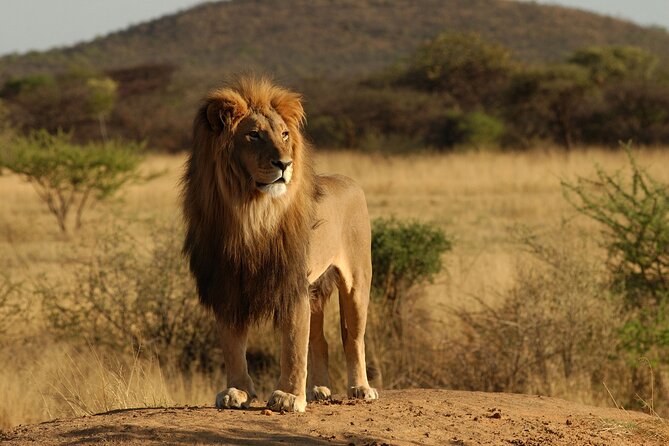
This is a day of changing habitats. The lake draws flamingos when conditions are right, and the park supports large numbers of elephants. The area is also associated with tree-climbing lions, one of Tanzania’s most distinctive wildlife sights.
I like the contrast with Tarangire. The first day centers on dry-country scenery and baobabs; the second brings water, birdlife, woodland, and dramatic geology. That variety matters on a seven-day safari because every park feels different rather than becoming a blur of similar game drives.
Again, plan on about six hours in the park. The schedule is not designed for a leisurely morning followed by a long lunch. You are here to cover ground and watch for animals, so comfortable clothing, sun protection, and a camera with spare battery power are sensible.
Days 3 and 4: Reaching the Serengeti and staying in Seronera
Day 3 is the big transition. After an early breakfast, you travel toward the Serengeti, climbing from the Rift Valley area toward the open plains. The drive is part of the experience, but it is also one of the tour’s demanding stretches.
The Serengeti is the heart of a huge wildlife system linked with the Ngorongoro Conservation Area and Kenya’s Maasai Mara. More than 1.4 million wildebeest, along with large numbers of Thomson’s gazelles and zebras, move through this wider region during the annual migration. The exact location of herds changes by season, so the route does not guarantee a front-row view of migration activity.
The value of Day 3 is that it gets you into the Serengeti instead of treating the park as a quick photo stop. You have time to watch the plains open up and begin searching for the animals that make this park famous. Park admission is included, and the day allows about six hours of activity.
Day 4 starts early with a first game drive. You return to camp for breakfast, then head out again for a further drive in the central Serengeti. The overnight is in the Seronera area, at the center of the park.
That arrangement is one of the itinerary’s smartest choices. An early drive can be productive for wildlife viewing, and returning for breakfast gives you a useful break before the second outing. You also avoid packing up and moving every few hours, at least for this central portion of the safari.
The central Serengeti is where you should expect a busy wildlife day, not a quiet retreat. You may spend time watching one animal, then drive on after your guide hears of another sighting. The quality of this part depends heavily on the guide’s judgment and local knowledge. Past departures have praised guides such as Godlove, Amos, Martin, and Idi for their care, communication, and ability to respond to requests. Your assigned guide may be different, so confirm that before booking if a particular guide matters to you.
Day 5: Sunrise option, Maasai culture, and the road to Ngorongoro
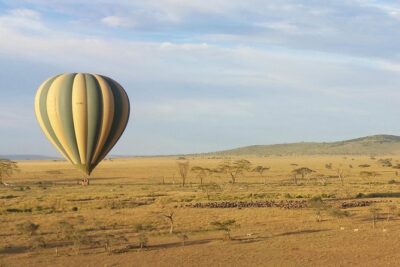
Day 5 gives you an optional hot-air balloon ride over the Serengeti at an additional cost, arranged in advance. The flight is described as a quiet morning experience above the plains, with views of wildlife, rivers, small villages, and the waking bush.
If you skip the balloon, you start with a sunrise game drive, return for breakfast, and continue driving until lunch. After lunch, the route heads toward Ngorongoro for the overnight stay.
The balloon flight can add a memorable view from above, but it is not part of the $2,800 package. Ask for the current price, meeting arrangements, and payment details before committing. If you prefer to keep the trip’s main cost under control, the included sunrise drive still gives you a strong start to the day.
The journey to Ngorongoro also includes a chance to see Maasai life in the conservation area. The description is brief, so you should treat this as a cultural encounter along the route rather than a full village visit or extended cultural program.
This day is long in a different way from the Serengeti days. You have one last chance for game viewing, then a major transfer toward the crater area. That makes the overnight near Karatu useful. It breaks up the route before the next morning’s crater descent.
Other safaris people book out of Kilimanjaro:
- 4 Days Tanzania Private Safari | Serengeti , Ngorongoro & Tarangire Safari
★ 5.0 · 16 reviews - 6 Days Big Five Tanzania Safari
★ 5.0 · 15 reviews - 6 Days 5 Nights lodge safari Tarangire, Manyara, Serengeti & Ngorongoro Crater
★ 4.5 · 10 reviews - 4 Days Tanzania Luxury Safari Serengeti and Ngorongoro Crater
★ 5.0 · 9 reviews
Day 6: A full day inside Ngorongoro Crater
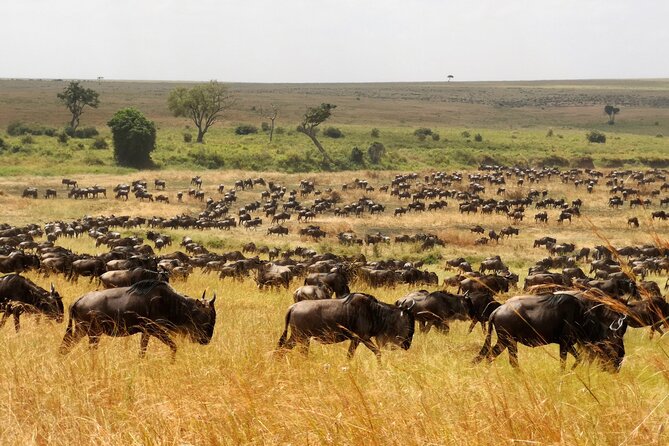
After breakfast at daybreak, you return to the Ngorongoro Conservation Area and drive down into the crater. The crater is a collapsed volcano with a large concentration of wildlife in a relatively contained setting.
This is the itinerary’s most efficient Big Five day. The area is home to more than 25,000 mammals, including lion, elephant, buffalo, rhino, and leopard, as well as spotted hyenas and more than 500 bird species. Again, these are possibilities, not a checklist. Rhino and leopard sightings can be especially uncertain on any single drive.
The crater’s appeal is the mix of scale and concentration. You are not simply crossing endless plains. You are moving through a dramatic natural bowl where open grassland, water, and animal populations create strong viewing chances.
The plan includes an extensive game drive and a picnic lunch before leaving the caldera in the afternoon. You then return to the lodge for dinner and the final overnight. Six hours of activity sounds reasonable on paper, but a crater day can feel full after six previous days of early starts and bumpy roads.
The picnic lunch deserves a practical note. Meals are included throughout the tour, which is a real convenience, but food quality may not always suit every appetite. One past meal was described as an unappealing carrot sandwich. I would pack a few familiar snacks, especially if you are sensitive to repetitive lunches or need extra food during long drives.
Day 7: Returning to Arusha by midday
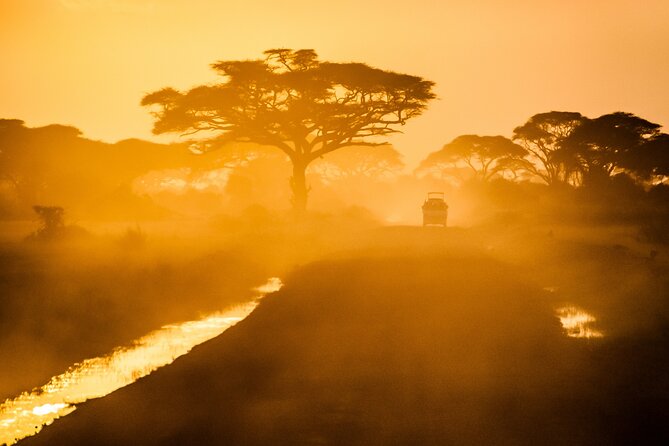
After a more relaxed breakfast, you travel back to Arusha. The final transfer takes about two hours, with arrival around midday, followed by drop-off in central Arusha or at the airport.
That timing is useful, but do not treat it as a guaranteed flight connection unless the operator confirms the schedule directly. Safari roads, park exits, and vehicle delays can affect arrival times. If you are flying out, give yourself a sensible buffer.
The ending is simple and practical. You do not lose a final day to a long return journey, and the airport or city-center drop-off makes it easier to continue your trip.
What the $2,800 price really covers
At $2,800 per person, this is not a budget day trip. It is also more than a bare park-entry package. The price covers seven days of touring, six dinners, seven breakfasts, seven lunches, park admissions, transport, and accommodation arrangements.
That makes the value easier to judge. You are paying for a route through four major wildlife areas, not just a single park. The two Serengeti days and the Ngorongoro crater visit are the strongest parts of the package, since arranging those separately can require more planning and more transfers.
Personal expenses and optional tours are not included. The hot-air balloon ride is the clearest extra cost. You should also set aside money for any personal purchases and confirm exactly what accommodation standard is planned for each night, since the itinerary refers to an inn, lodge, camp, and campsite areas rather than one consistent lodging style.
The private format improves the value if you want flexibility. Your group participates alone, so you can discuss wildlife sightings, ask for explanations, and make requests without sharing the vehicle with strangers. The quality of that benefit depends on the guide and vehicle, so ask how many people your private group can include.
The pace, comfort, and practical side
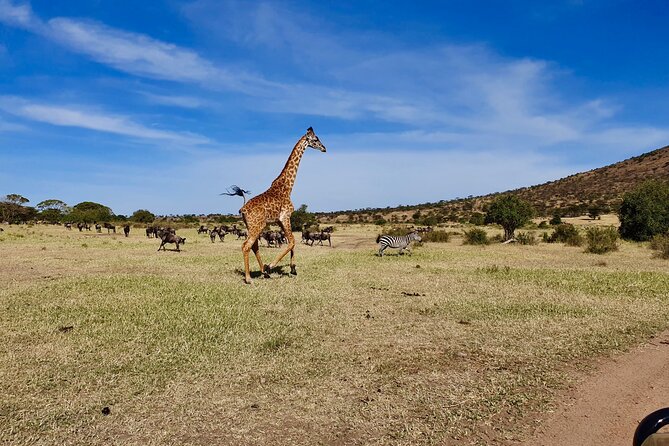
This is an active safari. Most listed days run around six hours, with early breakfasts, game drives, and long transfers between parks. Roads can be bumpy, and the repeated movement may be tiring for anyone who prefers a slow holiday.
On the good side, pickup is offered, the meeting point is Kilimanjaro International Airport, and the stated start time is 8:00 a.m. Confirmation is provided at booking, and most people can participate. The tour requires a minimum number of participants to operate, even though the activity itself is private once confirmed.
I would book this for someone who wants a broad first look at northern Tanzania and does not mind busy days. It suits couples, families, friends, and people adding a safari before or after climbing Kilimanjaro. One past departure was booked as motivation for a Kilimanjaro climb, which makes sense: the safari offers a strong reward after a demanding mountain trip.
I would hesitate if your top priority is luxury lodging, slow mornings, gourmet food, or a single park visited in depth. This plan is built around range and wildlife chances. You cover a lot of ground because you want to see several of Tanzania’s best-known places.
Should you book the Grand Tanzania Safari?
I would choose this safari if you want the classic northern Tanzania route in one organized week. Tarangire gives you elephants and baobabs, Lake Manyara adds birds and Rift Valley scenery, the Serengeti supplies the grand open plains, and Ngorongoro offers a concentrated final game drive.
The strongest praise attached to this experience centers on guide care, safety, organization, and the sheer number of animals seen. Names such as Godlove and Amos come up in connection with attentive guiding, while Petro is associated with quick communication and trip planning. Those strengths matter because a safari’s success depends on more than park choice.
Book it with clear expectations: the Big Five are a possibility, not a promise; lunches may be plain; the roads can be rough; and the balloon ride costs extra. You can cancel for a full refund up to 24 hours before the start time, subject to the stated minimum-participant condition.
For a first safari, the route is hard to fault. For a relaxed luxury holiday, I would compare slower and more specialized options first.
FAQ
Where does the safari start?
The meeting point is Kilimanjaro International Airport on Kilimanjaro Airport Road, Tanzania. The stated start time is 8:00 a.m.
Where does the safari end?
The tour returns to Arusha on Day 7, with drop-off in the city center or at the airport.
Which parks and conservation areas are included?
The route includes Tarangire National Park, Lake Manyara National Park, Serengeti National Park, and the Ngorongoro Conservation Area.
Is the tour private?
Yes. Only your group participates in the private tour or activity.
Are meals included?
Yes. The package includes six dinners, seven breakfasts, and seven lunches.
Is the hot-air balloon ride included?
No. The Serengeti hot-air balloon ride is optional and available at an additional cost by advance arrangement.
Can I cancel for a full refund?
Yes, if you cancel at least 24 hours before the experience start time. Cancellations made less than 24 hours in advance are not refunded, and changes within that period are not accepted.
Just added in Kilimanjaro
- 5 days Serengeti Wildebeest Migration Safari★ 5.0 · 3 reviews
- Mount Kilimanjaro 7 Days – Machame Route★ 5.0 · 5 reviews
- 6 Days Machame Route Kilimanjaro Trekking★ 5.0 · 13 reviews
- Mount Kilimanjaro 6 days – Machame route★ 4.0 · 5 reviews
- Tanzania Safari and Kilimanjaro Climb Multi-Day Experience★ 5.0 · 3 reviews
- Lemosho Route★ 5.0 · 21 reviews
- Amazing 4 Days Safari 3 Nights: Tarangire, Ngorongoro, Serengeti★ 5.0 · 6 reviews
- 9 Days – Best of Tanzania Safari★ 5.0 · 4 reviews
Safari Tours, compared.
Serengeti Balloon Safari and authentic bush breakfast
Read our review →
Mikumi Safari Day Trip with Flights and Meal
Read our review →
3 Days Serengeti & Ngorongoro Group Camping Safari
Read our review →
7-Day Premium Luxury Tanzania Safari All-Inclusive
Read our review →
Safari Blue Lagoon Trip with Snorkeling and Lunch
Read our review →
Browse the lists this tour appears in