
Reviewed · KILIMANJARO TREKS
Lemosho Route
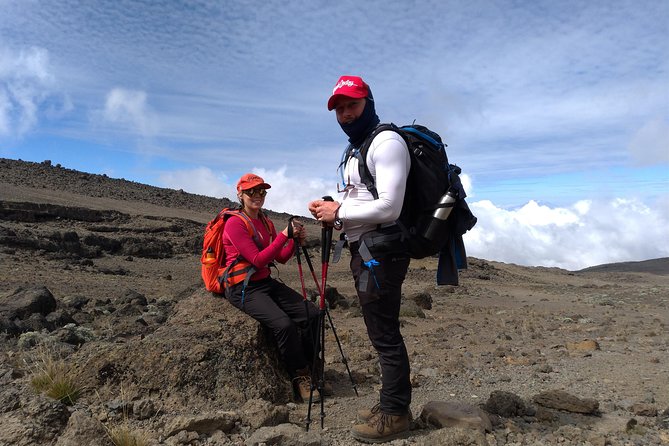
The Lemosho Route gives you Kilimanjaro in chapters: quiet forest, open moorland, the Shira Plateau, volcanic ridges, Barranco’s cliffs, and a long night toward Uhuru Peak at 5,895 meters. The eight-day plan shown here actually runs across nine itinerary days, including arrival and departure, so check the exact schedule before you pay.
I like the slow altitude gain and the extra acclimatization time. I also like the practical start in Moshi, where your guide briefs you and checks your equipment before you leave town. The route is demanding, though, and summit night is a serious physical test rather than a simple sightseeing walk.
The biggest caution is the package description. The itinerary says airport transfer, hotel accommodation, meals, and equipment checks are arranged, but the formal inclusion list names only parking fees. Ask for a written list of what the $2,310 price covers, including crew tips, park fees, transfers, rental gear, and drinks.
Key points at a glance
- Nine itinerary days despite the advertised eight-day duration: Arrival in Tanzania is counted separately from the seven mountain days and the descent day.
- A strong acclimatization pattern: You sleep at 2,780 meters, 3,500 meters, 3,900 meters, 3,960 meters, 3,963 meters, and 4,640 meters before summit night.
- Lava Tower at 4,640 meters: You climb high during the day, then drop to Barranco Camp, a useful high-climb, lower-sleep routine.
- A challenging summit night: Expect a midnight start, six to eight hours to the crater rim, then a descent to Mweka Camp.
- Small maximum group: The advertised limit is 15 people, large enough for company but smaller than a mass-market trek.
- Strong support reputation: Past arrangements name guides and contacts such as Jackson, Omary, Fadhili, and Wency Machiba, with repeated praise for organization, care, food, and porter support.
Starting in Moshi with an equipment check
Your Kilimanjaro trip begins with pickup at Kilimanjaro International Airport and a transfer to a hotel in Moshi. The listed accommodation is Lindrin Lodge, with bed and breakfast included for the arrival night.
This first evening matters. You meet your guide, receive a briefing, and check your mountain equipment before heading to the gate. Missing gear can be rented at this point, which is far better than discovering a problem halfway up the mountain.
The listed meeting time is 2:00 am at the airport, but the arrival-day schedule also describes a hotel transfer and an equipment check. Confirm the actual pickup time for your flight. A midnight airport meeting would be very different from a daytime arrival transfer.
The operator’s past contacts include Jackson, who handled planning for several climbs, and guides such as Omary, Fadhili, and Wency Machiba. Do not assume one of these people will lead your group. Ask who your guide will be, how many porters and cooks are assigned, and how the team handles medical concerns at altitude.
Other routes up the mountain from Kilimanjaro:
- 7 Days Kilimanjaro via Machame route affordable price
★ 5.0 · 110 reviews - Kilimanjaro Airport taxi to/from Moshi town/Arusha town
★ 5.0 · 60 reviews - 6 Days Climbing Mount Kilimanjaro Machame Route
★ 5.0 · 40 reviews
Day 2: Lemosho Glades to Big Tree Camp
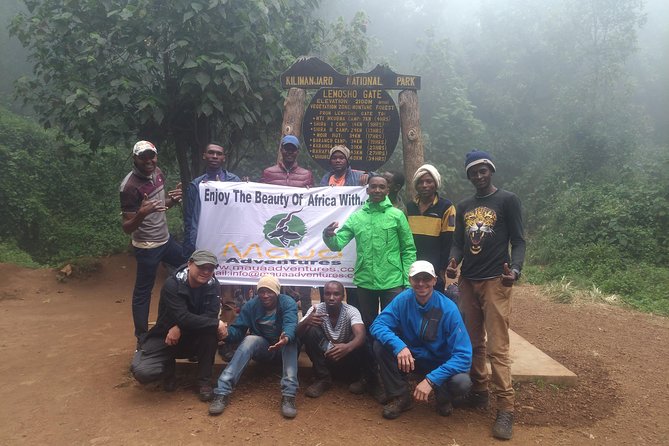
After hotel pickup at about 8:00 am, you drive to the Lemosho gate on the western side of Kilimanjaro. Registration comes first. Then you enter the forest and walk steadily toward Big Tree Camp at 2,780 meters.
The day covers about 7 kilometers and takes roughly four hours. It is a sensible first mountain day, not because it is effortless, but because it lets you settle into the pace. Breakfast, lunch, and dinner are listed as included on the trekking days.
The forest section is one of Lemosho’s pleasures. It feels quieter and more gradual than routes that rush straight toward the upper camps. You start among trees, with the mountain still partly hidden, and finish at a camp that gives you your first real sense of the nights ahead.
Your main job is to walk slowly from the beginning. A common mistake is to treat the first day like a race because the distance looks short. Keep your pack light, drink regularly, and use the day to learn the group’s rhythm.
Day 3: Big Tree Camp to Shira 1 Camp
The route changes character as you leave the forest and cross grassy moorland. Volcanic rock formations appear along the trail, and the walking becomes more open. Shira 1 Camp sits at 3,500 meters.
This is an 8.5-kilometer day taking about seven hours. Parts of the route are fairly steep, and the altitude gain is noticeable. Kibo Peak may appear above the clouds, an early reminder that the summit is still far higher.
I like this stage because you begin to see Kilimanjaro as a broad volcanic mountain rather than a forest hike. The openness also makes the weather feel more immediate. Sun, wind, and cold can all become important, so keep warm layers within reach instead of buried in your duffel.
The seven-hour estimate is only a guide. Pace, weather, group size, and rest stops will affect the day. A group of up to 15 people can move more slowly than a private pair, but the larger group also gives the climb a social feel.
Day 4: Shira 1 to Shira 2 for acclimatization
The fourth day is a steady walk across the Shira Plateau to Shira 2 Camp at 3,900 meters. You cover about 8 kilometers in roughly five hours.
This section offers broad views and unusual angles toward Kibo. The route also provides views toward the Northern Ice fields from the western side of the mountain. The scenery is less about a single dramatic viewpoint and more about the gradual change in rock, plants, air, and distance.
An afternoon acclimatization walk is included before you return to camp for dinner and sleep. That extra walk is valuable because it gives your body more time at altitude without forcing you to gain another sleeping height.
Do not expect this day to feel easy simply because it is shorter than the previous one. At 3,900 meters, ordinary tasks can feel slower. Eat even if your appetite is reduced, and tell your guide early if you develop a headache, nausea, unusual tiredness, or breathing trouble.
Same base, a different kind of day out:
- Great Migration Safari In Tanzania
★ 5.0 · 71 reviews - 6 Days Tanzania Classic Safari
★ 5.0 · 52 reviews - 8 Days Kilimanjaro Hike via Lemosho Route
★ 5.0 · 39 reviews - 8 Days Great Wildebeest Migration – Mara River Crossing
★ 5.0 · 28 reviews
Day 5: Shira 2, Lava Tower, and Barranco
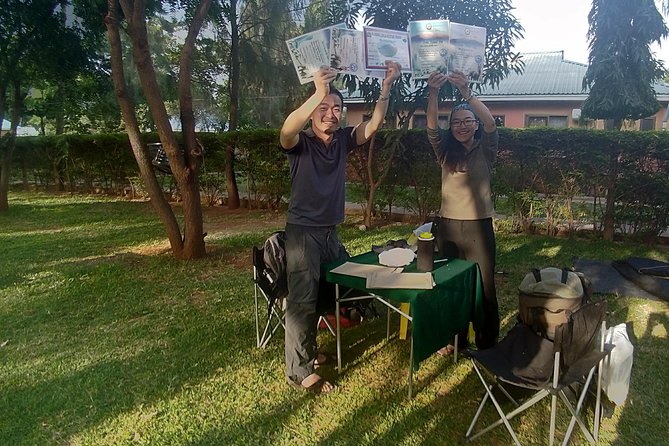
This is one of the most useful and memorable days on the route. From Shira 2, you climb toward the upland desert and the lava ridges below the western glaciers. The high point is Lava Tower at 4,640 meters.
You cover about 10 kilometers, with an estimated walking time of seven hours. After lunch at Lava Tower, you make a steep descent to Barranco Camp at 3,960 meters.
The pattern matters: climb high, then sleep lower. That is a sensible way to let your body experience altitude while avoiding an unnecessarily high sleeping camp. It also makes the day feel harder than the numbers suggest. You gain a lot, reach a high point, and then still have to descend.
Barranco Camp sits beneath towering cliffs with broad views toward the plains. The setting is dramatic, but you should not mistake drama for comfort. The upper section is exposed, cold, and dry, and the descent can be tiring after the Lava Tower climb.
This is a good day to listen closely to your guide. The trek is not technical mountaineering, but altitude management and pacing are central to your success.
Day 6: Barranco Wall and Karanga Camp
The morning begins by descending into the start of the Great Barranco before climbing the Barranco Wall. The route crosses rock and is described as nontechnical, but it is long and tiring.
You then pass beneath the Heim and Kersten glaciers and continue toward the Karanga Valley. A final steep climb brings you to Karanga Camp at 3,963 meters. The distance is only about 5.5 kilometers, yet the day takes around five hours because of the rough, steep ground.
The Barranco Wall is likely to be the most hands-on part of the trek. You may use your hands for balance, and the pace can slow when the group reaches narrower sections. It is not a climbing course, but it does require sure footing and patience.
If you are feeling strong, the plan includes another acclimatization walk to about 4,200 meters in the afternoon. You then return to camp for the night. This is a useful feature, but it should not become a test of pride. If you feel unwell, rest and tell your guide.
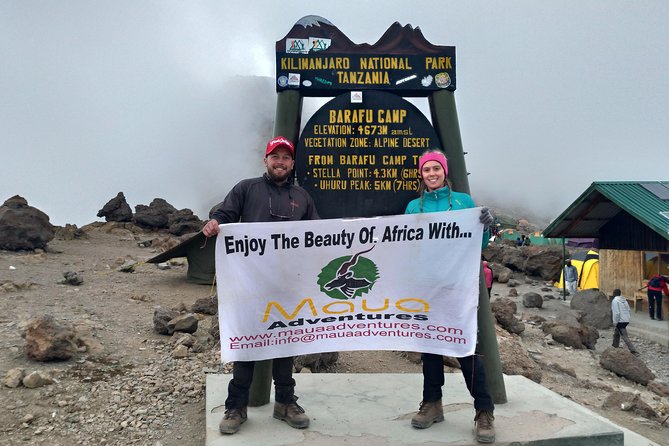
Day 7: Karanga to Barafu Camp
The route from Karanga to Barafu is short at about 3 kilometers, with an estimated walking time of three hours. It is also steep, barren, and difficult because the camp sits at 4,640 meters.
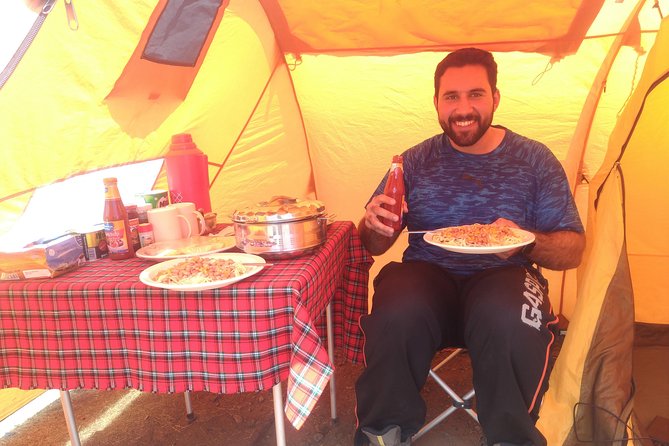
You cross loose scree with almost no vegetation. On arrival, you eat, rest, hydrate, and prepare for the summit attempt. Dinner is early, and the planned wake-up is between 11:00 pm and midnight.
This day is less about distance than preparation. Keep your headlamp, warm clothes, snacks, gloves, water, and other summit items ready before lying down. The schedule says you may be woken around 11:30 pm for hot tea and biscuits, followed by departure around midnight.
Sleep may be poor. That is normal for a night spent at this altitude and under the pressure of a summit attempt. Do not judge your chances by how much sleep you get. Focus on staying warm, drinking what you can, and moving at the slow pace set by the guide.
Day 8: Barafu to Uhuru Peak and Mweka Camp
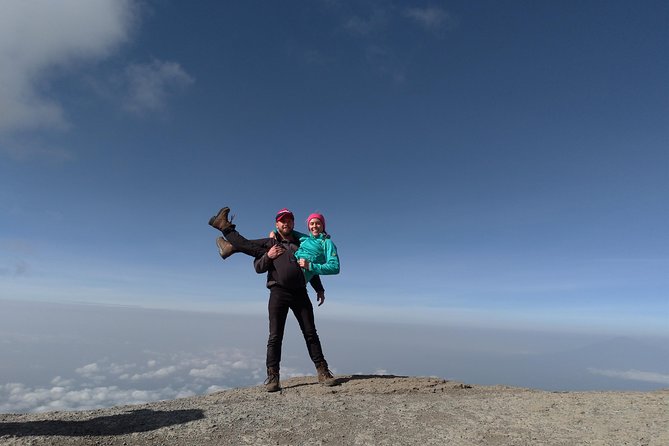
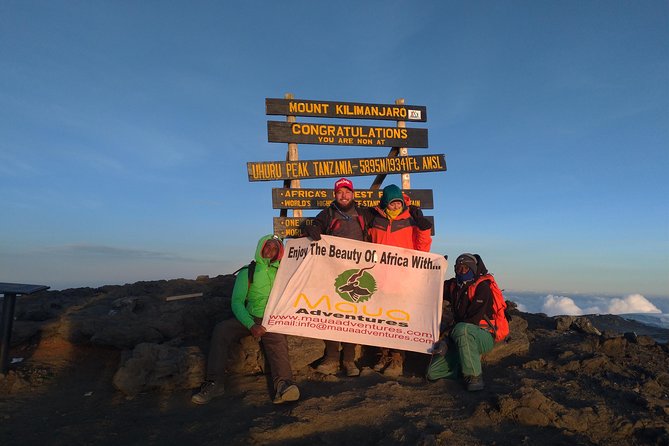
Summit day begins in darkness. The trail up Kibo is steep and slow, and the advice to keep moving one step at a time is practical. The climb to the crater rim at Stella Point, 5,739 meters, takes about six to eight hours.
From Stella Point, the route continues toward Uhuru Peak at 5,895 meters. The itinerary gives about 10 hours for this full stage, which includes the summit effort and descent toward Mweka Camp at 3,100 meters.
Reaching the summit is only half of this day. After the peak, you descend for hours to Mweka Camp. Your legs, feet, and concentration may be more tired on the way down than on the climb up. Keep drinking, protect your knees, and stay close to the group.
The summit conditions can be cold and difficult. Make sure your water does not freeze, your headlamp works, and your warm layers are easy to reach. You should also carry snacks you can eat while walking, since the summit timetable leaves little room for a long meal.
If you reach Stella Point, you receive a green certificate. If you reach Uhuru Peak, you receive a gold certificate. That distinction is useful because altitude affects people differently, and reaching the crater rim is still a major achievement.
Day 9: Mweka Camp to the gate and Moshi
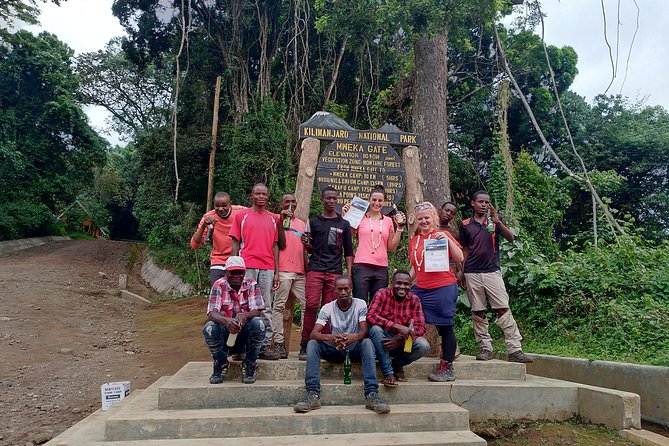
The final walk descends through the lower rainforest to Mweka Gate at 1,640 meters. The distance is about 9 kilometers and takes roughly three to five hours.
After the stark upper mountain, the return to trees feels like a change of world. The air is warmer, the trail is lower, and the pace should be easier, though tired legs can make the descent less pleasant than expected.
Certificates are presented if you successfully reach Stella Point or Uhuru Peak. The plan also notes a customary tip for the trekking crew before transport back to your Moshi hotel.
Tipping is not a small detail on a guided mountain trip. Ask before departure how the company handles crew tips and whether the suggested amount is separate from your package price. This avoids an awkward discussion at the gate.
What the $2,310 price may be worth
At $2,310 per person, this is not a casual day hike. You are paying for a multi-day mountain operation with airport pickup, hotel accommodation, route logistics, a guide, support staff, food, and access to one of Africa’s highest summits.
The value is strongest if the package truly includes the services described in the daily plan. A Moshi night, airport transfer, equipment check, mountain meals, and a longer route with acclimatization days can justify the price. The eight-day Lemosho format is also more sensible than trying to force the mountain into a shorter schedule.
Still, the formal inclusion section lists only parking fees. That is too thin for a trip of this type. Before booking, request a written breakdown covering:
- Kilimanjaro park and camping fees
- Airport and hotel transfers
- Moshi accommodation
- Meals on the mountain
- Guide, cook, and porter services
- Crew tips
- Rental equipment
- Rescue or emergency arrangements
- Drinks and personal items
Past arrangements were praised for organization, food, guide support, and porter care. Those are important benefits, but you should still confirm the exact crew structure for your departure. A maximum group of 15 is reasonable, though a smaller private group may provide more flexibility.
Free cancellation is available until 24 hours before the local start time. Cancellations inside that period are not refundable, and poor weather may result in a new date or a full refund.
Who should choose this Lemosho climb?
You should consider this route if you want a gradual approach, dramatic changes in scenery, and several days to adjust to altitude. It suits someone with moderate physical fitness who accepts that summit success is never guaranteed.
You should also be comfortable with early starts, basic mountain camps, long walking days, steep scree, and a midnight summit attempt. The route is not technical in the sense of rope climbing, but it is physically demanding.
This is a good choice for couples, friends, and small groups who want a serious shared challenge. One past group of nine reached the summit together, and other arrangements paired the climb with a safari afterward. If you are considering that combination, allow enough rest between activities rather than stacking every day tightly.
Should you book it?
I would book this Lemosho trip if the operator confirms the package in writing and you want the extra acclimatization time of an eight-day mountain schedule. The forest-to-summit route is varied, the itinerary uses a sound high-climb, lower-sleep pattern, and the support team has repeatedly been praised for care, food, and organization.
I would pause if you want a short, inexpensive walk or if you are not prepared for summit night. I would also pause until the vague inclusion list is corrected. Confirm the real duration, assigned guide, group size, crew tips, park fees, transfers, and equipment costs.
For a prepared walker who values time on the mountain more than speed, this is a serious and appealing Kilimanjaro route. Just go in with clear costs, realistic fitness expectations, and respect for the altitude.
FAQ
How long is the Lemosho Route experience?
The advertised duration is approximately eight days, but the detailed schedule runs from Day 1 through Day 9. It includes arrival in Tanzania, seven mountain stages, and the final descent to Mweka Gate, so confirm the exact trip length with the operator.
Where does the experience begin?
Pickup is offered at Kilimanjaro International Airport on Kilimanjaro Airport Road in Tanzania. The listed start time is 2:00 am, so confirm how that timing applies to your flight and arrival-day transfer.
Where do I stay before the trek?
The listed accommodation is Lindrin Lodge in Moshi, with bed and breakfast provided on the arrival night.
Is airport pickup included?
The tour information says pickup is offered and describes a transfer from Kilimanjaro International Airport to the Moshi hotel. The formal inclusion list is limited, so confirm whether this transfer is included in the $2,310 price.
What is the highest point reached?
The summit is Uhuru Peak at 5,895 meters. The route also reaches Stella Point at 5,739 meters and Lava Tower at 4,640 meters.
How difficult is the trek?
A moderate physical fitness level is required, but the trek is strenuous. The route includes steep sections, the Barranco Wall, high-altitude camps, a midnight summit start, and a long descent after reaching the summit.
Are meals included?
Breakfast, lunch, and dinner are listed as included during the mountain days. Ask for written confirmation of the full meal plan and whether drinks or snacks are included.
How large can the group be?
The maximum group size is 15 people. Your exact group size and crew arrangement should be confirmed before departure.
Can I cancel for a refund?
You can cancel at least 24 hours before the local start time for a full refund. Cancellations or changes made less than 24 hours before the start are not accepted for a refund. If poor weather cancels the experience, you are offered another date or a full refund.
Just added in Kilimanjaro
- 5 days Serengeti Wildebeest Migration Safari★ 5.0 · 3 reviews
- Mount Kilimanjaro 7 Days – Machame Route★ 5.0 · 5 reviews
- 6 Days Machame Route Kilimanjaro Trekking★ 5.0 · 13 reviews
- Mount Kilimanjaro 6 days – Machame route★ 4.0 · 5 reviews
- Tanzania Safari and Kilimanjaro Climb Multi-Day Experience★ 5.0 · 3 reviews
- 7 Day Safari in Tanzania National Parks★ 5.0 · 5 reviews
- Amazing 4 Days Safari 3 Nights: Tarangire, Ngorongoro, Serengeti★ 5.0 · 6 reviews
- 9 Days – Best of Tanzania Safari★ 5.0 · 4 reviews
Kilimanjaro Treks, compared.



8-Day Small-group Lemosho Kilimanjaro Summit Trekking
Read our review →

5 Days Best of Tanzania Luxury Safari Northern Circuit
Read our review →

Climbing Kilimanjaro through 7 days Machame Route
Read our review →
7-Day Machame Kilimanjaro Summit Tour from Arusha
Read our review →Browse the lists this tour appears in