
Reviewed · KILIMANJARO TREKS
6 Days Machame Route Kilimanjaro Climbing
Kilimanjaro’s Machame Route gives you the mountain in changing acts: thick rainforest, high moorland, volcanic rock, glacier views, and a summit night that begins around midnight. The six-day schedule is direct and demanding, with five nights on the mountain and a final descent through the forest.
I like the clear progression from Machame Gate to Uhuru Peak, and I like the hands-on support associated with Sebastian and the African Trek & Travel team. The crew focuses on preparation, safety, meals, camp work, and steady encouragement. The main caution is simple: six days is a hard timetable, and the summit day combines a midnight start with a long descent.
Key points to know before booking
- Summit night begins around midnight: You aim for Stella Point before dawn and Uhuru Peak near sunrise.
- The route reaches 4,600 meters at Lava Tower: You climb high, then sleep lower at Barranco Camp.
- Barranco Wall is the route’s most memorable physical section: The trail rises to about 4,250 meters before crossing Karanga Valley.
- Sebastian is a named guide connected with the experience: Preparation, gear advice, safety, and encouragement are central parts of the service.
- The price is $2,600 for a group of up to one: Confirm exactly what the group pricing means before paying.
- Park fees, meals, bottled water, and taxes are included: Tips, alcohol, and some practical extras are not.
What the six-day Machame Route is really like
Machame is often called the Whisky Route, a name that fits its tougher profile. This is not a gentle walk with a mountain view at the end. You gain altitude quickly, sleep in camps, and spend summit night on steep scree or snow, depending on conditions.
The route’s appeal is variety. You begin in forest, move into moorland, cross high volcanic ground, and approach the summit from the southern side. The schedule also uses a useful altitude pattern on Day 3: you climb to Lava Tower at 4,600 meters, then descend to Barranco Camp. That climb-high, sleep-lower rhythm gives you time to see how your body handles elevation.
The group limit is listed as 10 people. That is small enough for a guide to keep an eye on the group, though your actual number should be confirmed before booking. The experience begins in Moshi, with pickup offered. Transportation details mention comfortable seating, climate control, panoramic windows, storage, safety equipment, experienced drivers, and onboard Wi-Fi. Those features matter mainly for transfers before and after the trek, not for the mountain itself.
Other routes up the mountain from Moshi:
- Kilimanjaro climb by Lemosho Route (7-day)
★ 5.0 · 651 reviews - Kilimanjaro climb, Machame Route (7-day)
★ 5.0 · 262 reviews - Kilimanjaro Climbing Lemosho Route 8 Days.
★ 5.0 · 186 reviews
Day 1: Machame Gate to the rainforest camp
Your first morning begins at Machame Gate, where you register with park authorities. The gate is the administrative start of the climb, but the real change comes soon after, when the trail enters Kilimanjaro’s rainforest zone.
The walk takes about five hours. Compared with later days, the elevation gain is relatively gentle, but you still need to settle into a steady pace. Giant ferns, vines, and dense forest are part of the appeal here. The trees also give you shade, although the trail can feel humid and muddy depending on conditions.
You finish at Machame Camp for the first night. This is a good day to watch how the crew works. Meals, camp setup, water, and your sleeping arrangements become part of the daily rhythm. You should keep your rain gear and a warm layer easy to reach rather than burying them in your main luggage.
The first night is not about pushing hard. It is about eating, drinking, organizing your bag, and sleeping as well as the camp allows. You may still feel fresh, but the mountain has only just begun.
Day 2: Moorland and Shira Cave Camp
Day two is shorter in the stated schedule, at about three hours, but it brings a steeper ascent. The forest thins and gives way to moorland, with lower vegetation and more open views.
You gain considerable height today, and the change in air is more noticeable than the clock suggests. Keep your pace slow. The guide’s job is not to win a race, and your job is not to prove anything on the first uphill section. Small, regular steps are more useful than bursts of speed.
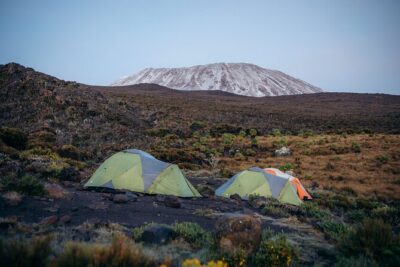
The night is spent at Shira Camp, also described as Shira Cave Camp, on the Shira Plateau. This is where Kilimanjaro begins to feel less like a forest hike and more like a high-altitude climb. The open setting can make the mountain seem larger, and temperatures may feel sharply cooler after sunset.
Use this evening to check your gloves, headlamp, water, and warm layers. The summit push will depend on simple items working properly. The crew provides meals and bottled water, but you are still responsible for managing your personal gear.
Day 3: Lava Tower at 4,600 meters, then Barranco Camp
Day three is one of the most important days on the route. You cross the high desert plateau and climb to Lava Tower, at about 4,600 meters. The walking time is listed at roughly five hours.
Lava Tower is valuable not only for its volcanic setting but also because it gives you an early test of altitude. You may feel fine, or you may notice headache, fatigue, poor appetite, or shortness of breath. Tell the guide how you feel. Do not treat symptoms as a private contest.
After Lava Tower, the route descends to Barranco Camp. This is a welcome change in height and one of the route’s scenic highlights. The camp lies in a valley below Barranco Wall, with dramatic volcanic surroundings and a clear sense that the serious part of the climb is ahead.
This day can feel odd because you work hard to go high, then lose some height for camp. That is intentional. The schedule lets you experience higher altitude while sleeping lower than Lava Tower. It is also a good evening to review the next day’s climb, since Barranco Wall will be the first major visual challenge.
Same base, a different kind of day out:
- Safari Serengeti And Ngorongoro
★ 5.0 · 288 reviews - Climbing Kilimanjaro – Machame Route
★ 5.0 · 170 reviews - Climbing Kilimanjaro through 7 days Machame Route
★ 5.0 · 151 reviews - Kilimanjaro climb, Lemosho Route (8-day)
★ 5.0 · 148 reviews
Day 4: Barranco Wall, Karanga Valley, and Barafu Camp
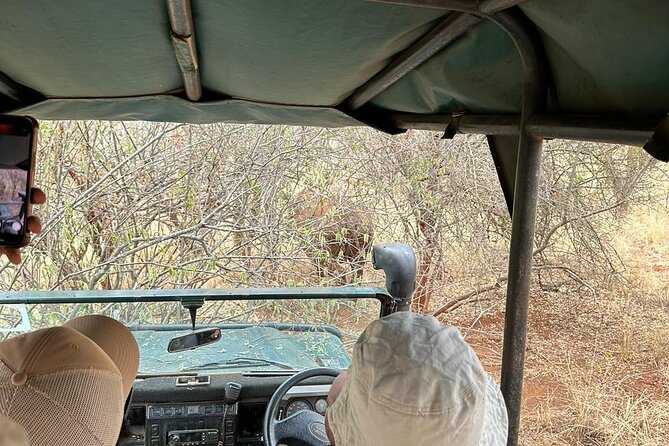
Day four is listed at about six hours and begins with the steep climb up Barranco Wall. The route reaches roughly 4,250 meters, or 13,900 feet, before continuing through Karanga Valley at about 4,050 meters.
The wall can look more intimidating from camp than it feels once you are on the trail. You will use your hands at points, and the pace is controlled. This is not a technical rock climb, but you should expect uneven ground, steep sections, and a slower line when the trail is busy.
After Barranco Wall, the route crosses the Karanga Valley and reaches the junction with the Mweka Trail. The climb continues toward Barafu Camp. By this point, you have completed the southern circuit, with views of the summit from several directions.
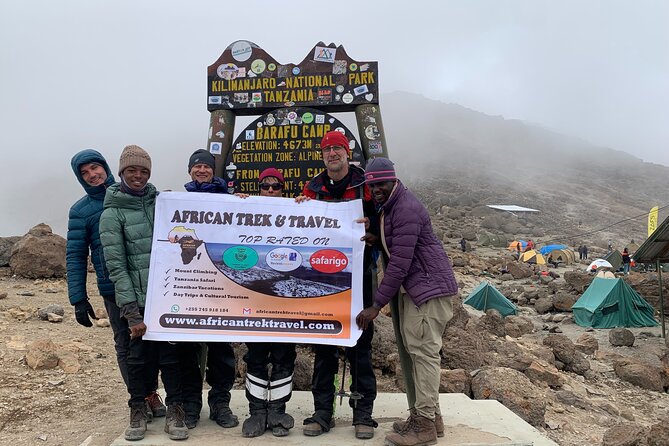
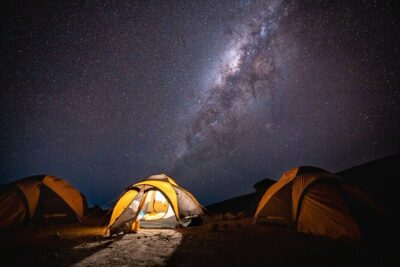
Barafu Camp is the staging point for the summit attempt. The name means ice, and the camp’s high, exposed position signals the change from regular trekking to summit preparation. You can see the summit in the distance, but the evening is not a sightseeing session. Eat, drink, organize your summit pack, and try to sleep.
Your guide should explain the midnight departure, clothing plan, water, snacks, and expected pace. This is where Sebastian’s reported strength in gear planning and preparation becomes especially useful. Ask questions before turning in. Once you leave camp, you want decisions made.
Day 5: The midnight climb to Uhuru Peak
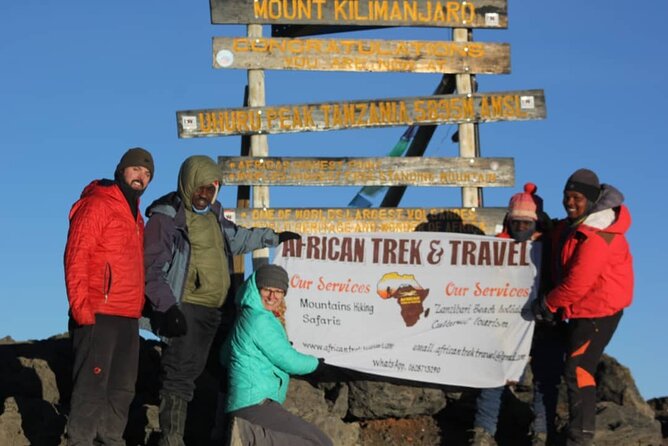
Summit day starts around midnight with a light breakfast. The timing is designed to get you to Stella Point on the crater rim between about 4 and 5 AM, then to Uhuru Peak close to sunrise.
The route rises through switchbacks on steep scree, with possible snow. Progress can be slow. The air is thin, the temperature is cold, and the lack of sleep makes every routine task feel harder. The best approach is to walk slowly, stay close to the guide, and focus on the next short section rather than the full height above you.
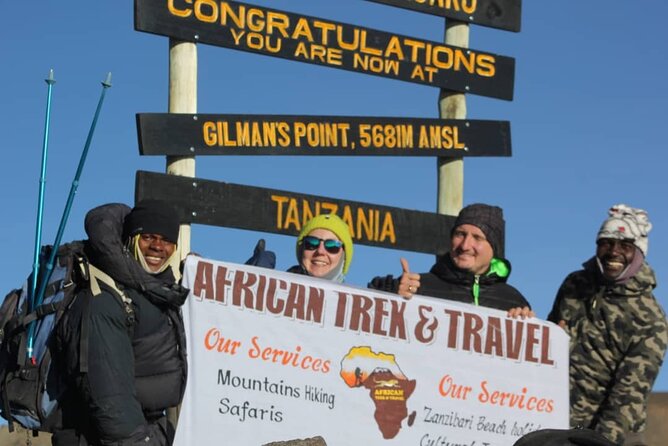
Stella Point sits at about 5,861 meters, or 18,640 feet. From there, you can see the crater and glaciers. The walk along the crater rim to Uhuru Peak takes about another hour, though your condition will determine the pace and time spent at the summit.
Uhuru Peak is the true summit at about 5,895 meters. You will have time for photographs if you feel well enough. Do not linger simply to collect a better picture. The summit is cold, and the descent is still long.
The return to Barafu Camp is part of the same hard day. After a short rest and food, you continue down toward the lower camp area, according to the operating plan and your condition. The listed schedule gives six hours for the summit portion, but actual time can vary with pace, altitude, snow, and stops. You should ask the operator how the camp sequence is handled after the summit.
Success is not only reaching the top. The guide’s safety decisions matter just as much. The experience is designed around getting climbers to the goal when possible, while turning back when altitude or exhaustion makes that the safer choice.
Day 6: Forest descent to Mweka Gate
The final morning brings breakfast and a descent through the lower rainforest to Mweka Gate. The stated distance is about nine kilometers, or 5.5 miles, and the walking time is about three to four hours.
After the open, cold upper mountain, the forest can feel warm and familiar. The descent is easier on breathing but can be tiring on knees and feet. Trekking poles may be helpful if you use them, though the provided details do not specify equipment rental.
At Mweka Gate, you complete the exit process. Climbers who reach Stella Point receive a green certificate, while those who reach Uhuru Peak receive a gold certificate. The crew is customarily tipped before you return to your Moshi hotel.
That final tip should be planned in advance. It is not included in the stated price, and the amount is not specified. Ask the operator for current guidance so you can budget fairly for the guide, porters, cooks, and other support staff.
Meals, water, and what the $2,600 price covers
The advertised price is $2,600 per group of up to one person. That wording is unusual, so I would confirm the exact rate for solo climbers and ask how the cost changes for two or more people. The group maximum is 10, but the price description says up to one, which may indicate a private booking rather than a standard group rate.
The listed inclusions cover all fees and taxes, bottled water at three liters per person, breakfast, lunch, and dinner. The meal counts are presented in more than one way, including five breakfasts, five dinners, six lunches, and references to nine meals. Ask for a written meal and accommodation breakdown before booking. That is not needless paperwork on a mountain trip. It prevents confusion.
The value depends on what is confirmed. Park charges, food, water, crew support, camp arrangements, and transport coordination can make a Kilimanjaro package worthwhile, especially if you want one company handling the details. The price is harder to judge until you know the exact group size, sleeping arrangements, transfers, and meal count.
Alcohol is not included, and the experience is not for anyone under 18 according to the supplied conditions. Restrooms are not provided onboard vehicles, which matters during transfers but not as a feature of the mountain camps.
Who should choose this climb
This route suits you if you want a varied Kilimanjaro experience and can manage long uphill days, camping, cold, and a midnight summit attempt. You should have a moderate level of physical fitness, but fitness alone does not prevent altitude problems.
It is a good match for someone who values an active local operator and direct guide support. Sebastian is specifically associated with gear advice, planning, safety, and encouragement. The team is also described as handling cooking, camp setup, meals, and porter support, which lets you focus more on walking and recovery.
You may prefer a longer route if you want more time for acclimatization. Six days is efficient, but it leaves less room for your body to adjust than a longer itinerary. Ask about the operator’s altitude protocols and what happens if you need to stop or descend.
Pickup is offered from Moshi, and confirmation is sent at booking. Service animals are allowed, though you should ask how that would work on a six-day mountain climb. Public transportation is nearby, but this is a guided trek with arranged support, not an independent walk from town.
Should you book the six-day Machame Route?
Book it if you want Kilimanjaro’s rainforest, high plateau, Barranco Wall, crater rim, and summit in one demanding six-day plan. The strongest reasons are the varied route, named guide support from Sebastian, included meals and park costs, and a small stated maximum of 10 people.
Pause before booking if you need a slower altitude schedule, dislike camping, or want a fully itemized price. Confirm the group pricing, meal counts, sleeping arrangements, transfers, tipping expectations, and post-summit camp plan in writing.
For a fit climber who understands that the summit is never guaranteed, this is a serious and well-supported way to approach Kilimanjaro. Go in prepared, walk slowly, and save some strength for the long way down.
FAQ
Where does the Kilimanjaro climb start?
The meeting point is in Moshi, Tanzania, at the listed MOSHI TANZANIA location. Pickup is offered.
How long does the Machame Route experience last?
The climb lasts six days, approximately. The itinerary includes five nights on the mountain and a descent to Mweka Gate on Day 6.
How many people can join the experience?
The maximum group size is 10 travelers. The listed price is for a group of up to one person, so confirm the exact pricing structure before booking.
What fitness level is required?
A moderate physical fitness level is required. The route includes several hours of uphill walking, steep sections, high altitude, and a midnight summit attempt.
Is bottled water included?
Yes. The stated allowance is three liters per person.
Are meals included?
Yes. Breakfast, lunch, and dinner are included, along with park fees and taxes. The supplied meal counts vary, so confirm the exact number of meals included in your booking.
Is the tip for the climbing crew included?
No. Tipping the team is not included. A tip is customary before transport back to your Moshi hotel.
What happens on summit day?
You wake around midnight for a light breakfast, climb to Stella Point on the crater rim, continue to Uhuru Peak, take photographs if you feel well, and then begin the descent.
What is the cancellation policy?
You can cancel at least 24 hours before the local start time for a full refund. Cancellations or changes made less than 24 hours before the start are not accepted for a refund.
Just added in Moshi
- Kilimanjaro Airport Private Transfer from/to Moshi★ 5.0 · 14 reviews
- 6 Days Machame route Kilimanjaro climbing★ 5.0 · 22 reviews
- 7 Days Highlight of Tanzania Mid-Range Standard★ 5.0 · 22 reviews
- 4 Day Mid-range Serengeti Safari★ 5.0 · 22 reviews
- Kilimanjaro Climbing 5 days Marangu route★ 5.0 · 22 reviews
- 6-Day Kilimanjaro Climbing Via Machame Route★ 5.0 · 23 reviews
- 9-Day Enchanting Tanzania Safari -High End All Inclusive★ 5.0 · 27 reviews
- Kilimanjaro Trekking 7Days 6Night Lemosho Route★ 5.0 · 23 reviews
Kilimanjaro Treks, compared.
8-Day Small-group Lemosho Kilimanjaro Summit Trekking
Read our review →
5 Days Best of Tanzania Luxury Safari Northern Circuit
Read our review →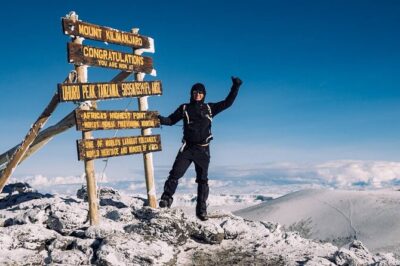
Climbing Kilimanjaro through 7 days Machame Route
Read our review →
7-Day Machame Kilimanjaro Summit Tour from Arusha
Read our review →Browse the lists this tour appears in